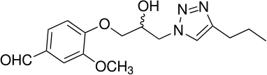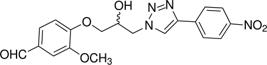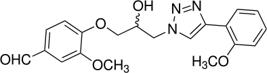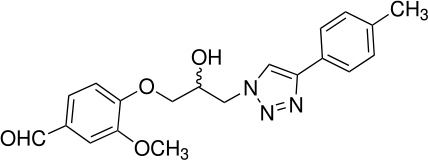
 Synthesis, Antileishmanial Activity, and in silico Study of 2-Hydroxy 3 (1,2,3 triazolyl)propyl Vanillin Derivatives
Abstract
This study details the preparation, antileishmanial assay, and in silico analysis of twenty 2-hydroxy-3-(1,2,3-triazolyl)propyl vanillin derivatives. These compounds were synthesized in three steps and evaluated against Leishmania infantum, Leishmania amazonensis, and Leishmania braziliensis promastigotes. Compounds 3s and 3t were the most effective, showing good activity against all Leishmania species tested. Molecular docking indicated that all compounds bind favorably to the sterol 14α-demethylase (CYP51) enzyme from L. infantum. ADMET (absorption, distribution, metabolism, excretion and toxicity) analysis indicated good oral bioavailability, non blood-brain barrier penetration, and high gastrointestinal absorption. Posaconazole and compounds 3e, 3s, and 3t remained stable in the CYP51 binding region during 100 ns molecular dynamics (MD) simulations. Root mean square deviation (RMSD) and root mean square fluctuations (RMSF) analyses from the MD trajectory revealed significant conformational fluctuations of the CYP51 N-terminal, suggesting occasional expulsion of 3e, potentially explaining its higher IC50 (half-maximal inhibitory concentration) values. Pairwise decomposition analyses from molecular mechanics Poisson-Boltzmann surface area (MM/PBSA) calculations highlighted the importance of hydrophobic residues in interacting with the synthesized derivatives.
Keywords:
vanillin; antileishmanial activity; 1,2,3-triazoles; CuAAC reaction; sterol 14α-demethylase; in silico study
Introduction
Leishmaniasis refers to a group of diseases caused by protozoan parasites from the genus Leishmania.1,2 These parasites are transmitted to humans and other mammals through the bite of phlebotomine sandflies from genus Phlebotomus and Lutzomyia.3 The diseases occur in 98 countries, primarily in tropical and subtropical regions, affecting about 380 million people, particularly the poorest populations of the world. The estimated global incidence is 0.7 to 1.0 million new cases per year.4,5 In this context, leishmaniasis represents a significant public health concern in several countries worldwide.2,4
The clinical manifestations of the disease can be categorized into three main forms: cutaneous, the most common that usually causes skin ulcers; mucosal, which affects the mouth, nose, and throat; and visceral, which is the most serious form, and without proper diagnosis and treatment is fatal in over 95% of cases.6,7 Currently, there is no human vaccine against leishmaniasis and diagnosis is hampered by variable sensitivity and specificity of the tests.
The treatment options include pentavalent antimonials, pentamidine, miltefosine, liposomal and free amphotericin B (AmpB), paromomycin, among others. However, these drugs have limitations such as toxicity, teratogenicity, high cost for some of the aforementioned options, and the emergence of resistance.8-12
Exploring the diverse range of chemical compounds found in nature presents a promising avenue for the research and development of new drugs, including antileishmanial agents.13-16 Bioactive natural products can be used directly as drugs or chemically modified to enhance their biological profile and physicochemical properties. Amphotericin B, a cyclic natural polyene used for the treatment of fungal infections,17 has also been employed as an antileishmanial drug.18
Vanillin (Figure 1), a white-to-yellow crystal solid, is a flavoring compound widely used worldwide in the food, nutraceutical, beverage, and pharmaceutical industries.19,20 It is the primary component found in extracts obtained from plants of the Vanilla genus, such as Vanilla planifolia.19 Vanillin is a phenolic compound with ether and aldehyde functionalities and it is attractive from a pharmaceutical standpoint due to its diverse biological activities, including anticancer, antidiabetic, anti-oxidant, antisickling, antimicrobial, anti-inflammatory, aphrodisiac, cardio protective, diuretic, and antileishmanial.21-24

Structures of vanillin (highlighted in red) and two 2-hydroxy-3-(1,2,3-triazolyl)propyl derivatives. In the structure of the derivatives, the vanillin fragment is highlighted in red while the 2-hydroxy-3-(1,2,3-triazolyl)propyl portion is highlighted in blue.
In the search of new antileishmanial agents, investigators25-29 have synthesized compounds with 1,2,3-triazole-based functionality. The 1,2,3-triazole group is a highly valuable scaffold in drug discovery due to its unique chemical and biological properties. This five-membered ring structure is known for its stability, resistance to metabolic degradation, and ability to form strong hydrogen bonds, making it an ideal linker in drug design.30 The triazole moiety can enhance the solubility, bioavailability, and overall pharmacokinetic profile of drug candidates.30 The 1,2,3-triazoles have been incorporated into a wide range of compounds affording derivatives with a broad scope of biological activities.30,31 Their ease of synthesis via copper(I)-catalyzed azide alkyne cycloaddition (CuAAC) further underscores their significance in modern medicinal chemistry.32-36
Our research group has previously prepared the 2-hydroxy-3-(1,2,3-triazolyl)propyl vanillin derivatives depicted in Figure 1.37-39
These derivatives shown in Figure 1 exhibited in vitro antileishmanial effects against promastigote and amastigote parasites that cause cutaneous and visceral leishmaniasis.37 They also presented low toxicity to macrophages and were found to disrupt the mitochondrial membrane potential, leading to the production of reactive oxygen species, increase in lipid bodies, and alterations in the parasite cell cycle, ultimately resulting in Leishmania death. Preliminary assays using cell culture supernatant from treated and infected macrophages revealed that the vanillin derivatives shown in Figure 1 induced higher levels of IL-12, which were associated with lower production of IL-10, suggesting then the development of an in vitro Th1-type response in the treated cells.37 More recently, in vivo biological assays demonstrated that these molecules (Figure 1) incorporated into polymeric micelles were effective against infections caused by Leishmania parasites.38,39
Given these findings, it would be interesting to investigate the antileishmanial activity of vanillin derivatives similar to those shown in Figure 1, but with additional functionalities attached to the 1,2,3-triazolyl moiety. In this study, the synthesis of a series of 2-hydroxy-3-(1,2,3-triazolyl)propyl vanillin derivatives bearing aliphatic, aromatic, and alicyclic groups connected to the 1,2,3-triazole ring is described. Preliminary experiments showed their potential as antileishmanial agents against Leishmania amazonensis, Leishmania braziliensis, and Leishmania infantum species. Additionally, in silico study provides useful information for the antileishmanial designs based on the synthesized compounds. Besides, the compounds are predicted to display good oral bioavailability, non-blood-brain barrier penetration, and high gastrointestinal absorption.
Experimental
Generalities
Vanillin, sodium azide, (±)-epichlorohydrin, and terminal alkynes were purchased from Sigma-Aldrich (St. Louis, MO, USA) and used without prior purification. PA grade solvents were procured from F Maia (Charqueadas, São Paulo, Brazil). Thin layer chromatography (TLC) analyses were performed using silica gel chromatographic plates (250 µm thick) impregnated on aluminum. After elution, the TLC plates were examined under ultraviolet light (λ = 254 nm) and revealed with potassium permanganate solution. Column chromatography separations were performed using silica gel (70-230 mesh, Sigma-Aldrich, St. Louis, MO, USA) as the stationary phase. Infrared (IR) spectra were obtained using the attenuated total reflectance (ATR) technique on a Varian 660 instrument (Palo Alto, CA, USA) equipped with a GladiATr accessory in the 4000-500 cm-1 region. Nuclear magnetic resonance spectra for hydrogen (1H NMR, 600 MHz) and carbon (13C NMR, 150 MHz) were recorded in a 600 MHz Avance III HD system instrument from Bruker. 1H NMR (300 MHz) and 13C NMR (75 MHz) were acquired on a Varian Mercury 300 instrument. Deuterated chloroform (CDCl3) and dimethyl sulfoxide (DMSO-d6) were used as solvents for NMR spectra acquisition. NMR data are reported as chemical shift (δ) in ppm, multiplicity, the number of hydrogens, and coupling constants (J) in hertz (Hz). Multiplicities are denoted by the following abbreviations: s (singlet), d (doublet), dd (double of doublets), dap (apparent doublet), ddd (doublet of doublet of doublets), t (triplet), tap (apparent triplet), td (doublet of triplets), q (quartet), quintap (apparent quintet), ddtap (apparent doublet of doublets of triplets), and m (multiplet). Melting point temperatures were determined using the MQAPF-301 apparatus (Microquimica, Palhoça, Santa Catarina, Brazil) and are uncorrected. Chromatographic analyses were performed on a Vanquish Flex ultra-efficiency liquid chromatograph coupled to an LTQ-XL mass spectrometer (both from Thermo Scientific, Bremen, Germany). Separation was achieved on a Luna Omega C18 column (1.6 µm, 50 × 2.1 mm) (Phenomenex, São Paulo, Brazil), with 2 μL samples injected at a flow rate of 350 μL min-1. Elution was carried out using a gradient mixture of water and methanol, both containing 0.1% of formic acid, with a gradient ranging from 5.0 to 95.0% of water over 7 min at 60 °C. Mass spectra were recorded in the m/z 100-1500 range, employing positive ionization mode. Heated electrospray ionization (ESI) source parameters included a heater temperature of 350 °C, sheath gas flow rate of 30 arb, auxiliary gas flow rate of 10 arb, spray voltage of 4.0 kV, and capillary voltage of 44.0 V. Calibration of the LTQ-XL equipment was performed using a CalMix LTQ solution in positive mode, within the m/z 100-2000 mass range, with ion accumulation time of 0.005 s and capillary voltage of 4.0 kV. Spectra were processed using the Xcalibur program, version 2.2 (Thermo Scientific, Bremen, Germany). MS/MS experiments utilized 20.0% normalized collision energy.
Synthesis
Preparation of (±)-3-methoxy-4-(oxiran-2-ylmethoxy) benzaldehyde (1)
In a 100 mL round bottom flask, 0.500 g (3.30 mmol) of 4-hydroxy-3-methoxybenzaldehyde (vanillin) and 7.42 g (80.1 mmol) of (±)-epichlorohydrin were stirred for 2 h at 95 °C. Subsequently, 1.00 g (7.20 mmol) of anhydrous potassium carbonate was added, and the resulting mixture was heated and stirred magnetically at 95 °C for an additional 22 h. The completion of the reaction was confirmed by TLC analysis. After that, the reaction mixture was filtered to remove the residual potassium carbonate and concentrated under reduced pressure to obtain a solid residue. The residue was purified by recrystallization using a dichloromethane/hexane mixture (1:1 v v-1), yielding compound 1 as a white solid in 80% yield (0.274 g, 1.316 mmol). The structure of 1 is supported by the following data. TLC Rf 0.22 (hexane/ethyl acetate 1:1 v v-1); mp 93.8-94.5 °C; FTIR (ATR) νmax / cm-1 3075, 3003, 2947, 2849, 2769, 2032, 1695, 1681, 1585, 1506, 1467, 1424, 1403, 1351, 1264, 1233, 1158, 1133, 1019, 960, 908, 878, 859, 800, 757, 730, 651, 590, 567, 479, 425; 1H NMR (600 MHz, CDCl3) δ 2.79 (dd, 1H, J 2.4, 4.8 Hz), 2.94 (tap, 1H, J 4.2, 4.8 Hz), 3.41 3.45 (m, 1H), 3.94 (s, 3H), 4.10 (dd, 1H, J 5.4, 11.4 Hz), 4.39 (dd, 1H, J 3.0, 11.4 Hz), 7.04 (d, 1H, J 8.1 Hz), 7.42 (d, 1H, J 1.8 Hz), 7.44 (dd, 1H, J 1.8, 8.1 Hz), 9.86 (s, 1H); 13C NMR (150 MHz, CDCl3) δ 44.8, 49.9, 56.0, 69.9, 109.5, 112.2, 126.5, 130.7, 150.0, 153.4, 190.9.
Preparation of (±)-4-(3-azido-2-hydroxypropoxy)-3-methoxy benzaldehyde (2)
In a 100 mL round bottom flask, 0.300 g (1.44 mmol) of compound 1, 0.655 g (10.1 mmol) of sodium azide, 0.193 g (3.60 mmol) of ammonium chloride, and 9.00 mL of methanol/water solution (4:1 v v-1) were stirred for 1 h and 15 min at 65 °C. Upon completion of the reaction, as confirmed by TLC analysis, methanol was removed under reduced pressure, and the resulting aqueous phase was extracted with dichloromethane (3 × 25 mL). The combined organic extracts were dried over anhydrous sodium sulfate, filtered, and concentrated under reduced pressure. Compound 2 was purified from the residue by silica gel column chromatography, using a hexane/ethyl acetate/dichloromethane (3:3:2 v v-1) as the eluent. This procedure yielded compound 2 as a colorless oil with 86% yield (0.309 g; 1.23 mmol). The structure of compound 2 is supported by the following data. TLC Rf 0.15 (hexane/ethyl acetate 2:1 v v-1); FTIR (ATR) νmax / cm-1 3409, 3082, 3013, 2937, 2836, 2097, 1676, 1585, 1508, 1461, 1454, 1424, 1397, 1339, 1262, 1235, 1195, 1160, 1133, 1021, 962, 936, 910, 865, 807, 781, 730, 700, 653, 588, 565; 1H NMR (300 MHz, CDCl3) δ 3.47-3.60 (m, 2H), 3.90 (s, 3H), 4.06-4.15 (m, 2H), 4.18-4.27 (m, 1H), 6.98 (d, 1H, J 8.1 Hz), 7.39-7.42 (m, 1H), 7.44 (d, 1H, J 1.9 Hz), 9.84 (s, 1H); 13C NMR (75 MHz, CDCl3) δ 53.1, 55.9, 69.0, 70.6, 109.5, 112.5, 126.6, 130.8, 149.9, 153.2, 190.9.
Preparation of vanillin derivatives 3a-3t exemplified by the synthesis of (±)-4-(2-hydroxy-3-(4-propyl-1H-1,2,3-triazol-1-yl) propoxy)-3-methoxybenzaldehyde (3a)
In a 10 mL round bottom flask, 0.094 g (0.376 mmol) of azide (2), 0.026 g (0.376 mmol) of 1-pentyne, 0.030 g (0.151 mmol) of sodium ascorbate, 1 mL of dichloromethane, 1 mL of distilled water and 0.019 g (0.075 mmol) of copper(II) sulfate pentahydrate were vigorously stirred at room temperature for 24 h. Upon completion of the reaction, as confirmed by TLC analysis, the mixture was transferred to a separatory funnel and the aqueous phase was extracted with dichloromethane (3 × 25 mL). The combined organic extracts were washed with saturated sodium carbonate solution, dried over anhydrous sodium sulfate, filtered, and concentrated under reduced pressure. The compound (±)-4-(2-hydroxy-3-(4-propyl-1H-1,2,3-triazol-1-yl)propoxy)-3-methoxybenzaldehyde (3a) was purified from the residue by silica gel column chromatography using ethyl acetate/methanol (5:0.2 v v-1). Compound 3a was obtained as an oil in 62% yield (0.078 g; 0.233 mmol). The structure of compound 3a is supported by the following data. TLC Rf 0.18 (hexane/ethyl acetate/dichloromethane 1:1:1 v v-1); FTIR (ATR) νmax / cm-1 3338, 3141, 2961, 2934 2873, 2366, 2168, 2027, 1679, 1587, 1509, 1457, 1424, 1340, 1265, 1226, 1132, 1024, 962, 866, 807, 777, 727, 654, 634, 586, 489; 1H NMR (600 MHz, CDCl3) δ 0.95 (t, 3H, J 7.2 Hz), 1.67 (sextet, 1H, J 7.2 Hz), 2.68 (t, 1H, J 7.2 Hz), 3.91 (s, 1H), 3.93 (s, 3H), 4.02 (dd, 1H, J 6.0, 10.2 Hz), 4.08 (dd, 1H, J 4.8, 10.2 Hz), 4.26-4.32 (m, 1H), 4.56 (dd, 1H, J 6.6, 13.8 Hz), 4.66 (dd, 1H, J 3.6, 13.8 Hz), 6.97 (d, 1H, J 9 Hz), 7.27 (s, 1H), 7.41-7.45 (m, 2H), 9.86 (s, 1H); 13C NMR (150 MHz, CDCl3) δ 13.7, 22.6, 27.5, 52.4, 56.0, 68.7, 70.3, 109.5, 112.7, 122.5, 126.7, 131.0, 148.3, 149.9, 153.0, 190.9; LC-MS (post-column infusion (PCI)) m/z, calcd. for C16H21N3O4 [M + H]+: 320.16, found: 320.19, calcd. for C16H21N3O4 [M + K]+: 358.25, found: 358.22.
The vanillin derivatives 3b-3t were synthesized using a similar methodology to that described for obtaining compound 3a. Information on the reactions involved in the preparation of these compounds and the data supporting their structures are described below.
(±)-4-(2-Hydroxy-3-(4-(4-nitrophenyl)-1H-1,2,3-triazol-1-yl)propoxy)-3-methoxy benzaldehyde (3b)
White solid, obtained in 71% yield (0.065 g, 0.162 mmol) from 0.057 g (0.230 mmol) of the azide (2), 0.034 g (0.230 mmol) of the 1-ethynyl-4-nitrobenzene, 0.018 g (0.092 mmol) of sodium ascorbate, and 0.011 g (0.046 mmol) of CuSO4·5H2O. Reaction time: 2 h. TLC Rf 0.27 (hexane/ethyl acetate/dichloromethane 3:2:2 v v-1); mp 67.3-67.5 °C; FTIR (ATR) νmax / cm-1 3522, 3310, 3132, 2954, 2858, 2835, 2792, 2744, 2364, 2218, 2159, 2043, 2027, 1685, 1650, 1588, 1516, 1457, 1426, 1379, 1335, 1269, 1237, 1171, 1122, 1105, 1041, 1020, 968, 907, 848, 807, 781, 750, 706, 685, 637, 578, 500, 476; 1H NMR (600 MHz, CDCl3) δ 3.42 (s, 1H), 3.93 (s, 3H), 4.03 (dd, 1H, J 6.3, 9.9 Hz), 4.20 (dd, 1H, J 4.5, 9.9 Hz), 4.54-4.60 (m, 1H), 4.67 (dd, 1H, J 6.6, 14.1 Hz), 4.78 (dd, 1H, J 3.6, 14.1 Hz), 6.99 (d, 1H, J 9 Hz), 7.42-7.46 (m, 2H), 8.00 (d, 2H, J 9 Hz), 8.12 (s, 1H), 8.29 (d, 2H, J 9 Hz), 9.87 (s, 1H); 13C NMR (150 MHz, CDCl3) δ 52.7, 56.0, 68.7, 70.5, 109.6, 113.1, 122.9, 124.4, 126.2, 126.6, 131.3, 136.7, 145.7, 147.4, 150.1, 152.8, 190.8; LC-MS (PCI) m/z, calcd. for C19H18N4O8 [M + H]+: 399.13, found: 399.18, calcd. for C19H18N4O8 [M + Na]+: 421.11, found: 421.14, calcd. for C19H18N4O8 [M + K]+: 437.22, found: 437.24.
(±)-4-(2-Hydroxy-3-(4-(m-tolyl)-1H-1,2,3-triazol-1-yl)propoxy)-3-methoxy benzaldehyde (3c)
Yellow solid, obtained in 55% yield (0.031 g, 0.083 mmol) from 0.038 g (0.152 mmol) of the azide (2), 0.018 g (0.152 mmol) of the 3-ethynyltoluene, 0.012 g (0.061 mmol) of sodium ascorbate, and 0.008 g (0.031 mmol) of CuSO4·5H2O. Reaction time: 1 h. TLC Rf 0.22 (hexane/ethyl acetate/dichloromethane 3:2:2 v v-1); mp 113.9 114.3 °C; FTIR (ATR) νmax / cm-1 3301, 3130, 3080, 3014, 2947, 2920, 2859, 2825, 2747, 2611, 2163, 2050, 2022, 1977, 1675, 1585, 1519, 1466, 1388, 1333, 1274, 1236, 1194, 1169, 1125, 1086, 1027, 961, 941, 869, 826, 804, 781, 692, 642, 569, 475, 436; 1H NMR (600 MHz, CDCl3) δ 2.39 (s, 3H), 3.60 (s, 1H), 3.93 (s, 3H), 4.04 (dd, 1H, J 6.3, 9.6 Hz), 4.15 (dd, 1H, J 4.8, 9.6 Hz), 4.54-4.69 (m, 1H), 4.64 (dd, 1H, J 6.3, 14.4 Hz), 4.74 (dd, 1H, J 3.6, 14.4 Hz), 6.98 (d, 1H, J 8.4 Hz), 7.15 (d, 1H, J 7.8 Hz), 7.30 (tap, 1H, J 7.8 Hz), 7.41-7.45 (m, 2H), 7.57 (d, 1H, J 7.8 Hz), 7.64 (s, 1H), 7.91 (s, 1H), 9.86 (s, 1H); 13C NMR (150 MHz, CDCl3) δ 21.4, 52.6, 56.0, 68.7, 70.4, 109.5, 112.9, 121.3, 122.8, 126.4, 126.6, 128.8, 129.1, 130.2, 131.0, 138.6, 148.0, 150.0, 152.9, 190.9; LC-MS (PCI) m/z, calcd. for C20H21N3O4 [M + H]+: 368.16, found: 368.27, calcd. for C20H21N3O4 [M + Na]+: 390.14, found: 390.21.
(±)-4-(2-Hydroxy-3-(4-(2-methoxyphenyl)-1H-1,2,3-triazol-1-yl)propoxy)-3-methoxybenzaldehyde (3d)
Yellow solid, obtained in 59% yield (0.037 g, 0.092 mmol) from 0.039 g (0.157 mmol) of the azide (2), 0.021 g (0.157 mmol) of the 2-ethynylanisole, 0.012 g (0.320 mmol) of sodium ascorbate, and 0.008 g (0.031 mmol) of CuSO4·5H2O. Reaction time: 1 h; TLC Rf 0.28 (hexane/ethyl acetate/dichloromethane 3:2:2 v v-1); mp 155.5 155.9 °C; FTIR (ATR) νmax / cm-1 3305, 3130, 3080, 3016, 2920, 2856, 2836, 2736, 2364, 2159, 2054, 2027, 1930, 1853, 1676, 1583, 1512, 1466, 1422, 1392, 1335, 1270, 1235, 1171, 1159, 1126, 1085, 1024, 961, 867, 827, 804, 783, 728, 693, 640, 583, 569, 530, 499, 475; 1H NMR (600 MHz, CDCl3) δ 3.89 (s, 3H), 3.95 (s, 3H), 4.11 (dd, 1H, J 6.0, 9.9 Hz), 4.16 (dd, 1H, J 4.8, 9.9 Hz), 4.59-4.64 (m, 1H), 4.67 (dd, 1H, J 6.0, 13.8 Hz), 4.77 (dd, 1H, J 4.2, 13.8 Hz), 6.96 (d, 1H, J 7.8 Hz), 7.01 (d, 1H, J 8.4 Hz), 7.07-7.11 (m, 1H), 7.30-7.35 (m, 1H), 7.44-7.47 (m, 2H), 8.17 (s, 1H), 8.31 (dd, 1H, J 1.8, 7.8 Hz), 9.88 (s, 1H); 13C NMR (150 MHz, CDCl3) δ 52.5, 55.3, 56.0, 68.8, 70.3, 109.4, 110.8, 112.9, 119.1, 121.0, 124.7, 126.7, 127.6, 129.0, 131.0, 143.2, 150.1, 153.0, 155.6, 190.9; LC-MS (PCI) m/z, calcd. for C20H21N3O5 [M + H]+: 384.16, found: 384.35, calcd. for C20H21N3O5 [M + Na]+: 406.14, found: 406.12, calcd. for C20H21N3O5 [M + K]+: 422.25, found: 422.21.
(±)-N-(1-(3-(4-Formyl-2-methoxyfenoxi)-2-hydroxypropyl)-1H-1,2,3-triazol-4-yl) cinnamide (3e)
White solid, obtained in 30% yield (0.070 g, 0.166 mmol) from 0.141 g (0.560 mmol) of the azide (2), 0.104 g (0.560 mmol) of the N-ethinylcinnamamide, 0.044 g (0.224 mmol) of sodium ascorbate, and 0.028 g (0.112 mmol) of CuSO4·5H2O. Reaction time: 30 h. TLC Rf 0.30 (ethyl acetate); mp 102.3-104.2 °C; FTIR (ATR) νmax / cm-1 3243, 3071, 2943, 2837, 2721, 2365, 2323, 2233, 2201, 2162, 2053, 2031, 1979, 1944, 1735, 1695, 1679, 1657, 1613, 1583, 1509, 1453, 1423, 1397, 1362, 1338, 1270, 1235, 1160, 1137, 1058, 1027, 974, 865, 806, 784, 760, 732, 669, 589, 534, 487; 1H NMR (300 MHz, DMSO-d6) δ 3.84 (s, 3H), 3.98-4.03 (m, 2H), 4.20-4.29 (m, 1H), 4.38-4.45 (m, 1H), 4.56 (dd, 1H, J 3.9, 13.9 Hz), 6.65 (d, 1H, J 5.8 Hz), 7.16 (d, 1H, J 8.3 Hz), 7.34-7.42 (m, 5H), 7.50-7.55 (m, 3H), 7.94 (s, 1H), 8.59 (t, 1H), 9.82 (s, 1H); 13C NMR (150 MHz, CDCl3) δ 52.9, 56.1, 68.1, 70.8, 110.3, 113.0, 122, triazol-1-yl 3, 124.4, 126.3, 127.9, 129.4, 129.9, 130.4, 135.3, 139.4, 144.9, 149.8, 153.7, 165.3, 191.8.
The synthesis of N-ethinilycinnamide was performed as previously described.40
(±)-4-(2-Hydroxy-3-(4-phenyl-1H-1,2,3-) propoxy)-3 methoxy-benzaldehyde (3f)
White solid, obtained in 84% yield (0.157 g, 0.444 mmol) from 0.133 g (0.530 mmol) of the azide (2), 0.054 g (0.530 mmol) of the phenylacetylene, 0.042 g (0.212 mmol) of sodium ascorbate, and 0.026 g (0.106 mmol) of CuSO4·5H2O. Reaction time: 6 h. TLC Rf 0.27 (hexane/ethyl acetate/dichloromethane 3:3:2 v v-1); mp 138.0 139.7 °C; FTIR (ATR) νmax / cm-1 3418, 3122, 3094, 3071, 3010, 2946, 2927, 2879, 2846, 2197, 2172, 2153, 2056, 2014, 1992, 1976, 1831, 1677, 1585, 1507, 1467, 1428, 1398, 1382, 1266, 1230, 1202, 1163, 1136, 1087, 1057, 1027, 980, 955, 922, 869, 830, 809, 768, 724, 691, 665, 590, 565, 512, 486; 1H NMR (300 MHz, DMSO-d6) δ 3.84 (s, 3H), 4.09 (d, 2H, J 5.28 Hz), 4.37 4.27 (m, 1H), 4.47 (dd, 1H, J 7.5, 13.8 Hz), 4.63 (dd, 1H, J 3.9, 13.8 Hz), 7.19 (d, 1H, J 8.3 Hz), 7.27-7.33 (m, 1H), 7.39 7.43 (m, 2H), 7.45 (tap, 1H, J 1.7 Hz), 7.53 (dd, 1H, J 1.9, 8.3 Hz), 7.81-7.85 (m, 2H), 8.54 (s, 1H), 9.84 (s, 1H); 13C NMR (75 MHz, DMSO-d6) δ 53.2, 56.1, 68.1, 70.9, 110.3, 113.0, 122.9, 125.5, 126.3, 128.2, 129.3, 130.4, 131.3, 146.5, 149.8, 153.7, 191.9; LC-MS (PCI) m/z, calcd. for C19H19N3O4 [M + H]+: 354.15, found: 354.27, calcd. for C19H19N3O4 [M + Na]+: 376.13, found: 376.13.
(±)-4-(2-Hydroxy-3-(4-(2-hydroxypropan-2-yl)-1H 1,2,3 triazol-1-yl)propoxy)-3- methoxybenzaldehyde (3g)
Yellow oil, obtained in 70% yield (0.108 g, 0.322 mmol) from 0.116 g (0.460 mmol) of the azide (2), 0.039 g (0.460 mmol) of the 2-methyl-3-butyn-2-ol, 0.037 g (0.185 mmol) of sodium ascorbate, and 0.023 g (0.092 mmol) of CuSO4·5H2O. Reaction time: 22 h. TLC Rf 0.35 (ethyl acetate); FTIR (ATR) νmax / cm-1 3547, 3145, 3081, 2976, 2936, 2840, 2737, 2201, 2179, 2162, 2050, 2034, 1999, 1976, 1957, 1675, 1586, 1509, 1463, 1424, 1401, 1385, 1340, 1265, 1234, 1160, 1133, 1056, 1020, 955, 857, 809, 781, 729, 672, 653, 589, 470; 1H NMR (300 MHz, DMSO-d6) δ 1.43 (s, 6H), 3.84 (s, 3H), 4.03 (d, 2H, J 5.4 Hz), 4.20-4.28 (m, 1H), 4.38 (dd, 1H, J 7.4, 13.9 Hz), 4.53 (dd, 1H, J 4.0, 13.8 Hz), 7.16 (d, 1H, J 8.3 Hz), 7.40 (d, 1H, J 1.9 Hz), 7.52 (dd, 1H, J 1.9, 8.3 Hz), 7.83 (s, 1H), 9.83 (s, 1H); 13C NMR (75 MHz, DMSO-d6) δ 31.2, 52.8, 56.1, 67.5, 68.1, 70.9, 110.4, 113.0, 121.9, 126.3, 130.4, 149.8, 153.7, 156.0, 191.9; LC-MS (PCI) m/z, calcd. for C16H21N3O5 [M + Na]+: 358.14, found: 358.14, calcd. for C16H21N3O5 [M + K]+: 374.25, found: 374.11.
(±)-4-(2-Hydroxy-3-(4-(1-hydroxyciclohexyl)-1H 1,2,3 triazol-1-yl)propoxy)-3-methoxybenzaldehyde (3h)
Yellow oil, obtained in 89% yield (0.160 g, 0.426 mmol) from 0.121 g (0.480 mmol) of the azide (2), 0.060 g (0.480 mmol) of the 1-ethynyl-1-cyclohexanol, 0.038 g (0.192 mmol) of sodium ascorbate, and 0.024 g (0.096 mmol) of CuSO4·5H2O. Reaction time: 27 h. TLC Rf 0.50 (ethyl acetate); FTIR (ATR) νmax / cm-1 3361, 3145, 3084, 2932, 2855, 2169, 2146, 2040, 2011, 1967, 1944, 1732, 1677, 1586, 1509, 1453, 1424, 1397, 1340, 1264, 1241, 1159, 1133, 1023, 962, 905, 868, 849, 808, 781, 730, 654, 592, 573, 467; 1H NMR (300 MHz, DMSO-d6) δ 1.15 (t, 1H, J 7.14), 1.22-1.31 (m, 1H), 1.58-1.69 (m, 4H), 1.79-1.96 (m, 4H), 3.84 (s, 3H), 3.99-4.04 (m, 2H), 4.20-4.29 (m, 1H), 4.39 (dd, 1H, J 7.3, 13.8 Hz), 4.53 (dd, 1H, J 4.1, 13.9 Hz), 4.81 (s, 1H), 5.59 (d, 1H), 7.15 (d, 1H, J 8.3 Hz), 7.41 (d, 1H, J 1.8 Hz), 7.52 (dd, 1H, J 1.9, 8.3 Hz), 7.82 (s, 1H), 9.83 (s, 1H); 13C NMR (75 MHz, DMSO-d6) δ 22.1, 25.7, 38.3, 52.8, 56.1, 68.1, 68.4, 70.9, 110.4, 113, 122.3, 126.3, 130.4, 149.8, 153.7, 155.9, 191.8; LC-MS (PCI) m/z, calcd. for C19H25N3O5 [M + H]+: 376.19, found: 376.27, calcd. for C19H18N4O8 [M + Na]+: 398.17, found: 398.23, calcd. for C19H18N4O8 [M + K]+: 414.28, found: 414.10.
(±)-4-(2-Hydroxy-3-(4-(hidroxymethyl)-1H-1,2,3-triazol-1-yl)propoxy)-3-methoxybenzaldehyde (3i)
Yellow pasty solid, obtained in 28% yield (0.043 g, 0.141 mmol) from 0.130 g (0.510 mmol) of the azide (2), 0.029 g (0.510 mmol) of the 2-propyn-1-ol, 0.041 g (0.21 mmol), and 0.026 g (0.100 mmol) of CuSO4·5H2O. Reaction time: 32 h. TLC Rf 0.34 (ethyl acetate/hexane 2:1 v v-1); FTIR (ATR) νmax / cm-1 3331, 3139, 2936, 2860, 2837, 2233, 2179, 2163, 2140, 2053, 2044, 2012, 1983, 1691, 1671, 1585, 1509, 1463, 1425, 1395, 1341, 1266, 1239, 1195, 1164, 1131, 1049, 1023, 956, 926, 865, 799, 778, 730, 641, 588, 570, 528, 468; 1H NMR (300 MHz, DMSO-d6) δ 3.83 (s, 3H), 3.96-4.06 (m, 2H), 4.18-4.26 (m, 1H), 4.41 (dd, 1H, J 7.3, 13.9 Hz), 4.48 (s, 1H), 4.55 (dd, 1H, J 4.0, 13.9 Hz), 7.16 (d, 1H, J 8.3 Hz), 7.40 (d, 1H, J 1.8 Hz), 7.52 (dd, 1H, J 1.9, 8.2 Hz), 7.93 (s, 1H), 9.83 (s, 1H); 13C NMR (75 MHz, DMSO-d6) δ 52.8, 55.4, 56.1, 68.1, 70.7, 110.2, 112.9, 124.2, 126.4, 130.3, 148.2, 149.7, 153.6, 191.9; LC-MS (PCI) m/z, calcd. for C14H17N3O5 [M + H]+: 308.13, found: 308.00, calcd. for C14H17N3O5 [M + Na]+: 330.11, found: 330.14, calcd. for C14H17N3O5 [M + K]+: 346.22, found: 346.18.
(±)-4-(2-Hydroxy-3-(4-(3-hydroxypropyl)-1H-1,2,3-triazol-1 yl)propoxy)-3-methoxybenzaldehyde (3j)
Yellow pasty solid, obtained in 55% yield (0.087 g, 0.261 mmol) from 0.120 g (0.476 mmol) of the azide (2), 0.040 g (0.476 mmol) of the 4-pentyn-1-ol, 0.038 g (0.190 mmol) of sodium ascorbate, and 0.024 g (0.953 mmol) of CuSO4·5H2O. Reaction time: 30 h. TLC Rf 0.23 (ethyl acetate/methanol 5:0.2 v v-1); FTIR (ATR) νmax / cm-1 3353, 2938, 2879, 2857, 2741, 2201, 2162, 2056, 2042, 2016, 2002, 1951, 1880, 1677, 1586, 1556, 1509, 1455, 1424, 1401, 1341, 1266, 1236, 1196, 1160, 1135, 1054, 1023, 962, 923, 865, 809, 782, 730, 701, 655, 590, 569, 492; 1H NMR (300 MHz, DMSO-d6) δ 1.66-1.76 (m, 1H), 2.62 (t, 1H, J 7.9 Hz), 3.40 (t, 1H), 3.84 (s, 3H), 4.01 (d, 2H, J 5.3 Hz), 4.19-4.26 (m, 1H), 4.37 (dd, 1H, J 7.4, 13.8 Hz), 4.52 (dd, 1H, J 4.0, 13.8 Hz), 7.16 (d, 1H, J 8.3 Hz), 7.40 (d, 1H, J 1.9 Hz), 7.52 (dd, 1H, J 1.9, 8.3 Hz), 7.80 (s, 1H), 9.83 (s, 1H); 13C NMR (75 MHz, DMSO-d6) δ 22.1, 32.7, 52.8, 56.1, 60.5, 68.1, 70.8, 110.3, 112.9, 123.3, 126.4, 130.4, 146.9, 149.8, 153.7, 191.9; LC-MS (PCI) m/z, calcd. for C16H21N3O5 [M + H]+: 336.16, found: 336.29, calcd. for C16H21N3O5 [M + Na]+: 358.14, found: 358.17.
(±)-4-(2-Hydroxy-3-(4-(o-tolyl)-1H-1,2,3-triazol-1-yl)propoxy)-3-methoxybenzaldehyde (3k)
Yellow solid, obtained in 87% yield (0.211 g, 0.575 mmol) from 0.166 g (0.661 mmol) of the azide (2), 0.077 g (0.661 mmol) of the 2-ethynyltoluene, 0.052 g (0.264 mmol), and 0.033 g (0.132 mmol) of CuSO4·5H2O. Reaction time: 23 h. TLC Rf 0.47 (ethyl acetate/hexane 2:1 v v-1); mp 99.5-100.4 °C; FTIR (ATR) νmax / cm-1 3334, 3154, 3080, 3009, 2964, 2926, 2845, 2762, 2617, 2318, 2277, 2168, 2078, 2052, 2039, 2026, 2017, 2001, 1978, 1952, 1920, 1675, 1587, 1511, 1466, 1453, 1421, 1395, 1347, 1312, 1270, 1240, 1223, 1198, 1156, 1137, 1106, 1087, 1058, 974, 961, 926, 870, 806, 754, 733, 717, 669, 650, 595, 543, 492, 469, 450; 1H NMR (300 MHz, DMSO-d6) δ 2.40 (s, 3H), 3.84 (s, 3H), 4.09 (d, 2H, J 5.2 Hz), 4.31-4.38 (m, 1H), 4.51 (dd, 1H, J 7.5, 13.8 Hz), 4.65 (dd, 1H, J 4.0, 13.8 Hz), 7.19 (d, 1H, J 8.3 Hz), 7.22 7.29 (m, 3H), 7.41 (d, 1H, J 1.8 Hz), 7.53 (dd, 1H, J 1.8, 8.3 Hz), 7.71-7.74 (m, 1H), 8.35 (s, 1H), 9.83 (s, 1H); 13C NMR (75 MHz, DMSO-d6) δ 21.6, 53.1, 56.1, 68.1, 70.9, 110.2, 112.9, 124.7, 126.4, 126.5, 128.1, 128.5, 130.4, 130.5, 131.3, 135.3, 145.7, 149.7, 153.7, 191.9; LC MS (PCI) m/z, calcd. for C20H21N3O4 [M + H]+: 368.16, found: 368.12, calcd. for C20H21N3O4 [M + Na]+: 390.14, found: 390.16.
(±)-4-(2-Hydroxy-3-(4-(p-tolyl)-1H-1,2,3-triazol-1-yl)propoxy)-3-methoxybenzaldehyde (3l)
Yellow solid, obtained in 96% yield (0.183 g, 0.500 mmol) from 0.131 g (0.521 mmol) of the azide (2), 0.060 g (0.521 mmol) of the 4-ethynyltoluene, 0.041 g (0.208 mmol) of sodium ascorbate, and 0.026 g (0.104 mmol) of CuSO4·5H2O. Reaction time: 48 h. TLC Rf 0.38 (ethyl acetate); mp 125.6-127.1 °C; FTIR (ATR) νmax / cm-1 3424, 3130, 3094, 3050, 3008, 2969, 2935, 2879, 2850, 2812, 2783, 2709, 2205, 2186, 2163, 2048, 2035, 1996, 1980, 1967, 1922, 1720, 1685, 1584, 1506, 1461, 1420, 1382, 1337, 1264, 1229, 1199, 1168, 1119, 1089, 1054, 1021, 979, 955, 915, 877, 860, 815, 782, 766, 723, 668, 649, 590, 563, 523, 488, 473; 1H NMR (300 MHz, DMSO-d6) δ 2.30 (s, 3H), 3.84 (s, 3H), 4.08 (d, 2H, J 5.2 Hz), 4.27 4.36 (m, 1H), 4.46 (dd, 1H, J 7.6, 13.8 Hz), 4.62 (dd, 1H, J 3.8, 13.8 Hz), 5.66 (d, 1H), 7.19 (d, 1H, J 8.3 Hz), 7.23 (d, 2H, J 7.9 Hz), 7.41 (d, 1H, J 1.9 Hz), 7.53 (dd, 1H, J 1.9, 8.3 Hz), 7.72 (d, 2H, J 8.1 Hz), 8.47 (s, 1H), 9.84 (s, 1H); 13C NMR (75 MHz, DMSO-d6) δ 21.3, 53.2, 56.1, 68.1, 70.9, 110.3, 113.0, 122.5, 125.5, 126.3, 128.5, 129.9, 130.4, 137.5, 146.6, 149.8, 153.7, 191.8; LC-MS (PCI) m/z, calcd. for C20H21N3O4 [M + H]+: 368.16, found: 368.21, calcd. for C20H21N3O4 [M + Na]+: 390.14, found: 390.15.
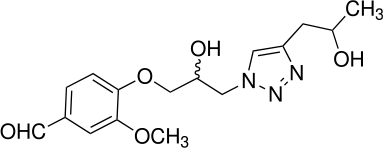
(±)-4-(2-Hydroxy-3-(4-(2-hydroxypropyl)-1H-1,2,3-triazol-1 yl)propoxy)-3-methoxybenzaldehyde (3m)
Yellow oil, obtained in 52% yield (0.115 g, 0.342 mmol) from 0.167 g (0.664 mmol) of the azide (2), 0.056 g (0.664 mmol) of the 4-pentyn-2-ol, 0.053 g (0.266 mmol) of sodium ascorbate, and 0.033 g (0.133 mmol) of CuSO4·5H2O. Reaction time: 48 h. TLC Rf 0.31 (ethyl acetate/methanol 5:0.3 v v-1); FTIR (ATR) νmax / cm-1 3356, 2968, 2933, 2876, 2178, 2159, 2053, 2040, 2022, 1982, 1675, 1586, 1554, 1509, 1459, 1425, 1399, 1341, 1266, 1235, 1198, 1162, 1135, 1085, 1023, 940, 880, 865, 809, 782, 730, 654, 589, 569, 516, 467; 1H NMR (300 MHz, DMSO-d6) δ 1.03 (d, 3H, J 6.1 Hz), 2.61 (dd, 1H, J 6.2, 14.4 Hz), 2.69 (dd, 1H, J 6.4, 14.4 Hz), 3.76-3.82 (m, 1H), 3.84 (s, 3H), 4.01 (d, 2H, J 5.3 Hz), 4.19-4.26 (m, 1H), 4.37 (dd, 1H, J 7.4, 13.8 Hz), 4.52 (dd, 1H, J 4.0, 13.8 Hz), 7.15 (d, 1H, J 8.3 Hz), 7.40 (d, 1H, J 1.9 Hz), 7.52 (dd, 1H, J 1.9, 8.3 Hz), 7.80 (s, 1H), 9.83 (s, 1H); 13C NMR (75 MHz, DMSO-d6) δ 23.5, 35.7, 56.1, 63.2, 66.3, 68.1, 70.8, 110.2, 112.9, 124.2, 126.4, 130.3, 144.5, 149.7, 153.7, 191.9; LC-MS (PCI) m/z, calcd. for C16H21N3O5 [M + H]+: 336.16, found: 336.18, calcd. for C16H21N3O5 [M + Na]+: 358.14, found: 358.22.
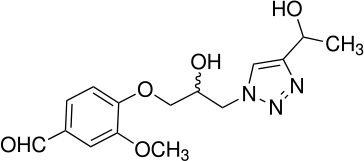
(±)-4-(2-Hydroxy-3-(4-(1-hydroxyethyl)-1H-1,2,3-triazol-1-yl)propoxy)-3-methoxybenzaldehyde (3n)
White pasty solid, obtained in 48% yield (0.090 g, 0.279 mmol) from 0.144 g (0.575 mmol) of the azide (2), 0.040 g (0.575 mmol) of the 3-butyn-2-ol, 0.045 g (0.230 mmol) of sodium ascorbate, and 0.029 g (0.115 mmol) of CuSO4·5H2O. Reaction time: 24 h. TLC Rf 0.28 (ethyl acetate/methanol 5:0.2 v v-1); FTIR (ATR) νmax / cm-1 3335, 3151, 3084, 3058, 2974, 2935, 2875, 2837, 2735, 2275, 2246, 2210, 2185, 2161, 2050, 2011, 1992, 1969, 1678, 1586, 1509, 1463, 1425, 1398, 1340, 1264, 1235, 1196, 1158, 1135, 1081, 1057, 1023, 961, 927, 890, 867, 809, 781, 730, 701, 654, 589, 569, 499, 462; 1H NMR (300 MHz, DMSO-d6) δ 1.38 (dd, 3H, J 1.2, 6.5 Hz), 1.87 (d, 1H), 3.85 (s, 3H), 4.03 (tap, 2H, J 3.9 Hz), 4.23-4.26 (m, 1H), 4.40 (ddd, 1H, J 2.9, 6.4, 9.3 Hz), 4.54 (ddd, 1H, J 1.5, 4.0, 5.4 Hz), 4.80 (q, 1H, J 6.5, 13.0 Hz), 7.17 (d, 1H, J 8.3 Hz), 7.41 (d, 1H, J 1.9 Hz), 7.53 (dd, 1H, J 1.9, 8.3 Hz), 7.87 (s, 1H), 9.83 (s, 1H); 13C NMR (75 MHz, DMSO-d6) δ 24.2, 52.8, 56.1, 62.1, 68.1, 70.8, 110.3, 112.9, 122.7, 126.4, 130.4, 149.8, 152.8, 153.7, 191.9; LC-MS (PCI) m/z, calcd. for C15H19N3O5 [M + H]+: 322.14, found: 336.07, calcd. for C15H19N3O5 [M + Na]+: 344.12, found: 344.23.
(±)-4-(2-Hydroxy-3-(4-(2-hydroxyethyl)-1H-1,2,3-triazol-1-yl)propoxy)-3-methoxybenzaldehyde (3o)
Yellow pasty solid, obtained in 60% yield (0.120 g, 0.375 mmol) from 0.157 g (0.625 mmol) of the azide (2), 0.044 g (0.625 mmol) of the 3-butyn-1-ol, 0.050 g (0.250 mmol) of sodium ascorbate, and 0.031 g (0.125 mmol) of CuSO4·5H2O. Reaction time: 26 h. TLC Rf 0.23 (ethyl acetate/methanol 5:0.2 v v-1); FTIR (ATR) νmax / cm-1 3749, 3375, 3145, 2938, 2880, 2847, 2753, 2413, 2362, 2333, 2158, 2066, 2044, 2019, 2001, 1976, 1958, 1675, 1586,1509, 1462, 1424, 1401, 1340, 1266, 1235, 1196, 1161, 1134, 1053, 1020, 960, 925, 864, 809, 781, 730, 654, 589, 568, 482; 1H NMR (300 MHz, DMSO-d6) δ 1.67 (s, 1H), 2.74 (t, 2H, J 7.0 Hz), 3.60 (t, 2H, J 7.0 Hz), 3.84 (s, 3H), 4.01 (d, 2H, J 3.4 Hz), 4.18-4.26 (m, 1H), 4.37 (dd, 1H, J 7.3, 13.8 Hz), 4.52 (dd, 1H, J 4.0, 13.8 Hz), 7.15 (d, 1H, J 8.3 Hz), 7.40 (d, 1H, J 1.8 Hz), 7.52 (dd, 1H, J 1.9, 8.3 Hz), 7.83 (s, 1H), 9.83 (s, 1H); 13C NMR (75 MHz, DMSO-d6) δ 29.6, 52.8, 56.1, 60.8, 68.1, 70.8, 110.4, 112.9, 123.9, 126.4, 130.4, 144.6, 149.8, 153.7, 191.9; LC-MS (PCI) m/z, calcd. for C15H19N3O5 [M + H]+: 322.14, found: 322.21, calcd. for C15H19N3O5 [M + Na]+: 344.12, found: 344.11.
(±)-4-(3-(4-(3-Cloropropyl)-1H-1,2,3-triazol-1-yl)-2-hydroxy-propoxy)-3-methoxybenzaldehyde (3p)
Yellow oil, obtained in 56% yield (0.010 g, 0.279 mmol) from 0.126 g (0.501 mmol) of the azide (2), 0.051 g (0.501 mmol) of the 5-chloro-1-pentyne, 0.040 g (0.200 mmol) of sodium ascorbate, and 0.025 g (0.100 mmol) of CuSO4·5H2O. Reaction time: 5 h. TLC Rf 0.30 (ethyl acetate/hexane 2:1 v v-1); FTIR (ATR) νmax / cm-1 3532, 3345, 3144, 3081, 3007, 2960, 2939, 2853, 2835, 2732, 2620, 2318, 2250, 2209, 2161, 2135, 2037, 2011, 1991, 1967, 1774, 1678, 1586, 1554, 1509, 1461, 1424, 1397, 1340, 1264, 1235, 1159, 1133, 1050, 1022, 961, 923, 865, 807, 781, 729, 651, 589, 567, 490, 464; 1H NMR (300 MHz, DMSO-d6) δ 1.96-2.07 (m, 1H), 2.73 (t, 2H, J 7.9 Hz), 3.65 (t, 2H, J 6.5 Hz), 3.84 (s, 3H), 4.02 (d, 2H, J 5.3 Hz), 4.19-4.28 (m, 1H), 4.38 (dd, 1H, J 7.5, 13.8 Hz), 4.53 (dd, 1H, J 4.0, 13.8 Hz), 5.59 (s, 1H), 7.16 (d, 1H, J 8.3 Hz), 7.40 (d, 1H, J 1.9 Hz), 7.52 (dd, 1H, J 1.9, 8.3 Hz), 7.85 (s, 1H), 9.83 (s, 1H); 13C NMR (75 MHz, DMSO-d6) δ 22.7, 32.2, 45.1, 52.9, 56.1, 68.1, 70.8, 110.3, 112.9, 123.6, 126.3, 130.4, 145.6, 149.8, 153.7, 191.8; LC-MS (PCI) m/z, calcd. for C16H20ClN3O4 [M + H]+: 354.12, found: 354.30, calcd. for C16H20ClN3O4 [M + Na]+: 376.10, found: 376.14.
(±)-4-(3-(4-Hexyl-1H-1,2,3-triazol-1-yl)-2-hydroxypropoxy)-3-methoxybenzaldehyde (3q)
White solid, obtained in 46% yield (0.112 g, 0.310 mmol) from 0.169 g (0.672 mmol) of the azide (2), 0.074 g (0.672 mmol) of the 1-hexyne, 0.053 g (0.269 mmol) of sodium ascorbate, and 0.034 g (0.134 mmol) of CuSO4·5H2O. Reaction time: 23 h. TLC Rf 0.57 (dichloromethane/ethyl acetate/ethyl ether 1:1:1 v v-1); mp 82.4-84.1 °C; FTIR (ATR) νmax / cm-1 3309, 3133, 3077, 3054, 3008, 2944, 2927, 2856, 2794, 2745, 2614, 2257, 2164, 2052, 2032, 1978, 1965, 1910, 1859, 1677, 1585, 1551, 1519, 1469, 1431, 1386, 1336, 1314, 1276, 1239, 1214, 1194, 1170, 1141, 1124, 1089, 1056, 1039, 1027, 960, 941, 876, 867, 826, 804, 782, 724, 703, 656, 636, 583, 571, 495, 454, 411; 1H NMR (300 MHz, DMSO-d6) δ 0.82 (t, 3H, J 7.1 Hz), 1.18-1.31 (m, 6H), 1.49-1.59 (m, 2H), 2.57 (t, 2H, J 7.6 Hz), 3.84 (s, 3H), 4.00 (d, 2H, J 5.3 Hz), 4.19-4.31 (m, 1H), 4.37 (dd, 1H, J 7.3, 13.8 Hz), 4.51 (dd, 1H, J 4.1, 13.8 Hz), 5.58 (d, 1H), 7.14 (d, 1H, J 8.3 Hz), 7.40 (d, 1H, J 1.8 Hz), 7.52 (dd, 1H, J 1.9, 8.3 Hz), 7.8 (s, 1H), 9.83 (s, 1H); 13C NMR (75 MHz, DMSO-d6) δ 14.4, 22.5, 25.4, 28.7, 29.4, 31.5, 52.8, 56.1, 68.1, 70.8, 110.4, 112.9, 123.2, 126.3, 130.4, 147.1, 149.8, 153.7, 191.8; LC-MS (PCI) m/z, calcd. for C19H27N3O4 [M + H]+: 362.21, found: 362.30, calcd. for C19H27N3O4 [M + Na]+: 384.19, found: 384.19.
(±)-4-(3-(4-Heptyl-1H-1,2,3-triazol-1-yl)-2-hydroxypropoxy)-3-methoxybenzaldehyde (3r)
White solid, obtained in 43% yield (0.105 g, 0.279 mmol) from 0.126 g (0.503 mmol) of the azide (2), 0.062 g (0.503 mmol) of 1-heptyne, 0.040 g (0.201 mmol) of sodium ascorbate, and 0.025 g (0.100 mmol) of CuSO4·5H2O. Reaction time: 4 h. TLC Rf 0.46 (ethyl acetate/ethyl ether/dichloromethane 2:1:5 v v-1); mp 93.0 94.5 °C; FTIR (ATR) νmax / cm-1 3338, 3257, 3141, 3077, 3008, 2953, 2921, 2847, 2768, 2733, 2623, 2423, 2318, 2283, 2246, 2164, 2137, 2063, 2034, 1989, 1967, 1928, 1675, 1596, 1587, 1552, 1511, 1468, 1422, 1397, 1346, 1314, 1276, 1239, 1219, 1194, 1157, 1137, 1123, 1067, 1029, 962, 929, 869, 836, 807, 788, 735, 662, 650, 590, 567, 519, 504, 489, 463; 1H NMR (300 MHz, DMSO-d6) δ 0.82 (t, 3H, J 7.0 Hz), 1.21-1.28 (m, 8H), 1.49-1.59 (m, 2H), 2.57 (t, 2H, J 7.6 Hz), 3.84 (s, 3H), 4.00 (d, 2H, J 5.2 Hz), 4.18-4.28 (m, 1H), 4.37 (dd, 1H, J 7.3, 13.8 Hz), 4.51 (dd, 1H, J 4.1, 13.8 Hz), 5.59 (s, 1H), 7.14 (d, 1H, J 8.3 Hz), 7.40 (d, 1H, J 1.8 Hz), 7.52 (dd, 1H, J 1.9, 8.3 Hz), 7.8 (s, 1H), 9.83 (s, 1H); 13C NMR (75 MHz, DMSO-d6) δ 14.4, 22.5, 25.4, 28.9, 29.0, 29.4, 52.8, 56.1, 68.1, 70.8, 110.4, 112.9, 123.2, 126.3, 130.4, 147.1, 149.8, 153.7, 191.8; LC-MS (PCI) m/z, calcd. for C20H29N3O4 [M + H]+: 376.23, found: 376.26, calcd. for C20H29N3O4 [M + Na]+: 398.21, found: 398.24.
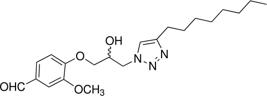
(±)-4-(2-Hydroxy-3-(4-octyl-1H-1,2,3-triazol-1-yl)propoxy)-3-methoxybenzaldehyde (3s)
Yellow solid, obtained in 64% yield (0.151 g, 0.388 mmol) from 0.153 g (0.610 mmol) of the azide (2), 0.084 g (0.610 mmol) of 1-octyne, 0.048 g (0.244 mmol) of sodium ascorbate, and 0.030 g (0.122 mmol) of CuSO4·5H2O. Reaction time: 3 h. TLC Rf 0.56 (ethyl ether/ethyl acetate/dichloromethane 1:2.5:3 v v-1); mp 89.7 91.2 °C; FTIR (ATR) νmax / cm-1 3319, 3254, 3141, 3077, 3008, 2956, 2917, 2848, 2763, 2670, 2619, 2420, 2365, 2317, 2192, 2167, 2144, 2021, 1999, 1980, 1676, 1596, 1586, 1552, 1512, 1468, 1422, 1396, 1373, 1347, 1318, 1276, 1240, 1218, 1194, 1157, 1136, 1123, 1068, 1029, 961, 930, 868, 835, 806, 787, 735, 702, 662, 650, 589, 568, 520, 504, 463, 416; 1H NMR (300 MHz, DMSO-d6) δ 0.82 (t, 3H, J 6.9 Hz), 1.21-1.27 (m, 10H), 1.49-1.56 (m, 2H), 2.57 (t, 2H, J 7.6 Hz), 3.84 (s, 3H), 4.00 (d, 2H, J 5.3 Hz), 4.18-4.26 (m, 1H), 4.37 (dd, 1H, J 7.3, 13.8 Hz), 4.51 (dd, 1H, J 4.1, 13.8 Hz), 5.58 (d, 1H), 7.14 (d, 1H, J 8.3 Hz), 7.40 (d, 1H, J 1.9 Hz), 7.52 (dd, 1H, J 1.9, 8.3 Hz), 7.77 (s, 1H), 9.83 (s, 1H); 13C NMR (75 MHz, DMSO-d6) δ 14.4, 22.5, 25.4, 29.0, 29.1, 29.2, 29.4, 31.7, 52.8, 56.1, 68.1, 70.8, 110.4, 112.9, 123.2, 126.3, 130.4, 147.1, 149.8, 153.7, 191.8; LC-MS (PCI) m/z, calcd. for C21H31N3O4 [M + H]+: 390.24, found: 390.32, calcd. for C21H31N3O4 [M + Na]+: 412.22, found: 412.29.
(±)-4-(3-(4-Decyl-1H-1,2,3-triazol-1-yl)-2-hydroxypropoxy)-3-methoxybenzaldehyde (3t)
Silvery white solid, obtained in 65% yield (0.166 g, 0.398 mmol) from 0.154 g (0.612 mmol) of the azide (2), 0.102 g (0.612 mmol) of 1-decyne, 0.048 g (0.245 mmol) of sodium ascorbate, and 0.031 g (0.122 mmol) of CuSO4·5H2O. Reaction time: 19 h. TLC Rf 0.54 (ethyl ether/ethyl acetate/dichloromethane 1:3.5:3 v v-1); mp 92.8 94.4 °C; FTIR (ATR) νmax / cm-1 3323, 3135, 3077, 3010, 2926, 2852, 2792, 2746, 2605, 2172, 2146, 2114, 2059, 2043, 2030, 2014, 1969,1725, 1677, 1585, 1552,1519, 1462, 1430, 1386, 1336, 1276, 1239, 1214, 1193, 1169, 1142, 1124, 1056, 1039, 1027, 960, 940, 876, 867, 825, 804, 782, 724, 657, 636, 583, 569, 487, 473, 410; 1H NMR (300 MHz, DMSO-d6) δ 0.82 (t, 3H, J 7.0 Hz), 1.20-1.24 (m, 14H), 1.49-1.56 (m, 2H), 2.56 (t, 2H, J 7.6 Hz), 3.84 (s, 3H), 4.00 (d, 2H, J 5.3 Hz), 4.18-4.28 (m, 1H), 4.37 (dd, 1H, J 7.3, 13.8 Hz), 4.51 (dd, 1H, J 4.1, 13.8 Hz), 5.58 (d, 1H), 7.14 (d, 1H, J 8.3 Hz), 7.40 (d, 1H, J 1.8 Hz), 7.52 (dd, 1H, J 1.9, 8.3 Hz), 7.78 (s, 1H), 9.83 (s, 1H); 13C NMR (75 MHz, DMSO-d6) δ 14.4, 22.5, 25.4, 29.0, 29.1, 29.2, 29.4, 52.8, 56.1, 68.1, 70.8, 110.4, 112.9, 123.2, 126.3, 130.4, 147.1, 149.8, 153.7, 191.8; LC-MS (PCI) m/z, calcd. for C23H35N3O4 [M + H]+: 418.27, found: 418.33, calcd. for C23H35N3O4 [M + Na]+: 440.25, found: 440.29.
Biological assays
Parasites
L. infantum (MHOM/BR/1970/BH46), L. amazonensis (IFLA/BR/1967/PH-8), and L. braziliensis (MHOM/BR/75/M2904) parasites were grown in Schneider’s medium (Sigma-Aldrich, St. Louis, MO, USA) supplemented with 10% heat-inactivated fetal bovine serum (FBS; Sigma-Aldrich, St. Louis, MO, USA) and 1% L-glutamine at a pH 7.4.
In vitro antileishmanial activity
The 50% Leishmania inhibitory concentration (IC50) was evaluated in vitro by incubating stationary promastigotes (1 × 10⁶ cells well-1) in the presence of the compounds (3a 3t) (at concentrations varying from 1.00 to 200 µg mL-1) or AmpB (1.00 to 10.0 µg mL-1) in 96-well culture plates (Nunclon, Roskilde, Denmark), for 48 h at 24 °C. Cell viability was assessed by the MTT [3-(4,5-dimethylthiazol-2-yl)-2,5-diphenyl tetrazolium bromide; Sigma-Aldrich, St. Louis, MO, USA] method. The optical density (OD) values were read in a microplate spectrophotometer reader (Molecular Devices, Spectra Max plus, CA, USA), at 570 nm. Results were entered into Microsoft Excel41 (version 10.0) spreadsheets and IC50 values were calculated by sigmoidal regression of the dose-response curves and analyzed with GraphPad Prism version 10.0.2 for Windows.42
In silico study
Molecular docking
Docking calculations were performed to investigate the mechanism of action, binding mode, and interactions between compounds 3a-3t and the sterol 14α-demethylase (CYP51) enzyme from Leishmania infantum. The crystallographic structure of the L. infantum CYP51 was obtained from the Protein Data Bank (PDB code: 3L4D).43,44 AutoDockTools (ADT) software45,46 was used to prepare the CYP51 enzyme in the PDBQT format. The co-crystallized fluconazole and water were removed. Gasteiger charges were assigned to the atoms, and non-polar hydrogen atoms were deleted, with their charges merged with the carbon atoms. The structures of the compounds were drawn using Avogadro software47 and subsequently optimized using the semi-empirical quantum chemical method PM748 with the MOPAC2016 package.49 The optimized structures were then converted into PDBQT format using the OBABEL suite.50,51 To explore the binding mode of ligands in the CYP51 active site, a grid box with dimensions of 34 × 34 × 34 Å (grid spacing of 1 Å) was centered at coordinates 15.465 × 10.632 × 15.250 Å. A total of 20 binding models were generated for each ligand, with an exhaustiveness parameter set of 8. The CYP51 enzyme was treated as a rigid body, while the ligands were allowed flexibility through dihedral rotation. Molecular docking calculations were performed using the AutoDock Vina package.52,53 Analysis and figure preparation were carried out using PyMol software54 and Discovery Studio (DS) Visualizer.55
Molecular dynamics simulations
In this study, the 3r@CYP51 3s@CYP51 and 3t@CYP51 complexes obtained from docking calculations were selected as initial conformations for molecular dynamics (MD) simulations. Additionally, we considered the fungicide posaconazole-CYP51 complex (POS@CYP51). This complex was created by superimposing the CYP51 crystal structures from Leishmania infantum (PDB code: 3L4D)44 and Trypanosoma cruzi (PDB code: 3K1O),56 then merging the POS coordinates into the 3L4D. The optimized potentials for liquid simulations all atoms (OPLS-AA) force field was used to describe the structural and energetic parameters of the systems.57 The structures of POS, the heme group, and the best-docked conformations of 3r, 3s, and 3t were optimized using the Hartree Fock//6 31G* method with the ORCA package.58,59 The wave function generated from these calculations was used to obtain the RESP charges, which were calculated using the Multiwfn program.60,61 MKTOP software,62 and ACPYPE server63,64 were used to generate the Lennard-Jones and structural parameters of these compounds in the formalism of the OPLS-AA force field. Each complex was inserted into a cubic box with an edge of 9.54 nm, containing approximately 26,090 water molecules. The four-point TIP4P water model was used to describe the solvent.65 A 1.0 nm cut-off was used for the non-bonded interactions under periodic boundary conditions. Long-range electrostatic forces were calculated using the smooth Particle-Mesh Ewald (PME) method, with real space interactions truncated at a cut-off radius of 1.0 nm.66,67 The NpT ensemble was used with a temperature of 310 K (time constant of 1 ps) and a pressure of 1.0 bar (time constant of 5 ps). The stochastic velocity rescaling method68 was used to maintain the temperature, and the Berendsen barostat69 was used to maintain pressure. The energy of all systems was initially minimized using the steepest descent method70 to avoid unfavorable atomic contacts. Subsequently, each system underwent 100 ns of MD simulation. The integration step of the equations was 2 fs using the leap-frog algorithm,71 with covalent bonds to hydrogen atoms constrained by the P-LINCS method.72 All MD simulations were carried out using the GROMACS package version 2020.3.73-75
Biding free energy calculations
The molecular mechanics Poisson-Boltzmann surface area (MM/PBSA) method76 was used to calculate the binding free energy (∆Gbind) of the complexes over the last 50 ns of the MD simulation. For each system, 625 snapshots were extracted at intervals of 80 ps along the MD trajectory. The ∆Gbind was calculated using the equation 1:
where Gcomplex is the Gibbs free-energy of the compounds @CYP51 complex, and GCYP51 and Gcompound are the total Gibbs free energies of CYP51 enzyme and the compound (3r, 3s, 3t, or POS), respectively. The individual Gibbs free energies were calculated from the equation 2:
where 〈EMM〉 is the average of the potential energy obtained from the MD simulation in the gas phase. 〈Gsolv.〉 represents the solvation-free energy, which is the sum of electrostatic solvation-free energy (Gpolar) and nonpolar solvation-free energy (Gnonpolar) (equation 3).
Gpolar was calculated by solving the Poisson-Boltzmann equation,77-79 while the Gnonpolar term was obtained from the solvent accessible surface area (SASA). Both terms were calculated by the APBS program.79,80 The entropy contribution (〈S〉) is typically estimated using the normal mode analysis, which requires significant computational resources. In this way, we did not perform this calculation; however, a similar entropy contribution is expected because the compounds bind in the same CYP51 region and have similar structural conformations. The g_mmpbsa subroutine implemented in the GROMACS package was used to obtain the ∆Gbind and its components.81
Results and Discussion
The preparation of vanillin derivatives bearing 1,2,3-triazole functionalities (3a-3t) was achieved through the steps outlined in Scheme 1.

In the first step, vanillin was treated with potassium carbonate and (±)-epichlorohydrin to give intermediate 1 in 80% yield.82 Then, the epoxide ring opening, via nucleophilic attack of azide ion, afforded the derivative 2.83,84 In the last step, the CuAAC reaction between azide (2) and different alkynes gave the vanillin derivatives within 28-96% yield (Table 1).31-36
Once synthesized, the compounds 3a-3t were evaluated regarding their antileishmanial activity against parasite species able to cause tegumentary and visceral leishmaniases. The IC50 values for each compound are shown in Table 2.
In vitro antileishmanial activity. Stationary promastigotes (1 × 10⁶ cells well-1) were incubated with the compounds 3a-3t (1.00 to 200 μg mL-1) or AmpB (1.00 to 200 μg mL-1) for 48 h at 24 °C. Cell viability was analysed by the MTT method and the 50% Leishmania inhibitory concentration (IC50) was calculated by applying sigmoidal regression of dose-response curves. Results are shown as mean ± standard deviation
The antileishmanial assay was conducted using stationary promastigote cultures, as this stage of the parasite is easier to maintain and yields high production rates. In addition, this is the infective form to mammals.85-87 One of the goals of the present study was to synthesize and evaluate new compounds to potentially identify those with superior antileishmanial activity compared to 3s and 3t, which the antileishmanial activity has been reported.37-39 Unfortunately, the new compounds did not show improved activity against three tested parasite species, since IC50 values exceeded 200 µg mL-1, and as such, 3s and 3t remained the most effective derivatives. Although amphotericin B (AmpB) demonstrated better antileishmanial activity as compared to data obtained using 3s and 3t, the toxicity of this drug is well-known for mammals with severe side effects being caused, including nephrotoxicity, cardic alterations, hemolysis, hepatotoxicity, nausea, fever, among others.88,89 In this context, due to the problems listed and the scarce therapeutic options against leishmaniasis, there is a pressing need to discover new antileishmanial compounds with better selectivity and reduced toxicity in mammals and compounds 3s and 3t that may represent a good alternative in this regard. Given the lack of significant activity in the newly synthesized compounds (3a-3r) against promastigotes, we did not extend the evaluation of them to amastigotes.
The sterol 14α-demethylase is an essential enzyme in sterol biosynthesis in eukaryotes and a clinical target for antifungal azoles. Lepesheva and Waterman90 have identified this enzyme as an important target for antiprotozoa chemotherapy. Considering these points, we conducted a docking analysis of the compounds 3a-3t against this enzyme.
Herein, an in silico molecular docking analysis was performed to understand the interactions between compounds 3a-3t and sterol 14α-demethylase (CYP51) enzyme, which plays a crucial role in sterol biosynthesis. Docking calculations were not carried out to CYP51 from L. amazonensis and L. braziliensis due to the lack of available crystallographic structures in the literature. However, L. amazonensis and L. braziliensis exhibit high sequence similarity with CYP51 from L. infantum, with 95 and 97% similarity, respectively.44 Initially, the self docking procedure was applied in order to validate the docking protocol utilized in this study. To achieve this, the co crystallized fluconazole was removed and repositioned at a considerable distance from CYP51, after which docking calculation was conducted using AutoDock Vina.53 The calculated root mean square deviation (RMSD) obtained by superimposing the best-docked pose with its corresponding crystal structure was found to be 1.5 Å. This small value indicates that there is no significant structural difference between the self-docking result and the crystal structure of fluconazole within the complex. Consequently, these findings suggest that our docking protocol, along with AutoDock Vina,53 is effective for the purposes of this study. Figure 2 shows the best-scored compounds into CYP51 obtained from the molecular docking calculations.

Best-docked structures of compounds 3a-3t (cyan color) in the active site of CYP51 pocket. Blue balls represent the C-alpha atoms of residues involved in the active site. The heme group, LAN, and FLU are depicted in magenta, red, and yellow colors, respectively.
Figure 2 illustrates the best-scored compound 3a-3t docked within the CYP51 active site, the same region occupied by the substrate lanosterol (LAN) and the drug fluconazole (FLU). This suggests competition between the compounds herein investigated and LAN for the CYP51 active site, explaining the biological activity observed in Table 2 due to the competition for the access channel and the active site of the CYP51 enzyme. Notably, the compounds are positioned near the heme group (in magenta), which is crucial for the catalytic activity of CYP51. Only the compounds 3c, 3e, 3f, 3l, and 3q do not interact directly with the heme group, but they maintain a minimum distance of ca. 4 Å from it. The remaining compounds interact with heme through pi-pi stacking and/or pi-alkyl interactions. These intermolecular interactions primarily involve the vanillin core and the heme, except for the 3k, which interacts with the o-tolyl moiety attached to the 1,2,3-triazole ring. These results are particularly intriguing as classic azole antifungals interact with heme via the azole moiety. The triad residues L355, V356, and M357 interact with the 1,2,3-triazole ring of the compounds, except for 3e, via hydrogen bonding (from the amino group) and pi-alkyl interactions, respectively. Additionally, the residue A290 is significant, interacting with the vanillin ring via pi-alkyl and/or alkyl in all compounds. These four residues, therefore, play a critical role in stabilizing the compounds herein investigated within CYP51 and should be considered in the future design of compounds based on the vanillin-1,2,3-triazole scaffold. For better illustration, Figure 3 shows the 2D-interaction maps of FLU, 3e, 3s, and 3t with the CYP51 enzyme.

2D interaction diagram of the drug FLU, compounds 3e, 3s, and 3t docked with the CYP51 enzyme. HEM481 is the heme group.
In Figure 3, compound 3e is highlighted due to its lowest binding energy obtained from the docking calculations (Table 3), whereas compounds 3s and 3t are shown for their superior in vitro biological activity (Table 2).
Energy binding (Eb) obtained from docking calculations for the lowest-energy docked pose, as well as ADME and molecular property predictions of compounds 3a-3t
Table 3 presents the binding energy obtained from the docking calculations and various predicted properties by the SwissADME web tool.91,92
As shown in Table 3, all compounds exhibit negative binding energy values, indicating favorable interactions with the CYP51 enzyme. Additionally, all compounds demonstrated binding energies similar to the drug fluconazole (-7.9 kcal mol-1), suggesting their potential suitability for inhibiting the CYP51 enzyme. Based on the IC50 values (Table 2) for compounds 3s and 3t, we expected to observe lower binding energies in the docking calculations, but that was not the case. For instance, nine compounds have lower binding energy than the 3s and 3t, yet they have higher IC50 values (> 200 µg mL-1). Therefore, the ADMET (absorption, distribution, metabolism, excretion, and toxicity) and molecular properties were also predicted in this study (Table 3) to better understand the biological activity of the compounds under investigation.
According to the LogS (logarithm of water solubility from ESOL method) scale, chemical species are classified as follows: insoluble < -10 < poorly < -6 < moderately < -4 < soluble < -2 < very < 0 < highly.93 Therefore, compounds 3a-3f, 3h, 3k, 3l, and 3p-3r are soluble; 3g, 3i, 3j, and 3m-3o are very soluble; and only 3s and 3t are moderately soluble, consistent with their higher MlogP (logarithm of compound partition coefficient between n-octanol and water) values. Notably, the two compounds with moderate solubility yielded the best in vitro biological activity results (Table 2). They also have lower calculated topological polar surface area (TPSA) values, implying greater absorption. For instance, TPSA is associated with drug absorption, bioavailability, permeability, and penetration. Compounds 3s and 3t also have a higher number of rotatable bonds, which results in greater conformational flexibility, which may allow them to better accommodate within the CYP51 active site. These properties likely contribute to explaining the superior biological activity observed for 3s and 3t in Table 2. All compounds comply with the Lipinski rule of five (molecular weight (MW) < 500 Da, MlogP < 4.15, H-bond donor < 5, and H-bond acceptor < 10), suggesting that they are biologically active in agreement with the data presented in Table 2 and orally bioavailable.94 Most compounds are predicted to be CYP2D6 non-inhibitors, indicating that their administration is not expected to cause side effects such as liver dysfunction. Furthermore, the predicted results show that nine compounds, including 3s and 3t, are not substrates for P-gp (P-glycoprotein), which means these compounds do not induce phospholipidosis. P-gp is responsible for intestinal absorption, drug metabolism, and brain penetration; inhibiting it can alter the bioavailability and safety of a drug.95 The predicted gastrointestinal (GI) absorption indicates that all compounds can be administered orally with high permeability. Although not presented in Table 3, all compounds have non-blood-brain barrier (BBB) penetration, suggesting they do not access the nervous system, thereby reducing potential side effects.
Although molecular docking is useful for predicting the binding modes and formation of ligand-protein complexes, it has limitations, such as not considering explicit solvent and temperature effects. These factors are crucial for the stability and conformational changes of a system. Therefore, we conducted a 100 ns molecular dynamics (MD) simulation for the posaconazole (POS), 3e, 3s, and 3t compounds complexed with the L. infantum CYP51 enzyme, previously obtained from docking calculations. POS was included because its molecular size is comparable to the current derivatives, and it shares the 2,4-difluorophenyl and 1,2,4-triazole rings with fluconazole. Additionally, POS, a triazole antifungal agent, was reported to exhibit activity against L. infantum for the first time by Mondolfi et al.96 Macedo-Silva et al.97 demonstrated an IC50 value of 2.74 μM for L. amazonensis promastigotes, while Gupta et al.98 reported an IC50 value of 1.64 μM for Leishmania donovani. Therefore, in this work it was used the antifungal agent POS as a reference to compare the MD simulation results. Figure 4 presents snapshots at 0 and 100 ns of the MD trajectories of all systems.

In Figure 4, all structures are shown at the same scale. SCE stands for substrate channel entrance, formed by residues 45-52, 207-213, and 456-461, while SBC represents the substrate binding cavity, consisting of residues 101-115, 123-129, 283-294, and 354-360.34 Throughout the MD simulations, all compounds remained in similar positions within CYP51, as depicted in Figure 4. Specifically, all ligands were situated in the active site and in proximity to the heme group. Additionally, it is evident that CYP51 maintained a consistent conformation at both 0 and 100 ns of the MD trajectory for all complexes.
To quantify the structural stability of complexes, Figure 5 presents the root mean square deviation (RMSD) value of α-carbon and root mean square fluctuations (RMSF) for each residue obtained along the MD trajectories.

The RMSD values (Figure 5a) show that each system reaches equilibrium and remains stable during the last 50 ns of MD simulations. Consequently, the average values of the properties presented subsequently were calculated from the last 50 ns of the trajectories. RMSD values (Figure 5a) were evaluated by superimposing the CYP51 conformations obtained throughout the simulation time with the initial structure (0 ns). RMSD measures the deviation of a protein from its initial structural conformation, where smaller RMSD values imply a more stable protein structure. In this way, Figure 5a (red color) clearly shows that the CYP51 complexed with derivative 3e exhibits a higher conformational change compared to the other compounds, which tend to preserve the native CYP51 structure. For instance, the average value of the RMSD is 0.24 nm (standard deviation, SD, of 0.01 nm), 0.32 nm (SD of 0.01 nm), 0.26 nm (SD of 0.01 nm), and 0.27 nm (SD of 0.01 nm) for the POS@CYP51 3e@CYP51 3s@CYP51 and 3t@CYP51 complexes, respectively. Additionally, the lower SD values indicate that the systems are equilibrated after at least 50 ns of MD simulations.
To better understand the conformational changes observed in RMSD values, the local fluctuation of each residue was assessed using RMSF (Figure 5b). Upon initial inspection, three regions with RMSF values higher than 0.35 nm are noticeable. The first region consists of residues 37-42, with only the 3e@CYP51 complex showing higher RMSF values: 0.36 nm (Gly37), 0.45 nm (Thr38), 0.43 nm (Thr39), 0.48 nm (Pro40), 0.61nm (Phe41), and 0.40 nm (Val42). Additionally, Leu218 and Lys219 exhibit an RMSF of 0.44 nm in this complex. In the second region (residues 247-257), the residue with the highest RMSF value for POS@CYP5 3e@CYP5 3s@CYP5 and 3t@CYP5 is Asp254 (0.51 nm), Asp254 (0.47 nm), Ala251 (0.52 nm), and Glu250 (0.58 nm). In the third region (residues 406 410), only 3s@CYP51 and 3t@CYP51 have RMSF values higher than 0.35 nm. Although the second and third regions have high RMSF values, they are located far from the channel entrance and binding cavity of the substrate lanosterol (LAN). In contrast, the first region is close to the substrate channel entrance (residues Ile45-Pro52) and is connected to the CYP51 N-terminal region formed by the residue loop Gly29-His44. Therefore, this region plays an important role in the structural stability of the channel entrance. The RMSD values presented in Figure 5a (inset) show higher fluctuation for the 3s@CYP51 complex in the residues Gly29-Pro52. The calculated RMSD averages for the last 30 ns of MD simulations for these residues are 0.19 nm (SD of 0.02), 0.39 nm (SD of 0.03), 0.19 nm (SD of 0.02), and 0.16 nm (SD of 0.04 nm) for the POS@CYP51 3e@CYP51 3s@CYP51 and 3t@CYP51 complexes, respectively. The RMSD and RMSF values indicate that the lower efficiency of 3e (IC50 > 200 µg mL-1, Table 2) in inhibiting CYP51 may be attributed to the large fluctuation of the N-terminal region, which is linked to the substrate entrance. In other words, during this fluctuation, 3e can be expelled from the CYP51 enzyme, allowing the substrate to enter and access the binding cavity.
To quantify and characterize the interactions between POS and derivatives 3e, 3s, and 3t complexed with the CYP51, the binding free energy (∆Gbinding) was calculated using the MM/PBSA approach, with the results presented in Table 4.
According to Table 4, all inhibitors exhibit favorable interactions with the CYP51 enzyme, with ∆Gbinding values of -56.34, -50.54, -49.20, and -56.66 kcal mol 1 for the POS@CYP51 3e@CYP51 3s@CYP51 and 3t@CYP51 complexes, respectively. Except for 3e@CYP51 the ranking based on ∆Gbinding aligns with the experimental IC50 values for L. amazonensis. Specifically, the IC50 values for POS, 3t, and 3s are 1.92,97 9.8, and 18.7 μg mL-1, respectively. The primary contributor to complex formation was van der Waals energy, followed by electrostatic energy, while polar solvation energy was the only unfavorable interaction between the compounds and CYP51. An unexpected finding was the low binding energy (-50.54 kcal mol-1) of the 3e complexed with CYP51, given its higher IC50 value (> 200 μg mL-1). However, as previously mentioned, our structural analysis suggests that 3e may be expelled from the SCE region due to the higher flexibility of the N-terminal, which is linked to residues 45-52.
To better understand the interaction types, Figure 6 displays the free energy decomposition per residue obtained from the MM/PBSA calculations.

Overall, Figure 6 shows similar residues interacting with the present compounds, with most of the residues having favorable interactions. However, some residues exhibit unfavorable interactions, such as Arg360 with binding energies of 2.55, 1.18, 0.70, and 0.95 kcal mol 1 for the POS@CYP51 3e@CYP51 3s@CYP51 and 3t@CYP51 complexes, respectively. Two other residues with unfavorable interactions are Arg123 (1.25 kcal mol-1) and Glu204 (1.48 kcal mol-1) in the POS@CYP51 complex. It is noteworthy that the SBC region (residues 354-360) significantly contributes to the total binding free energy. Table 5 details the crucial residues with binding free energy values below -1.0 kcal mol-1.
The present vanillin-1,2,3-triazole containing derivatives interact most favorably with the Leu355, Val356, and Met357 residues compared to the fungicide POS. This aligns with our molecular docking results, where these residues also interact with the CYP51 enzyme (Figures 1 and 2). Therefore, these hydrophobic amino acids located in the substrate binding cavity should be considered in the future design of new derivatives based on the present compounds. Other interesting residues include Tyr102, Pro209, and Tyr115, which have lower ∆Gbinding values. The SCE region shows lower binding energy for the POS@CYP51 complex, with a value of -15.63 kcal mol 1, while for the 3e@CYP51 3s@CYP51 and 3t@CYP51 complexes, the values are -7.71, -4.58, and -8.18 kcal mol-1, respectively. In contrast, the SBC region exhibits lower ∆Gbinding for the 3e@CYP51 3s@CYP51 and 3t@CYP51 complexes, with values of approximately -15 kcal mol-1, while for the POS@CYP51 complex, it is -7.74 kcal mol-1. Therefore, the present derivatives prefer to interact with the SBC region rather than the SBE region, suggesting that this preference should be considered in future antileishmanial design. In terms of percentage, the residues of the SCE and SBC regions contribute to a total ∆Gbinding of 41, 45, 40, and 42% for the POS@CYP51 3e@CYP51 3s@CYP51 and 3t@CYP51 complexes, respectively. Additionally, favorable interactions were observed between the compounds and the heme group, with ∆Gbinding values of -6,78, -7.68, -6.73, and -1.75 kcal mol-1 for the POS@CYP51 3e@CYP51 3s@CYP51 and 3t@CYP51 complexes, respectively. Finally, this in silico study indicates that the majority of synthesized vanillin-containing 1,2,3-triazole derivatives exhibit favorable properties for use against the CYP51 enzyme in different leishmaniasis strains, consistent with their in vitro biological activity.
Conclusions
This study synthesized a series of twenty 1,2,3-triazolic compounds derived from vanillin via a three-step synthetic route. These compounds were screened against promastigotes of distinct Leishmania species, and the derivatives (±)-4-(2-hydroxy-3-(4-octyl-1H 1,2,3 triazol-1-yl)propoxy)-3-methoxybenzaldehyde (3s) and (±)-4-(3-(4-decyl-1H-1,2,3-triazol-1-yl)-2 hydroxypropoxy)-3-methoxybenzaldehyde (3t) emerged as the most actives against all the tested parasite species. To preliminary elucidate the experimental findings, an in silico study was performed using molecular docking, absorption, distribution, metabolism, excretion, and toxicity (ADMET) predictions, molecular dynamics (MD) simulations, and the molecular mechanics Poisson-Boltzmann surface area (MM/PBSA) approach with the sterol 14α-demethylase (CYP51) enzyme from L. infantum. Docking calculations revealed favorable interactions between the compounds and the CYP51 binding region, with binding values comparable to those of the antifungal fluconazole. The predicted ADME properties suggest that all compounds possess good drug-likeness, are orally bioavailable, do not penetrate the blood-brain barrier, exhibit high gastrointestinal absorption, and present low side effects. During 100 ns MD simulations, the selected derivatives, [(±)-N-(1-(3-(4-formyl- 2 methoxyfenoxi)-2-hydroxypropyl)-1H-1,2,3-triazol-4-yl) cinnamide (3e), 3s, and 3t], and the fungicide posaconazole remained complexed with CYP51 without altering its overall structure, except for derivative 3e. In the 3e@CYP51 complex, a conformational change in the CYP51 N-terminal region, linked to the substrate channel entrance, was observed. This may account for the high IC50 value (> 200 μg mL-1) of derivative 3e. The MM/PBSA method yielded favorable binding free energies, consistent with the docking results. Additionally, MM/PBSA calculations highlighted the importance of the hydrophobic residues Tyr102, Pro209, Tyr115, Leu355, Val356, Met357, and Met359 in interacting with the synthesized derivatives. Therefore, these residues should be taken into consideration in future antileishmanial designs based on the compounds synthesized in this study.
Supplementary Information
Supplementary information (spectra utilized in the characterization of the compounds) is available free of charge at http://jbcs.sbq.org.br, as PDF file.https://minio.scielo.br/documentstore/1678-4790/4YPYncYznbNgrhkQXD4GChB/429c3931162a43909c4a8f4fa400145324c5eda2.pdf
Acknowledgments
We are grateful to Fundação de Amparo à Pesquisa do Estado de Minas Gerais (FAPEMIG, grant No. APQ 02957-17 and APQ-02167-21) and Coordenação de Aperfeiçoamento de Pessoal de Nível Superior (CAPES, finance code 001), Fundação de Amparo à Pesquisa e Inovação do Espírito Santo (FAPES, grants 11/2019, 532/2020; 003/2021, 472/2021; 021/2022, 1055/2022), and Conselho Nacional de Desenvolvimento Científico e Tecnológico (CNPq, grant No. 306873/2021/4). O. V. O. also acknowledges the computational support of FAPESP (Fundação de Amparo à Pesquisa do Estado de São Paulo) under process number 2018/19844-8.
References
-
1 Burza, S.; Croft, S. L.; Boelaert, M.; Lancet 2018, 392, 951. [Crossref]
» Crossref -
2 World Health Organization, Leishmaniasis, https://www.who.int/news-room/fact-sheets/detail/leishmaniasis, accessed in October 2024.
» https://www.who.int/news-room/fact-sheets/detail/leishmaniasis -
3 Serafim, T. D.; Coutinho-Abreu, I. V.; Dey, R.; Kissinger, R.; Valenzuela, J. G.; Oliveira, F.; Kamhawi, S.; Trends Parasitol. 2021, 37, 976. [Crossref]
» Crossref -
4 Pan American Health Organization, Leishmaniasis, https://paho.org/en/topics/leishmaniasis, accessed in October 2024.
» https://paho.org/en/topics/leishmaniasis -
5 Engels, D.; Zhou, X. N.; Infect. Dis. Poverty 2020, 9, 10. [Crossref]
» Crossref -
6 Kobets, T.; Grekov, I.; Lipoldova, M.; Curr. Med. Chem. 2012, 19, 1443. [Crossref]
» Crossref -
7 Ashford, R. W.; Int. J. Parasitol. 2000, 30, 1269. [Crossref]
» Crossref -
8 Uliana, S. R. B.; Trinconi, C. T.; Coelho, A. C.; Parasitology 2018, 145, 464. [Crossref]
» Crossref -
9 Frézard, F.; Demicheli, C.; Ribeiro, R. R.; Molecules 2009, 14, 2317. [Crossref]
» Crossref -
10 Haldar, A. K.; Sen, P.; Roy, S.; Mol. Biol. Int. 2011, 2011, 571242. [Link] accessed in October 2024
» Link -
11 Lindoso, J. A. L.; Costa, J. M. L.; Queiroz, I. T.; Goto, H.; Res. Rep. Trop. Med. 2012, 3, 69. [Crossref]
» Crossref -
12 Silva-Jardim, I.; Thieman, O. H.; Anibal, F. F.; J. Braz. Chem. Soc. 2014, 25, 1810. [Crossref]
» Crossref -
13 Chan-Bacab, M. J.; Peña-Rodríguez, L. M.; Nat. Prod. Rep. 2001, 18, 674. [Crossref]
» Crossref -
14 Scotti, M. T.; Scotti, L.; Ishiki, H.; Ribeiro, F. F.; da Cruz, R. M. D.; de Oliveira M. P.; Mendonça, F. J. B.; Comb. Chem. High Throughput Screening 2016, 19, 537. [Crossref]
» Crossref -
15 Ullah, N.; Nadhman, A.; Siddiq, S.; Mehwish, S.; Islam, A.; Jafri, L.; Hamayun, M.; Phytother. Res. 2016, 30, 1905. [Crossref]
» Crossref -
16 Gervazoni, L. F. O.; Barcellos, G. B.; Paes, T. F.; Amaral, E. E. A.; Front. Chem. 2020, 8, 579891. [Crossref]
» Crossref -
17 Barret, D.; Biochim. Biophys. Acta 2002, 1587, 224. [Crossref]
» Crossref -
18 Blanco, V. R.; Nascimento-Júnior, N. M.; Rev. Virtual Quim. 2017, 9, 861. [Crossref]
» Crossref -
19 Sinha, A. K.; Sharma, U. K.; Sharma, N. A.; Int. J. Food Sci. 2008, 59, 299. [Crossref]
» Crossref -
20 Harshvardhan, K.; Suri, M.; Goswami, A.; Goswami, T.; J. Cleaner Prod. 2017, 149, 485. [Crossref]
» Crossref -
21 Arya, S. S.; Rookes, J. E.; Cahill, D. M.; Lenka, S. K.; Adv. Tradit. Med. 2021, 21, 415. [Crossref]
» Crossref -
22 Olatunde, A.; Mohammed, A.; Ibrahim, M. A.; Tajuddeen, N.; Shuaibu, M. N.; Eur. J. Med. Chem. Rep. 2022, 5, 100055. [Crossref]
» Crossref -
23 Lima, T. C.; Souza, R. J.; de Moraes, M. H.; Steindel, M.; Biavatti, M. W.; J. Braz. Chem. Soc. 2017, 28, 367. [Crossref]
» Crossref -
24 Pandey, S. C.; Jha, A.; Kumar, A.; Samant. M.; Int. J. Biol. Macromol. 2019, 121, 480. [Crossref]
» Crossref -
25 Razzaghi-Asl, N.; Sepehri, S.; Ebadi, A.; Karami, P.; Nejatkhah, N.; Johari-Ahar, M.; Mol. Diversity 2020, 24, 525. [Crossref]
» Crossref -
26 Teixeira, R. R.; Gazolla, P. A. R.; da Silva, A. M; Borsodi, M. P. G.; Bergmann, B. R.; Ferreira, R. S.; Vaz, B. G.; Vasconcelos, G. A.; Lima, W. P.; Eur. J. Med. Chem. 2018, 146, 274. [Crossref]
» Crossref -
27 Teixeira, R. R.; Gazolla, P. A.; Borsodi, M. P. G.; Ferreira, M. M. C.; Costa, M. C. A.; Costa, A. V.; Grijó, B. C. A.; Bergmann, B. R.; Lima, W. P.; Exp. Parasitol. 2022, 238, 108269. [Crossref]
» Crossref -
28 Evangelista, R. S.; Pereira, L. C.; de Souza, L. A.; Costa, A. V.; da Silva, D. A.; de Oliveira, F. M.; Vaz, B. G.; Bressan, G. C.; Fietto, J. L. R.; Teixeira, R. R.; J. Braz. Chem. Soc. 2023, 34, 1810. [Crossref]
» Crossref -
29 Gazolla, P. A. R.; Lima, W. P.; de Aguiar, A. R.; Borsodi, M. P. G.; Costa, A. V.; de Oliveira, F. M.; de Oliveira, O. V.; Costa, M. C. A.; Ferreira, M. M. C.; do Nascimento, C. J.; Junker, J.; Vaz, B. G.; Teixeira, R. R.; Future Med. Chem. 2024, 16, 139. [Crossref]
» Crossref -
30 Dheer, D.; Singh, V.; Shankar, R.; Bioorg. Chem. 2017, 71, 30. [Crossref]
» Crossref -
31 Vaishnani, M. J.; Bijani, S.; Rahamathulla, M.; Baldaniya, L.; Jain, V.; Thajudeen, K. Y.; Ahmed, M. M.; Farhana, S. A.; Pasha, I.; Green Chem. Lett. Rev. 2024, 17, 2307989. [Crossref]
» Crossref -
32 Kolb, H. C.; Finn, M. G.; Sharpless, K. B.; Angew. Chem., Int. Ed. 2001, 40, 2004. [Crossref]
» Crossref -
33 Rostovtsev, V. V.; Green, L. G.; Fokin, V. V.; Sharpless, K. B.; Angew. Chem., Int. Ed. 2002, 41, 2596. [Crossref]
» Crossref -
34 Tornøe, C. W.; Christensen, C.; Meldal, M.; J. Org. Chem. 2002, 67, 3057. [Crossref]
» Crossref -
35 Moses, J. E.; Moorhouse, A. D.; Chem. Soc. Rev. 2007, 36, 1249. [Crossref]
» Crossref -
36 Haldón, E.; Nicasio, M. C.; Pérez, P. J.; Org. Biomol. Chem. 2015, 13, 9528. [Crossref]
» Crossref -
37 Freitas, C. S.; Santiago, S. S.; Lage, D. P.; Antinarelli, L. M. R.; Oliveira, F. M.; Vale, D. L.; Martins, V. T.; Magalhães, L. N. D.; Bandeira, R. S.; Ramos, F. F.; Pereira, I. A. G.; de Jesus, M. M.; Ludolf, F.; Tavares, G. S. V.; Costa, A. V.; Ferreira, R. S.; Coimbra, E. S.; Teixeira, R. R.; Coelho, E. A. F.; Exp. Parasitol. 2023, 251, 108555. [Crossref]
» Crossref -
38 Pereira, I. A. G.; Freitas, C. S.; Câmara, R. S. B.; Jesus, M. M.; Lage, D. P.; Tavares, G. S. V.; Soyer, T. G.; Ramos, F. F.; Soares, N. P.; Santiago, S. S.; Martins, V. T.; Vale, D. L.; Pimenta, B. L.; Ludolf, F.; Oliveira, F. M.; Duarte, M. C.; Chávez-Fumagalli, M. A.; Costa, A. V.; Gonçalves, D. U.; Roatt, B. M.; Teixeira, R. R.; Coelho, E. A. F.; Exp. Parasitol. 2024, 260, 108743. [Crossref]
» Crossref -
39 Freitas, C. S.; Pereira, I. A. G.; Lage, D. P.; Vale, D. L.; Pimenta, B. L.; Soares, N. P.; Santiago, S. S.; Martins, V. T.; Câmara, R. S. B.; Jesus, M. M.; Tavares, G. S. V.; Ramos, F. F.; Ludolf, F.; Magalhães, L. N. D.; Oliveira, F. M.; Duarte, M. C.; Chávez Fumagalli, M. A.; Costa. A. V.; Roatt, B. M.; Teixeira, R. R.; Coelho, E. A. F.; Cytokine 2024, 177, 156543. [Crossref]
» Crossref -
40 Santos, F. S.; do Vale, J. A.; Santos, L. S.; Gontijo, T. B.; Lima, G. D. A.; de Oliveira, L. L.; Machado-Neves, M.; Teixeira, R. R.; de Freitas, R. P.; J. Braz. Chem. Soc. 2021, 32, 2174. [Crossref]
» Crossref - 41 Microsoft Excel software, version 10; Microsoft Corporation, Redmond, Washington, USA, 2001.
- 42 GraphPad, version 10.0.2, GraphPad Software, San Diego, CA, USA, 2022.
-
43 Protein Data Bank, https://www.rcsb.org, accessed in October 2024.
» https://www.rcsb.org -
44 Hargrove, T. Y.; Wawrzak, Z.; Liu, J.; Nes, W. D.; Waterman, M. R.; Lepesheva, G. I.; J. Biol. Chem. 2011, 286, 26838. [Crossref]
» Crossref -
45 Morris, G. M.; Huey, R.; Lindstrom, W.; Sanner, M. F.; Belew, R. K.; Goodsell, D. S.; Olson, A. J.; J. Comput. Chem. 2009, 30, 2785. [Crossref]
» Crossref -
46 AutoDockTools, https://autodocksuite.scripps.edu/adt/, accessed in October 2024.
» https://autodocksuite.scripps.edu/adt/ - 47 Avogadro, version 1.2.0; Jekyll & Minimal Mistakes, 2016.
-
48 Stewart, J. J. P.; J. Mol. Model. 2013, 19, 1. [Crossref]
» Crossref - 49 Stewart, J. J. P.; MOPAC2016; Stewart Computational Chemistry, Colorado Springs, CO, 2016.
-
50 O’Boyle, N. M.; Banck, M.; James, C. A.; Morley, C.; Vandermeersch, T.; Hutchison, G. R.; J. Cheminf. 2011, 3, 33. [Crossref]
» Crossref -
51 Obabel, Convert, Filter and Manipulate Chemical Data, http://openbabel.readthedocs.io/en/latest/Command-line_tools/babel.html, accessed in October 2024.
» http://openbabel.readthedocs.io/en/latest/Command-line_tools/babel.html -
52 Trott, O.; Olson, J. O.; J. Comput. Chem. 2010, 31, 455. [Crossref]
» Crossref -
53 AutoDock Vina, https://vina.scripps.edu/, accessed in October 2024.
» https://vina.scripps.edu/ - 54 DeLano, W. L.; The PyMOL Molecular Graphics System, version 2.3.0; DeLano Scientific, San Carlos, CA, 2009.
- 55 Biovia, Discovery Studio Visualizer, version v21.1.0.20298; Dassault Systèmes, San Diego, USA, 2020.
-
56 Lepesheva, G. I.; Hargrove, T. Y.; Anderson, S.; Kleshchenko, Y.; Furtak, V.; Wawrzak, Z.; Villalta, F.; Waterman, M. R.; J. Biol. Chem. 2010, 285, 25582. [Crossref]
» Crossref -
57 Jorgensen, W. L.; Maxwell, D. S.; Tirado-Rives, J.; J. Am. Chem. Soc. 1996, 118, 11225. [Crossref]
» Crossref - 58 Neese, F.; ORCA - An Ab Initio, DFT and Semiempirical SCF MO Package, Max Planck Institut für Strahlenchemie, Mülheim, 2010.
-
59 ORCA, https://www.faccts.de/orca/, accessed in October 2024.
» https://www.faccts.de/orca/ -
60 Lu, T.; Chen, F.; J. Comput. Chem. 2012, 33, 580. [Crossref]
» Crossref -
61 Multiwfn Program, http://sobereva.com/multiwfn/, accessed in October 2024.
» http://sobereva.com/multiwfn/ -
62 Ribeiro, A. A. S. T.; Horta, B. A. C.; de Alencastro, R. B.; J. Braz. Chem. Soc. 2008, 19, 1433. [Crossref]
» Crossref -
63 Kagami, L. P.; Wilter, A.; Diaz, A.; Vranken, W.; Bioinformatics 2023, 39, btad350. [Crossref]
» Crossref -
64 ACYPE Server, https://www.bio2byte.be/acpype/, accessed in October 2024.
» https://www.bio2byte.be/acpype/ -
65 Jorgensen, W. L.; Chandrasekhar, J.; Madura, J. D.; Impey, R. W.; Klein, M. L.; J. Chem. Phys. 1983, 79, 926. [Crossref]
» Crossref - 66 Berendsen, H. J. C.; Simulating the Physical World: Hierarchial Modeling from Quantum Mechanics to Fluid Dynamics, illustrated ed.; Cambridge University Press: New York, USA, 2007.
-
67 Deserno, M.; Holm, C.; J. Chem. Phys. 1998, 109, 7678. [Crossref]
» Crossref -
68 Bussi, G.; Donadio, D.; Parrinello, M.; J. Chem. Phys. 2007, 126, 014101. [Crossref]
» Crossref -
69 Berendsen, H. J. C.; Postma, J. P. M.; van Gunsteren, W. F.; DiNola, A.; Haak, J. R.; J. Chem. Phys. 1984, 81, 3684. [Crossref]
» Crossref - 70 Morse, P. M.; Feshbach, H.; Method of Steepest Descent: Methods in Theoretical Physics Part I, McGraw-Hill: New York, USA, 1953, p. 434-443.
-
71 van Gunsteren, W. F.; Berendsen, H. J. C.; Mol. Simul. 1988, 1, 173. [Crossref]
» Crossref -
72 Hess, B.; J. Chem. Theory Comput. 2008, 4, 116. [Crossref]
» Crossref -
73 Berendsen, H. J. C.; van der Spoel, D.; van Drunen, R.; Comput. Phys. Commun. 1995, 91, 43. [Crossref]
» Crossref -
74 Hess, B.; Kutzner, C.; van der Spoel, D.; Lindahl, E.; J. Chem. Theory Comput. 2008, 4, 435. [Crossref]
» Crossref - 75 Gromacs, version 2020.3; Royal Institute of Technology and Uppsala University, Sweden, 2020.
-
76 Kollman, P. A.; Massova, I.; Reyes, C.; Kuhn, B.; Huo, S.; Chong, L.; Lee, M.; Lee, T.; Duan, Y.; Wang, W.; Donini, O.; Cieplak, P.; Srinivasan, J.; Case, D. A.; Cheatham, T. E.; Acc. Chem. Res. 2000, 33, 889. [Crossref]
» Crossref -
77 Honig, B.; Nicholls, A.; Science 1995, 268, 1144. [Crossref]
» Crossref -
78 Srinivasan, J.; Cheatham, T. E.; Cieplak, P.; Kollman, P. A.; Case, D. A.; J. Am. Chem. Soc. 1998, 120, 9401. [Crossref]
» Crossref -
79 Baker, N. A.; Sept, D.; Joseph, S.; Holst, M. J.; McCammon, J. A.; Proc. Natl. Acad. Sci. U. S. A. 2001, 98, 10037. [Crossref]
» Crossref -
80 APBS Program, https://server.poissonboltzmann.org/, accessed October 2024.
» https://server.poissonboltzmann.org/ -
81 Kumari, R.; Kumar, R.; J. Chem. Inf. Model. 2014, 54, 1951. [Crossref]
» Crossref -
82 Coumar, M. S.; Jindal, D. P.; Bruni, G.; Massarelli, P.; Singh, R.; Sharma, A.; Nandakumar, K.; Bodhankar, S. L.; Indian J. Chem. 2008, 47B, 903. [Link] accessed in October 2024
» Link -
83 Fringuelli, F.; Piermatti, O.; Pizzo, F.; Vaccaro, L.; J. Org. Chem. 1999, 64, 6094. [Crossref]
» Crossref -
84 Amantini, D.; Fringuelli, F.; Piermatti, O.; Tortoioli, S.; Vaccaro, L.; Arkivoc 2002, 2002, 293. [Crossref]
» Crossref -
85 Duran, G.; Duran, N.; Culha, G.; Ozcan, B.; Oztas, H.; Ozer, B.; Parasitol. Res. 2008, 102, 1217. [Crossref]
» Crossref -
86 Koutsoni, O.; Barhoumi, M.; Guizani, I.; Dotsika, E.; PLoS One 2014, 9, e97319. [Crossref]
» Crossref -
87 Holanda, V. N.; da Silva, W. V.; do Nascimento, P. H.; Silva, S. R. B; Cabral Filho, P. E.; Assis, S. P. O.; da Silva, C. A.; de Oliveira, R. N.; de Figueiredo, R. C. B.; Lima, V. L. M.; Bioorg. Chem. 2020, 105, 104437. [Crossref]
» Crossref -
88 Annaloro, C.; Olivares, C.; Usardi, P.; Onida, F.; Volpe, A. D.; Tagliaferri, E.; Deliliers, G. L.; J. Antimicrob. Chemother. 2009, 63, 625. [Crossref]
» Crossref -
89 Ribeiro, T. G.; Chávez-Fumagalli, M. A.; Valadares, D. G.; França, J. R.; Rodrigues, L. B.; Duarte, M. C.; Lage, P. S.; Andrade, P. H. R.; Lage, D. P.; Arruda, L. V.; Abánades, D. R.; Costa, L. E.; Martins, V. T.; Tavares, C. A. P.; Castilho, R. O.; Coelho, E. A. F.; Faraco, A. G.; Int. J. Nanomed. 2014, 9, 877. [Crossref]
» Crossref -
90 Lepesheva, G. I.; Waterman, M. R.; Curr. Top. Med. Chem. 2011, 16, 2060. [Crossref]
» Crossref -
91 Daina, A.; Michielin, O.; Zoete, V.; Sci. Rep. 2017, 7, 42717. [Crossref]
» Crossref - 92 SwissADME, Molecular Modeling Group, Swiss Institute of Bioinformatics, Switzerland, 2024.
-
93 Delaney, J. S.; J. Chem. Inf. Comput. Sci. 2004, 44, 1000. [Crossref]
» Crossref -
94 Lipinski, C. A.; Drug Discovery Today: Technol. 2004, 1, 337. [Crossref]
» Crossref -
95 Fromm, M. F.; Int. J. Clin. Pharmacol. Ther. 2000, 38, 69. [Crossref]
» Crossref -
96 Mondolfi, A. E. P.; Stavropoulos, C.; Gelanew, T.; Loucas, E.; Alvarez, A. M. P.; Benaim, G.; Polsky, B.; Schoenian, G.; Sordillo, E. M.; Antimicrob. Agents Chemother. 2011, 55, 1774. [Crossref]
» Crossref -
97 de Macedo-Silva, S. T.; Urbina, J. A.; de Souza, W.; Rodrigues, J. C. F.; PLoS One 2013, 8, e83247. [Crossref]
» Crossref -
98 Gupta, Y.; Goicoechea, S.; Romero, J. G.; Mathur, R.; Caulfield, T. R.; Becker, D. P.; Durvasula, R.; Kempaiah, P.; J. Food Drug Anal. 2022, 15, 128. [Crossref]
» Crossref
Edited by
-
Editor handled this article:
Brenno A. D. Neto