 Hemiaminal Sequestration Enables Organocatalytic [3 + 2] Cycloaddition of Nitrones to Propargylic Aldehydes
Abstract
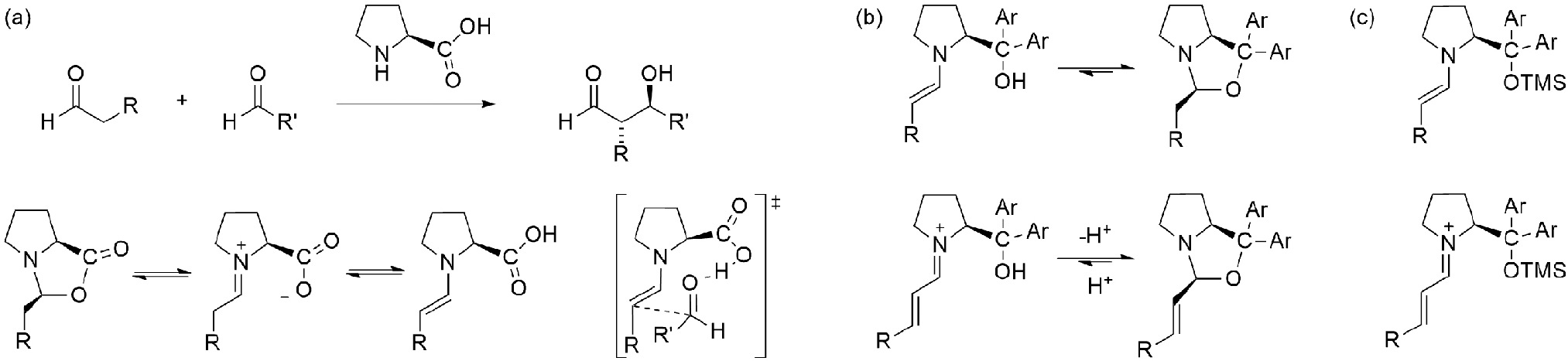
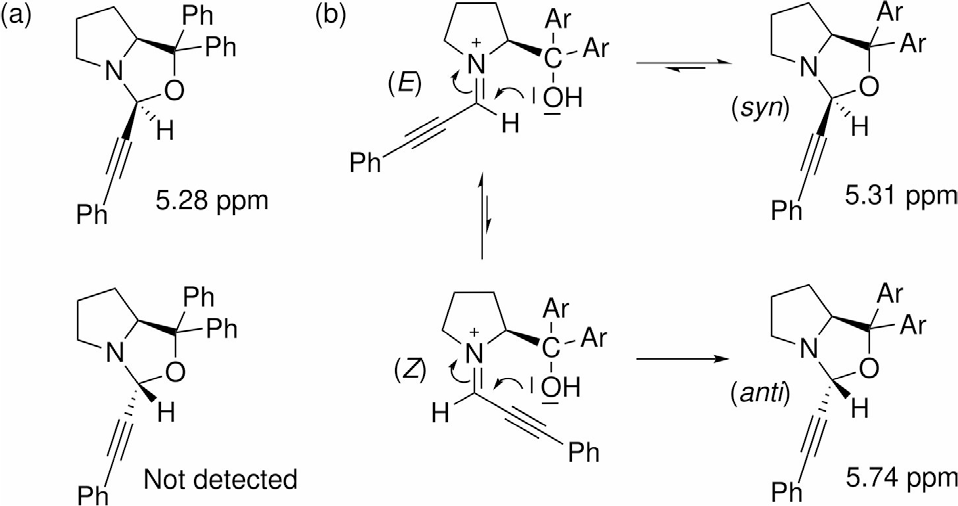
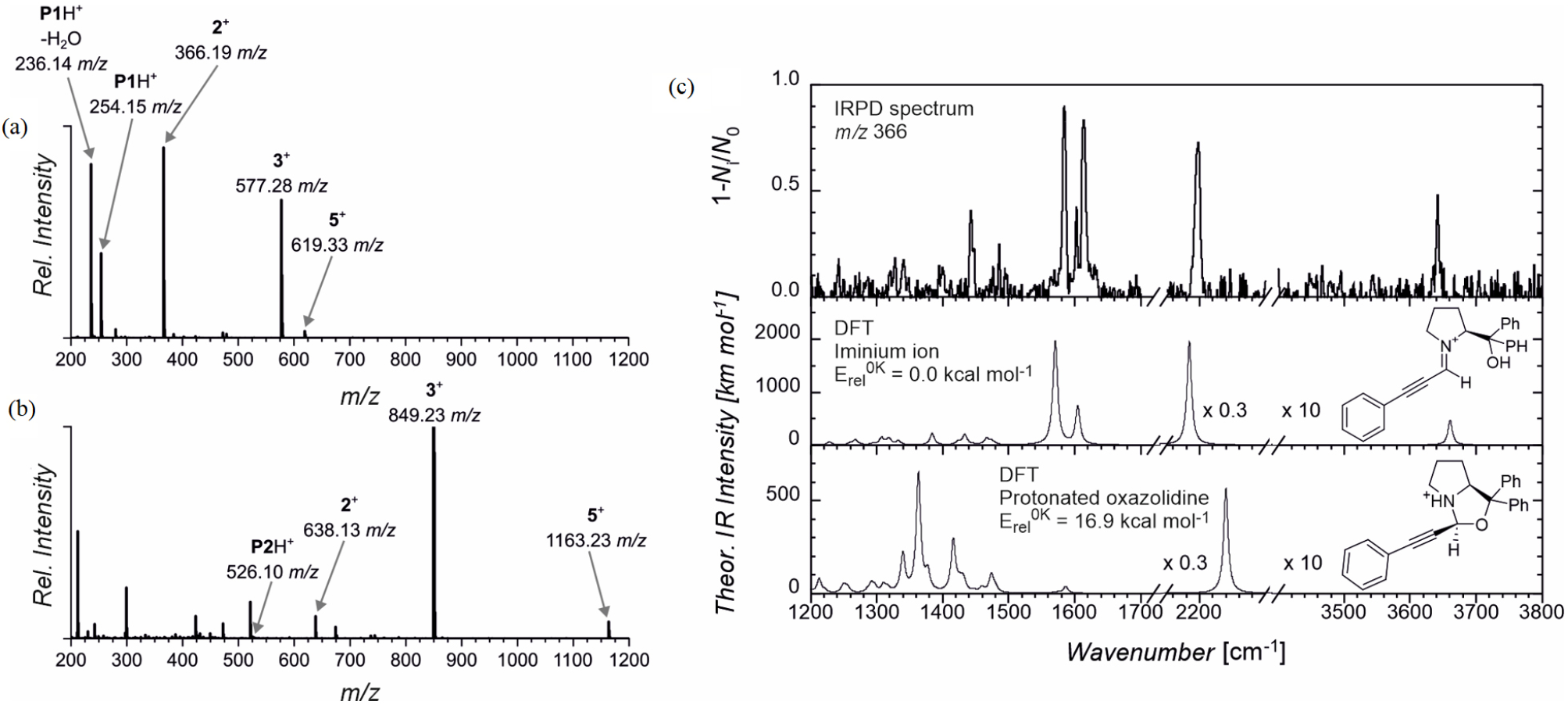
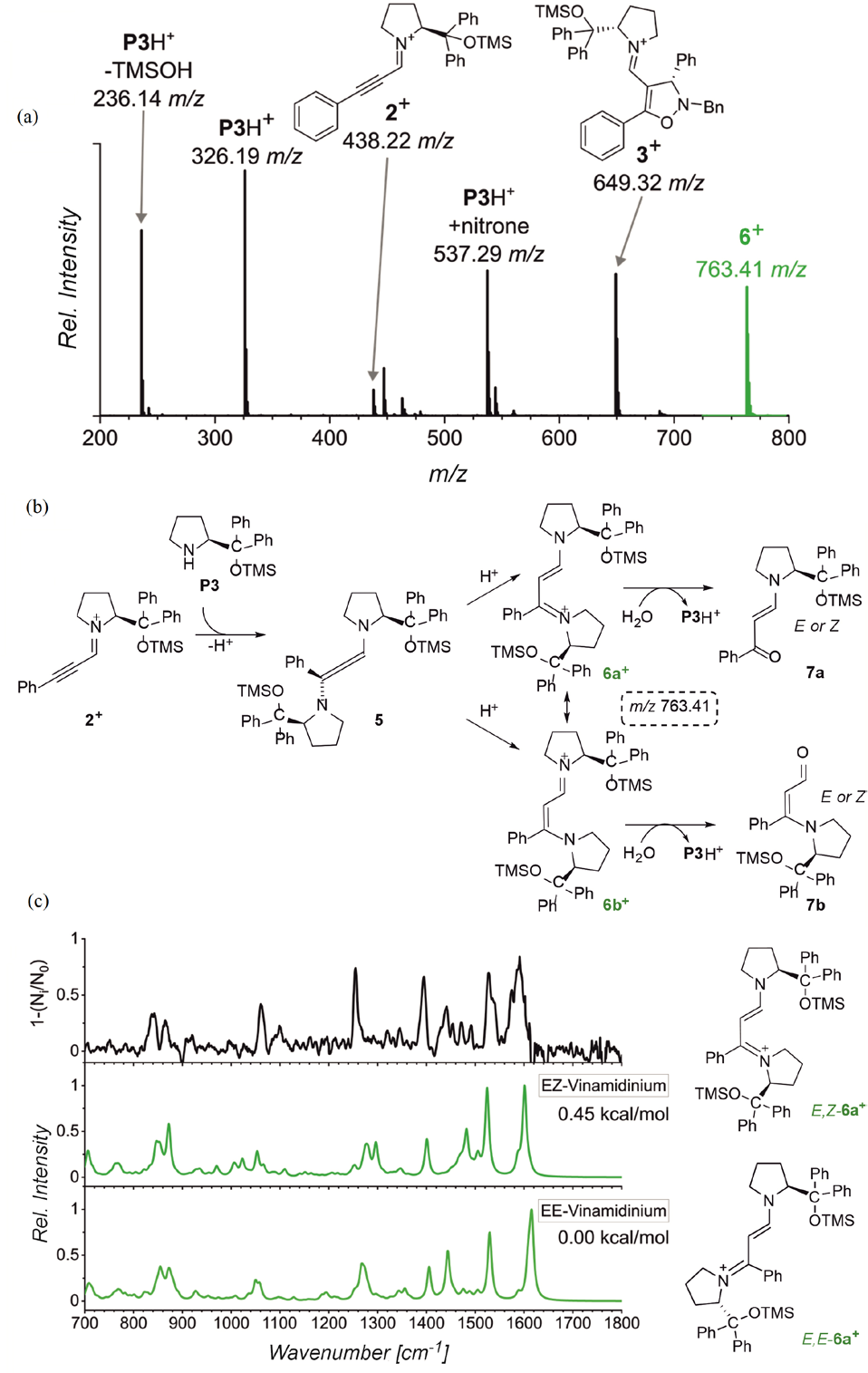
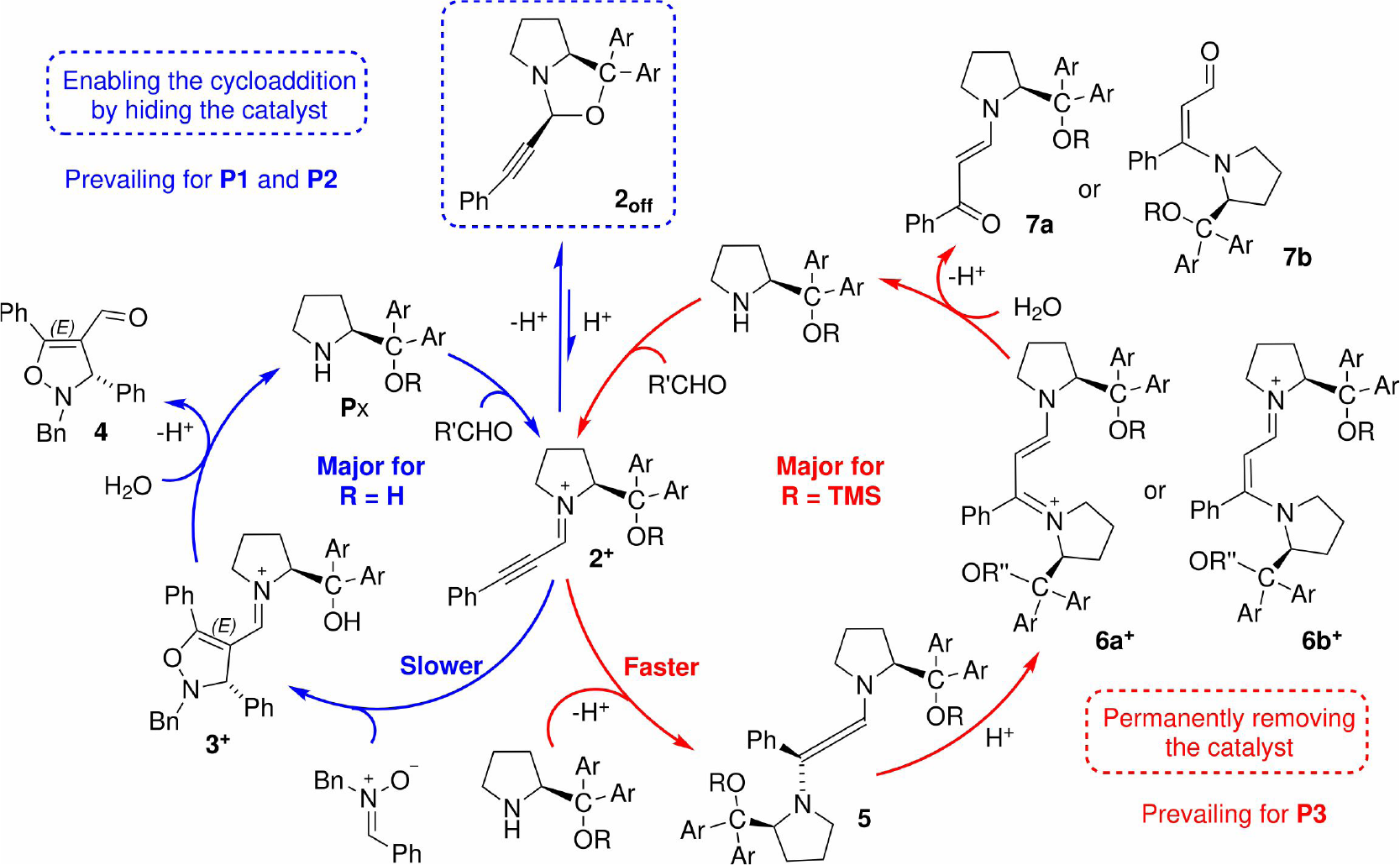
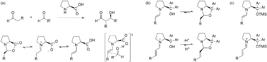
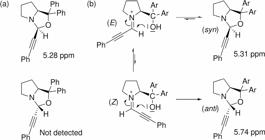
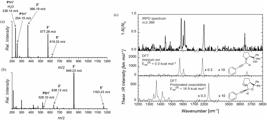
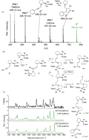
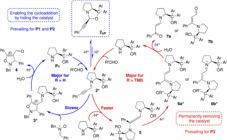
The prolinol derivatives are among the most prominent catalysts in aminocatalysis. The installation of silyl ether groups onto the hydroxyl group prevented off-cycle equilibria between iminium intermediates and hemiaminal species, leading to high activity and widespread adoption of these catalysts. However, in the organocatalyzed [3 + 2] cycloaddition of nitrones to propargylic aldehydes, the silyl-protected catalysts proved ineffective, whereas the unprotected catalysts afforded high yields. In this study, this seemingly paradoxical reactivity has been explained using a combination of nuclear magnetic resonance, electrospray ionization mass spectrometry, and infrared photodissociation spectroscopy. Contrary to other reactions, the hemiaminal formation is essential, as it keeps the concentration of free prolinol catalyst in the solution minimal, and thereby hinders the undesired prolinol addition to the iminium intermediate. In the case of silylated catalysts, no hemiaminal can form, and the catalyst is rapidly incorporated into the side product, halting the reaction.
Keywords:
mass spectrometry; organic chemistry; methodology and reactions; organocatalysis; reaction mechanism; spectroscopy; spectroscopic properties
 Thumbnail
 Thumbnail
 Thumbnail
 Thumbnail
 Thumbnail
 Thumbnail