 Development of a Process for Hydrolysis of Chicken Blood Meal and Identification of Bioactive Peptides by LC-MS/MS
Abstract
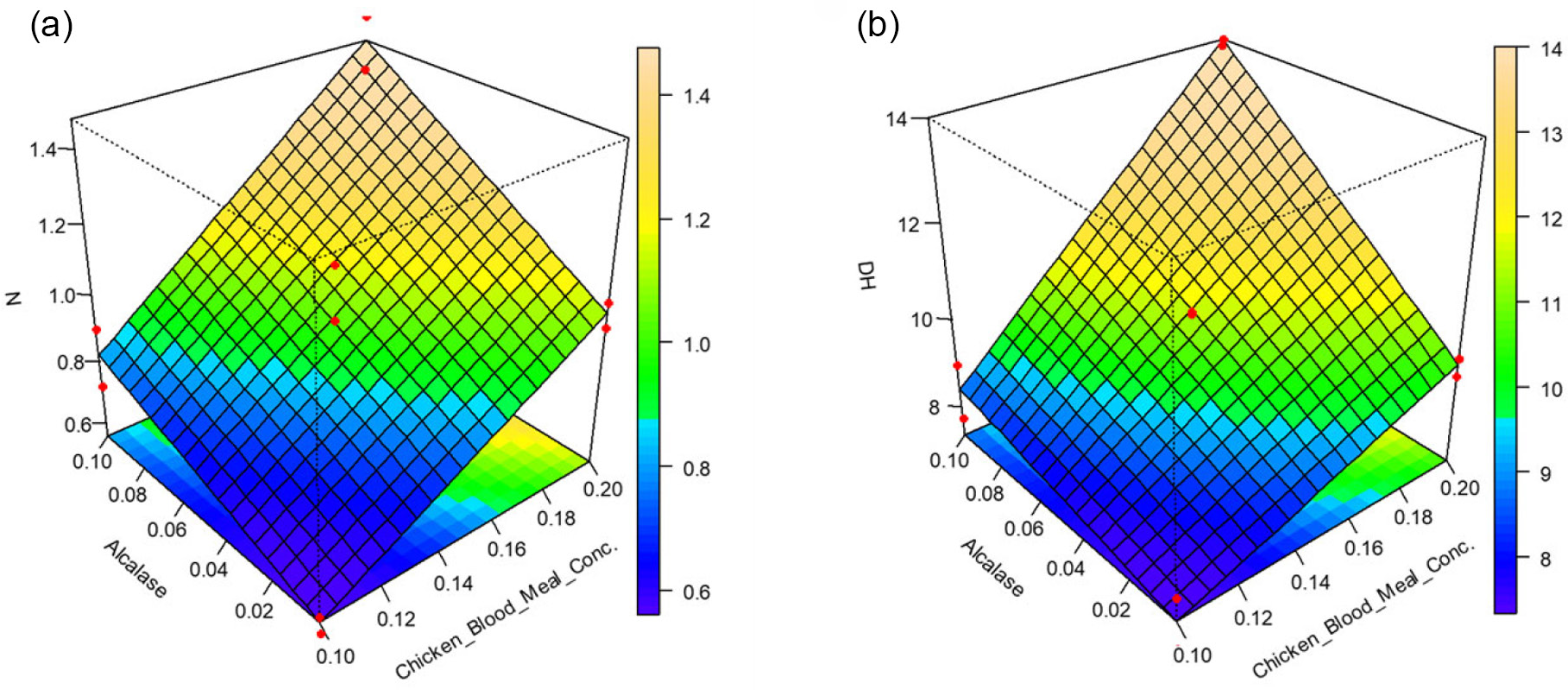
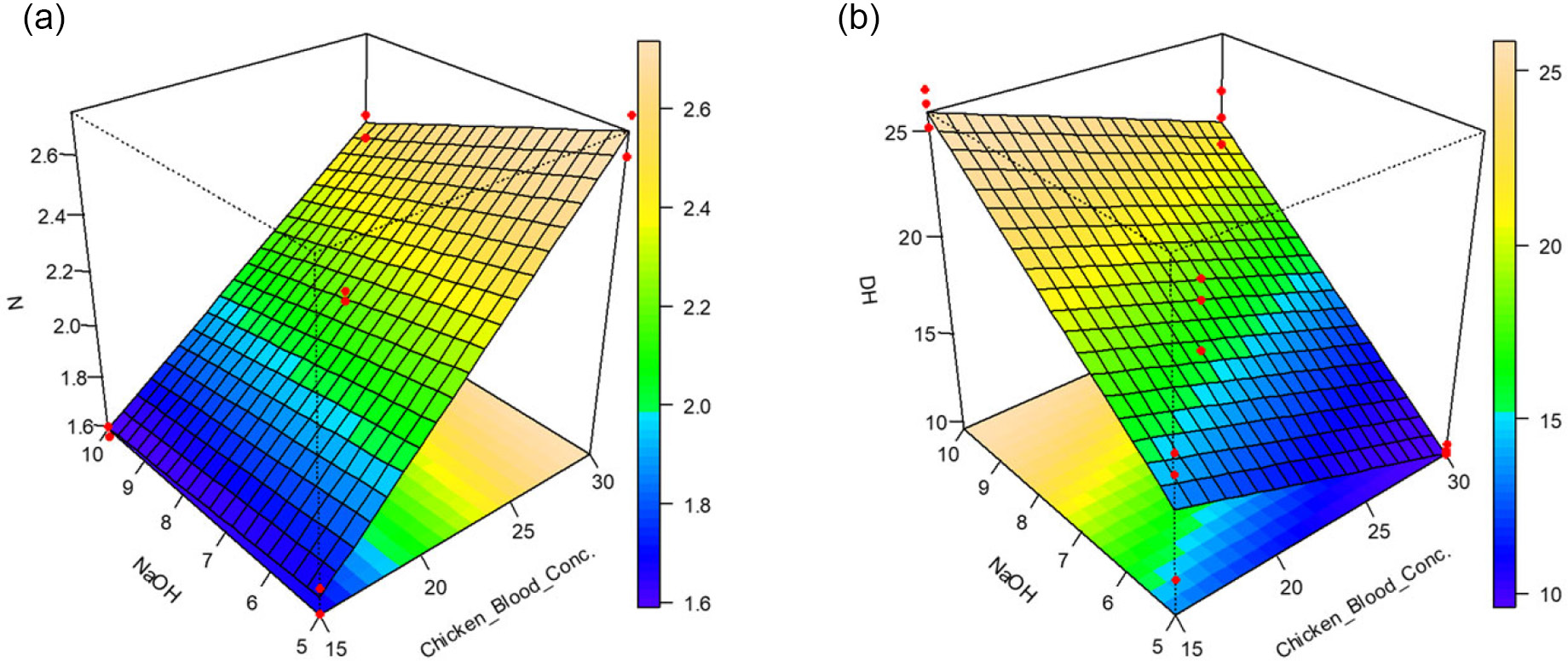
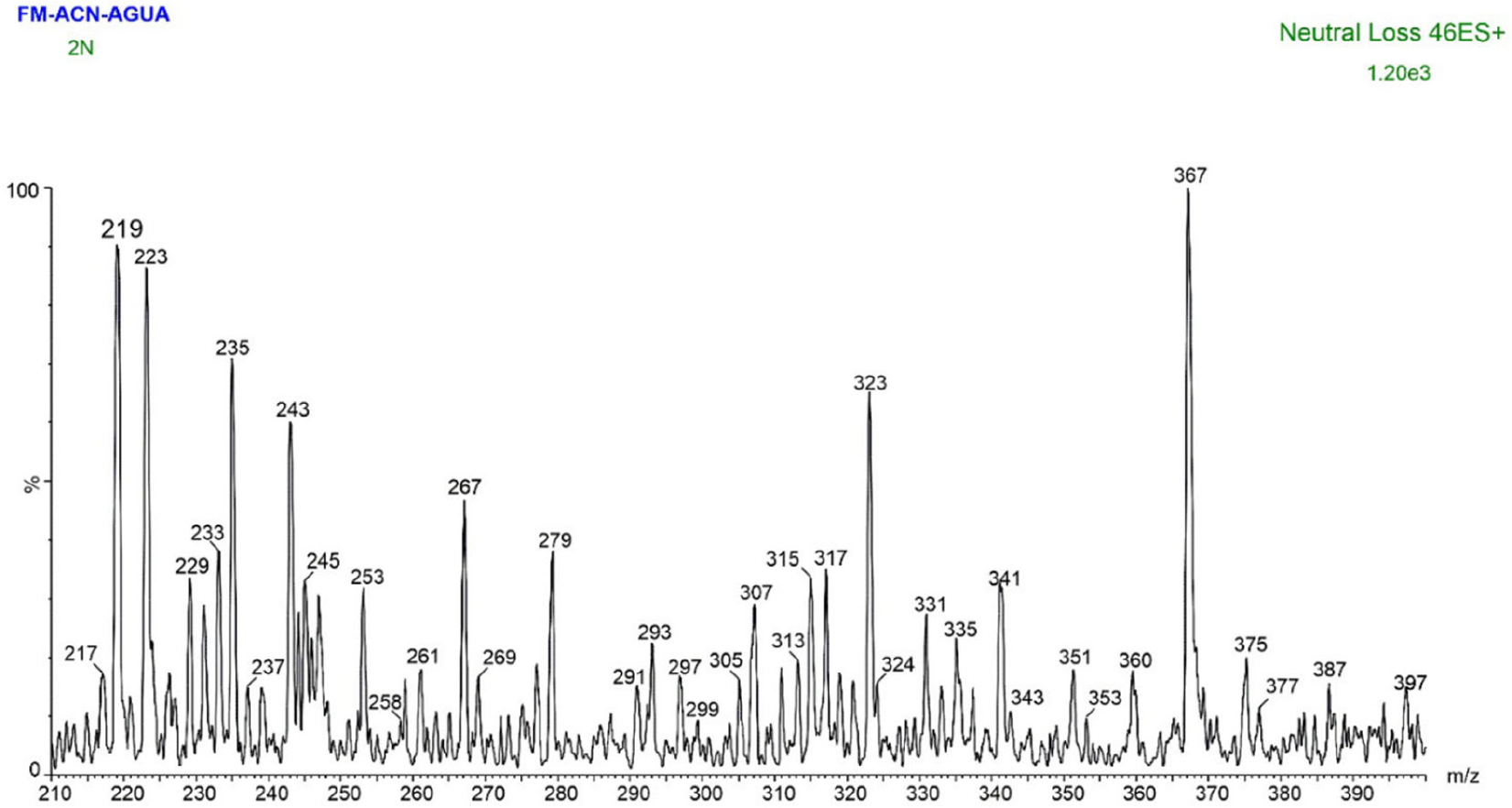
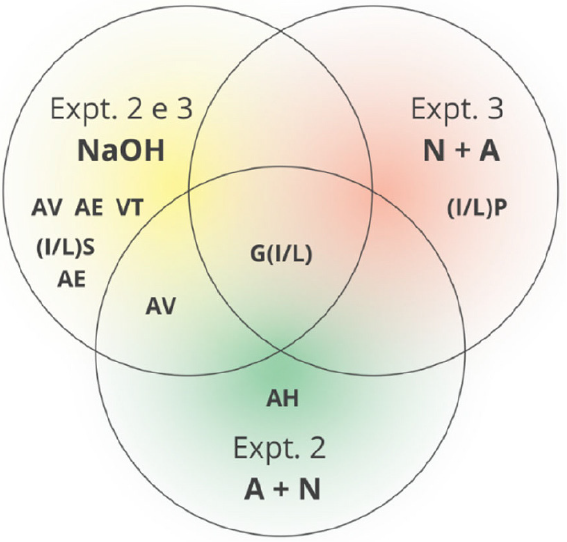
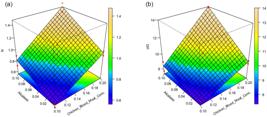
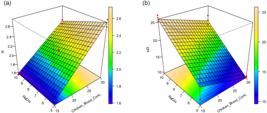
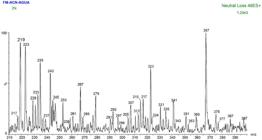
Bioactive peptides play essential roles in living organisms, acting as antioxidants, hormones, and regulators of physiological processes. The hydrolysis of chicken blood meal represents a promising strategy to enhance its nutritional and functional value by generating bioactive compounds with benefits to animal health. In this study, alkaline hydrolysate (AlkH) (NaOH ca. 1.04-2.08 M; ca. 98 °C) and enzymatic (Alcalase) protein hydrolysate (EPH) (pH 8.5; 60 °C) were optimized to maximize the release of water-soluble proteins, peptides, and amino acids while achieving a high degree of hydrolysis. After optimizing each route separately, we performed sequential combined hydrolysis (AlkH→EPH and EPH→AlkH) to test additivity/synergy. The organic nitrogen content was determined by the Kjeldahl method, and degree of hydrolysis (DH) was quantified using the o-phthalaldehyde (OPA). Peptides and amino acids were characterized by liquid chromatography-tandem mass spectrometry (LC-MS/MS), and their potential bioactivities were evaluated through the BIOPEP database (BIOPEP). AlkH produced a broader spectrum of bioactive dipeptides, with optimal conditions of 10% NaOH and 15% substrate for maximum DH, and 5% NaOH with 30% substrate for the highest nitrogen recovery. Identified peptides included angiotensin-converting enzyme (ACE) and dipeptidyl peptidase (DPP-IV) inhibitors.
Keywords:
peptides; amino acids; chicken blood meal; hydrolysis; LC-MS/MS
 Thumbnail
 Thumbnail
 Thumbnail
 Thumbnail