 Minimizing Tertiary Amine Byproducts in Reductive Amination: a Microwave-Assisted Study of the InCl3/Et3SiH/MeOH System
Abstract
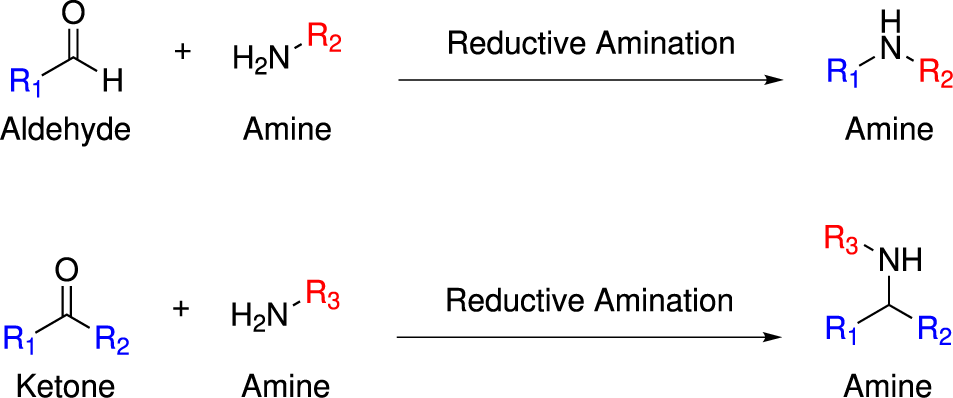
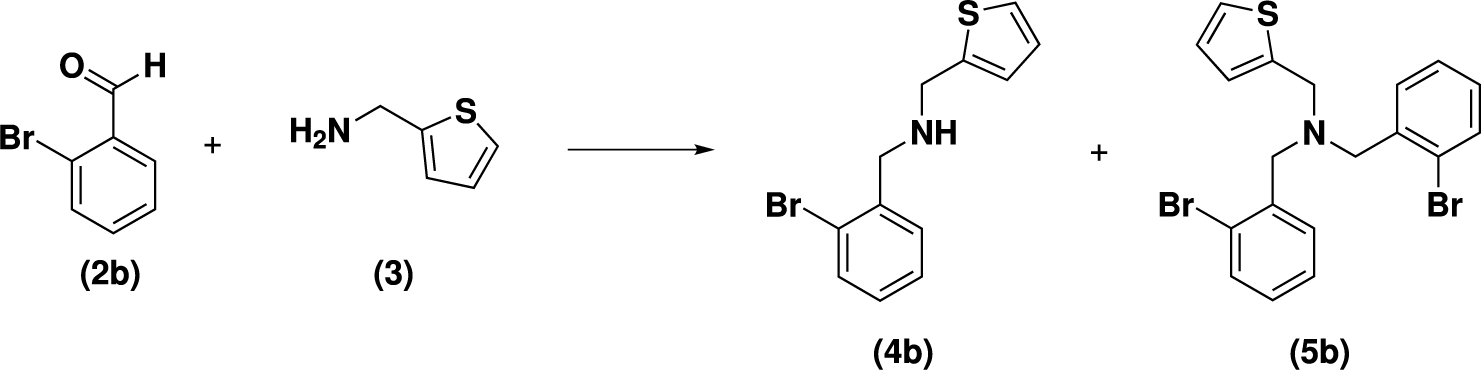
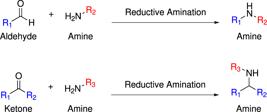
This study describes the development and optimization of a microwave-assisted reductive amination protocol for the synthesis of secondary amines using the Et3SiH/InCl3/MeOH catalytic system. Initially aimed at establishing a robust route for secondary amine derivatives, the investigation revealed a significant competitive pathway leading to the formation of tertiary amine byproducts through over-alkylation. A systematic screening of reaction conditions, using 2-bromobenzaldehyde as a model substrate, demonstrated that microwave irradiation significantly reduces reaction times compared to conventional heating methods while maintaining high conversion rates. The reaction profile was rigorously monitored using high performance liquid chromatography coupled to diode array detection and mass spectrometry (UHPLC-DAD-MS), which allowed for the identification and relative quantification of the product distribution. The substrate scope investigation showed that the selectivity and reaction rates are strongly influenced by the electronic and steric properties of the aromatic substituents, particularly at the ortho-position. Several of the identified tertiary amines were isolated and characterized as novel compounds, as they are not previously described in the literature as byproducts for this system. These findings provide a strategic framework for controlling selectivity in reductive aminations and highlight the importance of detailed byproduct analysis in methodology development, offering new chemical entities for future applications in chemistry.
Keywords:
reductive amination; microwave-assisted synthesis; selectivity enhancement; overalkylation; one-pot reaction
 Thumbnail
 Thumbnail