 Volatile and Non-Volatile Metabolites from “Cacau-jacaré” (Theobroma mariae), an Amazonian Unconventional Food Plant
Abstract
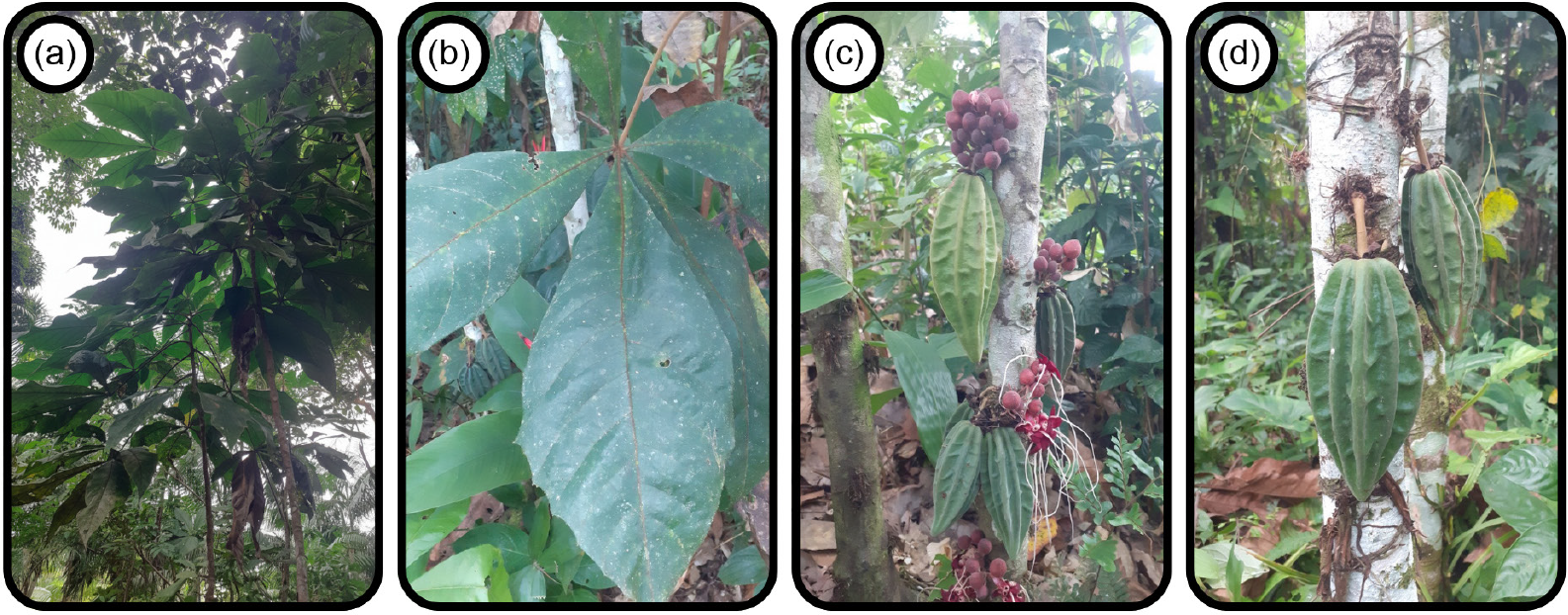
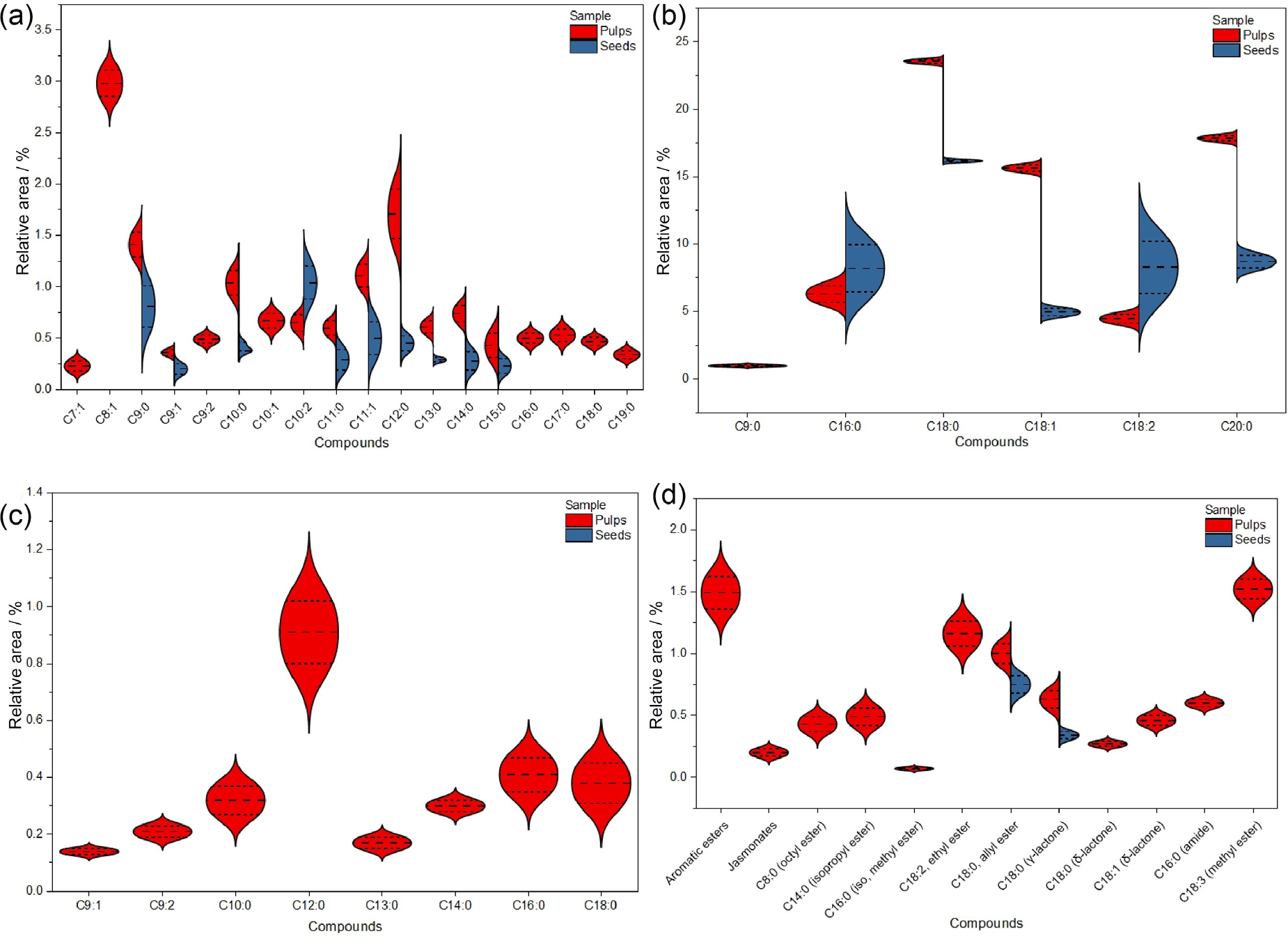
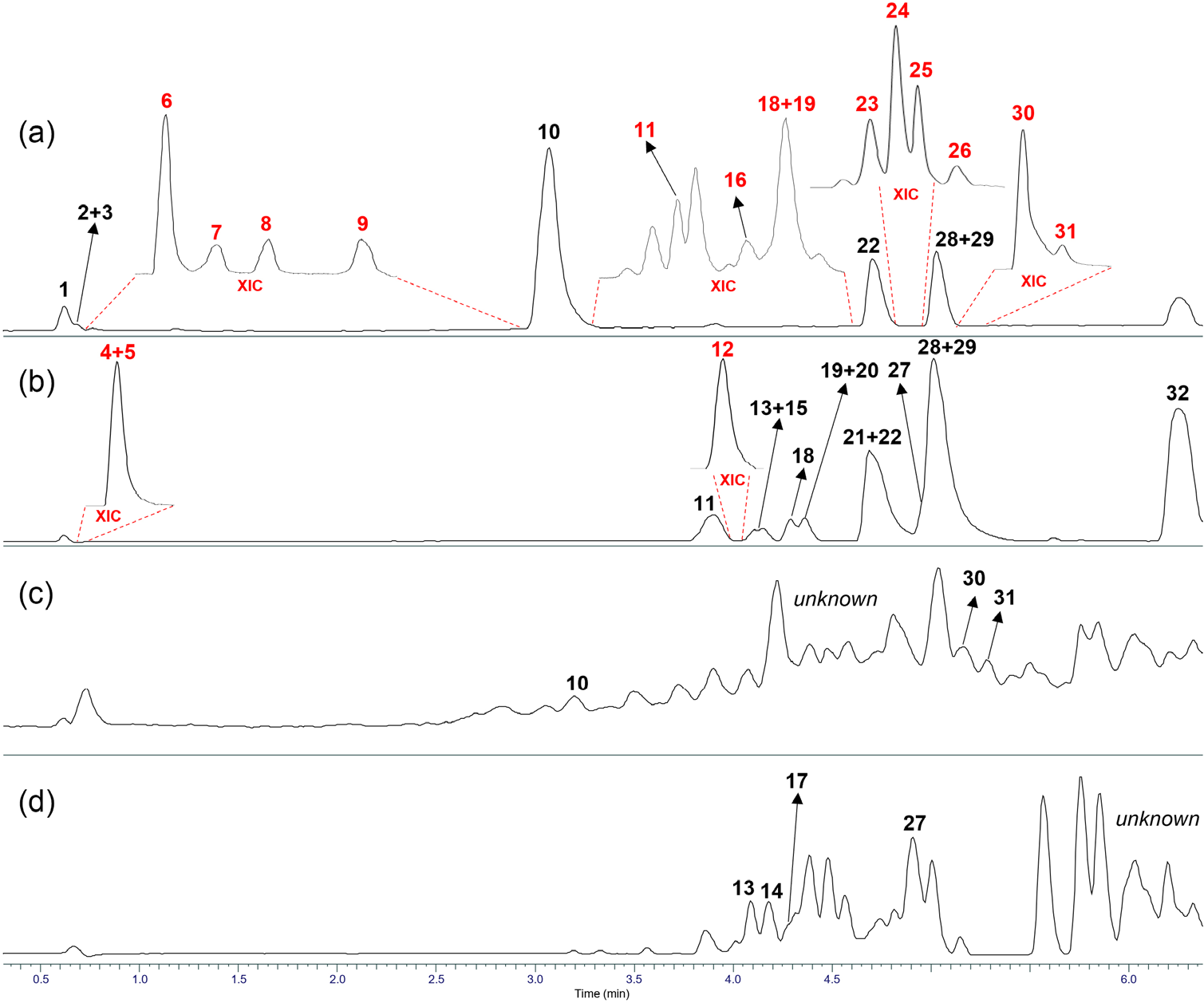
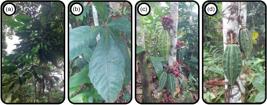
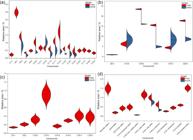
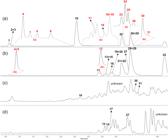
The Amazon hosts countless plant species, many still unknown to science. Among catalogued species, hundreds are edible, yet most are rarely consumed or locally restricted. Known in Brazil as PANCs (“Plantas Alimentícias Não Convencionais”), these unconventional food plants, these species can enhance food security, especially for vulnerable populations. Beyond nutrition, studies reveal their nutraceutical potential due to specialized metabolites such as polyphenols, terpenes, and alkaloids, which enable applications in supplements, cosmetics, and herbal formulations. In this context, Theobroma mariae (Mart.) K. Schum., or “cacau-jacaré”, is a little-known fruit-bearing plant with promising applicability. This study annotated its volatile and non-volatile compounds in pulp and seeds using headspace solid-phase microextraction gas chromatography coupled with mass spectrometry (HS-SPME/GC-MS) and ultra-high-performance liquid chromatography-high resolution tandem mass spectrometry (UHPLC-HRMS/MS), respectively. A total of 72 volatile and 32 non-volatile compounds were annotated. Fatty acids predominated in the pulp volatilome, whereas theacrine was the main volatile compound in the seeds. Phenolic compounds dominated the non-volatile fraction, notably flavonoid-C-glycosides, O-glycosides, and O-glucuronides. The findings highlight T. mariae as a valuable yet underutilized Amazonian fruit, whose chemical profile resembles that of common cacao and offers potential for novel applications in food, nutraceutical, and cosmetic formulations.
Keywords:
cocoa; flavonoid glucoronides; theacrine; unconventional food plants; volatilome
 Thumbnail
 Thumbnail
 Thumbnail