 In silico Screening of Monamine Oxidase B Inhibitors for the Treatment of Central Nervous System Disorders
Abstract
Worldwide, millions of people suffer from neurological and psychiatric conditions, such as schizophrenia, depression, and neurodegenerative diseases. These conditions are often linked to hyperactivity of monoamine oxidase B (MAO-B) in the brain, and inhibiting this enzyme can reduce oxidative stress, stabilize neurotransmitter levels, and alleviate symptoms. In this context, a pharmacophoric model was created using PharmaGist with 31 hits extracted from BindingDB to enable a pharmacophoric-based search of potential MAO-B inhibitors in ZincPharmer’s chemical space, followed by the building of 10 conformers for each molecule in the software OMEGA, screening for structural and electrostatic similarity to safinamide using ROCS (Rapid overlay of chemical structures) and EON (Electrostatic similarity for lead-hopping), respectively. In addition, the molecular docking with Gold using the score function was performed to rank the ligands with the highest probabilities of affinity to MAO-B and then discriminate those with suitable physical chemical, pharmacokinetic, and toxicological features using the tools QikProp, SwissADME, and DEREK. Four potential ligands with selective MAO-B inhibitor properties were identified, which show promise as future therapeutic agents for MAO-B-related disorders.
Keywords:
enzyme inhibitors; monoamine oxidase B; central nervous system; in silico
Introduction
Enzymes known as monoamine oxidases are members of the flavoprotein oxidase family. They catalyze the reduction of the flavin adenine dinucleotide (FAD) cofactor, which oxidizes primary and secondary amines. Subsequently, the substrate is hydrolyzed non-enzymatically, releasing ammonia and forming a functional group aldehyde through water condensation. The cofactor is then regenerated by oxidizing it with molecular oxygen, producing hydrogen peroxide as a reaction byproduct.1
In humans, these enzymes play an important role in the catabolism of catecholamines with regulatory implications in neurotransmission mediated by adrenaline, dopamine, noradrenaline, and serotonin, as well as a neuroprotective role against xenobiotics that can cause excitotoxicity.2 In humans, there are two isoforms of the enzyme, monoamine oxidase-A (MAO-A), which has physiological activity predominantly in the peripheral regions of the body, and monoamine oxidase B (MAO-B), which has physiological activity in the central nervous system.3
In the field of pathophysiology, MAO-A dysregulation is associated with depression; however, positron emission tomography studies have shown a significant increase in MAO-B activity in patients with episodes of major depression.4,5 Furthermore, postmortem studies with individuals with schizophrenia showed that the gene expression of MAO-A and MAO-B was 45% above normal, highlighting that many MAO-B polymorphisms are recognized as susceptibility factors for schizophrenia.6
The isoform of MAO-A in Parkinson’s disease is responsible for the decrease in dopaminergic levels, whereas MAO-B contributes to the pathophysiology of the condition by mediating the abnormal synthesis of gamma-aminobutyric acid (GABA) and hydrogen peroxide in astrocytes. In addition, reactive oxygen species are responsible for the suppression and degradation of dopaminergic neurons.7
In this context, and with a focus on MAO-B inhibitors, Carradori et al.8 present therapeutic indications of this pharmacological class for the treatment of Parkinson’s disease, as a neuroprotective agent for Alzheimer’s and Huntington’s diseases, aiming to prevent oxidative stress caused by the Fenton reaction derived from the production of hydrogen peroxide of the enzymatic catalysis of MAO-B, as well as indication as a future treatment to quit smoking.
Moreover, Carradori et al.8 highlighted the importance of medicinal chemistry for pharmaceutical innovation in patent development, in which pharmacokinetic prediction methods based on physicochemical properties optimize the search and selection of successful candidates for new drugs.9
In this sense, medicinal chemistry offers alternatives to identify crucial elements for the planning and design of novel drugs. Computational methods aid in the identification of therapeutic targets, offer perspectives that enhance comprehension of the sites of interaction between ligands and proteins, and assist in the virtual screenings of potential new drug candidates through ligand-based or structure-based studies. Representing a highly valuable set of tools for the pharmaceutical industry because it drastically reduces the time and expenses associated with the discovery and development of novel drugs.10,11
Thus, considering the significance of this protein as a pharmacological target for the treatment of central nervous system (CNS) disorders, this work aimed to search for compounds with selective MAO-B inhibitory features through computational methods considering the construction of a pharmacophoric model in the webserver PharmaGist12 based on the features of 31 compounds with high inhibitory activity against MAO-B that were collected from the database BindingDB.13
Then, a pharmacophoric-based search was conducted in the platform ZincPharmer14 where 10,000 compounds were raised and used to build 10 conformers in the software OMEGA15 for each compound obtained.15 Followed by screenings with basis on structural and electrostatic similarity of the compounds to safinamide (a selective MAO-B inhibitor) using the software ROCS (Rapid overlay of chemical structures)16,17 and EON (Electrostatic similarity for lead-hopping),18,19 respectively, leading to the obtention of 1,000 compounds.
Subsequently, a molecular docking study using the software GOLD (Genetic Optimization for Ligand Docking)20,21 was performed to rank the compounds with the 110 highest scores to select those with results indicating a high probability of affinity to the target of the research. Moreover, contemplating the refinement of virtual screening aiming at selective MAO-B inhibitors with physical-chemical properties suitable for the development of pharmaceutical products. We evaluated the physical-chemical properties, predictive pharmacokinetics, and toxicity alerts of the compounds with the highest scores using the software QikProp22,23 and DEREK,24,25 and the webserver SwissADME.26-28
Finally, we reached 4 compounds with the best in silico results and evaluated their patterns of molecular interactions with MAO-B through molecular docking, and compared them to the in silico data of selective inhibitors with experimental results available in the literature. Noting that the reason behind the focus on selective MAO-B inhibitors was their clinical efficacy and safety compared with non-selective or MAO-A irreversible inhibitors that tend to present longer effects and serious interactions with drugs and food that lead to norepinephrine hyper stimulation.29,30
Methodology
Research for MAO-B inhibitors
In order to create a suitable pharmacophoric model for virtual screening, we searched the BindingDB13 database using the descriptor “Monoamine oxidase B Inhibitors” with the goal of identifying the fundamental structural and physicochemical characteristics shared by ligands that exhibit strong inhibitory activity on MAO-B, as indicated by inhibitory concentration 50 (IC50) values up to 1.00 nM.
In this sense, BindingDB is a database launched in 2000 that facilitates research on small compounds. It contains carefully selected experimental data from other databases, including PubChem, ChEMBL, PDSP Ki, and CSAR. Quantitative measurements of the affinity between proteins and ligands, such as IC50, inhibition constant (Ki), half maximal effective concentration (EC50), and dissociation constant (Kd), as well as experimental characteristics, such as assay description and environmental variables like pH and temperature, which can be used as search filters.31,32
Noting that 1,454,894 binding data for 7,082 protein targets and 652,068 small compounds were present in BindingDB in 201833 and that this quantity is currently much greater.
Determination of pharmacophore groups
Pharmacophore is a term that designates attributes of the spatial arrangement and physicochemical properties that are essential for the interaction of a molecule with a specific protein target, therefore, aiming to construct a pharmacophoric model for MAO-B based on the ligands obtained from BindingDB13 database, the webserver PharmaGist12 was used to compare features as aromatic regions, hydrophobic groups, hydrogen donors and acceptors, as well as positively and negatively charged groups between the ligands, looking forward the most frequent attributes among the molecules aligned in a three-dimensional plane.
Thus, the pharmacophore regions found in the 31 hits collected in BindingDB13 were searched in the webserver PharmaGist12 and subsequently visualized in the webserver ZincPharmer,14 in which a pharmacophore-based search was also conducted with the following filters: max hits by conf: 1; maximum hits per mole: 1; total molecules (hits): 10,000; root-mean-square deviation (RMSD): 1.5; molecular weight: 0 to 400 g mol-1; rotatable links: 0 to 10, considering purchasable molecule database updated on 12/20/2014, resulting in 10,000 ligands.
Electrostatic and conformational correlation screening
10,000 ligands were gathered for the ZincPharmer search and sent to OMEGA15,34 from OpenEye Scientific to produce 10 conformers. The goal of these conformers was to assess potential rotational stereochemical properties in a three-dimensional plane that could have an impact on biological activity. After that, screening was done using the ROCS16,17 software with the 10 conformers of each ligand. This enabled the obtaining of molecules with structural similarity to safinamide. Noting that EON18,19 was used to assess electrostatic similarity among the ligands in screening, also considering safinamide as a MAO-B selective inhibitor standard.
Emphasizing that ROCS16 and EON18 are instruments that carry out inferential correlation analyses, assessed by means of the Tanimoto coefficient; molecules exhibiting outcomes more akin to the safinamide exhibit values nearer to 1, whereas the most dissimilar molecules display values closer to 0. Then, a predictive study of the target and ligand interaction was performed on the 1000 molecules that yielded the best findings after the application of electrostatic and structural filters.
Screening by molecular docking
The ligands with structural and electrostatic similar to safinamide obtained in the previous research step were subjected to molecular docking in the software GOLD20-21 using a genetic algorithm to optimize docking times and increase the possibilities of determining the best fit.35 Only the molecules ranking in the 110 best scores (including 2 safinamide conformers) remained in the study.
The molecular docking was conducted using a file with data from the crystal structure of human MAO-B in complex with zonisamide presenting resolution of 1.80 Å. This file is available at the Protein Data Bank (PDB) under the PDB-ID code 3PO7.
In the method adopted, the water molecules from the crystallography were eliminated, the FAD cofactor remained in the monomer A active site of the protein which was the sole area that was taken into consideration for docking. ChemPLP was the scoring function of choice. The redocking method was used to validate the results generated by GOLD, considering a root mean square deviation (RMSD) value equal to or less than 2 Å between the pose of zonisamide generated by GOLD and the pose of the ligand in the crystal structure.
After ranking the 110 best scores, the ligands’ physicochemical characteristics were extracted with the use of the software QikProp, and evaluated according to Lipinski’s rules considering a tolerance of just one violation.
Prediction of pharmacokinetic and toxicological properties
Looking forward a new drug reaching the clinical practice, the pharmacokinetic and toxicological behavior is an essential factor in determining dosage choices, schedules, adjustments, and treatment adequacy.36-39 As well as for planning the development of formulations that maximize bioavailability, increase metabolic stability through the synthesis of pro-drugs, delay of the drug release and absorption profile to prolong the pharmacological action, or even allow for the site-specific release of drugs, as in the case of enteral release tablets and capsules.40,41
Thus, using the software QikProp from Schrödinger 22,23 and DEREK from Lhasa,24,25 as well as SwissADME,26-28 pharmacokinetic and toxicological parameters of the compounds chosen in the molecular docking screening were assessed.
The compounds with any toxicity alerts based on Custom Prediction and Lhasa Predictions were rejected concerning the toxicological parameters assessed by DEREK.42
Additionally, the descriptors permeability in Caco cells (log Caco), log MDCK (Madin-Darby Canine Kidney cells), percentage of oral absorption, quality of the human model of oral absorption, binding to human serum albumin (log KHSA), blood-brain barrier (log BB), number of metabolic reactions, activity in the central nervous system, and stars were taken into consideration for the pharmacokinetic predictions made in the QikProp22 program. Furthermore, the ability of the remaining compounds to inhibit CYP450 enzymes and to be transported by P-glycoprotein was assessed on SwissADME.26-28
The most promising ligands were those with a score value greater than that of safinamide, no toxicity alerts, and acceptable predictive pharmacokinetic data.
Concerning the computational tools used in this step of the research, QikProp is a software that can produce physicochemical and pharmacokinetic predictions from chemical structure data in SDF format.22
DEREK is a software that generates models that enable the analysis of the structure-activity of molecules with input in mol (.mol), sketch (.skc) formats or .SDF (.sdf) following algorithms for automating toxicological predictions in the form of alerts.42 And SwissADME is a free webserver that provides free access to a variety of fast and reliable predictive models for physicochemical properties, pharmacokinetics, druggability according to medicinal chemistry parameters, with the presentation of results in in-house models such as iLOGP, Bioavailability Radar and BOILED-Egg.28
Results and Discussion
This study employed an approach based on ligand aided by molecular docking followed by selection with a basis on desired properties for drug discovery and development, as summarized in Figure 1. The details on the results can be found in their respective topics below.

The process of selecting the best MAO-B inhibitor candidates for virtual screening involves a number of steps, including the selection of hit molecules in the BindingDB, pharmacophoric-based search, structural and electrostatic similarity with the selective inhibitor safinamide, molecular docking-based prediction of affinity to MAO-B score, as well as predictive toxicological and pharmacokinetics, resulting in 4 molecules out of 10,000.
Pharmacophore-based virtual screening
Like high-throughput screening, virtual screening involves the use of computers to search and select molecules from large libraries that have records of biological activity, structural, and physicochemical data to identify the most promising hit, lead or drug candidates.
Thus, the study done was intended to look for inhibitors of MAO-B in the Binding DB database. It produced 7309 hits, out of which 31 were within the IC50 cutoff value of 1 mM and had a range of amplitude of 0.918 with a minimum value of 0.00820 mM.
These substances exhibit strong inhibitory activity against the specified target, as indicated by their low IC50 values. Emphasizing that every substance taken out of Binding DB showed experimental results from analyses using human MAO- B. However, it is important to highlight that enzyme kinetics and inhibition assays can present considerable variability due to the experimental procedures adopted, including substrate and product quantification methods, factors such as the influence of pH, ionic strength, allosteric regulation sites, cascade reactions, substrate concentration, and the concentration of reaction products with inhibitory or denaturing activity on the test enzyme.43
Nevertheless, it is noteworthy that the molecules derived from Binding DB were examined using human MAO-B, as this lessens the difficulties resulting from structural variations that diminish the similarity between the human protein and the enzyme found in animal models or microbes.11,44 But, it ignores polymorphisms that affect enzymatic functionality, as well as the clinical presentation of neuropsychiatric disorders associated with MAO-B, and how responsive a patient is to treatment.45-48
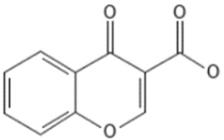
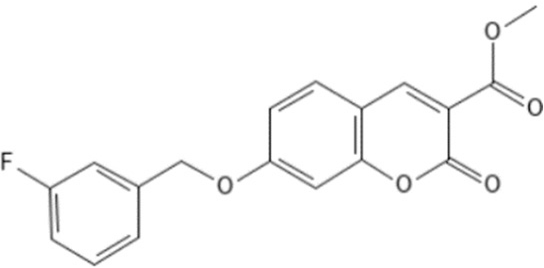
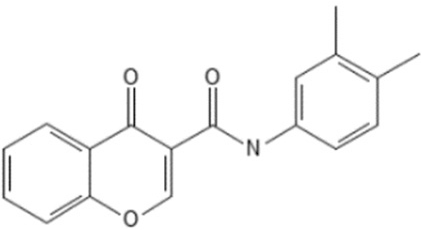
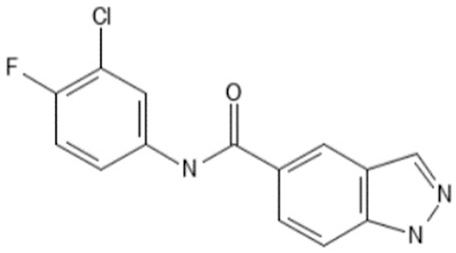
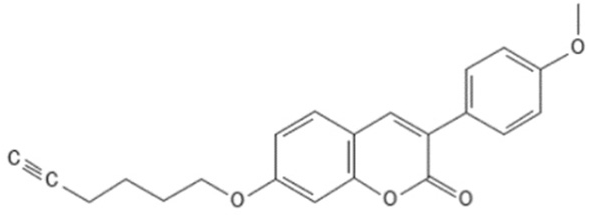
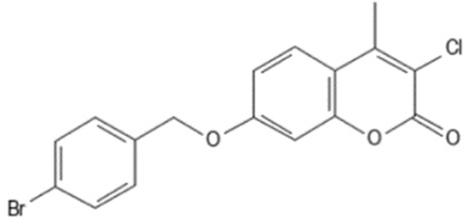
The chemical structure, molecule’s ID, IC50 and International Union of Pure and Applied Chemistry (IUPAC) name from the ligands obtained in the Binding DB database can be seen in Table 1.
Ligands obtained in the BindingDB database with their structures, IDs from PubChem, CHEMBL and BindingDB, IC50, and IUPAC name
A molecular alignment has been done with the 31 compounds extracted from Binding DB to identify the pharmacophoric areas in the Web Server PharmaGist. The outcome showed that two aromatic areas and a hydrogen acceptor region were common in 29 out of the 31 compounds aligned. Highlighting that compounds 1 and 7 did not take part in the alignment because of high structural variation concerning the other substances.
The pharmacophoric regions determined in Web Server PharmaGist can be seen in Figure 2.

The pharmacophoric model, which was constructed using PharmaGist, shows two structural and physical-chemical characteristics among 29 hits that were taken from BindingDB; two aromatic sections are shown in purple, and a hydrogen acceptor region is shown in orange.
Although the pharmacophoric regions identified in this study differ from those found by Gritsch et al.,49 who reported three hydrogen acceptor regions, a hydrophobic region, and an aromatic ring, as well as from Boppana et al.,50 who found a hydrogen acceptor region, a hydrogen donor region, and an aromatic ring, they do corroborate with the findings of Souza et al.51 All the examples, however, clearly have an aromatic ring with at least one hydrogen acceptor area present. Therefore, there is consistency between the results obtained and the literature on this topic.
Generation of conformers and sorting by electrostatic and structural similarity
Following the creation of the pharmacophoric model, 10,000 hits were found through a search on the ZincPharmer14 web server. These hits were then used to produce 10 conformers using the software Omega15 to assess the impact of stereochemical and rotational properties in three-dimensional plane over the biological activity of the chosen molecules. Next, using the software programs ROCS,16 1000 ligands were filtered based on their structural and electrostatic similarity to safinamide.
The software OMEGA was incorporated into the research workflow due to the work of Perola and Charifson.52 extensive analysis of the energetic and conformational variations resulting from ligand-target protein interaction. They discovered a strong correlation between ligand flexibility and tension energy with binding affinity to the target protein, which allowed for the identification of molecules in conformations more likely to exhibit desired bioactivity.
Additionally, the software EON18 was chosen because electrostatic parameters affect the ligand-target interaction, as shown by Boström et al.,53 who found that the substance 5-(4-piperidyl)-3-isoxazole (4-pyol) has potential therapeutic applicability for treating coagulation disorders through electrostatic comparison via EON with tranexamic acid. Concurrently, the ROCS software enables screenings centered on structural elements pertinent to the intended impact and structural comparisons with ligands whose biological activity is previously established.17,54
In this regard, Crisan et al.55 report positive outcomes from in silico studies for the screening of MAO-B inhibitors using the OMEGA, EON, and ROCS. They made conformer banks with molecules compared with safinamide using the software EON and ROCS, which helped discover the natural product cardamonin ((E)-1(2,4 dihydroxy-6 methoxyphenyl)-3-phenylprop-2-em-1-one) and reuse of monobenzone and fenamisal for Parkinson’s disease treatment.
Therefore, it is expected that the 1000 ligands screened in this study using the OMEGA, EON, and ROCS tools exhibit pharmacodynamic properties similar to those of safinamide, a reversible MAO-B inhibitor with a more favorable side effect profile than irreversible inhibitors like rasagiline and selegiline, which inactivate MAO-B for an extended period, resulting in the occurrence of serious side effects as well as drug interactions that may cause cardiac side effects due to raises levels of cathecolamines.56
Screening by molecular docking
The 1000 ligands that were selected based on their electrostatic potential and structural resemblance to safinamide underwent molecular docking assay using the target 3po7 in the software GOLD. This approach led to the extraction of 110 molecules (including 2 safinamide molecules), whose scores varied from 66.93 to 101.2 with a range of 34.27, average of 90.44, and median of 90.59.
The redocking method was used to validate the in silico assay. This method assesses the ability of the software to replicate the initial pose of the ligand co-crystallized with the target protein; RMSD values below 1 are regarded as excellent, values between 1 and 2 as good, values between 2-3 as moderate, and values above 3 as incorrect.57
The best pose determined by GOLD for zonisamide and its comparison with the crystal structure are shown in Figure 3. The RMSD achieved was 0.428 Å.

Overlap between the co-crystallized molecule (blue) and the best pose generated by GOLD (green), FAD co-factor (white), RMSD = 0.428 Å.
The three-dimensional coordinates of the MAO-B used in the validation procedure were x = 53.32, y = 153.71, and z = 25.55 with a radius of 8.8 Å, and they designate the orthosteric site of the protein, a region where reversible and selective inhibitors as zonisamide and safinamide interact with MAO-B,58 enabling the use of molecular docking as a strategy to identify interactions between an unknown ligand and MAO-B residues to estimate binding affinities and potential biological activity.59
The average score achieved by the two safinamide molecules was 89.57 (one in a conformation taken from the PDB and the other from OMEGA). And this average was used as a cutoff value for the selection of ligands with suitable toxicological and pharmacokinetic properties for the study, and the discovery of new MAO-B inhibitors.
Emphasizing that in this virtual screening, the ligands with scores higher than 89.57 presented desired predictions of association/affinity with MAO-B through an empirical approach (ChemPLP score function) that considers hydrogen bonds, numerous potentials for modeling van der Waals interactions, repulsion potentials, as well as steric complementarity with a low computational cost.60-62
The 110 ligands that had been screened by molecular docking were then evaluated for their physicochemical characteristics in an effort to weed out molecules that were not acceptable for the development of oral formulations.
Physical-chemical properties
Correlations between physical-chemical properties and biological activity/toxicity have been found in several medicinal chemistry investigations into the chemical space of ligands of interest. These correlations are important for the screening of new drug candidates and are also helpful in absorption, distribution, metabolism, excretion and toxicity (ADMET) optimization campaigns, modulating pharmacological potency, and repurposing known molecules with promising applications for the treatment of a particular disease.63,64
In this case, descriptive analysis and comparison with druggability metrics were conducted accounting with molecular weight values, frequencies of acceptor and donor groups of hydrogen interactions, and octanol/water partition coefficient among the 110 ligands screened by molecular docking.
The results of the descriptive analysis indicate that the ligands had more hydrogen acceptor groups than hydrogen donor groups, presenting average of 0.83, median of 1 and range of 3.25 (minimum = 0; maximum = 3.25). In addition, the frequency of hydrogen acceptor groups observed among the ligands had an average of 5.9, median of 5.50, and the range between the minimal value (2.25) and the maximum (10.5) was 8.2.
Regarding the octanol/water partition coefficient, the average achieved among the ligands was 3.59, with median of 3.57, and range of 8.3 (minimum = -1.18; maximum = 7.13). While the molecular weight among the ligands showed a range of 196.24, with a minimum value of 303.35 and a maximum value of 499.59. The average was 359.02 g mol-1, with a median value of 355.41 g mol-1.
Thus, considering passive transport by diffusion through the biological barriers of the body, Lipinski’s rule of five recommends that a molecule have less than 5 hydrogen donor groups and less than 10 acceptor groups, an octanol/water partition coefficient that does not exceed 5, and a molecular weight inferior to 500 Da in order to present satisfactory oral absorption.65-67 Therefore, it was found that 16 ligands were over the cutoff value for the octanol/water partition coefficient, 2 ligands violated the maximum number of hydrogen donor groups, and none violated the molecular weight parameter. Noting that between the ligands with violations of Lipinski’s rules, none of them violated more than one rule, so all the ligands proceeded to the next in silico assays.
In conclusion, the descriptive physical-chemical analysis of the ligands evaluated reveals promising candidates for further research. In this context, possible perspectives applicable to the ligands obtained by molecular docking screening, as well as for the pharmacophoric model created are ADMET optimization through: (i) bioisosterism, where isosteres (functional groups with similar shape and electronic properties) replace part of the ligands as proposed structural modifications to explore structure-activity relationship features of novel substances68 on MAO-B; and (ii) structural simplification aiming at new compounds from large lead ones.69
Prediction of toxicological properties
The phenomenon known as toxicity is the result of an organism being exposed to chemicals. Usually, it depends on the dose and duration of exposure and can show up differently among cell types/lineages, developmental stages, or physiological states of the organism. Additionally, the chemical agents can interact with various molecular targets and may cause cellular or tissue damage or dysfunction, whose reversibility depends on the degree of impairment in the biological system.70-74
In this context, the computational techniques enable accurate screening of numerous drugs in a short amount of time and at comparatively lower costs than in vitro and in vivo models. This contributes to lessening the requirement for animal models, which is a significant ethical concern in biomedical research.75 Moreover, it also makes it possible to assess various forms of toxicity extensively, which aids in the comprehension of potential toxicity-related mechanisms of action.76
Therefore, in this investigation, the following toxicity alerts were taken into account using DEREK’s computational toxicological prediction tests: carcinogenicity, mutagenicity, chromosome damage, teratogenicity, hERG channel inhibition, nephrotoxicity, hepatotoxicity, skin sensitization, photo allergenicity, mitochondrial dysfunction, effect of cyanide type, thyroid toxicity, modulation of androgen receptors, modulation of glucocorticoid receptors and methemoglobinemia.
Out of all the 110 ligands screened by molecular docking, only 24 ligands (64, 276, 292, 309, 325, 354, 365, 401, 412, 451, 596, 627, 698, 720, 775, 781, 824, 843, 903, 939, 973, 984, 986, and 994) were not associated with any toxicity alert in the in silico tests. Their ZincPharmer ID and chemical structure can be seen in Table 2.
Ligand with absence of toxicity alerts in the in silico analysis, their ZincPharmer ID and chemical structure
These ligands were then subjected to in silico pharmacokinetic prediction assessments. It should be mentioned that the standard molecule of the study, safinamide, had two warnings about toxicity: one relating to the blockage of hERG channels linked to the type III pharmacophore, and the other about nephrotoxicity related to the presence of a halogenated benzene group.
However, this alert of cardiotoxicity found in safinamide can be interpreted as null, because selective MAO-B inhibitors are not linked to the risk of hypertensive crisis.77
Furthermore, Jost78 reviewed the literature concerning the clinical outcomes and adverse effects of MAO-B inhibitors and found no significant influence in tyrosine depletion and no negative influence of safinamide on the duration of the ventricular action potential (QT intervals), also noted safety when used in conjunction with serotonin and norepinephrine reuptake inhibitors and selective serotonin reuptake inhibitors in individuals with Parkinson’s disease and depression, and no reports of the occurrence of serotonergic syndrome, as well as no events concerning nephrotoxicity
Within this framework, Hemmerich and Ecker79 highlight that the primary obstacles to the predictive potential of in silico techniques for toxicity assessment are data accessibility, model interpretability, and a certain amount of intrinsic uncertainty in computational tools. Moreover, DEREK’s main limitation of the outputs is the capacity for human integration of various structural, physicochemical rules and biological data into programming.34
Noting that the halogenated benzene alarm is valid in safinamide ((2S)-2-{4-[(3-fluorobenzyl)amino]phenyl} propanamide) because it has a fluorine atom in its structure, which demonstrates the need for future investigations that assist in the discrimination of structurally similar molecules, where the presence of certain functional groups represents a determinant of toxicity. As in the case of carbamazepine and oxycarbamazepine, where the first has a double bond between carbons 10 and 11 that requires oxidation through reactions catalyzed by CYP450 to form the intermediate metabolite 10,11-epoxidecarbamazepine, which is an extremely reactive compound capable of reacting with nucleophilic sites of proteins and nucleic acids, while oxycarbamazepine has a ketone group in position 10, which is reduced to a hydroxyl group during its metabolism to form the non-toxic intermediate metabolite 10-monohydroxy-oxycarbamazepine and the final product 10,11-dihydroxy-oxycarbamazepine after hydroxylation of the carbon at position 11.80
Pharmacokinetic predictions
The ligands 309, 325, 412, 596, 627, 639, 775, 903 and 984 and the standard molecule safinamide presented satisfactory results in the pharmacokinetic predictions of absorption, distribution and metabolism carried out in the QikProp, considering the following descriptors stars, human oral absorption, percentage of human oral absorption, permeability in Caco cells (log Caco) and in MDCK cells (log MDCK), metabolic reactions, binding to human serum albumin (log KHSA), central nervous system activity (CNSa) and permeability in the blood-brain barrier (log BB).
The results of ligands with satisfactory results in screening based on pharmacokinetic prediction can be seen in Table 3.
In silico pharmacokinetic predictions of the ligands screened with QikProp; permeability in Caco cells (log Caco) and in MDCK cells (log MDCK); human oral absorption (HOA); percentage of human oral absorption (HOA%); permeability in the blood-brain barrier (log BB); binding to human serum albumin (log KHSA); metabolic reactions, central nervous system activity (CNSa), and Stars
The results from QikProp, according to Ioakimidis et al.81 strongly correlate with experimental data on octanol-water partition coefficient (log P), aqueous solubility (log S), adiabatic and vertical ionization potentials, and dipole moments. The software generates results that follow trends expected in experimental permeability data of Caco-2 and MDCK cells, but it biases the results in terms of blood brain barrier penetration and predictions of central nervous system activity because it takes into account a compilation of compounds not expected to penetrate the blood-brain barrier.
In this sense, the parameter predicting activity in the central nervous system presented a value of 0 for safinamide, highlighting that it is a drug with known activity at the central level, corroborating Ioakimidis et al.,81 And only ligand 775 showed any predictive value for CNSa. Therefore, proper in vivo experimentation is needed to characterize the quality and extension of the activity of the ligand over the CNS.
Concerning the parameter stars, the results obtained suggest high reliability of the data obtained by indicating chemical similarity between the ligands screened with known drugs from the QikProp database.82
Proceeding to other parameters of analysis, the term “absorption” refers to the process by which a drug enters the bloodstream after administration. In this context, the physical-chemical results indicate that the nine compounds under analysis have properties that are advantageous for oral absorption because they follow the Lipinski’s guidelines. However, according to Benet et al.,83 Lipinski’s guidelines are only predicated on physicochemical characteristics pertaining to the passive passage of molecules across cell membranes.
Thus, the software Qikprop was used to predict the permeability in Caco-2 and MDCK cells because substances pass through biological membranes involving a variety of lipids (such as triglycerides and cholesterol rather than just octanol and water) and transporters that affect the levels of drug absorption through both active transport and facilitated diffusion.84,85
In the software, the parameter human oral absorption can be expressed categorically as 1, 2, or 3, which stands for low, medium, and high absorption, respectively. The parameter percentage of oral absorption can present values below 25 that indicate a low percentage of oral absorption in humans, while values above 80 indicate a high percentage of oral absorption. While cellular permeability in Caco-2 and MDCK cells is low when these parameters present values below 25, and high when above 500.86
Thus, beyond the process of absorption, a drug candidate with action in the CNS needs to cross the space related to adheren junctions and occluding zones of endothelial cells, which restrict the passage of endogenous and exogenous molecules through the blood-brain cell barrier, without major limitations, preferably presenting low polar surface area, an octanol/water partition coefficient of at least 1.5, and low polar surface area. If not, active transport mechanisms mediated by membrane proteins will be required, as in the case of cerebral transport of glucose and other nutrients.87
Noting that in the CNS, cerebrospinal fluid replaces blood in its function. This fluid is formed in the choroid plexus, a structure found in the cerebral ventricles, where a simple epithelium carrying several membrane transporters for nutrients, drugs, as well as their metabolites, can transport these substances from the blood to the cerebrospinal fluid or from the CNS to the blood. As the OATP1A2 transporter, a protein that permits the entry of substances of high polarity into the CNS, such as triptans, a class of drugs used to treat migraines.88
Besides, the kinetics of drugs in the CNS involves an equilibrium between the concentration of free drug available to interact with its pharmacological target and the concentration of drug bound to plasma proteins, where high affinity to these proteins decreases the concentration of drug in the cerebrospinal fluid. Furthermore, in this context, high lipophilicity contributes to high permeability across the blood-brain barrier but with less specificity of distribution between the body tissues.89
Thus, the pharmacological effect depends on the time required for the drug to reach the state of dynamic equilibrium between the blood and the cerebrospinal fluid, which along with the variables mentioned above, can also be affected by a wide variety of transporters including P-glycoprotein, Breast Cancer Resistance Protein (BCRP) proteins, multidrug resistance-type efflux proteins that prevent some drugs from reaching therapeutic concentrations in the CNS.90
In this context, log KHSA is a parameter that predicts the binding profile of molecules to serum albumin, where values from -1.5 to 1.5 are ideal for drug candidates, while the parameter log BB presents predictive values for blood-brain barrier penetrability within the range of -3 to 1.2.91 Therefore, considering the distribution parameters analyzed, the selected ligands have appropriate predictive characteristics to reach the CNS. Additionally, only ligands 309, 325, 412, and 775 presented positive results as substrates for P-glycoprotein.
Following to the parameters concerning metabolism, QikProp has the descriptor number of metabolic reactions, which is used to identify metabolic barriers that limit the ability of the test substance to reach the active site once it enters the bloody circulation, thereby providing an estimate of the steps involved in the biotransformation process. According to Ntie-Kang et al.91 and Fatima et al.,92 values in the range of 1 to 8 are ideal for screening purposes. Safinamide exhibited six distinct potential reactions, whereas the number of reactions ranged between 0 and 5 for the ligands under study.
Moreover, inhibitory activity of CYP450 enzymes was assessed using the webserver SwissADME encompassing isoforms from the CYP1, CYP2, and CYP3 families, which are enzymes accountable for the metabolism of roughly 80% of drugs used in clinical practice.93 The isoforms evaluated were CYP1A2, CYP2C19, CYP2C9, CYP2D6, and CYP3A4.
The results obtained in SwissADME predicting the inhibition of CYPs and substrate for P-glycoprotein are shown in Table 4.
CYP inhibition increases the half-life of certain drugs due to the inhibition of metabolic transformations required for their elimination, consequently contributing to the occurrence of adverse effects and toxicity.93
In this context, our results indicate ligands 984, 903, 775, 627, and 939 can inhibit the metabolism of drugs such as clozapine, caffeine, fluvoxamine, imipramine, olanzapine, and zileuton due to CYP1A2 inhibition; ligands 412, 984, 903, 775, 309, 596, 627, and 939 inhibit the metabolism of citalopram, omeprazole, phenytoin, and phenobarbital because of CYP2C19 inhibition; ligands 412, 984, 903, 775, 309, 596, 672, and 939 interfere with the metabolism of carvedilol, celecoxib, glipizide, ibuprofen, irbesartan, and losartan by inhibiting CYP2C9; ligands 412, 775, 309, 596, 627, and 939 inhibit the metabolism of amitryptiline, paroxetine, fluoxetine, carvedilol, metoprolol, haloperidol, donepezil, risperidone, codeine, and tramadol due inhibition of CYP2D6; while ligands 325, 412, 984, 903, 775, 309, 596, 627, and 939 inhibit the metabolism of alprazolam, diazepam, amlodipine, cyclosporin, atorvastatin, simvastatin, sildenafil, zolpidem and verapamil due to CYP3A4 inhibition.94,95
In this instance, in silico analysis helps to predict aspects related to clinical practice such as the identification of potential drug-drug pharmacokinetic interactions, i.e., when one drug modifies the fluctuations in the plasma concentrations of another by influencing the absorption, distribution, metabolism, and elimination when both are administrated simultaneously.96 Noting that it is imperative to underscore that the metabolism of drugs entails the involvement of enzymes apart from CYPs.84
Potential candidates for MAO-B inhibitor drugs
The scores and interaction profiles of the ligands with the target residues were compared with those of the standard molecule (safinamide) in an attempt to aid in the selection of ligands with the best interaction profiles with MAO-B. Safinamide had an average score of 89.57 and interacted with the co-factor FAD600 as well as the residues Leu164, Gln206, Try435, Tyr398, Phe343, Leu171, Cys172, Tyr326, Ile199, and Ile316.
The ligands 627, 596, 775, and 984 were elected as the most promising because they presented scores higher than safinamide. Emphasizing that there was agreement on the interaction between the residues found in our safinamide molecular docking and the experimental crystallography data published by Binda et al.,97 where the only differences found were for the residues Leu164 in the molecular docking and Phe103 and Tyr60 in the crystallography data.
The interaction profiles and the scores of the ligands 596, 627, 775, and 984 can be seen in Table 5.
Scores and interactions among the ligands screened through molecular docking, druggability metrics, predictive pharmacokinetics, and toxicological in silico tests
MAO-B has three functional domains in its structure: the aromatic cage consisting of Try398, Tyr435, and the co-factor FAD; and the substrate entry site that is separated from the substrate binding site by residues Phe168, Leu171, Ile199, and Try326. The substrate binding site is made up of residues Leu171, Tyr188, Tyr326 and Phe343; while the residues Gly58, Tyr60, Ile60, Gln206, Tyr326, and Cys397 belong to the active site of MAO-B.98-100
According to Reyes-Parada et al.,101 based on crystallography data and quantitative structure activity relationship studies, the Gln206 residue is relevant for maintaining the spatial orientation of the FAD co-factor in the active site as well as the orientation of residues that interact with ligands. Likewise, residues Tyr435, Tyr398, and Leu171 play important roles in guiding and stabilizing the binding of substrates and inhibitors in MAO-B, and residue Ile199 acts as a gate between these cavities. This makes the residues Try435, Tyr398, Leu171, and Ile199 relevant to the structure and functionality of MAO-B, therefore, they represent promising targets for the inhibitory activity and inhibitors selection. Moreover, it is noteworthy that residues Ile199 and Tyr326 are reported as essential for inhibitor selectivity.90,91
In this context, the results obtained show the interactions of the ligands analyzed with the domains of the active site, aromatic cage, entry site, and substrate binding site, which are domains relevant for selective enzymatic inhibition, as seen in Figure 4.

Safinamide and the ligands elected as possible MAO-B inhibitors show interactions with critical residues from each of the structural domains (the aromatic cage, the substrate entry, and the substrate binding) of MAO-B.
In this sense, by reacting 4-(2-bromoacetyl)benzenesulfonamide with an excess of acetamide, Shetnev et al.102 synthesized 4-(2-methyloxazol-4-yl)benzenesulfonamide and tested this compound against MAO-A and MAO-B (IC50 of 43.3 and 3.47 µM, respectively), observing through molecular docking interactions of the compound primarily with residues from the substrate cavity.
Shetnev et al.102 also report that compounds that bind to both the substrate and entrance cavities frequently exhibit submicromolar potencies because of the additional stabilization provided by nonpolar interactions within the lipophilic environment of the entrance cavity. Corroborating with Binda et al.97 concerning molecular docking results from selective MAO-B inhibitors contenting a benzyloxy substituent and inhibition constants in the range of 0.1 0.5 µM, which also revealed occupation of the entrance and substrate binding cavities simultaneously.
Another noteworthy finding from the molecular docking analysis is the intermolecular interaction profile of the four ligands with the highest scores and the co-factor FAD regarding reversible or irreversible enzymatic inhibition. Pi-Pi-shaped interactions were observed between ligands 627, 775, and 596, whereas ligand 984 had Pi-Alkyl interactions with the co-factor FAD. Bissantz et al.103 report that in addition to a preferred set of geometric ordering, intermolecular interactions involving aryl-type substituents typically take place in a hydrophobic setting where water molecules can modulate the positioning of atoms and functional groups, especially the aromatic ones.
Therefore, our results show that ligands 984, 672, 775, and 596 form intermolecular interactions with the co-factor FAD. Differently from irreversible inhibitors that typically bind covalently to the flavin residue’s N5 atom, irreversibly deactivating the enzyme.104 Drugs that work through this mechanism, such as rasagiline and selegiline, can only be given once daily to prevent cumulative inhibition surpassing 90% in the brain. Additionally, this impact can be reversed only by the synthesis of new enzymes.105
To summarize, the molecular docking results demonstrate three key findings: (i) agreement with the crystallographic data of safinamide co-crystallized with MAO-B; (ii) interactions found in the ligands under analysis correspond to residues considered essential for selective enzymatic inhibition; and (iii) the intermolecular interactions observed with the FAD residue imply a reversible inhibition mechanism.
In addition, a methodological aspect of this work must be considered. Water molecules were removed in the docking analysis using the GOLD software, and according to Gaweska and Fitzpatrick,1 Lys296 in MAO-B interacts with a water molecule that also binds to N5 of the flavin cofactor, influencing the spatial orientation of the amino acids that make up the aromatic cage of MAO-B (Tyr398 and Tyr435), and consequently in the spatial orientation concerning the enzyme’s substrates and ligands.
Similarly, Boppana et al.50 carried out molecular docking analyses in the GLIDE program, followed by refinement via sampling using Monte Carlo mathematical modeling, and observed in 70 MAO-B inhibitors interactions with the amino acids Tyr 60, pro102, Leu 171, Ile 198, Ile 199, Gln 206, Ile 316, Tyr 326, Phe 343, Tyr 398, and Tyr 435, where the compounds classified as having high or moderate inhibitory activity on MAO-B interacted with water or with the amide group of residue Gln 206 through hydrogen interactions.
Therefore, future studies should be conducted to evaluate the influence of water on the ligands analyzed, as reported by LaBute et al.106 concerning the effects of water and interactions mediated by metal centers in molecular docking calculations.
Lastly, computational methods are not exempt from validation by in vitro and in vivo studies. However, they can reduce costs and times during the early stages of drug discovery by speeding up the conversion of results into qualified results for developing drug candidates, particularly in high-throughput methods that analyze a large number of molecules. 107
Conclusions
This computational study was able to: (i) propose a pharmacophoric model for MAO-B inhibition presenting two aromatic and one hydrogen acceptor regions; (ii) to identify 104 ligands with potential for developing new MAO-B inhibitors by approaches such as bioisosterism and structural simplification; and (iii) to discover 4 potential selective and reversible MAO-B inhibitors through virtual screening.
According to the results obtained, the substances 1-[[2-(difluoromethoxy)phenyl]methyl]-4-(pyrrolo[3,2-b]pyridin-1-ylmethyl)piperidin-4-ol (ligand 775), 3-[2-(1,3-benzodioxol-5-yl)-2-oxoethyl]-6-bromo-quinazolin-4-one (ligand 984), 6-chloroimidazo[1,2-a]pyridin-2-yl)-[4-(2- pyrazol-1-ylethyl)piperidin-1-yl]methanone (ligand 596), and (2-phenylimidazo[1,2-a]pyridin-6-yl)-[(2R)-2 pyridin-2-ylpyrrolidin-1-yl]methanone (ligand 627) present appropriate physicochemical properties for the development of pharmaceutical formulations for oral use, they did not generate toxicity alerts, and present suitable pharmacokinetic features.
As a result, it is anticipated that due to comparison with data from known MAO-B inhibitors in the literature, these compounds present potential as drug leads or candidate to treat central nervous system disorders related to MAO-B higher activity.
Acknowledgments
Acknowledgments are made to the Coordination for the Improvement of Higher Education Personnel (CAPES) and the Postgraduate Program in Pharmaceutical Innovation at the Federal University of Amapá.
References
-
1 Gaweska, H.; Fitzpatrick, P. F.; Biomol. Concepts 2011, 2, 365. [Crossref]
» Crossref -
2 Ramsay, R. R.; Prog. Neuro-Psychopharmacol. Biol. Psychiatry 2016, 69, 81. [Crossref]
» Crossref -
3 Youdim, M. B. H.; Edmondson, D.; Tipton, K. F.; Nat. Rev. Neurosci 2006, 7, 295. [Crossref]
» Crossref -
4 Narayanaswami, V.; Drake, L. R.; Brooks, A. F.; Meyer, J. H.; Houle, S.; Kilbourn, M. R.; Scott, P. J. H.; Vasdev, N.; ACS Chem. Neurosci. 2019, 10, 1867. [Crossref]
» Crossref -
5 Moriguchi, S.; Wilson, A. A.; Miler, L.; Rusjan, P. M.; Vasdev, N.; Kish, S. J.; Rajkowska, G.; Wang, J.; Bagby, M.; Mizrahi, R.; Varughese, B.; Houle, S.; Meyer, J. H.; JAMA Psychiatry 2019, 76, 634. [Crossref]
» Crossref -
6 Jones, D. N.; Raghanti, M. A.; J. Chem. Neuroanat. 2021, 114, 101957. [Crossref]
» Crossref -
7 Nam, M. H.; Sa, M.; Ju, Y. H.; Park, M. G.; Lee, C. J.; Int. J. Mol. Sci 2022, 23, 4453. [Crossref]
» Crossref -
8 Carradori, S.; Secci, D.; Petzer, J.; Expert Opin. Ther. Pat 2018, 28, 211. [Crossref]
» Crossref -
9 Steinmetz, K. L.; Spack, E. G.; BMC Neurol. 2009, 9, S2. [Crossref]
» Crossref -
10 Lombardino, J. G.; Lowe III, J. A.; Nat. Rev. Drug Discovery 2004, 3, 853. [Crossref]
» Crossref -
11 Lin, X.; Li, X.; Lin, X.; Molecules 2020, 25, 1375. [Crossref]
» Crossref -
12 Schneidman-Duhovny, D.; Dror, O.; Inbar, Y.; Nussinov, R.; Wolfson, H.; J. Nucleic Acids Res. 2008, 36, W223. [Crossref]
» Crossref -
13 Binding Database Home, https://www.bindingdb.org, accessed in September 2024.
» https://www.bindingdb.org -
14 Koes, D. R.; Camacho, C. J.; Nucleic Acids Res. 2012, 40, W409. [Crossref]
» Crossref -
15 OMEGA, 5.1.0.0.; OpenEye, Cadence Molecular Sciences, United States. [Link] accessed in September 2024
» Link -
16 ROCS, 3.4; OpenEye Scientific Software, United States, 2022. [Link] accessed in September 2024
» Link -
17 Hawkins, P. C. D.; Skillman, A. G.; Nicholls, A.; J. Med. Chem. 2007, 50, 74. [Crossref]
» Crossref -
18 EON, 3.1; OpenEye Scientific Software, United States, 2023. [Link] accessed in September 2024
» Link -
19 Muchmore, S. W.; Souers, A. J.; Akritopoulou-Zanze, I.; Chem. Biol. Drug Des. 2006, 67, 174. [Crossref]
» Crossref -
20 GOLD, 2023.1; Cambiaso Risso, United Kingdom, 2023. [Link] accessed in September 2024
» Link -
21 Verdonk, M. L.; Cole, J. C.; Hartshorn, M. J.; Murray, C. W.; Taylor, R. D.; Proteins: Struct., Funct., Bioinf. 2003, 52, 609. [Crossref]
» Crossref -
22 QikProp, 6.9; Schrödinger, LLC, United States, 2023. [Link] accessed in September 2024
» Link -
23 Laoui, A.; Polyakov, V. R.; J. Comput. Chem 2011, 32, 1944. [Crossref]
» Crossref -
24 DEREK Nexus, 6.2; Lhasa Limited, United Kingdom, 2022. [Link] accessed in September 2024
» Link -
25 Ahuja, V.; Krishnappa, M.; Toxicol. Lett 2022, 368, S286. [Crossref]
» Crossref -
26 SwissADME, www.swissadme.ch/index.php, accessed in January 2024.
» www.swissadme.ch/index.php -
27 Daina, A.; Michielin, O.; Zoete, V.; Sci. Rep. 2017, 7, 42717. [Crossref]
» Crossref -
28 Mvondo, J. G. M.; Matondo, A.; Mawete, D. T.; Bambi, S. M. N.; Mbala, B. M.; Lohohola, P. O.; Int. J. Trop. Dis. Health 2021, 42, 1. [Crossref]
» Crossref -
29 Carradori, S.; D’Ascenzio, M.; Chimenti, P.; Secci, D.; Bolasco, A.; Mol. Diversity 2014, 18, 219. [Crossref]
» Crossref -
30 Baweja, G. S.; Gupta, S.; Kumar, B.; Patel, P.; Asati, V.; Mol. Diversity 2023, 28, 1823. [Crossref]
» Crossref -
31 Gilson, M. K.; Liu, T.; Baitaluk, M.; Nicola, G.; Hwang, L.; Chong, J.; Nucleic Acids Res. 2016, 44, 1045. [Crossref]
» Crossref -
32 Wassermann, A.; Bajorath, J.; Expert Opin. Drug Discovery 2011, 6, 683. [Crossref]
» Crossref -
33 Wang, W.; Song, K.; Li, L.; Chen, L.; Curr. Top. Med. Chem. 2018, 18, 998. [Crossref]
» Crossref -
34 Hu, B.; Zhu, X.; Monroe, L.; Bures, M.; Kihara, D.; Int. J. Mol. Sci. 2014, 15, 15122. [Crossref]
» Crossref -
35 Verdonk, M. L.; Berdini, V.; Hartshorn, M. J.; Mooij, W. T. M.; Murray, C. W.; Taylor, R. D.; Watson, P.; J. Chem. Inf. Comput. Sci. 2004, 44, 793. [Crossref]
» Crossref -
36 Kramer, J. A.; Sagartz, J. E.; Morris, D. L.; Nat. Rev. Drug Discovery 2007, 6, 636. [Crossref]
» Crossref -
37 Bouchet, S.; Molimard, M.; Therapies 2022, 77, 157. [Crossref]
» Crossref -
38 Batchelor, H. K.; Marriott, J. F.; Br. J. Clin. Pharmacol. 2015, 79, 395. [Crossref]
» Crossref -
39 Mangoni, A. A.; Jackson, S. H. D.; Br. J. Clin. Pharmacol. 2004, 57, 6. [Crossref]
» Crossref -
40 Vargason, A. M.; Anselmo, A. C.; Mitragotri, S.; Nat. Biomed. Eng. 2021, 5, 951. [Crossref]
» Crossref -
41 Adepu, S.; Ramakrishna, S.; Molecules 2021, 26, 5905. [Crossref]
» Crossref -
42 Marchant, C. A.; Briggs, K. A.; Long, A.; Toxicol. Mech. Methods 2008, 18, 177. [Crossref]
» Crossref -
43 Holdgate, G. A.; Meek, T. D.; Grimley, R. L.; Nat. Rev. Drug Discovery 2018, 17, 115. [Crossref]
» Crossref -
44 Salman, M. M.; AL-Obaidi, Z.; Kitchen, P.; Loreto, A.; Bill, R. M.; Wade-Martins, R.; Int. J. Mol. Sci 2021, 22, 4688. [Crossref]
» Crossref -
45 Camarena, B.; Fresán, A.; Aguilar, A.; Escamilla, R.; Saracco, R.; Palacaios, J.; Nicolini, H.; ISRN Psychiatry 2012, ID 852949. [Crossref]
» Crossref -
46 Liu, Y.; Wang, Z.; Zhang, B.; Ann. Saudi Med. 2014, 34, 12. [Crossref]
» Crossref -
47 Löhle, M.; Mangone, G.; Hermann, W.; Hausbrand, D.; Wolz, M.; Mende, J.; Reichmann, H.; Hermann, A.; Corvel, J.-C.; Storch, A.; Parkinson’s Dis. 2022, 1, 2022. [Crossref]
» Crossref -
48 Zapała, B.; Stefura, T.; Piwowar, M.; Czekalska, S.; Zawada, M.; Hadasik, M.; Solnica, B.; Rudzińska-Bar, M.; J. Mol. Neurosci. 2022, 72, 812. [Crossref]
» Crossref -
49 Gritsch, S.; Guccione, S.; Hoffmann, R.; Cambria, A.; Raciti, G.; Langer, T.; J. Enzyme Inhib. Med. Chem 2001, 16, 199. [Crossref]
» Crossref -
50 Boppana, K.; Dubey, P. K.; Jagarlapudi, S. A. R. P.; Vadivelan, S.; Rambabu, G.; Eur. J. Med. Chem. 2009, 44, 3584. [Crossref]
» Crossref -
51 de Souza, L. R.; Picanço, R. M.; Pinheiro, A. A.; da Silva, K. R.; Taft, C. A.; da Silva, C. H. T. P.; dos Santos, C. B. R.; Hage-Melim, L. I. S.; Curr. Org. Chem 2016, 6, 40. [Crossref]
» Crossref -
52 Perola, E.; Charifson, P. S.; J. Med. Chem. 2004, 47, 2499. [Crossref]
» Crossref -
53 Boström, J.; Grant, J. A.; Fjellström, O.; Thelin, A.; Gustafsson, D.; J. Med. Chem. 2013, 53, 3273. [Crossref]
» Crossref -
54 Venhorst, J.; Núñez, S.; Terpstra, J. W.; Kruse, C.; J. Med. Chem. 2008, 51, 3222. [Crossref]
» Crossref -
55 Crisan, L.; Istrate, D.; Bora, A.; Pacureanu, L.; Mol Diversity 2021, 25, 1775. [Crossref]
» Crossref -
56 Hagenow, J.; Hagenow, S.; Grau, K.; Khanfar, M.; Hefke, L.; Proschak, E.; Stark, H.; Drug Des., Dev. Ther. 2020, 2020, 371. [Crossref]
» Crossref -
57 Mateeve, E.; Valkova, I.; Angelov, B.; Georgieva, M.; Zlatkov, A.; Int. J. Pharm. Sci 2022, 13, 1099. [Crossref]
» Crossref -
58 Binda, C.; Aldeco, M.; Mattevi, A.; Edmondson, D. E.; J. Med. Chem. 2011, 54, 909. [Crossref]
» Crossref -
59 Smith, G. R.; Sternberg, M. J. E.; Curr. Opin. Struct. Biol 2002, 12, 28. [Crossref]
» Crossref -
60 Korb, O.; Stützle, T.; Exner, T. E.; J. Chem. Inf. Model 2009, 49, 84. [Crossref]
» Crossref -
61 Spundzhi, F.; Dzimbova, T.; Pencheva, N.; Milanov, P.; Bulg. Chem. Commun. 2017, 49, 23. [Link] accessed in September 2024
» Link -
62 Li, J.; Fun, A.; Zhang, L.; Interdiscip. Sci.: Comput. Life Sci. 2019, 11, 320. [Crossref]
» Crossref -
63 Amoroso, N.; Gambacorta, N.; Mastrolorito, F.; Togo, M. V.; Trisciuzzi, D.; Monaco, A.; Altomare, C. D.; Ciriaco, F.; Nicolotti, O.; Sci. Rep. 2023, 13, 21335. [Crossref]
» Crossref -
64 Vogt, M.; Expert Opin Drug Discov. 2022, 3, 297. [Crossref]
» Crossref -
65 Barnham, K. J.; Masters, C. L.; Bush, A. I.; Nat. Rev. Drug Discovery 2004, 3, 205. [Crossref]
» Crossref -
66 O’Brien, Z.; Moghddam, M. F.; Curr. Med. Chem 2017, 14, 3159. [Crossref]
» Crossref -
67 Morofuji, Y.; Nakagawa, S.; Curr. Pharm. Des. 2020, 26, 1466. [Crossref]
» Crossref -
68 Meanwell, N. A.; Burger’s Medicinal Chemistry and Drug Discovery 2021, 1 [Crossref]
» Crossref -
69 Wang, S.; Dong, G.; Sheng, C.; Acta Pharm. Sin. B 2019, 9, 880. [Crossref]
» Crossref -
70 Park, Y.-C.; Lee, S.; Cho, M.-H.; Toxicol. Res. 2014, 30, 179. [Crossref]
» Crossref -
71 Tennekes, H. A.; Sánchez-Bayo, F.; Toxicology 2013, 309, 39. [Crossref]
» Crossref -
72 Borgert, C. J.; Fuentes, C.; Burgoon, L. D.; Arch. Toxicol. 2021, 95, 3651. [Crossref]
» Crossref -
73 Barouki, R.; Audouze, K.; Becker, C.; Blaha, L.; Coumoul, X.; Karakitsios, S.; Klanova, J.; Miller, G. W.; Price, E.; Saragiannis, D.; Toxicol. Sci. 2022, 186, 1. [Crossref]
» Crossref -
74 Knudsen, T. B.; Spencer, R. M.; Pierro, J. D.; Baker, N. C.; Curr. Opin. Toxicol. 2020, 23-24, 119. [Crossref]
» Crossref -
75 Pognan, F.; Beilmann, M.; Boonen, H. C. M.; Czich, A.; Dear, G.; Hewitt, P.; Mow, T.; Oinonen, T.; Roth, A.; Steger-Hartmann, Valentin, J.-P.; Van Goethem, F.; Weaver, R. J.; Newham, P.; Nat. Rev. Drug Discovery 2023, 22, 317. [Crossref]
» Crossref -
76 Raunio, H.; Front. Pharmacol. 2021, 2, 33. [Crossref]
» Crossref -
77 Gampe, N.; Dávid, D. N.; Takács-Novák, K.; Backlund, A.; Béni, S.; Plos One 2022, 17, e0265639. [Crossref]
» Crossref -
78 Jost, W. H.; J. Neural Transmission 2022, 129, 723. [Crossref]
» Crossref -
79 Hemmerich, J.; Ecker, G. F.; Wiley Interdiscip. Rev.: Comput. Mol. Sci. 2020, 10, e1475. [Crossref]
» Crossref -
80 Deiab, G. I. A.; Saadah, L. M.; Basheti, I. A.; Braz. J. Pharm. Sci. 2022, 58, e21070. [Crossref]
» Crossref -
81 Ioakimidis, L.; Thoukydidis, L.; Mirza, A.; Maeem, S.; Reynisson, J.; Mol. Inf. 2008, 27, 445. [Crossref]
» Crossref -
82 Hage-Melim, L. I. S.; Federico, L. B.; Oliveira, N. K. S.; Francisco, V. C. C.; Correira, L. C.; Lima, H. B.; Gomes, S. Q.; Barcelos, M. P.; Francischini, I. A. G.; Silva, C. H. T. P.; Life Sci. 2020, 256, 117963. [Crossref]
» Crossref -
83 Benet, L. Z.; Hosey, C. M.; Ursu, O.; Oprea, T. I.; Adv. Drug Delivery Rev. 2016, 101, 89. [Crossref]
» Crossref -
84 Yim, D.-S.; Choi, S.; Transl. Clin. Pharmacol. 2020, 28, 169. [Crossref]
» Crossref -
85 Flores-Holguín, N.; Frau, J.; Glossman-Mitnik, D.; ChemistryOpen 2021, 10, 1142. [Crossref]
» Crossref -
86 Hosen, S.; Dash, R.; Khatun, M.; Akter, R.; Bhuiyan, H. R.; Karim, R.; Mouri, N. J.; Ahamed, F.; Islam, K. S.; Afrin, S.; J. Appl. Pharm. Sci. 2017, 120. [Crossref]
» Crossref -
87 Urquhart, B.; Kim, R. B.; Eur. J. Clin. Pharmacol. 2009, 65, 1063. [Crossref]
» Crossref -
88 Stieger, B.; Gao, B.; Clin. Pharmacokinet. 2015, 54, 225. [Crossref]
» Crossref -
89 Upton, R. N.; Clin. Exp. Pharmacol. Physiol. 2007, 34, 695. [Crossref]
» Crossref -
90 Srinivas, N.; Maffuid, K.; Kashuba, A. D. M.; Clin. Pharmacokinet. 2018, 57, 1059. [Crossref]
» Crossref -
91 Ntie-Kang, F.; Lifongo, L. L.; Mbah, J. A.; Owono, L. C. O.; Megnassan, E.; Mbaze, L. M.; Judson, P. N.; Sippl, W.; Efange, S. M. N.; In Silico Pharmacol. 2013, 1, 12. [Crossref]
» Crossref -
92 Fatima, S.; Gupta, P.; Sharma, S.; Sharma, A.; Agarwal, S. M.; Future Med. Chem. 2019, 12, 69. [Crossref]
» Crossref -
93 Zhao, M.; Ma, J.; Li, M.; Zhang, y.; Jiang, B.; Zhao, X.; Huai, C.; Shen, L.; Zhang, N.; He, L.; Qin, S.; Int. J. Mol. Sci. 2021, 22, 12808. [Crossref]
» Crossref -
94 Tracy, T. S.; Vankataramanan, R.; Glover, D. D.; Caritis, S. N.; Am. J. Obstet. Gynecol. 2005, 192, 633. [Crossref]
» Crossref -
95 Lynch, T.; Price, A.; Am. Fam. Physician 2007, 76, 391. [Crossref]
» Crossref -
96 Levêque, D.; Lemachatti, J.; Nivoix, Y.; Coliat, P.; Santucci, R.; Ubeaud-Séquier, G.; Beretz, L.; Vinzio, S.; La Revue de Médecine Interne. 2010, 31, 170. [Crossref]
» Crossref -
97 Binda, C.; Wang, J.; Pisani, L.; Caccia, C.; Carotti, A.; Salvati, P.; Edmondson, D. E.; Mattevi, A.; J. Med. Chem 2007, 50, 5848. [Crossref]
» Crossref -
98 Harkcom, W. T.; Bevan, D. R.; Biochem. Biophys. Res. Commun. 2007, 360, 401. [Crossref]
» Crossref -
99 Mateev, E.; Georgieva, M.; Mateeva, A.; Zlatkov, A.; Ahmad, S.; Raza, K.; Azevedo, V.; Barh, D.; Molecules 2023, 28, 4814. [Crossref]
» Crossref -
100 Mettai, M.; Daoudi, I.; Mesli, F.; Kenouche, S.; Melkemi, N.; Kherachi, R.; Belkadi, A.; Molecules 2023, 11, 3. [Crossref]
» Crossref -
101 Reyes-Parada, M.; Fierro, A.; Iturriaga-Vasquez, P.; Cassels, B.; Curr. Enzyme Inhib. 2005, 1, 85. [Crossref]
» Crossref -
102 Shetnev, A. A.; Efimova, J. A.; Korsakov, M. K.; Petzer, A.; Petzer, J. P.; Molecules 2024, 2024, M1787. [Crossref]
» Crossref -
103 Bissantz, C.; Kuhn, B.; Stahl, M.; J. Med. Chem. 2010, 53, 5061. [Crossref]
» Crossref -
104 Tandarić, T.; Vianello, R.; ACS Chem. Neurosci. 2019, 10, 3532. [Crossref]
» Crossref -
105 Finberg, J. P. M.; Rabey, J. M.; Front. Pharmacol. 2016, 7, 340. [Crossref]
» Crossref -
106 Labute, M. X.; Zhang, X.; Lenderman, J.; Bennion, B. J.; Wong, S. E.; Lightstone, F. C.; PLoS One 2014, 9, e106298. [Crossref]
» Crossref -
107 Kassel, D. B.; Curr. Opin. Chem. Biol. 2004, 8, 339. [Crossref]
» Crossref
Edited by
-
Editor handled this article: Paula Homem-de-Mello (Associate)