 Excitation-Emission Matrix Fluorescence Spectroscopy in Hydro-Alcoholic Systems to Discriminate Different Citrus Essential Oils
Abstract
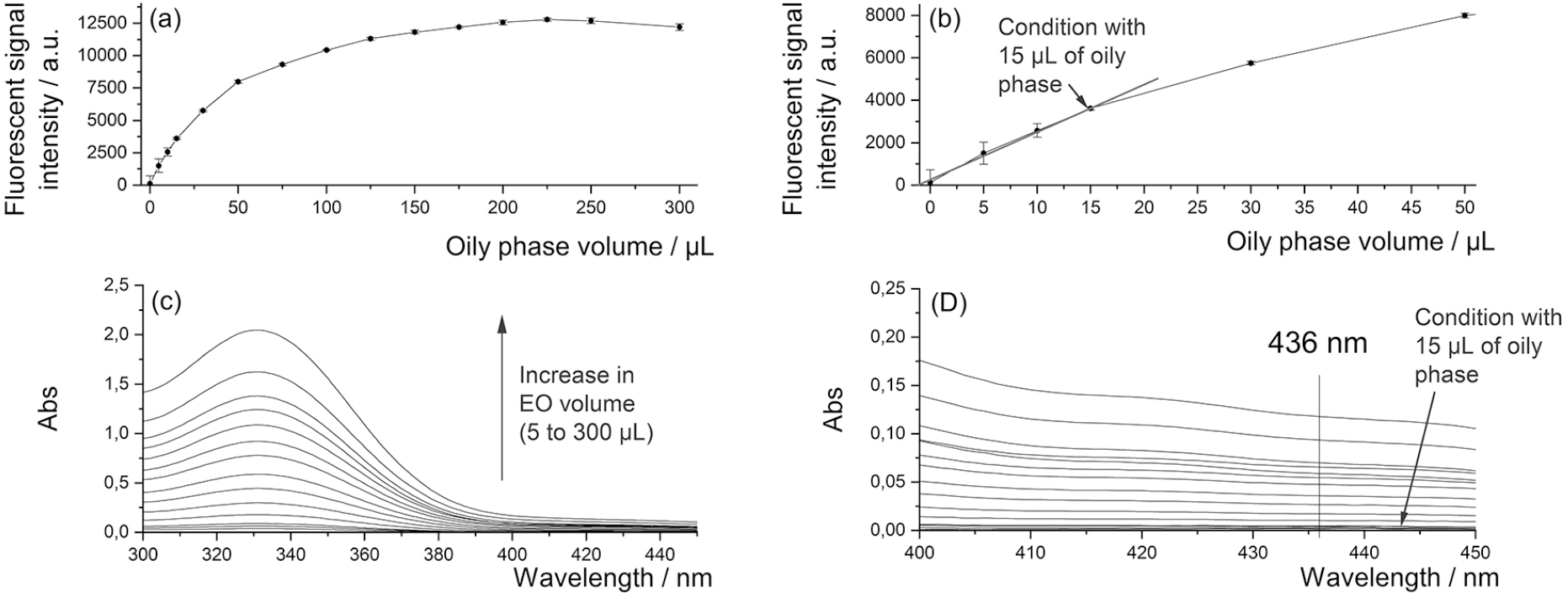
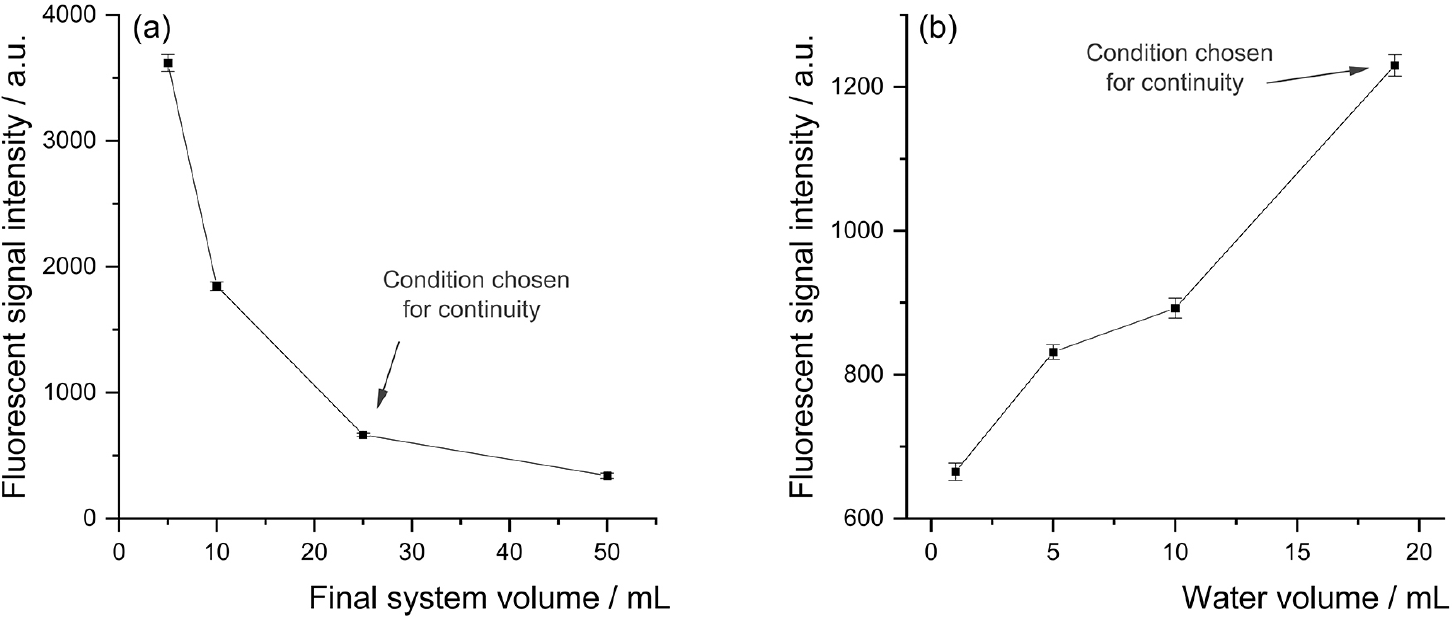
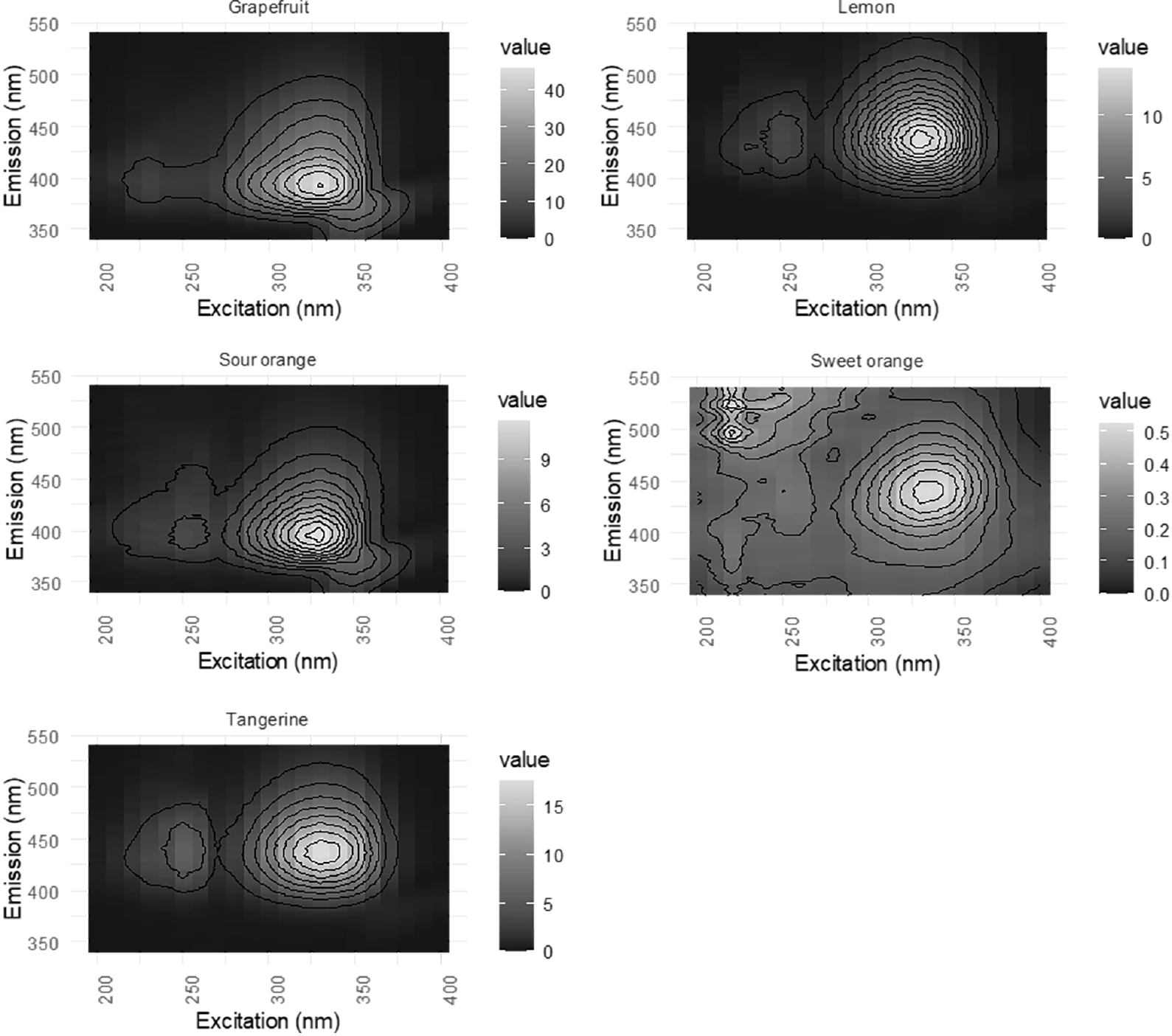
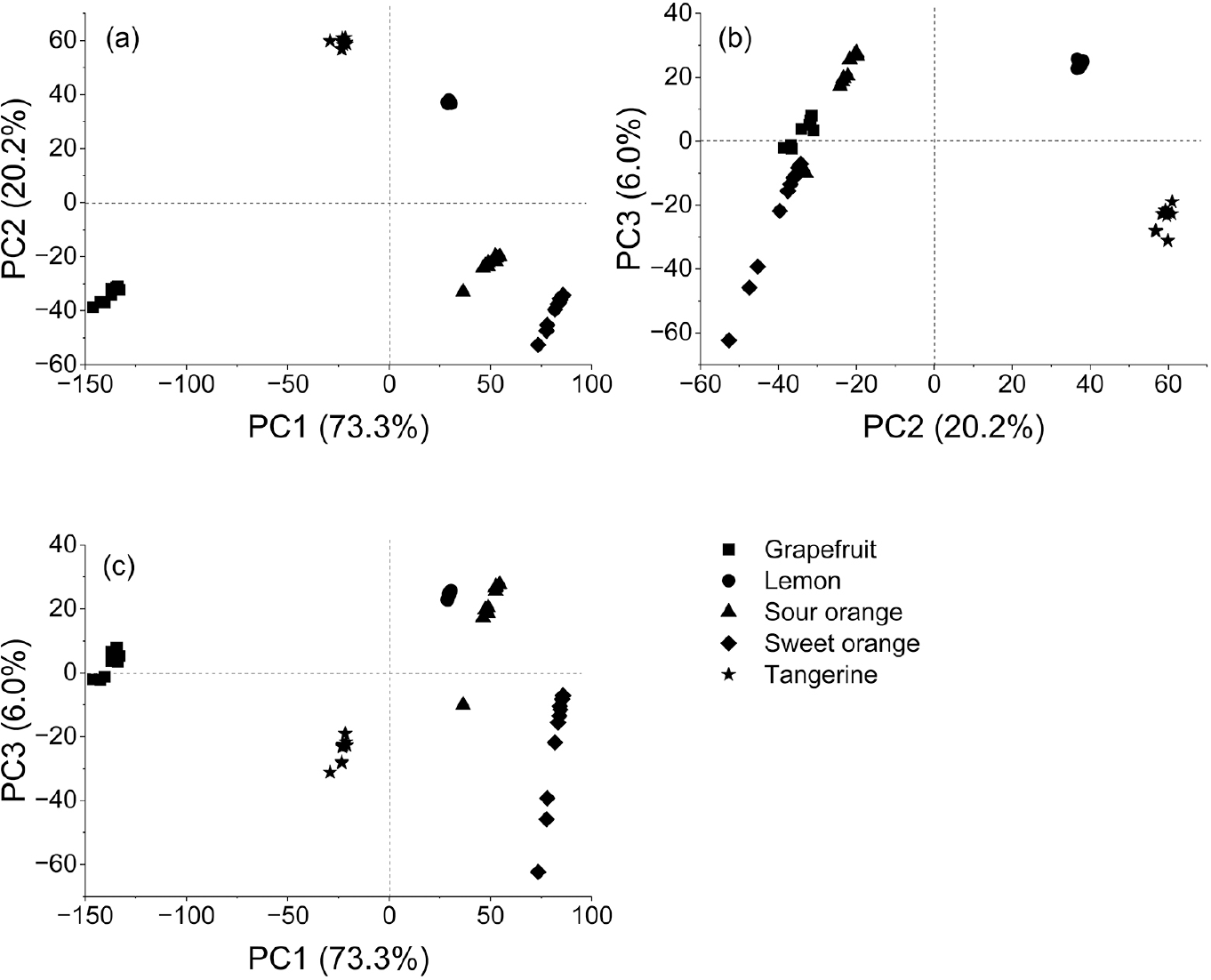
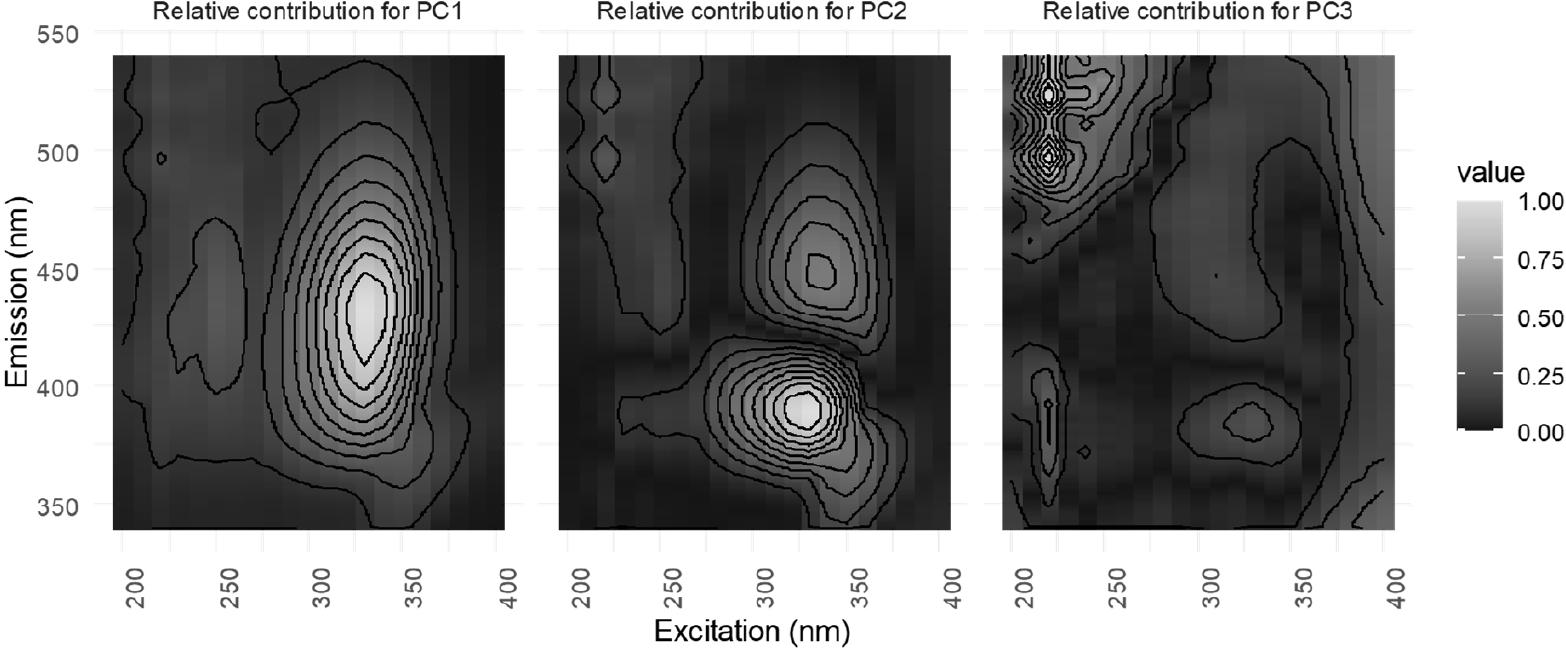
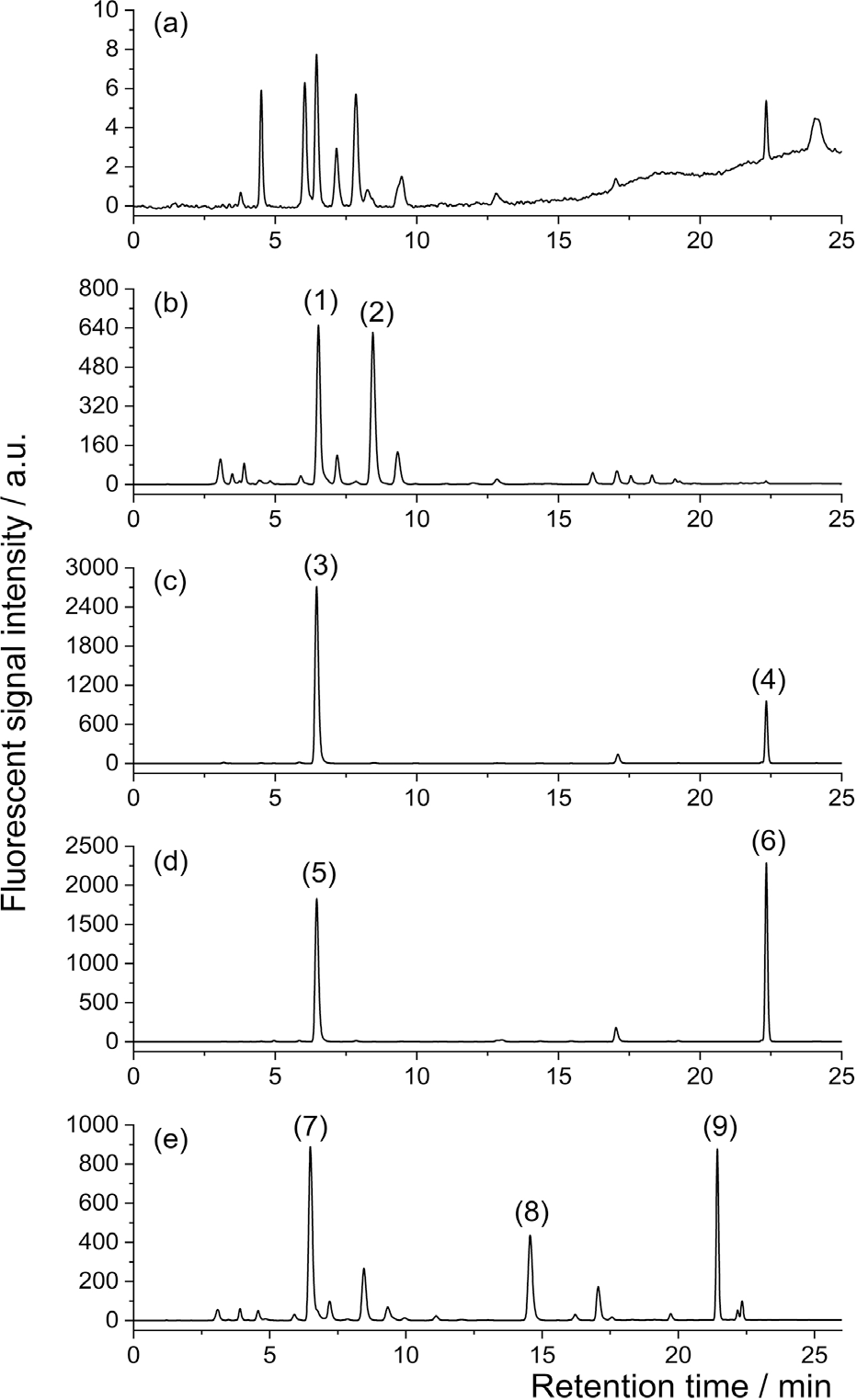
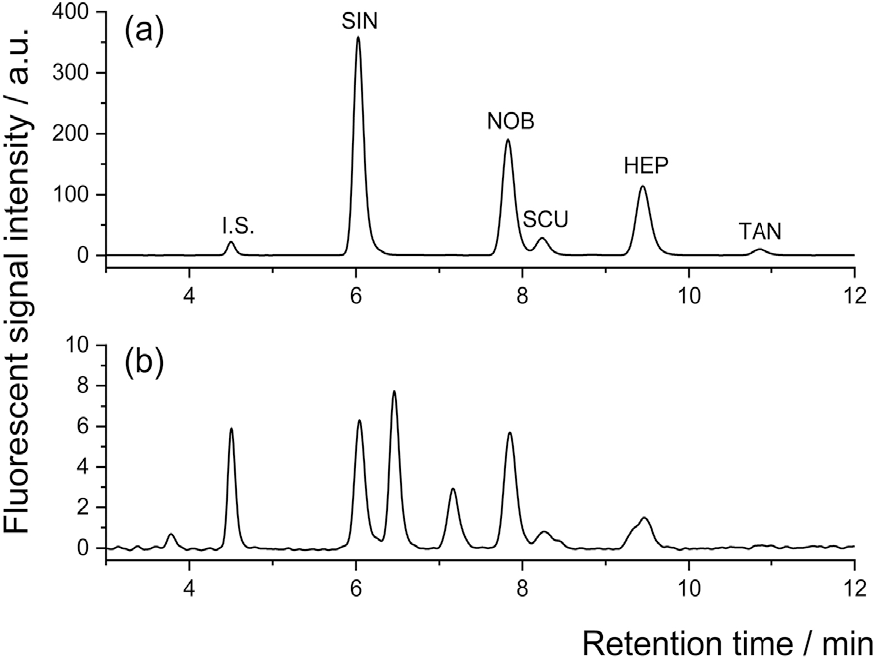
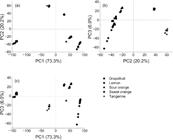
Differencing citrus essential oils was achieved by excitation-emission matrix fluorescence spectroscopy using hydro-alcoholic systems with low sample content. Studies were employed to assess the optimal conditions, aiming to encompass all evaluated citrus essential oils (sweet and sour orange, grapefruit, lemon, and tangerine) without compromising measurement reproducibility. In addition to low sample consumption, a significant increase in fluorescence was achieved, which can be explained by the formation of weak micelle-like aggregates in surfactant-free microemulsions. To demonstrate the potential of the proposed method for discriminating samples, fluorescence excitation-emission matrix data were utilized for clustering analysis. Unfolded principal component analysis was successfully applied, with a cumulative variance of 99.5% based on three principal components. Complementary analyses by liquid chromatography were conducted to confirm the relationship between fluorophores and the non-volatile fraction, characteristic of citrus essential oils. The combination of low sample consumption and high-water content makes the application of these systems advantageous for essential oil monitoring also attending requirements for a greener analytical method, as confirmed by an Analytical Eco-Scale score of 85.
Keywords:
citrus essential oil; hydro-alcoholic medium; fluorescence spectroscopy; excitation-emission matrix; unfold principal component analysis
 Thumbnail
 Thumbnail
 Thumbnail
 Thumbnail
 Thumbnail
 Thumbnail
 Thumbnail