 Optimizing Raman Spectroscopy for Kerogen Maturity in Carbonate-Rich Source Rocks: The Critical Role of Targeted Decarbonation
Abstract
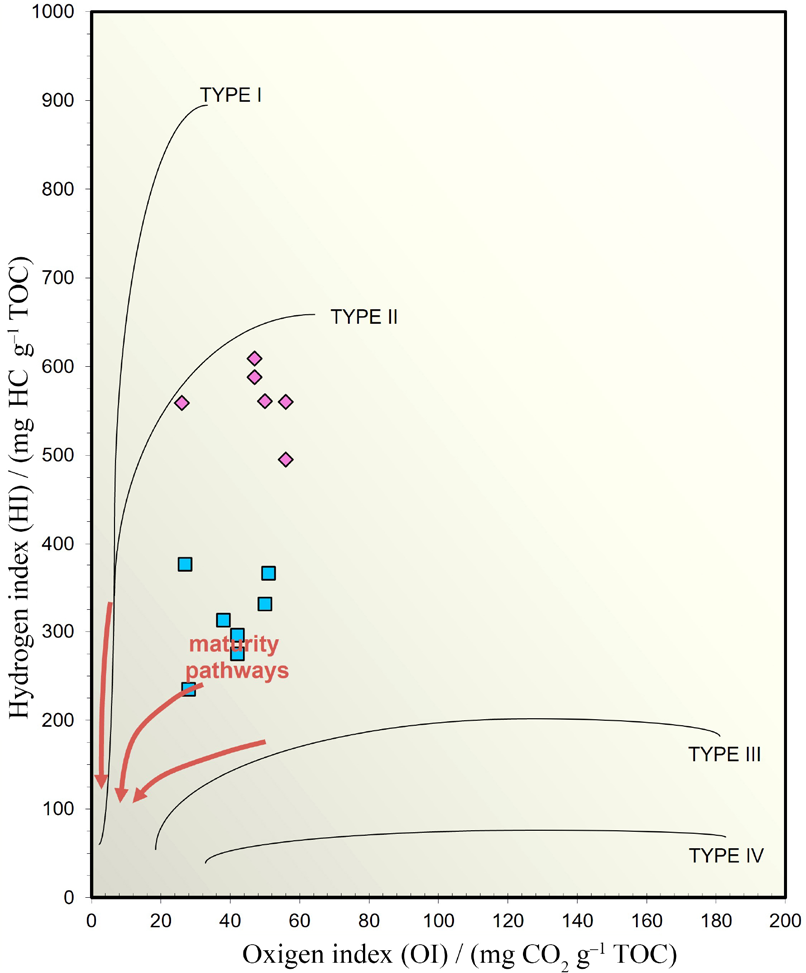
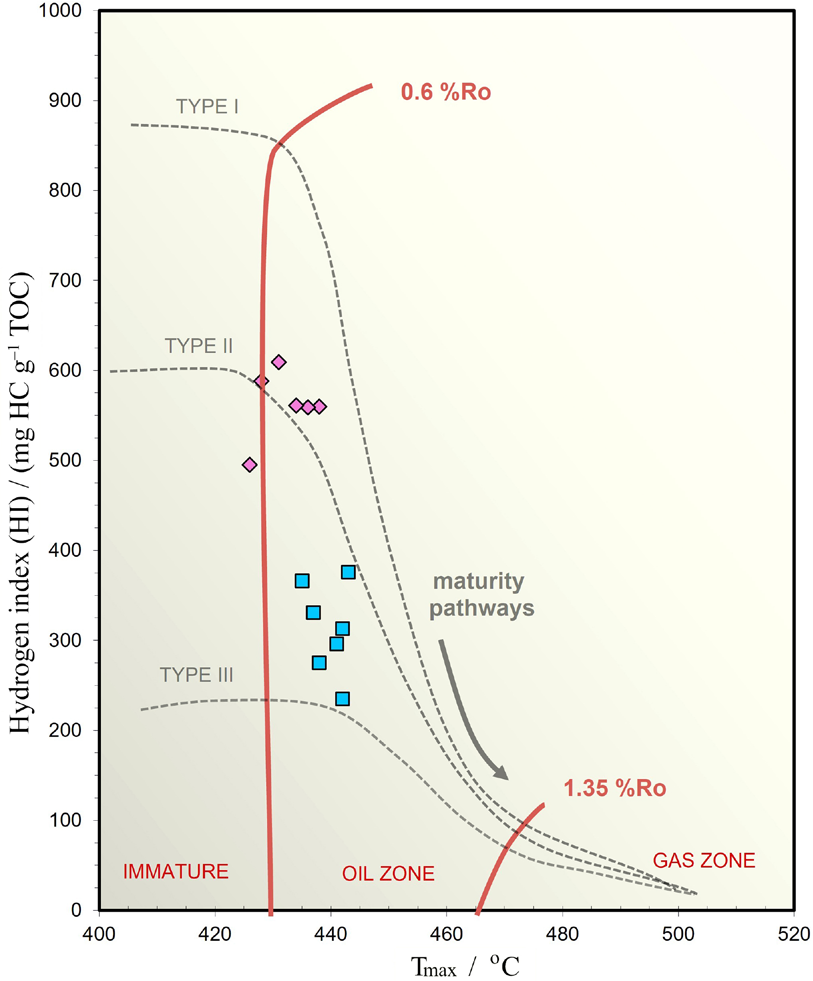
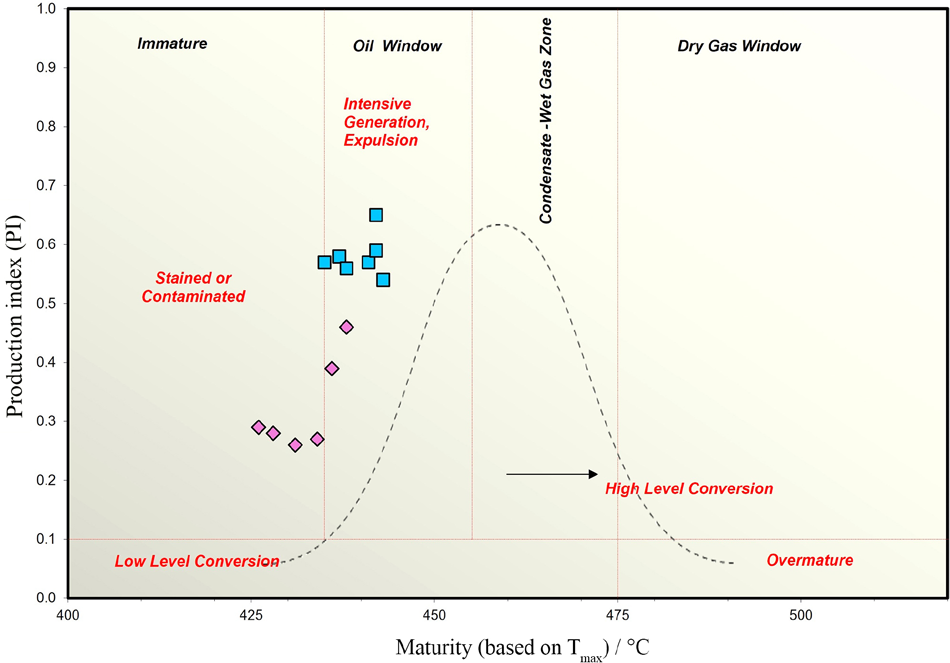
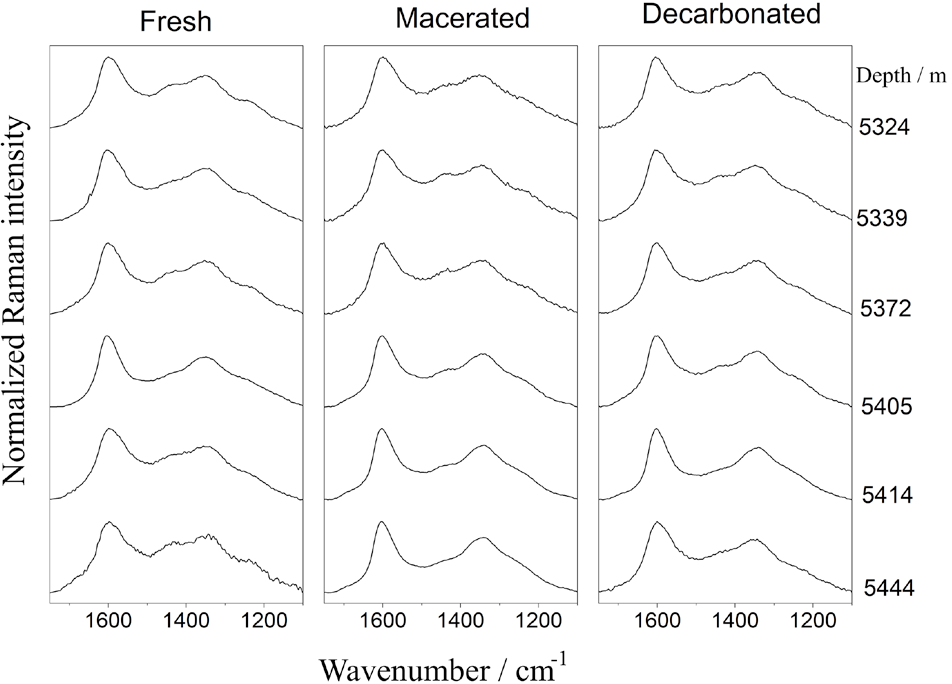
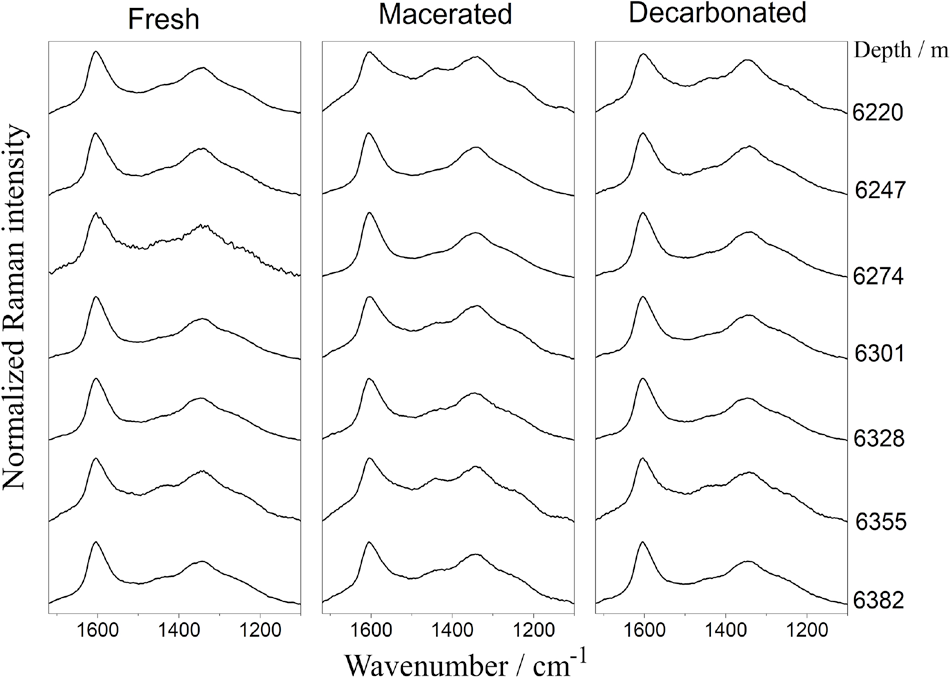
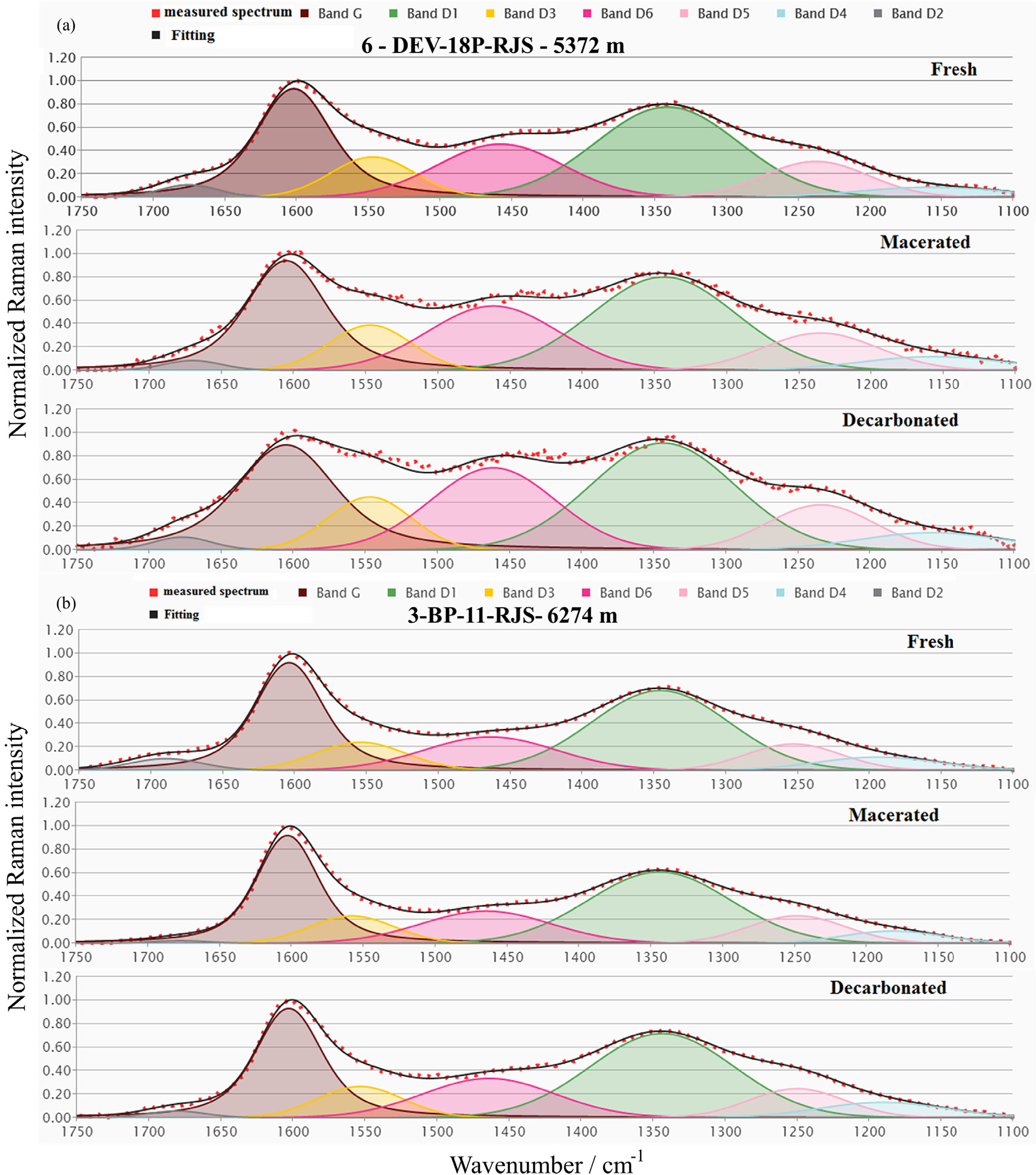
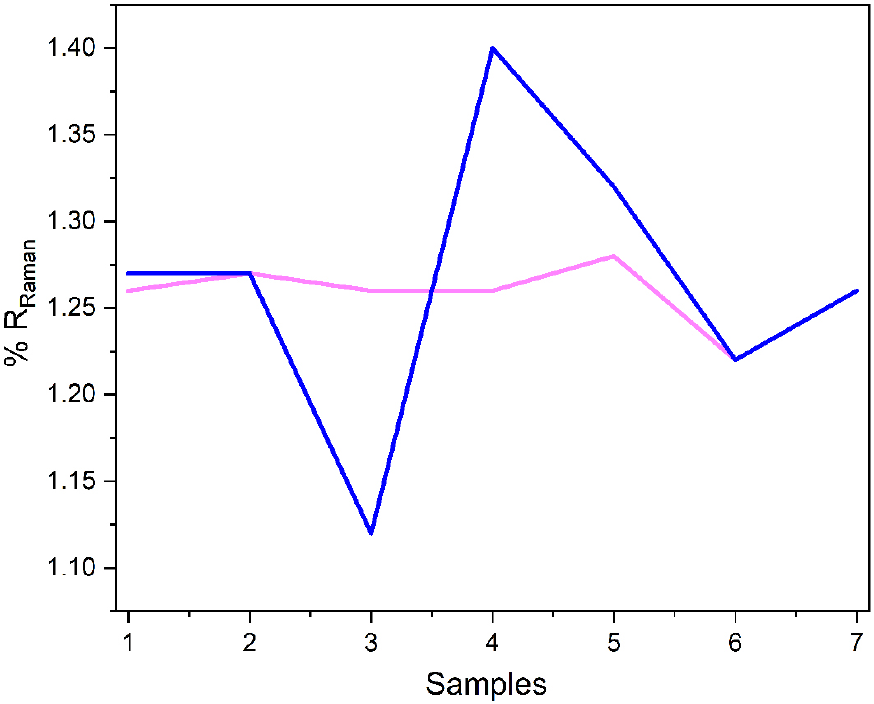
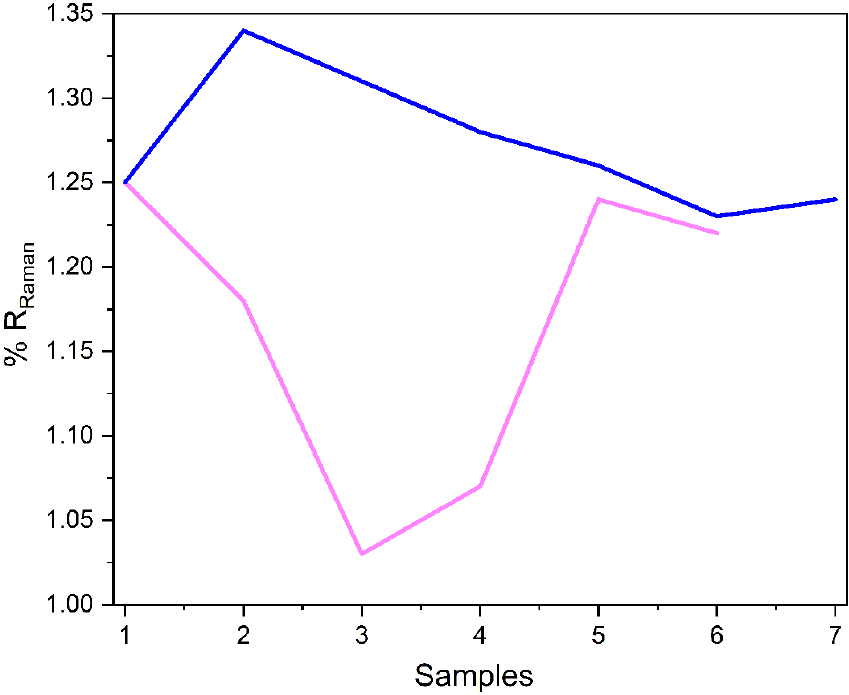
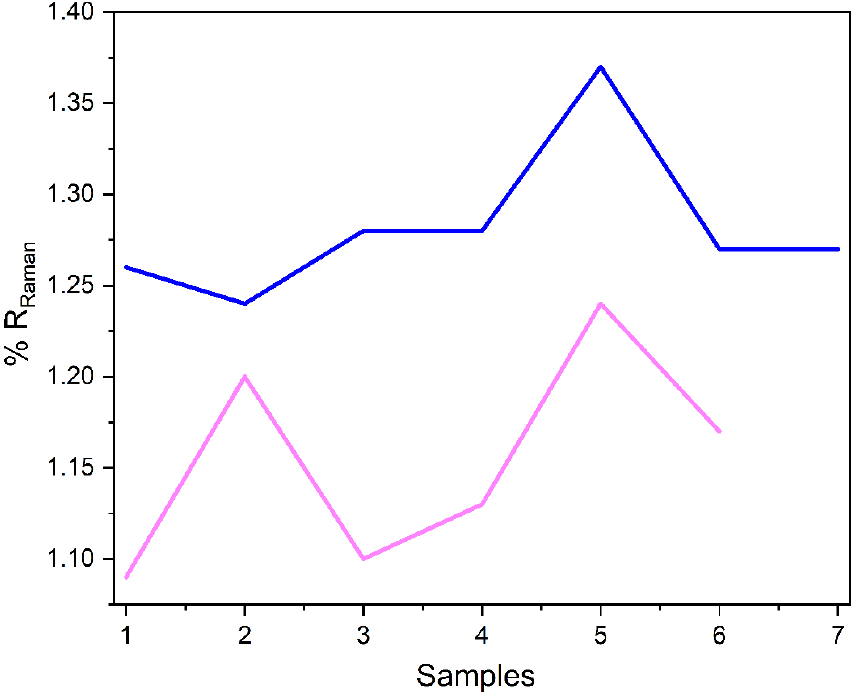
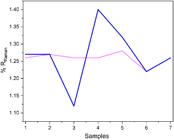
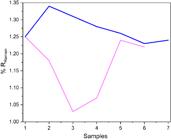
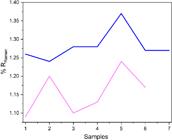
Raman spectroscopy is a powerful tool for assessing the thermal maturity of kerogen; however, its application to carbonate-rich source rocks is hampered by methodological challenges, particularly spectral interference from fluorescent mineral matrices and sample heterogeneity. This study systematically evaluates three preparation protocols: fresh (raw), macerated (ground), and decarbonated, on samples from the Formação Coqueiros (Campos Basin-RJ, Brazil) to identify the most reliable workflow, using Rock-Eval pyrolysis as a geochemical benchmark. Direct analysis of fresh samples proved unreliable, yielding inconsistent data in which the combined effects of heterogeneity and mineral fluorescence masked the true kerogen signal. While mechanical maceration successfully addressed physical heterogeneity, allowing for a basic qualitative distinction between maturity levels, it was insufficient, as the fundamental problem of spectral interference remained unresolved. The decarbonated protocol, however, yielded the optimal result. This two-step procedure, involving mechanical grinding followed by targeted chemical removal of carbonates, successfully mitigated both issues, producing stable, precise, and geologically coherent maturity data that correlates with the Rock-Eval temperature of maximum hydrocarbon generation (Tmax) benchmark. This work validates the targeted procedure as a robust, accessible workflow that avoids aggressive chemical treatments that risk altering the kerogen structure, offering a more efficient and potentially more accurate path for analysis in these common lithologies.
Keywords:
Raman spectroscopy; Rock-Eval pyrolysis; maturation; Formação Coqueiros; Campos Basin
 Thumbnail
 Thumbnail
 Thumbnail
 Thumbnail
 Thumbnail
 Thumbnail
 Thumbnail
 Thumbnail
 Thumbnail