 Multi-Spectroscopic and Molecular Docking Insights into the Effects of Structural Differences among Three Curcuminoids on β-Lactoglobulin Glycation
Abstract
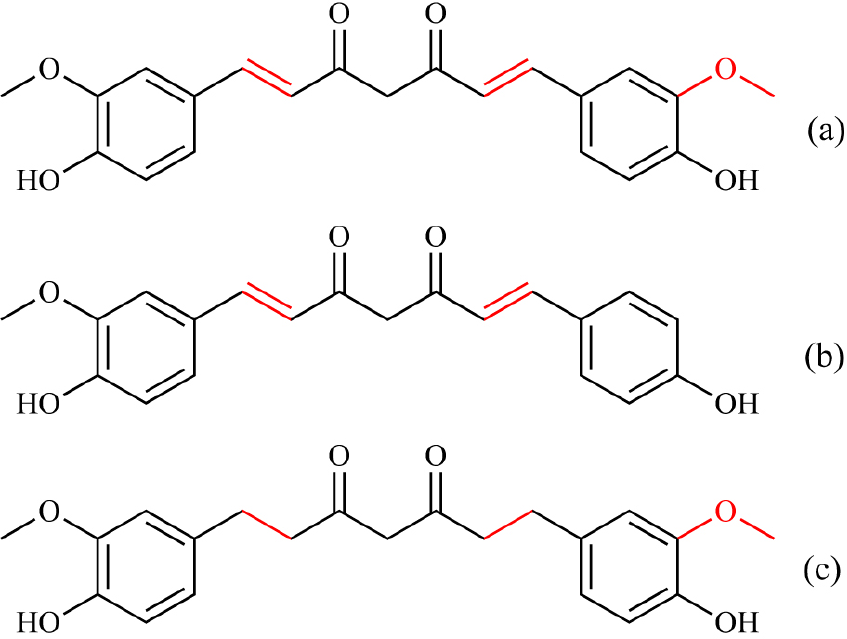
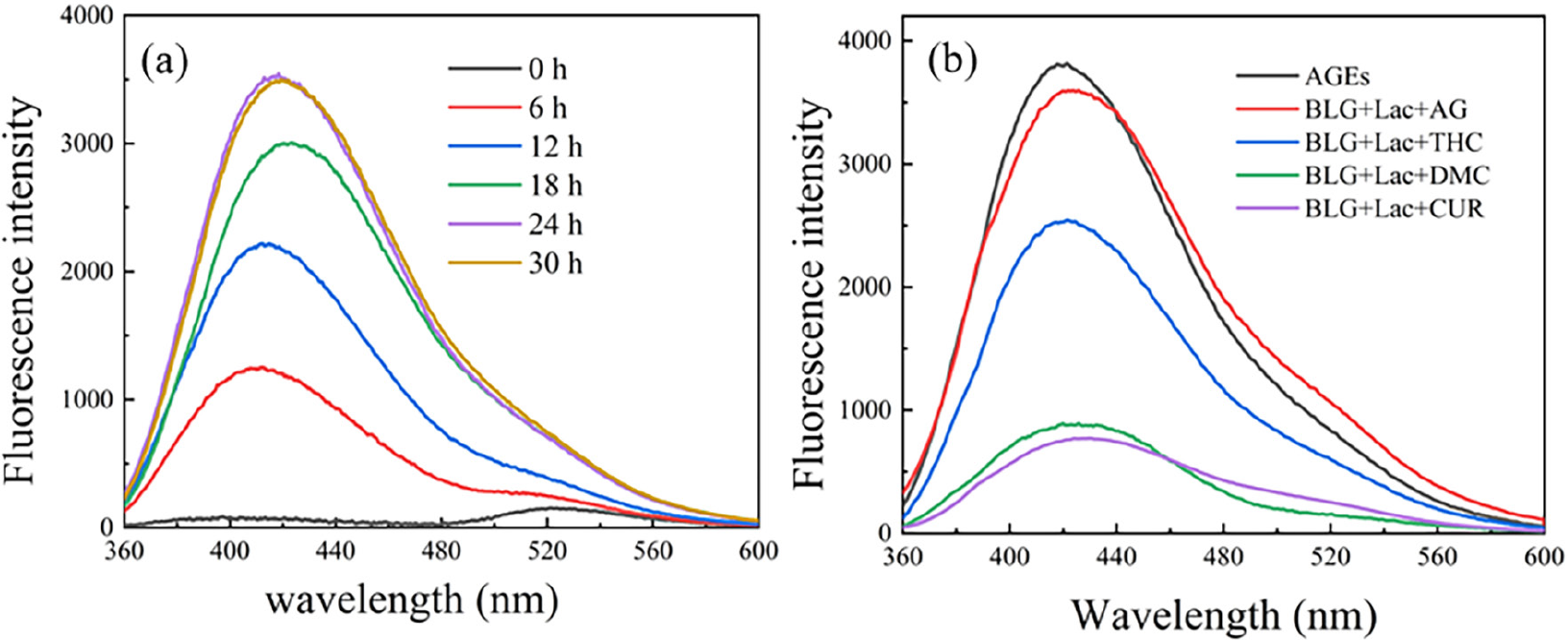
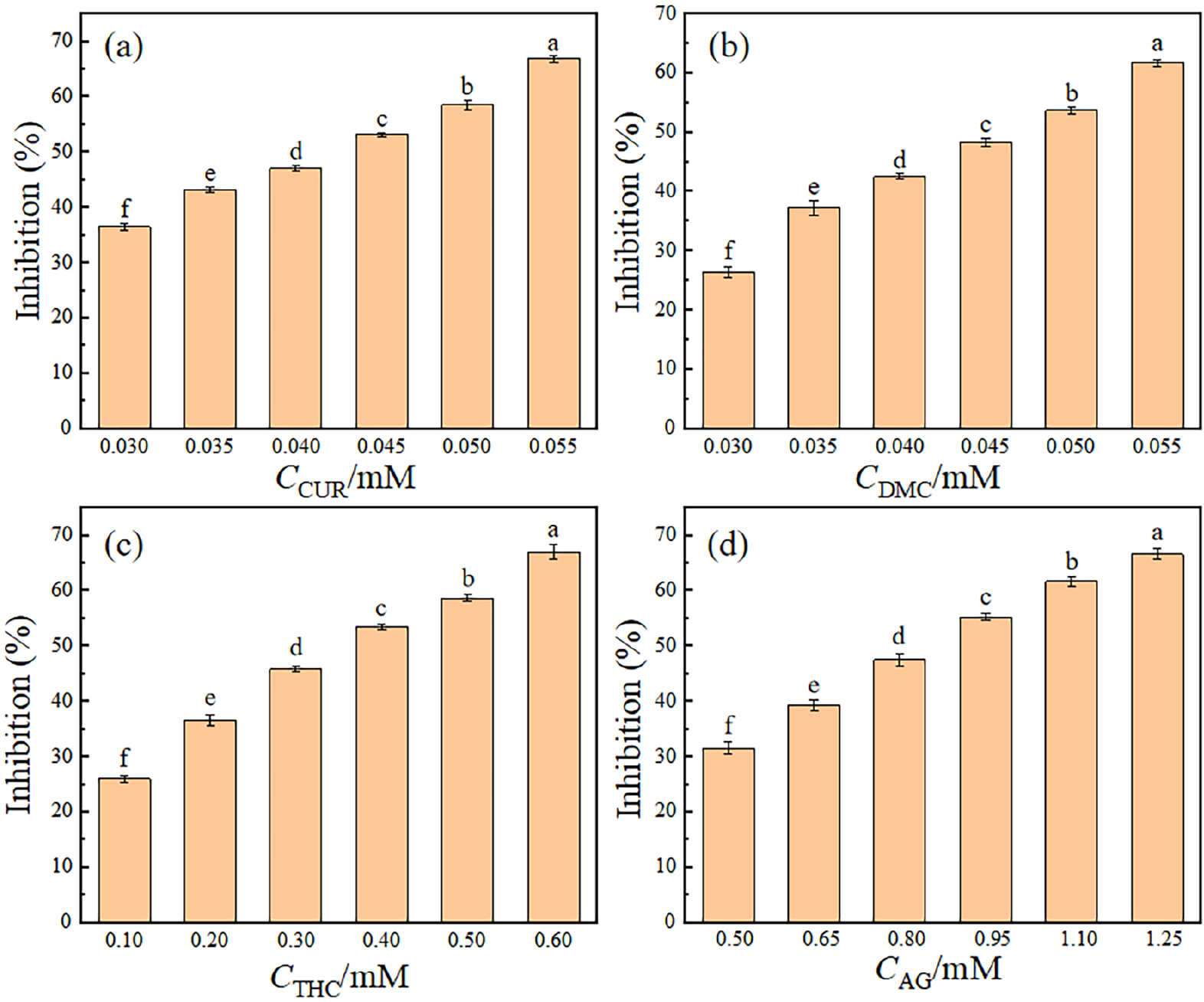
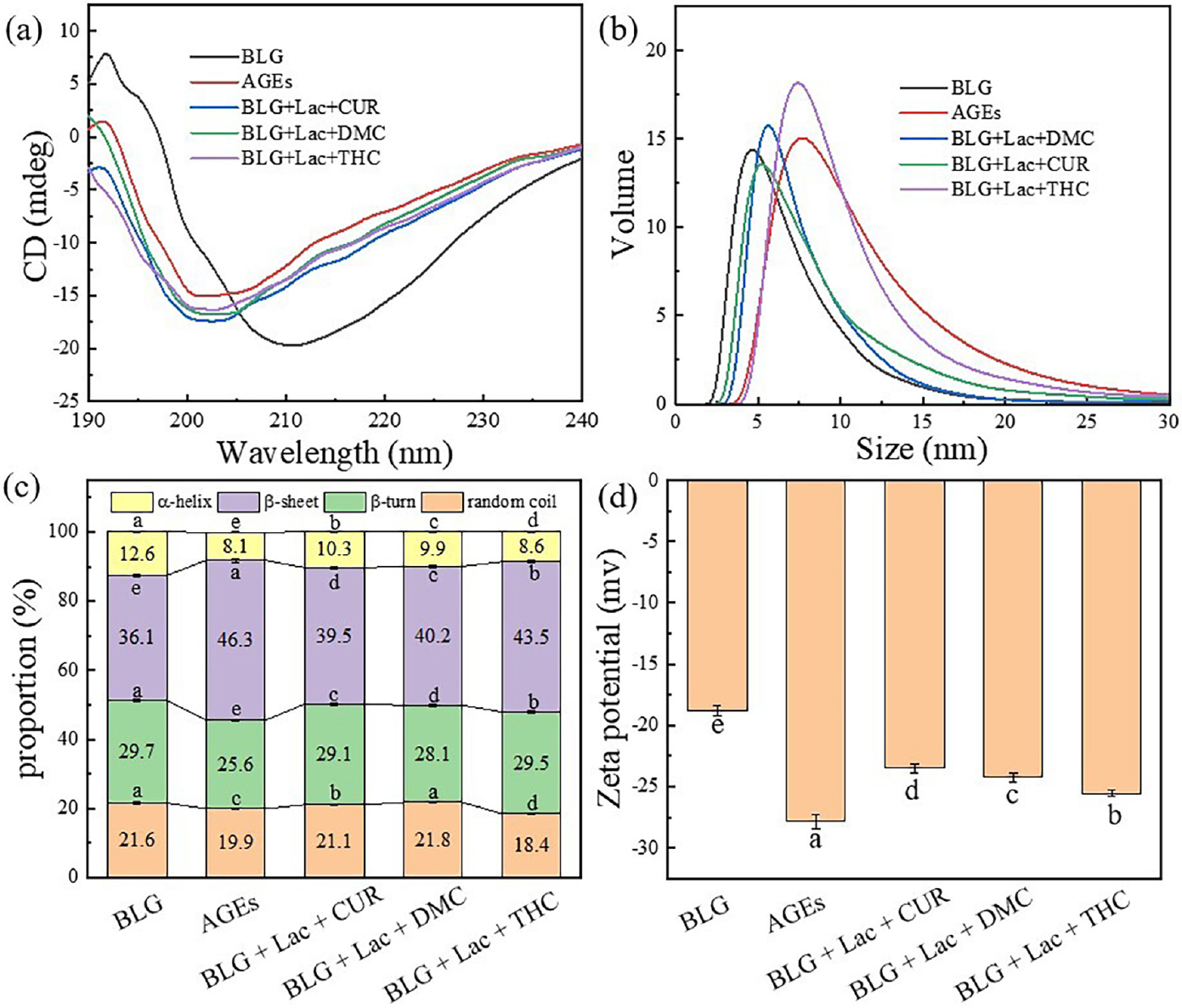
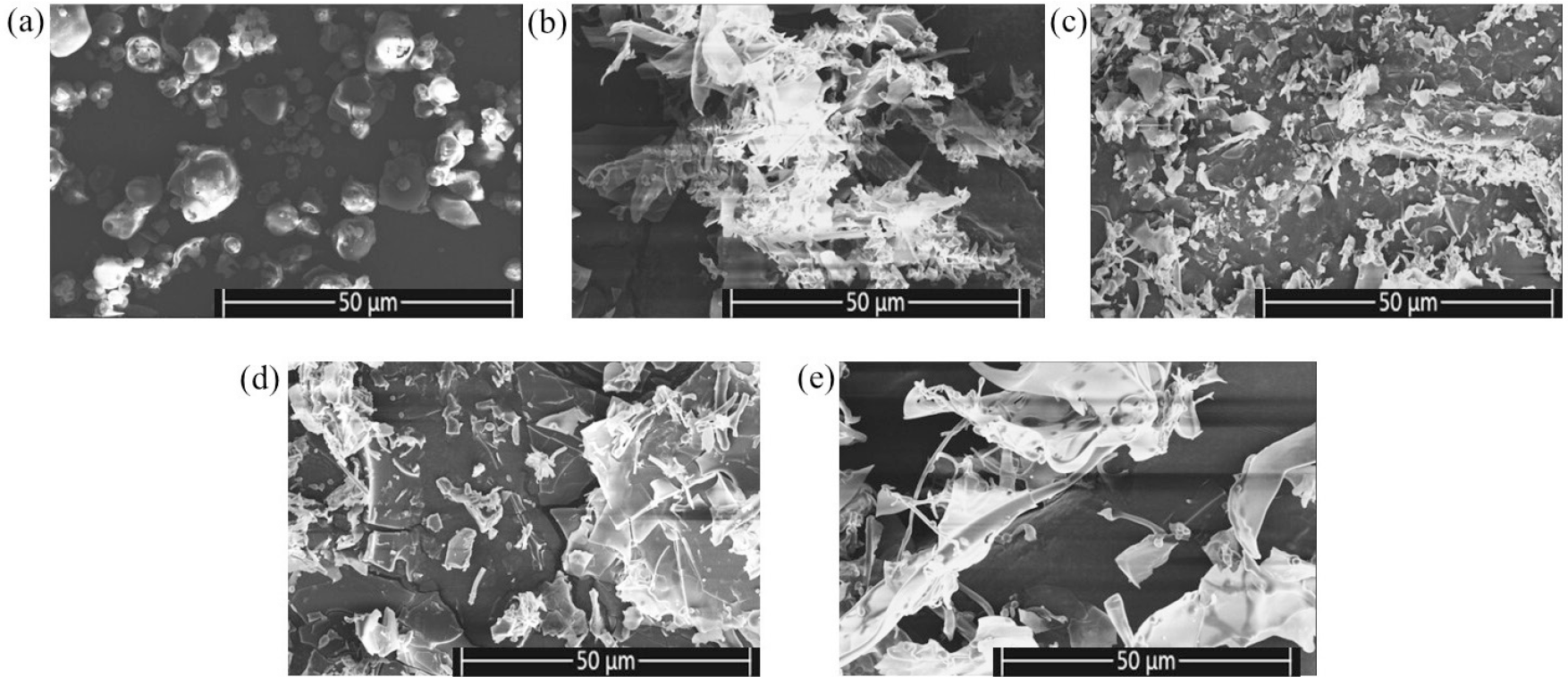
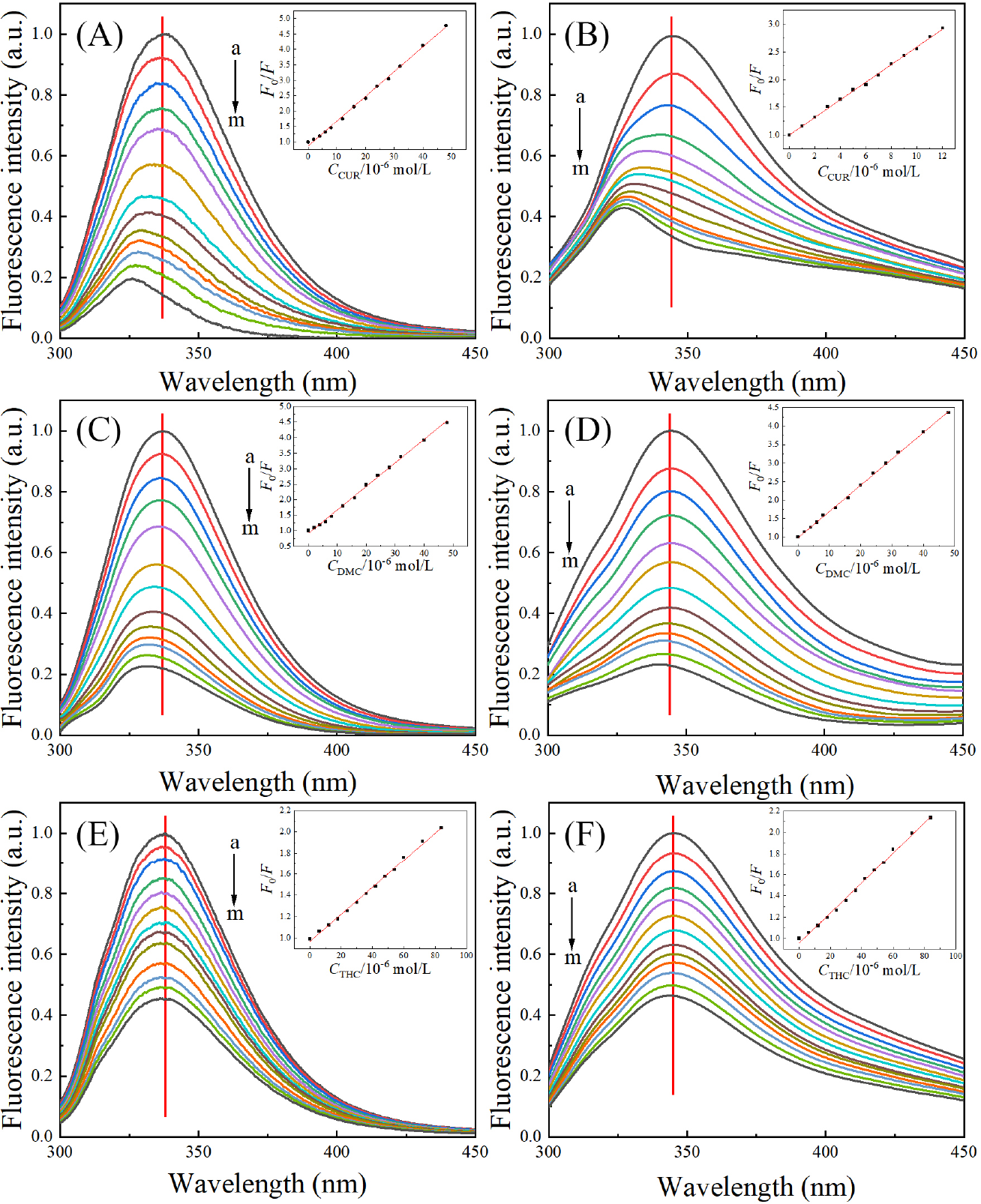
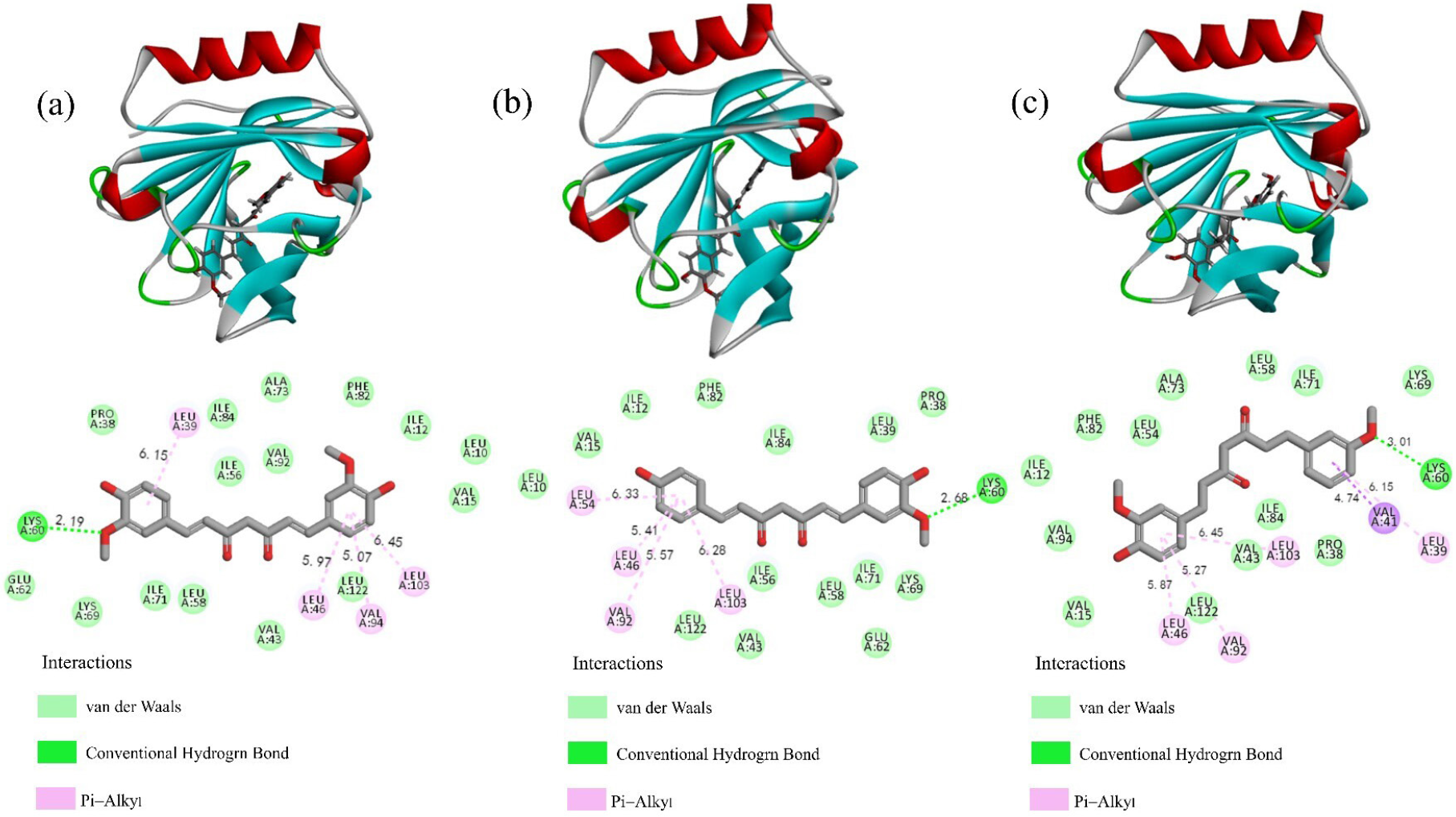
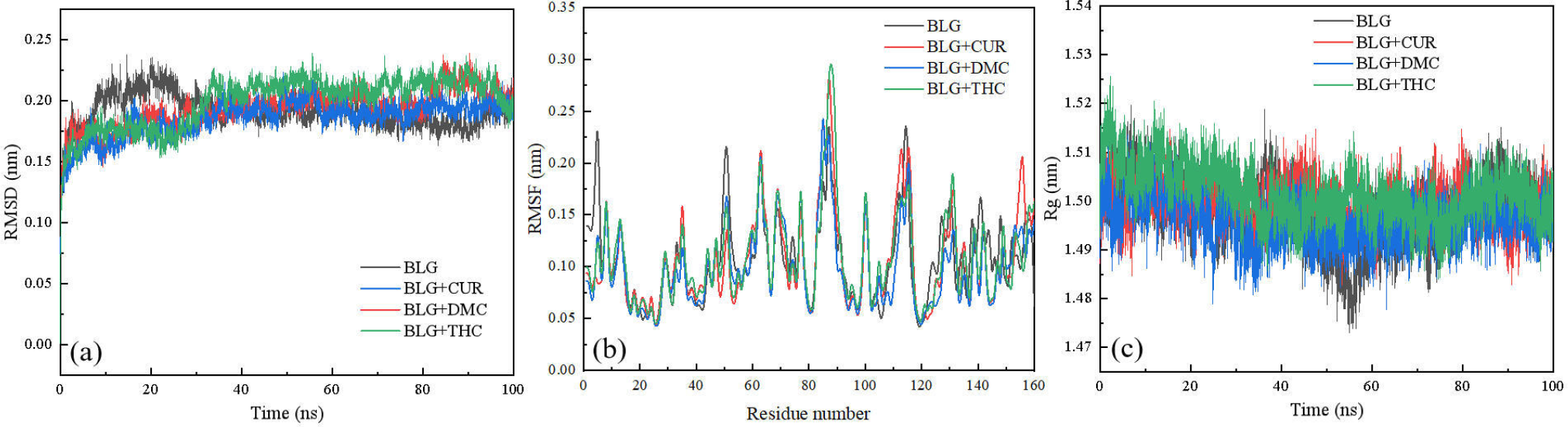
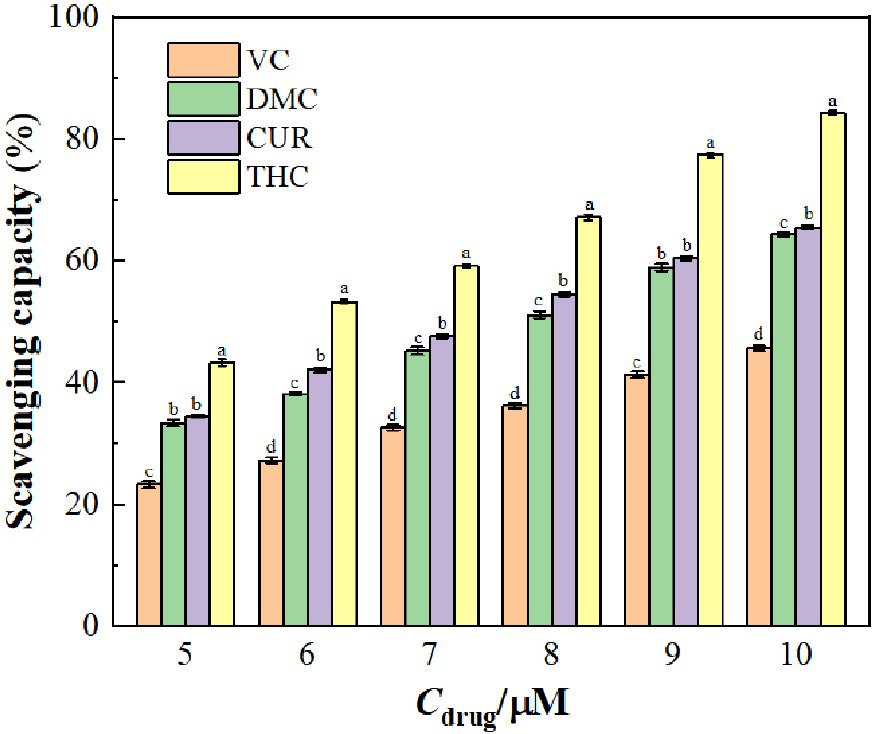
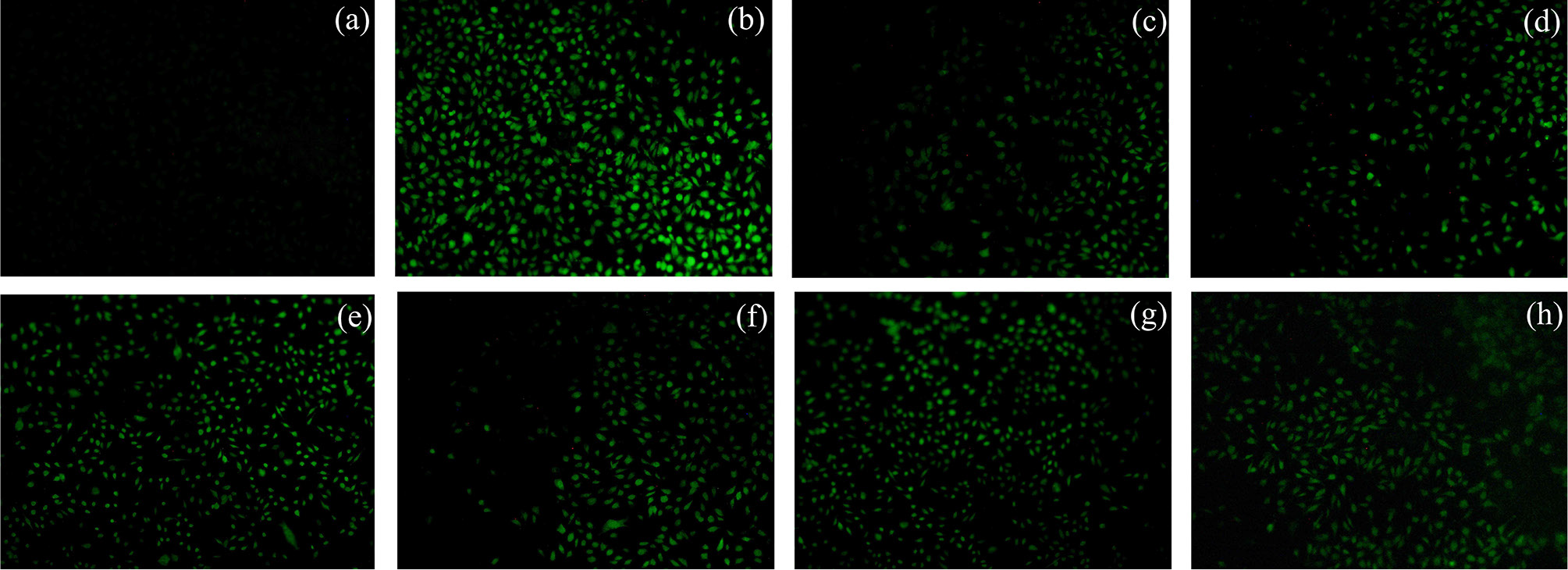
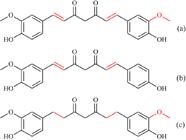
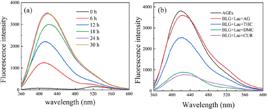
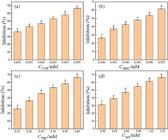
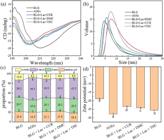
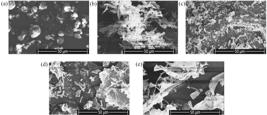
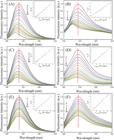
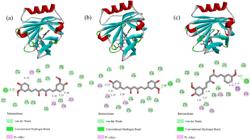
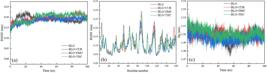
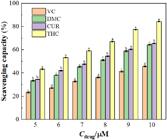
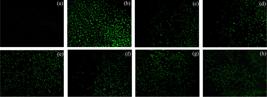
The accumulation of advanced glycation end products (AGEs) contributes to various chronic diseases. In this study, using a lactose (Lac)-induced glycation model of β-lactoglobulin (BLG), we investigated the inhibitory effects of curcumin (CUR), demethoxycurcumin (DMC), and tetrahydrocurcumin (THC) on AGEs formation, with efficacy following the order: CUR > DMC > THC. Spectroscopic and microscopic techniques confirmed their ability to prevent glycation-induced conformational changes and aggregation of BLG. Fluorescence spectroscopy, molecular docking, and radical scavenging assays indicated a potential mechanism that might involve the occupation of glycation sites (Lysine 60 (Lys60) and Lysine 69 (Lys69)) of BLG, with inhibitory potency correlating with their binding affinity. Molecular dynamics (MD) simulations confirmed the structural stability of the complexes formed between BLG and the three curcuminoids. Furthermore, intracellular reactive oxygen species (ROS) assays showed that they not only alleviate cellular oxidative stress by inhibiting the production of AGEs, but also mitigate AGEs-induced cellular oxidative damage. These findings elucidate how minute structural differences among the three curcuminoids influence their ability to inhibit AGEs formation, suggesting potential mechanisms for their suppression of BLG glycation, providing a theoretical basis for developing natural anti-glycation agents.
Keywords:
β-lactoglobulin; curcuminoids; glycation; interaction; binding affinity; free radical scavenging
 Thumbnail
 Thumbnail
 Thumbnail
 Thumbnail
 Thumbnail
 Thumbnail
 Thumbnail
 Thumbnail
 Thumbnail
 Thumbnail