 PVA Films with Carbonized Kraft Lignin: Physico-Chemical Properties and Application in Gas Detection
Abstract
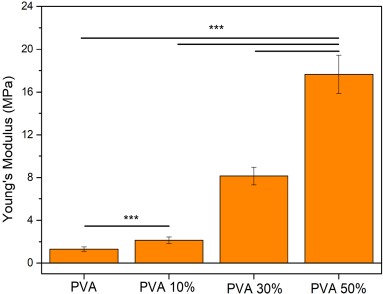
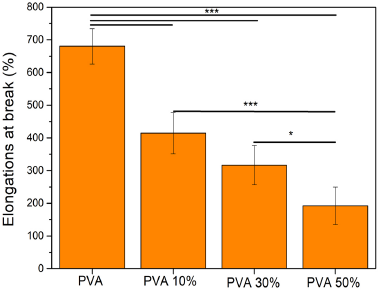
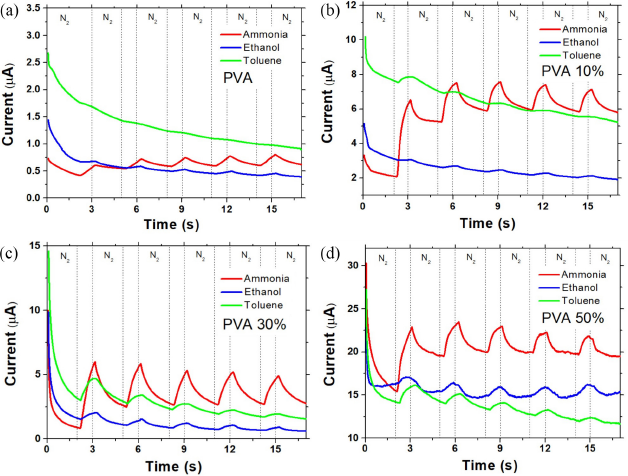
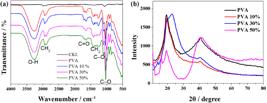
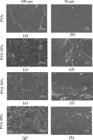
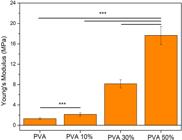
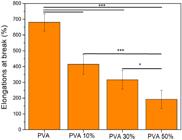
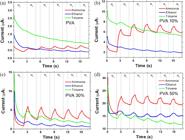
Kraft lignin (KL), a major byproduct of the pulp and paper industry, is still largely under-utilized, limiting its value in advanced materials. This work investigates whether incorporating carbonized kraft lignin (CKL) into polyvinyl alcohol (PVA) films can enhance their structural and functional properties and enable their use as gas-sensor membranes. PVA films containing 0, 10, 30, and 50 weight percent (wt.%) CKL were prepared and characterized by Fourier-transform infrared spectroscopy (FTIR), X-ray diffraction (XRD), differential scanning calorimetry (DSC), thermogravimetric analysis (TGA), scanning electron microscopy (SEM), water-contact-angle (wettability) measurements, and tensile testing, followed by ammonia (NH3), ethanol (C2H5OH), and toluene (C7H8) sensing. CKL increased thermal stability (temperature at 5% mass loss, T5%, up to 135 °C vs. 80 °C for neat PVA), raised carbonaceous residue to 15%, and improved Young’s modulus while reducing elongation and water contact angle. Gas-sensing tests revealed a strong, reversible current response to NH3, with PVA/50 wt.% CKL exhibiting the highest current (ca. 23 µA), along with detectable responses to ethanol and toluene. These results demonstrate that CKL is an effective bio-derived additive that upgrades PVA films for sustainable, high-performance gas-sensing applications.
Keywords:
polyvinyl alcohol; carbonized Kraft lignin; gas detection
 Thumbnail
 Thumbnail
 Thumbnail
 Thumbnail
 Thumbnail
 Thumbnail