 Reanalysis of Public Metabolomics Data Reveals Class-Specific Dysregulation of N-Acyl Lipids and Related Molecules in Atopic Dermatitis
Abstract
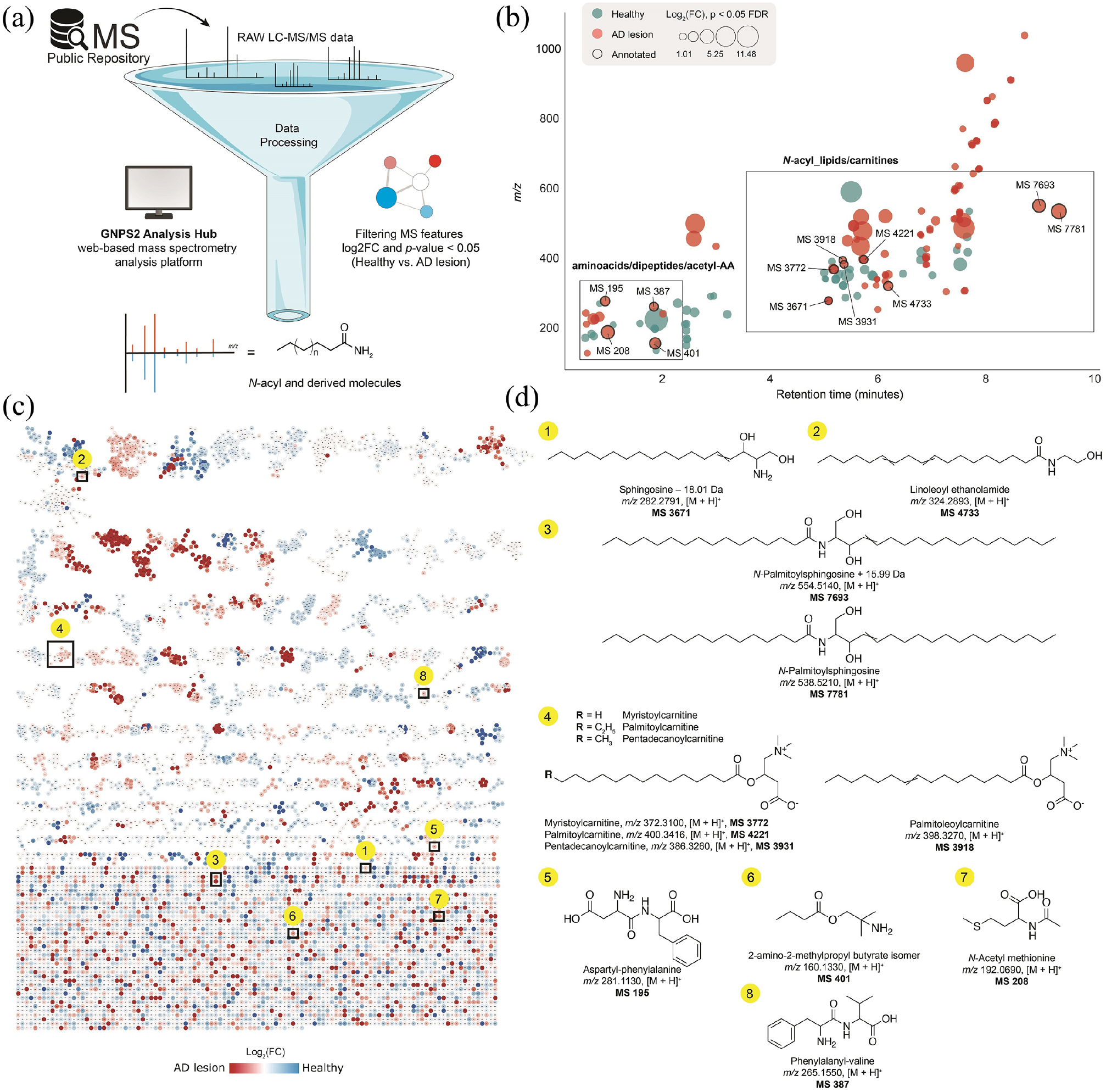
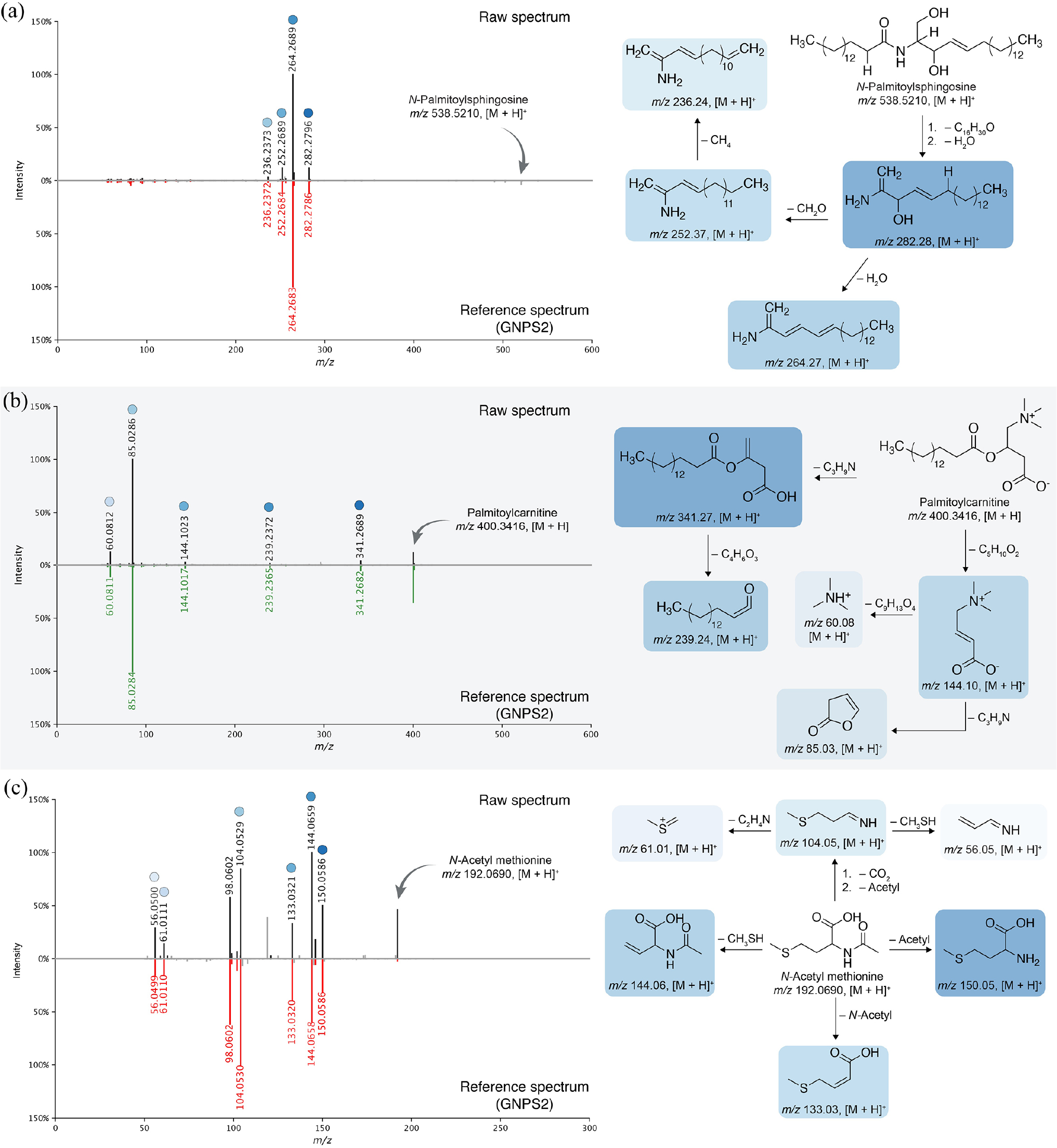
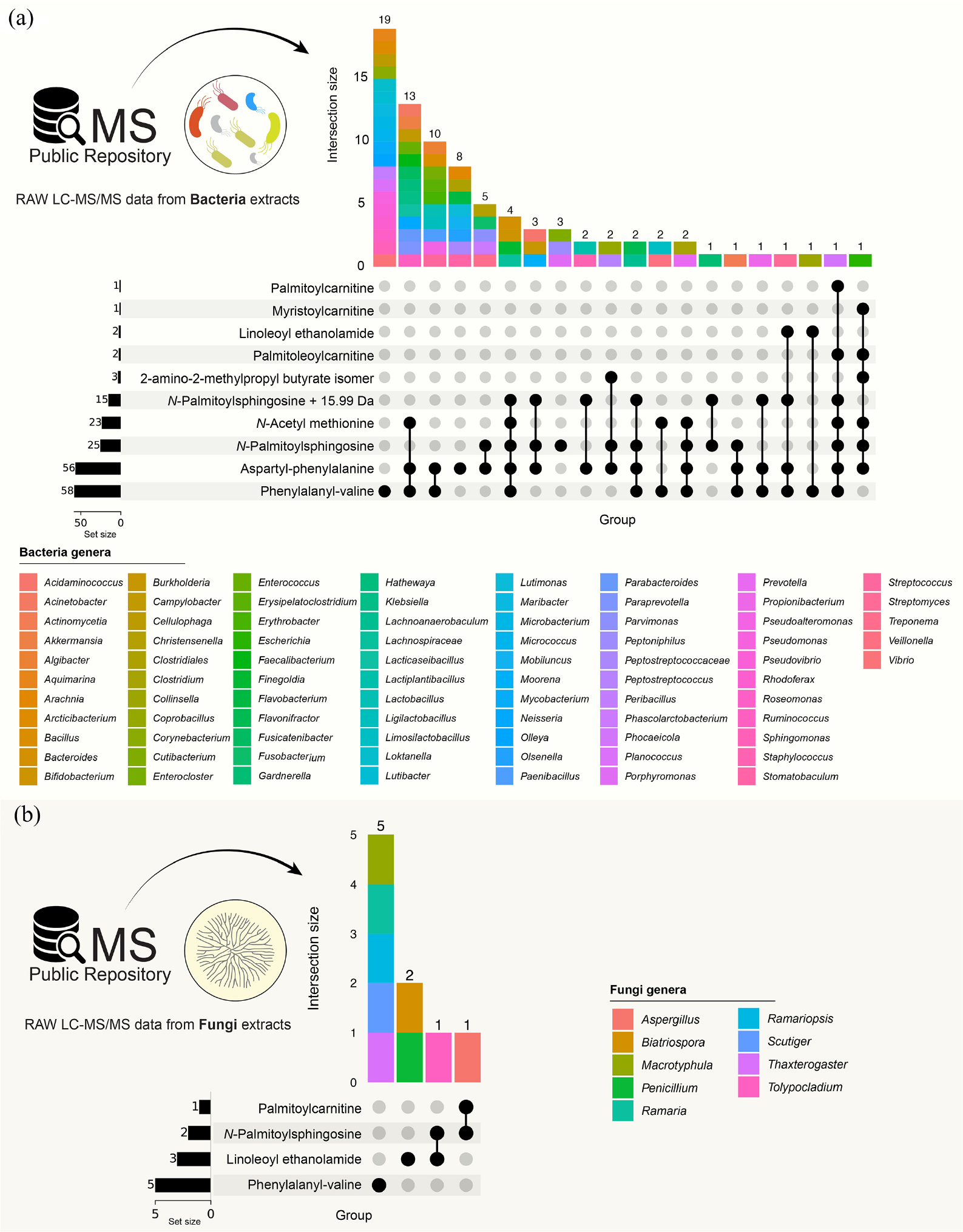
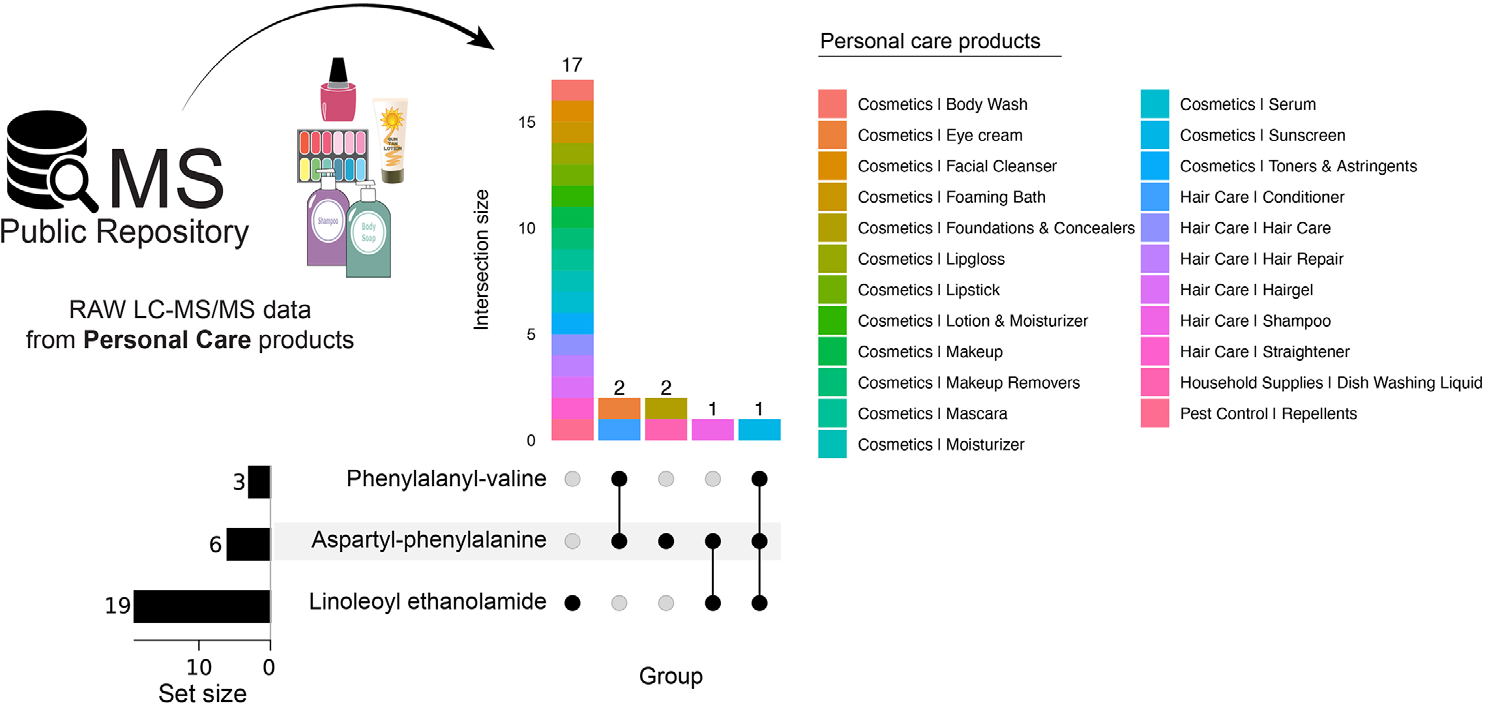
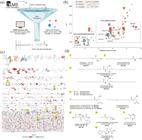
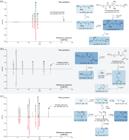
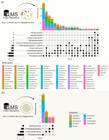
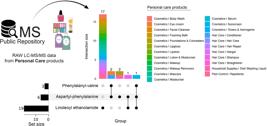
Atopic dermatitis (AD) is a chronic inflammatory skin condition marked by impaired epidermal barrier function and substantial alterations in lipid homeostasis. While previous metabolomics studies have characterized major lipid classes involved in skin physiology, the contribution of N-acyl lipids and related molecules to AD remains poorly defined. In this study, an integrative reanalysis of the public mass spectrometry interactive virtual environment (MassIVE) dataset is performed combining fold-change statistics, global natural product social molecular networking (GNPS), and fast mass spectrometry search tool (fastMASST). Among the 6,332 mass spectrometry (MS) features detected, 12 were annotated. These compounds were assigned as putative identifications (level 2), based on tandem mass spectrometry (MS/MS) spectral similarity, molecular networking relationships, and in silico fragmentation analysis. Though, their identities were not confirmed with authentic reference standards. The annotated compounds belong to three chemically distinct subclasses: (i) N-acylethanolamines and long-chain amides, (ii) carnitines, and (iii) N-acyl amino acids, dipeptides, and related derivatives. These subclasses exhibited distinct class-specific behavior, characterized by increased levels in AD lesion samples. fastMASST searches further indicated that several of these molecules are widely co-occurring in microbial and personal-care product datasets, providing potential microbiomeand exposome-context for their presence in skin affected by atopic dermatitis. Together, these findings reveal a distinct class-specific signature of N-acyl lipid, carnitines, and amino acids/dipeptides that are associated with the dysregulation in AD, and thereby, demonstrating the power of public data reanalysis to uncover previously overlooked biochemical patterns associated with skin barrier dysfunction.
Keywords:
atopic dermatitis; skin barrier; N-acyl lipids; metabolomics; exposomics; GNPS
 Thumbnail
 Thumbnail
 Thumbnail
 Thumbnail