 Synthesis, Photophysical Behavior, DFT Analysis, Electrochemical and Investigative Optical Sensor Properties of C3-Functionalized 4-Hydroxycoumarins
Abstract
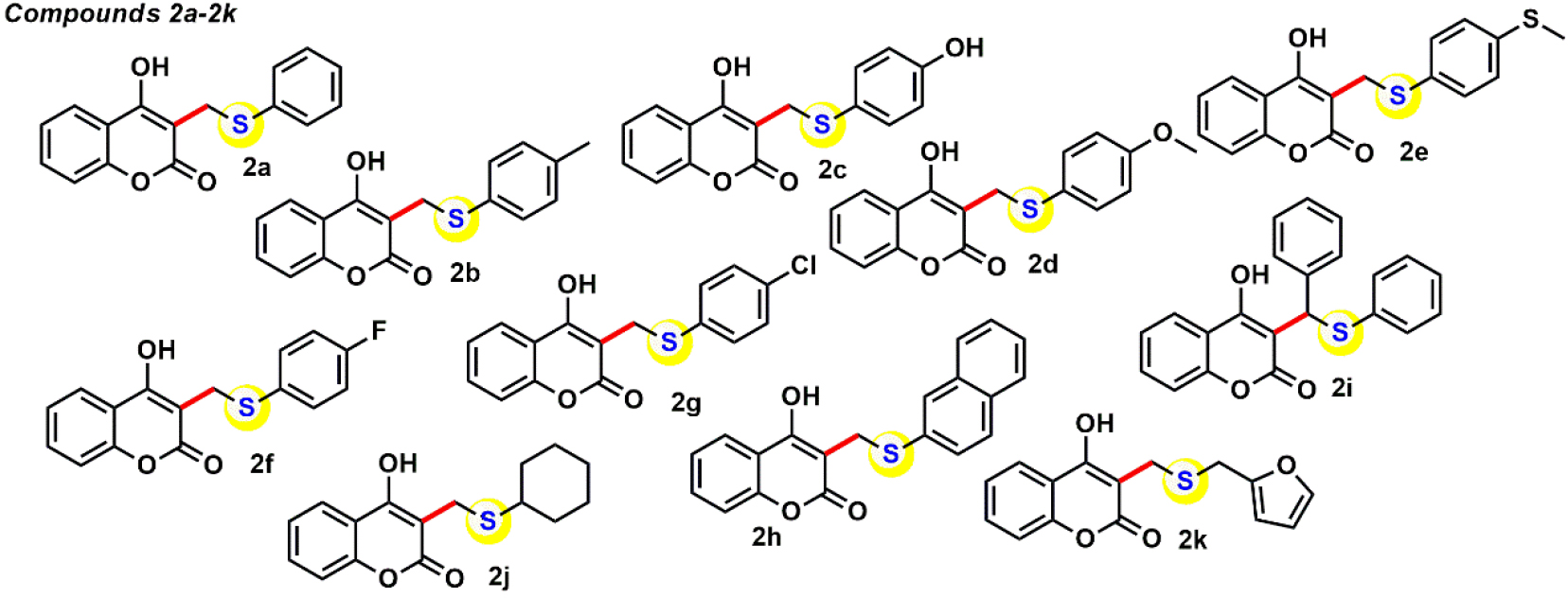
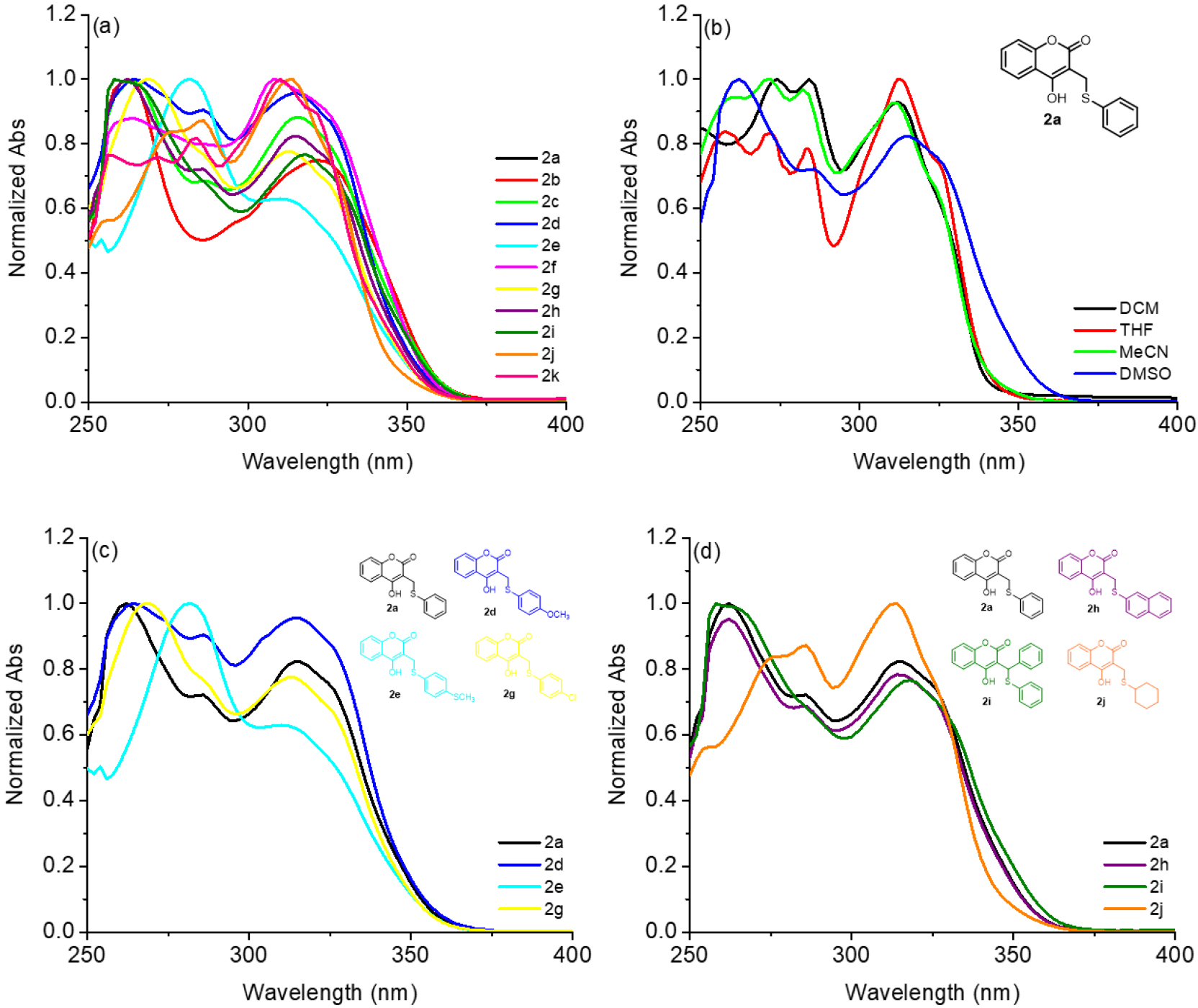
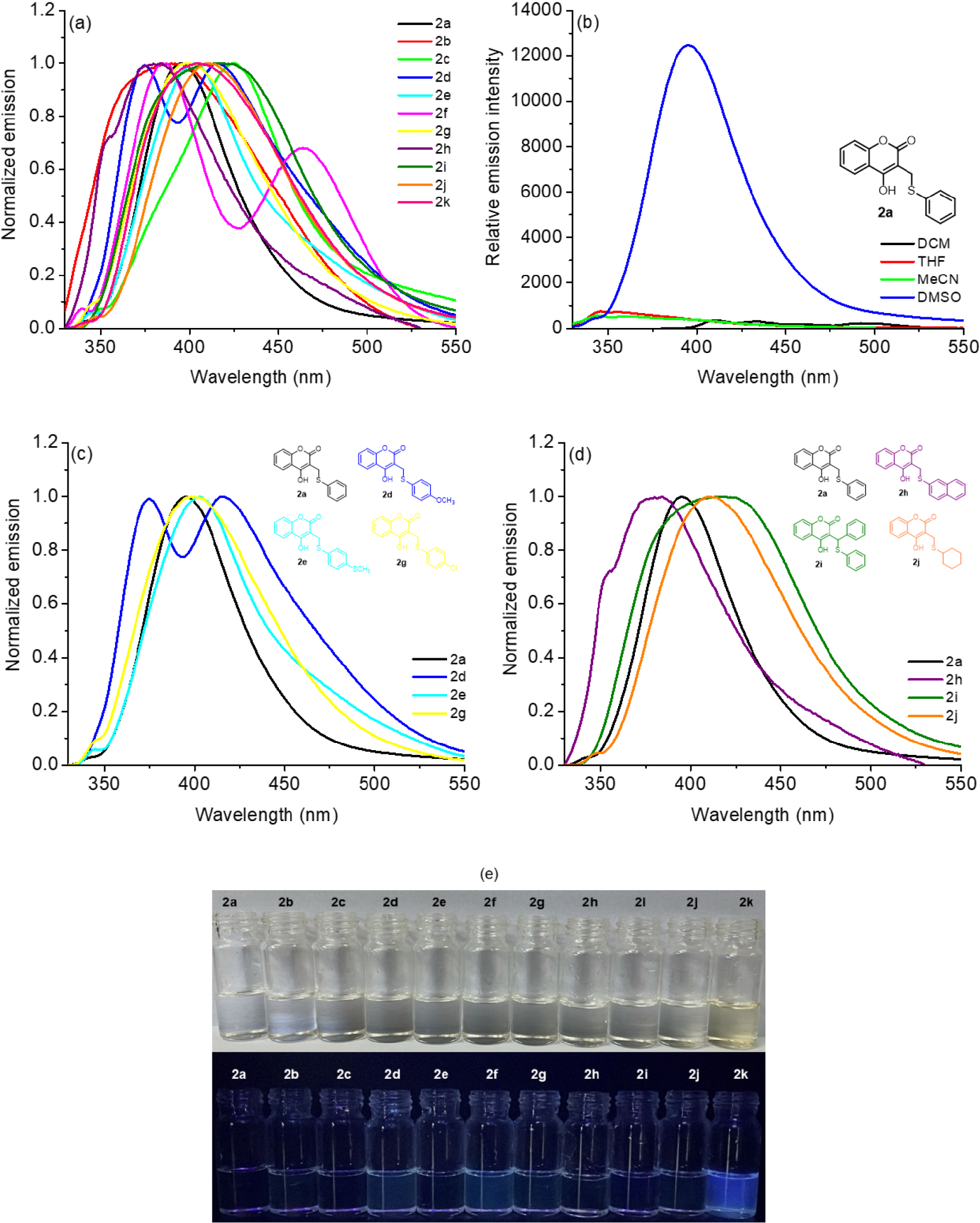
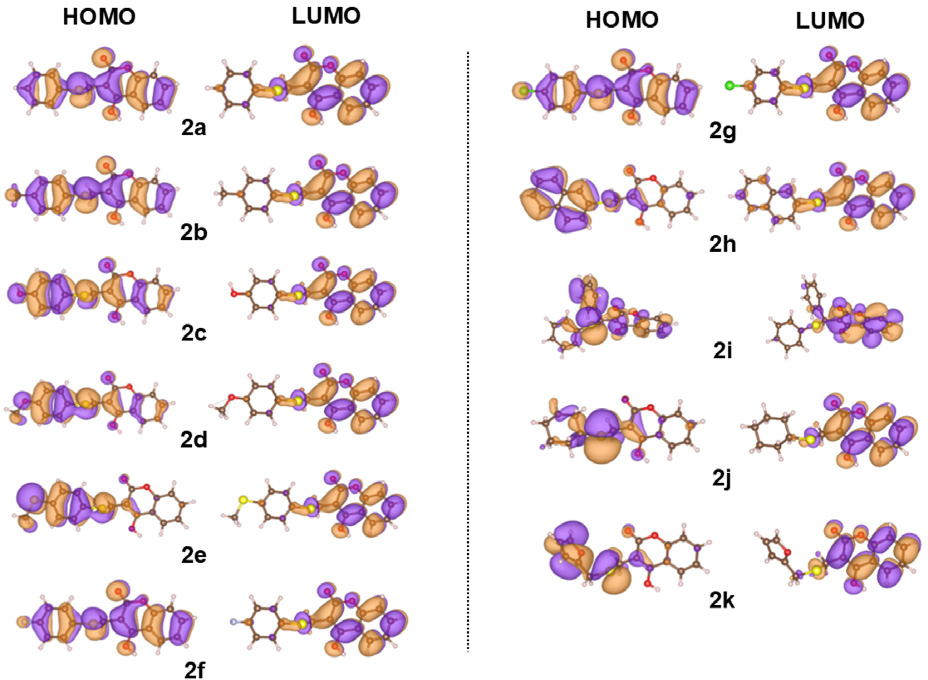
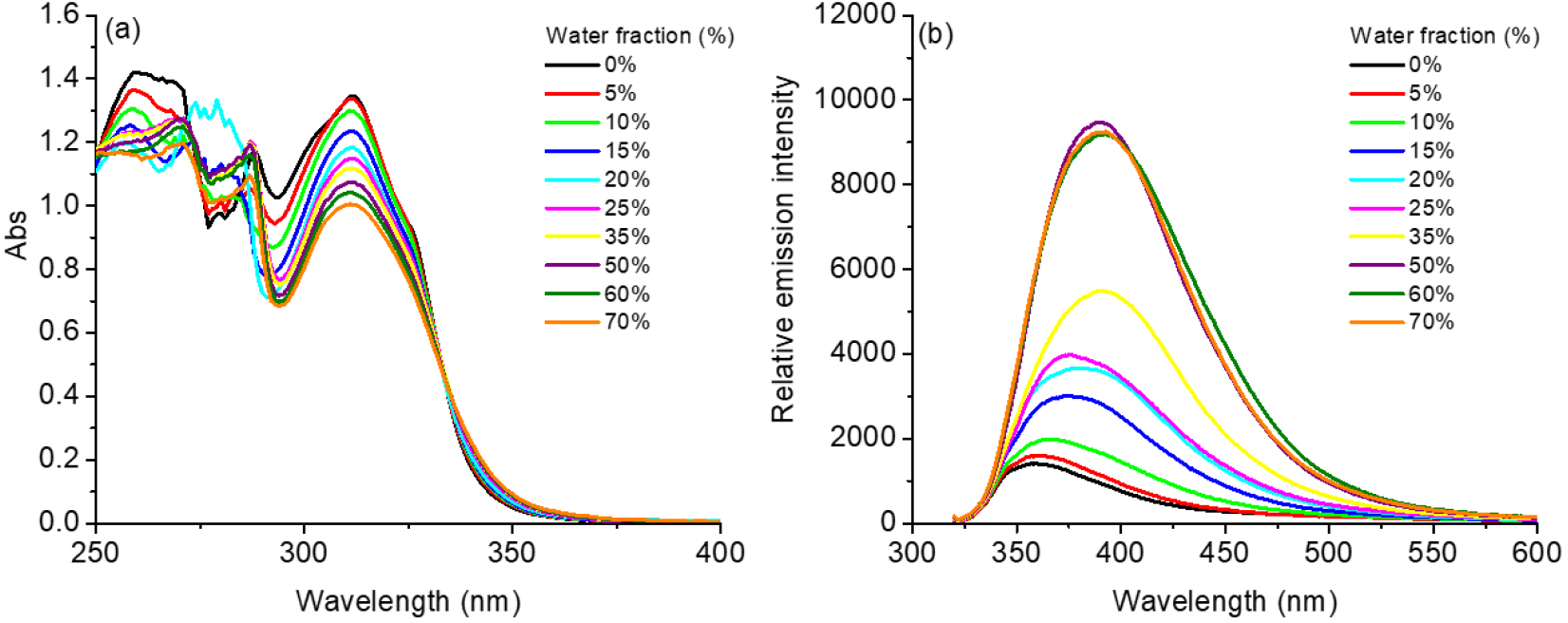
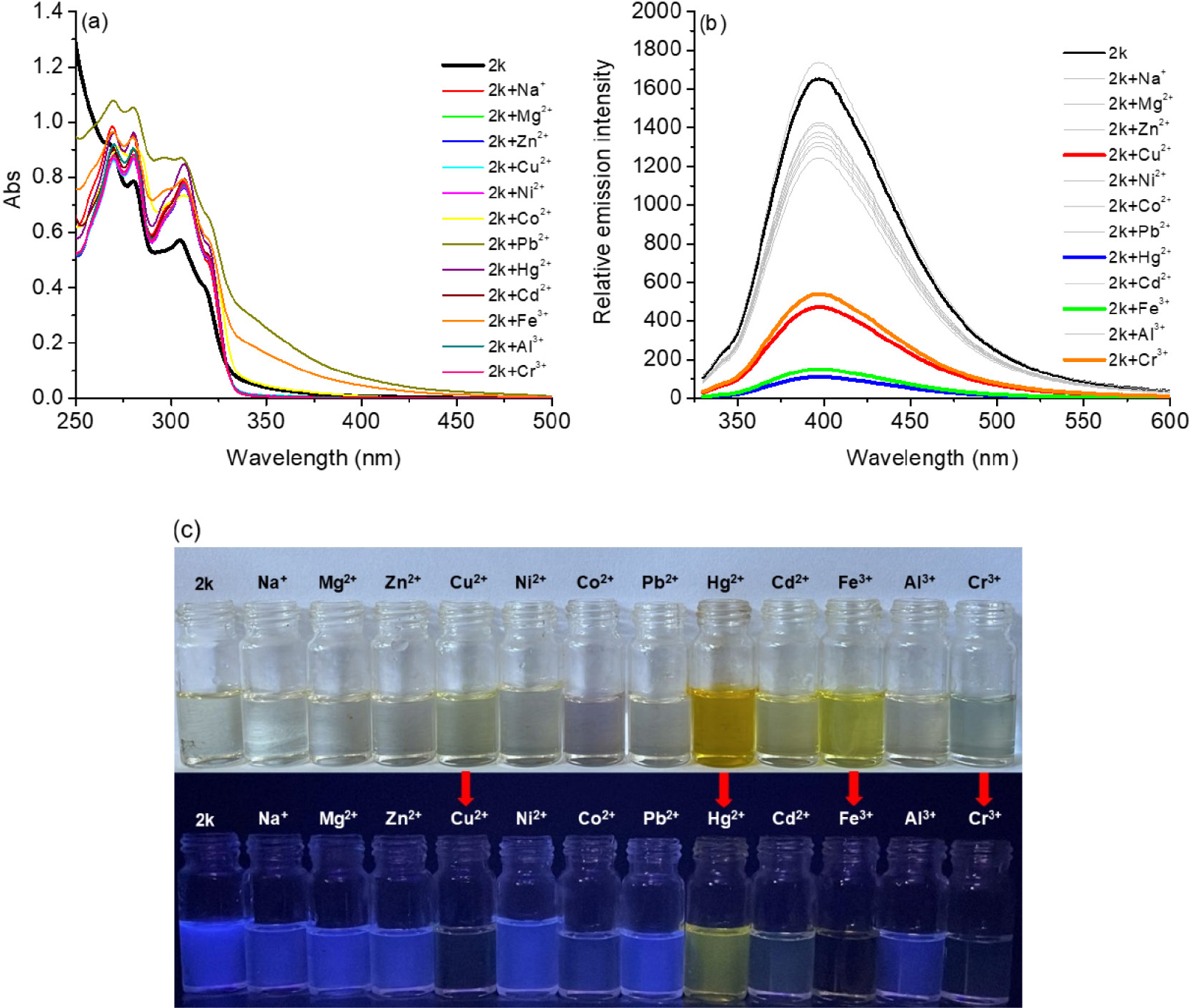
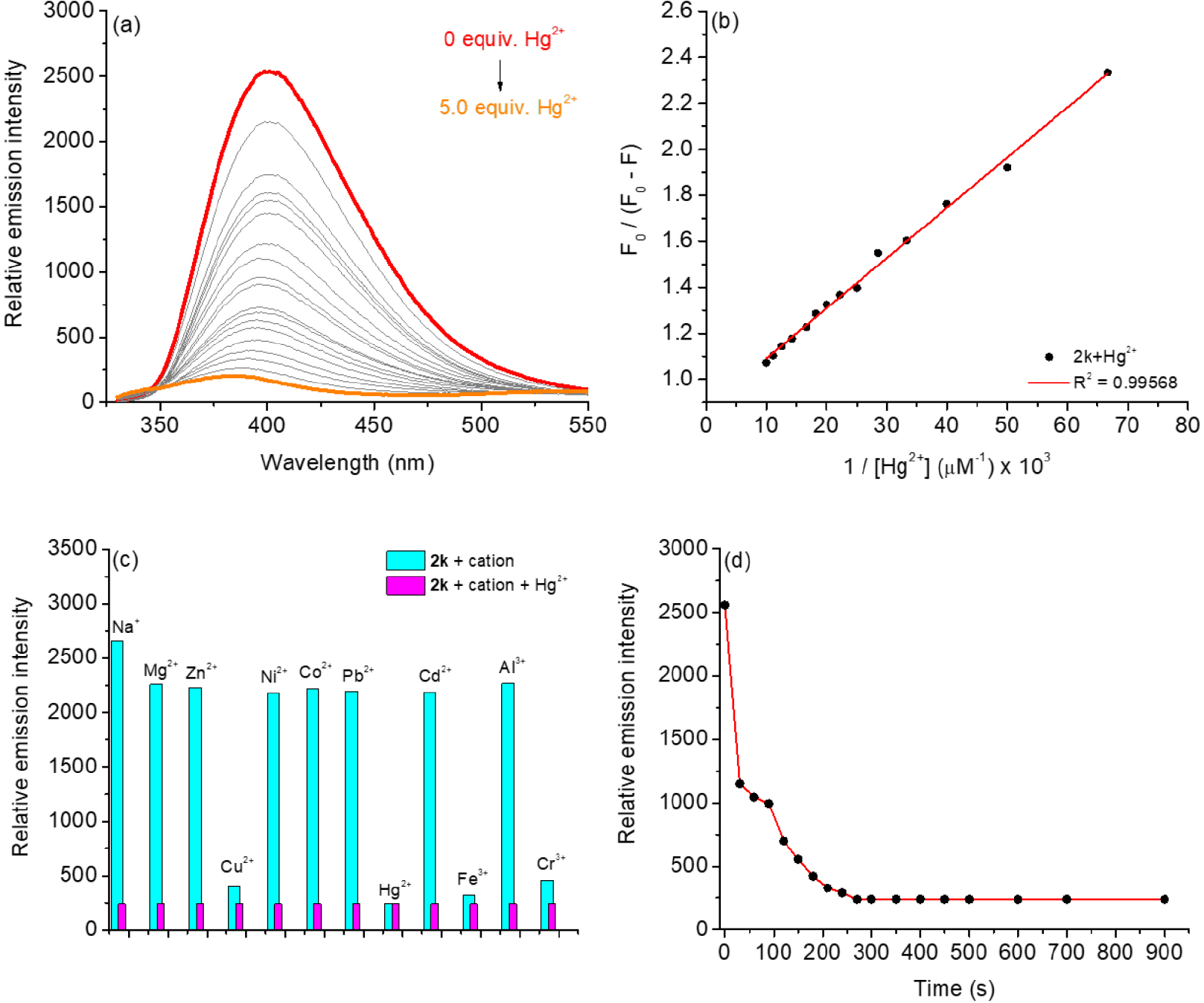
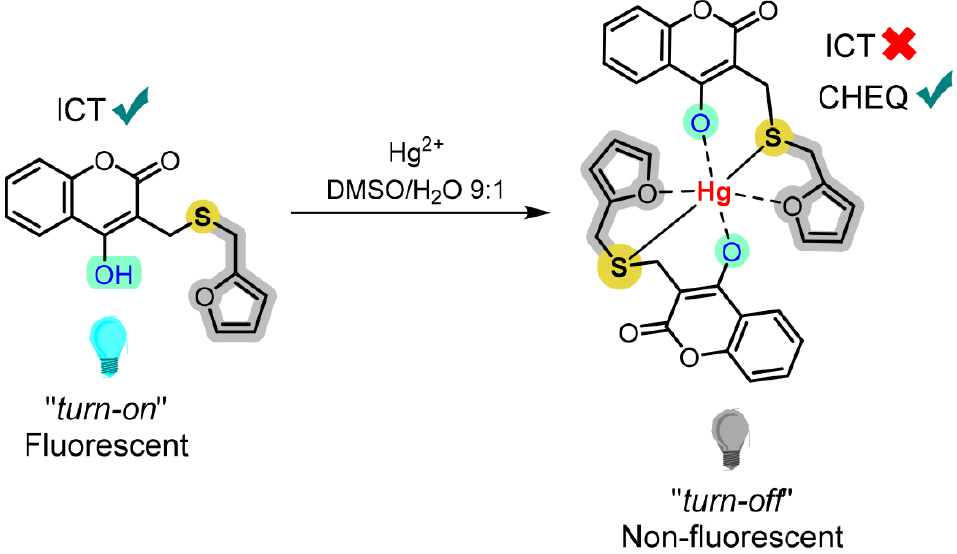
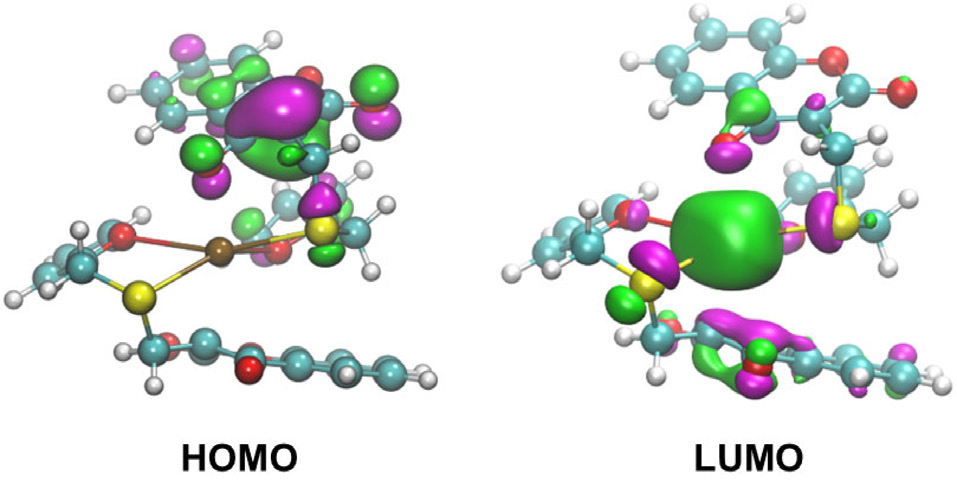
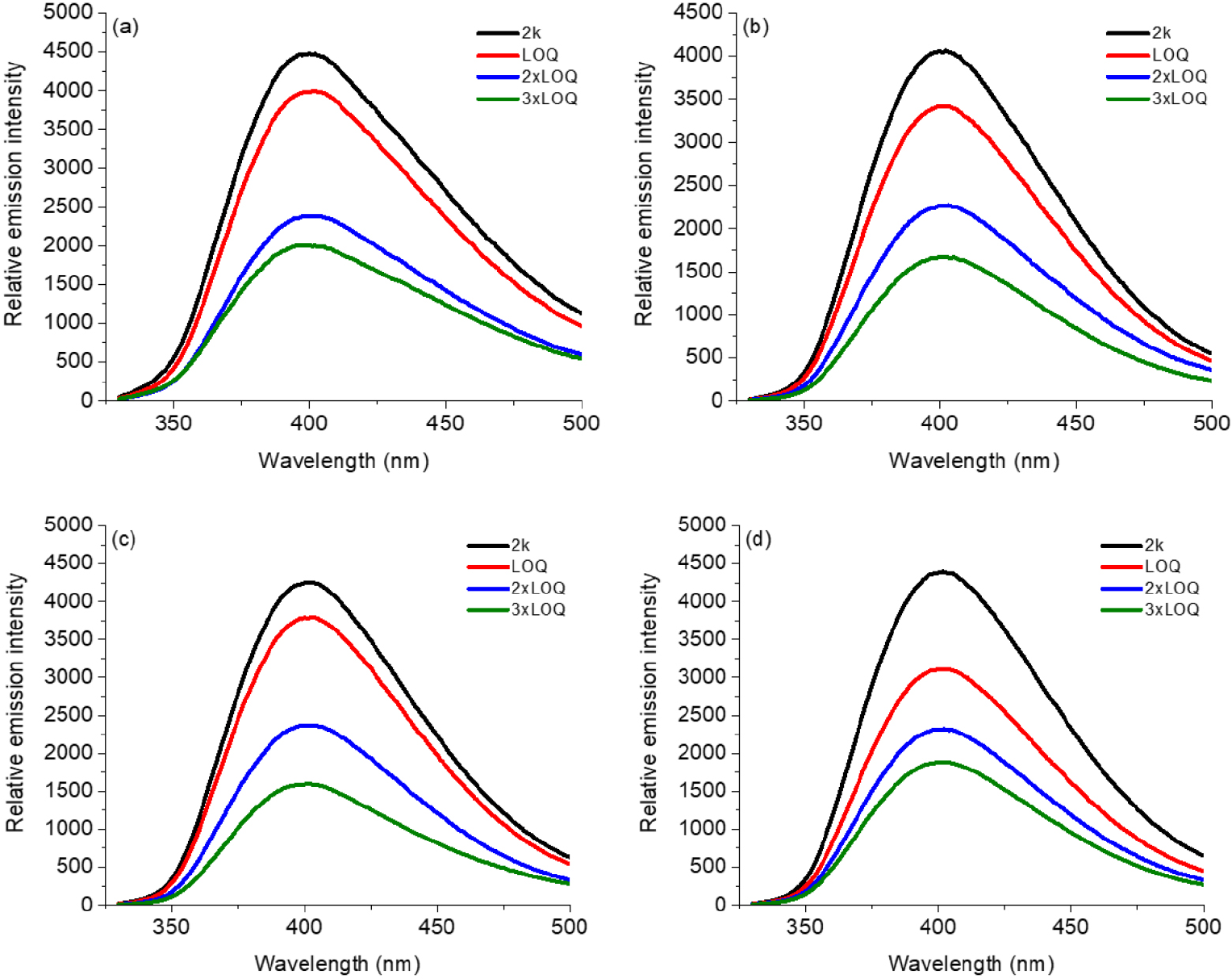
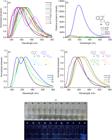
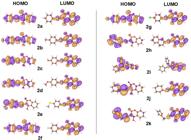
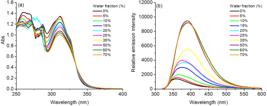
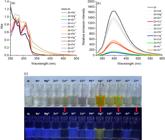
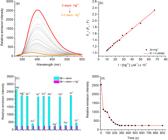
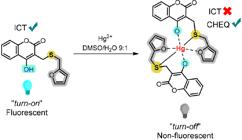
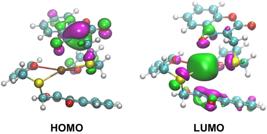
Coumarins are versatile heterocyclic scaffolds widely explored for their photophysical properties and applications in fluorescence-based sensing. In this study, a series of C3-functionalized sulfur-substituted 4-hydroxycoumarins 2a-2k was investigated as potential fluorescent probes for metal ion detection. The compounds were comprehensively characterized using spectroscopic techniques, electrochemical analysis, and density functional theory (DFT) calculations. Photophysical studies revealed intense UV absorption and fluorescence emission in the violet region, with moderate Stokes shifts consistent with intramolecular charge transfer (ICT) transitions. Time-resolved measurements indicated nanosecond-scale excited-state lifetimes, while theoretical calculations supported the ICT nature of the electronic transitions. Preliminary aggregation studies demonstrated aggregation-induced emission (AIE) behavior for derivative 2a, suggesting potential applications in solid-state luminescent systems. Among the investigated compounds, derivative 2k exhibited the most promising sensing performance, showing selective fluorescence quenching toward Hg2+ ions through heavy atom effects and ligand-to-metal charge transfer interactions. Quantitative fluorescence titration revealed a Stern-Volmer constant on the order of 104 M-1, with limits of detection and quantification of 3.66 and 11.10 μM, respectively. Furthermore, the probe demonstrated rapid response, good anti-interference capability, and successful detection of Hg2+ in cosmetic samples. These results highlight sulfur-substituted 4-hydroxycoumarins as promising fluorescent platforms for the development of optical sensors for heavy metal monitoring in environmental and consumer products.
Keywords:
coumarin; sulfur derivatives; fluorescent probe; optical sensor; Hg2+ detection
 Thumbnail
 Thumbnail
 Thumbnail
 Thumbnail
 Thumbnail
 Thumbnail
 Thumbnail
 Thumbnail
 Thumbnail
 Thumbnail