 Phagocytosis Modulated by a PtII Complex with Triphenylphosphine and 5-Heptyl-1,3,4-oxadiazole-2-(3H)-thione in a Microemulsion System
Abstract
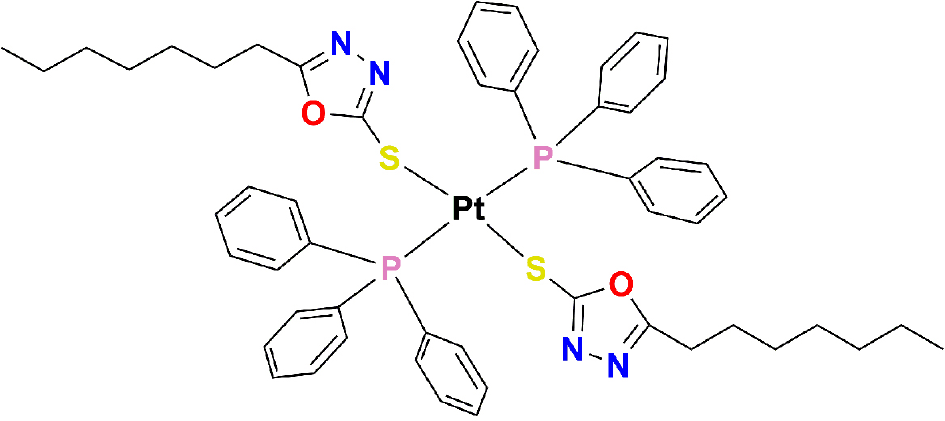
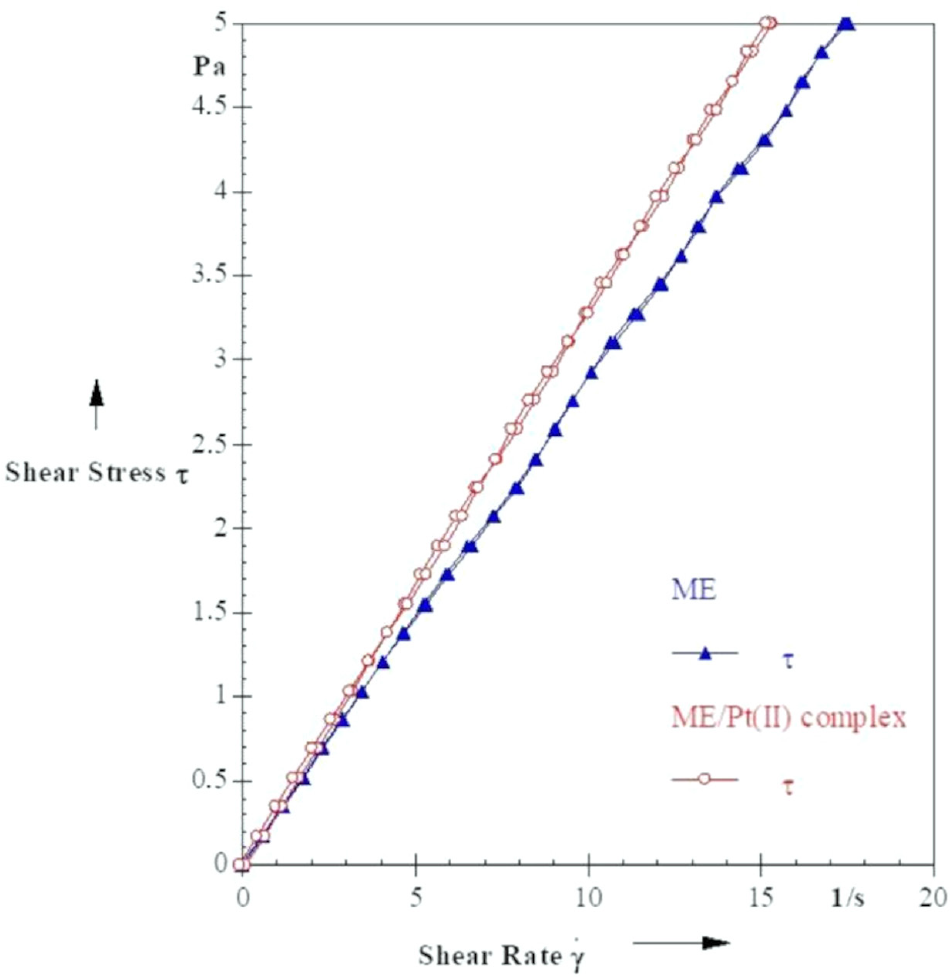
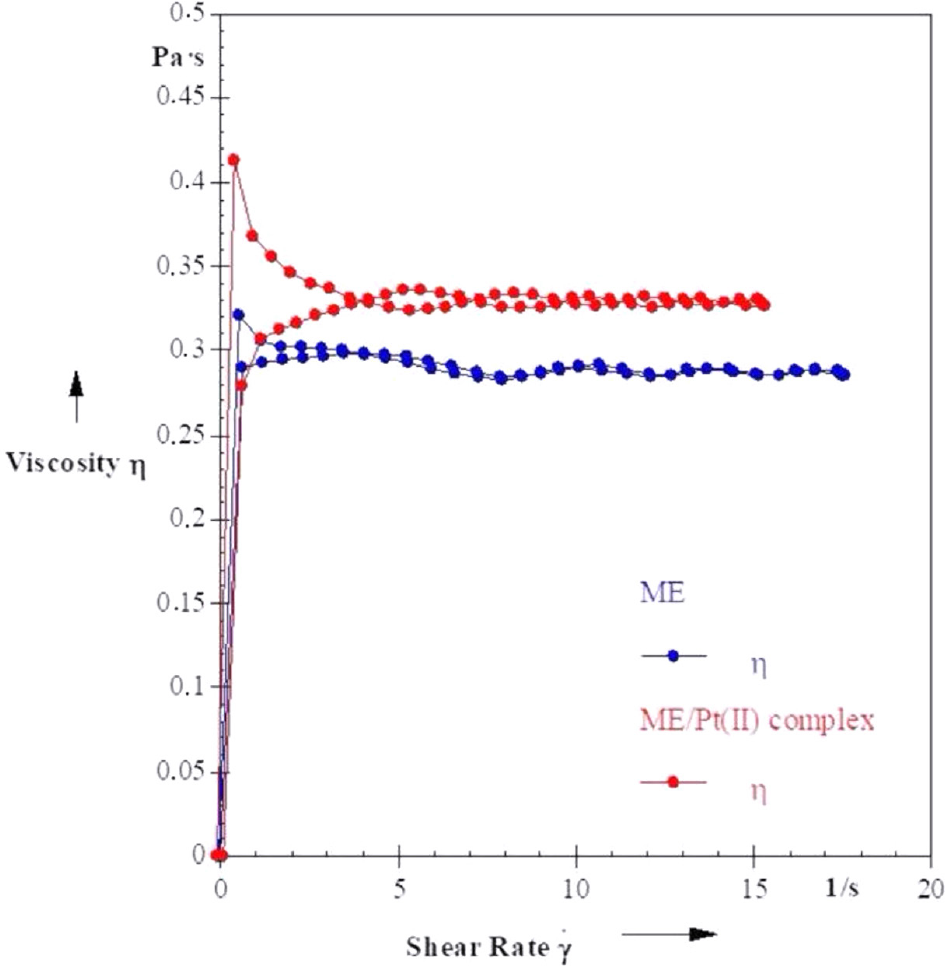
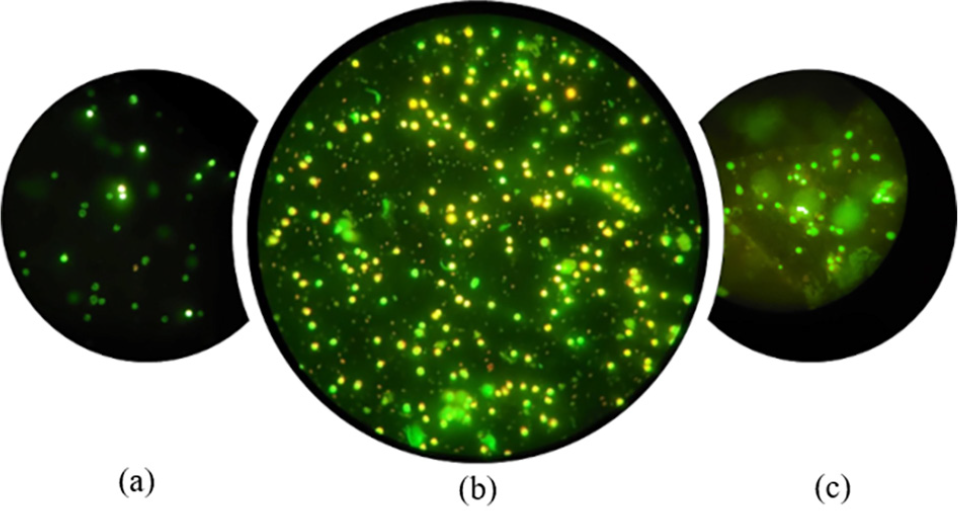
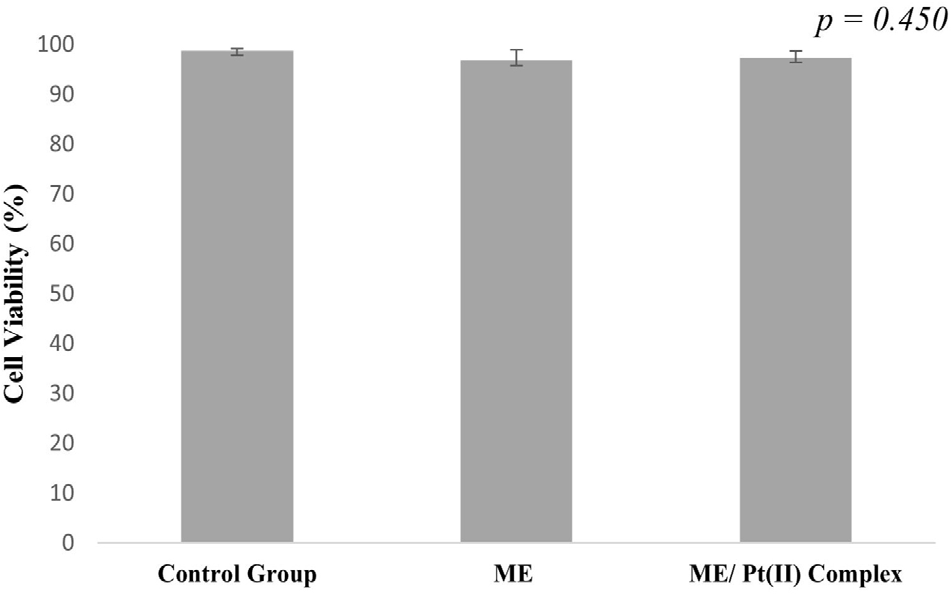
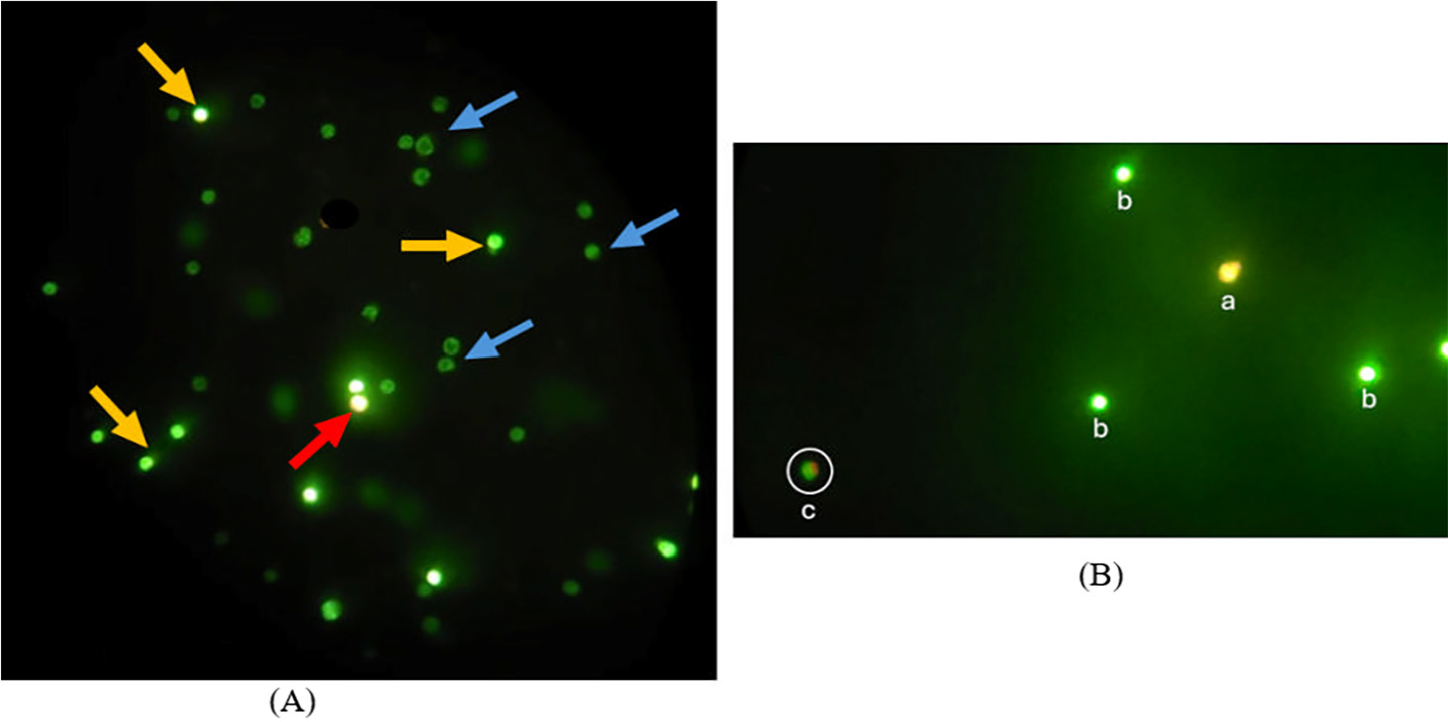
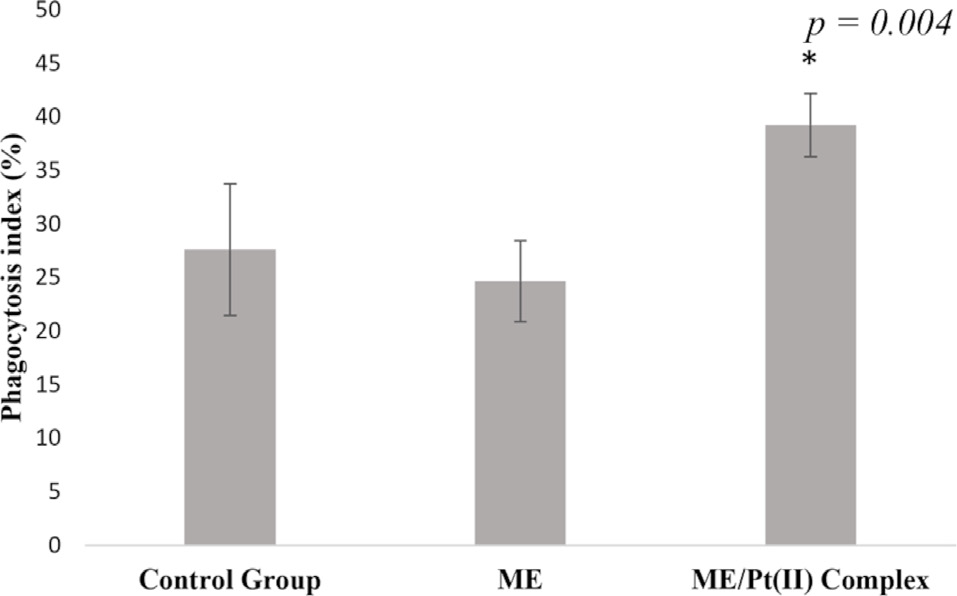
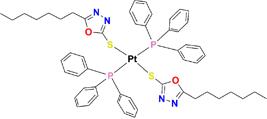
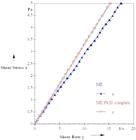
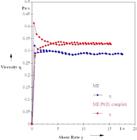
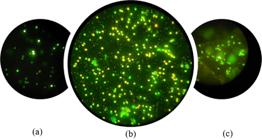
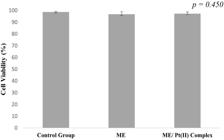
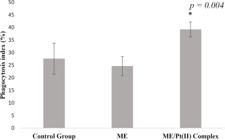
In this work, the trans[Pt(L)2(PPh3)2] complex (L: 5-heptyl-1,3,4-oxadiazole-2-(3H)-thione) was associated with a microemulsion (ME/PtII complex). The microemulsified system underwent physicochemical characterization, including pH, conductivity, rheology, zeta potential, and dynamic light scattering (DLS) measurements. The microemulsion system remained stable at a pH near 6.0, indicating biocompatibility, while the conductivity was between 7 and 8 μS cm-1, with a hysteresis area of -0.06 Pa s-1 for the ME/PtII complex. The DLS technique confirmed the presence of a microemulsion with particle sizes ranging from 10 to 200 nm. The polydispersity index for the ME/PtII complex system was close to 0.3, indicating a monodisperse system, with a zeta potential of -19.2 ± 4.49 mV. These results showed that the system containing the PtII complex and the microemulsion is thermodynamically stable. Subsequently, cell viability studies demonstrated that the ME/PtII complex system is not toxic to peripheral blood mononuclear cells (PBMCs). In the phagocytosis activity assay, the complex associated with the microemulsion showed an increase in the phagocytosis index, suggesting that the microemulsion (ME/PtII complex) has potential for new biological assays, such as antitumor and antibacterial.
Keywords:
PtII complexes; microemulsion; zeta potential; phagocytosis activity; cell viability; immunomodulatory
 Thumbnail
 Thumbnail
 Thumbnail
 Thumbnail
 Thumbnail
 Thumbnail
 Thumbnail