 High Content of Ascorbic Acid Obtained with Nonconventional Extractions of Lyophilized Camu-Camu (Myrciaria dubia) Fruit
Abstract
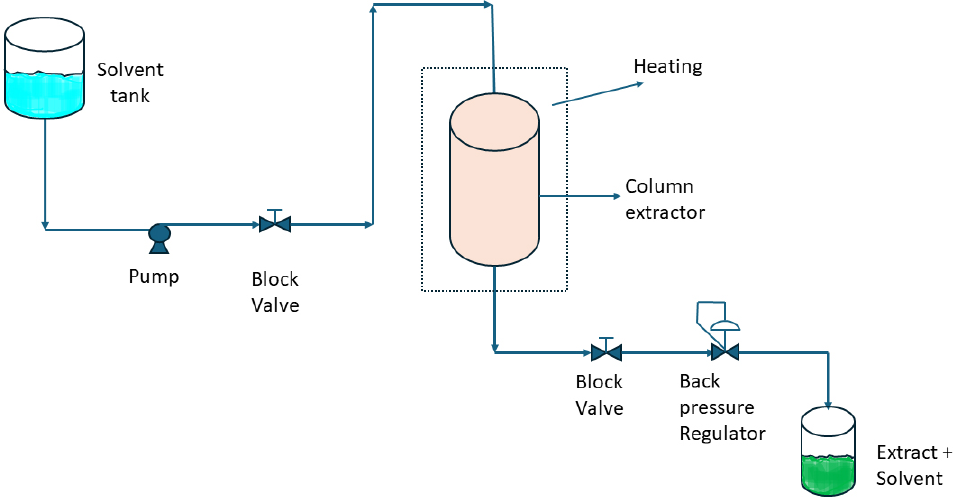
High ascorbic acid content and antioxidant activity are known characteristics of camu camu (Myrciaria dubia) fruits. These compounds were extracted with two nonconventional techniques and one conventional technique using ethanol. Ultrasound-assisted extraction (UAE) and pressurized liquid extraction (PLE) were studied using a 23 experimental design to evaluate temperature, solvent-to-solid ratio, amplitude or flow rate, and compared to dynamic maceration (DM). In addition to yield and antioxidant activity, the optimum extract (obtained with PLE at 35 ºC, flow rate 7 mL min-1, and solvent-to-solid ratio of 22 mL g-1) was characterized according to its ascorbic acid and phenolic content, and antimicrobial activity. The mean yields for UAE and PLE were approximately 33%, which is 15% higher than DM. The time was significantly reduced when the nonconventional techniques were used. PLE also enabled the highest antioxidant activity and ascorbic acid content (57 g 100 g-1 extract). This result is promising since it would allow the efficient isolation of a valuable compound in a more economical and environmentally friendly way.
Keywords:
camu-camu; dynamic maceration; ultrasound-assisted extraction; pressurized liquid extraction; ascorbic acid
 Thumbnail