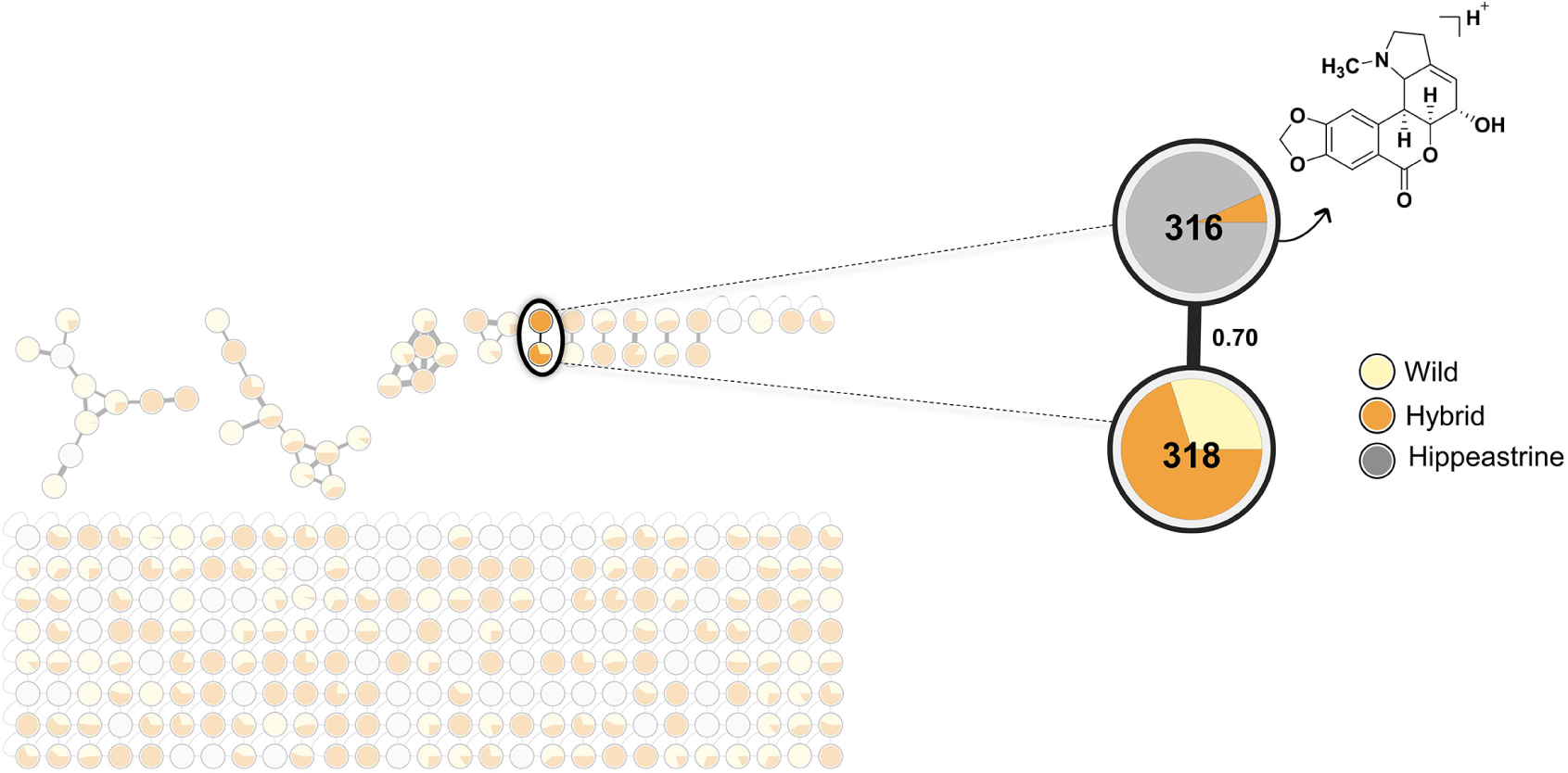
 Molecular Networking-Based Annotation of Alkaloids in Methanolic Extracts of Amaryllidaceae Species and Evaluation of Their Antileishmanial Activity
Abstract
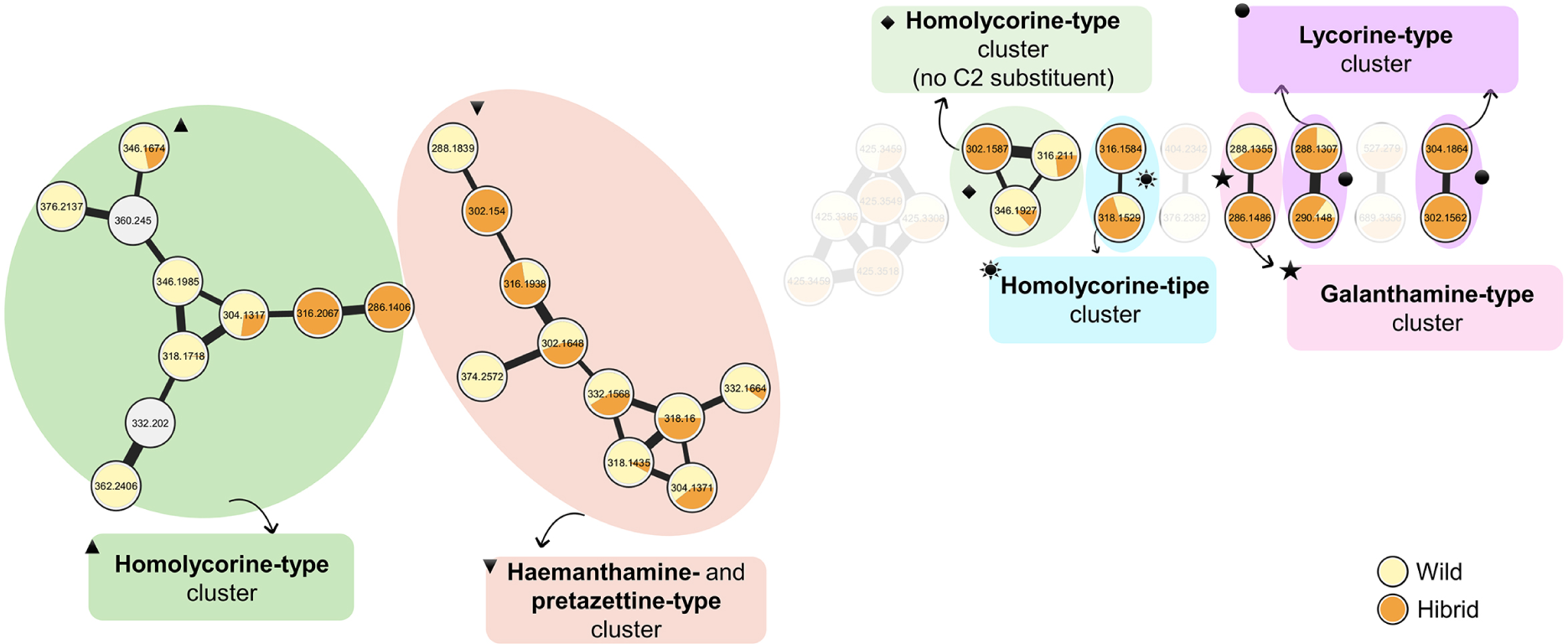
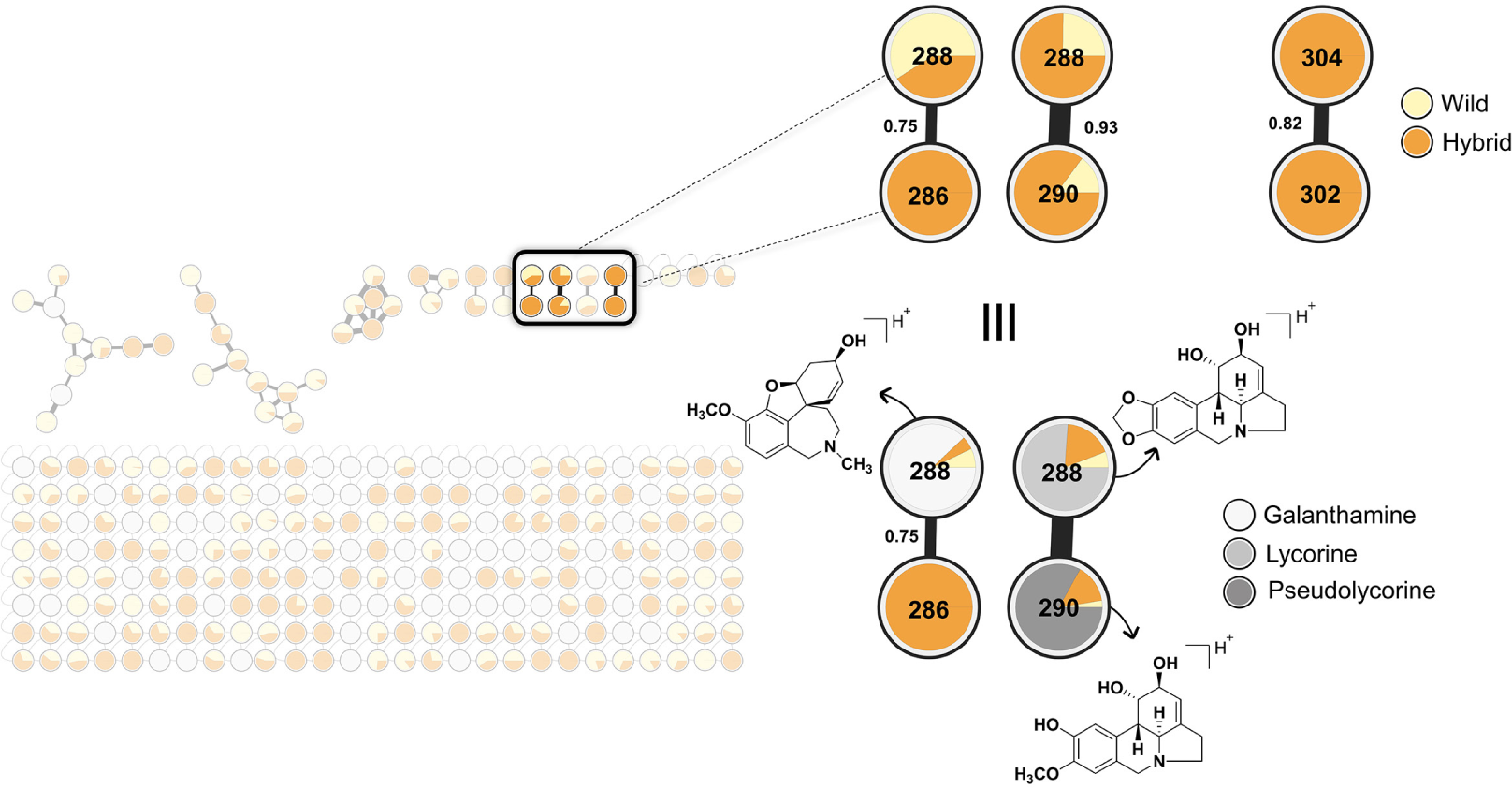
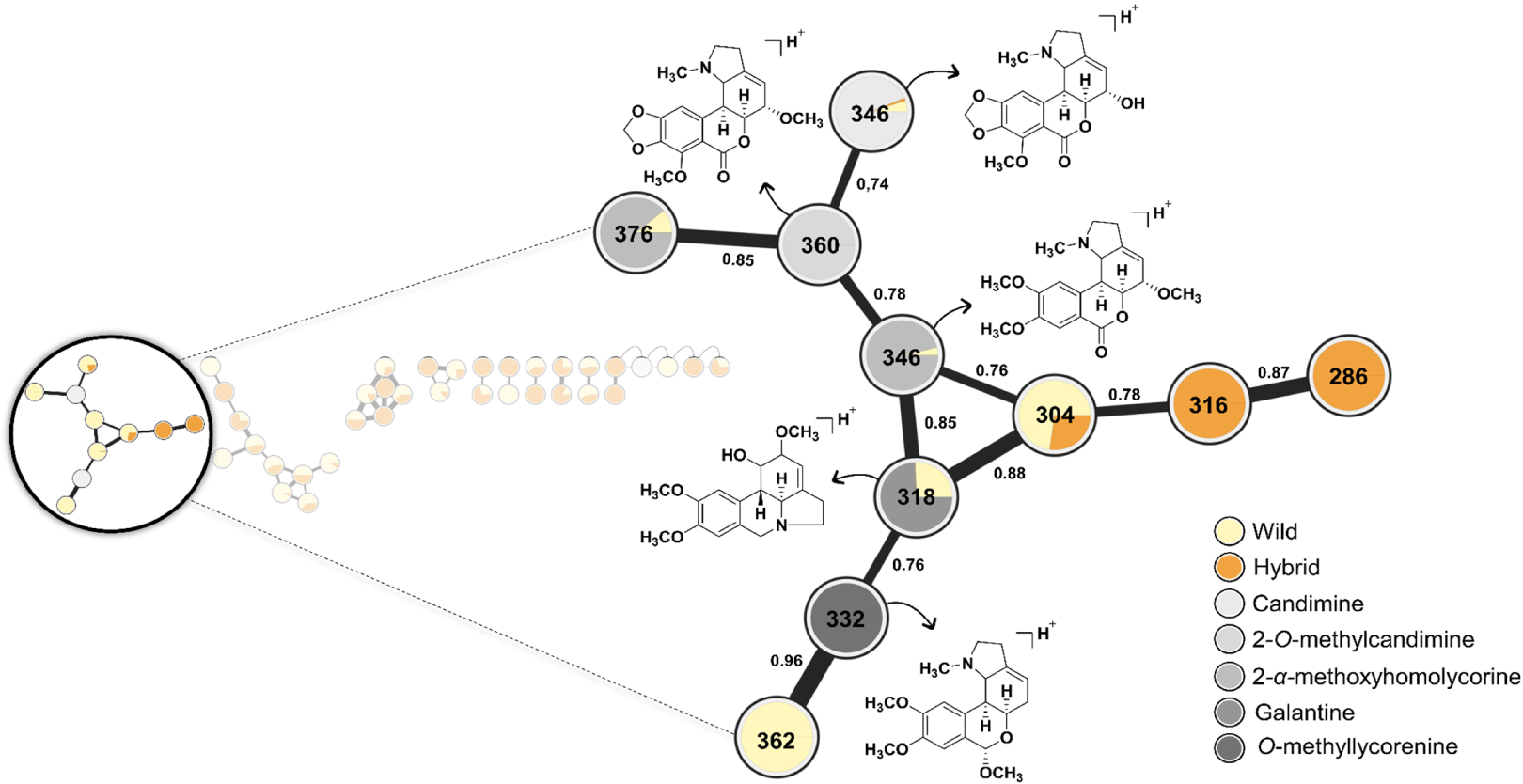
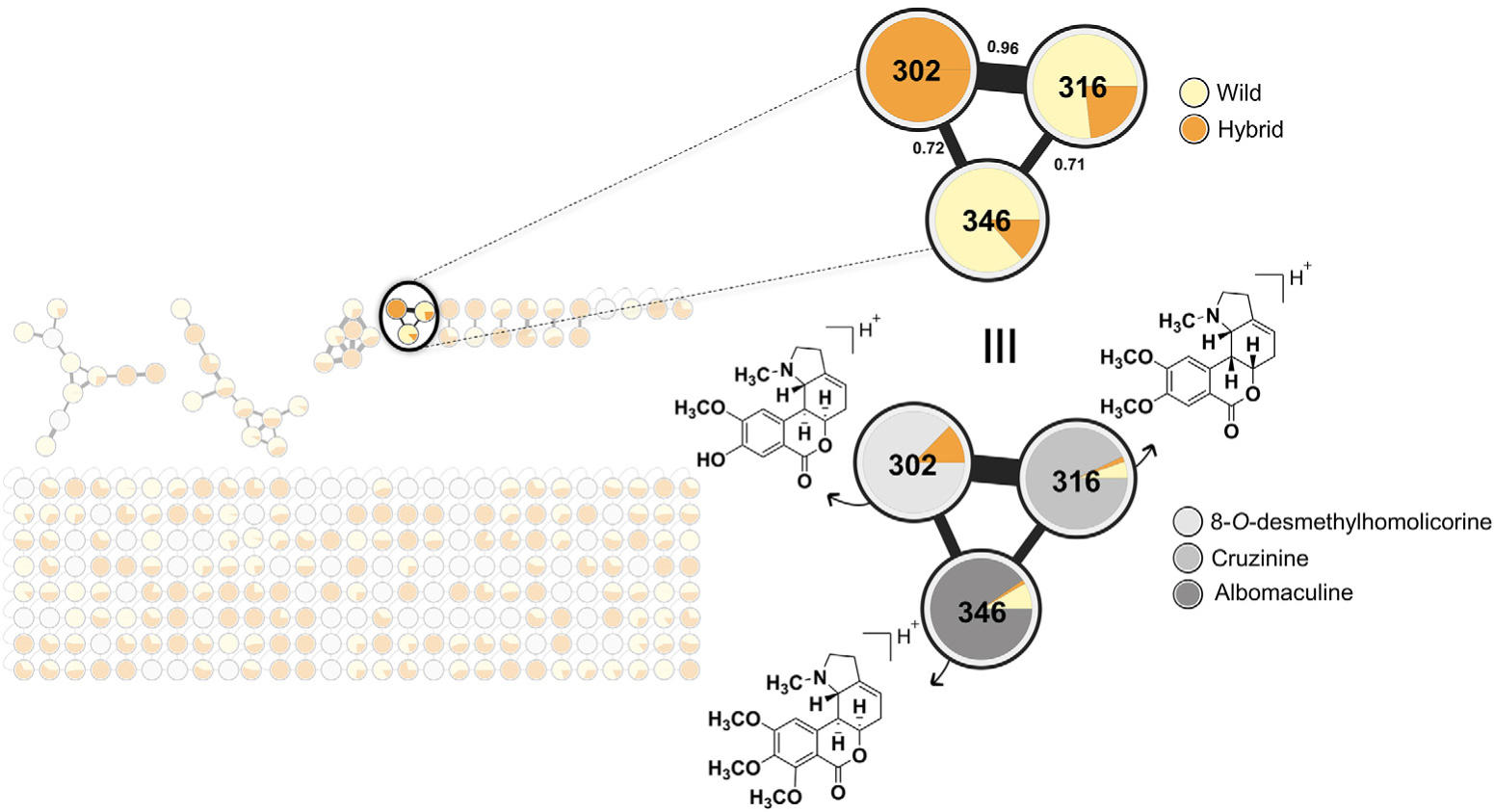
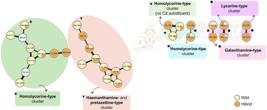
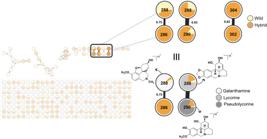
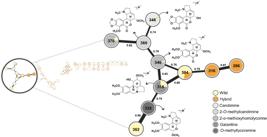
The Amaryllidaceae family is widely recognized for its remarkable alkaloid diversity, comprising secondary metabolites with significant pharmacological potential. Advances in liquid chromatography-mass spectrometry (LC-MS) combined with molecular networking strategies have enabled comprehensive structural characterization and visualization of complex metabolite datasets. Considering the limited efficacy and toxicity associated with current therapies for leishmaniasis, a neglected tropical disease of global relevance, Amaryllidaceae species represent a promising source of novel antileishmanial compounds. This study investigated the alkaloid diversity of methanolic extracts obtained from bulbs of 52 wild and hybrid Amaryllidaceae species collected in Latin American countries and evaluated their activity against Leishmania amazonensis. Extracts were analyzed by LC-MS and processed using MZmine, followed by feature-based molecular networkin (FBMN). This workflow enabled the annotation of 28 alkaloids organized into structurally related clusters, in addition to more than 15 compounds detected as unique nodes based on spectral similarity. Biological assays against promastigote forms, together with cytotoxicity evaluation in NIH/3T3 cells, identified Ismene amancaes as the most active extract (half-maximal inhibitory concentration (IC50) = 1.29 µg mL–1), compared with amphotericin B (IC50 = 0.04 µg mL–1). These findings highlight the chemical diversity and pharmacological relevance of Amaryllidaceae species.
Keywords:
GNPS; mass spectrometry; FBMN; antiparasitic activity;
Ismene amancaes
 Thumbnail
 Thumbnail
 Thumbnail
 Thumbnail
 Thumbnail