 Assessment of kidney function in the elderly: a population-based
study
Assessment of kidney function in the elderly: a population-based
studyAbstract
Introduction: Chronic kidney disease (CKD) affects all age groups, and its prevalence has increased during recent years. CKD is divided into six stages, according to the renal function of patients: 1. Normal renal function without kidney damage; 2. Kidney damage with normal renal function; 3. Mild renal insufficiency; 4. Moderate renal insufficiency or lab tests failure; 5. Severe renal insufficiency or clinical failure; 6. End stage of chronic renal failure.
Objective: This study was intended to assess renal function in elderly patients and identifying the presence of factors associated with those changes.
Methods: A cross-sectional population-based study was performed. Elderly patients were surveyed between September 2010 and May 2011. Kidney function was assessed by determining of serum creatinine, and estimation of the glomerular filtration rate by the CKD-EPI equation.
Results: In all, 822 elderly were surveyed; 61.6% were women; 92.2% were Causasian; and most (61.0%) were aged between 60 and 69 years. With regard to the glomerular filtration rate, 26.2% had a normal rate; 60.2% showed a slight decrease; 13.0% a moderate decrease; 0.5% severe kidney function decline; and 0.1% extreme fall. Increasing age was associated with kidney damage by decreased glomerular filtration rate (p < 0.001). In addition, obesity, hypertension and smoking were factors independently associated with reduced glomerular filtration rates.
Conclusion: This study found that the great majority of the surveyed elderly had some mild kidney damage, and 13.6% showed moderate to severe dysfunction.
aged; creatinine; glomerular filtration rate; kidney function tests; renal insufficiency
Resumo
Introdução: A doença renal crônica (DRC) atinge todas as faixas etárias e sua prevalência tem aumentando nos últimos anos. A DRC é dividida em seis estágios de acordo com o grau de função renal do paciente: 1. Função renal normal sem lesão renal; 2. Fase de lesão com função renal normal; 3. Fase de insuficiência renal funcional ou leve; 4. Fase de insuficiência renal laboratorial ou moderada; 5. Fase de insuficiência renal clínica ou grave; 6. Fase terminal de insuficiência renal crônica.
Objetivo: O objetivo do estudo foi avaliar a função renal dos pacientes idosos e presença de fatores associados a estas alterações.
Métodos: Estudo transversal de base populacional. Foram estudados idosos entre setembro de 2010 e maio de 2011. A função renal foi avaliada pela creatinina sérica, sendo estimada a taxa de filtração glomerular pela fórmula de CKD-EPI.
Resultados: Foram estudados 822 idosos, sendo 61,6% mulheres, 92,2% brancos e a maioria tinha entre 60-69 anos (61,0%). Com relação à taxa de filtração renal, 26,2% tinham a taxa normal, 60,2% discreta diminuição, 13,0% moderada diminuição, 0,5% dano renal grave e 0,1% insuficiência renal. A idade mais avançada foi associada a dano renal pela diminuição da taxa de filtração glomerular (p < 0,001). Além disso, foram fatores associados de forma independente a diminuição da taxa de filtração renal a obesidade, hipertensão arterial sistêmica e tabagismo.
Conclusão: A grande maioria dos idosos estudados tinha algum dano renal, mesmo que considerado discreto, e 13,6% tinha disfunção de grau moderado ou superior.
creatinina; idoso; insuficiência renal; taxa de filtração glomerular; testes de função renal
Introduction
Chronic kidney disease (CKD) affects all age groups and its prevalence has been increasing in recent years and it is, therefore, considered a public health problem. It should be noted that CKD is silent and in most cases the diagnosis is not made in the early stages of the disease.1
CKD is progressive and can lead to kidney failure; however, disease progression can be prevented or delayed. For this reason, it is necessary to identify patients with impaired kidney function in its early stage, particularly those at higher risk of progression to CKD,2 and start treatment to avoid the most common complications of the disease and prevent premature progression to death.3
In Tubarão, SC, there are 97,235 inhabitants, according to estimates by the Brazilian Institute of Geography and Statistics;4 in the locality, there are no population studies evaluating renal function in the elderly.
The initial assessment of kidney function can be made by measuring plasma creatinine. Creatinine biological variation is very small, approximately 4%;5 and the analytical variation is below 2%. This diagnostic method is quite simple; however, when within reference values it does not state normal kidney function, because it is a late parameter of kidney disease.6 There are formulas developed to estimate glomerular filtration7 and disease staging8 based on serum creatinine. The equation used was CKD-EPI (Chronic Kidney Disease Epidemiology Collaboration), pointed out by a recent systematic review9 as one of the most used in medical practice to calculate kidney function.
The aim of the study was to evaluate the kidney function of elderly patients using the CDK-EPI formula and the presence of factors associated with these changes.
Methods
This study was approved by Unisul's Research Ethics Committee based on Resolution 196 of 1996 by the National Board of Health, under protocol 09.345.4.01.III.
This is a cross-sectional and population based epidemiological study. The sample studied came from the ESITU (Health Study of Tubarão Senior citizens) project, carried out between September 2010 and May 2011. ESITU is a study that aimed to assess the health status and quality of life of seniors residents from the city of Tubarão (SC).
For sample make up purposes, we used the elderly enrolled by community healthcare agents acting in different areas of the Family Healthcare Strategy program, which covers over 90%, totaling 9,009 elderly residents in the city of Tubarão. Sample size was calculated considering the prevalence of impaired kidney function by glomerular filtration rate at 25.2%,10 error margin of 5%, resulting in a minimum sample of 281 individuals for a 95% confidence level, and 474 for a 99% confidence level. Participants were selected by simple random sampling.
Our study included people aged 60 years (completed in 2010) or more, living in the city of Tubarão (SC), who agreed to participate in the study and provide us with blood samples. Individuals with cognitive problems (mental or degenerative disease), unable to respond to inquiries or without autonomy to decide on their participation in the study were taken off.
Interview
The randomly selected seniors were invited to participate in the study by the community healthcare workers, with their agreement they were submitted to an interview and to answer a questionnaire. The instrument contained sociodemographic and socioeconomic data (age, gender, race, marital status, work and education status) and behavioral data (physical activity, alcohol and cigarettes). At the end, the person was scheduled to attend the Basic Healthcare Unit of their district of residence for blood collection, blood pressure and anthropometric measures.
Those individuals who had consumed 100 or more cigarettes during their entire lives were considered smokers.11 Among seniors who reported using or having used alcohol, the CAGE questionnaire was applied.12,13 This instrument consists of four questions. Two or more affirmative answers is indicative of alcoholism.
Physically active were those individuals who performed at least 30 minutes of physical activity five days a week or more; and a cutoff point was 150 or more minutes of physical activity per week, according to the European recommendation.14
Blood pressure measurement
Blood pressure was measured using the OMRON Model HEM - 742INT digital sphygmomanometer with the patient sitting. We performed two measurements with a 15 minute interval between them, and we used the arithmetic mean value of two BP measurements to determine the patients BP levels.15 The cutoff line that defined systemic hypertension (SH) considered systolic BP greater than or equal to 140 mmHg and/or diastolic BP greater than or equal to 90 mmHg or the use of anti-hypertensive agents.16
Blood sampling and anthropometric values
10 ml of peripheral venous blood was collected by technically skilled professionals for serum creatinine and fasting glucose measurements. The patients were instructed to fast for 12 hours and avoid alcohol consumption within 72 hours prior to blood collection. The tests were processed by the Clinical Laboratory of the University of Southern Santa Catarina.
Kidney function was evaluated by serum creatinine, with a glomerular filtration rate (eGFR) estimated by the CKD-EPI17 formula and then, the kidney function was scored as follows:18
Normal Kidney Function: > 90 ml/min/1.73 m2; Light or functional kidney impairment: 60-89 ml/min/1.73 m2; Moderate laboratorial or kidney failure: 30-59 ml/min/1.73 m2; Severe or clinical kidney impairment: 15-29 ml/min/1.73 m2; End stage kidney failure or dialysis: < 15 ml/min/1.73 m2. For analysis purposes, the estimate kidney glomerular filtration rate determined by the CKD-EPI formula was used dichotomously with a cutoff at < 60 ml/min/1.73 m2 for kidney damage and above this value for normal kidney function.
Diabetes mellitus diagnosis was based on the use of oral hypoglycemic agents or insulin, as well as having serum fasting glucose ≥ 126 mg/dl of blood.19
We measured body weight in kilograms, with the individuals wearing light clothing and without shoes. Height measurements were reported in centimeters with patients standing on the scales, erect and motionless in the center, staring at a fixed point on the horizon, checked by the Wiso W71 machine. Body mass index (BMI) was calculated as the ratio of weight (kg)/height2 (cm) and classified according to the values set by the World Health Organization,20 considering as obese those individuals with BMI greater than or equal to 30 kg/m2.
Statistical Analysis
Sample size calculation was performed using the OpenEpi version 2.3.1 (Open Source Epidemiological Statistics for Public Health) software. The collected data was entered into the EpiData software, version 3.1 (Epi Data Association, Odense, Denmark), of public domain; and the statistical analysis was performed using the Statistical Package for Social Sciences (SPSS for Windows v 18, Chicago, IL, USA). The variables are described as measures of central tendency and dispersion in the case of quantitative variables. Qualitative variables were described as absolute numbers and proportions. To assess the association between the variables of interest, we applied the chi-square test for qualitative variables and Student t-test variables when comparing averages. To assess the correlation between the results of the CG formula and age we used the Pearson's correlation test. We also used a modified Poisson regression multivariate analysis as a robust estimator to control for confounding variables. The level of statistical significance was p < 0.05.
Results
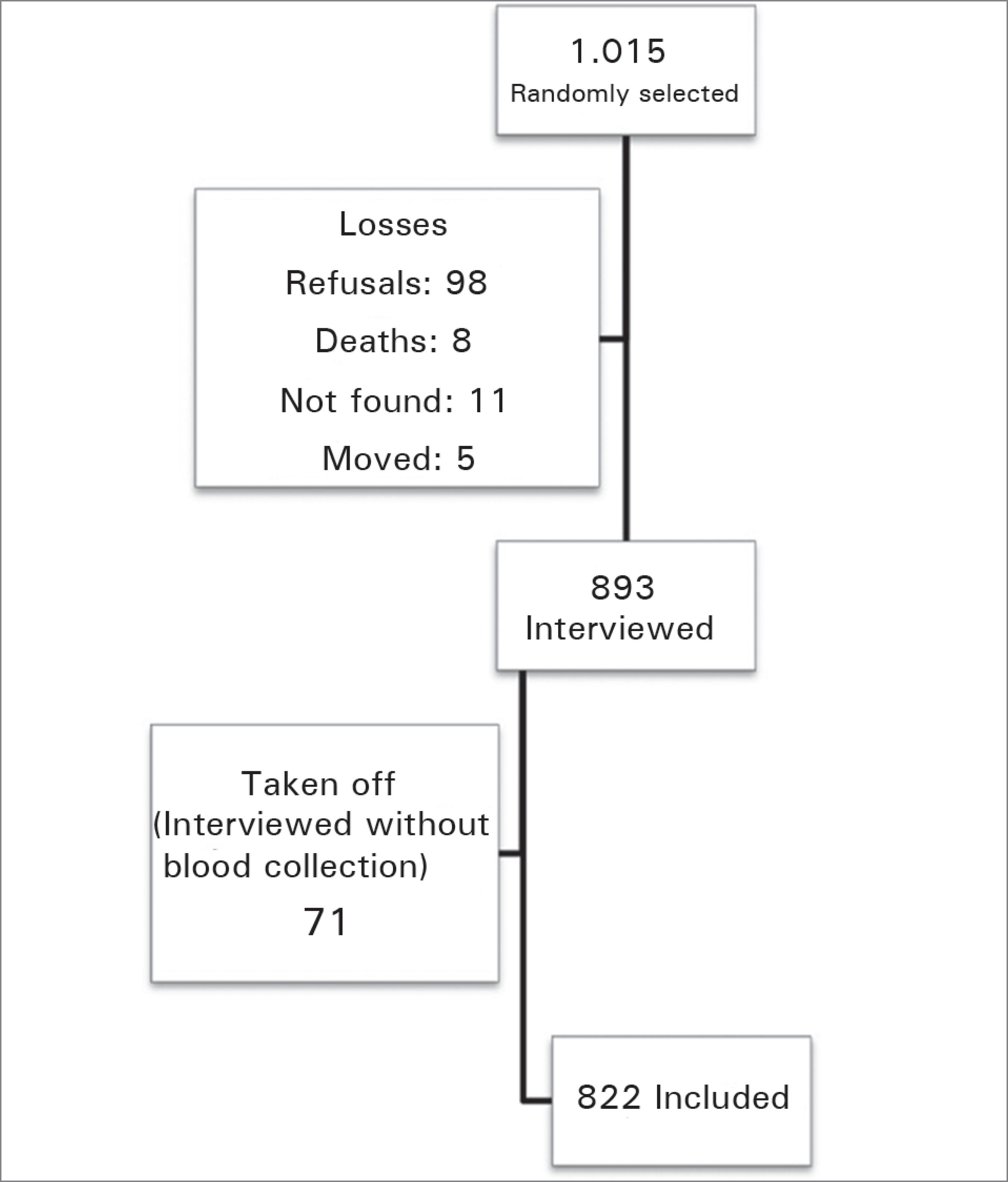
Figure 1 shows the selection of study participants.
822 elderly with a mean age of 68.6 (SD = 7) years - ranging from 60 to 92 years of age were enrolled. Table 1 presents the sociodemographic characteristics of the participants in the present study.
Of the total, 40.3% of seniors were drinking or had drunk alcohol throughout life. Among those classified as smokers, 22.5% were current smokers and 77.5% were former smokers. Among the seniors studied, 70.4% had a previous medical diagnosis of hypertension. Table 2 describes the presence of comorbidities in this population.
Table 3 presents the classification of chronic kidney disease in the elderly population from the CKD-EPI formula.
Table 4 shows crude and adjusted analysis of variables associated with decreased glomerular filtration rate, estimated by the CKD-EPI formula for renal function assessment.
Figure 2 shows the correlation between age and glomerular filtration rate estimated by the CKD-EPI formula.
Scatter chart showing the correlation between age and the glomerular filtration rate calculated by the CKD-EPI formula. Pearson’s R = -0.41, p < 0.001.
In comparing mean ages, elderly patients with normal glomerular filtration rate had a mean age of 68 years, and those with glomerular filtration rate < 60 ml/min/1.73 m2 had a mean age of 73 years (p < 0.001).
Discussion
The present study demonstrated that 13.6% of the sample had GFR less than 60 ml/min/1.73 m2, which was similar to other studies. Bowling et al.21 held a study among elderly in the United States and revealed a kidney injury prevalence in 39% of the participants. Fu et al.22 led a study in China with the elderly population and found a prevalence of 43% of kidney dysfunction, also using the CDK-EPI formula. In Brazil, there are few studies estimating kidney function impairment in the general population, and they differ in the criteria used for CKD identification. However, it is known that the number of patients who undergo dialysis grows annually in Brazil.23
The present study showed that more than half of the participants had some kidney damage even if classified as mild. The reason for this high prevalence may be attributed to the presence of comorbidities arising from the aging process24 which impair kidney function.25 Kidney function tends to decline with advancing age, as presented, being an independent factor for decreased glomerular filtration rate - corroborating data in the medical literature.26,27 This decline in renal function with aging can be explained by a physiological process of aging accompanied by structural changes to the renal system.25
The statistical analysis of this study showed a significant association between hypertension and decreased glomerular filtration rate, agreeing with Zhang et al.,28 who demonstrated that the factors associated with kidney damage are hypertension, diabetes and cardiovascular diseases.
The prevalence of hypertension in the study population was quite high, and the limitations of the present study included the fact that blood pressure measures were performed only once, not taking into account the diagnostic criteria suggested by the Brazilian Guidelines on hypertension,29 suggesting two measurements at different times. One study30 held in the same city with a younger population found a prevalence of 40.5% of hypertension in the participants. However, it is noteworthy that most elderly people with hypertension had their medical diagnosis prior to this study, and as age increases, there is an increase in hypertension among this population.
Although the association between diabetes mellitus and renal damage is commonly found in the literature, this studied found no statistical significance in these regards. Studies performed with only diabetic patients demonstrated high prevalence of glomerular filtration rates below 60 ml/min/1.73 m2 and correlation between diabetes and kidney damage.31,32
In the present study, there was no difference in kidney function between the genders, which agrees with data from other autores.27,33,34
In this study there was no statistically significant difference between kidney function and ethnicity. However, in a study involving 5,179 patients, Peralta et al.35 found that blacks had higher rates of kidney function decline, regardless of sociodemographic characteristics or other traditional risk factors. It is likely that this lack of statistical association between ethnicity and kidney function is due to the fact that there was a predominance of whites in the sample, due to the European colonization in Santa Catarina.4
Regarding habits adopted by the elderly, this studied showed no positive association between alcohol consumption and decreased glomerular filtration rate; but smoking was an independent factor for glomerular filtration rate < 60 ml/min/1.73 m2, as already documented.36
Regarding anthropometric indicators, obese patients had reduced renal function compared to their eutrophic counterparts, agreeing with the literature that obesity is a major risk factor for glomerular hyperfiltration and progression to chronic kidney disease.37
It is worth mentioning some limitations of this study, such as the cross-sectional design that portrayed the patients at a single time, not following CKD guidelines,8 that define chronic kidney disease as two measures of glomerular filtration rate below 60 ml/min/1,73 m2 in two scans at least 3 months apart. However, as an outpatient population sample screening, this study contributes to portray the local reality, and can reveal that the elderly actually have declining kidney function; and attention and monitoring the health of this population is needed so that preventive and therapeutic measures can be initiated early. The literature remains scarce regarding the degree of kidney function, especially in the elderly.
Conclusions
This study concluded that the vast majority of the elderly had a change in kidney filtration rate, and 13.6% had moderate or greater degree of dysfunction. Older age, smoking, hypertension and obesity were positively and independently associated with decreased glomerular filtration rate.
-
Municipal Health Department of Tubarão city and Clinical Research Center of the Nossa Senhora da Conceição Hospital.
References
-
1Eknoyan G, Lameire N, Barsoum R, Eckardt KU, Levin A, Levin N, et al.
The burden of kidney disease: improving global outcomes. Kidney Int 2004;66:1310-4.
PMID: 15458424 DOI:
http://dx.doi.org/10.1111/j.1523-1755.2004.00894.x
» http://dx.doi.org/10.1111/j.1523-1755.2004.00894.x -
2Spanaus KS, Kollerits B, Ritz E, Hersberger M, Kronenberg F, Von
Eckardstein A. Creatinina sérica, cistatina C e proteína ß-traço no estadiamento
diagnóstico e na predição da progressão da doença renal crônica não diabética. J Bras
Patol Med Lab 2011;47:13-23. DOI:
http://dx.doi.org/10.1590/S1676-24442011000100002
» http://dx.doi.org/10.1590/S1676-24442011000100002 -
3Middleton JP, Pun PH. Hypertension, chronic kidney disease, and the
development of cardiovascular risk: a joint primacy. Kidney Int 2010;77:753-5. PMID:
20393488 DOI: http://dx.doi.org/10.1038/ki.2010.19
» http://dx.doi.org/10.1038/ki.2010.19 -
4Brasil. Ministério do Planejamento, Orçamento e Gestão. Instituto
Brasileiro de Geografia e Estatística. Contagem Populacional Censo 2010 [Acesso 13 de
maio 2014]. Disponível em:
http://www.ibge.com.br/cidadesat/painel/painel.php?codmun=421870
» http://www.ibge.com.br/cidadesat/painel/painel.php?codmun=421870 -
5Gowans EM, Fraser CG. Biological variation of serum and urine creatinine
and creatinine clearance: ramifications for interpretation of results and patient
care. Ann Clin Biochem 1988;25:259-63. PMID: 3400982 DOI:
http://dx.doi.org/10.1177/000456328802500312
» http://dx.doi.org/10.1177/000456328802500312 -
6Salgado JV, Neves FA, Bastos MG, França AK, Brito DJ, Santos EM, et al.
Monitoring renal function: measured and estimated glomerular filtration rates - a
review. Braz J Med Biol Res 2010;43:528-36. DOI:
http://dx.doi.org/10.1590/S0100-879X2010007500040
» http://dx.doi.org/10.1590/S0100-879X2010007500040 -
7Levey AS, Coresh J, Greene T, Marsh J, Stevens LA, Kusek JW, et al.
Expressing the Modification of Diet in Renal Disease Study equation for estimating
glomerular filtration rate with standardized serum creatinine values. Clin Chem
2007;53:766-72. PMID: 17332152 DOI:
http://dx.doi.org/10.1373/clinchem.2006.077180
» http://dx.doi.org/10.1373/clinchem.2006.077180 - 8National Kidney Foundation. K/DOQI clinical practice guidelines for chronic kidney disease: evaluation, classification, and stratification. Am J Kidney Dis 2002;39:S1-266.
-
9Earley A, Miskulin D, Lamb EJ, Levey AS, Uhlig K. Estimating equations
for glomerular filtration rate in the era of creatinine standardization: a systematic
review. Ann Intern Med 2012;156:785-95. DOI:
http://dx.doi.org/10.7326/0003-4819-156-11-201203200-00391
» http://dx.doi.org/10.7326/0003-4819-156-11-201203200-00391 -
10Bastos RMR, Bastos MG, Ribeiro LC, Bastos RV, Teixeira MTB. Prevalência
da doença renal crônica nos estágios 3, 4 e 5 em adultos. Rev Assoc Med Bras
2009;55:40-4. DOI: http://dx.doi.org/10.1590/S0104-42302009000100013
» http://dx.doi.org/10.1590/S0104-42302009000100013 -
11Reichert J, Araújo AJ, Gonçalves CMC, Godoy I, Chatkin JM, Sales MPU, et
al. Diretrizes para cessação do tabagismo. J Bras Pneumol 2008;34:845-80. DOI:
http://dx.doi.org/10.1590/S1806-37132008001000014
» http://dx.doi.org/10.1590/S1806-37132008001000014 - 12Caballero Martínez L, Caballero Martínez F, Santodomingo Carrasco J. Instruments for detecting alcoholism: remarks on the CAGE questionnaire. Med Clin (Barc) 1988;91:515.
- 13Mayfield D, McLeod G, Hall P. The CAGE questionnaire: validation of a new alcoholism screening instrument. Am J Psychiatry 1974;131:1121-3. PMID: 4416585
-
14Sofi F, Capalbo A, Cesari F, Abbate R, Gensini GF. Physical activity
during leisure time and primary prevention of coronary heart disease: an updated
meta-analysis of cohort studies. Eur J Cardiovasc Prev Rehabil 2008;15:247-57. DOI:
http://dx.doi.org/10.1097/HJR.0b013e3282f232ac
» http://dx.doi.org/10.1097/HJR.0b013e3282f232ac - 15Sociedade Brasileira de Nefrologia. VI Diretrizes Brasileiras de Hipertensão Arterial. J Bras Nefrol 2010;32:1-64.
-
16Mancia G, De Backer G, Dominiczak A, Cifkova R, Fagard R, Germano G, et
al.; ESH-ESC Task Force on the Management of Arterial Hypertension. 2007 ESH-ESC
Practice Guidelines for the Management of Arterial Hypertension: ESH-ESC Task Force
on the Management of Arterial Hypertension. J Hypertens 2007;25:1751-62. DOI:
http://dx.doi.org/10.1097/HJH.0b013e3282f0580f
» http://dx.doi.org/10.1097/HJH.0b013e3282f0580f -
17Levey AS, Stevens LA, Schmid CH, Zhang YL, Castro AF 3rd, Feldman HI, et
al. A new equation to estimate glomerular filtration rate. Ann Intern Med
2009;150:604-12. PMID: 19414839 DOI:
http://dx.doi.org/10.7326/0003-4819-150-9-200905050-00006
» http://dx.doi.org/10.7326/0003-4819-150-9-200905050-00006 - 18Romão Junior JE. Doença renal crônica: definição, epidemiologia e classificação. J Bras Nefrol 2004;26:1-3.
- 19American Diabetes Association. Standards of medical care in diabetes-2012. Diabetes Care 2012;35:S11-63.
- 20World Health Organization. Obesity: preventing and managing. The global epidemic. Report of a WHO. Consultation on obesity. Genebra: World Health Organization; 1997. p.98.
-
21Bowling CB, Sawyer P, Campbell RC, Ahmed A, Allman RM. Impact of chronic
kidney disease on activities of daily living in community-dwelling older adults. J
Gerontol A Biol Sci Med Sci 2011;66:689-94. PMID: 21459762 DOI:
http://dx.doi.org/10.1093/gerona/glr043
» http://dx.doi.org/10.1093/gerona/glr043 -
22Fu S, Liu Y, Zhu B, Xiao T, Yi S, Bai Y, et al. Prognostic abilities of
different calculation formulas for the glomerular filtration rate in elderly Chinese
patients with coronary artery disease. Clin Interv Aging 2013;8:229-37. DOI:
http://dx.doi.org/10.2147/CIA.S40438
» http://dx.doi.org/10.2147/CIA.S40438 - 23Sesso R, Lopes AA, Thome FS, Bevilacqua JL, Romão Junior JE, Lugon J. Relatório do censo brasileiro de diálise 2008. J Bras Nefrol 2008;30:233-8.
- 24Zaslavsky C, Gus I. Idoso: doença cardíaca e comorbidades. Arq Bras Cardiol 2002;79:635-9.
-
25Imai E, Horio M, Watanabe T, Iseki K, Yamagata K, Hara S, et al.
Prevalence of chronic kidney disease in the Japanese general population. Clin Exp
Nephrol 2009;13:621-30. DOI:
http://dx.doi.org/10.1007/s10157-009-0199-x
» http://dx.doi.org/10.1007/s10157-009-0199-x -
26Hasegawa E, Tsuchihashi T, Ohta Y. Prevalence of chronic kidney disease
and blood pressure control status in elderly hypertensive patients. Intern Med
2012;51:1473-8. DOI:
http://dx.doi.org/10.2169/internalmedicine.51.7285
» http://dx.doi.org/10.2169/internalmedicine.51.7285 -
27Grewal GS, Blake GM. Reference data for 51Cr-EDTA measurements of the
glomerular filtration rate derived from live kidney donors. Nucl Med Commun
2005;26:61-5. DOI:
http://dx.doi.org/10.1097/00006231-200501000-00010
» http://dx.doi.org/10.1097/00006231-200501000-00010 -
28Zhang L, Wang F, Wang L, Wang W, Liu B, Liu J, et al. Prevalence of
chronic kidney disease in China: a cross-sectional survey. Lancet 2012;379:815-22.
DOI: http://dx.doi.org/10.1016/S0140-6736(12)60033-6
» http://dx.doi.org/10.1016/S0140-6736(12)60033-6 - 29Sociedade Brasileira de Cardiologia/Sociedade Brasileira de Hipertensão/Sociedade Brasileira de Nefrologia. VI Diretrizes Brasileiras de Hipertensão. Arq Bras Cardiol 2010;95:1-51.
-
30Pereira MR, Coutinho MSSA, Freitas PF, D'Orsi E, Bernardi A, Haas R.
Prevalência, conhecimento, tratamento e controle de hipertensão arterial sistêmica na
população adulta urbana de Tubarão, Santa Catarina, Brasil, em 2003. Cad Saúde
Pública 2007;23:2363-74. DOI:
http://dx.doi.org/10.1590/S0102-311X2007001000011
» http://dx.doi.org/10.1590/S0102-311X2007001000011 -
31Ravera M, Noberasco G, Re M, Filippi A, Gallina AM, Weiss U, et al.
Chronic kidney disease and cardiovascular risk in hypertensive type 2 diabetics: a
primary care perspective. Nephrol Dial Transplant 2009;24:1528-33. DOI:
http://dx.doi.org/10.1093/ndt/gfn692
» http://dx.doi.org/10.1093/ndt/gfn692 - 32Villarroel RP, Parra LX, Ardiles AL. Frequency of chronic kidney disease among ambulatory patients with type 2 diabetes. Rev Med Chil 2012;140:287-94.
-
33Barai S, Bandopadhayaya GP, Patel CD, Rathi M, Kumar R, Bhowmik D, et
al. Do healthy potential kidney donors in india have an average glomerular filtration
rate of 81.4 ml/min? Nephron Physiol 2005;101:p21-6. PMID: 15925908 DOI:
http://dx.doi.org/10.1159/000086038
» http://dx.doi.org/10.1159/000086038 -
34Vervoort G, Willems HL, Wetzels JF. Assessment of glomerular filtration
rate in healthy subjects and normoalbuminuric diabetic patients: validity of a new
(MDRD) prediction equation. Nephrol Dial Transplant 2002;17:1909-13. DOI:
http://dx.doi.org/10.1093/ndt/17.11.1909
» http://dx.doi.org/10.1093/ndt/17.11.1909 -
35Peralta CA, Katz R, DeBoer I, Ix J, Sarnak M, Kramer H, et al. Racial
and ethnic differences in kidney function decline among persons without chronic
kidney disease. J Am Soc Nephrol 2011;22:1327-34. DOI:
http://dx.doi.org/10.1681/ASN.2010090960
» http://dx.doi.org/10.1681/ASN.2010090960 -
36Bleyer AJ, Shemanski LR, Burke GL, Hansen KJ, Appel RG. Tobacco,
hypertension, and vascular disease: risk factors for renal functional decline in an
older population. Kidney Int 2000;57:2072-9. DOI:
http://dx.doi.org/10.1046/j.1523-1755.2000.00056.x
» http://dx.doi.org/10.1046/j.1523-1755.2000.00056.x -
37Bastos MG, Kirsztajn GM. Doença renal crônica: importância do
diagnóstico precoce, encaminhamento imediato e abordagem interdisciplinar estruturada
para melhora do desfecho em pacientes ainda não submetidos à diálise. J Bras Nefrol
2011;33:93-108. DOI:
http://dx.doi.org/10.1590/S0101-28002011000100013
» http://dx.doi.org/10.1590/S0101-28002011000100013