Is COVID-19 pandemic associated with sadness? A prepandemic and postpandemic comparison
Objective: To analyze whether the COVID-19 pandemic is associated with an increment in the feeling of sadness among adults and elderly individuals from southern Brazil.
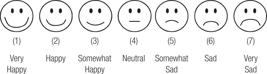
Methods: Two cross-sectional population-based studies were conducted with the same target population in 2016 and 2020 with individuals aged 18 years or older. The outcome was a feeling of sadness, measured through the scale of faces. The exposure variables were infection by the coronavirus SARS-COV-19, contact with someone infected by COVID-19, presence of any symptoms of COVID-19, remote work after the pandemic, social distancing, infodemic behavior, and fear of COVID-19.
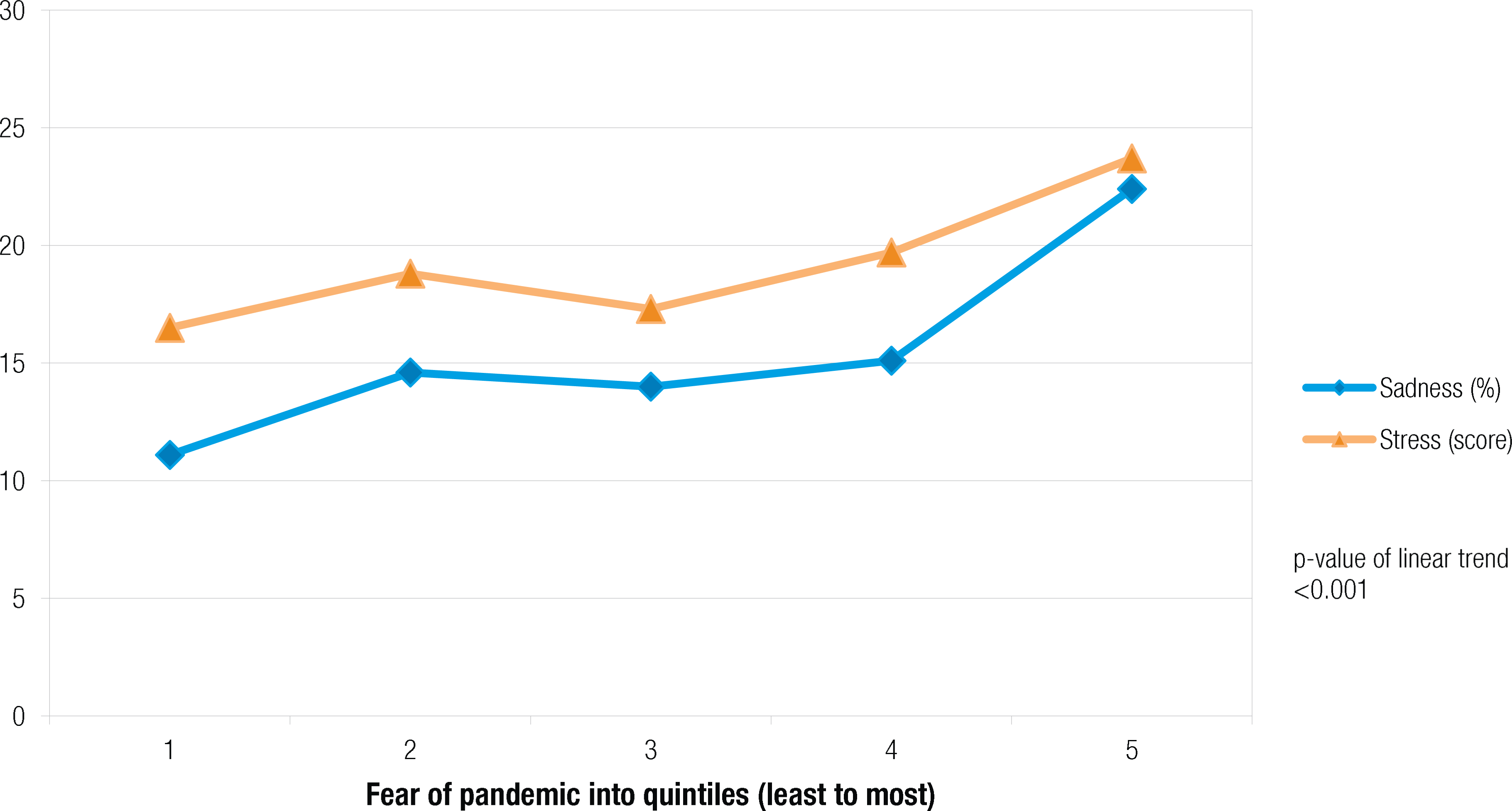
Results: Overall, 1,300 (2016) and 1,307 (2020) individuals were interviewed at home. The prevalence of sadness was 9.0% (95% CI 6.9 to 11.2) in 2016 and 15.2% (95% CI 12.3 to 18.0) in 2020. The only variable of the pandemic setting associated with sadness was fear of COVID-19. Individuals with a higher fear of the pandemic were 50% more likely to be sad. However, this effect disappeared when stress was included in the model.
Conclusions: An increase in the prevalence of sadness was observed, showing that fear of COVID-19 was associated with a greater frequency of sadness. This association was probably mediated by stress level.
KEYWORDS
Sadness; COVID-19 pandemic; Mental health; Epidemiology
 Thumbnail
 Thumbnail
 Thumbnail