
 CLINICAL PRACTICE GUIDELINES FOR SPORTS NUTRITION: BRAZILIAN SPORTS NUTRITION ASSOCIATION
ABSTRACT
Considering the growth of sports nutrition worldwide and in Brazil, our goal was to develop a clinical practice guideline on nutrition and physical exercise to optimize evidence-based practices. This clinical practice guideline was developed based on the recommendations proposed by the GRADE system. The search was standardized considering adult athletes as the population and physical performance as the outcome of interest. This guideline recommends that carbohydrate intake be adjusted according to energy demand, respecting the total amount, with adjustments made before, during, and after physical exercise as needed. Additionally, protein and lipid intake should be adequate for outcomes such as strength, muscle mass, and inflammatory profile, respectively. The guideline also recommends monitoring and correcting micronutrient deficiencies over time. Ergogenic supplements (e.g., caffeine, creatine, beta-alanine, sodium bicarbonate, and nitrate) are recommended in specific cases, with a fundamental assessment of the athlete's characteristics and the sport practiced. However, the guideline does not recommend the use of dietary supplements with uncertain descriptions of their compounds, primarily due to the risk of doping. Finally, this guideline recommends that for athletes with special needs, nutritional assessment should consider the particularities of this population.
Keywords:
Sports Nutritional Sciences; Exercise; Practice Guideline
RESUMO
Considerando o crescimento da nutrição esportiva no mundo e no Brasil, nosso objetivo foi elaborar uma diretriz de prática clínica sobre nutrição e exercício físico para otimizar as práticas baseadas em evidências. Trata-se de uma diretriz de prática clínica elaborada com base nas recomendações propostas pelo sistema GRADE. A busca foi padronizada considerando atletas adultos como população e o desempenho físico como desfecho de interesse. Esta diretriz recomenda que o consumo de carboidratos seja ajustado de acordo com a demanda energética, respeitando a quantidade total e os ajustes feitos antes, durante e após o exercício físico quando necessários. Além disso, o consumo de proteínas e lipídios deve ser adequado para desfechos como força, massa muscular e perfil inflamatório, respectivamente. A diretriz também recomenda o monitoramento e a correção de deficiências de micronutrientes ao longo do tempo. Os suplementos ergogênicos (p. ex., cafeína, creatina, beta-alanina, bicarbonato de sódio e nitrato) são recomendados em casos específicos, sendo fundamental avaliar as características do atleta e do esporte praticado. Contudo, a diretriz não recomenda o uso de suplementos alimentares com descrições incertas dos compostos, principalmente pelo risco de doping. Finalmente, esta diretriz recomenda que, para atletas com necessidades especiais, a avaliação nutricional seja feita respeitando as particularidades dessa população.
Palavras-chave:
Ciências da Nutrição Esportiva; Exercício Físico; Guia de Prática Clínica
Introduction
The sports nutrition guidelines from the Brazilian Sports Nutrition Association (ABNE) were organized to establish interventions related to food and nutrition to optimize exercise-related performance. This document describes details on nutritional evaluation, which includes the assessment of food intake, total daily energy expenditure (TDEE), energy availability (EA), biomarkers, and body composition. Likewise, we inserted information concerning macronutrients, micronutrients, dietary supplements, hydration, electrolytes, doping, and the nutritional assessment of athletes living with specific requirements.
ABNE comprehends that the dynamics of nutritional assessment and dietary-related clinical practice for athletes is complex and require specific tools and essential valuable skills. Therefore, recommendations always need to be aligned with the patient's reality. When considering dietary management, it is essential to consider factors involving eating habits, traditions, and regionality and respect individual needs and features. This document represents the evolution of sports nutrition in Brazil and brings the most current information on nutrition applied to physical exercise. These guidelines were developed to offer up-to-date and high-quality evidence-based nutrition information to nutritionists and health professionals working with physical exercise and sport.
To verify the effect of dietary-related interventions, we chose published scientific articles that presented the most appropriate methodological design, such as randomized clinical trials (RCTs), double-blind and controlled by a placebo or control group. Still, systematic reviews with meta-analysis (SRMA) were evaluated. Therefore, if available in the SRMA, the examination of the risk of bias of primary studies was used as a criterion for analyzing the methodological quality of the studies. For other parameters such as energy intake, energy expenditure, EA, and body composition, observational studies were used analyzed. It is essential to highlight that some methodological limitations are indissoluble in nutrition applied to physical exercise. Data derived from RCTs, especially double-blind and placebo-controlled trials, are only obtainable if the studies compare single nutrients or non-nutrients (e.g., creatine, caffeine, iron, etc.)1. Thus, studies that evaluate the effect of dietary interventions are unlikely to have an identical control group1.
Although the nutritional composition of different foods is similar, they have different matrix. Similarly, people have varied eating habits and food-related histories, depending on the different regions of the country. Therefore, all these variations may be the result of biases in data analysis2,3. Despite methodological variations, RCTs are considered the gold standard in the evidence pyramid. Case studies, cross-sectional studies, and longitudinal observational studies, especially in the areas of nutrition and physical exercise, have been little applied to identify the effect of interventions, which places them as less of a priority in the hierarchy of scientific evidence for decision-making.
Finally, although personal experiences are essential for evidence-based practices, they present low level of scientific evidence, mainly because they are dipped in biases, which can generate misinterpretations4. Still, a significant challenge is managing patient preferences, which may be antagonistic to scientific evidence. Thus, it is vital to align patient expectations, avoiding overestimation of interventions associated effects and damage to other areas of health care4.
The pillars of evidence-based practices were: (i) the best scientific evidence available, (ii) professional's clinical experience, (iii) patient preference2,3. It is essential to analyze that previously published sports nutrition consensus focused on the discussion of nutrients applied to physical exercise5,6. However, we reiterate that the nutritionist who will monitor this individual is responsible for translating nutritional recommendations into dietary recommendations. The concept of evidence-based practices has generated essential changes in the paradigm in contemporary healthcare. However, it is still possible to identify several barriers that limit the application of this approach, such as (i) little knowledge about the pillars of practices based on scientific evidence, (ii) difficulty in tracking, interpreting, and applying knowledge obtained from the literature scientific in clinical practice; (iii) difficulty in assimilating a high content of available scientific information2,3. Based on this reflection, the preparation of this document is justified as an essential source of scientific information for the professional practice of Sports Nutritionists.
As such, we aimed: (i) to discuss the main topics related to nutritional assessment of physically active people and high-performance athletes; (ii) to describe the effect of macronutrients and micronutrients on the physical performance of physically active people and high-performance athletes; (iii) to discuss the adverse effects of hypohydration on physical performance and the importance of hydration and electrolyte intake; (iv) to present the effects of dietary supplements on physical performance; (v) to discuss the particularities related to the assessment of body composition and energy expenditure, as well as the dietary management of particular populations that practice physical exercise.
Methods
This Guideline was designed according to the Grading of Recommendations, Assessment, Development, and Evaluations (GRADE) system, whose primary purpose is to grade the quality of evidence and the strength of recommendations for the most diverse health outcomes7-11.
Initially, the ABNE scientific committee selected researchers and clinicians with previous experience in the topics studied. From this selection, three committees were organized, namely: (i) the search committee, (ii) the writing committee and (iii) the review committee. These committees were developed so that each step was handled carefully. Then, meetings were held with the authors to align and standardize the methodological procedures necessary to create practical Guidelines with high level of scientific evidence.
Search procedures
Groups composed of clinicians and researchers from each area formulated the research questions. The search was carried out considering the acromion P (people), I/E (intervention and exposure), C (control group), O (outcome), and S (study type), selecting terms and keywords according to the Health Sciences Descriptors (DeCS) and Medical Subject Headings (MeSH)12. Cochrane recommendations for searching scientific articles were followed13. The search was standardized, considering adult athletes as a population and physical performance as the primary outcome. Similarly, for some topics (e.g., protein intake), body composition was considered as the outcome. The search was carried out using the Medical Literature Analysis and Retrieval System Online (MEDLINE) database. Finally, when necessary, the handsearching process was adopted14,15.
The search committee was composed of internal and external ABNE members. They systematically carried out searches to identify scientific articles derived from each research question. The search committee then sent the articles to the writing committee, which was responsible for preparing each topic of this Guideline.
Establishment of the level of evidence
The level of evidence and strength of recommendation were graded in accordance with the GRADE criteria, which proposes the transparent establishment of the systematized methods necessary for the development of scientific evidence syntheses10,11. The writing committee was responsible for separating, interpreting, and carefully evaluating the quality of the scientific articles identified. Authors were instructed to evaluate articles according to commonly used risk of bias assessment tools16.
The GRADE system proposes four levels of evidence: Very low-The actual effect is probably very different from the estimated effect; Low-The actual effect may be different from the estimated effect; Moderate-The authors believe that the actual effect is probably close to the estimated effect; High-The authors are very confident that the actual effect is similar to the estimated effect7-9. The evidence analysis considered the risk of bias, imprecision, and inconsistency of the results, as well as their directness. Finally, publication bias was considered7-11.
After identifying the articles, reading, interpreting, establishing the level of evidence (e.g., low, moderate or high), and writing the documents, the topic authors established the strength of recommendation, which could be strong or weak. Strong recommendation: The benefits clearly overlap the risks and demands for most, if not all, individuals. Weak recommendation: Benefits and risks are closely balanced and uncertain10. Figure 1 illustrates the evidence pyramid adapted from Murad et al.17. The sinuosities represent that, regardless of the type of scientific study, the methodological quality is varied. Thus, even RCTs can present low or high methodological quality.

Different types of evidence can be applied to decisions made about the effectiveness of dietary and nutritional interventions to improve physical performance.
After preparing the documents, the scientific committee received the prepared texts and sent them to the review committee, which is made up of external researchers with expertise in each area. The review committee returned the document with considerations to the scientific committee, which adjusted the texts along with the writing committee. After this stage, the final version in Portuguese was obtained, which was then translated and adapted into the English version.
Regarding the gradation of the level of evidence and the establishment of the strength of recommendation, several discussions are carried out by researchers in the field of sports science. Therefore, it is essential to highlight that many interventions may present small effect size (ES) and intervals reliable with a small variability, which indicates a small but precise effect; other interventions, however, present higher ES, but with high variability, indicating imprecision of the result13,18. The potential disparity in the results was considered when establishing the level of evidence.
Despite possible small ES, the physical performance outcome needs to be interpreted with caution, especially when coming from high-level athletes. For example, minor effects may be significant for a competitive athlete and irrelevant for a recreational practitioner18. Similarly, interventions are subject to variation due to the variability of physical capacity. Consequently, people with different levels of physical capacity may respond differently to the same intervention18.
Moreover, external and ecological validity extends beyond internal validity. Studies with excellent internal validity may need to present adequate external validity19. For instance, the physical performance tests used for performance assessment may need to present adequate reliability and validity. Such a limitation can make it difficult to detect small but significant changes in physical performance that are relevant to real life20.
Sport nutrition-related studies showed a relatively small sample size, which limits the generalization of results to all physical exercise practitioners or high-performance athletes21. For example, mainly sport nutrition-related studies were developed with males, while studies with females are scarce22-24. Furthermore, our Guidelines focus mainly on adults since information about nutrition applied to physical exercise for children, adolescents, and aged people is scarce.
Finally, discussions about sports science consider the need to reinterpret scientific data. Recently, the adoption of a comprehensive interpretation of statistical results has been advocated. This approach would involve focusing on estimating effects rather than statistical significance and focusing on the uncertainty surrounding the estimated effect (e.g., the size of the confidence interval). This estimation approach would avoid the problem of oversimplifying results into significance and non-significance21. Therefore, we emphasize that our Guidelines were developed considering previous scientific publications from the American College of Sports Medicine and the International Olympic Committee5,6,25,26.
Concepts about physical activity, physical exercise and sport
Considering nutrition-related science, sports nutrition is responsible for nutrition applied to sports and physical exercise. However, the concepts of nutrition applied to sports are often also replicated in situations of regular physical activity and even non-competitive physical exercise. The terms Physical Activity, Physical Exercise, and Sports are often used as synonyms; however, there are significant differences among them. Thus, an adequate understanding of these concepts is fundamental to the satisfactory interpretation of this document.
While physical activities comprise any body movement, generally spontaneous, that generates a higher energy expenditure than at rest (e.g., domestic activities or commuting), physical exercises are characterized by being carried out in a planned manner, the goals of which are well-defined and may be related to the improvement or maintenance of sports performance27. Sport is comprehended as competitive human activities or social participation in which formal rules and standards of behavior must be followed to identify the best performances.
This document aims to shed light on the influence of various nutritional approaches on the motor capabilities developed through physical exercise and expressed in different sports. By understanding the motor predominance of different sports, we can classify them into categories such as endurance, strength, and intermittent sports. This classification underscores the significant role of nutrition in shaping the performance of athletes, making us feel enlightened about the impact of nutrition on sports performance28.
Endurance and ultra-endurance sports (e.g., running, cycling, open water swimming) refer to sports whose aerobic resistance - the predominance of aerobic metabolism - is the predominant conditioning component; exercise intensity is equivalent to 75 to 85% of maximum oxygen consumption (V̇O2max)29. The difference between endurance and ultra-endurance sports is the time until completion; while the first one must last up to 6 hours, the other must take its participants to compete for more than 6 hours30.
For strength sports (e.g., weightlifting, powerlifting, throwing, and sprinting), the execution time is very short - a few seconds - and the ability to generate force and power is fundamental to the success of sport. Therefore, it is essential in these modalities that the alactic anaerobic metabolism (adenosine triphosphate [ATP]-creatine phosphate [CP]) is very well developed, as well as the speed of movement31.
There are also sports in which lactic anaerobic metabolism is highly solicited (e.g., half-distance running, middle-distance swimming) since the time required to execute them is just a few minutes. In these cases, it is essential to develop energy efficiency resulting from glucose metabolism28,32.
Intermittent sports (e.g., all team sports) are characterized by alternating high and low-intensity movements associated with the execution of complex, sport-specific skills. Generally, intermittent modalities take place for a period that varies between 1 and 2 hours and depend on the optimal combination of the efficiency of aerobic and anaerobic metabolism33.
Finally, regardless of the type of physical exercise or sport, we consider three categories to define the individual's level, as follows: recreational athletes - those individuals involved in recreational or leisure sports; competitive athletes: individuals who exercise and train regularly for the purpose of participating in official sporting competitions, at any level; elite and professional athletes: a group of competitive athletes who achieve athletic excellence and generally compete at an international level34.
Athlete-related nutritional evaluation
Food intake
Assessing the food intake of sportspeople and athletes is of paramount importance. It serves to verify the discrepancy between current energy and nutritional intake and physical exercise energetic and nutritional demands35. Moreover, it is crucial for calculating EA. There are various methods, both retrospective and prospective, to assess food intake (e.g., 24-hour recall [24hR], dietary history, food frequency questionnaire [FFQ] and food diary)35. However, these dietary surveys have their limitations, particularly when compared to Double Labeled Water (DLW), the gold standard method for assessing total energy expenditure35,36. A recent systematic review revealed that the assessment of energy intake by R24h underestimated energy intake by 8 to 30%, primarily for women36. In athletes, the assessment of food intake presents additional challenges, such as variations in intake depending on training, the size of food portions, and the wide use of dietary supplements37.
The underestimation of food intake by athletes is ~19% (0.4 to 36%) compared to DLW. The ES of the difference between the value derived from dietary surveys and DLW was 1.006 (95% CI: -1.3 - -0.7), reinforcing that, among athletes, the difference between the dietary survey report and the DLW objective measurement is high37.
Considering that the 24hR is similarly applied to athletes compared to the general population, problems of underestimation are expected. This underestimation can be mitigated if more than one method is used. For example, 24hR associated with dietary history, which, in the case of athletes, directs questions about nutrition to the moments before and after training35. Furthermore, the multiple-step method (MSM) favors a more accurate reporting of dietary intake and should be applied to improve the assessment of dietary intake, minimizing underestimation. The MSM consists of (i) conducting a quick list of foods eaten the previous day or in the previous 24 hours; (ii) checking potentially forgotten food; (iii) checking the situation and moment of ingestion; (iv) cycle of details for each meal, quantities and types of food; (v) final evaluation of all meals38-40. Thus, the application of 24hR associated with dietary history or other methods can increase the reliability of food intake data with less error and underestimation. Likewise, the use of MSM contributes to better quality of data extracted from athletes.
This guideline strongly recommends using the 24-hour recall (24hR) combined with dietary history as the primary method for assessing athletes' dietary intake. Additionally, the use of photographic tools and the multiple-pass method is advised to enhance the accuracy of the information obtained and, consequently, improve the effectiveness of the proposed intervention. The level of evidence supporting these recommendations is moderate, and the strength of the recommendation is strong.
Energy expenditure
The TDEE is a crucial concept in understanding human metabolism. It is the sum of various components, including Resting Energy Expenditure (REE) (also known as Resting Metabolic Rate [RMR] or Basal Metabolic Rate [BMR]), Non-Exercise Energy Thermogenesis (NEET), Energy Expenditure from Physical Exercise (EEE), and the Thermal Effect of Food (TEF). Understanding REE is vital to comprehending the complexities of human energy balance, especially in the context of physical exercise and body composition41. The reference standard instrument of REE measure is the indirect calorimetry (IC) at rest, especially after a night of fasting, in the morning, with a controlled temperature (between 22 and 26 ºC), avoiding possible factors that modify oxygen consumption (e.g., body movements with more significant energy expenditure [climbing stairs], physical exercise, diet, environmental stress, etc.). It is expected that REE suffers minor influences derived from travel to the laboratory and other environmental stresses that are difficult to control41.
Given the impossibility of using REE measured by IC, the use of predictive equations makes it possible to estimate REE. However, prediction equations present several problems and limitations, mainly when they depend on body composition parameters, which will require more accurate methods; otherwise, the error derived from a body composition predictive equation may maximize the error in the REE estimate. A recent SRMA evaluated the accuracy of predictive equations for REE among recreational and high-performance athletes41. The most studied equations were Cunninghan version 1980 (lean mass; 21 studies)42 and Harris and Benedict (age, body mass and height; 21 studies)43. The accuracy assessment revealed that the equations of Cunninghan version 1980 (lean mass), Harris and Benedict (age, body mass and height), Cunninghan version 1991 (fat-free mass)44, De Lorenzo (age, body mass and height)45, and Ten-Haaf (age, body mass and height)46 presented non-statistically significant differences compared to the IC measurement.
The Cunningham equation version 1980 showed an ES of 0.15 (95% CI: - 0.26 - 0.57; I2: 93%; 846 evaluated; mean difference of 1 kcal/24h), the Harris and Benedict equation showed an ES of -0.14 (95% CI: - 0.53 - 0.25; I2: 93%; 892 evaluated; mean difference of -50.4 kcal/24h), Cunninghan version 1991 presented an ES of 0.31 (95% CI: -0.09 - 0.70; I2: 80%; 307 evaluated; mean difference of 45.2 kcal/24h), De Lorenzo presented an ES of 0.15 (95% CI: - 0.27 - 0.56; I2: 86%; 359 evaluated; mean difference of 13.7 kcal/24h) and Ten-Haaf presented an ES of 0.04 (95% CI: - 0.16 - 0.23; I2: 0%; 204 evaluated; average difference of 6.6 kcal/24h). Despite the trivial/minor ES for the Cunninghan equations versions 1980 and 1991, Harris and Benedict and De Lorenzo, the authors point to the high heterogeneity observed. Thus, they reinforce that the Ten-Haaf equation presented low heterogeneity and ES.
It is crucial to emphasize that the Ten-Haaf equation presents simple anthropometric-related parameters (age, body mass, and height) and offers a high level of precision in estimation. In contrast, Cunningham's equations require lean body mass (1980) and fat-free mass (1991), which leads to the REE estimative being more complex than the Ten-Haaf equation. Depending on the method used to obtain these parameters (e.g., DXA vs. anthropometry), the accuracy of the estimates may be compromised. In summary, among the prediction equations, the Ten-Haaf equation (age, body mass, and height) emerges as the most accurate and least heterogeneous, providing a reliable tool for estimation. However, the Harris, Benedict, and Cunninghan equations from the 1980 and 1991 versions can also be considered.
The assessment of NEEE and EEE in a practical setting is a complex task due to the variety of available methods. The Academy of Nutrition and Dietetics and the ACSM (2016) recommend the use of the activity factor (AF), which ranges between 1.8 and 2.4 for physically active individuals. The physical activity compendium, published in 2024 and updated in the 1993, 2000, and 2011 versions, provides a list of metabolic equivalents (MET) for estimating various activities, including activities of daily living and a wide range of physical exercises at different intensities. One MET represents the amount of oxygen consumed by the body under resting conditions, and is defined as 3.5 mL O2/k/min or ~1 kcal/kg/h. The compendium categorizes activities and physical exercises into sedentary behavior (1 to 1.5 MET), low-intensity physical activity (1.6 to 2.9 MET), moderate-intensity physical activity (3.0 to 5.9 MET) and high-intensity physical activity (≥ 6 MET). However, categorizing METs by fixed intensity can lead to inaccurate estimates47.
This Guideline underscores the crucial role of quantifying total energy expenditure in guiding dietary planning for physically active individuals and high-performance athletes. The Harris and Benedict, Cunninghan (1980 and 1991), and Ten-Haaf equations, despite showing lower ES compared to indirect calorimetry, are still valuable tools. Among them, only the Ten-Haaf equation demonstrated low heterogeneity, further highlighting its reliability. Despite the inconsistencies, the use of activity factors and METs to estimate the energy expenditure of physical activities and physical exercise remains the best way to quantify the energy demand of this population. This recommendation, with a moderate level of evidence and strong recommendation strength, underscores the significance of your work in this field.
Relative Energy Deficiency in Sport (REDs)
The term Relative Energy Deficiency in Sport (REDs) is attributed to the syndrome of compromised physiological and psychological functioning with multifactorial etiology, experienced by female and male athletes and triggered by exposure to problematic (prolonged and severe) low energy availability (LEA), which may be accompanied (or not) by eating disorders48. Harmful outcomes include, but are not limited to, changes in energy metabolism, reproductive function, musculoskeletal health, immunity, glycogen synthesis, and cardiovascular and hematologic health, which can individually and synergistically lead to wellness problems, increased risk of injury, and decreased sports performance49.
The definition of REDs comes from 40 years of studies related to the Female Athlete Triad (FAT) but with essential expansions. REDs affects both men and women and include clinical manifestations in different physiological systems, in addition to the reproductive and musculoskeletal systems affected by FAT50.
The primary disorders observed in female athletes living with REDs include hormonal changes, such as dysregulation of sexual hormones, which can lead to menstrual changes such as amenorrhea or oligomenorrhea, changes in the thyroid gland and the hormone cortisol, and low bone mineral density (BMD); changes in appetite, reduction in REE and ferritin levels, growth retardation, some psychological disorders, dyslipidemia and hypotension, abdominal distension and constipation, and immunosuppression48-51.
For LEA analysis, the EA must be evaluated. It is calculated by subtracting the exercise energy expenditure (EEE) from the energy intake (IE); the result of this subtraction must be divided by the fat-free mass (FFM)52.
Source: Mountjoy et al.50
An EA of 45 kcal/kg FFM/day has been indicated as ideal for maintaining physiological functions in women, while ≤ 30 kcal/kg FFM/day has been considered a cutoff point for diagnosing LEA. This cutoff was suggested due to studies that described a reduction in hormones in sedentary women when reaching an EA below the cutoff point53. However, advances in scientific knowledge on LEA and REDs have suggested that EA ≤ 30 kcal/kg FFM/day in association with other diagnostic criteria (described in Chart 1) is considered as a physiological response that can vary according to age and stage of sexual maturation. It is also supposedly influenced by inter-individual variability, derived from genetic factors, which predisposes to a greater capacity for adaptation of some women, allowing them to continue to have normal menstrual cycles despite LEA54. In the 2023 International Olympic Committee consensus, the authors named this condition as “Adaptable LEA”, in which exposure to LEA occurs for a short period and does not affect (or affects very little) long-term health, well-being, and physical performance49.
For male biological athletes, discussions about REDs and cutoff points for EA classification are initial55-57. For men, the hypothesis is that they need more severe energy restrictions to develop REDs-related symptoms55-57. It appears to be ~9 to 25 kcal/kg FFM/day, lower than the female cutoff. In fact, there is evidence that most men can sustain lower ED before physiological and psychological disturbances manifest. However, problematic LEA can occur in male athletes and is associated with adverse effects on the hypothalamic-pituitary-gonadal (HPG) axis and associated hormones, changes in metabolic hormones, deficiencies in immune function, detriments to bone health, as well as negative results in physical performance and decreased FFM. Two emerging potential indicators of REDs in men are low libido and decreased morning erections, which have been identified as consequences of LEA56.
Given the potential disturbances in various physiological systems, it is expected that there will be direct or indirect consequences on the sports performance of athletes affected by LEA, regardless of the type, volume or intensity of physical exercise. The mechanisms potentially involved are of multiple natures, such as depletion of muscle and liver glycogen reserves, lower rate of skeletal muscle protein synthesis, and iron deficiency, which can cause significant impairments in endurance capacity, muscle strength, coordination, concentration, judgment and adaptive response to training, as well as compromised emotional state, characterized by an increase in depressive symptoms and high irritability58. The greater risk of injuries could also significantly affect physical performance, due to absences from training sessions59.
Despite the existence of several mechanisms that may potentially explain the relationship between LEA and physical performance decline, there are few studies that have tested this association60,61. This lack of research is a significant gap in our understanding. The difficulties of standardizing physical performance indicators in different scenarios of sports training and competitive events, as well as the challenges in diagnosing LEA, may be the main reasons for the scarcity of this type of study. Clearly, further investigations, including robust protocols with random allocation of athletes to intervention groups, are urgently needed to provide further evidence and explanation of the effects of LEA on adaptations to training and sports performance61. Studies that investigated LEA and REDs are often cross-sectional in nature, which limits data extrapolation and reliability to clearly establish a causality relationship. Therefore, in addition to intervention studies, prospective longitudinal cohorts that monitor athletes for periods sufficient to identify REDs are necessary to understand, above all, the temporality of this phenomenon.
It is believed that athletes at the highest risk of LEA are those involved mainly in acrobatic and endurance sports, due to the power/body mass relationship, as well as those engaged in combat sports and aesthetic sports62. Despite the potential increased risk in these groups, athletes of all modalities must be monitored. In addition to situations in which a reduction in body mass is desired, LEA can also appear unintentionally, resulting from a significant increase in training volume without due adjustment of the energy consumption, and difficulties with food intake during training and competition sessions, generally related to gastrointestinal discomfort58. Studies that evaluated the prevalence of LEA found 23 and 79.5% among women and 15 to 70% among men; this variation is generated by the lack of a singular definitive diagnosis, mistaken use of LEA and REDs as interchangeable terms, lack of standardization and precision of research methods (e.g., imprecise measurements of EA components), variation in physiological demands among study populations, and volunteering biases of study participants63.
Diagnosis of REDs is challenging due to the complexity of the syndrome. Burke et al.64 described the main obstacles to calculating DE, with emphasis on (a) underreporting errors arising from the use of food records; (b) uncertainties about the number of days to be evaluated to reflect the caloric intake of athletes in different phases of training periodization; (c) difficulties in assessing energy expenditure resulting from (i) physical exercise in more complex sports, since the use of heart rate monitors, global position system (GPS), gas analyzers, and accelerometers seems to be more viable in cyclical sports; or (ii) energetic compensations and metabolic adaptations to physical exercise that can compromise the estimate of energy expenditure during physical exercise; (d) standardization of methods for assessing body composition, since access to dual emission X-ray absorptiometry (DXA) is reduced besides possible discrepancies between different machines and techniques. Concerning body composition assessment, anthropometry has been adopted in many studies; however, this assessment technique is more suitable for evaluating discrete physical changes over a given period. Furthermore, as it is a doubly indirect method, several discussions are made about the precision and accuracy of the prediction equations. In summary, significant validity and reliability errors occur during the process, culminating in inadequacies of 300 to 600 kcal/day. This suggests that to diagnose, prevent, or treat REDs, it is necessary to interpret EA in conjunction with clinical manifestations and indicators of physical performance decline, as described in Chart 2.
Notably, the study conducted by Torstveit et al.52 is significant as it suggests that the traditional 24-hour period for assessing EA and its effects on health and performance may overlook real-time endocrine responses due to changes in energy intake and expenditure. The authors propose a more suitable intraday assessment at 1-hour intervals. However, the feasibility of this type of assessment in non-laboratory training scenarios needs to be verified.
In an attempt to associate LEA with health outcomes and physical performance, screening tools have been proposed for adult athletes, such as the Relative Energy Deficiency in Sport Clinical Assessment Tool (REDs-CAT) original version66 and the updated version - REDs-CAT249, as well as the Low Energy Availability in Females Questionnaire (LEAF-Q)67, whose original version was translated, culturally adapted, and validated for Brazilian athletes68. This tool was designed to identifying the risk of LEA63; however, it is limited in terms of gender69 and age group70. The Low Energy Availability in Male Athletes (LEAF-M)71, which includes other questions not included in the LEAF-Q, is in the development and validation process.
The 2023 International Olympic Committee consensus on REDs49 outlines a three-step process for diagnosis. Step 1 involves the initial identification of at-risk athletes through the implementation of REDs screening questionnaires validated for specific populations and clinical interviews. These methods, while less sensitive and objective, are cost-effective and easy to implement. Step 2 includes the use of assessment instruments such as REDs-CAT2 severity/risk assessment and stratification with sports participation guidelines. These tools are based on the accumulation of several primary and secondary risk indicators, resulting in the stratification of an athlete's severity and risk according to the colors green, yellow, orange or red, as illustrated in Chart 3 and Chart 4. Step 3 is the diagnosis, which is made by a specialist doctor and includes the development of a treatment plan, ideally in collaboration with a multidisciplinary team.
Considering possible difficulties inherent to the application of protocols such as REDs-CAT and LEAF-Q, research groups have suggested specific investigations to look for signs of REDs. Souza et al.53 suggested the association of EA calculation with the evaluation of some indicators capable of predicting the beginning of suppression of reproductive function in women, such as (a) the evolution of body mass and its composition, (b) the presence of risky eating behaviors; (c) changes in the concentration of estradiol and progesterone in athletes who are not users of contraceptives; (d) monitoring of REE, comparing the REE measured by IC with the REE predicted by equations such as those of Cunningham42,44, Harris and Benedict43 and Ten-Haaf 46. In this case, the risk of LEA is suggested if the measured REE/predicted REE ratio is <0.954. Furthermore, eating disorders are suspected as underlying causes of REDs. In that case, the Brief Eating Disorder in Athletes Questionnaire (BEDA-Q) can be a useful screening tool, as can other protocols described72,73.
It is noteworthy that factors other than LEA can cause clinical outcomes similar to those described in REDs. For example, an athlete who presents a reduction in thyroid hormones resulting from an autoimmune disease does not necessarily present LEA. Therefore, a clinical evaluation must be carried out to exclude other possible causes74. It is also of particular interest that specific screening tools are still needed for males and for different age groups, especially for adolescent and elderly athletes63. In short, considering the importance of REDs consequences (as they affect health and physical performance), evaluating this condition and predisposing factors is essential, as well as proper prevention, diagnosis, and treatment.
This Guideline recommends screening for REDs through EA calculation and validated questionnaires. If available, check the primary and secondary criteria established by the International Olympic Committee to maximize screening and risk stratification. The level of evidence is moderate, and the recommendation is strong.
Body composition
Body composition assessment is an essential tool for health professionals to prescribe and monitor dietary planning and sports training program more assertively and safely.
Thus, several evaluation methods and techniques have been proposed with the aim of splitting body mass not only into fat mass (FM) and FFM but also into their subcomponents, with high precision75,76. More than 30 years ago, Wang et al.77 proposed a new approach to organizing research on body composition, dividing it into five levels: atomic, molecular, cellular, organ/tissue, and total body. Each level presents different components, which can be organized into compartments and divided into models with two, three, and four compartments78. The four-compartment model (4C) is recognized as the “gold standard” due to its more significant degree of sensitivity to the interindividual variability of FFM, so all other models should be validated based on it. However, the need for laboratories, equipment, and procedures with high operational costs limits their use only to research situations79. This model involves measuring body mass, total body volume, total body water (TCA), and bone mineral.
In contrast, two-compartment models (2C) divide the body into FM and FFM and constitute the most used approach to estimate body composition in adults, in clinical practice and in field situations. In these models, regression equations are used to estimate body components, with anthropometry and bioimpedance analysis (BIA) being the techniques for which most equations have been developed. In view of the logistical and operational issues related to the 4C model, the development and cross-validation of many regression equations have been carried out using DXA as a reference standard, and it is worth highlighting that this technique is based on a three-compartment model (3C), which measures bone mineral content, fat mass, and lean and soft tissue mass80. In these Guidelines, we present the techniques that demonstrate the best cost/benefit ratio for use in clinical and field practice, considering their validity for evaluating athletes and physical exercise practitioners.
Body composition, physical exercise, and sport
The relationship between aspects of body composition and athletic performance is already well-established for different sports81-84. In the same way, the quantities and distribution of body components demonstrate an association between physical exercise practice and health status85-89. In this context, the choice of technique and predictive models is crucial for professionals, so we present in Chart 5 the advantages and disadvantages of each technique in clinical practice and in Figure 2 a flowchart to assist in the most appropriate choice according to the characteristics of the individual or group to be evaluated and the available technical conditions. One of the primary challenges in the application of the techniques outlined in Chart 5 is the requirement for valid predictive equations for the subject or group under evaluation. It requires the use of equations developed and/or validated for the Brazilian population, both for anthropometry/skinfold thickness90-95 and for BIA96-100. Equations developed in other countries are typically employed for specific sports101-105.
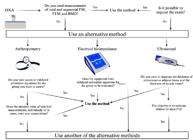
Algorithm for decision-making regarding the technique to be used in clinical or field settings.
It is crucial to emphasize that the professional's role in using the algorithm presented in Figure 2 is of utmost importance. It is assumed that the professional has received adequate training. In the case of using predictive equations to measure skinfold thickness, the measurement standard must comply with that proposed by the author of the equation or as indicated in the original article. In relation to the BIA, the entire pre-test protocol must be carried out by the person being evaluated. Thus, regardless of the instrument, the choice of equation determines the validity in predicting body composition; that is, BIA and anthropometry can be used interchangeably, allowing valid estimates of body components as long as sport-specific equations are applied106.
This Guideline recommends evaluating the body composition of athletes and high-performance athletes to monitor body compartments over time, especially to verify potential changes related to energy supply and demand, as well as adaptations imposed by physical training. When it comes to alternative methods (e.g., Anthropometry and BIA), the evaluator must recognize the appropriate procedures, as well as know how to select the most appropriate predictive equation for the individual and population being evaluated. Level of evidence: moderate; recommendation: strong.
Biomarkers
During different training periods (e.g., general preparation period, specific period, competitive period, and transition), athletes are exposed to different types of stimuli, dynamic in volume and intensity. These factors can, over time, affect health status and physical performance. In this context, the competitive calendar of some athletes has become increasingly complex, with several national and international competitions enabling the early emergence of problems associated with physical exercise107-109.
Different physiological effects induced by physical exercise are already known. For beneficial adaptive responses to occur (e.g., increase in skeletal muscle strength, improvement in physical capacity, increase in physical performance), the workload must be appropriately manipulated; otherwise, unwanted effects may occur (e.g., non-functional overreaching) due to the accumulated effect of stress induced by physical exercise110. Furthermore, the high energy demand associated with insufficient intake of energy, macronutrients, and micronutrients can predispose or exacerbate adverse health conditions for the athlete111.
Understanding the importance of monitoring athletes throughout a season and checking the parameters capable of revealing their health status and physical performance is crucial. In this regard, methods that can monitor external and internal load can be of great value to the clinical practice. Among them, blood biomarkers stand out, as they aid in monitoring biological processes, whether in health, pathological conditions, or in response to exposure to some stimuli112.
It is important to note that the use of biomarkers for decision-making must be preceded by adequate validation. To serve as diagnostic criteria for a specific condition, such parameters need to be evaluated in depth for their ability to distinguish people who do or do not have the condition113. Reference gold standard methods for the specific condition must be used to assess sensitivity and specificity of the parameter114.
Despite these parameters, it is possible that they may not be sufficient to discriminate who has that specific condition in the real world. Therefore, positive and negative predictive values are applied and reflect the proportion of positive and negative results that are true positives and true negatives, respectively113. These statistical metrics in sports science, however, still need to be further explored. Due to statistical particularities, the validity of markers is much discussed, considering that some markers may not reliably represent the athlete's condition. In contrast, other markers may be non-specific and be altered for reasons other than those ones associated with physical exercise. However, despite limitations on the interpretation of blood biomarkers, "non-blood" markers also suffer from critical limitations. For example, questionnaires can be subjective and do not express the athlete's actual condition. At the same time, physical performance tests can affect the physical training routine. If there is no adequate methodological structure to apply them, the data can suggest conditions that are far from reality. Finally, the parameter evaluated may present high variability between sports, which makes it challenging to understand the athlete's condition113.
Blood biochemical markers need to be stable and little affected by intervening factors, such as diet and circadian rhythm113. Furthermore, they need to be easy to collect so that they can be frequently measured over time, facilitating athlete monitoring113,115. However, to date, there need to be robust reference values for frequently used parameters, which hinders interpretation by some of the professionals who accompany the athletes because of the high variability in volume and intensity between sports. Furthermore, factors not associated with the individual can generate variability, especially pre-analytical factors, such as (i) time of day, (ii) collection procedure, and (iii) centrifugation of biological material. Other factors associated with the individual can also generate noise, such as (i) posture, (ii) hydration status, (iii) period and day of the menstrual cycle, (iv) fasting time, and (v) psychological stress113,115. Biochemical markers such as lactate, urea, myoglobin, and creatine kinase are often used to monitor the status of athletes112.
Lactate, a pivotal marker in athlete monitoring, plays a crucial role in energy generation, particularly during high-intensity physical exercise. It plays role in regenerating nicotinamide adenine dinucleotide (NAD+) to maintain glycolysis, buffering H+ ions, and serving as a gluconeogenic molecule underscores its importance. The increase in lactate levels in response to intense physical exercise can indicate a high energy demand, a key aspect in athlete performance evaluation112,116.
Urea, a marker representing the excretion form of nitrogen, presents a challenge in athlete monitoring. Under catabolic conditions, such as long-term physical exercise, maintaining nitrogen balance can be difficult, especially if protein intake is not adequately considered. While evaluating the nitrogen excretion rate can provide insights into protein balance, the reliability of its blood measurement is questionable. Some authors propose measuring urinary urea and sweat, but the practicality of obtaining these biological samples is a hurdle. Previous studies have found values that make it hard to establish a response pattern, leading to potentially contradictory results112,117.
Myoglobin, a protein present in the heart and skeletal muscle, is responsible for transporting oxygen to the site of oxidation of energy substrates. Skeletal muscle damage induced by physical exercise increases the permeability of myocytes, leading to the extravasation of intracellular substances into the extracellular environment (e.g., blood). As it is a small molecule, its appearance in the blood and its clearance by the kidneys is relatively quick. Considering that myoglobin levels increase after physical exercise and due to its damaging effect on the kidneys, monitoring it can be essential. However, despite the increase in response to physical exercise, there are no reference values and, therefore, it is not possible to distinguish increases in myoglobin associated with physical exercise adaptations from increases that determine skeletal muscle damage112,118.
Leukocytes (white blood cells) are measured as a response parameter to physical exercise, mainly because their high levels reveal an increase in some immunological response. However, increases in leukocytes may not necessarily determine a cellular immune response. Long-term physical exercise, especially endurance exercise, increases the levels of leukocytes in the blood. In this sense, leukocytes are influenced by the adrenaline and cortisol, hormones that increase in response to physical exercise for metabolic control and, therefore, are affected by energy availability. For example, physical exercises performed with lower skeletal muscle and liver glycogen stores can optimize the increase in these hormones and, consequently, impact blood leukocyte levels. Despite the increase in leukocytes in response to physical exercise, subcategories (e.g., lymphocytes, granulocytes, and monocytes) do not increase similarly. Therefore, leukocytosis induced by physical exercise requires interpretations based on the different behavior of each subcategory of leukocytes. It is essential to consider that, in conditions of low ED, athletes are more susceptible to opportunistic infections, which can impact leukocyte levels112,119,120.
Finally, C-reactive protein, an acute-phase protein, is considered a marker of inflammation produced in the liver, and its increase may be associated with infectious conditions. As mentioned, LEA conditions can increase susceptibility to opportunistic infections. In addition to C-reactive protein, others seem to emerge as potential markers for identifying changes associated with physical exercise (e.g., enzymes, cytokines, chaperones, or other markers)112,115,118.
In short, despite the different parameters exposed above, there are still many doubts about the degree of evidence, applicability, validity, variability, and influencing factors of the main biochemical parameters associated with physical exercise. Chart 6, adapted from Haller et al.112, presents the main parameters associated with physical exercise, confounding factors, available reference values, interpretation, and degree of reproducibility.
This Guideline recommends evaluating biomarkers to monitor external and internal training loads in sportspeople and high-performance athletes. However, to date, there is a notable absence of more specific biochemical parameters, as well as sensitivity and specificity assessment for various biomarkers, which hinders their applicability and relevance in the short-, medium-, and long-term. Therefore, their use should be cautious and aligned with other nutritional assessment parameters. Level of evidence: weak; recommendation: strong.
Macronutrients and physical performance
Carbohydrates
Carbohydrates, key players in skeletal muscle metabolism, have held this role for over a century121. The interplay between the volume and intensity of physical exercise determines the preferred energy substrate for the production of ATP122. In high-intensity physical exercise, the contribution of muscle glycogen is paramount. However, as the volume of physical exercise increases, glucose and fatty acids uptake rises to sustain ATP production122. The need for blood glucose increases and it is provided primarily by the liver, due to increased glycogenolysis and gluconeogenesis during physical exercise. Yet, during prolonged physical exercise, glucose uptake by skeletal muscle becomes greater than its liver production. In this context, carbohydrate intake becomes a critical factor in maintaining glucose uptake and oxidation by skeletal muscle122. Carbohydrates, beyond their energetic function, exert significant effects on physical performance, influencing athlete’s concentration, cognitive control, hormonal regulation, and the immune system's activity123-127.
Considering the importance of carbohydrates as a source of energy, as well as their participation in different functions of the human body, adequate carbohydrate intake is essential for physical exercise, especially for high-performance athletes. Despite the importance of carbohydrates, achieving the recommendation is complex, and therefore, nutritional and dietary management must be individualized according to the athlete and athlete's competitive planning. Individual objectives must be taken into consideration when managing carbohydrates, especially when there is a need to modify body composition5. It is important to emphasize that despite the noteworthiness of carbohydrates for physical exercise, physiological, psychological, social, and cultural factors negatively affect their intake, mainly due to the fear that some athletes have of modifying their body composition124-131. Carbohydrate recommendations can be divided into: (i) total for the day, (ii) before physical exercise, (iii) during physical exercise, and (iv) after physical exercise5.
Recommended carbohydrates per day
Carbohydrates, regardless of the characteristics of physical exercise, will always be the most essential macronutrient for meeting total energy needs. Previous studies published by Burke et al.124,132 continue to establish the main carbohydrate recommendations for people who practice physical exercise and high-performance athletes. By evaluating a series of essential aspects involving carbohydrate intake (e.g., volume, intensity, number of workouts per day, time for recovery between training sessions, and energy expenditure from physical exercise), it is possible to manage recommendations for different situations.
The authors categorize carbohydrate intake by the intensity and volume of physical exercise. For the first category, which comprises lower-intensity exercises, 3 to 5 g of carbohydrates per kg of body mass/day are recommended. For physical exercises lasting approximately 1 hour, the recommendation is 5 to 7 g/kg/day. For endurance physical exercises, with a volume of 1 to 3 hours/day, the recommendation is 6 to 10 g/kg/day. Finally, for moderate or high-intensity physical exercise lasting ≥ 4 h/day, the recommendation is 8 to 12 g/kg/day5,124,132.
The authors suggest several vital recommendations for carbohydrate intake, including:
-
For more intense exercises, in which glycogen depletion will be more significant, carbohydrate intake must be adequate to restore depleted stores;
-
Goals for daily carbohydrate intake are based on body mass and exercise load;
-
Despite the intake suggestion by guidelines, the adequacy of carbohydrate intake must be adjusted according to the athletes' general objectives and training feedback;
-
When the period between physical exercise sessions is less than 8 hours, athletes should ingest carbohydrates as quickly as possible after the first session, probably with a rapid glycemic response, to optimize the recovery of glycogen stores;
-
To recover glycogen, opting for more than one meal (fraction) after physical exercise can optimize the recovery of muscle glycogen;
-
During more extended recovery periods (e.g., 24 h), the types of carbohydrates, intake pattern, and time between meals and carbohydrate-rich intermeal snacks can be chosen according to what is more practical and pleasurable for the athlete, and meals should be proposed according to potential health conditions related to carbohydrate metabolism (e.g., presence of glycemic, lipid or gastrointestinal disorders);
-
Foods containing carbohydrates that promote a rapid glycemic response are more critical when the time between training sessions is less than 8 hours. However, the type of carbohydrate selected seems to be less critical when the recovery time is longer;
-
Restrictive practices related to nutrition, such as extreme calorie restriction or elimination of certain food groups, mainly targeting body composition modification, can negatively affect total carbohydrate intake, resulting in worse recovery of muscle glycogen stores between training sessions;
-
Although there are slight differences in glycogen storage throughout the menstrual cycle, women can store glycogen as effectively as men;
-
Acute intake recommendations are related to competitive situations. However, it is suggested that strategies used in competitive periods be tested throughout the season to avoid gastrointestinal problems during competition5,124,132.
Finally, nutritional periodization, especially of carbohydrates, must be in perfect alignment with training periodization.5,124,132 This ensures that the distribution of carbohydrates is constantly adapted to the training phase and the characteristics of the sport, empowering the audience with the knowledge of how to optimize their nutrition for their training needs5,124,132.
Carbohydrate recommendation before physical exercise
Carbohydrate intake before physical exercise aims to reduce the depletion of muscle glycogen during physical exercise and maintain the availability of exogenous glucose for oxidation. The potential positive effect of carbohydrate intake before physical exercise depends on its the total volume, being more evident in physical exercises lasting > 1 to 2 h.
Regarding the effect of carbohydrate intake before physical exercise on sports performance, there was a small but positive effect (ES: 0.2; 95% CI: 0 - 0.30) for continuous physical exercise, predominantly aerobic, according to the data published by Aird et al.133. However, in the subgroup analysis, when physical exercise was of short duration, positive effects were not identified (ES: 0.0; 95% CI: -0.3 to 0.2). Thus, only long-term physical exercise benefits from carbohydrate intake (ES: 0.3; 95% CI: 0.1 - 0.5). In this review, carbohydrate intake happened in a time frame of 30 min and four hours. Furthermore, the meals tested varied in terms of composition, although carbohydrates were the predominant macronutrient. It is essential to highlight that the studies were conducted with untrained and trained people, with overnight fasting times between 10 and 12 hours, and, finally, they were carried out mainly with adult men.
For long-term endurance physical exercises, glycogen loading/saturation/super-compensation protocols are proposed. These protocols are suggested based on the concept of muscle glycogen recovery, which was discussed in the 1960s and 1970s. It occurs in approximately 24 hours, especially if the energy demand derived from physical exercise is reduced5,134-136. It is suggested that carbohydrate intake should be increased 1 to 2 days before the target test, in amounts ranging between 8 and 12 g of carbohydrates/kg of body mass per day5,124. Although the practice of carbohydrate loading is familiar, the natural ergogenic effect of these strategies needs to be clarified. Furthermore, increasing glycogen stores also increases muscle glycogenolysis rates, which can reduce the effect of carbohydrate loading by anticipating carbohydrate depletion137,138.
An SRMA was explicitly considered to evaluate the effect of carbohydrate intake on physical strength exercise139. For the total physical exercise session, the authors observed a positive effect of carbohydrate intake before strength physical exercise (ES: 0.61; 95% CI: 0.11 - 1.11). However, the authors point to a low level of evidence based on GRADE. Subgroup analyses revealed positive effect for physical exercise sessions with a volume greater than 45 min (ES: 1.02; 95% CI: 0.07 - 1.97). For strength physical exercise sessions lasting < 45 min, no positive effects of carbohydrate intake were observed (ES:0.23; 95% CI: -0.21 - 0.67). Subgroup analyses suggest a low to moderate level of evidence, with dependence on the fasting time before starting the physical exercise session.
Other nutrients contained in the meal that precede physical exercise must be taken into consideration, mainly due to the possibility of promoting gastrointestinal disorders, which can worsen physical performance. Although the effect of physical exercise is small on the absorption of water and carbohydrates, for other nutrients (e.g., fiber, proteins, and lipids), this caution must be exercised. As proposed by de Oliveira, Burini and Jeukendrup140, some guidelines can be followed, such as: (1) avoid foods rich in fiber the day or even days before the competition; (2) for the athlete in training, diet with fiber in adequate amounts will help maintain regular bowel function; (3) avoid foods rich in fructose (in particular drinks that contain exclusively fructose); (4) avoid hypohydration, as it can worsen gastrointestinal symptoms; (5) start training well hydrated; (6) make sure to test the nutritional plan several times before the day of the test/competition. This will allow the athlete to discover what works and what does not work and reduce the chances of developing gastrointestinal symptoms.
Glycemic index of carbohydrates before physical exercise
The intake of different types of carbohydrates before physical exercise has been evaluated over the last few years. Meals/carbohydrates that have a low glycemic index (low glycemic response) can provide a lower insulin peak and, therefore, maintain higher rates of lipolysis (breakdown of triacylglycerols into free fatty acids) and beta-oxidation of fatty acids during physical exercise. This mechanism could help maintain EA in situations where carbohydrates cannot be ingested during physical exercise5. An SRMA evaluated the effects of pre-meal glycemic index (( 70 vs. ( 55) on physical performance141. The studies were predominantly conducted with trained athletes, and carbohydrate intake before physical exercise varied between 0.18 and 2 g/kg, 30 to 210 min before physical exercise. For time trial tests, it was found that the low glycemic index meal did not optimize physical performance (ES:-0.18; 95% CI: -0.58 - 0.22). The same result was verified for submaximal physical exercise protocols associated with time trial tests (ES:-0.17; 95% CI: -0.55 - 0.22) and time to exhaustion (ES:-0.36; CI 95%: -0.93 - 0.22). Another SRMA conducted the same assessment and presented discordant results142. However, the authors point to the low methodological quality of the studies included and the need for more robust studies. A recent clinical trial did not show a positive effect in the same comparison after 12 hours of fasting, with the meal being taken 45 minutes before physical exercise143.
This Guideline emphasizes the importance of individual adjustments in carbohydrate intake before physical exercise. It recommends the ingestion of carbohydrates before long-term physical exercise to improve physical performance, while positive effects in short-term physical exercise are not evidenced. These effects depend on the muscle and liver glycogen stores before the start of physical exercise. Therefore, an assessment of the training routine and carbohydrate availability must be made. The type of carbohydrate and/or glycemic response of the meal has little or no effect on physical performance. The concern, however, should be with the potential gastrointestinal discomfort generated by the meal. Therefore, individual adjustments must be made to avoid gastrointestinal disorders during training or competitions. This approach empowers the individual to take control of their dietary choices and optimize their physical performance. Level of evidence: moderate; recommendation strength: Strong.
Carbohydrate recommendation during physical exercise
Up to 1 hour long
Regarding the duration of physical exercise, it should be noted that there is divergence in the literature regarding the need for carbohydrate intake in physical exercise sessions lasting < 90 min, especially between 60 and 75 min, even if at high intensity. It is believed that, in these cases, carbohydrate ergogenic effect is dependent on glycogen stores before the start of physical exercise144-148. Recently, Ramonas et al.149 found that in a glycogen-depleted condition, carbohydrate intake before and during physical exercise resulted in improved physical performance. These findings suggest that considering two physical exercise sessions on the same day, which is a standard pattern in the routine of many athletes, even if the second workout is shorter, carbohydrate intake (around 6% solution; 60 g/h) can exert a positive effect on physical performance.
Furthermore, in these situations, mouthwash with carbohydrates has been highlighted for contributing to physical performance and avoiding gastrointestinal discomfort. Recent SRMA demonstrated that mouth rinsing with carbohydrate drinks increases physical performance when compared to the use of placebo148,150,151. For example, the review conducted by Brietzke et al.148 showed that for the average power outcome, mouthwash with carbohydrates improved physical performance (ES: 0.25; 95% CI: 0.04 - 0.46). However, for the variable time of physical exercise, there was no positive effect (ES: -0.13; 95% CI: -0.36 - 0.10).
The SRMA of Hartley et al.150 showed that rinsing with maltodextrin improved physical performance compared to the placebo substance (ES: 0.15; 95% CI: 0.04 - 0.27), although a more demanding analysis did not observe a positive effect (ES: 0.17; 95% CI: -0.01 - 0.34). Among the rinsing times evaluated (e.g., 5 to 40 s), only 10 s had a positive effect (ES: 0.22; 95% CI: 0.05 - 0.39). Furthermore, when categorized by the types of protocols tested (e.g., cycling, strength training, running, vertical jumping, etc.), no positive effects on physical performance were observed with carbohydrate rinsing. The majority of studies presented a low risk of bias.
For physical exercises with volume greater than 60 - 75 minutes
For physical exercises lasting more than 75 min, an intake of 30 to 60 g/h is recommended. For exercises lasting more than 2.5 h, up to 90 g/h of carbohydrates from mixed sources (e.g., e.g., glucose and fructose) is recommended. This combination of monosaccharides is necessary due to the sodium-dependent glucose transporter (SGLT-1) glucose absorption limit per minute146. It is also noteworthy that the longer the exercise duration, the greater the need to adjust carbohydrate-offering strategies throughout the test to optimize physical performance and reduce the risk of gastrointestinal discomfort140,146. Bourdas et al.152 evaluated in depth the effects of carbohydrate intake during physical exercise to optimize physical performance. The authors, however, noted that the risk of bias is high with regard to (1) the participant inclusion process, (2) sample power analysis, (3) measurement reliability, and (4) measurement validity.
The mean effect of carbohydrate intake during physical exercise was moderate (ES: 0.43; 95% CI: 0.35 - 0.51). The authors also emphasize that the positive effects persist regardless of age, biological sex, and level of cardiorespiratory fitness. Positive effects were demonstrated in physical exercises lasting 1 to 2 hours (ES: 0.41; 95% CI: 0.27 - 0.55) and 2 to 4 hours (ES: 0.51; 95% CI: 0 .40 - .62). However, physical exercises in which duration was less than one hour did not show an improvement in physical performance with carbohydrate supplementation (ES: 0.15; 95% CI: -0.13 - 0.43). The interesting result of this study was observed for physical exercises with duration greater than four hours, in which effects were also not statistically significant (ES: 0.19; 95% CI: -0.16 - 0.55). This is due to the lower dependence on glucose in prolonged physical exercises, in which intensity is lower and lipid metabolism is predominant152.
Recently, it has been discussed whether an additional CHO intake, with values between 100 and 120 g/h during more extended physical exercises, can optimize physical performance. However, the effect of doses > 100 g/h was not significant (ES: 0.17; 95% CI: -0.23 - 0.57) compared to amounts between 81 and 100 g/h of physical exercise (ES: 0.82; 95% CI: 0.31 - 1.34)152. The concentration of carbohydrate drinks during physical exercise should vary between 6 - 8%, depending on gastric emptying and intestinal absorption. The concentration of the drink, as well as the type of carbohydrate, impacts gastric emptying and intestinal absorption. For example, a solution containing sucrose (8%; 251 mOsm/kg) has faster gastric emptying than glucose at the same concentration (8%; 470 mOsm/kg)153. Isotonic drinks with concentrations of 6 - 8% and different types of carbohydrates (e.g., maltodextrin and sucrose) have adequate gastric emptying capacity and fluid absorption in the intestine. Thus, the concentration between 6 - 8%, composed especially of glucose and fructose (ratio 2:1), remains sufficient to optimize physical performance, including favoring a better osmotic gradient for water absorption (see topic on hydration)154.
Despite scientific advances in carbohydrate intake during physical exercise, there are no differences between intake patterns (e.g., every 10 min vs. 20 min vs. 30 min vs. 40 min, etc.). Therefore, in this context, it is still necessary to evaluate the best intake logistics according to each sport modality, taking into account the gastrointestinal tolerance of each individual. Despite concerns about carbohydrate intake, several studies have evaluated the average intake per hour of physical exercise in different sports. These studies observed intakes varying between 14.9 and 62.2 g/h or 0.27 and 0.64 g/kg/h128-130,152,155,156. Therefore, the intake observed among sportspeople and athletes is still below compared to current recommendations5.
This Guideline recommends the intake of carbohydrates, especially those that are easily digestible and absorbed (e.g., maltodextrin, sucrose, glucose + fructose), during long-term physical exercise to improve physical performance. It is essential to consider the concentration (around 6 to 8%) and the logistics of ingestion according to the sport. Food sources of carbohydrates can be ingested during physical exercise. However, extra attention to gastrointestinal problems must be paid. Intestinal training will possibly be essential to avoid disorders. Intramuscular and hepatic glycogen stores must also be considered, a factor that appears to mediate the ergogenicity of carbohydrates ingested during physical exercise. The intake of slow digestibility and slow absorption carbohydrates during physical exercise does not have robust scientific support for prescription. Level of evidence: moderate; recommendation strength: strong.
Carbohydrates after physical exercise
Following physical exercise, carbohydrate intake aims to recover depleted glycogen stores157,158. Despite the ability to recover glycogen (1 to 2 mmol/kg of muscle/h) from glucose produced by gluconeogenesis, in the presence of exogenous carbohydrates, the resynthesis rate is much higher (5 to 10 mmol/kg of muscle/h)157-159. Skeletal muscle is conditioned to recover glycogen stores primarily by activating AMP-activated protein kinase (AMPK) and glucose transporter type 4 (GLUT4), by increasing insulin sensitivity and activating the enzyme glycogen synthase157,158,160. The recovery of muscle glycogen is challenging in situations where two physical exercise sessions occur between 12 and 15 hours. Therefore, evaluating the organization of training is essential. Some athletes may perform more than one workout per day and physical exercise practitioners may exercise in the morning and afternoon to modify body composition or for leisure.
A recent SRMA evaluated the effect of carbohydrate intake on glycogenesis161. The average value of carbohydrate intake was 1.02 g/kg/h (0.5 to 1.5 g/kg/h). The average recovery time was 2.9 hours (1 to 5 hours). Compared to the control group, carbohydrate intake had a positive effect on glycogen synthesis (23.5 mmol/kg/h; 95% CI: 19 - 27.9 mmol/kg/h). Ingesting carbohydrates more frequently was positively associated with faster glycogen recovery (R2 = 0.44; p = 0.027). Interestingly, post-exercise glycogen storage (≤ 150 mmol/kg vs. > 150 mmol/kg) was not associated with the speed of glycogen recovery. Furthermore, the authors evaluated the effect of combining proteins and carbohydrates to recover glycogen, and no positive effects were found (ES: 0.4; 95% CI: -2.7 - 3.4). However, based on other studies, it is suggested that when carbohydrate intake is < 0.8 g/kg or between 0.8-0.9 g/kg, the addition of protein (0.3 to 0. 4 g/kg) optimizes glycogenesis162,163.
After physical exercise, depending on the training context, offering carbohydrates that promote a rapid glycemic response can optimize glycogen recovery157,162. In cases where eating a meal takes a long time, for example, for logistical reasons (e.g., the distance between the training location and the athlete's home), facilitating carbohydrate intake with easily accessible drinks or foods (e.g., fruits, carbohydrate supplements, coconut water) favors the rapid recovery of muscle glycogen. On the other hand, when physical exercise sessions are separated by a sufficient interval (around 20 to 24 hours), there is no need to accelerate the recovery of glycogen stores significantly if the next training session does not induce significant glycogen depletion. More recently, Naderi et al.164 suggested several practices related to carbohydrate intake before, during, and after physical exercise, highlighting the importance of nutrition. However, for people with high energy demands, carbohydrate supplementation facilitates dietary management.
Finally, ingestion of 1 to 1.2 g/kg/h is suggested to optimize the recovery of glycogen stores157,161, and fractionation up to the 4-hour post-physical exercise can optimize glycogenesis. Furthermore, ingesting drinks and foods that are easily digestible can be an important strategy for rapid recovery. It is essential to consider that EA must be adequate for optimal recovery of muscle glycogen. All carbohydrate recommendations are presented in Chart 7.
This Guideline recommends the intake of carbohydrates with a rapid glycemic response after physical exercise, especially when the recovery time between training sessions is short (e.g., < 8 h). However, if the time between training sessions is longer (e.g., only the next day), there is no need to accelerate the recovery of muscle glycogen immediately after physical exercise. In these cases, adequate distribution of carbohydrates in meals throughout the day, respecting energy demand and carbohydrate recommendations, is sufficient to guarantee the recovery of muscle glycogen. Finally, we recommend that professionals consider each individual's eating habits, considering the sociocultural aspects of each athlete. Level of evidence: high; recommendation strength: strong.
Carbohydrate restriction
Carbohydrates are the primary energy source for skeletal muscles during physical exercise. The carbohydrate stores of the body are limited to approximately 400 g while triacylglycerol stores are virtually unlimited165,166. Triacylglycerols can provide a significant amount of energy during exercise, with their contribution peaking at an intensity corresponding to around 65% of V̇O2max. However, at higher intensities (around 80 to 100% of V̇O2max), glucose becomes the primary energy substrate for energy production122.
From a physiological point of view, the role of triacylglycerols in the practice of physical exercise is indispensable, not only because their stores are substantially greater than that of muscle glycogen but also because they are a way of preserving glycogen stores, especially for long-term physical exercises performed by trained individuals166,167. In a recent SRMA and meta-regression, it was observed that the rate of use of intramuscular triacylglycerols was similar (-23.7%; 95% CI: -28.7 - -18.7%) regardless of the state (fed or fasted)168.
Despite the importance of carbohydrates, strategies that encourage the reduction of this macronutrient along with an increase in lipid intake have started to gain space both in the scientific community and society169,170. It is believed that “programming” skeletal muscles to use more free fatty acids during physical exercise improves physical performance. The hypothesis is related to the greater capacity to use the “almost unlimited” triacylglycerols stores, reducing the use of glucose as an energy substrate (glycogen) and the exogenous need for carbohydrates169. In a recent review, researchers highlighted the ability of skeletal muscle to optimize the oxidation capacity of fatty acids (approximately 1.5 g/min) in response to a low-carbohydrate diet, in different relative intensities ranging from about 45 to 70% of maximum aerobic capacity171.
Overall, the interventions of the studies included in this document were primarily short-term, ranging from a few days to 12 weeks; the longest study only considered self-reported adherence to food, which introduces a potential bias). Additionally, the studies were mostly parallel and presented small sample sizes126,127,172-207. The carbohydrate intake in these studies was less than 5% or between 5 and 10% of total energy needs. Strategies such as “sleep low”, “train twice a day”, “train on an empty stomach”, or “avoid carbohydrates during or after physical exercise” were used to manipulate carbohydrate availability and could potentially influence the type of energy substrate used by skeletal muscles.
While randomization and blinding are fundamental in verifying the effects of interventions, nutrition-related studies present their limitations. Studies with the objective of testing isolated nutrients include a harmless placebo group in their design. However, nutrient/food/feeding studies face challenges1,208. For instance, some studies allow participants to choose their groups based on their familiarity with the diet, which can impact expectations due to previous experiences1,208. Beliefs and sensory aspects of food can also lead to erroneous estimates. Finally, studies with dietary interventions are generally not double-blind, as participants are aware of what they are ingesting, which poses a methodological limitation when evaluating the effect of carbohydrate restriction on physical performance1,208.
In a recent SRMA, the factors randomization, allocation, and blinding reached a 20, 40, and 30% high risk of bias for studies that tested the effect of the ketogenic diet on physical performance parameters assessed in endurance exercises, respectively209. Another SRMA, which evaluated the effect of carbohydrate periodization (based on the Physiotherapy Evidence Database PEDro scale), showed scores between 5 and 7 points210.
Depending on the mechanism of action, the most used tests are endurance physical exercises, predominantly 5, 10, and 20 km runs. Some studies evaluated the time to exhaustion and Wingate test, but others did not report how physical performance was evaluated. In the study conducted by Gejl and Nybo210, the authors found that studies that tested carbohydrate periodization did not find a positive effect on physical performance compared to chronic and high carbohydrate intake (ES: 0.17; 95% CI -0.15 - 0.49). In a recent SRMA published by Cao et al.209, the authors did not find a positive effect of a ketogenic diet on V̇O2max (ES: -0.06; 95% CI -0.36 - 0.25), time to exhaustion (ES: -0.13; 95% CI -0.66 - 0.40), and perceived exertion (ES: 0.14; 95% CI -0.58 - 0.86). Despite the proposed mechanisms, the effect of partial or total carbohydrate restriction on performance is not favorable. In addition, some studies have reported physical performance impairment127,211.
Considering strength exercises, carbohydrate intake plays an essential role in physical performance, even though the ingestion of very high amounts is not necessary. Also, there is no evidence to support the restriction of carbohydrates to optimize strength exercise performance (e.g., bodybuilders, powerlifters, and Olympic weightlifters)212. Similar results were found for the concurrent exercise213. Ketogenic diet may not affect or reduce FFM, especially the muscle mass component. However, this factor is more dependent on the magnitude of the energy deficit and protein intake214. Finally, carbohydrate restriction has been associated with high-intensity physical performance impairment, lower glucose oxidation capacity and substantial increases in fat utilization associated with an increased oxygen cost, particularly in high-intensity domains (>70% V̇O2peak)127,171,211.
There are some preliminary evidences suggesting that low-carbohydrate, high-fat diets may have adverse effects. These evidences include (i) increased levels of interleukin-6 and hepcidin, which can impair iron metabolism, and (ii) negative changes in the integrity of the intestinal barrier and markers of bone mass formation215-220. Therefore, it is important to consider these potential risks when considering a low-carbohydrate, high-fat diet for physical performance optimization.
This Guideline does not recommend low-carb strategies, especially ketogenic diet, to optimize physical performance. Despite the mechanism of metabolic flexibility in which fatty acids could favor the preservation of glycogen stores, the available scientific evidence are not sufficient to recommend this strategy. Furthermore, there is evidence of potential adverse effects, which implies non-superiority and potential risks compared to diets with adequate amounts of carbohydrates. The level of evidence is moderate; the recommendation strength is weak.
Proteins
The maintenance of skeletal muscle occurs through a dynamic balance between protein synthesis and degradation (protein turnover)221. An increase in muscle mass will occur when muscle protein synthesis (MPS) surpasses muscle protein catabolism. Strength training222 as well as adequate protein intake stimulate the MPS pathway223. In this context, among the possible dietary anabolic stimuli, adequate protein intake is an important intervention to optimize strength training adaptations, including skeletal muscle hypertrophy.
The recommended protein intake for sedentary adults is 0.8 to 1.0 g/kg/day224,225, while for those engaging in physical exercise, it is recommended to consume 1.2 to 2.2 g/kg/day226-228. It is important to note that these recommendations can be influenced by the type of training or sport (e.g., strength or endurance), training level, carbohydrate availability, and energy intake229. Athletes performing predominantly aerobic exercise require higher amounts of protein than sedentary individuals due to increased amino acid oxidation and greater need for muscle recovery229. Therefore, it is suggested that individuals engaging in aerobic exercise consume 1.2 to 1.7 g/kg/day of protein. For those primarily focused on muscle hypertrophy and therefore undergoing mainly strength training, the protein recommendation is 1.6 to 2.2 g/kg/day228. A high-protein diet can lead to an additional increase of 500-700 g in lean body mass in strength training practitioners227. Additionally, protein intake close to 2.0 g/kg/day is suggested in conditions of negative energy balance to prevent muscle mass loss230-233.
In a study conducted by Nunes et al.227, the authors observed that increased protein intake resulted in lean mass increase with an ES of 0.22 (95% CI: 0.14-0.30), with a moderate level of scientific evidence. Regarding the increase in lower limb muscle strength, the ES was 0.40 (95% CI: 0.09-0.34), with a low level of evidence. Similarly, the effect of protein intake on upper limb strength showed an ES of 0.18 (95% CI: 0.03-0.33), with a low level of evidence. Regarding protein quality, it is well known that several factors influence the acute stimulation of MPS, such as differences in digestibility, amount, and bioavailability of amino acids (especially leucine)234. Generally, proteins with higher amounts of essential amino acids, particularly leucine, seem to promote greater MPS stimulation235-237. For example, whey protein ingestion induces greater MPS stimulation compared to casein and soy protein235. This superiority in MPS stimulation is mainly due to the higher leucine content in whey protein, as leucine is crucial for stimulating a key protein in the protein synthesis pathway (mechanistic target of rapamycin - mTOR). However, since information related to MPS is derived from acute studies, it is important to evaluate the effects of protein sources on muscle mass gain in chronic studies (randomized clinical trials). A systematic review and meta-analysis demonstrated that whey protein supplementation had the same effect on lean mass and strength gains as soy protein intake in individuals undergoing strength training and consuming high-protein diet238. Additionally, a recent study showed that a high-protein diet (approximately 1.6 g/kg/day) exclusively based on plant proteins had the same effect on strength and muscle mass gains as a diet containing primarily animal protein sources239. Therefore, current evidence suggests that the protein source does not seem relevant for muscle hypertrophy in individuals consuming high-protein diets, but this remains unknown for those with suboptimal protein intake (< 1.6 g/kg/day), suggesting that the protein source may be more important only in individuals with lower protein intake. Since this conclusion is based on limited evidence, further studies are needed to confirm these hypotheses.
Besides total protein intake, there is a suggested ideal protein dose per meal. It is recommended to consume 20 to 40 g of protein per meal240-242; or 0.25-0.30 g of protein/kg/meal (young adults) and 0.4 g of protein/kg/meal (elderly) to maximally stimulate MPS243. It is important to note that these recommendations are mainly based on studies using whey protein, which is rich in leucine243. Therefore, when consuming protein sources with less leucine, larger protein doses per meal may be required244. Based on acute studies, it is suggested to consume 20 to 30 g of protein per meal throughout the day. However, despite the importance of protein dose per meal for MPS, long-term studies evaluating the effect of protein dose per meal on muscle hypertrophy are needed, as acute MPS evaluation does not seem to correlate with long-term muscle hypertrophy245. Yasuda et al.246 demonstrated that individuals consuming protein evenly distributed throughout the day (approximately 30 g/meal) had the same appendicular lean mass gains as those consuming protein irregularly. One possible explanation for the lack of effect of protein distribution throughout the day on muscle hypertrophy may be derived from studies showing that muscles can utilize more than ~30 g of protein per meal to achieve a maximal protein synthesis stimulus247,248. Thus, it is possible that individuals consuming the same total protein amount throughout the day, but in different distributions, may achieve similar muscle hypertrophy results over time. Therefore, the evidence on the relevance of protein distribution throughout the day for muscle mass gains is inconclusive. However, this evidence is based on a limited number of studies, and more research is needed for a reliable conclusion. To date, the most important factor appears to be the adequacy of total protein intake.
Finally, it is well known that strength training acutely increases MPS for up to 24 to 48 hours in untrained individuals249,250 and up to approximately 16 hours in trained individuals249. The increase in protein synthesis induced by strength training enhances the sensitivity of the skeletal muscle to ingested amino acids during this period251. Acute studies demonstrate that MPS is greater when protein is consumed immediately after exercise252. However, randomized, placebo-controlled clinical trials have shown that immediate post-exercise protein intake does not seem crucial for greater lean mass and strength gains, with total daily protein intake being more important253-255.
This Guideline recommends that protein intake should be individualized, considering that the total daily protein amount is the most important factor for muscle hypertrophy and/or recovery. Energy balance and exercise type are key determinants of daily protein requirements. Protein sources do not seem relevant for muscle hypertrophy in individuals consuming high-protein diets (1.6-2.2 g/kg); however, studies evaluating the effect of protein sources on muscle hypertrophy in individuals with suboptimal intake (<1.6 g/kg/day) are lacking. Moreover, the effect of protein intake distribution throughout the day remains unclear, as few studies have investigated this intervention chronically. Despite limited data, the evidence suggesting that protein intake distribution throughout the day has significant relevance for muscle hypertrophy is inconclusive. Current evidence suggests that there is no need to consume protein immediately after exercise to promote greater muscle mass gains. Protein does not exert an ergogenic effect; thus, its intake should be oriented towards maintaining muscle mass and optimizing training-induced adaptations. Evidence level: moderate; strength of recommendation: strong.
Lipids
Lipid intake is essential to meet daily energy demands. Additionally, lipids are crucial components of cell membranes, and they are involved in hormone production and the absorption and transport of fat-soluble vitamins256. Lipids are found in foods mainly in the form of triacylglycerols (TAG), which consist of a glycerol molecule linked to three fatty acids. In terms of size, the main fatty acids range from 2 to 24 carbons (C2 to C24) and they can be classified as saturated and unsaturated, with the latter further categorized into monounsaturated and polyunsaturated fatty acids257. In foods, TAGs are found as medium-chain (MCT), long-chain (LCT), and very-long-chain (VLCT) triglycerides, with LCTs being the most abundant in the human diet258.
MCTs include the fatty acids caproic (C 6:0), caprylic (C 8:0), capric (C 10:0), and cauric (C 12:0)258. MCTs are not commonly found in foods, with coconut oil being the main source258. Despite gaining popularity in recent years as an ergogenic aid for physical exercise, coconut oil intake does not influence physical performance259. The appeal of the rapid metabolism of MCTs in coconut oil is not scientifically supported, as its composition is primarily lauric acid (about 50%). Only 25 to 30% of lauric acid is absorbed via the portal vein, while 70% is transported as LCT, therefore by chylomicrons260,261. Additionally, 25% of coconut oil consists of myristic (C 14:0) and palmitic (C 16:0) acids, both LCTs260,261. Consequently, the supplement industry has focused on creating dietary supplements with high amounts of MCTs, particularly caprylic and capric acids258. LCTs mainly consist of myristic, palmitic, stearic (C 18:0), oleic (C 18:1), linoleic (C 18:2), and α-linolenic (C 18:3) acids, which are the most commonly found in the diet262.
Polyunsaturated fatty acids consist of two families, ω-3 and ω-6, characterized by the position of the first double bond relative to the terminal methyl group in the fatty acid molecule. α-Linolenic acid and Linoleic acid are examples of polyunsaturated fatty acids from the ω-3 and ω-6 families, respectively. These two fatty acids are not synthesized in humans, and the lack of their intake causes deficiency symptoms, which makes them essential nutrients. Therefore, they must be consumed in the diet. α-Linolenic acid serves as a precursor for the synthesis of longer-chain, more unsaturated ω-3 fatty acids, such as Eicosapentaenoic acid (EPA; 20:5 ω-3) and Docosahexaenoic acid (DHA; 22:6 ω-3), which are present in significant amounts in fish oil. It is suggested that the primary biological function of α-Linolenic acid is to be a substrate for EPA and DHA synthesis. However, evidence indicates that the conversion of α-Linolenic acid to EPA and DHA in humans is relatively low, with the conversion to EPA estimated at 8-12% and to DHA less than 1%263-267. Some studies have suggested a potential effect of ω-3 on increasing muscle mass and strength268. It is hypothesized that ω-3 fatty acids may benefit skeletal muscle in two ways: by reducing inflammation and facilitating amino acid uptake by the muscle. Regarding the impact of inflammation on muscle mass, increased expression of pro-inflammatory cytokines is suggested to trigger proteolysis regulators, which in turn promote muscle loss269. Thus, since ω-3 fatty acids can reduce the production of pro-inflammatory substances, these fatty acids could benefit muscle mass by preserving this tissue270. In terms of amino acid uptake, it is speculated that ω-3 increases membrane fluidity and facilitates amino acid uptake through incorporation into skeletal muscle cell membranes, optimizing muscle protein synthesis268,271. However, despite the proposed mechanisms, a recent SRMA found that ω-3 supplementation did not affect muscle mass increase, although a slight effect on strength gain was observed272. It is important to note that some studies included in the SRMA had limitations, such as lack of control over participants' physical exercise level and dietary intake, especially protein intake268. Thus, current evidence on the effects of ω-3 intake on muscle mass and strength is conflicting268, and it is still unclear whether ω-3 intake can favor muscle mass gain.
In 2023, the World Health Organization (WHO) recommended that total lipid intake should be up to 30% of total energy needs273. For the general population, it is recommended to prefer unsaturated lipids, while saturated lipids should account for up to a maximum of 10% of total energy needs273,274. The latest consensus on applied nutrition for physical exercise5,6 suggests that lipid intake should follow public health guidelines, from any person who exercises to elite athletes, considering cultural and regional aspects, even though recommendations regarding the amount and type of lipid are quite similar275,276. Regarding the type of lipid, it is recommended to follow the proportions of saturated, monounsaturated, and polyunsaturated fatty acids according to recommendations for metabolic and cardiovascular health275,276. Thus, in addition to physical exercise, it is crucial to consider the health status of the exercise practitioner or elite athlete. Although lipid intake is not extensively explored in athletes with cardiovascular diseases, the identification and discussion of these diseases in athletes are increasing277-279. In Brazil, the Position on Fat Consumption and Cardiovascular Health is used to guide lipid recommendations for people with or without cardiovascular or metabolic diseases276.
Given the importance of fatty acids for ATP production during physical exercise, some studies have aimed to evaluate the effect of lipid intake before physical exercise on the physical performance of adults, hypothesizing that increased fatty acid oxidation reduces the rate of muscle glycogen utilization and consequently improves performance, particularly in prolonged physical exercises280-282. However, several studies have shown that increasing lipid intake before physical exercise, regardless of the molecule size (e.g., MCT or LCT), did not have a glycogen-sparing effect nor improved physical performance283-286. Although some studies suggest a potential ergogenic effect from lipid-rich meals before physical exercise287,288, the sample sizes were small and the results need to be replicated in future studies.
As mentioned earlier, MCTs stand out as a pre-exercise resource to optimize physical performance. A recent systematic review published by Chapman-Lopez and Koh289 revealed that studies investigating the effect of MCT supplementation on physical performance mostly had low risk of bias. The tested doses ranged from 25 to 85 g, with the main placebo (comparison group) being carbohydrate or LCT solutions. The primary administration time was 1 hour before or during physical exercise. The main outcomes evaluated were time to exhaustion, time trial, speed, and work rate, which showed inconclusive results. Regarding studies that assessed glucose and fatty acid oxidation, no significant changes were observed. It is worth noting that several studies reported adverse effects such as gastrointestinal discomfort, diarrhea, and vomiting290-295.
While acute lipid intake before physical exercise does not promote positive effects on physical performance, it is important to consider the daily intake recommendation of this macronutrient in athletes and sportspeople, which is no less than 25% to 30% of the total energy needs296. Therefore, in low energy availability (LEA) conditions, it is essential to assess the need to adjust lipid intake to prevent hormonal, immunological, and metabolic disorders associated with low lipid intake296-299.
This Guideline does not recommend acute lipid intake (e.g., MCT or LCT) before physical exercise. Evidence level: high. Strength of recommendation: strong. However, considering the importance of lipids for vital functions, the average intake should range from 25% to 30% of total caloric intake, not falling below 20% of total energy needs. Evidence level: high; strength of recommendation: strong.
Micronutrients
In the previous sections, we discussed the role of macronutrients in physical performance. However, vitamins also play crucial roles in human metabolism, directly affecting athletic performance. Notably, it is understood that the demand for micronutrients is higher for elite athletes. This increased need is due to greater excretion through sweat, urine, and feces, higher turnover, reduced absorption, and increased requirements for training-induced adaptations300.
However, the increased demand does not necessarily justify the use of dietary supplements. The "food-first" approach is often recommended, which is defined as "whenever possible, nutrients should be obtained from foods and beverages rather than dietary supplements"301. This is supported by Larson-Meyer et al.35, who described that dietary supplements cannot compensate for poor food choices and an unbalanced diet. Additionally, Close et al.301 introduced the concept of "food first, but not always", emphasizing the need to assess nutrient needs according to training periods, with dietary supplements potentially being necessary to correct nutritional inadequacies. Therefore, considering the inability of the body to produce vitamins and minerals endogenously, external intake is required during specific periods302.
Vitamins
Vitamins are micronutrients found in various types of foods and they are categorized according to their solubility. Water-soluble vitamins include vitamin C and the B-complex vitamins (e.g., thiamine, riboflavin, niacin, pantothenic acid, pyridoxine, biotin, folate, and cobalamin), while fat-soluble vitamins include vitamins A, D, E, and K303. To ensure adequate micronutrient intake from exogenous sources, athletes are highly encouraged to eat a diet rich in vegetables (e.g., fruits, vegetables, and greens)303. However, in cases of inadequate energy intake, poor diet quality, and reduced intestinal absorption, the use of micronutrient supplements may be a viable strategy to meet minimum daily requirements302. Therefore, the decision to supplement micronutrients should consider their availability through diet and the individual's micronutrient status.
While the importance of obtaining minimum micronutrient levels for vital functions is understood, especially concerning antioxidant vitamins, there are also discussions about the need for vitamin supplementation to optimize physical performance or muscle recovery in athletes. Physical exercise increases the production of substances such as reactive oxygen species (ROS), which can cause muscle damage and impair recovery between training sessions304. This guideline discusses the main vitamins relevant to the exercise context.
Vitamin C and E
The effects of vitamin C and E supplementation on exercise-induced adaptations have been extensively studied. It is believed that high doses of these vitamins (e.g., ≥ 1000 mg of vitamin C or ≥ 400 IU of vitamin E) can reduce mitochondrial biogenesis and skeletal muscle protein synthesis, thereby diminishing the positive adaptations associated with physical exercise305,306. This antagonistic effect is attributed to the role of reactive oxygen species (ROS) and reactive nitrogen species (RNS) in activating critical intracellular signaling pathways for skeletal muscle adaptation305.
However, a recent SRMA of nine studies found that vitamin C and E supplementation (500 to 1000 mg of vitamin C and 400 to 900 IU of vitamin E for 8 to 24 weeks) did not attenuate maximal aerobic capacity (ES: -0.14; 95% CI: -0.43 - 0.15) or endurance exercise performance (ES: -0.01; 95% CI: -0.38 - 0.36)307. Seven of the studies included presented low risk of bias. Additionally, regarding strength training adaptations (e.g., lean body mass and muscle strength), nine studies were evaluated. Vitamin C (1000 mg) and E (400 IU) supplementation for 4 weeks to 6 months did not alter lean body mass (ES: -0.07; 95% CI: -0.36 - 0.23) or muscle strength (ES: -0.15; 95% CI: -0.16 - 0.46)307. These findings suggest neutral effects of these vitamins on training adaptations. More recently, Rogers, Lawlor, and Moeller308 corroborated these findings, showing no positive effects of vitamin C on exercise-related outcomes (e.g., muscle damage, pain perception, physical performance, and training adaptations)308. Given the lack of enhancement in physical performance, vitamin C and E supplementation for athletes should be discouraged if the goal is to optimize physical performance.
On the other hand, vitamin C has been studied for other outcomes (e.g., markers of muscle recovery and opportunistic infections). An SRMA of 18 randomized clinical trials with 313 participants (13% athletes; 33% physically active individuals; 54% healthy adults) found that oral vitamin C supplementation (400 to 3000 mg; 1-28 days) reduced lipid peroxidation (measured by malondialdehyde [MDA] and thiobarbituric acid reactive substances [TBARs]) immediately after exercise (ES: -0.488; 95% CI: -0.888 - -0.088), 1 hour post-exercise (ES: -0.521; 95% CI: -0.911 - -0.131), and between 1 and 2 hours post-exercise (ES: -0.449; 95% CI: -0.772 - -0.126)309. Other exercise-related parameters also decreased in response to vitamin C supplementation, such as IL-6 (TE: -0.764; 95% CI: -1.279 - -0.248). However, the level of evidence of these studies ranged from very low to moderate309. Another SRMA found similar parameters with combined vitamin C and E supplementation. The findings, at least in part, support the small or neutral effect of these antioxidant vitamins on exercise-related parameters310. Moreover, as surrogate outcomes, regardless of these changes and the level of evidence, the clinical relevance of these modifications for athletes remains unclear. This discussion was highlighted in a Cochrane review on the subject311.
Vitamin D
Vitamin D exists in two forms: ergocalciferol (vitamin D2) and cholecalciferol (vitamin D3), obtained through dietary sources or supplements (about 10%) and sun exposure (about 90%). Both are converted to 25-hydroxyvitamin D (25-OH-D) in the liver, the form commonly measured in blood samples. In the kidneys, 25-OH-D is converted into its active form, calcitriol (1,25(OH)2D)312,313. Vitamin D plays crucial roles in bone metabolism, as well as in the immune, cardiovascular, reproductive, and endocrine systems, all muscle types, brain, skin, and liver314. The prevalence of vitamin D deficiency is relatively high and varies among athletes due to various factors, including training location, clothing worn during training, skin color, and country of origin315,316. Recently, an SRMA identified deficiency prevalence of 30% (95% CI: 22-39%) in adult athletes317.
For athletes, serum vitamin D levels ≥ 30 ng/ml (≥75 nmol/l) are recommended; however, studies have detected lower blood levels ranging from 21 to 29 ng/ml (52.5 to 72.5 nmol/l), classified as insufficiency, or ≤ 20 ng/ml (≤50 nmol/l) classified as deficiency, especially in sports and/or locations with low sun exposure318-322. Vitamin D insufficiency/deficiency negatively affects cardiorespiratory performance and muscle function in physically active individuals323-328. In athletes, lower vitamin D levels may increase the risk of injuries, bone fractures, and upper respiratory tract infections320,321,329-331.
In a study conducted by Davey et al.330 with 1,082 military personnel, 78 individuals (7.2%) experienced 92 stress fractures. Military personnel with baseline serum 25(OH)D concentrations below 20 ng/mL (< 50 nmol/L) were more likely to suffer stress fractures than recruits with serum 25(OH)D concentrations above this limit (OR: 1.6; 95% CI: 1-2.6). Millward et al.332 partially corroborated these findings, observing that athletes with low 25(OH)D levels who did not reach ≥ 40 ng/mL had a 12% higher rate of stress fractures (95% CI: 6-19%) compared to those with low vitamin D levels but increased to ≥ 40 ng/mL.
Another study with 1,644 military personnel found that individuals with sufficient vitamin D levels had a 40% lower risk of upper respiratory tract infections during 12 weeks of training compared to those whose baseline serum 25(OH)D levels were below 20 ng/mL (< 50 nmol/L)321. Vitamin D supplementation can correct serum vitamin D levels313,314,321. An SRMA conducted by Farrokhyar et al.333 revealed that the effect of vitamin D supplementation on serum 25(OH)D levels in athletes with levels below 30 ng/mL showed a linear response concerning dose and duration. Athletes who supplemented ≤ 2000 IU/day for 12 weeks increased vitamin D levels by 7.11 ng/mL (95% CI: 1.64-12.58) but it did not reach sufficient levels (30 ng/mL). With doses close to 3000 IU/day for 12 weeks, the average increase was 15.23 ng/mL (95% CI: 10.71-19.74), and with 5000 IU/day for 12 weeks, the increase was 27.8 ng/mL (95% CI: 16.91-38.83 ng/mL). Even athletes with sufficient vitamin D levels, when supplemented (3800 to 4000 IU/day) for 24 weeks, showed an improvement in vitamin D levels (13.89 ng/mL; 95% CI: 0.37-27.41), despite greater variability in the effect. Despite methodological flaws in the SRMA studies, the results consistently support the positive effect of vitamin D supplementation on optimizing serum 25(OH)D levels. Therefore, doses between 2000 and 4000 IU/day are expected to optimize 25(OH)D levels after 12 to 24 weeks of supplementation.
Despite potential positive effects of adequate serum 25(OH)D levels maintenance on reducing the risk of bone fractures and upper respiratory tract infections, as well as the positive effects of vitamin D supplementation on serum levels correction, there is still insufficient and robust evidence confirming that supplementation improves performance or training adaptations. Furthermore, there is no consensus on appropriate supplementation doses based on age, type of sport, or training load333.
While some studies of low to moderate quality have shown performance improvements313,321,334-336, others have not confirmed these findings314,337-339. Given the high degree of heterogeneity in methods, populations, types, duration, and intensities of training, as well as physical conditioning, age, and biological sex, it is still uncertain whether vitamin D supplementation positively impacts physical performance.
In the SRMA conducted by Farrokhyar et al.333, athletes from various sports were evaluated. Vitamin D doses ranged from 400 IU for 52 weeks to 18750 IU in 8 days. The study evaluated 531 athletes, 388 with insufficient vitamin D levels and 143 with sufficient levels. Performance parameters such as vertical jump (0.92 cm; 95% CI: -0.55-2.44; 4 studies; n = 98; 2850 to 5714 IU; 12 weeks), 1RM bench press strength (2.05 kg; 95% CI: -5.5-9.6; 3 studies; n = 70; 2850 to 5714 IU; 12 weeks), or 10 to 30 m sprint test (0.04 s; 95% CI: -0.04-0.12; 2 studies; n = 44; 2850 to 5714 IU; 12 weeks) were not optimized in response to vitamin D supplementation. Only handgrip strength (with low external and ecological validity) was improved (2.56 kg; 95% CI: 1.00-4.13; 3 studies; n = 110; 2000 to 3800 IU; 12 weeks).
More recently, another SRMA examined the effect of vitamin D supplementation on maximum strength and power in athletes340. Out of the twelve included studies, only 2 had low risk of bias. The authors did not observe positive effects of vitamin D supplementation on physical performance, further highlighting that the level of evidence remains low. However, it is clear that vitamin D supplementation has positive effects in correcting insufficient levels340.
This Guideline recommends monitoring vitamin levels, particularly vitamin D. Additionally, it is recommended to correct vitamin deficiencies through diet and, if necessary, through supplements with high bioavailability. Regarding vitamin D, sun exposure is essential. Therefore, identifying the training environment and clothing worn by the athlete can help correct serum levels of this vitamin. The use of dietary surveys combined with serum vitamin measurements can provide a better understanding of the availability of these nutrients. For monitoring and correcting deficiencies: Level of evidence: moderate; Strength of recommendation: strong. However, the effect of vitamin supplementation on physical performance is uncertain; therefore, for this outcome: Level of evidence: moderate; Strength of recommendation: weak.
Minerals
Similarly to vitamins, minerals play a role in various regulatory pathways, and they have essential effects on physical exercise. This guideline discusses the main minerals studied in the context of physical exercise.
Calcium
Calcium is involved in numerous processes in the human body, such as muscle contraction, hormone secretion, enzyme activation, and nerve impulse conduction341. Additionally, along with vitamin D, calcium is crucial for maintaining bone mineral density (BMD)342. Approximately 99% of the calcium in the human body is stored in the bones as hydroxyapatite and in the blood it can be found in three forms: ionized (free), protein-bound, and complexed (chelated). Protein-bound calcium accounts for 40% of blood calcium and it is not utilized by peripheral tissues, while chelated calcium (e.g., calcium phosphate, calcium carbonate, and calcium oxalate) corresponds to about 9% of blood calcium. Finally, 51% of blood calcium is in the free (ionized) form341.
Athletes experiencing energy deficit may have insufficient calcium levels, especially those with low intake of dairy or other calcium-rich foods342. Furthermore, athletes with lactose intolerance or those following a vegetarian diet may be more susceptible to calcium deficiency. In 2011, the Institute of Medicine (IOM) established the daily calcium requirements by age group. For adults over 19 years old, the recommended daily intake is 1000 mg343. However, based on the available literature it is unclear if the same recommendation can be applied to athletes, especially since ionized calcium levels decrease during physical exercise, leading to an increase in parathyroid hormone (PTH) released by the parathyroid glands344.
Lower calcium intake from the diet results in increased PTH, in osteoclast activity, and consequently in bone catabolism, which can increase the risk of bone fractures and training time reduction and significantly impact physical performance and participation in important competitions in a negative manner342. The effect of physical exercise on BMD varies. Previous studies suggest that some sports (e.g., long-distance running, cycling, swimming, certain types of dancing, and horse riding) may favor higher risk of bone problems345-349. On the other hand, basketball seems to promote higher BMD compared to other sports350. Therefore, evaluating the type of sport for calcium management appears to be crucial. Although preliminary, some studies have showed interesting results, such as smaller changes in ionized calcium, PTH, and bone degradation markers when athletes were supplemented with calcium (e.g., 1000 to 1350 mg) before a physical exercise session344,351-353. In this context, an increase in calcium intake for athletes (e.g., 1500 mg) has been suggested and it is recommended that it be divided into smaller doses (e.g., 500 mg) to optimize bioavailability354.
In summary, there is no evidence that acute calcium supplementation before physical exercise can impact physical performance. However, athletes should be encouraged to obtain this micronutrient from a balanced and varied diet. Supplementation may be necessary to maintain adequate calcium levels depending on the sport and dietary patterns, primarily due to potential risks associated with bone mass.
Iron
Iron is an essential nutrient for many body functions and it is crucial for those who engage in physical exercise. Iron is fundamental to the heme prosthetic group linked to hemoglobin in red blood cells. Their main function is to transport oxygen to the cells. The iron stock in hemoglobin is approximately 1.5 g in women and 2.0 g in men355. Iron deficiency is associated with, but not limited to, fatigue and exercise intolerance. Iron deficiency can occur with or without anemia, with the main cause of iron deficiency being non-anemic iron deficiency356. Anemia is defined when hemoglobin levels are < 13 g/dL for men and < 12 g/dL for non-pregnant women. Additionally, the World Health Organization defines mild anemia when hemoglobin levels are between 11 and 13 g/dL356.
Individuals with lower iron intake due to dietary patterns or reduced absorptive capacity as a consequence of gastrointestinal diseases, as well as those with higher demands or losses (e.g., athletes), may be susceptible to iron deficiency. Iron absorption varies depending on the food source; while iron absorption from animal-based foods ranges between 15% and 40%, absorption from plant-based foods ranges between 1% and 20%357,358. The lower absorption of iron from plant-based foods is partly due to the presence of phytates and polyphenols. On the other hand, vitamin C enhances the bioavailability of non-heme iron. Thus, the food matrix and meal composition play an important role in iron bioavailability357.
In athletes, hemolysis, sweating, and gastrointestinal bleeding can be significant causes of iron deficiency. In women, iron deficiency can be even more frequent, particularly due to menstruation, which leads to iron loss359,360. Iron deficiency appears to range from 3% to 11% in male athletes and 15% to 35% in female athletes361-363. Additionally, low energy availability especially associated with carbohydrate restriction can be a risk factor for iron deficiency217.
Given the role of iron in oxygen transport to cells and the need for oxygen in ATP production, endurance athletes would be most affected by iron deficiency. Therefore, monitoring this parameter is crucial364. Although ferritin is the blood parameter used to establish iron deficiency, it is possible that, in some conditions, iron insufficiency exist regardless of ferritin levels356. Ferritin levels < 30 ug/L have high sensitivity (92%) and specificity (98%) for determining iron insufficiency, with or without anemia. However, values vary according to laboratories. Despite ferritin being an important marker, assessing transferrin saturation is important. Saturation levels between 16% and 20% or less may indicate lower iron availability for adequate erythropoiesis356. In athletes, non-anemic iron deficiency has been considered when ferritin levels reach < 20 ug/L and transferrin saturation < 16%365. However, values for ferritin vary between < 12 and < 40 ug/L366.
Currently, the RDA for iron is 8 mg/day for men and 18 mg/day for women367. Individuals with non-anemic iron deficiency may experience early symptoms of fatigue and exercise intolerance. Moreover, physically active individuals may benefit from iron supplementation under these conditions. A systematic review and meta-analysis found that iron treatment (oral supplementation n = 15; intramuscular injection n = 2) in an adult population (mean age 22.3 years) with non-anemic iron deficiency (ferritin ≤ 35 ug/L and hemoglobin > 12 g/dL) had a positive effect on various parameters associated with iron metabolism368. For example, its effect on ferritin levels (ES: 1.088; 95% CI: 0.914 - 1.263), iron levels (ES: 1.004; 95% CI: 0.828 - 1.181), and iron saturation (ES: 0.741; 95% CI: 0.564 - 0.919) were considered robust, while its effect on hemoglobin levels was considered moderate (ES: 0.695; 95% CI: 0.533 - 0.836). Similarly, the effect on V̇O2max was considered moderate (ES: 0.610; 95% CI: 0.399 to 0.821). The primary studies of this review predominantly involved women (n = 363). The tested oral iron dosage ranged from 10 to 425 mg, 1 to 3 times per day, for 6 to 15 weeks368.
More recently, Houston et al.369 evaluated the effect of iron supplementation (e.g., oral n = 14; intravenous n = 3; intramuscular n = 1) on physical performance parameters of physically active women and elite athletes. Among the studies that evaluated the effect of oral supplementation, 13 assessed the effect of ferrous sulfate (16 to 200 mg; 28 to 112 days) and only one study evaluated the effect of ferrous fumarate (120 mg; 90 days). Two studies assessed performance through 15 km time-trial protocols and observed no positive effect on physical performance (ES: -0.09; 95% CI: -0.53 - 0.35). Four studies evaluated physical performance through an incremental cardiopulmonary exercise test to volitional exhaustion and found no positive effect on physical performance (ES: 0.25; 95% CI: -0.22 - 0.73). Finally, in nine studies, V̇O2max also did not change (ES: 0.11; 95% CI: -0.15 - 0.37) after iron supplementation. Based on the above results, iron supplementation seems effective in correcting potential deficiencies, especially in female athletes. While an adequate diet is crucial, monitoring iron stores is fundamental. However, iron supplementation did not have a positive effect on physical performance. Yet, the data come from studies with methodological limitations.
Magnesium
Magnesium plays countless roles in the human body, being the fourth most abundant mineral and the second intracellular divalent cation370. Less than 1% of magnesium is found in the blood, while 60% to 65% are found in bones and approximately 34% to 39% in other tissues and organs370. Magnesium participates in at least 300 enzymatic reactions, including protein synthesis, energy production, and cell growth, among others370. It can be obtained through oral intake, intravenous or intramuscular administration371. Magnesium deficiency occurs in conditions of lower dietary intake, reduced renal absorption, or impaired gastrointestinal absorption. Approximately 30% to 40% of the ingested magnesium is absorbed and some factors act as moderators of the absorption process. For example, the amount of phytate, oxalate, calcium, phosphorus, iron, copper, manganese, and zinc and intestinal diseases reduce absorption372. Magnesium can be widely found in green leafy vegetables such as spinach, legumes, nuts, seeds, and whole grains372.
Considering its role in energy production and muscle functionality, it has been studied as a potential ergogenic aid373. The RDA for magnesium ranges from 400 to 420 mg for men and 310 to 320 mg for women aged 14 to 70 years. Blood levels of magnesium represent magnesium status in the body; however, this parameter seems to be not sensitive enough, especially due to differences between blood and tissue changes373. Thus, the primary way to assess magnesium deficiency is through a loading test, which involves checking magnesium retention after administration. Urine samples are collected between 4 and 24 hours, and if retention is greater than or equal to 80%, magnesium deficiency is suggested373.
Magnesium deficiency among athletes appears to vary, mainly because studies use different methods to check magnesium status, with dietary intake assessment being the most common. Furthermore, the effect of magnesium supplementation on physical performance is unclear, as studies present various methodological limitations374-379.
Zinc
Zinc is considered a trace mineral, widely found in the body (2 to 3 g) and involved in several important biological processes, including cell division and growth, carbohydrate metabolism, insulin action, taste, and smell380. Moreover, zinc is crucial for the functioning of immune system cells381. The RDA for zinc is 11 mg/day for males aged 14 and over, 9 mg/day for females aged 14 to 18, and 8 mg/day for females aged 19 and over382.
Expected zinc levels in adults range from 80 to 120 mcg/dL, with zinc deficiency defined as levels below 70 and 74 mcg/dL for females and males, respectively. Serum zinc measurement may not accurately reflect the actual status of this mineral, particularly as it is affected by various factors383. Physical exercise increases zinc consumption through diet and the activity of the enzyme superoxide dismutase, which has zinc as a cofactor, suggesting a higher demand for zinc due to adaptations from training384. However, current evidence does not suggest zinc supplementation as an ergogenic aid for athletes, despite potential antioxidant effects385,386.
This Guideline recommends that the levels of these minerals should be monitored through diet and the analysis of risk factors (e.g., dietary patterns, antinutritional factors, type of sport, biological sex, etc.), especially in situations of high energy demand due to physical exercise. However, the effect of supplementation, particularly when the outcome is physical performance, is trivial or small. Thus, for monitoring: level of evidence: moderate; strength of recommendation: strong. In contrast, for improving physical performance: level of evidence: low; strength of recommendation: weak.
Hydration
Water is the primary chemical constituent of the adult body (approximately 60%) and it plays an active role in various vital metabolic processes387. The availability of water is crucial for the proper functioning of the body, especially under stressful conditions such as physical exercise, particularly when it is performed in hot environments388. The importance of hydration for physical exercise has been extensively discussed in recent applied nutrition position statements related to exercise5.
The daily fluctuation in water content is approximately 0.2 to 0.7% of body mass. Athlete dehydration refers to the reduction or loss of body water volume that is not adequately compensated during physical exercise, resulting from sweat production and/or insufficient fluid intake for replenishment and it is established when there is a total body water decrease of 3-4% (>2% of total body mass)389,390. Dehydration can be presented with different characteristics, such as (i) hypotonic dehydration, (ii) isotonic dehydration, and (iii) hypertonic dehydration, the most frequently observed type during physical exercise. Hypertonic dehydration involves a greater proportion of water loss compared to electrolytes loss, which happens during significant sweating losses experienced by athletes during strenuous activities in thermally stressful environments391.
As previously mentioned, the effects of dehydration on physical performance typically begin with body mass loss of 2%. Therefore, for a 70 kg athlete, this is equivalent to 1.4 kg388,389, which is usually associated with the onset of thirst392. Symptoms of hypertonic dehydration range from mild (such as thirst, discomfort, and loss of appetite) to moderate and severe, including reduced blood volume, increased perceived exertion, nausea, decreased concentration capacity, impaired thermoregulation, and, in extreme cases involving losses greater than 6% of body mass, vertigo, weakness, reduced breathing capacity, muscle spasms, and delirium, which can potentially lead to renal impairment393-396. In extreme cases with significant water losses of approximately 8%, blood viscosity increases, which can trigger cardiac arrest and potentially lead to "sudden death"393-396.
The symptoms of dehydration arise from physiological alterations, such as a decrease in plasma volume, leading to cardiovascular changes (e.g., increased submaximal heart rate, decreased cardiac output, reduced stroke volume, decreased blood pressure, and increased plasma osmolality)397. Additionally, there is a reduction in cutaneous blood flow, which hinders thermoregulation by decreasing sweat production, reducing heat loss through evaporation, and consequently raising body temperature388,389,398. Furthermore, a relative reduction in visceral blood flow, especially to the liver, negatively impacts the blood-buffering process carried out by this organ387. Dehydration also leads to reduced muscular blood flow, impairing oxygen delivery to skeletal muscles during physical exercise, which negatively affects aerobic capacity399. Deshayes et al.399 observed in a SRMA that a reduction of 3.6 ± 1.0% in body mass negatively affected physical performance. Dehydration during predominantly aerobic exercise contributed to a 2.4 ± 0.8% reduction in physical performance (95% CI: 0.8 - 4%). As such, dehydration is expected to reduce the total exercise time, especially in prolonged activities, due to a significant increase in core body temperature, which raises the risk of hyperthermia, increases perceived exertion, and leads to gastrointestinal disturbances396,400. Dehydration can also cause electrolyte imbalances, which may be one of the factors responsible for muscle cramps, impairing athletic performance388.
More recently, the deterioration of cognitive aspects associated with dehydration has also been identified as an important factor in decreased physical performance396,401. Finally, athletes who voluntarily reduce body water before a competition (e.g., in combat sports and bodybuilding) may increase their risk of dehydration-related disorders)402,403.
Control of Water Loss Magnitude
To maintain hydration homeostasis, it is essential for athletes to establish control procedures. There are several simple, low-cost, and highly accurate methods for assessing the occurrence and degree of dehydration during physical exercise, such as: (i) monitoring body mass fluctuations to identify water loss during exercise sessions, training, or competitions; (ii) tracking urine volume, color, and density throughout the day; and (iii) recognizing the sensation of thirst394,404. Other alternative strategies are also effective including (i) plasma osmolality assessment and (ii) hematocrit examination, but at the same time they are more costly and complex394,404.
Assessing dehydration is crucial for aiding in the planning of hydration and fluid replacement strategies. Dehydration can be measured by weighing the body with minimal clothing on a calibrated scale immediately before an exercise session. During exercise, water intake should be monitored and recorded, as well as urine volume if urination occurs during the session. After the session, final weighing with minimal clothing should be conducted again to determine water loss. For every kilogram of weight lost, it is estimated that 1 L of water has been lost through evaporation and sweating405. Water loss during physical exercise varies widely; while some athletes may lose about 1 L of water, others may lose ≥ 3 L, depending on the environmental conditions or the individual factors during exercise388.
Development of Hydration Strategies in Sports
Developing a hydration strategy requires evaluating the environment in which the exercise will take place. Several factors guide the development of this strategy, such as environmental conditions and the associated level of thermal stress, time of the day, sport regulations, clothing, duration and intensity of the exercise, nutritional habits, fluid availability logistics, acclimatization, age, sex, among others. Notably, four key periods should be considered in the development of the strategy: (i) before; (ii) during; (iii) after exercise; and (iv) throughout the day406. Strategies must respect the specific characteristics of each exercise and sport. Furthermore, beverages may contain carbohydrates only, carbohydrates and electrolytes, or just electrolytes. These different combinations can influence gastric emptying, the hydration capacity of the beverage, thermoregulation, and, consequently, physical performance. These aspects are important because the impact of the beverage on physical performance depends on gastric emptying, fluid absorption in the intestine, fluid retention capacity, and renal excretion406.
Hydration Strategies Before Exercise
Ideally, athletes should achieve a state of euhydration before beginning any exercise session or competition. Previous studies suggest that it is common for athletes to start physical exercise already partially dehydrated, which increases the risk of dehydration-related problems during exercise402,407. Various parameters related to physical performance (e.g., V̇O2max, lactate threshold) worsen when an individual does not begin exercise in a euhydrated state. Sufficient fluid intake in the hours leading up to exercise is recommended, tailored to individual needs, and should be enough to eliminate any sensation of thirst at the start of the exercise. Additionally, maintaining clear urine color, regular urination throughout the day, and keeping body mass within a maximum variation limit (< 1%) is advised. The available literature since the publication of ACSM5 emphasizes the importance of maintaining adequate hydration status for exercise, primarily due to the negative effects of fluid loss400. Therefore, it is suggested that 5 to 10 mL of water/kg of body mass be consumed 2 to 4 hours before the start of exercise5.
It is important to highlight that the guideline strongly opposes the practice of voluntary dehydration before exercise, commonly adopted by fighters, which involves the use of diuretics, laxatives, induced vomiting, elimination of fluid intake throughout the day, physical exercise with plastic clothing, or environments like saunas402,403. These practices may be harmful to physical integrity, as acute water losses exceeding 8% of body mass may result in a condition that elevates the risk of "sudden death". The attempt to achieve hyperhydration solely with water before exercise is also inadequate, as the renal system will naturally detect an increase in body fluid volume, leading to increased urine production. Thus, the intake of sodium or glycerol has been studied to optimize the state of hyperhydration before exercise and its impact on athletic performance. Hyperhydration appears to optimize physical performance in exercises to voluntary exhaustion (14.3 to 26.2%), with lower effect for time-trial exercises (11.4%)408,409. However, the level of evidence for these strategies is still low and more studies are needed to establish a more robust recommendation for sodium and glycerol intake (see the section on electrolytes and glycerol).
Hydration Strategies During Exercise
One of the limiting factors of hydration during exercise is the rate and capacity of gastric emptying, which is typically around 1 L of fluid per hour of exercise388. When sweat production exceeds the rate of 1 L/h, providing fluids at the same rate may induce gastric discomfort. On the other hand, voluntary intake of rehydration drinks may not be sufficient, which requires the establishment of an individualized fluid intake strategy410. In this case, amounts between 100 and 200 mL of beverage every 15 minutes of exercise or 2 to 3 mL of fluids/kg of body mass are recommended5,388,400,411.
Throughout the activity, the total exercise duration will be a determining factor for the preferential intake of water or isotonic beverages. It is noted that the intake of isotonic beverages is recommended to minimize the risk of hyponatremia (< 135 mmol/L) during prolonged physical exercises (> 60 minutes)387.
Electrolytes
Regarding electrolytes, sodium stands out, primarily because it is the main cation in extracellular fluids (135-145 mmol/L) and participates in various reactions in the body. Although studies are inconclusive, sodium and other electrolytes appear to be associated with the occurrence of exercise-induced cramps. However, the available scientific evidence does not support this relationship412. A reduction in sodium levels leads to hyponatremia (< 135 mmol/L). This phenomenon seems to be more common in highly voluminous exercises lasting 4-6 hours or longer. Additionally, the consumption of hypotonic drinks, mainly pure water (osmolality ~30 mOsm/kg), during exercise may contribute to exercise-associated hyponatremia413,414. The presence of sodium in the formulation of an isotonic drink is essential, primarily to (i) improve the drink's palatability; (ii) prevent hyponatremia; (iii) enhance the intestinal glucose absorption rate through the co-transport mechanism415. Sodium consumption before exercise, around 3-4 g/L, usually offered in salt capsules, has been proposed to increase water retention during exercise and prevent hyponatremia. However, the scientific data supporting this recommendation are inconclusive and more studies are needed. In one study that compared sodium consumption (120 mmol/L or 180 mmol/L), no differences were observed in urinary or plasma volume, suggesting that values > 120 mmol/L may not provide additive effects on plasma volume416. Furthermore, it is possible that beverages with high sodium content may cause gastrointestinal issues417. Despite these considerations, beverages with high sodium content (> 50 mmol/L) have low palatability, making ad libitum consumption during exercise challenging. Therefore, the presentation form (dilution in the drink or capsules) directly impacts sodium acceptance and consumption before and during exercise.
The sodium concentration in an isotonic drink should range between 50 and 70 mg/100 mL (500-700 mg/L), but it is also important to assess sweat rate (> 1.2 L/h), subjective perception of "salty" sweat, and exercise volume (> 2 hours) to tailor the sodium recommendation individually418. Despite the importance of sodium, hyperhydration, notably with pure water due to its hypotonic nature, is believed to be the primary factor related to hyponatremia419.
Other electrolytes commonly found in commercial isotonic drinks include potassium and magnesium, mainly to ensure a proper drink osmolality. However, the loss of these minerals in sweat is extremely low and likely has little effect on plasma osmolality. According to the Sociedad Española de Medicina del Deporte415, potassium and magnesium concentrations in isotonic drinks should range between 11.7 and 58.5 mg/100 mL and between 0.24 and 1.8 mg/100 mL, respectively. It should be noted that some sports drinks marketed in Brazil have high potassium concentrations. When combined with other associated factors, these high concentrations could pose a danger to the athlete, therefore they are not recommended.
The appropriate plasma osmolality is around 280 mOsm/L, so the recommended osmolality for beverages should be between 275-300 mOsm/kg to be considered isotonic400,420. Interestingly, hypotonic beverages may support better central hydration status (greater capacity to attenuate exercise-induced plasma volume decline) during prolonged exercise compared to isotonic or hypertonic beverages containing carbohydrates, electrolyte-containing drinks without carbohydrates, or water, as recently described in a meta-analysis391. However, as mentioned earlier, concern for hyponatremia should guide the best combination of water and electrolytes and, if necessary, carbohydrates, for optimal physical performance. Finally, there is no consensus on the ideal temperature for ingesting liquids, but it is recommended not to exceed 10°C to 22°C to accelerate gastric emptying and stimulate voluntary intake388,421.
Post-Exercise Fluid Replacement
The goal of post-exercise fluid replacement is to restore hydration homeostasis, compensate for fluid and electrolyte losses, and facilitate the recovery process of muscle glycogen and muscle protein synthesis415. For these purposes, the volume of liquids to be ingested and their composition will depend on the loss of fluids and electrolytes. In terms of volume, the recommendation is to replace 1 to 1.5 mL (100 to 150%) for every 1 mL of fluid lost422.
This Guideline recommends that athletes and high-performance sportspeople be monitored regarding their hydration status, especially if training occurs in hot environments. Adequate intake of water and sports drinks before, during, and after exercise promotes positive health effects and physical performance. However, it is necessary to appropriately consider the beverage osmolality. Isotonic drinks are more suitable for providing carbohydrates and electrolytes, especially sodium. Additionally, hypotonic drinks can optimize hydration during exercise, despite the risk of hyponatremia. Evidence level: high; strength of recommendation: strong.
Dietary Supplements
The use of dietary supplements is widely discussed by scientists and professionals in the sports science field. Prevalence data suggest that approximately 60% (95% CI: 55-64%) of elite athletes use dietary supplements, with isolated vitamin and mineral supplements (50%; 95% CI: 43-57%) or multivitamin and mineral complexes being the most frequent (34%; 95% CI: 30-40%). Furthermore, elite athletes seem to use them more frequently compared to non-athletes423.
Concerns and considerations regarding supplement use stem from factors such as: (i) product quality; (ii) the risk of unintentional doping due to cross-contamination; (iii) intolerance and adverse effects on human health; (iv) the actual benefits according to the desired outcomes18,424,425. Additionally, despite the fact that some substances have biological effects that may optimize physical performance, it is important to consider frequent questions about the discrepancy between observed effects in the laboratory, the ability to apply them in real-life settings, and the difficulty in distinguishing placebo effects from expected biological effects18,426. Lastly, other elements that need to be studied in depth are the interaction between substances, repeated use of substances at shorter intervals (e.g., hours), individual response to supplementation, variations in effect depending on the athlete's fitness level, and genetic variations18.
Some evidence-based supplements such as caffeine and sodium bicarbonate can trigger gastrointestinal symptoms that can impair performance or interfere with training in some situations. Athletes who decide to use these supplements may need to “train the gut”, which means implementing mitigation strategies to minimize GI-related adverse effects and maximize these supplements ergogenic properties18.
In 2018, the International Olympic Committee published its posit ion on dietary supplements in sports26. In line with this publication, dietary supplements considered ineffective for optimizing physical performance will not be discussed in this guideline. Therefore, only dietary supplements with concrete and well-supported biological effects will be presented, including: (i) caffeine, (ii) creatine, (iii) sodium bicarbonate, (iv) beta-alanine, (v) nitrate, and (vi) glycerol.
Caffeine
Caffeine supplementation is well-known for its ability to enhance performance across a wide range of exercise durations and intensities427. Meta-analytical evidence suggests that caffeine can improve performance in aerobic endurance exercises428-431, strength exercises 428,432,433, and anaerobic power428,432,434, as well as in sport-specific tests435. The ES appears to vary from small to moderate (0.22 - 0.61), depending on the type of physical exercise, with the greatest effects observed in aerobic endurance exercises and the smallest in maximal strength and power exercises427. In the umbrella review published by Grgic et al.427, the authors evaluated 11 reviews comprising 21 meta-analyses, with levels of evidence ranging from very low (n = 3) to low (n = 7) and moderate (n = 11). In summary, for the outcome of speed (maximum speed in physical performance tests lasting 45 seconds to 8 minutes with fixed duration or distance) assessed in running, cycling, or rowing tests, the ES was 0.41 (95% CI: 0.15 - 0.68); for endurance exercise with duration ≥10 minutes, the ES was 0.51 (95% CI: 0.41 - 0.62); while comparisons evaluating the combination of carbohydrates and caffeine vs. carbohydrates alone showed an ES of 0.26 (95% CI: 0.15 - 0.38). For high-intensity interval exercise, the ES was 0.16 (95% CI: 0.01 - 0.31), and for time trials it was 0.40 (95% CI: 0.11 - 0.70). In the Wingate test (30 seconds), peak power and average power presented ES of 0.27 (95% CI: 0.08 - 0.47) and 0.18 (95% CI: 0.05 - 0.31), respectively. ES for strength in the 1RM test was 0.20 (95% CI: 0.03 - 0.36), for vertical jump 0.17 (95% CI: 0.00 - 0.34), and for muscular endurance 0.38 (95% CI: 0.29 - 0.48)427.
The ergogenic effects of caffeine are primarily attributed to its ability to act as a non-selective antagonist of adenosine receptors in the central nervous system, increasing arousal, behavioral activation, and vigilance, while it also reduces perceptions of effort and pain during physical exercise436.
Despite the ability of caffeine to optimize physical performance, there appears to be some variability in individual responses to its supplementation437,438, which can either enhance or impair its beneficial effects. Factors suggested as moderators of the effect of caffeine include habitual caffeine intake439 and genetics437, although it is unclear to what extent these factors may influence the effects of this supplement. While some studies suggest no influence of habitual caffeine intake on its supplementation effect440,441, most indicate that the effect of supplementation occurs regardless of it440,442-447. Indeed, meta-analytic data suggest that habitual caffeine intake does not affect physical performance in response to isolated caffeine supplementation at recommended doses and that abstaining from caffeine before competitions is not necessary to optimize physical performance428. Therefore, based on the available data, there is no need for concern or specific adjustments regarding caffeine supplementation for those who consume caffeine-containing foods or beverages.
In addition to habitual consumption, polymorphisms in the CYP1A2 (caffeine metabolism) and ADORA2A (wakefulness-promoting effect of caffeine) genes have been suggested as modifiers of the effects of caffeine437,448. However, data are contradictory across studies and there is no robust scientific evidence supporting the genotypic factor as essential for the ergogenic effect of caffeine. For example, some studies suggest that genetic polymorphisms may influence ergogenic response to caffeine on physical performance448-450; however, other studies show conflicting results451-454.
Regarding the CYP1A2 gene polymorphism, one meta-analysis suggests that individuals with AA (fast metabolizers) and AC (intermediate metabolizers) genotypes exhibit improved physical performance with caffeine supplementation, while those with the CC genotype (slow metabolizers) experience worsened physical performance. However, conflicts of interest and the low quality of the studies may have influenced these findings451-454. Therefore, the majority of the studies in the literature does not demonstrate an influence of genetic polymorphisms on the ergogenic effect of caffeine448, not supporting recommendations for caffeine supplementation based on genotype.
Caffeine can enhance physical performance when supplemented in the forms of capsules, gum, solutions, gels, coffee, and energy drinks455,456; however, most studies have used capsules as the administration method, which facilitates dosage accuracy, making this the preferred supplementation form. The "optimal" caffeine dose appears to range from 3 to 6 mg/kg of body mass26, although lower doses (e.g., 1 and 2 mg/kg) have also been shown to effectively improve physical performance457,458. Doses exceeding 6 mg/kg do not seem to provide additional benefits and they may increase the risk of side effects such as anxiety, irritability, nausea, and tremors459. The "ideal" timing for caffeine intake seems to depend on the absorption rate of the chosen administration form. Capsules should be taken around 60 minutes pre-exercise26 and gum should be chewed approximately 15 minutes before the test460. However, repeated caffeine supplementation in lower doses may be effective for long-duration aerobic endurance exercises461.
Approaches for preventing caffeine-induced gastrointestinal disturbances include using low-to-moderate doses (<500 mg) and avoiding/minimizing exacerbating factors (stress, anxiety, other stimulants, fasting).
This Guideline recommends the isolated use of caffeine as an ergogenic aid at appropriate doses. The recommendation should primarily consider individual characteristics. To avoid gastrointestinal issues, it is also recommended to “train the gut” with supplementation before. Level of evidence: high; strength of recommendation: strong.
Creatine
Creatine was discovered in 1832 and it is characterized as a nitrogenous amine462. Creatine is endogenously formed from the amino acids glycine, arginine, and methionine, primarily through reactions involving the liver and kidneys463. Additionally, creatine can be obtained through diet (e.g., animal-derived foods such as beef and fish). In an omnivorous diet, the intake of creatine is expected to be approximately 1 to 1.5 g/day, although it depends on the variability of the foods consumed463,464. Its primary reservoir is the skeletal muscle, which stores about 95% of the creatine of the body464. Since saturation is not achieved exclusively through diet or endogenous production regardless of dietary patterns (e.g., omnivores vs. vegetarians), supplementation is necessary for those who wish to maximize creatine stores465.
During supplementation, endogenous creatine production decreases but returns to normal levels after discontinuation466,463. Over the last few decades, creatine has been identified as one of the most important ergogenic supplements467, mainly due to its ability to bind to inorganic phosphate and form phosphocreatine/creatine phosphate, thereby optimizing the ATP resynthesis capacity of the ATP-CP system during high-intensity, short-duration physical exercises.
Two protocols are commonly used to increase creatine stores in skeletal muscle. The loading protocol involves supplementing creatine (approximately 20 g/day) for a period of 5 to 7 days, with doses of about 5 g taken four times a day468,469. The relevance of the loading protocol is debated for physically active individuals or even high-performance athletes who do not compete within a week (approximately 7 days). If there is no need to rapidly maximize creatine stores in skeletal muscle, the maintenance protocol is sufficient to maximize muscle creatine content, although it requires more time. The maintenance protocol, in turn, involves supplementing creatine in single doses of 0.03 to 0.05 g/kg for a period of at least 28 days. Both loading and maintenance protocols achieve similar levels of creatine in muscle tissue468,469. Following these periods (e.g., 5 to 7 days or 4 weeks), a 20 to 40% increase in total creatine stores (the sum of free and phosphorylated creatine) and phosphocreatine is expected465,468.
Regardless of the protocol, carbohydrate intake associated with creatine supplementation optimizes creatine uptake by skeletal muscle, an effect dependent on insulin470. Therefore, organizing creatine intake with carbohydrate-rich foods and supplements may improve creatine retention in skeletal muscle. Creatine monohydrate is considered the primary form of creatine, mainly due to its high bioavailability, stability, low cost, and the substantial body of scientific evidence supporting its efficacy and safety465,471,472.
The effects of creatine supplementation have been evaluated in numerous clinical trials over the past decades. Consequently, different systematic reviews and meta-analyses have been published considering various outcomes related to physical performance473-478. For example, the effect of creatine supplementation on lower limb muscle strength was evaluated using the squat and leg press exercises, with ES of 0.33 (95% CI: 0.047-0.62) and 0.29 (95% CI: 0.098-0.49), respectively478. Additionally, the effect of creatine was evaluated on upper limb muscle strength using chest exercises performed with a barbell (e.g., bench press) or with dumbbells. The ES were 0.26 (95% CI: 0.13-0.39) and 0.67 (95% CI: 0.14-1.2), respectively477.
For repeated sprints, the effect of creatine supplementation was evaluated in various ways. For peak power, creatine had no positive effect compared to the placebo group (ES: 0.41; 95% CI: -0.08-0.90). However, positive effects were observed for mean power (ES: 0.61; 95% CI: 0.23-1.00). In subgroup analysis, the effect was observed in sprints performed on a bicycle (ES: 0.82; 95% CI: 0.19-1.45), whereas no positive effect was observed in running sprints (ES: 0.49; 95% CI: -0.01-0.99). Nevertheless, for the latter, the p-value was 0.06 with low heterogeneity (33%), suggesting, beyond the statistical analysis, a potential clinically relevant effect for high-performance athletes, as minimal differences can be decisive in competition476.
In soccer players, the effect was evaluated for predominantly aerobic and anaerobic performance tests. In the anaerobic Wingate test, a large effect size of creatine was observed compared to placebo (ES: 2.26; 95% CI: 1.40-3.11)464. In contrast, when analyzing V̇O2max as an outcome, no ergogenic effect of creatine supplementation was observed (ES: -0.20; 95% CI: -0.39- -0.001)474. Similarly, another SRMA showed that creatine supplementation did not improve performance in endurance-type physical exercises (ES: -0.07; 95% CI: -0.32-0.18)473.
Creatine supplementation is endorsed by the IOC467 and the ACSM5. Additionally, the International Association of Athletics Federations (World Athletics), in its 2019 consensus, also endorsed the use of creatine as an ergogenic aid479. Finally, the safety of creatine supplementation has been tested Based on the available evidence, its use is safe at recommended doses, particularly for healthy adults, athletes, or high-performance athletes472.
This Guideline recommends creatine supplementation in adequate amounts to increase muscle strength and physical performance in high-intensity, short-duration exercises. Level of evidence: high; Strength of recommendation: strong. On the other hand, creatine supplementation for endurance-type exercises (for short periods) is not recommended: Level of evidence: moderate; Strength of recommendation: weak.
Buffers
The human body has various acid-buffering systems (H+ ions), which include intracellular and blood chemical buffers, dynamic buffering, and the actions of the respiratory and renal systems that maintain intra- and extracellular pH within physiological ranges480. These systems are well-regulated and highly efficient under normal physiological conditions481,482. During high-intensity physical exercise, there is intense production of H+ ions, exceeding the capacity of the buffering systems to neutralize them, leading to accumulation of H+ ions, drop in intramuscular pH, and acidosis483,484. Muscular acidosis can affect physical performance through several mechanisms, such as (i) inhibition of key glycolytic pathway enzymes485; (ii) competition between H+ ions and Ca2+ ions for binding sites in the muscle contractile apparatus486; (iii) reduction in the rate of ATP production. All these mechanisms impair muscle contraction, reducing the cross-bridge formation speed and the force production by skeletal muscle, leading to muscle fatigue487,488. Therefore, increasing the concentration of intra- or extracellular buffers in the body through nutritional strategies such as beta-alanine supplementation and/or sodium bicarbonate supplementation becomes potentially ergogenic and will be discussed below.
Beta-Alanine
Beta-alanine is a non-proteinogenic amino acid produced in small quantities by the liver during uracil degradation metabolism. It is essential for the synthesis of carnosine in skeletal muscle and other tissues489. Carnosine is a dipeptide formed by a beta-alanine linked to L-histidine and its synthesis is catalyzed by the enzyme carnosine synthase. Carnosine is abundantly found in human skeletal muscle (approximately 10 to 40 mmol/kg of dry muscle)490,491, where it plays significant physiological roles, such as maintaining acid-base homeostasis489,492,493, regulating Ca2+ handling and sensitivity during skeletal muscle contraction494,495, and scavenging toxic products of lipid peroxidation496.
The low availability of beta-alanine is the limiting factor for intramuscular carnosine synthesis. Therefore, increasing beta-alanine intake becomes the most effective way to enhance muscle carnosine synthesis497. Although beta-alanine is naturally present in animal-derived foods (e.g., meat, fish, and poultry), the daily intake in an omnivorous diet is only about 500 mg498,499. While this amount is sufficient for omnivores to have about twice the muscle carnosine content as vegetarians500, the amount of beta-alanine obtained through diet is far below the doses necessary for muscle carnosine to reach near saturation levels (approximately 3.0 to 6.0 g/day)490. For this reason, beta-alanine supplementation is recommended, which can increase muscle carnosine content by approximately 40 to 100%490,501, depending on the dose and duration of supplementation administered490,502.
Beta-alanine supplementation should be performed chronically, daily, for periods typically ranging from 4 to 12 weeks, although longer periods may be used if necessary. Doses range from 3.2 to 6.4 g/day and should be split throughout the day, with individual doses of 0.8 to 1.6 g taken at minimum intervals of 3 to 4 hours503, with or without meals504. Splitting the supplementation is important to avoid paresthesia, an acute side effect characteristic of high doses of beta-alanine ingestion, and to reduce losses of beta-alanine through urine and muscle oxidative metabolism. It is important to note that paresthesia is associated with plasma peaks of beta-alanine and both its occurrence, and the intensity of symptoms depend on the plasma concentration of beta-alanine resulting from the dose ingested. Symptoms typically begin around 20 minutes after ingestion and may persist for up to about 1-hour post-ingestion503,504.
Beta-alanine can be consumed in powder form (either diluted in water or encapsulated) or in special slow-release coated tablets or pills. The use of special tablets aims to delay intestinal absorption, creating a more prolonged plasma beta-alanine increase profile with smaller peaks, reducing the incidence or intensity of paresthesia and allowing better utilization of beta-alanine for carnosine synthesis505. If consumed in powder form, it is recommended to use single doses below 800 mg, as they generally do not result in paresthesia. Higher doses up to 1600 mg will likely cause moderate paresthesia and doses above 1600 mg may cause intense paresthesia. If consumed in coated tablets, it is recommended to use doses below 1600 mg503-505.
A solid body of evidence503,506 shows that beta-alanine supplementation has positive, though small (0.2 to 3.0%), but statistically significant effects on performance in high-intensity physical exercises, whether continuous or intermittent, lasting approximately 30 seconds to 10 minutes, as these are exercises in which there is intense muscle acidosis503. Given the need for chronic beta-alanine supplementation to adequately increase intramuscular carnosine, athletes along with their technical team should consider the routine, adherence possibility, and investment required in the product before starting supplementation.
Sodium Bicarbonate
The bicarbonate ion (HCO3-) is found in high concentrations in the bloodstream (approximately 25 mmol/L)507-509, making it the main extracellular buffer in the human body510. As mentioned earlier, during high-intensity physical exercise, there is an accumulation of H+ ions in skeletal muscle483,484, and some of these ions are transported out of the muscle and buffered in the interstitium or blood. Bicarbonate ions neutralize H+ ions in the bloodstream, leading to the formation of carbonic acid (H2CO3) and later water and CO2, which is exhaled by the lungs. This mechanism is essential to maintaining blood pH within physiological ranges481,482,508.
The purpose of sodium bicarbonate supplementation is to increase blood bicarbonate concentration, thereby increasing the extracellular buffer reserve. For an ergogenic effect, blood bicarbonate increases must exceed a certain threshold. The exact threshold is still a matter of debate. It lacks direct evidence and likely varies among individuals. However, it is assumed that increases must be at least 4 to 6 mmol/L above baseline values511. Therefore, appropriate doses of sodium bicarbonate should be administered.
Supplementation can be performed acutely or chronically481,511. For acute supplementation, a dose of 0.3 g/kg body mass is considered optimal, as it will likely result in blood bicarbonate increases above ergogenic thresholds, sustaining these increases for about 4 hours post-ingestion507. Doses of 0.2 g/kg body mass can also elevate blood bicarbonate above ergogenic thresholds but for substantially shorter periods481,507,511. Doses above 0.3 g/kg body mass are not recommended for acute supplementation, as they do not offer greater performance benefits and increase the incidence and severity of adverse effects511. Acute sodium bicarbonate supplementation should be performed 60 to 180 minutes before physical exercise and/or competition511.
Chronic supplementation can be performed 3 to 7 days before physical exercise and/or competition511. Daily doses of 0.4 g/kg to 0.5 g/kg body mass should be administered during this period. However, the daily dose should be split into smaller doses throughout the day (0.1 g/kg to 0.2 g/kg per dose)481,511. The advantages of chronic supplementation protocols include reduced gastrointestinal side effects associated with acute sodium bicarbonate ingestion511 and ergogenic effects that can be maintained for longer periods, with reports indicating an ergogenic window of up to 48 hours after supplementation ends508. However, attention should be paid to the high sodium content and its potentially deleterious health effects associated with high doses of sodium bicarbonate, especially when consumed chronically.
The most common side effects of sodium bicarbonate supplementation include nausea, vomiting, abdominal pain and bloating, flatulence, and diarrhea, which can vary in incidence and intensity among individuals. Taking smaller doses with a carbohydrate-rich meal are strategies that can minimize the likelihood or severity of side effects481,511,512. New strategies to mitigate side effects include splitting the 0.3 g/kg dose into smaller doses of 0.1 to 0.15 g/kg, using smaller doses (0.2 g/kg) combined with individualized timing to peak (that requires prior determination of the time to peak blood bicarbonate for each individual, which is not feasible outside research settings), and using gastro-resistant capsules.
Despite the side effects and adverse effects of sodium bicarbonate supplementation, its ergogenic efficacy is well-established in the literature507,508,513-515. Sodium bicarbonate supplementation shows small (approximately 2%) but significant effects on continuous or intermittent high-intensity physical exercises lasting between 30 seconds and 12 minutes, such as combat sports and some cycling, running, rowing, and swimming modalities in men481,509 and women513. Therefore, sodium bicarbonate supplementation can be used as a strategy to delay fatigue during high intensity exercise26; however, it is important to consider individual variability for side effects related to supplementation, as they can negatively affect performance during physical exercise.
This Guideline recommends the use of beta-alanine and sodium bicarbonate to improve performance in high-intensity physical exercises where acid-base imbalance due to H + ion accumulation is the key factor for peripheral fatigue. However, the cost-benefit should be evaluated, as well as the adverse effects generated, especially by sodium bicarbonate. The amounts found in "pre-workout" supplements are insufficient; thus, use should be individually planned for each substance. Evidence level: high; recommendation strength: strong.
Nitrate
Nitric oxide (NO) is a gaseous molecule that plays a key role in several regulatory mechanisms essential to human life, such as vasodilation, mitochondrial respiration, glucose and calcium homeostasis, muscle contractility, and more516. Due to its short half-life in the human body, NO production occurs continuously via two distinct but complementary pathways. The first pathway occurs under aerobic conditions and involves the conversion of L-arginine to NO by the enzyme nitric oxide synthase (NOS)517. The second pathwaybecomes more active under anaerobic conditions and involves the progressive reduction of nitrate and nitrite to NO518. Vegetables rich in nitrate, such as lettuce, arugula, spinach, and beetroot contribute to NO production when NOS activity is limited. Nitrate metabolism primarily involves the mouth and gastrointestinal tract and it can influence metabolic aspects related to physical exercise519.
Since the initial findings that nitrate supplementation in the form of sodium nitrate or beetroot juice can increase plasma nitrite concentration and reduce the oxygen cost of submaximal exercise by approximately 5%520,521, many studies have investigated its effects. Currently, several SRMA suggest that nitrate can benefit physical performance522-529. Evidence indicates that nitrate can improve performance in activities such as cycling (4, 10, and 16.1 km)520,530, middle-distance running (1500 m)531, long-distance running (3000 m)532, rowing (2000 m)533, canoeing (500 m)534, and team sports535.
Over the past decade, several high-quality SRMAs have been published. The SRMA conducted by Hoon et al.529 a moderate effect on time-to-exhaustion exercises (ES = 0.79; 95% CI: 0.23 - 1.35) was reported, despite great imprecision. In 2017, the SRMA conducted by McMahon et al.528 a small to moderate effect on time-to-exhaustion exercises (ES = 0.33; 95% CI: 0.15 - 0.50) was identified. More recently, Senefeld et al.523 observed a small effect of nitrate on physical performance (ES = 0.174; 95% CI: 0.120 - 0.229).
Despite the strong evidence for the ergogenic effect of nitrate522,523, several factors seem to influence the efficacy of its supplementation522,523. Recent meta-analytic data suggest that nitrate is most effective in exercises lasting between 2 and 10 minutes522, although there is evidence that it benefits the performance of continuous exercises lasting up to about 30 minutes520, with no effects when the volume exceeds 30 minutes536-539. Regarding aerobic capacity, individuals with a maximum V̇O2 of ≥ 65 ml/kg/min (e.g., elite endurance athletes) do not seem to benefit significantly from nitrate supplementation, although some studies suggest that around 20-25% of highly trained endurance athletes (V̇O2max ≥ 65 ml/kg/min) may benefit from this supplement. As for biological sex, while there is strong evidence that nitrate supplementation can improve male performance, most studies investigating the ergogenic effect of nitrate in women has not shown positive effects522,523. However, it is possible that the lack of effect in most studies on the female population is due to suboptimal methodological aspects in these studies rather than sex differences per se522. Regarding supplementation strategy, recent SRMA522,523 suggest that nitrate can improve performance when supplemented acutely or chronically at doses > 5 mmol (> 310 mg), with the last dose ingested ≥ 120 minutes before exercise. A recent Delphi consensus published by Shannon et al.540 suggests that consuming 8-16 mmol acutely or 4-16 mmol chronically 2-4 hours before exercise seems to produce positive effects on physical performance.
Finally, concerning intervening factors, the use of antibacterial mouthwash may reduce the diversity of bacteria in the oral cavity, impairing the reduction of nitrate to nitrite541 and possibly attenuating its potential ergogenic effect522. Besides its ergogenic potential, nitrate intake may lower systemic blood pressure542 and improve vascular function in individuals with hypertension543, as well as increase physical tolerance in people living with chronic obstructive pulmonary disease544, peripheral arterial disease545, and heart failure with preserved ejection fraction546. Moreover, there is a consensus that acute supplementation of up to 16 mmol of nitrate is not toxic and does not have harmful effects on health540. Although there is a consensus on the absence of toxicity from chronic nitrate supplementation, more studies are needed to determine its safety, though harmful health effects are unlikely if plant-based foods are the source of nitrate540.
This Guideline recommends nitrate supplementation primarily from beetroot juice. However, it is important to note that performance improvements seem to occur mainly in trained individuals but not in elite athletes. Evaluating gastrointestinal tolerance and the kinetics of nitrate conversion to nitric oxide is essential for individual supplementation adjustments. Level of evidence: moderate; strength of recommendation: strong.
Glycerol
Glycerol (1, 2, 3-propanetriol) is a three-carbon alcohol naturally found in the human body, produced and distributed in various cells in low quantities (< 0.1 mmol/L)547. In healthy individuals, blood glycerol concentrations range from 0.05 to 0.3 mmol/L. Glycerol is part of the triacylglycerol structure and it can also be an intermediate in metabolic pathways such as glycolysis, gluconeogenesis, and fatty acid synthesis547. In eutrophic individuals, 38% of glycerol is converted to glucose in the liver and less than 10% of the CO2 produced comes from glycerol oxidation, suggesting its minor role as an energy substrate547.
Glycerol can also be obtained as a dietary supplement, and it is easily found in pharmacies under the name glycerin. The exogenous use of glycerol aims to increase water retention for sports performed in high-temperature conditions. Glycerol absorption in the intestine occurs simultaneously with increased water absorption by osmosis. Thus, in its free form, it is considered an osmotically active substance and, therefore, an agent capable of increasing the cellular hydration status548,549. Additionally, glycerol reduces urine production because it is reabsorbed in the proximal and distal tubules of the nephrons, which increases the osmolarity of the interstitial fluid around the epithelial cells, creating a favorable gradient for fluid reabsorption. Therefore, glycerol contributes to increasing the osmotic pressure of body fluids, resulting in transient intracellular water retention548,549.
Given that dehydration can negatively affect physical performance, glycerol supplementation emerges as a potential ergogenic aid, especially in long-duration physical activities where dehydration during exercise leads to decreased physical performance408. Previous research has shown that a 2% reduction in body mass negatively affects physical performance550. The continuous loss of body water in the form of sweat can result in an increase in core temperature and heart rate, as well as a progressive reduction in pulmonary and systemic pressures and an overall decline in cardiac output as stroke volume decreases beyond the compensatory limit, reducing exercise tolerance551.
It is believed that hyperhydration before physical exercise may provide thermoregulatory advantages during exercise, especially in high temperature conditions408. Hyperhydration reduces core temperature and increases sweat production, optimizing body cooling408. Glycerol was once banned for use in physical exercise due to its ability to mask doping substances in the bloodstream552. However, in 2018, it was formally removed from the World Anti-Doping Agency (WADA) prohibited list.
After 12 hours of fasting, glycerol ingestion (1.2 g/kg) increased blood levels from 0.05 mmol/L to 19.3 ± 3.6 mmol/L in approximately 90 minutes553. The most frequently studied amount of glycerol ranges between 1.2 and 1.4 g/kg of body mass with 20 to 26 mL of water per kg of body mass, 30 to 180 minutes before physical exercise554. Its use can also be applied during physical exercise (0.125 g/kg) with 5 mL of water/kg554. Finally, after exercise, it is suggested to ingest approximately 1 g of glycerol/kg of body mass with 1.5 L of water or according to the amount of water lost during exercise (about 150%)554.
Studies evaluating the effect of glycerol supplementation on physical performance often involve small samples and present varied results. The main source of variation in results appears to be the environment. Notably, studies conducted in hot conditions showed more positive results. Conversely, in environments with suitable temperatures for sports practice, the effects of glycerol on physical performance seem to be small. A SRMA published in 2007 establishes that the effects of glycerol on physical performance need further exploration555. In this paper, the authors suggest a 2.62% improvement (95% CI: 0.07 - 5.17%) in physical performance (ES: 0.35; 95% CI: 0.14 - 0.56)555.
This Guideline recognizes that despite the potential positive effects, further well-designed studies are needed to understand the real impact of glycerol on physical performance. Moreover, various adverse effects have been reported over the years, such as headaches, gastrointestinal discomfort, and nausea. Level of evidence: moderate; strength of recommendation: weak.
Bioactive Compounds
Bioactive compounds are organic substances extracted from natural sources that are present in both plant and animal-based foods. The mechanisms of action of bioactive compounds primarily involve reducing inflammatory processes and oxidative stress556. The effects of polyphenols on various parameters related to physical exercise have been investigated in recent years, but despite potential positive effects on markers of exercise-induced muscle damage, the level of evidence is low557,558. This is due to the numerous methodological flaws observed in the studies, leading to a high risk of bias in the estimates. The SRMA conducted by Carey et al.559 demonstrated that the intake of polyphenolic flavonoids improved muscle recovery (7.14%; 95% CI: 5.5 - 8.78) and reduced muscle soreness (-4.12%; 95% CI: -5.82, -2.41). Additionally, the use of herbal supplements is quite common. However, the level of evidence for outcomes such as physical performance is low. Narrative reviews that detail mechanisms of action suggest different biochemical pathways that are modulated and could partially explain the potential positive effect560.
This Guideline does not encourage the intake of bioactive compounds through dietary supplements to optimize physical performance. Adequate intake of a diverse range of foods, especially fruits, vegetables, and greens, should be part of the dietary routine for athletes and sportspeople to ensure sufficient amounts of these compounds. Level of evidence: low; strength of recommendation: weak.
Doping
It is understood that the effect of dietary supplements on physical performance or body composition is modest, which may drive the use of substances with greater potential ergogenic effects. Consequently, it has become increasingly common for athletes to seek dietary supplements that can maximize physical performance, regardless of the degree of scientific evidence and strength of recommendation561. However, many of these dietary supplements, particularly those containing multiple substances, may include compounds considered prohibited and classified as doping by WADA424,425.
Furthermore, it is believed that individuals who use dietary supplements are more susceptible to using substances considered as doping. For example, Hurst et al.562 recently found that doping was 2.74 times more prevalent (95% CI: 2.10 - 3.57) among supplement users compared to non-users. While the doping frequency was 14.7% among dietary supplement users, it was 6.7% among those who did not use supplements562.
Dietary supplements contain various undeclared substances, including: (i) testosterone and derivatives; (ii) 1,3-dimethylamylamine (1,3-DMAA); (iii) higenamine; (iv) sibutramine, andarine, ostarine, synephrine, yohimbine, ephedrine, and (v) diuretics563-565. Other substances may also be present in dietary supplements, varying by the country of origin and their potential effects on the body564. In Brazil, stimulants and anabolic agents are more commonly found in dietary supplements566.
Moreover, in Brazil, doping control tests are conducted by the Brazilian Doping Control Authority (ABCD), which summons athletes for specific exams to obtain biological material for investigation. In this context, the methods for evaluating substances considered as doping have been increasingly optimized and applied, particularly in major competitions like the Olympics567-569.
One of the justifications for defending athletes with positive doping tests has been the use of contaminated dietary supplements, known as unintentional doping564. Although dietary supplements originally do not contain any substances classified as doping (e.g., caffeine, creatine, beta-alanine, sodium bicarbonate, nitrate, and glycerol), several studies have shown that dietary supplements contain undeclared substances that are considered prohibited and, therefore, doping564. It is believed that some dietary supplements contain hormones or other substances classified as prohibited564.
A recent study published by Alaedini et al.570 identified the presence of testosterone in 11 samples of dietary supplements, nine of which were whey protein. Notably, testosterone or its derivatives are the most commonly found substances in dietary supplements. Similarly, a French study reported a high prevalence of 1,3-dimethylbutylamine (DMBA)571. Findings from a Chinese study are comparable, showing various anabolic steroids in dietary supplements572.
Several factors need to be considered, such as the quality of information available on the Internet, conflicts of interest from prescription to scientific evidence, and the ease of acquiring dietary supplements, which often provide incomplete information about their components573-576. Thus, the constant analysis of products and the dissemination of results can serve as a warning system, helping athletes and other consumers make informed choices, avoiding unintentional doping, and primarily, safeguarding health.
Currently, it remains complex to distinguish dietary supplements with or without prohibited substances. Therefore, it is crucial for athletes to be cautious about the source of the product purchased, to seek brands with greater reliability, and to avoid products that may have significant media appeal or suspicious characteristics. Dietary supplements with multiple ingredients may also have a higher probability of containing undeclared substances.
This Guideline does not recommend the use of pre-workout dietary supplements with multiple substances or dietary supplements with unclear descriptions of their components. The risk of unintentional doping is high, and therefore, the selection of dietary supplements should consider various aspects, particularly the integrity of the company producing the supplement. Notably, the use of substances listed on the WADA prohibited list is entirely inappropriate, as it exposes athletes to doping and various health problems. Level of evidence: moderate; strength of recommendation: strong.
Athletes in Competitions and Team Sports
As mentioned earlier, nutrition studies applied to physical exercise generally exhibit high internal validity, but they often suffer from low external and ecological validity. This limitation complicates the extrapolation of laboratory evidence to real-world settings. Therefore, translating nutritional recommendations into practical food choices should be based on the expertise of Sports and Exercise Nutritionists and the individual needs of each athlete, considering specific habits and practices. Notably, the decision-making process regarding the choice of pre-competition menus should be grounded in an understanding of athletes' habits, individual needs, and adherence to collective dietary plans.
In this context, one of the major challenges for technical teams is guiding the dietary intake of athletes involved in team sports, especially on competition days. For instance, selecting the appropriate menu on competition days is particularly challenging when athletes are away from training centers, such as during land or air travel479. A recent systematic review evaluated the effect of nutritional counseling in team sports, highlighting that such interventions can enhance athletes' knowledge of dietary practices, thereby increasing their autonomy and improving food choices to optimize physical performance and recovery between training sessions or post-competition577. However, due to the heterogeneity among the included studies in terms of sport modality, competition level, age, and biological sex of the athletes, as well as the type of intervention (e.g., online or in-person), it is difficult to establish ideal nutritional education interventions for each analyzed variable.
Another systematic review reported findings that support nutritional counseling578. The authors found that nutritional counseling led to positive changes in dietary knowledge, which in turn influenced dietary intake (quality and/or adequacy), ultimately benefiting physical performance, recovery, and issues related to energy deficiency.
Increased energy intake before competition enhances physical performance and specific complaints can be avoided, particularly gastrointestinal issues, by when appropriate foods are selected579. Nutritional planning for team sports competitions requires attention to food safety, yet there is weak evidence supporting the inclusion of specific foods for athletic performance. We believe that this approach should be systematic and supervised by Nutritionists specializing in Sports and Exercise, maintaining muscle recovery with individualized care according to the different training phases.
Athletes with Special Needs
Although sports for individuals with disabilities are gaining increasing attention, the literature on nutrition for this population remains scarce. Moreover, factors such as the heterogeneity of disabilities (e.g., the level of spinal cord injury, whether it is a complete or incomplete injury; type and extent of amputation; type of cerebral palsy), data collection difficulties, and most importantly the lack of methods developed specifically for this population (e.g., body composition assessment) do not yet allow for the determination of evidence levels to answer the following questions. Nonetheless, we provide some reflections based on the limited available evidence that may guide Nutritionists in their professional practice.
Estimating Energy Needs in Para-Athletes
The determination of energy needs in para-athletes is influenced by physical, metabolic, and neurological factors580,581, with both BMR/RMR and the EEE, components of TDEE, potentially being affected by the diversity and specificity of disabilities.
Spinal Cord Injury (SCI)
The alteration of neurological function leads to muscle mass atrophy below the level of injury, impacting BMR/RMR. Thus, factors such as injury level, type of injury (complete or incomplete), reduced heart rate, and maximum oxygen uptake during physical exercise must be considered582. RMR continues to decrease over time, mainly due to the reduction in muscle mass582-585.
Studies indicate that individuals with SCI have lower BMR/RMR compared to those without disabilities582,585. For instance, in a systematic review on nutritional aspects in adults with chronic SCI585, seven of the 22 studies included observed significant variability (4-15%) between values measured by indirect calorimetry and those estimated by equations.
Lean mass is higher in physically active individuals with SCI than in sedentary controls584. Two studies with athletes provide evidence supporting this statement, as well as evaluating the agreement of predictive equations with BMR measured by indirect calorimetry. Pelly et al.583 compared the RMR of athletes with SCI (n=6; wheelchair tennis, wheelchair basketball, handcycling, and water skiing) with non-disabled individuals, matching them by lean mass and found no differences between groups. When RMR was adjusted for lean mass, it was higher in athletes with SCI compared to controls, even with differences in body composition between the two groups. This finding seems to be related to the injury level of the participants: if the SCI is between T1 and T10 (high paraplegia), it may influence the integrity and metabolic activity of tissues that significantly contribute to RMR. When comparing the measured RMR with the estimated RMR, they found that Cunningham's predictive model42,44 best estimated RMR in these athletes, with a difference of 64 kcal/day. Owen's equations586,587 significantly underestimated it, while Mifflin's588, Harris-Benedict's43, and Schofield's589 equations overestimated it, but without statistical significance.
Broad et al.584 identified in rugby players (n = 8) with SCI that equations using lean mass (predictive models by Chun590, Cunningham42,44, Mifflin588, Nightingale591, and Owen586,587) as a predictive variable showed strong agreement with RMR measured by indirect calorimetry, with Cunningham's model being the most accurate.
Visual Impairment (VI)
Only one study compared the RMR measured by indirect calorimetry in track and field athletes with VI (n = 11), across different events, with predictive equations developed for non-disabled populations. The study found no significant difference between the measured RMR and the estimated RMR using the Owen586,587, DRI, FAO/WHO592, and Mifflin588 predictive models. However, the equations overestimated the RMR by 146 to 341 kcal/day593.
Amputation (AMP)
Energy expenditure increases with more proximal amputation581. In non-athletes, the RMR values assessed by indirect calorimetry were underestimated by the predictive models of Mifflin588, Harris and Benedict43, and Owen586,587 by 65%, 61%, and 74%, respectively594. Additionally, the energy expenditure for ambulation must be considered. In the study by Mengelkoch et al.595, which evaluated energy expenditure during walking and running in non-athletes with transfemoral (above-knee) amputations, the V̇O2 during walking and running was observed to be higher by 45-78% and 29-34%, respectively, compared to non-amputees. Another study compared the energy expenditure in unilateral amputees at different levels (transfemoral, transtibial, and partial foot) using treadmill ergospirometry at four different speed combinations. In all cases, energy expenditure was lower for transtibial (below-knee) amputees and higher for transfemoral amputees596.
In athletes, only two studies compared the measured BMR/RMR by indirect calorimetry with predictive equations for non-disabled populations. Juzwiak et al.593 observed that all predictive equations overestimated the measured BMR (n = 11) except for the Owen predictive models. Beezhold et al.597 found that the measured RMR (n = 1) was higher than the results obtained by the Harris and Benedict43 and Mifflin588 equations. There is insufficient evidence to establish the magnitude of the impact of disability on BMR/RMR in athletes with AMP. However, caution is needed, considering the type and extent of the amputation.
Cerebral Palsy (CP)
In people with CP, inefficiency in ambulation and an inability to control movement (ataxia, spasticity, athetosis) can affect the estimation of energy needs. In non-athletes, two studies measured BMR using indirect calorimetry in adults. One study showed that the contribution of BMR to TDEE in ambulatory adults with CP is lower than in non-ambulatory individuals, at 65% and 74%, respectively. In contrast, the contribution of physical activity energy expenditure was higher in ambulatory adults (25%) than in non-ambulatory adults (16%). Moreover, adults with CP (n = 21) exhibiting athetosis had a 14% higher BMR, after adjusting for lean mass, compared to adults without disabilities598.
In athletes, only one study on track and field athletes with CP (n = 8) across different events compared the BMR measured by indirect calorimetry with various predictive equations (Cunningham42,44, Owen586,587, Harris and Benedict43, DRI, FAO/WHO592, and Mifflin588), and all equations overestimated the RMR in these athletes by 125 to 299 kcal/day593. There is insufficient evidence to determine the magnitude of the impact of disability on BMR/RMR in athletes with CP.
Considering the existing evidence regarding the impact of disabilities on energy requirements and estimation methods, the use of indirect calorimetry is recommended for assessing BMR/RMR in para-athletes. Caution is advised when using predictive equations for BMR/RMR estimation in this population, as equations developed for non-athletes or non-disabled athletes may either overestimate or underestimate BMR/RMR.
Body Composition Assessment in Para-athletes
Numerous methods are widely used to estimate body composition in athletes without disabilities. However, these methods have limitations, some degree of measurement error, and lack validation for estimating body composition in para-athletes, especially those with spinal cord injury (SCI), the focus of most studies. This is because the assumptions of these methods may not be met due to the specific characteristics of each disability, leading to difficulties in interpretation599.
Spinal Cord Injury (SCI)
In a SRMA published by Raguidin et al.600, which included 11 studies on body composition assessment in adults with SCI at different injury levels, assessed by DXA, it was observed that individuals with tetraplegia have a higher body fat percentage and lower lean mass compared to those with paraplegia. Moreover, factors such as muscle spasticity, hormonal alterations, particularly testosterone, growth hormone, and insulin-like growth factors, and the level of injury are related to the specificities of SCI and can influence body composition, mainly the ability to maintain lean mass, muscle strength, and accumulate total and regional fat.
In athletes with SCI, two studies (n = 16 and n = 30, respectively)601,602 compared different methods of body composition assessment (air displacement plethysmography [BODPOD®], skinfold thickness [SF], BIA, and DXA) at different injury levels, and found that all methods underestimated body fat percentage compared to DXA.
Three studies evaluated which predictive equation would be most suitable for this population. Bulbulian et al.603 suggested that predictive equations are not valid for estimating body density in athletes with paraplegia (n = 22), overestimating body density and underestimating relative fat. Goosey-Tolfrey et al.601 showed that predictive equations might underestimate body fat percentage by 8% to 14% compared to DXA, a finding also observed by Willems et al.604. Additionally, Goosey-Tolfrey et al.601 developed two predictive equations with a high correlation to DXA, using 7 SF measurements and calf circumference (R² = 0.84). Sutton et al.605 identified that waist circumference had a strong relationship with body fat percentage measured by DXA and observed that the difference between body fat percentage values obtained by DXA and those estimated by equations in women with SCI increased with higher body fat percentages.
Cerebral Palsy (CP)
In non-athlete adults, a systematic review published by Hombergen et al.606 assessed the impact of CP on physical fitness, including three studies among the nine included in the review that investigated body composition using predictive equations based on skinfold measurements. Conflicting results were found when compared to results obtained in adults without disabilities. In a study with adults with CP, Hildreth et al.607 compared body composition estimates using BIA, DXA, and skinfold thickness (Jackson and Pollock predictive equation608,609) with measurements obtained using DLW. They observed that the BIA and skinfold methods overestimated or underestimated body fat percentage, respectively, while DXA showed adequate agreement with DLW.
In athletes, only two studies analyzed body composition results using different methods. Ruciman et al.610 evaluated body composition using DXA in six athletes with hemiplegic CP, sprinters from classes T37 and T38 (high classes), and observed no difference in bone mineral density and fat mass between the affected and unaffected sides. However, lean mass was higher on the unaffected side than on the affected side, despite similar fat mass between both sides. Sarabia et al.611 evaluated the body composition of 102 seven-a-side soccer players with different types of CP (spastic diplegia, athetosis/ataxia, spastic hemiplegia, and minimal impairment) and compared them with non-disabled players using three-component body composition models: fat mass, lean mass, and bone mass. All CP groups showed differences in skinfold thickness on both sides of the body compared to the control group. Additionally, the spastic hemiplegia group showed differences between the affected and unaffected sides of the body in all measured variables, except for trunk skinfold thickness, demonstrating the importance of measuring both sides (affected and unaffected) in athletes with CP.
Amputation (AMP)
Assessing body composition in people with AMP is challenging due to the lack of standardized methods for this population. It is also crucial to consider the location, level, and extent of the amputation612. In athletes, a study by Cavedon et al.613 with men (n = 42) distributed into two groups, above-knee and below-knee amputations, in different sports, investigated the impact of amputation on body composition using DXA. They observed that the level of amputation impacts body composition. For example, men with above-knee AMP had lower total body mass, lean mass, and bone mineral content. However, no differences were observed in body fat percentage and the fat mass/lean mass ratio in both groups. This shows that the level of amputation does not seem to influence fat accumulation associated with reduced lean mass. In another study612 with male athletes (n = 29) with unilateral lower limb amputation, body composition measured by DXA was compared with values estimated by nine equations developed for athletes and nine for non-athletes. The authors observed that the results obtained with the application of the Durnin and Womersly614 predictive model were similar to the body fat percentage measured by DXA; however, with a bias of 8.71%. The Forsyth and Sinning615 equation overestimated the body fat percentage measured by DXA. All other applied predictive equations underestimated body fat percentage compared to DXA. It was observed that as the body fat percentage measured by DXA increased, so did the underestimation/overestimation of body fat percentage estimated by the equations. Additionally, the authors proposed two equations with good predictive performance, one using four skinfold measurements (R² = 0.89) and the other using the sum of nine skinfold measurements (R² = 0.93).
Considering the existing evidence on the impact of disability on body composition in para-athletes using different methods, DXA appears to be the most accurate method. However, caution is necessary in some situations, such as the presence of spasticity, the use of pacemakers, or the presence of metal rods or pins that may prevent or induce errors in measurement.
Low Energy Availability (LEA) in the Para-athlete Population
There is limited evidence on the risk of LEA among para-athletes with various disabilities, particularly women, with the majority of studies focusing on individuals with SCI. The heterogeneity of this population complicates accurate assessment of LEA, making it difficult to determine which symptoms are related to LEA and which ones are associated with impairment caused by the disability581,616,617. Moreover, the lack of specific cut-off points for the para-athlete population makes precise evaluation challenging, as cut-offs developed for the non-disabled population are often used580,617.
Only one study has evaluated LEA in athletes with different disabilities. Joaquim et al.618 assessed EA in male and female sprinters with VI (n = 10), AMP (n = 3), and CP (n = 4) using four-day photographic records to assess energy intake, body composition via skinfold thickness, and actigraphy to evaluate EEE. The EA for athletes with VI, AMP, and CP was 36, 37, and 38 kcal/kg of FFM/day, respectively. No athlete exhibited LEA for more than two days.
Spinal Cord Injury (SCI)
In athletes, only two studies have evaluated EA, both finding a high prevalence of LEA. Egger et al.619 assessed males (n = 8) and females (n = 6) with SCI over seven consecutive days using food diaries to evaluate energy intake, while EEE was calculated based on published data on EEE in wheelchair athletes. They found that 93% of the athletes consumed less than 45 kcal/kg of FFM/day. Upon analyzing all days, LEA was observed in 73% of the women and 30% of the men. Hertig-Godeschalk et al.620 assessed males (n = 6) and females (n = 8) with SCI, using three-day food diaries to evaluate energy intake and calculated EEE according to published data on wheelchair athletes. They found that women had lower EA compared to male athletes, with LEA observed on 58% of the days for women and 34% of the days for men.
This Guideline recommends that evaluations related to body composition and energy expenditure of athletes with special needs should consider each individual's condition. Important aspects such as LEA should also be monitored, and, if necessary, tools need to be developed. Evidence level: low; recommendation strength: strong. The advancement of Paralympic sport requires studies capable of understanding the nuances of this population, specifically the effects of dietary and nutritional interventions to optimize physical performance.
Conclusion
In conclusion, this guideline recommends quantifying total energy expenditure for dietary planning and using 24-hour recall combined with dietary history to assess the food intake of athletes. Additionally, it recommends screening for REDs by calculating EA and using validated questionnaires, and if available, verifying the primary and secondary criteria established by the International Olympic Committee to maximize screening and risk stratification. Regarding macronutrient management, the guideline recommends carbohydrate intake before prolonged exercise to improve physical performance, while no positive effects are evidenced for short-duration exercise. It also recommends carbohydrate intake during prolonged exercise to enhance physical performance, especially easily digestible and absorbable carbohydrates (e.g., maltodextrin, sucrose, glucose + fructose). For the post-exercise period, this guideline recommends the intake of high glycemic index carbohydrates, especially when recovery time between training sessions is short (e.g., < 8 hours). However, if the time between training sessions is longer (e.g., only the next day), there is no need to accelerate muscle glycogen recovery immediately after exercise. On the other hand, this guideline does not recommend low-carbohydrate strategies to optimize physical performance, nor the acute intake of lipids (e.g., MCT or LCT) before exercise. It recommends that protein intake should be individually adjusted, considering that total daily protein intake is the most important factor for muscle hypertrophy and/or muscle recovery. However, protein does not have an ergogenic effect; therefore, its intake should be aimed at maintaining muscle mass and optimizing training-induced adaptations. Regarding vitamins and minerals, this guideline recommends correcting deficiencies through diet and, if necessary, through supplements with high bioavailability. It also recommends that high-performance athletes be monitored for hydration status, especially if training takes place in hot environments, and hydration adjustments should be based on fluid loss during exercise. Furthermore, this guideline recommends the appropriate use of isolated ergogenic aids such as caffeine, creatine, sodium bicarbonate, beta-alanine, and nitrate. However, despite the potential positive effects, further well-designed studies are needed to improve understanding on the true effect of glycerol on physical performance. Additionally, this guideline does not recommend the use of multi-ingredient pre-workout supplements or supplements with uncertain compound descriptions. The risk of unintentional doping is high; therefore, the selection of supplements should consider various aspects, especially the credibility of the supplement manufacturer. Finally, this guideline recommends that for athletes with special needs, evaluations related to body composition and energy expenditure should be conducted considering each condition and important aspects such as LEA and REDs should also be monitored.
Acknowledgements:
We would like to thank the Brazilian Nutrition Association, the São Paulo Nutrition Association, and Prof. Dr. Sandra Maria Lima Ribeiro, who has greatly contributed to Sports Nutrition in Brazil.
References
-
1 Staudacher HM, Irving PM, Lomer MCE, Whelan K. The challenges of control groups, placebos and blinding in clinical trials of dietary interventions. Proc Nutr Soc. 2017;76(3):203-12. doi: 10.1017/S0029665117000350
» https://doi.org/10.1017/S0029665117000350 -
2 Murofushi K, Badaracco C, County C, Gonzales-Pacheco D, Silzle C, Watowicz R, et al. Implementation Science in Evidence-based Nutrition Practice: Considerations for the Registered Dietitian Nutritionist. J Acad Nutr Diet. 2021;121(7):1392-400. doi: 10.1016/j.jand.2020.08.093
» https://doi.org/10.1016/j.jand.2020.08.093 -
3 Kaegi-Braun N, Baumgartner A, Gomes F, Stanga Z, Deutz NE, Schuetz P. Evidence-based medical nutrition - A difficult journey, but worth the effort!. Clin Nutr. 2020;39(10):3014-8. doi: 10.1016/j.clnu.2020.01.023
» https://doi.org/10.1016/j.clnu.2020.01.023 -
4 Alexopulos S, Cancelliere C, Cote P, Mior S. Reconciling evidence and experience in the context of evidence-based practice. J Can Chiropr Assoc. 2021;65(2):132-6. Available from: https://pmc.ncbi.nlm.nih.gov/articles/PMC8480374/ [cited 2024 05 24].
» https://pmc.ncbi.nlm.nih.gov/articles/PMC8480374/ -
5 Thomas DT, Erdman KA, Burke LM. American College of Sports Medicine Joint Position Statement. Nutrition and Athletic Performance. Med Sci Sports Exerc. 2016;48(3):543-68. doi: 10.1249/MSS.0000000000000852
» https://doi.org/10.1249/MSS.0000000000000852 -
6 American Dietetic A, Dietitians of C, American College of Sports M, Rodriguez NR, Di Marco NM, Langley S. American College of Sports Medicine position stand. Nutrition and athletic performance. Med Sci Sports Exerc. 2009;41(3):709-31. doi: 10.1249/MSS.0b013e31890eb86
» https://doi.org/10.1249/MSS.0b013e31890eb86 -
7 Guyatt G, Oxman AD, Akl EA, Kunz R, Vist G, Brozek J, et al. GRADE guidelines: 1. Introduction-GRADE evidence profiles and summary of findings tables. J Clin Epidemiol. 2011;64(4):383-94. doi: 10.1016/j.jclinepi.2010.04.026
» https://doi.org/10.1016/j.jclinepi.2010.04.026 -
8 Guyatt GH, Oxman AD, Kunz R, Atkins D, Brozek J, Vist G, et al. GRADE guidelines: 2. Framing the question and deciding on important outcomes. J Clin Epidemiol. 2011;64(4):395-400. doi: 10.1016/j.jclinepi.2010.09.012
» https://doi.org/10.1016/j.jclinepi.2010.09.012 -
9 Balshem H, Helfand M, Schunemann HJ, Oxman AD, Kunz R, Brozek J, et al. GRADE guidelines: 3. Rating the quality of evidence. J Clin Epidemiol. 2011;64(4):401-6. doi: 10.1016/j.jclinepi.2010.07.015
» https://doi.org/10.1016/j.jclinepi.2010.07.015 -
10 Sanabria AJ, Rigau D, Rotaeche R, Selva A, Marzo-Castillejo M, Alonso-Coello P. [GRADE: Methodology for formulating and grading recommendations in clinical practice]. Aten Primaria. 2015;47(1):48-55. doi: 10.1016/j.aprim.2013.12.013
» https://doi.org/10.1016/j.aprim.2013.12.013 -
11 Aguayo-Albasini JL, Flores-Pastor B, Soria-Aledo V. [GRADE system: classification of quality of evidence and strength of recommendation]. Cir Esp. 2014;92(2):82-8. doi: 10.1016/j.ciresp.2013.08.002
» https://doi.org/10.1016/j.ciresp.2013.08.002 -
12 Frandsen TF, Bruun Nielsen MF, Lindhardt CL, Eriksen MB. Using the full PICO model as a search tool for systematic reviews resulted in lower recall for some PICO elements. J Clin Epidemiol. 2020;127:69-75. doi: 10.1016/j.jclinepi.2020.07.005
» https://doi.org/10.1016/j.jclinepi.2020.07.005 -
13 Cumpston MS, McKenzie JE, Welch VA, Brennan SE. Strengthening systematic reviews in public health: guidance in the Cochrane Handbook for Systematic Reviews of Interventions, 2nd edition. J Public Health (Oxf). 2022;44(4):e588-e92. doi: 10.1093/pubmed/fdac036
» https://doi.org/10.1093/pubmed/fdac036 -
14 Richards D. Handsearching still a valuable element of the systematic review. Evid Based Dent. 2008;9(3):85. doi: 10.1038/sj.ebd.6400602
» https://doi.org/10.1038/sj.ebd.6400602 -
15 Hopewell S, Clarke M, Lefebvre C, Scherer R. Handsearching versus electronic searching to identify reports of randomized trials. Cochrane Database Syst Rev. 2007;2007(2):MR000001. doi: 10.1002/14651858.MR000001.pub2
» https://doi.org/10.1002/14651858.MR000001.pub2 -
16 Ma LL, Wang YY, Yang ZH, Huang D, Weng H, Zeng XT. Methodological quality (risk of bias) assessment tools for primary and secondary medical studies: what are they and which is better? Mil Med Res. 2020;7(1):7. doi: 10.1186/s40779-020-00238-8
» https://doi.org/10.1186/s40779-020-00238-8 -
17 Murad MH, Asi N, Alsawas M, Alahdab F. New evidence pyramid. Evid Based Med. 2016;21(4):125-7. doi: 10.1136/ebmed-2016-110401
» https://doi.org/10.1136/ebmed-2016-110401 -
18 Burke LM. Practical Issues in Evidence-Based Use of Performance Supplements: Supplement Interactions, Repeated Use and Individual Responses. Sports Med. 2017;47(Suppl 1):79-100. doi: 10.1007/s40279-017-0687-1
» https://doi.org/10.1007/s40279-017-0687-1 -
19 Andrade C. Internal, External, and Ecological Validity in Research Design, Conduct, and Evaluation. Indian J Psychol Med. 2018;40(5):498-9. doi: 10.4103/IJPSYM.IJPSYM_334_18
» https://doi.org/10.4103/IJPSYM.IJPSYM_334_18 -
20 Burke LM, Peeling P. Methodologies for Investigating Performance Changes With Supplement Use. Int J Sport Nutr Exerc Metab. 2018;28(2):159-69. doi: 10.1123/ijsnem.2017-0325
» https://doi.org/10.1123/ijsnem.2017-0325 -
21 Borg DN, Barnett AG, Caldwell AR, White NM, Stewart IB. The bias for statistical significance in sport and exercise medicine. J Sci Med Sport. 2023;26(3):164-8. doi: 10.1016/j.jsams.2023.03.002
» https://doi.org/10.1016/j.jsams.2023.03.002 -
22 Smith ES, McKay AKA, Kuikman M, Ackerman KE, Harris R, Elliott-Sale KJ, et al. Auditing the Representation of Female Versus Male Athletes in Sports Science and Sports Medicine Research: Evidence-Based Performance Supplements. Nutrients. 2022;14(5). doi: 10.3390/nu14050953
» https://doi.org/10.3390/nu14050953 -
23 Smith ES, McKay AKA, Kuikman M, Ackerman KE, Harris R, Elliott-Sale KJ, et al. Managing Female Athlete Health: Auditing the Representation of Female versus Male Participants among Research in Supplements to Manage Diagnosed Micronutrient Issues. Nutrients. 2022;14(16). doi: 10.3390/nu14163372
» https://doi.org/10.3390/nu14163372 -
24 Kuikman MA, McKay AKA, Smith ES, Ackerman KE, Harris R, Elliott-Sale KJ, et al. Female Athlete Representation and Dietary Control Methods Among Studies Assessing Chronic Carbohydrate Approaches to Support Training. Int J Sport Nutr Exerc Metab. 2023;33(4):198-208. doi: 10.1123/ijsnem.2022-0214
» https://doi.org/10.1123/ijsnem.2022-0214 -
25 Mountjoy M, Sundgot-Borgen J, Burke L, Ackerman KE, Blauwet C, Constantini N, et al. International Olympic Committee (IOC) Consensus Statement on Relative Energy Deficiency in Sport (RED-S): 2018 Update. Int J Sport Nutr Exerc Metab. 2018;28(4):316-31. doi: 10.1123/ijsnem.2018-0136
» https://doi.org/10.1123/ijsnem.2018-0136 -
26 Maughan RJ, Burke LM, Dvorak J, Larson-Meyer DE, Peeling P, Phillips SM, et al. IOC consensus statement: dietary supplements and the high-performance athlete. Br J Sports Med. 2018;52(7):439-55. doi: 10.1136/bjsports-2018-099027
» https://doi.org/10.1136/bjsports-2018-099027 -
27 Caspersen CJ, Powell KE, Christenson GM. Physical activity, exercise, and physical fitness: definitions and distinctions for health-related research. Public health reports. 1985;100(2):126-31. Available from: https://www.pmc.ncbi.nlm.nih.gov/articles/PMC1424733/: 2019[cited 2024 05 24].
» https://www.pmc.ncbi.nlm.nih.gov/articles/PMC1424733/ -
28 Niebauer J, Borjesson M, Carre F, Caselli S, Palatini P, Quattrini F, et al. Recommendations for participation in competitive sports of athletes with arterial hypertension: a position statement from the sports cardiology section of the European Association of Preventive Cardiology (EAPC). Eur Heart J. 2018;39(40):3664-71. doi: 10.1093/eurheartj/ehy511
» https://doi.org/10.1093/eurheartj/ehy511 -
29 Joyner MJ, Coyle EF. Endurance exercise performance: the physiology of champions. J Physiol. 2008;586(1):35-44. doi: 10.1113/jphysiol.2007.143834
» https://doi.org/10.1113/jphysiol.2007.143834 -
30 Scheer V, Basset P, Giovanelli N, Vernillo G, Millet GP, Costa RJS. Defining Off-road Running: A Position Statement from the Ultra Sports Science Foundation. Int J Sports Med. 2020;41(5):275-84. doi: 10.1055/a-1096-0980
» https://doi.org/10.1055/a-1096-0980 -
31 Slater G, Phillips SM. Nutrition guidelines for strength sports: sprinting, weightlifting, throwing events, and bodybuilding. J Sports Sci. 2011;29 Suppl 1:S67-77. doi: 10.1080/02640414.2011.574722
» https://doi.org/10.1080/02640414.2011.574722 -
32 Mitchell JH, Haskell WL, Raven PB. Classification of sports. J Am Coll Cardiol. 1994;24(4):864-6. doi: 10.1016/0735-1097(94)90841-9
» https://doi.org/10.1016/0735-1097(94)90841-9 -
33 Baker LB, Rollo I, Stein KW, Jeukendrup AE. Acute Effects of Carbohydrate Supplementation on Intermittent Sports Performance. Nutrients. 2015;7(7):5733-63. doi: 10.3390/nu7075249
» https://doi.org/10.3390/nu7075249 -
34 Pressler A, Niebauer J. Textbook of Sports and Exercise Cardiology. CAP1 - Definition of Athletes and Classification of Sports. 2020. doi: 10.1007/978-3-030-35374-2
» https://doi.org/10.1007/978-3-030-35374-2 -
35 Larson-Meyer DE, Woolf K, Burke L. Assessment of Nutrient Status in Athletes and the Need for Supplementation. Int J Sport Nutr Exerc Metab. 2018;28(2):139-58. doi: 10.1123/ijsnem.2017-0338
» https://doi.org/10.1123/ijsnem.2017-0338 -
36 Burrows TL, Ho YY, Rollo ME, Collins CE. Validity of Dietary Assessment Methods When Compared to the Method of Doubly Labeled Water: A Systematic Review in Adults. Front Endocrinol (Lausanne). 2019;10:850. doi: 10.3389/fendo.2019.00850
» https://doi.org/10.3389/fendo.2019.00850 -
37 Capling L, Beck KL, Gifford JA, Slater G, Flood VM, O'Connor H. Validity of Dietary Assessment in Athletes: A Systematic Review. Nutrients. 2017;9(12). doi: 10.3390/nu9121313
» https://doi.org/10.3390/nu9121313 -
38 Moshfegh AJ, Rhodes DG, Baer DJ, Murayi T, Clemens JC, Rumpler WV, et al. The US Department of Agriculture Automated Multiple-Pass Method reduces bias in the collection of energy intakes. Am J Clin Nutr. 2008;88(2):324-32. doi: 10.1093/ajcn/88.2.324
» https://doi.org/10.1093/ajcn/88.2.324 -
39 Jackson KA, Byrne NM, Magarey AM, Hills AP. Minimizing random error in dietary intakes assessed by 24-h recall, in overweight and obese adults. Eur J Clin Nutr. 2008;62(4):537-43. doi: 10.1038/sj.ejcn.1602740
» https://doi.org/10.1038/sj.ejcn.1602740 -
40 Freedman LS, Midthune D, Arab L, Prentice RL, Subar AF, Willett W, et al. Combining a Food Frequency Questionnaire With 24-Hour Recalls to Increase the Precision of Estimation of Usual Dietary Intakes-Evidence From the Validation Studies Pooling Project. Am J Epidemiol. 2018;187(10):2227-32. doi: 10.1093/aje/kwy126
» https://doi.org/10.1093/aje/kwy126 -
41 O'Neill JER, Corish CA, Horner K. Accuracy of Resting Metabolic Rate Prediction Equations in Athletes: A Systematic Review with Meta-analysis. Sports Med. 2023;53(12):2373-98. doi: 10.1007/s40279-023-01896-z
» https://doi.org/10.1007/s40279-023-01896-z -
42 Cunningham JJ. A reanalysis of the factors influencing basal metabolic rate in normal adults. Am J Clin Nutr. 1980;33(11):2372-4. doi: 10.1093/ajcn/33.11.2372
» https://doi.org/10.1093/ajcn/33.11.2372 -
43 Harris JA, Benedict FG. A Biometric Study of Human Basal Metabolism. Proc Natl Acad Sci U S A. 1918;4(12):370-3. doi: 10.1073/pnas.4.12.370
» https://doi.org/10.1073/pnas.4.12.370 -
44 Cunningham JJ. Body composition as a determinant of energy expenditure: a synthetic review and a proposed general prediction equation. Am J Clin Nutr. 1991;54(6):963-9. doi: 10.1093/ajcn/54.6.963
» https://doi.org/10.1093/ajcn/54.6.963 -
45 De Lorenzo A, Bertini I, Candeloro N, Piccinelli R, Innocente I, Brancati A. A new predictive equation to calculate resting metabolic rate in athletes. J Sports Med Phys Fitness. 1999;39(3):213-9. Available from: https://www.minervamedica.it/en/journals/sports-med-physical-fitness/article.php?cod=R40Y1999N03A0213&acquista=1: 2000[cited 2024 05 24].
» https://www.minervamedica.it/en/journals/sports-med-physical-fitness/article.php?cod=R40Y1999N03A0213&acquista=1 -
46 ten Haaf T, Weijs PJ. Resting energy expenditure prediction in recreational athletes of 18-35 years: confirmation of Cunningham equation and an improved weight-based alternative. PLoS One. 2014;9(9):e108460. doi: 10.1371/journal.pone.0108460
» https://doi.org/10.1371/journal.pone.0108460 -
47 Iannetta D, Keir DA, Fontana FY, Inglis EC, Mattu AT, Paterson DH, et al. Evaluating the Accuracy of Using Fixed Ranges of METs to Categorize Exertional Intensity in a Heterogeneous Group of Healthy Individuals: Implications for Cardiorespiratory Fitness and Health Outcomes. Sports Med. 2021;51(11):2411-21. doi: 10.1007/s40279-021-01476-z
» https://doi.org/10.1007/s40279-021-01476-z -
48 Mountjoy M, Sundgot-Borgen JK, Burke LM, Ackerman KE, Blauwet C, Constantini N, et al. IOC consensus statement on relative energy deficiency in sport (RED-S): 2018 update. Br J Sports Med. 2018;52(11):687-97. doi: 10.1136/bjsports-2018-099193
» https://doi.org/10.1136/bjsports-2018-099193 -
49 Mountjoy M, Ackerman KE, Bailey DM, Burke LM, Constantini N, Hackney AC, et al. 2023 International Olympic Committee's (IOC) consensus statement on Relative Energy Deficiency in Sport (REDs). Br J Sports Med. 2023;57(17):1073-97. doi: 10.1136/bjsports-2023-106994
» https://doi.org/10.1136/bjsports-2023-106994 -
50 Mountjoy M, Sundgot-Borgen J, Burke L, Carter S, Constantini N, Lebrun C, et al. The IOC consensus statement: beyond the Female Athlete Triad--Relative Energy Deficiency in Sport (RED-S). Br J Sports Med. 2014;48(7):491-7. doi: 10.1136/bjsports-2014-093502
» https://doi.org/10.1136/bjsports-2014-093502 -
51 Melin AK, Heikura IA, Tenforde A, Mountjoy M. Energy Availability in Athletics: Health, Performance, and Physique. Int J Sport Nutr Exerc Metab. 2019;29(2):152-64. doi: 10.1123/ijsnem.2018-0201
» https://doi.org/10.1123/ijsnem.2018-0201 -
52 Torstveit MK, Fahrenholtz I, Stenqvist TB, Sylta O, Melin A. Within-Day Energy Deficiency and Metabolic Perturbation in Male Endurance Athletes. Int J Sport Nutr Exerc Metab. 2018;28(4):419-27. doi: 10.1123/ijsnem.2017-0337
» https://doi.org/10.1123/ijsnem.2017-0337 -
53 De Souza MJ, Koltun KJ, Williams NI. The Role of Energy Availability in Reproductive Function in the Female Athlete Triad and Extension of its Effects to Men: An Initial Working Model of a Similar Syndrome in Male Athletes. Sports Med. 2019;49(Suppl 2):125-37. doi: 10.1007/s40279-019-01217-3
» https://doi.org/10.1007/s40279-019-01217-3 -
54 Strock NCA, Koltun KJ, Southmayd EA, Williams NI, De Souza MJ. Indices of Resting Metabolic Rate Accurately Reflect Energy Deficiency in Exercising Women. Int J Sport Nutr Exerc Metab. 2020;30(1):14-24. doi: 10.1123/ijsnem.2019-0199
» https://doi.org/10.1123/ijsnem.2019-0199 -
55 Dipla K, Kraemer RR, Constantini NW, Hackney AC. Relative energy deficiency in sports (RED-S): elucidation of endocrine changes affecting the health of males and females. Hormones (Athens). 2021;20(1):35-47. doi: 10.1007/s42000-020-00214-w
» https://doi.org/10.1007/s42000-020-00214-w -
56 Nattiv A, De Souza MJ, Koltun KJ, Misra M, Kussman A, Williams NI, et al. The Male Athlete Triad-A Consensus Statement From the Female and Male Athlete Triad Coalition Part 1: Definition and Scientific Basis. Clin J Sport Med. 2021;31(4):335-48. doi: 10.1097/JSM.0000000000000946
» https://doi.org/10.1097/JSM.0000000000000946 -
57 Hackney AC, Zieff GH, Lane AR, Register-Mihalik JK. Marathon Running and Sexual Libido in Adult Men: Exercise Training and Racing Effects. J Endocrinol Sci. 2022;4(1):10-2. doi: 10.29245/2767-5157/2022/1.1123
» https://doi.org/10.29245/2767-5157/2022/1.1123 -
58 Langbein RK, Martin D, Allen-Collinson J, Crust L, Jackman PC. »,» ®,® §,§ , ¹,¹ ²,² ³,³ ß,ß Þ,Þ þ,þ ×,× Ú,Ú ú,ú Û,Û û,û Ù,Ù ù,ù ¨,¨ Ü,Ü ü,ü Ý,Ý ý,ý ¥,¥ ÿ,ÿ ¶,¶ I'd got self-destruction down to a fine art »,» ®,® §,§ , ¹,¹ ²,² ³,³ ß,ß Þ,Þ þ,þ ×,× Ú,Ú ú,ú Û,Û û,û Ù,Ù ù,ù ¨,¨ Ü,Ü ü,ü Ý,Ý ý,ý ¥,¥ ÿ,ÿ ¶,¶ : a qualitative exploration of relative energy deficiency in sport (RED-S) in endurance athletes. J Sports Sci. 2021;39(14):1555-64. doi: 10.1080/02640414.2021.1883312
» https://doi.org/10.1080/02640414.2021.1883312 -
59 Drew M, Vlahovich N, Hughes D, Appaneal R, Burke LM, Lundy B, et al. Prevalence of illness, poor mental health and sleep quality and low energy availability prior to the 2016 Summer Olympic Games. Br J Sports Med. 2018;52(1):47-53. doi: 10.1136/bjsports-2017-098208
» https://doi.org/10.1136/bjsports-2017-098208 -
60 Vanheest JL, Rodgers CD, Mahoney CE, De Souza MJ. Ovarian suppression impairs sport performance in junior elite female swimmers. Med Sci Sports Exerc. 2014;46(1):156-66. doi: 10.1249/MSS.0b013e3182a32b72
» https://doi.org/10.1249/MSS.0b013e3182a32b72 -
61 Paludo AC, Gimunova M, Michaelides M, Kobus M, Parpa K. Description of the menstrual cycle status, energy availability, eating behavior and physical performance in a youth female soccer team. Sci Rep. 2023;13(1):11194. doi: 10.1038/s41598-023-37967-4
» https://doi.org/10.1038/s41598-023-37967-4 -
62 Heikura IA, Uusitalo ALT, Stellingwerff T, Bergland D, Mero AA, Burke LM. Low Energy Availability Is Difficult to Assess but Outcomes Have Large Impact on Bone Injury Rates in Elite Distance Athletes. Int J Sport Nutr Exerc Metab. 2018;28(4):403-11. doi: 10.1123/ijsnem.2017-0313
» https://doi.org/10.1123/ijsnem.2017-0313 -
63 Logue DM, Madigan SM, Melin A, Delahunt E, Heinen M, Donnell SM, et al. Low Energy Availability in Athletes 2020: An Updated Narrative Review of Prevalence, Risk, Within-Day Energy Balance, Knowledge, and Impact on Sports Performance. Nutrients. 2020;12(3). doi: 10.3390/nu12030835
» https://doi.org/10.3390/nu12030835 -
64 Burke LM, Lundy B, Fahrenholtz IL, Melin AK. Pitfalls of Conducting and Interpreting Estimates of Energy Availability in Free-Living Athletes. Int J Sport Nutr Exerc Metab. 2018;28(4):350-63. doi: 10.1123/ijsnem.2018-0142
» https://doi.org/10.1123/ijsnem.2018-0142 -
65 Statuta SM, Asif IM, Drezner JA. Relative energy deficiency in sport (RED-S). Br J Sports Med. 2017;51(21):1570-1. doi: 10.1136/bjsports-2017-097700
» https://doi.org/10.1136/bjsports-2017-097700 -
66 Mountjoy M, Sundgot-Borgen J, Burke L, Carter S, Constantini N, Lebrun C, et al. The IOC relative energy deficiency in sport clinical assessment tool (RED-S CAT). Br J Sports Med. 2015;49(21):1354. DOI: https://doi.org/10.1136/bjsports-2015-094873
» https://doi.org/https://doi.org/10.1136/bjsports-2015-094873 -
67 Melin A, Tornberg AB, Skouby S, Faber J, Ritz C, Sjodin A, et al. The LEAF questionnaire: a screening tool for the identification of female athletes at risk for the female athlete triad. Br J Sports Med. 2014;48(7):540-5. doi: 10.1136/bjsports-2013-093240
» https://doi.org/10.1136/bjsports-2013-093240 -
68 Maria UPd, Juzwiak CR. Adaptação cultural e validação do Low Energy Availability in Females Questionnaire (LEAF-Q). Rev Bras Med Esporte. 2021;27(2). DOI: http://dx.doi.org/10.1590/1517-869220212702223889
» https://doi.org/10.1590/1517-869220212702223889 -
69 Klein DJ, McClain P, Montemorano V, Santacroce A. Pre-Season Nutritional Intake and Prevalence of Low Energy Availability in NCAA Division III Collegiate Swimmers. Nutrients. 2023;15(13). doi: 10.3390/nu15132827
» https://doi.org/10.3390/nu15132827 -
70 Gould RJ, Ridout AJ, Newton JL. Relative Energy Deficiency in Sport (RED-S) in Adolescents - A Practical Review. Int J Sports Med. 2023;44(4):236-46. doi: 10.1055/a-1947-3174
» https://doi.org/10.1055/a-1947-3174 -
71 Lundy B, Torstveit MK, Stenqvist TB, Burke LM, Garthe I, Slater GJ, et al. Screening for Low Energy Availability in Male Athletes: Attempted Validation of LEAM-Q. Nutrients. 2022;14(9). doi: 10.3390/nu14091873
» https://doi.org/10.3390/nu14091873 -
72 Martinsen M, Holme I, Pensgaard AM, Torstveit MK, Sundgot-Borgen J. The development of the brief eating disorder in athletes questionnaire. Med Sci Sports Exerc. 2014;46(8):1666-75. doi: 10.1249/MSS.0000000000000276
» https://doi.org/10.1249/MSS.0000000000000276 -
73 Tan JO, Calitri R, Bloodworth A, McNamee MJ. Understanding Eating Disorders in Elite Gymnastics: Ethical and Conceptual Challenges. Clin Sports Med. 2016;35(2):275-92. doi: 10.1016/j.csm.2015.10.002
» https://doi.org/10.1016/j.csm.2015.10.002 -
74 Stellingwerff T, Heikura IA, Meeusen R, Bermon S, Seiler S, Mountjoy ML, et al. Overtraining Syndrome (OTS) and Relative Energy Deficiency in Sport (RED-S): Shared Pathways, Symptoms and Complexities. Sports Med. 2021;51(11):2251-80. doi: 10.1007/s40279-021-01491-0
» https://doi.org/10.1007/s40279-021-01491-0 -
75 Kuriyan R. Body composition techniques. Indian J Med Res. 2018;148(5):648-58. doi: 10.4103/ijmr.IJMR_1777_18
» https://doi.org/10.4103/ijmr.IJMR_1777_18 -
76 Lemos T, Gallagher D. Current body composition measurement techniques. Current Opinion in Endocrinology, Diabetes and Obesity. 2017;24(5):310-4. doi: 10.1097/med.0000000000000360
» https://doi.org/10.1097/med.0000000000000360 -
77 Wang ZM, Pierson RN Jr, Heymsfield SB. The five-level model: a new approach to organizing body-composition research. The American Journal of Clinical Nutrition. 1992;56(1):19-28. doi: 10.1093/ajcn/56.1.19
» https://doi.org/10.1093/ajcn/56.1.19 -
78 Lee SY, Gallagher D. Assessment methods in human body composition. Curr Opin Clin Nutr Metab Care. 2008;11(5):566-72. doi: 10.1097/MCO.0b013e32830b5f23
» https://doi.org/10.1097/MCO.0b013e32830b5f23 -
79 Aragon AA, Schoenfeld BJ, Wildman R, Kleiner S, VanDusseldorp T, Taylor L, et al. International society of sports nutrition position stand: diets and body composition. Journal of the International Society of Sports Nutrition. 2017;14(1):16. doi: 10.1186/s12970-017-0174-y
» https://doi.org/10.1186/s12970-017-0174-y -
80 Silva AM, Fields DA, Sardinha LB. A PRISMA-driven systematic review of predictive equations for assessing fat and fat-free mass in healthy children and adolescents using multicomponent molecular models as the reference method. Journal of obesity. 2013;2013. doi: 10.1155/2013/148696
» https://doi.org/10.1155/2013/148696 -
81 Ackland TR, Lohman TG, Sundgot-Borgen J, Maughan RJ, Meyer NL, Stewart AD, et al. Current status of body composition assessment in sport: review and position statement on behalf of the ad hoc research working group on body composition health and performance, under the auspices of the IOC Medical Commission. Sports medicine. 2012;42:227-49. doi: 10.2165/11597140-000000000-00000
» https://doi.org/10.2165/11597140-000000000-00000 -
82 Campa F, Toselli S, Mazzilli M, Gobbo LA, Coratella G. Assessment of Body Composition in Athletes: A Narrative Review of Available Methods with Special Reference to Quantitative and Qualitative Bioimpedance Analysis. Nutrients. 2021;13(5). doi: 10.3390/nu13051620
» https://doi.org/10.3390/nu13051620 -
83 Menargues-Ramírez R, Sospedra I, Holway F, Hurtado-Sánchez JA, Martínez-Sanz JM. Evaluation of Body Composition in CrossFit((r)) Athletes and the Relation with Their Results in Official Training. Int J Environ Res Public Health. 2022;19(17). doi: 10.3390/ijerph191711003
» https://doi.org/10.3390/ijerph191711003 -
84 Sebastiá-Rico J, Martínez-Sanz JM, González-Gálvez N, Soriano JM. Differences in Body Composition between Playing Positions in Men's Professional Soccer: A Systematic Review with Meta-Analysis. Applied Sciences. 2023;13(8):4782. doi: 10.3390/app13084782
» https://doi.org/10.3390/app13084782 -
85 Gnatiuc Friedrichs L, Wade R, Alegre-Díaz J, Ramirez-Reyes R, Garcilazo-Ávila A, Gonzáles-Carballo C, et al. Body Composition and Risk of Vascular-Metabolic Mortality Risk in 113 000 Mexican Men and Women Without Prior Chronic Disease. J Am Heart Assoc. 2023;12(3):e028263. doi: 10.1161/jaha.122.028263
» https://doi.org/10.1161/jaha.122.028263 -
86 He S, Le NA, Ramírez-Zea M, Martorell R, Narayan KMV, Stein AD. Metabolic flexibility differs by body composition in adults. Clin Nutr ESPEN. 2021;46:372-9. doi: 10.1016/j.clnesp.2021.09.730
» https://doi.org/10.1016/j.clnesp.2021.09.730 -
87 Kroker-Lobos MF, Ramirez-Zea M, Stein AD. Overweight and Obesity, Cardiometabolic Health, and Body Composition: Findings From the Follow-Up Studies of the INCAP Longitudinal Study. Food Nutr Bull. 2020;41(1_suppl):S59-s68. doi: 10.1177/0379572120903222
» https://doi.org/10.1177/0379572120903222 -
88 Grajek M, Gdanska A, Krupa-Kotara K, Glogowska-Ligus J, Kobza J. Global Self-Esteem, Physical Activity, and Body Composition Changes Following a 12-Week Dietary and Physical Activity Intervention in Older Women. Int J Environ Res Public Health. 2022;19(20). doi: 10.3390/ijerph192013220
» https://doi.org/10.3390/ijerph192013220 -
89 Tarp J, Grøntved A, Sanchez-Lastra MA, Dalene KE, Ding D, Ekelund U. Fitness, Fatness, and Mortality in Men and Women From the UK Biobank: Prospective Cohort Study. J Am Heart Assoc. 2021;10(6):e019605. doi: 10.1161/jaha.120.019605
» https://doi.org/10.1161/jaha.120.019605 -
90 de Macêdo Cesário T, de Almeida-Neto PF, de Matos DG, Wells J, Aidar FJ, Costa RF, et al. Body adiposity index to analyze the percentage of fat in young men aged between 7 and 17 years. American Journal of Human Biology. 2021:e23599. doi: 10.1002/ajhb.23599
» https://doi.org/10.1002/ajhb.23599 -
91 de Almeida-Neto PF, Cesário TdM, Fernandes da Costa R, de Matos DG, Aidar FJ, Dantas PMS, et al. Validity of the relative fat mass pediatric index (RFMp) for the analysis of body composition in physically active youths at different stages of biological maturation. Journal of Human Nutrition and Dietetics. 2023. doi: 10.1111/jhn.13161
» https://doi.org/10.1111/jhn.13161 -
92 Ribeiro da Costa JR, Costa RFd, Goncalves CAM, de Oliveira Borges MV, Almeida-Neto PFD, De Assis GG, et al. The Body Adiposity Index is not applicable to the Brazilian adult population. Frontiers in Nutrition. 2022:1566. doi: 10.3389/fnut.2022.888507
» https://doi.org/10.3389/fnut.2022.888507 -
93 Petroski EL, Neto CSP. Validação de equações antropométricas para a estimativa da densidade corporal em mulheres. Revista Brasileira de Atividade Física & Saúde. 1995;1(2):65-73. doi: 10.12820/rbafs.v.1n2p65-73
» https://doi.org/10.12820/rbafs.v.1n2p65-73 -
94 Petroski EL, Neto CSP. Validação de equações antropométricas para a estimativa da densidade corporal em homens. Revista Brasileira de Atividade Física & Saúde. 1996;1(3):5-14. doi: 10.12820/rbafs.v.1n3p5-14
» https://doi.org/10.12820/rbafs.v.1n3p5-14 - 95 Guedes DP. Composição corporal: princípios, técnicas e aplicações: Ceitec; 1995.
-
96 Costa RF, Masset KVSB, Silva AM, Cabral BGAT, Dantas PMS. Development and cross-validation of predictive equations for fat-free mass and lean soft tissue mass by bioelectrical impedance in Brazilian women. European Journal of Clinical Nutrition. 2022;76(2):288-96. doi: 10.1038/s41430-021-00946-x
» https://doi.org/10.1038/s41430-021-00946-x -
97 Costa RFD, Silva AM, Masset KVDSB, Cesário TDM, Cabral BDAT, Ferrari G, et al. Development and Cross-Validation of a Predictive Equation for Fat-Free Mass in Brazilian Adolescents by Bioelectrical Impedance. Frontiers in Nutrition. 2022;9. doi: 10.3389/fnut.2022.820736
» https://doi.org/10.3389/fnut.2022.820736 -
98 Gonzalez MC, Orlandi SP, Santos LP, Barros AJ. Body composition using bioelectrical impedance: Development and validation of a predictive equation for fat-free mass in a middle-income country. Clinical nutrition. 2019;38(5):2175-9. doi: 10.1016/j.clnu.2018.09.012
» https://doi.org/10.1016/j.clnu.2018.09.012 -
99 Costa RF, Masset KB, Sousa EC, Cabral BT, Dantas PS. Desenvolvimento e validação cruzada de equações preditivas de massa livre de gordura por bioimpedanciometria, para homens brasileiros de 20 a 59 anos de idade. Motricidade. 2018;14(SI):26-32. DOI: http://dx.doi.org/10.6063/motricidade.16232
» https://doi.org/http://dx.doi.org/10.6063/motricidade.16232 -
100 Horie LM, Barbosa-Silva MCG, Torrinhas RS, de Mello MT, Cecconello I, Waitzberg DL. New body fat prediction equations for severely obese patients. Clinical Nutrition. 2008;27(3):350-6. doi: 10.1016/j.clnu.2008.03.011
» https://doi.org/10.1016/j.clnu.2008.03.011 -
101 Jackson AS, Pollock ML. Generalized equations for predicting body density of men. British journal of nutrition. 1978;40(3):497-504. doi: 10.1079/bjn19780152
» https://doi.org/10.1079/bjn19780152 -
102 Jackson AS, Pollock ML, Ward A. Generalized equations for predicting body density of women. Medicine and science in sports and exercise. 1980;12(3):175-81. Disponível em: journals.lww.com/acsm-msse/abstract/1980/23000/generalized_equations_for_predicting_body_density.9.aspx :1980[cited 2024 05 24]. DOI: https://doi.org/10.1249/00005768-198023000-00009
» https://doi.org/https://doi.org/10.1249/00005768-198023000-00009 -
103 Thorland WG, Johnson GO, Tharp GD, Housh TJ, Cisar CJ. Estimation of body density in adolescent athletes. Human Biology. 1984:439-48. Available from: https://www.jstor.org/stable/41463590: 1984[cited 2024 05 24].
» https://www.jstor.org/stable/41463590 -
104 Withers R, Craig N, Bourdon P, Norton K. Relative body fat and anthropometric prediction of body density of male athletes. European journal of applied physiology and occupational physiology. 1987;56:191-200. doi: 10.1007/BF00640643
» https://doi.org/10.1007/BF00640643 -
105 Withers R, Whittingham N, Norton K, La Forgia J, Ellis M, Crockett A. Relative body fat and anthropometric prediction of body density of female athletes. European journal of applied physiology and occupational physiology. 1987;56:169-80. doi: 10.1007/BF00640641
» https://doi.org/10.1007/BF00640641 -
106 Campa F, Matias CN, Moro T, Cerullo G, Casolo A, Teixeira FJ, et al. Methods over Materials: The Need for Sport-Specific Equations to Accurately Predict Fat Mass Using Bioimpedance Analysis or Anthropometry. Nutrients. 2023;15(2). doi: 10.3390/nu15020278
» https://doi.org/10.3390/nu15020278 -
107 Noor D, McCall A, Jones M, Duncan C, Ehrmann F, Meyer T, et al. Perceived load, fatigue and recovery responses during congested and non-congested micro-cycles in international football tournaments. J Sci Med Sport. 2021;24(12):1278-83. doi: 10.1016/j.jsams.2021.07.001
» https://doi.org/10.1016/j.jsams.2021.07.001 -
108 Fazackerley LA, Minett GM, Clark JD, Kelly VG. The Perceptions of Elite Professional Rugby League Players and Staff on the National Rugby League Annual Calendar: A Mixed-Methods Study. Sports Med Open. 2023;9(1):45. doi: 10.1186/s40798-023-00586-4
» https://doi.org/10.1186/s40798-023-00586-4 -
109 Pillay L, Burgess D, van Rensburg DCJ, Kerkhoffs GM, Gouttebarge V. The congested International Match Calendar in football: views of 1055 professional male players. BMC Sports Sci Med Rehabil. 2022;14(1):200. doi: 10.1186/s13102-022-00597-w
» https://doi.org/10.1186/s13102-022-00597-w -
110 Cheng AJ, Jude B, Lanner JT. Intramuscular mechanisms of overtraining. Redox Biol. 2020;35:101480. doi: 10.1016/j.redox.2020.101480
» https://doi.org/10.1016/j.redox.2020.101480 -
111 la Torre ME, Monda A, Messina A, de Stefano MI, Monda V, Moscatelli F, et al. The Potential Role of Nutrition in Overtraining Syndrome: A Narrative Review. Nutrients. 2023;15(23). doi: 10.3390/nu15234916
» https://doi.org/10.3390/nu15234916 -
112 Haller N, Behringer M, Reichel T, Wahl P, Simon P, Kruger K, et al. Blood-Based Biomarkers for Managing Workload in Athletes: Considerations and Recommendations for Evidence-Based Use of Established Biomarkers. Sports Med. 2023;53(7):1315-33. doi: 10.1007/s40279-023-01836-x
» https://doi.org/10.1007/s40279-023-01836-x -
113 Pedlar CR, Newell J, Lewis NA. Blood Biomarker Profiling and Monitoring for High-Performance Physiology and Nutrition: Current Perspectives, Limitations and Recommendations. Sports Med. 2019;49(Suppl 2):185-98. doi: 10.1007/s40279-019-01158-x
» https://doi.org/10.1007/s40279-019-01158-x -
114 Monaghan TF, Rahman SN, Agudelo CW, Wein AJ, Lazar JM, Everaert K, et al. Foundational Statistical Principles in Medical Research: Sensitivity, Specificity, Positive Predictive Value, and Negative Predictive Value. Medicina (Kaunas). 2021;57(5). doi: 10.3390/medicina57050503
» https://doi.org/10.3390/medicina57050503 -
115 Haller N, Reichel T, Zimmer P, Behringer M, Wahl P, Stoggl T, et al. Blood-Based Biomarkers for Managing Workload in Athletes: Perspectives for Research on Emerging Biomarkers. Sports Med. 2023;53(11):2039-53. doi: 10.1007/s40279-023-01866-5
» https://doi.org/10.1007/s40279-023-01866-5 -
116 Lee S, Choi Y, Jeong E, Park J, Kim J, Tanaka M, et al. Physiological significance of elevated levels of lactate by exercise training in the brain and body. J Biosci Bioeng. 2023;135(3):167-75. doi: 10.1016/j.jbiosc.2022.12.001
» https://doi.org/10.1016/j.jbiosc.2022.12.001 -
117 Hecksteden A, Skorski S, Schwindling S, Hammes D, Pfeiffer M, Kellmann M, et al. Blood-Borne Markers of Fatigue in Competitive Athletes - Results from Simulated Training Camps. PLoS One. 2016;11(2):e0148810. doi: 10.1371/journal.pone.0148810
» https://doi.org/10.1371/journal.pone.0148810 -
118 Huggins RA, Fortunati AR, Curtis RM, Looney DP, West CA, Lee EC, et al. Monitoring Blood Biomarkers and Training Load Throughout a Collegiate Soccer Season. J Strength Cond Res. 2019;33(11):3065-77. doi: 10.1519/JSC.0000000000002622
» https://doi.org/10.1519/JSC.0000000000002622 -
119 Jones AW, Davison G. Exercise, Immunity, and Illness. Muscle and Exercise Physiology. 2019:317-44. doi: 10.1016/B978-0-12-814593-7.00015-3
» https://doi.org/10.1016/B978-0-12-814593-7.00015-3 -
120 Wasserfurth P, Palmowski J, Hahn A, Kruger K. Reasons for and Consequences of Low Energy Availability in Female and Male Athletes: Social Environment, Adaptations, and Prevention. Sports Med Open. 2020;6(1):44. doi: 10.1186/s40798-020-00275-6
» https://doi.org/10.1186/s40798-020-00275-6 -
121 Krogh A, Lindhard J. The Relative Value of Fat and Carbohydrate as Sources of Muscular Energy: With Appendices on the Correlation between Standard Metabolism and the Respiratory Quotient during Rest and Work. Biochem J. 1920;14(3-4):290-363. doi: 10.1042/bj0140290
» https://doi.org/10.1042/bj0140290 -
122 Hargreaves M, Spriet LL. Skeletal muscle energy metabolism during exercise. Nat Metab. 2020;2(9):817-28. doi: 10.1038/s42255-020-0251-4
» https://doi.org/10.1038/s42255-020-0251-4 -
123 Gleeson M, Bishop NC. Elite athlete immunology: importance of nutrition. Int J Sports Med. 2000;21 Suppl 1:S44-50. doi: 10.1055/s-2000-1451
» https://doi.org/10.1055/s-2000-1451 -
124 Burke LM, Hawley JA, Wong SH, Jeukendrup AE. Carbohydrates for training and competition. J Sports Sci. 2011;29 Suppl 1:S17-27. doi: 10.1080/02640414.2011.585473
» https://doi.org/10.1080/02640414.2011.585473 -
125 Burke LM, Hawley JA. Carbohydrate and exercise. Curr Opin Clin Nutr Metab Care. 1999;2(6):515-20. doi: 10.1097/00075197-199911000-00015
» https://doi.org/10.1097/00075197-199911000-00015 -
126 Walker JL, Heigenhauser GJ, Hultman E, Spriet LL. Dietary carbohydrate, muscle glycogen content, and endurance performance in well-trained women. J Appl Physiol (1985). 2000;88(6):2151-8. doi: 10.1152/jappl.2000.88.6.2151
» https://doi.org/10.1152/jappl.2000.88.6.2151 -
127 Burke LM, Ross ML, Garvican-Lewis LA, Welvaert M, Heikura IA, Forbes SG, et al. Low carbohydrate, high fat diet impairs exercise economy and negates the performance benefit from intensified training in elite race walkers. J Physiol. 2017;595(9):2785-807. doi: 10.1113/JP273230
» https://doi.org/10.1113/JP273230 -
128 Costa RJS, Knechtle B, Tarnopolsky M, Hoffman MD. Nutrition for Ultramarathon Running: Trail, Track, and Road. Int J Sport Nutr Exerc Metab. 2019;29(2):130-40. doi: 10.1123/ijsnem.2018-0255
» https://doi.org/10.1123/ijsnem.2018-0255 -
129 Jimenez-Alfageme R, Aguirre Lopez L, Mielgo-Ayuso J, Martinez Sanz JM. Analysis of nutritional intake in trail runners during competition. Nutr Hosp. 2021;38(2):321-7. doi: 10.20960/nh.03388
» https://doi.org/10.20960/nh.03388 -
130 Ishihara K, Uchiyama N, Kizaki S, Mori E, Nonaka T, Oneda H. Application of Continuous Glucose Monitoring for Assessment of Individual Carbohydrate Requirement during Ultramarathon Race. Nutrients. 2020;12(4). doi: 10.3390/nu12041121
» https://doi.org/10.3390/nu12041121 -
131 Churuangsuk C, Lean MEJ, Combet E. Carbohydrate knowledge, dietary guideline awareness, motivations and beliefs underlying low-carbohydrate dietary behaviours. Sci Rep. 2020;10(1):14423. doi: 10.1038/s41598-020-70905-2
» https://doi.org/10.1038/s41598-020-70905-2 -
132 Burke LM, Cox GR, Culmmings NK, Desbrow B. Guidelines for daily carbohydrate intake: do athletes achieve them? Sports Med. 2001;31(4):267-99. doi: 10.2165/00007256-200131040-00003
» https://doi.org/10.2165/00007256-200131040-00003 -
133 Aird TP, Davies RW, Carson BP. Effects of fasted vs fed-state exercise on performance and post-exercise metabolism: A systematic review and meta-analysis. Scand J Med Sci Sports. 2018;28(5):1476-93. doi: 10.1111/sms.13054
» https://doi.org/10.1111/sms.13054 -
134 Bergstrom J, Hultman E. Muscle glycogen synthesis after exercise: an enhancing factor localized to the muscle cells in man. Nature. 1966;210(5033):309-10. doi: 10.1038/210309a0
» https://doi.org/10.1038/210309a0 -
135 Bergstrom J, Hermansen L, Hultman E, Saltin B. Diet, muscle glycogen and physical performance. Acta Physiol Scand. 1967;71(2):140-50. doi: 10.1111/j.1748-1716.1967.tb03720.x
» https://doi.org/10.1111/j.1748-1716.1967.tb03720.x -
136 Karlsson J, Saltin B. Diet, muscle glycogen, and endurance performance. J Appl Physiol. 1971;31(2):203-6. doi: 10.1152/jappl.1971.31.2.203
» https://doi.org/10.1152/jappl.1971.31.2.203 -
137 Arkinstall MJ, Bruce CR, Clark SA, Rickards CA, Burke LM, Hawley JA. Regulation of fuel metabolism by preexercise muscle glycogen content and exercise intensity. J Appl Physiol (1985). 2004;97(6):2275-83. doi: 10.1152/japplphysiol.00421.2004
» https://doi.org/10.1152/japplphysiol.00421.2004 -
138 Hargreaves M, McConell G, Proietto J. Influence of muscle glycogen on glycogenolysis and glucose uptake during exercise in humans. J Appl Physiol (1985). 1995;78(1):288-92. doi: 10.1152/jappl.1995.78.1.288
» https://doi.org/10.1152/jappl.1995.78.1.288 -
139 King A, Helms E, Zinn C, Jukic I. The Ergogenic Effects of Acute Carbohydrate Feeding on Resistance Exercise Performance: A Systematic Review and Meta-analysis. Sports Med. 2022;52(11):2691-712. doi: 10.1007/s40279-022-01716-w
» https://doi.org/10.1007/s40279-022-01716-w -
140 de Oliveira EP, Burini RC, Jeukendrup A. Gastrointestinal complaints during exercise: prevalence, etiology, and nutritional recommendations. Sports Med. 2014;44 Suppl 1(Suppl 1):S79-85. doi: 10.1007/s40279-014-0153-2
» https://doi.org/10.1007/s40279-014-0153-2 -
141 Burdon CA, Spronk I, Cheng HL, O'Connor HT. Effect of Glycemic Index of a Pre-exercise Meal on Endurance Exercise Performance: A Systematic Review and Meta-analysis. Sports Med. 2017;47(6):1087-101. doi: 10.1007/s40279-016-0632-8
» https://doi.org/10.1007/s40279-016-0632-8 -
142 Heung-Sang Wong S, Sun FH, Chen YJ, Li C, Zhang YJ, Ya-Jun Huang W. Effect of pre-exercise carbohydrate diets with high vs low glycemic index on exercise performance: a meta-analysis. Nutr Rev. 2017;75(5):327-38. doi: 10.1093/nutrit/nux003
» https://doi.org/10.1093/nutrit/nux003 -
143 Chua MT, Balasekaran G, Ihsan M, Aziz AR. Effects of Pre-Exercise High and Low Glycaemic Meal on Intermittent Sprint and Endurance Exercise Performance. Sports (Basel). 2019;7(8). doi: 10.3390/sports7080188
» https://doi.org/10.3390/sports7080188 -
144 Kerksick CM, Arent S, Schoenfeld BJ, Stout JR, Campbell B, Wilborn CD, et al. International society of sports nutrition position stand: nutrient timing. J Int Soc Sports Nutr. 2017;14:33. doi: 10.1186/s12970-017-0189-4
» https://doi.org/10.1186/s12970-017-0189-4 -
145 Colombani PC, Mannhart C, Mettler S. Carbohydrates and exercise performance in non-fasted athletes: a systematic review of studies mimicking real-life. Nutr J. 2013;12:16. doi: 10.1186/1475-2891-12-16
» https://doi.org/10.1186/1475-2891-12-16 -
146 Pochmuller M, Schwingshackl L, Colombani PC, Hoffmann G. A systematic review and meta-analysis of carbohydrate benefits associated with randomized controlled competition-based performance trials. J Int Soc Sports Nutr. 2016;13:27. doi: 10.1186/s12970-016-0139-6
» https://doi.org/10.1186/s12970-016-0139-6 -
147 Jeukendrup A. A step towards personalized sports nutrition: carbohydrate intake during exercise. Sports Med. 2014;44 Suppl 1(Suppl 1):S25-33. doi: 10.1007/s40279-014-0148-z
» https://doi.org/10.1007/s40279-014-0148-z -
148 Brietzke C, Franco-Alvarenga PE, Coelho-Junior HJ, Silveira R, Asano RY, Pires FO. Effects of Carbohydrate Mouth Rinse on Cycling Time Trial Performance: A Systematic Review and Meta-Analysis. Sports Med. 2019;49(1):57-66. doi: 10.1007/s40279-018-1029-7
» https://doi.org/10.1007/s40279-018-1029-7 -
149 Ramonas A, Laursen PB, Williden M, Chang WL, Kilding AE. Carbohydrate intake before and during high intensity exercise with reduced muscle glycogen availability affects the speed of muscle reoxygenation and performance. Eur J Appl Physiol. 2023;123(7):1479-94. doi: 10.1007/s00421-023-05162-y
» https://doi.org/10.1007/s00421-023-05162-y -
150 Hartley C, Carr A, Bowe SJ, Bredie WLP, Keast RSJ. Maltodextrin-Based Carbohydrate Oral Rinsing and Exercise Performance: Systematic Review and Meta-Analysis. Sports Med. 2022;52(8):1833-62. doi: 10.1007/s40279-022-01658-3
» https://doi.org/10.1007/s40279-022-01658-3 -
151 Rodrigues Oliveira-Silva IG, Dos Santos MPP, Learsi da Silva Santos Alves SK, Lima-Silva AE, Araujo GG, Ataide-Silva T. Effect of carbohydrate mouth rinse on muscle strength and muscular endurance: A systematic review with meta-analysis. Crit Rev Food Sci Nutr. 2023;63(27):8796-807. doi: 10.1080/10408398.2022.2057417
» https://doi.org/10.1080/10408398.2022.2057417 -
152 Bourdas DI, Souglis A, Zacharakis ED, Geladas ND, Travlos AK. Meta-Analysis of Carbohydrate Solution Intake during Prolonged Exercise in Adults: From the Last 45+ Years' Perspective. Nutrients. 2021;13(12). doi: 10.3390/nu13124223
» https://doi.org/10.3390/nu13124223 -
153 Davis JM, Lamb DR, Burgess WA, Bartoli WP. Accumulation of deuterium oxide in body fluids after ingestion of D2O-labeled beverages. J Appl Physiol (1985). 1987;63(5):2060-6. doi: 10.1152/jappl.1987.63.5.2060
» https://doi.org/10.1152/jappl.1987.63.5.2060 -
154 Shi X, Summers RW, Schedl HP, Flanagan SW, Chang R, Gisolfi CV. Effects of carbohydrate type and concentration and solution osmolality on water absorption. Med Sci Sports Exerc. 1995;27(12):1607-15. doi: 10.1249/00005768-199512000-00005
» https://doi.org/10.1249/00005768-199512000-00005 -
155 Lavoue C, Siracusa J, Chalchat E, Bourrilhon C, Charlot K. Analysis of food and fluid intake in elite ultra-endurance runners during a 24-h world championship. J Int Soc Sports Nutr. 2020;17(1):36. doi: 10.1186/s12970-020-00364-7
» https://doi.org/10.1186/s12970-020-00364-7 -
156 Martinez S, Aguilo A, Rodas L, Lozano L, Moreno C, Tauler P. Energy, macronutrient and water intake during a mountain ultramarathon event: The influence of distance. J Sports Sci. 2018;36(3):333-9. doi: 10.1080/02640414.2017.1306092
» https://doi.org/10.1080/02640414.2017.1306092 -
157 Burke LM, van Loon LJC, Hawley JA. Postexercise muscle glycogen resynthesis in humans. J Appl Physiol (1985). 2017;122(5):1055-67. doi: 10.1152/japplphysiol.00860.2016
» https://doi.org/10.1152/japplphysiol.00860.2016 -
158 Murray B, Rosenbloom C. Fundamentals of glycogen metabolism for coaches and athletes. Nutr Rev. 2018;76(4):243-59. doi: 10.1093/nutrit/nuy001
» https://doi.org/10.1093/nutrit/nuy001 -
159 Maehlum S, Hermansen L. Muscle glycogen concentration during recovery after prolonged severe exercise in fasting subjects. Scand J Clin Lab Invest. 1978;38(6):557-60. doi: 10.1080/00365517809108819
» https://doi.org/10.1080/00365517809108819 -
160 Fritzen AM, Lundsgaard AM, Jeppesen J, Christiansen ML, Bienso R, Dyck JR, et al. 5'-AMP activated protein kinase alpha2 controls substrate metabolism during post-exercise recovery via regulation of pyruvate dehydrogenase kinase 4. J Physiol. 2015;593(21):4765-80. doi: 10.1113/JP270821
» https://doi.org/10.1113/JP270821 -
161 Craven J, Desbrow B, Sabapathy S, Bellinger P, McCartney D, Irwin C. The Effect of Consuming Carbohydrate With and Without Protein on the Rate of Muscle Glycogen Re-synthesis During Short-Term Post-exercise Recovery: a Systematic Review and Meta-analysis. Sports Med Open. 2021;7(1):9. doi: 10.1186/s40798-020-00297-0
» https://doi.org/10.1186/s40798-020-00297-0 -
162 van Loon LJ, Saris WH, Kruijshoop M, Wagenmakers AJ. Maximizing postexercise muscle glycogen synthesis: carbohydrate supplementation and the application of amino acid or protein hydrolysate mixtures. Am J Clin Nutr. 2000;72(1):106-11. doi: 10.1093/ajcn/72.1.106
» https://doi.org/10.1093/ajcn/72.1.106 -
163 Margolis LM, Allen JT, Hatch-McChesney A, Pasiakos SM. Coingestion of Carbohydrate and Protein on Muscle Glycogen Synthesis after Exercise: A Meta-analysis. Med Sci Sports Exerc. 2021;53(2):384-93. doi: 10.1249/MSS.0000000000002476
» https://doi.org/10.1249/MSS.0000000000002476 -
164 Naderi A, Gobbi N, Ali A, Berjisian E, Hamidvand A, Forbes SC, et al. Carbohydrates and Endurance Exercise: A Narrative Review of a Food First Approach. Nutrients. 2023;15(6). doi: 10.3390/nu15061367
» https://doi.org/10.3390/nu15061367 -
165 Hawley JA, Leckey JJ. Carbohydrate Dependence During Prolonged, Intense Endurance Exercise. Sports Med. 2015;45 Suppl 1(Suppl 1):S5-12. doi: 10.1007/s40279-015-0400-1
» https://doi.org/10.1007/s40279-015-0400-1 -
166 Stellingwerff T, Boon H, Jonkers RA, Senden JM, Spriet LL, Koopman R, et al. Significant intramyocellular lipid use during prolonged cycling in endurance-trained males as assessed by three different methodologies. Am J Physiol Endocrinol Metab. 2007;292(6):E1715-23. doi: 10.1152/ajpendo.00678.2006
» https://doi.org/10.1152/ajpendo.00678.2006 -
167 Kiens B. Skeletal muscle lipid metabolism in exercise and insulin resistance. Physiol Rev. 2006;86(1):205-43. doi: 10.1152/physrev.00023.2004
» https://doi.org/10.1152/physrev.00023.2004 -
168 Stokie JR, Abbott G, Howlett KF, Hamilton DL, Shaw CS. Intramuscular lipid utilization during exercise: a systematic review, meta-analysis, and meta-regression. J Appl Physiol (1985). 2023;134(3):581-92. doi: 10.1152/japplphysiol.00637.2021
» https://doi.org/10.1152/japplphysiol.00637.2021 -
169 Burke LM. Re-Examining High-Fat Diets for Sports Performance: Did We Call the 'Nail in the Coffin' Too Soon? Sports Med. 2015;45 Suppl 1(Suppl 1):S33-49. doi: 10.1007/s40279-015-0393-9
» https://doi.org/10.1007/s40279-015-0393-9 -
170 Burke LM, Hawley JA, Jeukendrup A, Morton JP, Stellingwerff T, Maughan RJ. Toward a Common Understanding of Diet-Exercise Strategies to Manipulate Fuel Availability for Training and Competition Preparation in Endurance Sport. Int J Sport Nutr Exerc Metab. 2018;28(5):451-63. doi: 10.1123/ijsnem.2018-0289
» https://doi.org/10.1123/ijsnem.2018-0289 -
171 Burke LM. Ketogenic low-CHO, high-fat diet: the future of elite endurance sport? J Physiol. 2021;599(3):819-43. doi: 10.1113/JP278928
» https://doi.org/10.1113/JP278928 -
172 Walberg JL, Ruiz VK, Tarlton SL, Hinkle DE, Thye FW. Exercise capacity and nitrogen loss during a high or low carbohydrate diet. Med Sci Sports Exerc. 1988;20(1):34-43. doi: 10.1249/00005768-198802000-00005
» https://doi.org/10.1249/00005768-198802000-00005 -
173 Nevill ME, Williams C, Roper D, Slater C, Nevill AM. Effect of diet on performance during recovery from intermittent sprint exercise. J Sports Sci. 1993;11(2):119-26. doi: 10.1080/02640419308729975
» https://doi.org/10.1080/02640419308729975 -
174 Casey A, Short AH, Curtis S, Greenhaff PL. The effect of glycogen availability on power output and the metabolic response to repeated bouts of maximal, isokinetic exercise in man. Eur J Appl Physiol Occup Physiol. 1996;72(3):249-55. doi: 10.1007/BF00838647
» https://doi.org/10.1007/BF00838647 -
175 Ball D, Greenhaff PL, Maughan RJ. The acute reversal of a diet-induced metabolic acidosis does not restore endurance capacity during high-intensity exercise in man. Eur J Appl Physiol Occup Physiol. 1996;73(1-2):105-12. doi: 10.1007/BF00262817
» https://doi.org/10.1007/BF00262817 -
176 Pitsiladis YP, Maughan RJ. The effects of exercise and diet manipulation on the capacity to perform prolonged exercise in the heat and in the cold in trained humans. J Physiol. 1999;517 ( Pt 3)(Pt 3):919-30. doi: 10.1111/j.1469-7793.1999.0919s.x
» https://doi.org/10.1111/j.1469-7793.1999.0919s.x -
177 Lynch NJ, Galloway SD, Nimmo MA. Effects of moderate dietary manipulation on intermittent exercise performance and metabolism in women. Eur J Appl Physiol. 2000;81(3):197-202. doi: 10.1007/s004210050030
» https://doi.org/10.1007/s004210050030 -
178 Van Zant RS, Conway JM, Seale JL. A moderate carbohydrate and fat diet does not impair strength performance in moderately trained males. J Sports Med Phys Fitness. 2002;42(1):31-7. Available from: https://www.pubmed.ncbi.nlm.nih.gov/11832872/: 2002[cited 2024 05 24].
» https://www.pubmed.ncbi.nlm.nih.gov/11832872/ -
179 Vogt M, Puntschart A, Howald H, Mueller B, Mannhart C, Gfeller-Tuescher L, et al. Effects of dietary fat on muscle substrates, metabolism, and performance in athletes. Med Sci Sports Exerc. 2003;35(6):952-60. doi: 10.1249/01.MSS.0000069336.30649.BD
» https://doi.org/10.1249/01.MSS.0000069336.30649.BD -
180 Claassen A, Lambert EV, Bosch AN, Rodger IM, St Clair Gibson A, Noakes TD. Variability in exercise capacity and metabolic response during endurance exercise after a low carbohydrate diet. Int J Sport Nutr Exerc Metab. 2005;15(2):97-116. doi: 10.1123/ijsnem.15.2.97
» https://doi.org/10.1123/ijsnem.15.2.97 -
181 Havemann L, West SJ, Goedecke JH, Macdonald IA, St Clair Gibson A, Noakes TD, et al. Fat adaptation followed by carbohydrate loading compromises high-intensity sprint performance. J Appl Physiol (1985). 2006;100(1):194-202. doi: 10.1152/japplphysiol.00813.2005
» https://doi.org/10.1152/japplphysiol.00813.2005 -
182 Johnson NA, Stannard SR, Chapman PG, Thompson MW. Effect of altered pre-exercise carbohydrate availability on selection and perception of effort during prolonged cycling. Eur J Appl Physiol. 2006;98(1):62-70. doi: 10.1007/s00421-006-0243-4
» https://doi.org/10.1007/s00421-006-0243-4 -
183 Green HJ, Ball-Burnett M, Jones S, Farrance B. Mechanical and metabolic responses with exercise and dietary carbohydrate manipulation. Med Sci Sports Exerc. 2007;39(1):139-48. doi: 10.1249/01.mss.0000241644.20843.b9
» https://doi.org/10.1249/01.mss.0000241644.20843.b9 -
184 Lima-Silva AE, De-Oliveira FR, Nakamura FY, Gevaerd MS. Effect of carbohydrate availability on time to exhaustion in exercise performed at two different intensities. Braz J Med Biol Res. 2009;42(5):404-12. doi: 10.1590/s0100-879x2009000500002
» https://doi.org/10.1590/s0100-879x2009000500002 -
185 Lima-Silva AE, Bertuzzi RC, Pires FO, Fronchetti L, Gevaerd MS, De-Oliveira FR. A low carbohydrate diet affects autonomic modulation during heavy but not moderate exercise. Eur J Appl Physiol. 2010;108(6):1133-40. doi: 10.1007/s00421-009-1329-6
» https://doi.org/10.1007/s00421-009-1329-6 -
186 Cox GR, Clark SA, Cox AJ, Halson SL, Hargreaves M, Hawley JA, et al. Daily training with high carbohydrate availability increases exogenous carbohydrate oxidation during endurance cycling. J Appl Physiol (1985). 2010;109(1):126-34. doi: 10.1152/japplphysiol.00950.2009
» https://doi.org/10.1152/japplphysiol.00950.2009 -
187 Meirelles C, Candido T, Gomes PS. Effects of short-term very low-carbohydrate or conventional diet on strength performance. J Sports Med Phys Fitness. 2010;50(2):189-95. Available from: https://www.minervamedica.it/en/journals/sports-med-physical-fitness/article.php?cod=R40Y2010N02A0189: 2010[cited 2024 05 24].
» https://www.minervamedica.it/en/journals/sports-med-physical-fitness/article.php?cod=R40Y2010N02A0189 -
188 Souglis AG, Chryssanthopoulos CI, Travlos AK, Zorzou AE, Gissis IT, Papadopoulos CN, et al. The effect of high vs. low carbohydrate diets on distances covered in soccer. J Strength Cond Res. 2013;27(8):2235-47. doi: 10.1519/JSC.0b013e3182792147
» https://doi.org/10.1519/JSC.0b013e3182792147 -
189 Zajac A, Poprzecki S, Maszczyk A, Czuba M, Michalczyk M, Zydek G. The effects of a ketogenic diet on exercise metabolism and physical performance in off-road cyclists. Nutrients. 2014;6(7):2493-508. doi: 10.3390/nu6072493
» https://doi.org/10.3390/nu6072493 -
190 Marquet LA, Brisswalter J, Louis J, Tiollier E, Burke LM, Hawley JA, et al. Enhanced Endurance Performance by Periodization of Carbohydrate Intake: »,» ®,® §,§ , ¹,¹ ²,² ³,³ ß,ß Þ,Þ þ,þ ×,× Ú,Ú ú,ú Û,Û û,û Ù,Ù ù,ù ¨,¨ Ü,Ü ü,ü Ý,Ý ý,ý ¥,¥ ÿ,ÿ ¶,¶ Sleep Low »,» ®,® §,§ , ¹,¹ ²,² ³,³ ß,ß Þ,Þ þ,þ ×,× Ú,Ú ú,ú Û,Û û,û Ù,Ù ù,ù ¨,¨ Ü,Ü ü,ü Ý,Ý ý,ý ¥,¥ ÿ,ÿ ¶,¶ Strategy. Med Sci Sports Exerc. 2016;48(4):663-72. doi: 10.1249/MSS.0000000000000823
» https://doi.org/10.1249/MSS.0000000000000823 -
191 Marquet LA, Hausswirth C, Molle O, Hawley JA, Burke LM, Tiollier E, et al. Periodization of Carbohydrate Intake: Short-Term Effect on Performance. Nutrients. 2016;8(12). doi: 10.3390/nu8120755
» https://doi.org/10.3390/nu8120755 -
192 Greene DA, Varley BJ, Hartwig TB, Chapman P, Rigney M. A Low-Carbohydrate Ketogenic Diet Reduces Body Mass Without Compromising Performance in Powerlifting and Olympic Weightlifting Athletes. J Strength Cond Res. 2018;32(12):3373-82. doi: 10.1519/JSC.0000000000002904
» https://doi.org/10.1519/JSC.0000000000002904 -
193 Pilis K, Pilis A, Stec K, Pilis W, Langfort J, Letkiewicz S, et al. Three-Year Chronic Consumption of Low-Carbohydrate Diet Impairs Exercise Performance and Has a Small Unfavorable Effect on Lipid Profile in Middle-Aged Men. Nutrients. 2018;10(12). doi: 10.3390/nu10121914
» https://doi.org/10.3390/nu10121914 -
194 LaFountain RA, Miller VJ, Barnhart EC, Hyde PN, Crabtree CD, McSwiney FT, et al. Extended Ketogenic Diet and Physical Training Intervention in Military Personnel. Mil Med. 2019;184(9-10):e538-e47. doi: 10.1093/milmed/usz046
» https://doi.org/10.1093/milmed/usz046 -
195 Michalczyk MM, Chycki J, Zajac A, Maszczyk A, Zydek G, Langfort J. Anaerobic Performance after a Low-Carbohydrate Diet (LCD) Followed by 7 Days of Carbohydrate Loading in Male Basketball Players. Nutrients. 2019;11(4). doi: 10.3390/nu11040778
» https://doi.org/10.3390/nu11040778 -
196 Shaw DM, Merien F, Braakhuis A, Maunder ED, Dulson DK. Effect of a Ketogenic Diet on Submaximal Exercise Capacity and Efficiency in Runners. Med Sci Sports Exerc. 2019;51(10):2135-46. doi: 10.1249/MSS.0000000000002008
» https://doi.org/10.1249/MSS.0000000000002008 -
197 Riis S, Moller AB, Dollerup O, Hoffner L, Jessen N, Madsen K. Acute and sustained effects of a periodized carbohydrate intake using the sleep-low model in endurance-trained males. Scand J Med Sci Sports. 2019;29(12):1866-80. doi: 10.1111/sms.13541
» https://doi.org/10.1111/sms.13541 -
198 Paris HL, Fulton TJ, Wilhite DP, Baranauskas MN, Chapman RF, Mickleborough TD. »,» ®,® §,§ , ¹,¹ ²,² ³,³ ß,ß Þ,Þ þ,þ ×,× Ú,Ú ú,ú Û,Û û,û Ù,Ù ù,ù ¨,¨ Ü,Ü ü,ü Ý,Ý ý,ý ¥,¥ ÿ,ÿ ¶,¶ Train-High Sleep-Low »,» ®,® §,§ , ¹,¹ ²,² ³,³ ß,ß Þ,Þ þ,þ ×,× Ú,Ú ú,ú Û,Û û,û Ù,Ù ù,ù ¨,¨ Ü,Ü ü,ü Ý,Ý ý,ý ¥,¥ ÿ,ÿ ¶,¶ Dietary Periodization Does Not Alter Ventilatory Strategies During Cycling Exercise. J Am Coll Nutr. 2020;39(4):325-32. doi: 10.1080/07315724.2019.1654419
» https://doi.org/10.1080/07315724.2019.1654419 -
199 Sitko S, Cirer-Sastre R, Lopez Laval I. Effects of a low-carbohydrate diet on performance and body composition in trained cyclists. Nutr Hosp. 2019;36(6):1384-8. doi: 10.20960/nh.02762
» https://doi.org/10.20960/nh.02762 -
200 Prins PJ, Noakes TD, Welton GL, Haley SJ, Esbenshade NJ, Atwell AD, et al. High Rates of Fat Oxidation Induced by a Low-Carbohydrate, High-Fat Diet, Do Not Impair 5-km Running Performance in Competitive Recreational Athletes. J Sports Sci Med. 2019;18(4):738-50. Available from: https://www.pubmed.ncbi.nlm.nih.gov/31827359/: 2019[cited 2024 05 24].
» https://www.pubmed.ncbi.nlm.nih.gov/31827359/ -
201 Perissiou M, Borkoles E, Kobayashi K, Polman R. The Effect of an 8 Week Prescribed Exercise and Low-Carbohydrate Diet on Cardiorespiratory Fitness, Body Composition and Cardiometabolic Risk Factors in Obese Individuals: A Randomised Controlled Trial. Nutrients. 2020;12(2). doi: 10.3390/nu12020482
» https://doi.org/10.3390/nu12020482 -
202 Kysel P, Haluzikova D, Dolezalova RP, Lankova I, Lacinova Z, Kasperova BJ, et al. The Influence of Cyclical Ketogenic Reduction Diet vs. Nutritionally Balanced Reduction Diet on Body Composition, Strength, and Endurance Performance in Healthy Young Males: A Randomized Controlled Trial. Nutrients. 2020;12(9). doi: 10.3390/nu12092832
» https://doi.org/10.3390/nu12092832 -
203 Sitko S, Cirer-Sastre R, Corbi F, Lopez Laval I. Effects of a low-carbohydrate diet on body composition and performance in road cycling: a randomized, controlled trial. Nutr Hosp. 2020;37(5):1022-7. doi: 10.20960/nh.03103
» https://doi.org/10.20960/nh.03103 -
204 Bestard MA, Rothschild JA, Crocker GH. Effect of low- and high-carbohydrate diets on swimming economy: a crossover study. J Int Soc Sports Nutr. 2020;17(1):64. doi: 10.1186/s12970-020-00392-3
» https://doi.org/10.1186/s12970-020-00392-3 -
205 Cipryan L, Dostal T, Plews DJ, Hofmann P, Laursen PB. Adiponectin/leptin ratio increases after a 12-week very low-carbohydrate, high-fat diet, and exercise training in healthy individuals: A non-randomized, parallel design study. Nutr Res. 2021;87:22-30. doi: 10.1016/j.nutres.2020.12.012
» https://doi.org/10.1016/j.nutres.2020.12.012 -
206 Durkalec-Michalski K, Nowaczyk PM, Glowka N, Ziobrowska A, Podgorski T. Is a Four-Week Ketogenic Diet an Effective Nutritional Strategy in CrossFit-Trained Female and Male Athletes? Nutrients. 2021;13(3). doi: 10.3390/nu13030864
» https://doi.org/10.3390/nu13030864 -
207 Antonio Paoli A, Mancin L, Caprio M, Monti E, Narici MV, Cenci L, et al. Effects of 30 days of ketogenic diet on body composition, muscle strength, muscle area, metabolism, and performance in semi-professional soccer players. J Int Soc Sports Nutr. 2021;18(1):62. doi: 10.1186/s12970-021-00459-9
» https://doi.org/10.1186/s12970-021-00459-9 -
208 Mirmiran P, Bahadoran Z, Gaeini Z. Common Limitations and Challenges of Dietary Clinical Trials for Translation into Clinical Practices. Int J Endocrinol Metab. 2021;19(3):e108170. doi: 10.5812/ijem.108170
» https://doi.org/10.5812/ijem.108170 -
209 Cao J, Lei S, Wang X, Cheng S. The Effect of a Ketogenic Low-Carbohydrate, High-Fat Diet on Aerobic Capacity and Exercise Performance in Endurance Athletes: A Systematic Review and Meta-Analysis. Nutrients. 2021;13(8). doi: 10.3390/nu13082896
» https://doi.org/10.3390/nu13082896 -
210 Gejl KD, Nybo L. Performance effects of periodized carbohydrate restriction in endurance trained athletes - a systematic review and meta-analysis. J Int Soc Sports Nutr. 2021;18(1):37. doi: 10.1186/s12970-021-00435-3
» https://doi.org/10.1186/s12970-021-00435-3 -
211 Burke LM, Whitfield J, Heikura IA, Ross MLR, Tee N, Forbes SF, et al. Adaptation to a low carbohydrate high fat diet is rapid but impairs endurance exercise metabolism and performance despite enhanced glycogen availability. J Physiol. 2021;599(3):771-90. doi: 10.1113/JP280221
» https://doi.org/10.1113/JP280221 -
212 Henselmans M, Bjornsen T, Hedderman R, Varvik FT. The Effect of Carbohydrate Intake on Strength and Resistance Training Performance: A Systematic Review. Nutrients. 2022;14(4). doi: 10.3390/nu14040856
» https://doi.org/10.3390/nu14040856 -
213 Wang Y, Zhou K, Wang V, Bao D, Zhou J. The Effects of Concurrent Training Combined with Low-Carbohydrate High-Fat Ketogenic Diet on Body Composition and Aerobic Performance: A Systematic Review and Meta-Analysis. Int J Environ Res Public Health. 2022;19(18). doi: 10.3390/ijerph191811542
» https://doi.org/10.3390/ijerph191811542 -
214 Ashtary-Larky D, Bagheri R, Asbaghi O, Tinsley GM, Kooti W, Abbasnezhad A, et al. Effects of resistance training combined with a ketogenic diet on body composition: a systematic review and meta-analysis. Crit Rev Food Sci Nutr. 2022;62(21):5717-32. doi: 10.1080/10408398.2021.1890689
» https://doi.org/10.1080/10408398.2021.1890689 -
215 McKay AKA, Peeling P, Pyne DB, Welvaert M, Tee N, Leckey JJ, et al. Chronic Adherence to a Ketogenic Diet Modifies Iron Metabolism in Elite Athletes. Med Sci Sports Exerc. 2019;51(3):548-55. doi: 10.1249/MSS.0000000000001816
» https://doi.org/10.1249/MSS.0000000000001816 -
216 Hayashi N, Ishibashi A, Iwata A, Yatsutani H, Badenhorst C, Goto K. Influence of an energy deficient and low carbohydrate acute dietary manipulation on iron regulation in young females. Physiol Rep. 2022;10(13):e15351. doi: 10.14814/phy2.15351
» https://doi.org/10.14814/phy2.15351 -
217 McKay AKA, Pyne DB, Burke LM, Peeling P. Iron Metabolism: Interactions with Energy and Carbohydrate Availability. Nutrients. 2020;12(12). doi: 10.3390/nu12123692
» https://doi.org/10.3390/nu12123692 -
218 Rew L, Harris MD, Goldie J. The ketogenic diet: its impact on human gut microbiota and potential consequent health outcomes: a systematic literature review. Gastroenterol Hepatol Bed Bench. 2022;15(4):326-42. doi: 10.22037/ghfbb.v15i4.2600
» https://doi.org/10.22037/ghfbb.v15i4.2600 -
219 Murtaza N, Burke LM, Vlahovich N, Charlesson B, H ON, Ross ML, et al. The Effects of Dietary Pattern during Intensified Training on Stool Microbiota of Elite Race Walkers. Nutrients. 2019;11(2). doi: 10.3390/nu11020261
» https://doi.org/10.3390/nu11020261 -
220 Garofalo V, Barbagallo F, Cannarella R, Calogero AE, La Vignera S, Condorelli RA. Effects of the ketogenic diet on bone health: A systematic review. Front Endocrinol (Lausanne). 2023;14:1042744. doi: 10.3389/fendo.2023.1042744
» https://doi.org/10.3389/fendo.2023.1042744 -
221 Rose AJ, Richter EA. Regulatory mechanisms of skeletal muscle protein turnover during exercise. Journal of applied physiology. 2009;106(5):1702-11. doi: 10.1152/japplphysiol.91375.2008
» https://doi.org/10.1152/japplphysiol.91375.2008 -
222 Katsanos CS, Kobayashi H, Sheffield-Moore M, Aarsland A, Wolfe RR. A high proportion of leucine is required for optimal stimulation of the rate of muscle protein synthesis by essential amino acids in the elderly. American journal of physiology Endocrinology and metabolism. 2006;291(2):E381-7. doi: 10.1152/ajpendo.00488.2005
» https://doi.org/10.1152/ajpendo.00488.2005 -
223 Rennie MJ. Why muscle stops building when it's working. The Journal of physiology. 2005;569(Pt 1):3. doi: 10.1113/jphysiol.2005.099424
» https://doi.org/10.1113/jphysiol.2005.099424 -
224 Cermak NM, Res PT, de Groot LC, Saris WH, van Loon LJ. Protein supplementation augments the adaptive response of skeletal muscle to resistance-type exercise training: a meta-analysis. Am J Clin Nutr. 2012;96(6):1454-64. doi: 10.3945/ajcn.112.037556
» https://doi.org/10.3945/ajcn.112.037556 -
225 Medicine Io. Dietary Reference Intakes for Energy, Carbohydrate, Fiber, Fat, Fatty Acids, Cholesterol, Protein, and Amino Acids (Macronutrients). Washington, DC: The National Academies Press; 2005. 1357 p. Available from: https://www.nap.nationalacademies.org/catalog/10490/dietary-reference-intakes-for-energy-carbohydrate-fiber-fat-fatty-acids-cholesterol-protein-and-amino-acids: 2005[cited 2024 05 24].
» https://www.nap.nationalacademies.org/catalog/10490/dietary-reference-intakes-for-energy-carbohydrate-fiber-fat-fatty-acids-cholesterol-protein-and-amino-acids -
226 Thomas DT, Erdman KA, Burke LM. Position of the Academy of Nutrition and Dietetics, Dietitians of Canada, and the American College of Sports Medicine: Nutrition and Athletic Performance. J Acad Nutr Diet. 2016;116(3):501-28. doi: 10.1016/j.jand.2015.12.006
» https://doi.org/10.1016/j.jand.2015.12.006 -
227 Nunes EA, Colenso-Semple L, McKellar SR, Yau T, Ali MU, Fitzpatrick-Lewis D, et al. Systematic review and meta-analysis of protein intake to support muscle mass and function in healthy adults. Journal of cachexia, sarcopenia and muscle. 2022;13(2):795-810. doi: 10.1002/jcsm.12922
» https://doi.org/10.1002/jcsm.12922 -
228 Morton RW, Murphy KT, McKellar SR, Schoenfeld BJ, Henselmans M, Helms E, et al. A systematic review, meta-analysis and meta-regression of the effect of protein supplementation on resistance training-induced gains in muscle mass and strength in healthy adults. British journal of sports medicine. 2018;52(6):376-84. doi: 10.1136/bjsports-2017-097608corr1
» https://doi.org/10.1136/bjsports-2017-097608corr1 -
229 Phillips SM, Van Loon LJ. Dietary protein for athletes: from requirements to optimum adaptation. Journal of sports sciences. 2011;29 Suppl 1:S29-38. doi: 10.1080/02640414.2011.619204
» https://doi.org/10.1080/02640414.2011.619204 -
230 Murphy CH, Churchward-Venne TA, Mitchell CJ, Kolar NM, Kassis A, Karagounis LG, et al. Hypoenergetic diet-induced reductions in myofibrillar protein synthesis are restored with resistance training and balanced daily protein ingestion in older men. American journal of physiology Endocrinology and metabolism. 2015;308(9):E734-43. doi: 10.1152/ajpendo.00550.2014
» https://doi.org/10.1152/ajpendo.00550.2014 -
231 Hector AJ, Marcotte GR, Churchward-Venne TA, Murphy CH, Breen L, von Allmen M, et al. Whey Protein Supplementation Preserves Postprandial Myofibrillar Protein Synthesis during Short-Term Energy Restriction in Overweight and Obese Adults. J Nutr. 2015;145(2):246-52. doi: 10.3945/jn.114.200832
» https://doi.org/10.3945/jn.114.200832 -
232 Phillips SM, Zemel MB. Effect of protein, dairy components and energy balance in optimizing body composition. Nestle Nutrition Institute workshop series. 2011;69:97-108; discussion -13. doi: 10.1159/000329288
» https://doi.org/10.1159/000329288 -
233 Mettler S, Mitchell N, Tipton KD. Increased protein intake reduces lean body mass loss during weight loss in athletes. Medicine and science in sports and exercise. 2010;42(2):326-37. doi: 10.1249/MSS.0b013e3181b2ef8e
» https://doi.org/10.1249/MSS.0b013e3181b2ef8e -
234 Devries MC, Phillips SM. Supplemental protein in support of muscle mass and health: advantage whey. Journal of food science. 2015;80 Suppl 1:A8-A15. doi: 10.1111/1750-3841.12802
» https://doi.org/10.1111/1750-3841.12802 -
235 Tang JE, Phillips SM. Maximizing muscle protein anabolism: the role of protein quality. Current opinion in clinical nutrition and metabolic care. 2009;12(1):66-71. doi: 10.1097/MCO.0b013e32831cef75
» https://doi.org/10.1097/MCO.0b013e32831cef75 -
236 Fouillet H, Mariotti F, Gaudichon C, Bos C, Tome D. Peripheral and splanchnic metabolism of dietary nitrogen are differently affected by the protein source in humans as assessed by compartmental modeling. The Journal of nutrition. 2002;132(1):125-33. doi: 10.1093/jn/132.1.125
» https://doi.org/10.1093/jn/132.1.125 -
237 Burd NA, Gorissen SH, van Vliet S, Snijders T, van Loon LJ. Differences in postprandial protein handling after beef vs. milk ingestion during postexercise recovery: a randomized controlled trial. Am J Clin Nutr. 2015. doi: 10.3945/ajcn.114.103184
» https://doi.org/10.3945/ajcn.114.103184 -
238 Messina M, Lynch H, Dickinson JM, Reed KE. No difference between the effects of supplementing with soy protein versus animal protein on gains in muscle mass and strength in response to resistance exercise. International journal of sport nutrition and exercise metabolism. 2018;28(6):674-85. doi: 10.1123/ijsnem.2018-0071
» https://doi.org/10.1123/ijsnem.2018-0071 -
239 Hevia-Larraín V, Gualano B, Longobardi I, Gil S, Fernandes AL, Costa LA, et al. High-protein plant-based diet versus a protein-matched omnivorous diet to support resistance training adaptations: a comparison between habitual vegans and omnivores. Sports Medicine. 2021;51:1317-30. doi: 10.1007/s40279-021-01434-9
» https://doi.org/10.1007/s40279-021-01434-9 -
240 Moore DR, Robinson MJ, Fry JL, Tang JE, Glover EI, Wilkinson SB, et al. Ingested protein dose response of muscle and albumin protein synthesis after resistance exercise in young men. The American journal of clinical nutrition. 2009;89(1):161-8. doi: 10.3945/ajcn.2008.26401
» https://doi.org/10.3945/ajcn.2008.26401 -
241 Tipton KD, Elliott TA, Cree MG, Aarsland AA, Sanford AP, Wolfe RR. Stimulation of net muscle protein synthesis by whey protein ingestion before and after exercise. American journal of physiology Endocrinology and metabolism. 2007;292(1):E71-6. doi: 10.1152/ajpendo.00166.2006
» https://doi.org/10.1152/ajpendo.00166.2006 -
242 Witard OC, Jackman SR, Breen L, Smith K, Selby A, Tipton KD. Myofibrillar muscle protein synthesis rates subsequent to a meal in response to increasing doses of whey protein at rest and after resistance exercise. Am J Clin Nutr. 2014;99(1):86-95. doi: 10.3945/ajcn.112.055517
» https://doi.org/10.3945/ajcn.112.055517 -
243 Moore DR, Churchward-Venne TA, Witard O, Breen L, Burd NA, Tipton KD, et al. Protein ingestion to stimulate myofibrillar protein synthesis requires greater relative protein intakes in healthy older versus younger men. J Gerontol A Biol Sci Med Sci. 2015;70(1):57-62. doi: 10.1093/gerona/glu103
» https://doi.org/10.1093/gerona/glu103 -
244 Naderi A, de Oliveira EP, Ziegenfuss TN, Willems MET. Timing, Optimal Dose and Intake Duration of Dietary Supplements with Evidence-Based Use in Sports Nutrition. J Exerc Nutrition Biochem. 2016;20(4):1-12. doi: 10.20463/jenb.2016.0031
» https://doi.org/10.20463/jenb.2016.0031 -
245 Mitchell CJ, Churchward-Venne TA, Parise G, Bellamy L, Baker SK, Smith K, et al. Acute post-exercise myofibrillar protein synthesis is not correlated with resistance training-induced muscle hypertrophy in young men. PLoS One. 2014;9(2):e89431. doi: 10.1371/journal.pone.0089431
» https://doi.org/10.1371/journal.pone.0089431 -
246 Yasuda J, Tomita T, Arimitsu T, Fujita S. Evenly distributed protein intake over 3 meals augments resistance exercise-induced muscle hypertrophy in healthy young men. The Journal of nutrition. 2020;150(7):1845-51. doi: 10.1093/jn/nxaa101
» https://doi.org/10.1093/jn/nxaa101 -
247 Trommelen J, van Lieshout GAA, Nyakayiru J, Holwerda AM, Smeets JSJ, Hendriks FK, et al. The anabolic response to protein ingestion during recovery from exercise has no upper limit in magnitude and duration in vivo in humans. Cell Rep Med. 2023;4(12):101324. doi: 10.1016/j.xcrm.2023.101324
» https://doi.org/10.1016/j.xcrm.2023.101324 -
248 Macnaughton LS, Wardle SL, Witard OC, McGlory C, Hamilton DL, Jeromson S, et al. The response of muscle protein synthesis following whole-body resistance exercise is greater following 40 g than 20 g of ingested whey protein. Physiol Rep. 2016;4(15). doi: 10.14814/phy2.12893
» https://doi.org/10.14814/phy2.12893 -
249 Tang JE, Perco JG, Moore DR, Wilkinson SB, Phillips SM. Resistance training alters the response of fed state mixed muscle protein synthesis in young men. American journal of physiology Regulatory, integrative and comparative physiology. 2008;294(1):R172-8. doi: 10.1152/ajpregu.00636.2007
» https://doi.org/10.1152/ajpregu.00636.2007 -
250 Phillips SM, Tipton KD, Aarsland A, Wolf SE, Wolfe RR. Mixed muscle protein synthesis and breakdown after resistance exercise in humans. The American journal of physiology. 1997;273(1 Pt 1):E99-107. doi: 10.1152/ajpendo.1997.273.1.E99
» https://doi.org/10.1152/ajpendo.1997.273.1.E99 -
251 Burd NA, West DW, Moore DR, Atherton PJ, Staples AW, Prior T, et al. Enhanced amino acid sensitivity of myofibrillar protein synthesis persists for up to 24 h after resistance exercise in young men. The Journal of nutrition. 2011;141(4):568-73. doi: 10.3945/jn.110.135038
» https://doi.org/10.3945/jn.110.135038 -
252 Drummond MJ, Dreyer HC, Fry CS, Glynn EL, Rasmussen BB. Nutritional and contractile regulation of human skeletal muscle protein synthesis and mTORC1 signaling. J Appl Physiol (1985). 2009;106(4):1374-84. doi: 10.1152/japplphysiol.91397.2008
» https://doi.org/10.1152/japplphysiol.91397.2008 -
253 Schoenfeld BJ, Aragon AA, Krieger JW. The effect of protein timing on muscle strength and hypertrophy: a meta-analysis. Journal of the International Society of Sports Nutrition. 2013;10(1):53. doi: 10.1186/1550-2783-10-53
» https://doi.org/10.1186/1550-2783-10-53 -
254 Wirth J, Hillesheim E, Brennan L. The role of protein intake and its timing on body composition and muscle function in healthy adults: a systematic review and meta-analysis of randomized controlled trials. The Journal of nutrition. 2020;150(6):1443-60. doi: 10.1093/jn/nxaa049
» https://doi.org/10.1093/jn/nxaa049 -
255 de Branco FM, Carneiro MA, Rossato LT, Nahas PC, Teixeira KR, de Oliveira Jr GN, et al. Protein timing has no effect on lean mass, strength and functional capacity gains induced by resistance exercise in postmenopausal women: a randomized clinical trial. Clinical Nutrition. 2020;39(1):57-66. doi: 10.1016/j.clnu.2019.01.008
» https://doi.org/10.1016/j.clnu.2019.01.008 -
256 Calder PC. Functional Roles of Fatty Acids and Their Effects on Human Health. JPEN J Parenter Enteral Nutr. 2015;39(1 Suppl):18S-32S. doi: 10.1177/0148607115595980
» https://doi.org/10.1177/0148607115595980 -
257 Clement J. Digestion and absorption of dietary triglycerides. J Physiol (Paris). 1976;72(2):137-70. Available from: https://pubmed.ncbi.nlm.nih.gov/966180/ [cited 2024 05 24].
» https://pubmed.ncbi.nlm.nih.gov/966180/ -
258 Jadhav HB, Annapure US. Triglycerides of medium-chain fatty acids: a concise review. J Food Sci Technol. 2023;60(8):2143-52. doi: 10.1007/s13197-022-05499-w
» https://doi.org/10.1007/s13197-022-05499-w -
259 Borba GL, Batista JSF, Novais LMQ, Silva MB, Silva Junior JBD, Gentil P, et al. Acute Caffeine and Coconut Oil Intake, Isolated or Combined, Does Not Improve Running Times of Recreational Runners: A Randomized, Placebo-Controlled and Crossover Study. Nutrients. 2019;11(7). doi: 10.3390/nu11071661
» https://doi.org/10.3390/nu11071661 -
260 Neelakantan N, Seah JYH, van Dam RM. The Effect of Coconut Oil Consumption on Cardiovascular Risk Factors: A Systematic Review and Meta-Analysis of Clinical Trials. Circulation. 2020;141(10):803-14. doi: 10.1161/CIRCULATIONAHA.119.043052
» https://doi.org/10.1161/CIRCULATIONAHA.119.043052 -
261 Eyres L, Eyres MF, Chisholm A, Brown RC. Coconut oil consumption and cardiovascular risk factors in humans. Nutr Rev. 2016;74(4):267-80. doi: 10.1093/nutrit/nuw002
» https://doi.org/10.1093/nutrit/nuw002 -
262 Swanson D, Block R, Mousa SA. Omega-3 fatty acids EPA and DHA: health benefits throughout life. Adv Nutr. 2012;3(1):1-7. doi: 10.3945/an.111.000893
» https://doi.org/10.3945/an.111.000893 -
263 Goyens PL, Spilker ME, Zock PL, Katan MB, Mensink RP. Conversion of alpha-linolenic acid in humans is influenced by the absolute amounts of alpha-linolenic acid and linoleic acid in the diet and not by their ratio. Am J Clin Nutr. 2006;84(1):44-53. doi: 10.1093/ajcn/84.1.44
» https://doi.org/10.1093/ajcn/84.1.44 -
264 Burdge GC, Wootton SA. Conversion of alpha-linolenic acid to eicosapentaenoic, docosapentaenoic and docosahexaenoic acids in young women. Br J Nutr. 2002;88(4):411-20. doi: 10.1079/BJN2002689
» https://doi.org/10.1079/BJN2002689 -
265 Burdge GC, Jones AE, Wootton SA. Eicosapentaenoic and docosapentaenoic acids are the principal products of alpha-linolenic acid metabolism in young men*. Br J Nutr. 2002;88(4):355-63. doi: 10.1079/BJN2002662
» https://doi.org/10.1079/BJN2002662 -
266 Calder PC. Fatty acids and inflammation: the cutting edge between food and pharma. Eur J Pharmacol. 2011;668 Suppl 1:S50-8. doi: 10.1016/j.ejphar.2011.05.085
» https://doi.org/10.1016/j.ejphar.2011.05.085 -
267 Calder PC, Yaqoob P. Marine omega-3 fatty acids and coronary heart disease. Curr Opin Cardiol. 2012;27(4):412-9. doi: 10.1097/HCO.0b013e328353febd
» https://doi.org/10.1097/HCO.0b013e328353febd -
268 Rossato LT, Schoenfeld BJ, de Oliveira EP. Is there sufficient evidence to supplement omega-3 fatty acids to increase muscle mass and strength in young and older adults? Clinical nutrition (Edinburgh, Scotland). 2020;39(1):23-32. doi: 10.1016/j.clnu.2019.01.001
» https://doi.org/10.1016/j.clnu.2019.01.001 -
269 Crossland H, Skirrow S, Puthucheary ZA, Constantin-Teodosiu D, Greenhaff PL. The impact of immobilisation and inflammation on the regulation of muscle mass and insulin resistance: different routes to similar end-points. The Journal of physiology. 2019;597(5):1259-70. doi: 10.1113/jp275444
» https://doi.org/10.1113/jp275444 -
270 McGlory C, Calder PC, Nunes EA. The Influence of Omega-3 Fatty Acids on Skeletal Muscle Protein Turnover in Health, Disuse, and Disease. Frontiers in nutrition. 2019;6:144. doi: 10.3389/fnut.2019.00144
» https://doi.org/10.3389/fnut.2019.00144 -
271 Da Boit M, Sibson R, Sivasubramaniam S, Meakin JR, Greig CA, Aspden RM, et al. Sex differences in the effect of fish-oil supplementation on the adaptive response to resistance exercise training in older people: a randomized controlled trial. The American journal of clinical nutrition. 2017;105(1):151-8. doi: 10.3945/ajcn.116.140780
» https://doi.org/10.3945/ajcn.116.140780 -
272 Santo Andre HC, Esteves GP, Barreto GHC, Longhini F, Dolan E, Benatti FB. The Influence of n-3PUFA Supplementation on Muscle Strength, Mass, and Function: A Systematic Review and Meta-Analysis. Adv Nutr. 2023;14(1):115-27. doi: 10.1016/j.advnut.2022.11.005
» https://doi.org/10.1016/j.advnut.2022.11.005 -
273 Total Fat Intake for the Prevention of Unhealthy Weight Gain in Adults and Children: WHO Guideline. WHO Guidelines Approved by the Guidelines Review Committee. Geneva2023. Available from: https://www.who.int/publications/i/item/9789240073654: 2023[cited 2024 05 24].
» https://www.who.int/publications/i/item/9789240073654 -
274 Saturated Fatty Acid and Trans-Fatty Acid Intake for Adults and Children: WHO Guideline. WHO Guidelines Approved by the Guidelines Review Committee. Geneva2023. Available from: https://www.who.int/publications/i/item/9789240073630: 2023[cited 2024 05 24].
» https://www.who.int/publications/i/item/9789240073630 -
275 Arnett DK, Blumenthal RS, Albert MA, Buroker AB, Goldberger ZD, Hahn EJ, et al. 2019 ACC/AHA Guideline on the Primary Prevention of Cardiovascular Disease: Executive Summary: A Report of the American College of Cardiology/American Heart Association Task Force on Clinical Practice Guidelines. Circulation. 2019;140(11):e563-e95. doi: 10.1161/CIR.0000000000000677
» https://doi.org/10.1161/CIR.0000000000000677 -
276 Izar MCO, Lottenberg AM, Giraldez VZR, Santos Filho RDD, Machado RM, Bertolami A, et al. Position Statement on Fat Consumption and Cardiovascular Health - 2021. Arq Bras Cardiol. 2021;116(1):160-212. doi: 10.36660/abc.20201340
» https://doi.org/10.36660/abc.20201340 -
277 Segreti A, Picarelli F, G DIG, Coletti F, Crispino SP, Fanale V, et al. Athlete's heart or heart disease in the athlete? Evaluation by cardiopulmonary exercise testing. J Sports Med Phys Fitness. 2023;63(7):873-90. doi: 10.23736/S0022-4707.23.14536-1
» https://doi.org/10.23736/S0022-4707.23.14536-1 -
278 Kim JH. Competitive Sports Participation for Athletes With Genetic Heart Disease: A Whole New Ballgame. J Am Coll Cardiol. 2023;82(8):671-3. doi: 10.1016/j.jacc.2023.05.060
» https://doi.org/10.1016/j.jacc.2023.05.060 -
279 Martinez KA, Bos JM, Baggish AL, Phelan DM, Tobert KE, Newman DB, et al. Return-to-Play for Elite Athletes With Genetic Heart Diseases Predisposing to Sudden Cardiac Death. J Am Coll Cardiol. 2023;82(8):661-70. doi: 10.1016/j.jacc.2023.05.059
» https://doi.org/10.1016/j.jacc.2023.05.059 -
280 Vukovich MD, Costill DL, Hickey MS, Trappe SW, Cole KJ, Fink WJ. Effect of fat emulsion infusion and fat feeding on muscle glycogen utilization during cycle exercise. J Appl Physiol (1985). 1993;75(4):1513-8. doi: 10.1152/jappl.1993.75.4.1513
» https://doi.org/10.1152/jappl.1993.75.4.1513 -
281 Dyck DJ, Putman CT, Heigenhauser GJ, Hultman E, Spriet LL. Regulation of fat-carbohydrate interaction in skeletal muscle during intense aerobic cycling. Am J Physiol. 1993;265(6 Pt 1):E852-9. doi: 10.1152/ajpendo.1993.265.6.E852
» https://doi.org/10.1152/ajpendo.1993.265.6.E852 -
282 Dyck DJ, Peters SJ, Wendling PS, Chesley A, Hultman E, Spriet LL. Regulation of muscle glycogen phosphorylase activity during intense aerobic cycling with elevated FFA. Am J Physiol. 1996;270(1 Pt 1):E116-25. doi: 10.1152/ajpendo.1996.270.1.E116
» https://doi.org/10.1152/ajpendo.1996.270.1.E116 -
283 Okano G, Sato Y, Takumi Y, Sugawara M. Effect of 4h preexercise high carbohydrate and high fat meal ingestion on endurance performance and metabolism. Int J Sports Med. 1996;17(7):530-4. doi: 10.1055/s-2007-972890
» https://doi.org/10.1055/s-2007-972890 -
284 Paul D, Jacobs KA, Geor RJ, Hinchcliff KW. No effect of pre-exercise meal on substrate metabolism and time trial performance during intense endurance exercise. Int J Sport Nutr Exerc Metab. 2003;13(4):489-503. doi: 10.1123/ijsnem.13.4.489
» https://doi.org/10.1123/ijsnem.13.4.489 -
285 Whitley HA, Humphreys SM, Campbell IT, Keegan MA, Jayanetti TD, Sperry DA, et al. Metabolic and performance responses during endurance exercise after high-fat and high-carbohydrate meals. J Appl Physiol (1985). 1998;85(2):418-24. doi: 10.1152/jappl.1998.85.2.418
» https://doi.org/10.1152/jappl.1998.85.2.418 -
286 Jeukendrup AE, Aldred S. Fat supplementation, health, and endurance performance. Nutrition. 2004;20(7-8):678-88. doi: 10.1016/j.nut.2004.04.018
» https://doi.org/10.1016/j.nut.2004.04.018 -
287 Murakami I, Sakuragi T, Uemura H, Menda H, Shindo M, Tanaka H. Significant effect of a pre-exercise high-fat meal after a 3-day high-carbohydrate diet on endurance performance. Nutrients. 2012;4(7):625-37. doi: 10.3390/nu4070625
» https://doi.org/10.3390/nu4070625 -
288 Iwayama K, Tanabe Y, Yajima K, Tanji F, Onishi T, Takahashi H. Preexercise High-Fat Meal Following Carbohydrate Loading Attenuates Glycogen Utilization During Endurance Exercise in Male Recreational Runners. J Strength Cond Res. 2023;37(3):661-8. doi: 10.1519/JSC.0000000000004311
» https://doi.org/10.1519/JSC.0000000000004311 -
289 Chapman-Lopez TJ, Koh Y. The Effects of Medium-Chain Triglyceride Oil Supplementation on Endurance Performance and Substrate Utilization in Healthy Populations: A Systematic Review. J Obes Metab Syndr. 2022;31(3):217-29. doi: 10.7570/jomes22028
» https://doi.org/10.7570/jomes22028 -
290 Jeukendrup AE, Saris WH, Brouns F, Halliday D, Wagenmakers JM. Effects of carbohydrate (CHO) and fat supplementation on CHO metabolism during prolonged exercise. Metabolism. 1996;45(7):915-21. doi: 10.1016/s0026-0495(96)90169-9
» https://doi.org/10.1016/s0026-0495(96)90169-9 -
291 Jeukendrup AE, Saris WH, Van Diesen R, Brouns F, Wagenmakers AJ. Effect of endogenous carbohydrate availability on oral medium-chain triglyceride oxidation during prolonged exercise. J Appl Physiol (1985). 1996;80(3):949-54. doi: 10.1152/jappl.1996.80.3.949
» https://doi.org/10.1152/jappl.1996.80.3.949 -
292 Misell LM, Lagomarcino ND, Schuster V, Kern M. Chronic medium-chain triacylglycerol consumption and endurance performance in trained runners. J Sports Med Phys Fitness. 2001;41(2):210-5. Available from: https://www.pubmed.ncbi.nlm.nih.gov/11447364/: 2001[cited 2024 05 24].
» https://www.pubmed.ncbi.nlm.nih.gov/11447364/ -
293 Angus DJ, Hargreaves M, Dancey J, Febbraio MA. Effect of carbohydrate or carbohydrate plus medium-chain triglyceride ingestion on cycling time trial performance. J Appl Physiol (1985). 2000;88(1):113-9. doi: 10.1152/jappl.2000.88.1.113
» https://doi.org/10.1152/jappl.2000.88.1.113 -
294 Decombaz J, Arnaud MJ, Milon H, Moesch H, Philippossian G, Thelin AL, et al. Energy metabolism of medium-chain triglycerides versus carbohydrates during exercise. Eur J Appl Physiol Occup Physiol. 1983;52(1):9-14. doi: 10.1007/BF00429018
» https://doi.org/10.1007/BF00429018 -
295 Goedecke JH, Elmer-English R, Dennis SC, Schloss I, Noakes TD, Lambert EV. Effects of medium-chain triaclyglycerol ingested with carbohydrate on metabolism and exercise performance. Int J Sport Nutr. 1999;9(1):35-47. doi: 10.1123/ijsn.9.1.35
» https://doi.org/10.1123/ijsn.9.1.35 -
296 Economos CD, Bortz SS, Nelson ME. Nutritional practices of elite athletes. Practical recommendations. Sports Med. 1993;16(6):381-99. doi: 10.2165/00007256-199316060-00004
» https://doi.org/10.2165/00007256-199316060-00004 -
297 Venkatraman JT, Leddy J, Pendergast D. Dietary fats and immune status in athletes: clinical implications. Med Sci Sports Exerc. 2000;32(7 Suppl):S389-95. doi: 10.1097/00005768-200007001-00003
» https://doi.org/10.1097/00005768-200007001-00003 -
298 Ingram DM, Bennett FC, Willcox D, de Klerk N. Effect of low-fat diet on female sex hormone levels. J Natl Cancer Inst. 1987;79(6):1225-9. Available from: https://www.pubmed.ncbi.nlm.nih.gov/3480374/: 1987[cited 2024 05 24].
» https://www.pubmed.ncbi.nlm.nih.gov/3480374/ -
299 Mumford SL, Chavarro JE, Zhang C, Perkins NJ, Sjaarda LA, Pollack AZ, et al. Dietary fat intake and reproductive hormone concentrations and ovulation in regularly menstruating women. Am J Clin Nutr. 2016;103(3):868-77. doi: 10.3945/ajcn.115.119321
» https://doi.org/10.3945/ajcn.115.119321 -
300 Bruins MJ, Bird JK, Aebischer CP, Eggersdorfer M. Considerations for Secondary Prevention of Nutritional Deficiencies in High-Risk Groups in High-Income Countries. Nutrients. 2018;10(1). doi: 10.3390/nu10010047
» https://doi.org/10.3390/nu10010047 -
301 Close GL, Kasper AM, Walsh NP, Maughan RJ. "Food First but Not Always Food Only": Recommendations for Using Dietary Supplements in Sport. Int J Sport Nutr Exerc Metab. 2022;32(5):371-86. DOI: https://doi.org/10.1123/ijsnem.2021-0335
» https://doi.org/10.1123/ijsnem.2021-0335 -
302 Peeling P, Sim M, McKay AKA. Considerations for the Consumption of Vitamin and Mineral Supplements in Athlete Populations. Sports Med. 2023. doi: 10.1007/s40279-023-01875-4
» https://doi.org/10.1007/s40279-023-01875-4 - 303 Morris AL, Mohiuddin SS. Biochemistry, Nutrients. StatPearls. Treasure Island (FL)2023.
-
304 Powers SK, Deminice R, Ozdemir M, Yoshihara T, Bomkamp MP, Hyatt H. Exercise-induced oxidative stress: Friend or foe? J Sport Health Sci. 2020;9(5):415-25. doi: 10.1016/j.jshs.2020.04.001
» https://doi.org/10.1016/j.jshs.2020.04.001 -
305 Merry TL, Ristow M. Do antioxidant supplements interfere with skeletal muscle adaptation to exercise training? J Physiol. 2016;594(18):5135-47. doi: 10.1113/JP270654
» https://doi.org/10.1113/JP270654 -
306 Mankowski RT, Anton SD, Buford TW, Leeuwenburgh C. Dietary Antioxidants as Modifiers of Physiologic Adaptations to Exercise. Med Sci Sports Exerc. 2015;47(9):1857-68. doi: 10.1249/MSS.0000000000000620
» https://doi.org/10.1249/MSS.0000000000000620 -
307 Clifford T, Jeffries O, Stevenson EJ, Davies KAB. The effects of vitamin C and E on exercise-induced physiological adaptations: a systematic review and Meta-analysis of randomized controlled trials. Crit Rev Food Sci Nutr. 2020;60(21):3669-79. doi: 10.1080/10408398.2019.1703642
» https://doi.org/10.1080/10408398.2019.1703642 -
308 Rogers DR, Lawlor DJ, Moeller JL. Vitamin C Supplementation and Athletic Performance: A Review. Curr Sports Med Rep. 2023;22(7):255-9. doi: 10.1249/JSR.0000000000001083
» https://doi.org/10.1249/JSR.0000000000001083 -
309 Righi NC, Schuch FB, De Nardi AT, Pippi CM, de Almeida Righi G, Puntel GO, et al. Effects of vitamin C on oxidative stress, inflammation, muscle soreness, and strength following acute exercise: meta-analyses of randomized clinical trials. Eur J Nutr. 2020;59(7):2827-39. doi: 10.1007/s00394-020-02215-2
» https://doi.org/10.1007/s00394-020-02215-2 -
310 Santos de Lima K, Schuch FB, Camponogara Righi N, Chagas P, Hemann Lamberti M, Puntel GO, et al. Effects of the combination of vitamins C and E supplementation on oxidative stress, inflammation, muscle soreness, and muscle strength following acute physical exercise: meta-analyses of randomized controlled trials. Crit Rev Food Sci Nutr. 2023;63(25):7584-97. doi: 10.1080/10408398.2022.2048290
» https://doi.org/10.1080/10408398.2022.2048290 -
311 Ranchordas MK, Rogerson D, Soltani H, Costello JT. Antioxidants for preventing and reducing muscle soreness after exercise. Cochrane Database Syst Rev. 2017;12(12):CD009789. doi: 10.1002/14651858.CD009789.pub2
» https://doi.org/10.1002/14651858.CD009789.pub2 -
312 Close GL, Russell J, Cobley JN, Owens DJ, Wilson G, Gregson W, et al. Assessment of vitamin D concentration in non-supplemented professional athletes and healthy adults during the winter months in the UK: implications for skeletal muscle function. J Sports Sci. 2013;31(4):344-53. doi: 10.1080/02640414.2012.733822
» https://doi.org/10.1080/02640414.2012.733822 -
313 Close GL, Leckey J, Patterson M, Bradley W, Owens DJ, Fraser WD, et al. The effects of vitamin D(3) supplementation on serum total 25[OH]D concentration and physical performance: a randomised dose-response study. Br J Sports Med. 2013;47(11):692-6. doi: 10.1136/bjsports-2012-091735
» https://doi.org/10.1136/bjsports-2012-091735 -
314 Jastrzebska M, Kaczmarczyk M, Jastrzebski Z. Effect of Vitamin D Supplementation on Training Adaptation in Well-Trained Soccer Players. J Strength Cond Res. 2016;30(9):2648-55. doi: 10.1519/JSC.0000000000001337
» https://doi.org/10.1519/JSC.0000000000001337 -
315 de la Puente Yague M, Collado Yurrita L, Ciudad Cabanas MJ, Cuadrado Cenzual MA. Role of Vitamin D in Athletes and Their Performance: Current Concepts and New Trends. Nutrients. 2020;12(2). doi: 10.3390/nu12020579
» https://doi.org/10.3390/nu12020579 -
316 Farrokhyar F, Tabasinejad R, Dao D, Peterson D, Ayeni OR, Hadioonzadeh R, et al. Prevalence of vitamin D inadequacy in athletes: a systematic-review and meta-analysis. Sports Med. 2015;45(3):365-78. doi: 10.1007/s40279-014-0267-6
» https://doi.org/10.1007/s40279-014-0267-6 -
317 Harju T, Gray B, Mavroedi A, Farooq A, Reilly JJ. Prevalence and novel risk factors for vitamin D insufficiency in elite athletes: systematic review and meta-analysis. Eur J Nutr. 2022;61(8):3857-71. doi: 10.1007/s00394-022-02967-z
» https://doi.org/10.1007/s00394-022-02967-z -
318 Allison RJ, Close GL, Farooq A, Riding NR, Salah O, Hamilton B, et al. Severely vitamin D-deficient athletes present smaller hearts than sufficient athletes. Eur J Prev Cardiol. 2015;22(4):535-42. doi: 10.1177/2047487313518473
» https://doi.org/10.1177/2047487313518473 -
319 Allison RJ, Farooq A, Hamilton B, Close GL, Wilson MG. No association between vitamin D deficiency and markers of bone health in athletes. Med Sci Sports Exerc. 2015;47(4):782-8. doi: 10.1249/MSS.0000000000000457
» https://doi.org/10.1249/MSS.0000000000000457 -
320 Maroon JC, Mathyssek CM, Bost JW, Amos A, Winkelman R, Yates AP, et al. Vitamin D profile in National Football League players. Am J Sports Med. 2015;43(5):1241-5. doi: 10.1177/0363546514567297
» https://doi.org/10.1177/0363546514567297 -
321 Harrison SE, Oliver SJ, Kashi DS, Carswell AT, Edwards JP, Wentz LM, et al. Influence of Vitamin D Supplementation by Simulated Sunlight or Oral D3 on Respiratory Infection during Military Training. Med Sci Sports Exerc. 2021;53(7):1505-16. doi: 10.1249/MSS.0000000000002604
» https://doi.org/10.1249/MSS.0000000000002604 -
322 Bauer P, Henni S, Dorr O, Bauer T, Hamm CW, Most A. High prevalence of vitamin D insufficiency in professional handball athletes. Phys Sportsmed. 2019;47(1):71-7. doi: 10.1080/00913847.2018.1520055
» https://doi.org/10.1080/00913847.2018.1520055 -
323 Farrell SW, Willis BL. Cardiorespiratory fitness, adiposity, and serum 25-dihydroxyvitamin D levels in women: the Cooper Center Longitudinal Study. J Womens Health (Larchmt). 2012;21(1):80-6. doi: 10.1089/jwh.2010.2684
» https://doi.org/10.1089/jwh.2010.2684 -
324 Farrell SW, Leonard D, Barlow CE, Willis BL, Pavlovic A, Defina LF, et al. Cardiorespiratory Fitness, Serum Vitamin D, and Prevalence of Metabolic Syndrome in Men. Med Sci Sports Exerc. 2021;53(1):68-73. doi: 10.1249/MSS.0000000000002445
» https://doi.org/10.1249/MSS.0000000000002445 -
325 Farrell SW, DeFina L, Willis B, Barlow CE, Pavlovic A, Leonard D, et al. Cardiorespiratory fitness, different measures of adiposity, and serum vitamin D levels in African-American adults. J Investig Med. 2019;67(7):1087-90. doi: 10.1136/jim-2019-001071
» https://doi.org/10.1136/jim-2019-001071 -
326 Farrell SW, Cleaver JP, Willis BL. Cardiorespiratory fitness, adiposity, and serum 25-dihydroxyvitamin d levels in men. Med Sci Sports Exerc. 2011;43(2):266-71. doi: 10.1249/MSS.0b013e3181ed5ec6
» https://doi.org/10.1249/MSS.0b013e3181ed5ec6 -
327 Ganji V, Tangpricha V, Zhang X. Serum Vitamin D Concentration >/=75 nmol/L Is Related to Decreased Cardiometabolic and Inflammatory Biomarkers, Metabolic Syndrome, and Diabetes; and Increased Cardiorespiratory Fitness in US Adults. Nutrients. 2020;12(3). doi: 10.3390/nu12030730
» https://doi.org/10.3390/nu12030730 -
328 Farazi M, Jayedi A, Dehghani Firouzabadi F, Noruzi Z, Moosavi H, Djafarian K, et al. The joint association of serum vitamin D status and cardiorespiratory fitness with obesity and metabolic syndrome in Tehranian adults. Br J Nutr. 2022;128(4):636-45. doi: 10.1017/S0007114521003196
» https://doi.org/10.1017/S0007114521003196 -
329 Armstrong RA, Davey T, Allsopp AJ, Lanham-New SA, Oduoza U, Cooper JA, et al. Low serum 25-hydroxyvitamin D status in the pathogenesis of stress fractures in military personnel: An evidenced link to support injury risk management. PLoS One. 2020;15(3):e0229638. doi: 10.1371/journal.pone.0229638
» https://doi.org/10.1371/journal.pone.0229638 -
330 Davey T, Lanham-New SA, Shaw AM, Hale B, Cobley R, Berry JL, et al. Low serum 25-hydroxyvitamin D is associated with increased risk of stress fracture during Royal Marine recruit training. Osteoporos Int. 2016;27(1):171-9. doi: 10.1007/s00198-015-3228-5
» https://doi.org/10.1007/s00198-015-3228-5 -
331 Udowenko M, Trojian T. Vitamin D: extent of deficiency, effect on muscle function, bone health, performance, and injury prevention. Conn Med. 2010;74(8):477-80. Available from: https://pubmed.ncbi.nlm.nih.gov/20945707/ [cited 2024 05 24].
» https://pubmed.ncbi.nlm.nih.gov/20945707/ -
332 Millward D, Root AD, Dubois J, Cohen RP, Valdivia L, Helming B, et al. Association of Serum Vitamin D Levels and Stress Fractures in Collegiate Athletes. Orthop J Sports Med. 2020;8(12):2325967120966967. doi: 10.1177/2325967120966967
» https://doi.org/10.1177/2325967120966967 -
333 Farrokhyar F, Sivakumar G, Savage K, Koziarz A, Jamshidi S, Ayeni OR, et al. Effects of Vitamin D Supplementation on Serum 25-Hydroxyvitamin D Concentrations and Physical Performance in Athletes: A Systematic Review and Meta-analysis of Randomized Controlled Trials. Sports Med. 2017;47(11):2323-39. doi: 10.1007/s40279-017-0749-4
» https://doi.org/10.1007/s40279-017-0749-4 -
334 Wyon MA, Koutedakis Y, Wolman R, Nevill AM, Allen N. The influence of winter vitamin D supplementation on muscle function and injury occurrence in elite ballet dancers: a controlled study. J Sci Med Sport. 2014;17(1):8-12. doi: 10.1016/j.jsams.2013.03.007
» https://doi.org/10.1016/j.jsams.2013.03.007 -
335 Sun X, Tanisawa K, Zhang Y, Ito T, Oshima S, Higuchi M, et al. Effect of Vitamin D Supplementation on Body Composition and Physical Fitness in Healthy Adults: A Double-Blind, Randomized Controlled Trial. Ann Nutr Metab. 2019;75(4):231-7. doi: 10.1159/000504873
» https://doi.org/10.1159/000504873 -
336 Flueck JL, Schlaepfer MW, Perret C. Effect of 12-Week Vitamin D Supplementation on 25[OH]D Status and Performance in Athletes with a Spinal Cord Injury. Nutrients. 2016;8(10). doi: 10.3390/nu8100586
» https://doi.org/10.3390/nu8100586 -
337 Scholten SD, Ferley DD, Birger CB, Dowling C, Mikkelson M, Springer J, et al. Physical performance is not improved with vitamin D repletion: a randomized trial. J Sports Med Phys Fitness. 2020;60(1):85-91. doi: 10.23736/S0022-4707.19.09607-5
» https://doi.org/10.23736/S0022-4707.19.09607-5 -
338 Mielgo-Ayuso J, Calleja-Gonzalez J, Urdampilleta A, Leon-Guereno P, Cordova A, Caballero-Garcia A, et al. Effects of Vitamin D Supplementation on Haematological Values and Muscle Recovery in Elite Male Traditional Rowers. Nutrients. 2018;10(12). doi: 10.3390/nu10121968
» https://doi.org/10.3390/nu10121968 -
339 Nieman DC, Gillitt ND, Shanely RA, Dew D, Meaney MP, Luo B. Vitamin D2 supplementation amplifies eccentric exercise-induced muscle damage in NASCAR pit crew athletes. Nutrients. 2013;6(1):63-75. doi: 10.3390/nu6010063
» https://doi.org/10.3390/nu6010063 -
340 Sist M, Zou L, Galloway SDR, Rodriguez-Sanchez N. Effects of vitamin D supplementation on maximal strength and power in athletes: a systematic review and meta-analysis of randomized controlled trials. Front Nutri. 2023;10:01-15. doi: 10.3389/fnut.2023.1163313
» https://doi.org/10.3389/fnut.2023.1163313 -
341 Yu E, Sharma S. Physiology, Calcium. StatPearls. Treasure Island (FL)2023. Available from: https://www.ncbi.nlm.nih.gov/books/NBK482128/: 2023[cited 2024 05 24].
» https://www.ncbi.nlm.nih.gov/books/NBK482128/ -
342 Sale C, Elliott-Sale KJ. Nutrition and Athlete Bone Health. Sports Med. 2019;49(Suppl 2):139-51. doi: 10.1007/s40279-019-01161-2
» https://doi.org/10.1007/s40279-019-01161-2 - 343 In: Ross AC, Taylor CL, Yaktine AL, Del Valle HB, editors. Dietary Reference Intakes for Calcium and Vitamin D. The National Academies Collection: Reports funded by National Institutes of Health. Washington (DC)2011.
-
344 Kohrt WM, Wherry SJ, Wolfe P, Sherk VD, Wellington T, Swanson CM, et al. Maintenance of Serum Ionized Calcium During Exercise Attenuates Parathyroid Hormone and Bone Resorption Responses. J Bone Miner Res. 2018;33(7):1326-34. doi: 10.1002/jbmr.3428
» https://doi.org/10.1002/jbmr.3428 -
345 Wewege MA, Ward RE. Bone mineral density in pre-professional female ballet dancers: A systematic review and meta-analysis. J Sci Med Sport. 2018;21(8):783-8. doi: 10.1016/j.jsams.2018.02.006
» https://doi.org/10.1016/j.jsams.2018.02.006 -
346 Amorim T, Koutedakis Y, Nevill A, Wyon M, Maia J, Machado JC, et al. Bone mineral density in vocational and professional ballet dancers. Osteoporos Int. 2017;28(10):2903-12. doi: 10.1007/s00198-017-4130-0
» https://doi.org/10.1007/s00198-017-4130-0 -
347 Wilson G, Hill J, Sale C, Morton JP, Close GL. Elite male Flat jockeys display lower bone density and lower resting metabolic rate than their female counterparts: implications for athlete welfare. Appl Physiol Nutr Metab. 2015;40(12):1318-20. doi: 10.1139/apnm-2015-0354
» https://doi.org/10.1139/apnm-2015-0354 -
348 Dolan E, McGoldrick A, Davenport C, Kelleher G, Byrne B, Tormey W, et al. An altered hormonal profile and elevated rate of bone loss are associated with low bone mass in professional horse-racing jockeys. J Bone Miner Metab. 2012;30(5):534-42. doi: 10.1007/s00774-012-0354-4
» https://doi.org/10.1007/s00774-012-0354-4 -
349 Scofield KL, Hecht S. Bone health in endurance athletes: runners, cyclists, and swimmers. Curr Sports Med Rep. 2012;11(6):328-34. doi: 10.1249/JSR.0b013e3182779193
» https://doi.org/10.1249/JSR.0b013e3182779193 -
350 Stojanovic E, Radovanovic D, Dalbo VJ, Jakovljevic V, Ponorac N, Agostinete RR, et al. Basketball players possess a higher bone mineral density than matched non-athletes, swimming, soccer, and volleyball athletes: a systematic review and meta-analysis. Arch Osteoporos. 2020;15(1):123. doi: 10.1007/s11657-020-00803-7
» https://doi.org/10.1007/s11657-020-00803-7 -
351 Lundy B, McKay AKA, Fensham NC, Tee N, Anderson B, Morabito A, et al. The Impact of Acute Calcium Intake on Bone Turnover Markers during a Training Day in Elite Male Rowers. Med Sci Sports Exerc. 2023;55(1):55-65. doi: 10.1249/MSS.0000000000003022
» https://doi.org/10.1249/MSS.0000000000003022 -
352 Haakonssen EC, Ross ML, Knight EJ, Cato LE, Nana A, Wluka AE, et al. The effects of a calcium-rich pre-exercise meal on biomarkers of calcium homeostasis in competitive female cyclists: a randomised crossover trial. PLoS One. 2015;10(5):e0123302. doi: 10.1371/journal.pone.0123302
» https://doi.org/10.1371/journal.pone.0123302 -
353 Sherk VD, Wherry SJ, Barry DW, Shea KL, Wolfe P, Kohrt WM. Calcium Supplementation Attenuates Disruptions in Calcium Homeostasis during Exercise. Med Sci Sports Exerc. 2017;49(7):1437-42. doi: 10.1249/MSS.0000000000001239
» https://doi.org/10.1249/MSS.0000000000001239 -
354 Harvey JA, Zobitz MM, Pak CY. Dose dependency of calcium absorption: a comparison of calcium carbonate and calcium citrate. J Bone Miner Res. 1988;3(3):253-8. doi: 10.1002/jbmr.5650030303
» https://doi.org/10.1002/jbmr.5650030303 - 355 Ems T, St Lucia K, Huecker MR. Biochemistry, Iron Absorption. StatPearls. Treasure Island (FL)2023.
-
356 Munoz M, Gomez-Ramirez S, Besser M, Pavia J, Gomollon F, Liumbruno GM, et al. Current misconceptions in diagnosis and management of iron deficiency. Blood Transfus. 2017;15(5):422-37. doi: 10.2450/2017.0113-17
» https://doi.org/10.2450/2017.0113-17 -
357 van Wonderen D, Melse-Boonstra A, Gerdessen JC. Iron Bioavailability Should be Considered when Modeling Omnivorous, Vegetarian, and Vegan Diets. J Nutr. 2023;153(7):2125-32. doi: 10.1016/j.tjnut.2023.05.011
» https://doi.org/10.1016/j.tjnut.2023.05.011 -
358 Hurrell R, Egli I. Iron bioavailability and dietary reference values. Am J Clin Nutr. 2010;91(5):1461S-7S. doi: 10.3945/ajcn.2010.28674F
» https://doi.org/10.3945/ajcn.2010.28674F -
359 Sales CH, Rogero MM, Sarti FM, Fisberg RM. Prevalence and Factors Associated with Iron Deficiency and Anemia among Residents of Urban Areas of Sao Paulo, Brazil. Nutrients. 2021;13(6). doi: 10.3390/nu13061888
» https://doi.org/10.3390/nu13061888 -
360 Sim M, Dawson B, Landers G, Trinder D, Peeling P. Iron regulation in athletes: exploring the menstrual cycle and effects of different exercise modalities on hepcidin production. Int J Sport Nutr Exerc Metab. 2014;24(2):177-87. doi: 10.1123/ijsnem.2013-0067
» https://doi.org/10.1123/ijsnem.2013-0067 -
361 Nabhan D, Bielko S, Sinex JA, Surhoff K, Moreau WJ, Schumacher YO, et al. Serum ferritin distribution in elite athletes. J Sci Med Sport. 2020;23(6):554-8. doi: 10.1016/j.jsams.2019.12.027
» https://doi.org/10.1016/j.jsams.2019.12.027 -
362 Pate RR, Miller BJ, Davis JM, Slentz CA, Klingshirn LA. Iron status of female runners. Int J Sport Nutr. 1993;3(2):222-31. doi: 10.1123/ijsn.3.2.222
» https://doi.org/10.1123/ijsn.3.2.222 -
363 Badenhorst CE, Goto K, O'Brien WJ, Sims S. Iron status in athletic females, a shift in perspective on an old paradigm. J Sports Sci. 2021;39(14):1565-75. doi: 10.1080/02640414.2021.1885782
» https://doi.org/10.1080/02640414.2021.1885782 -
364 Hinton PS. Iron and the endurance athlete. Appl Physiol Nutr Metab. 2014;39(9):1012-8. doi: 10.1139/apnm-2014-0147
» https://doi.org/10.1139/apnm-2014-0147 -
365 Sim M, Garvican-Lewis LA, Cox GR, Govus A, McKay AKA, Stellingwerff T, et al. Iron considerations for the athlete: a narrative review. Eur J Appl Physiol. 2019;119(7):1463-78. doi: 10.1007/s00421-019-04157-y
» https://doi.org/10.1007/s00421-019-04157-y -
366 Clenin G, Cordes M, Huber A, Schumacher YO, Noack P, Scales J, et al. Iron deficiency in sports - definition, influence on performance and therapy. Swiss Med Wkly. 2015;145:w14196. doi: 10.4414/smw.2015.14196
» https://doi.org/10.4414/smw.2015.14196 -
367 Trumbo P, Yates AA, Schlicker S, Poos M. Dietary reference intakes: vitamin A, vitamin K, arsenic, boron, chromium, copper, iodine, iron, manganese, molybdenum, nickel, silicon, vanadium, and zinc. J Am Diet Assoc. 2001;101(3):294-301. doi: 10.1016/S0002-8223(01)00078-5
» https://doi.org/10.1016/S0002-8223(01)00078-5 -
368 Burden RJ, Morton K, Richards T, Whyte GP, Pedlar CR. Is iron treatment beneficial in, iron-deficient but non-anaemic (IDNA) endurance athletes? A systematic review and meta-analysis. Br J Sports Med. 2015;49(21):1389-97. doi: 10.1136/bjsports-2014-093624
» https://doi.org/10.1136/bjsports-2014-093624 -
369 Houston BL, Hurrie D, Graham J, Perija B, Rimmer E, Rabbani R, et al. Efficacy of iron supplementation on fatigue and physical capacity in non-anaemic iron-deficient adults: a systematic review of randomised controlled trials. BMJ Open. 2018;8(4):e019240. doi: 10.1136/bmjopen-2017-019240
» https://doi.org/10.1136/bmjopen-2017-019240 -
370 Volpe SL. Magnesium in disease prevention and overall health. Adv Nutr. 2013;4(3):378S-83S. doi: 10.3945/an.112.003483
» https://doi.org/10.3945/an.112.003483 - 371 Allen MJ, Sharma S. Magnesium. StatPearls. Treasure Island (FL)2023.
-
372 Schuchardt JP, Hahn A. Intestinal Absorption and Factors Influencing Bioavailability of Magnesium-An Update. Curr Nutr Food Sci. 2017;13(4):260-78. doi: 10.2174/1573401313666170427162740
» https://doi.org/10.2174/1573401313666170427162740 -
373 Volpe SL. Magnesium and the Athlete. Curr Sports Med Rep. 2015;14(4):279-83. doi: 10.1249/JSR.0000000000000178
» https://doi.org/10.1249/JSR.0000000000000178 -
374 Setaro L, Santos-Silva PR, Nakano EY, Sales CH, Nunes N, Greve JM, et al. Magnesium status and the physical performance of volleyball players: effects of magnesium supplementation. J Sports Sci. 2014;32(5):438-45. doi: 10.1080/02640414.2013.828847
» https://doi.org/10.1080/02640414.2013.828847 -
375 Kass LS, Poeira F. The effect of acute vs chronic magnesium supplementation on exercise and recovery on resistance exercise, blood pressure and total peripheral resistance on normotensive adults. J Int Soc Sports Nutr. 2015;12:19. doi: 10.1186/s12970-015-0081-z
» https://doi.org/10.1186/s12970-015-0081-z -
376 Veronese N, Berton L, Carraro S, Bolzetta F, De Rui M, Perissinotto E, et al. Effect of oral magnesium supplementation on physical performance in healthy elderly women involved in a weekly exercise program: a randomized controlled trial. Am J Clin Nutr. 2014;100(3):974-81. doi: 10.3945/ajcn.113.080168
» https://doi.org/10.3945/ajcn.113.080168 -
377 Moslehi N, Vafa M, Sarrafzadeh J, Rahimi-Foroushani A. Does magnesium supplementation improve body composition and muscle strength in middle-aged overweight women? A double-blind, placebo-controlled, randomized clinical trial. Biol Trace Elem Res. 2013;153(1-3):111-8. doi: 10.1007/s12011-013-9672-1
» https://doi.org/10.1007/s12011-013-9672-1 -
378 Terblanche S, Noakes TD, Dennis SC, Marais D, Eckert M. Failure of magnesium supplementation to influence marathon running performance or recovery in magnesium-replete subjects. Int J Sport Nutr. 1992;2(2):154-64. doi: 10.1123/ijsn.2.2.154
» https://doi.org/10.1123/ijsn.2.2.154 -
379 Brilla LR, Haley TF. Effect of magnesium supplementation on strength training in humans. J Am Coll Nutr. 1992;11(3):326-9. doi: 10.1080/07315724.1992.10718233
» https://doi.org/10.1080/07315724.1992.10718233 -
380 Chasapis CT, Loutsidou AC, Spiliopoulou CA, Stefanidou ME. Zinc and human health: an update. Arch Toxicol. 2012;86(4):521-34. doi: 10.1007/s00204-011-0775-1
» https://doi.org/10.1007/s00204-011-0775-1 -
381 Prasad AS. Zinc in human health: effect of zinc on immune cells. Mol Med. 2008;14(5-6):353-7. doi: 10.2119/2008-00033.Prasad
» https://doi.org/10.2119/2008-00033.Prasad -
382 Dietary Reference Intakes for Vitamin A, Vitamin K, Arsenic, Boron, Chromium, Copper, Iodine, Iron, Manganese, Molybdenum, Nickel, Silicon, Vanadium, and Zinc. Washington (DC)2001. Available from: https://www.ncbi.nlm.nih.gov/books/NBK222310/: 2023[cited 2024 05 24].
» https://www.ncbi.nlm.nih.gov/books/NBK222310/ -
383 Hennigar SR, Lieberman HR, Fulgoni VL 3rd, McClung JP. Serum Zinc Concentrations in the US Population Are Related to Sex, Age, and Time of Blood Draw but Not Dietary or Supplemental Zinc. J Nutr. 2018;148(8):1341-51. doi: 10.1093/jn/nxy105
» https://doi.org/10.1093/jn/nxy105 -
384 Chu A, Varma T, Petocz P, Samman S. Quantifiable effects of regular exercise on zinc status in a healthy population-A systematic review. PLoS One. 2017;12(9):e0184827. doi: 10.1371/journal.pone.0184827
» https://doi.org/10.1371/journal.pone.0184827 -
385 Kara E, Gunay M, Cicioglu I, Ozal M, Kilic M, Mogulkoc R, et al. Effect of zinc supplementation on antioxidant activity in young wrestlers. Biol Trace Elem Res. 2010;134(1):55-63. doi: 10.1007/s12011-009-8457-z
» https://doi.org/10.1007/s12011-009-8457-z -
386 Faghfouri AH, Zarezadeh M, Aghapour B, Izadi A, Rostamkhani H, Majnouni A, et al. Clinical efficacy of zinc supplementation in improving antioxidant defense system: A comprehensive systematic review and time-response meta-analysis of controlled clinical trials. Eur J Pharmacol. 2021;907:174243. doi: 10.1016/j.ejphar.2021.174243
» https://doi.org/10.1016/j.ejphar.2021.174243 -
387 Periard JD, Eijsvogels TMH, Daanen HAM. Exercise under heat stress: thermoregulation, hydration, performance implications, and mitigation strategies. Physiol Rev. 2021;101(4):1873-979. doi: 10.1152/physrev.00038.2020
» https://doi.org/10.1152/physrev.00038.2020 -
388 Racinais S, Hosokawa Y, Akama T, Bermon S, Bigard X, Casa DJ, et al. IOC consensus statement on recommendations and regulations for sport events in the heat. Br J Sports Med. 2023;57(1):8-25. doi: 10.1136/bjsports-2022-105942
» https://doi.org/10.1136/bjsports-2022-105942 -
389 American College of Sports M, Sawka MN, Burke LM, Eichner ER, Maughan RJ, Montain SJ, et al. American College of Sports Medicine position stand. Exercise and fluid replacement. Med Sci Sports Exerc. 2007;39(2):377-90. doi: 10.1249/mss.0b013e31802ca597
» https://doi.org/10.1249/mss.0b013e31802ca597 -
390 Riebl SK, Davy BM. The Hydration Equation: Update on Water Balance and Cognitive Performance. ACSMs Health Fit J. 2013;17(6):21-8. doi: 10.1249/FIT.0b013e3182a9570f
» https://doi.org/10.1249/FIT.0b013e3182a9570f -
391 Rowlands DS, Kopetschny BH, Badenhorst CE. The Hydrating Effects of Hypertonic, Isotonic and Hypotonic Sports Drinks and Waters on Central Hydration During Continuous Exercise: A Systematic Meta-Analysis and Perspective. Sports Med. 2022;52(2):349-75. doi: 10.1007/s40279-021-01558-y
» https://doi.org/10.1007/s40279-021-01558-y -
392 Millard-Stafford M, Wendland DM, O'Dea NK, Norman TL. Thirst and hydration status in everyday life. Nutr Rev. 2012;70 Suppl 2:S147-51. doi: 10.1111/j.1753-4887.2012.00527.x
» https://doi.org/10.1111/j.1753-4887.2012.00527.x -
393 Pellicer-Caller R, Vaquero-Cristobal R, Gonzalez-Galvez N, Abenza-Cano L, Horcajo J, de la Vega-Marcos R. Influence of Exogenous Factors Related to Nutritional and Hydration Strategies and Environmental Conditions on Fatigue in Endurance Sports: A Systematic Review with Meta-Analysis. Nutrients. 2023;15(12). doi: 10.3390/nu15122700
» https://doi.org/10.3390/nu15122700 -
394 Martinez-Aranda LM, Sanz-Matesanz M, Orozco-Duran G, Gonzalez-Fernandez FT, Rodriguez-Garcia L, Guadalupe-Grau A. Effects of Different Rapid Weight Loss Strategies and Percentages on Performance-Related Parameters in Combat Sports: An Updated Systematic Review. Int J Environ Res Public Health. 2023;20(6). doi: 10.3390/ijerph20065158
» https://doi.org/10.3390/ijerph20065158 -
395 Juett LA, Midwood KL, Funnell MP, James LJ, Mears SA. Hypohydration produced by high-intensity intermittent running increases biomarkers of renal injury in males. Eur J Appl Physiol. 2021;121(12):3485-97. doi: 10.1007/s00421-021-04804-3
» https://doi.org/10.1007/s00421-021-04804-3 -
396 Dube A, Gouws C, Breukelman G. Effects of hypohydration and fluid balance in athletes' cognitive performance: a systematic review. Afr Health Sci. 2022;22(1):367-76. doi: 10.4314/ahs.v22i1.45
» https://doi.org/10.4314/ahs.v22i1.45 -
397 James LJ, Moss J, Henry J, Papadopoulou C, Mears SA. Hypohydration impairs endurance performance: a blinded study. Physiol Rep. 2017;5(12). doi: 10.14814/phy2.13315
» https://doi.org/10.14814/phy2.13315 -
398 McCubbin AJ, Allanson BA, Caldwell Odgers JN, Cort MM, Costa RJS, Cox GR, et al. Sports Dietitians Australia Position Statement: Nutrition for Exercise in Hot Environments. Int J Sport Nutr Exerc Metab. 2020;30(1):83-98. doi: 10.1123/ijsnem.2019-0300
» https://doi.org/10.1123/ijsnem.2019-0300 -
399 Deshayes TA, Jeker D, Goulet EDB. Impact of Pre-exercise Hypohydration on Aerobic Exercise Performance, Peak Oxygen Consumption and Oxygen Consumption at Lactate Threshold: A Systematic Review with Meta-analysis. Sports Med. 2020;50(3):581-96. doi: 10.1007/s40279-019-01223-5
» https://doi.org/10.1007/s40279-019-01223-5 -
400 Deshayes TA, Pancrate T, Goulet EDB. Impact of dehydration on perceived exertion during endurance exercise: A systematic review with meta-analysis. J Exerc Sci Fit. 2022;20(3):224-35. doi: 10.1016/j.jesf.2022.03.006
» https://doi.org/10.1016/j.jesf.2022.03.006 -
401 Goodman SPJ, Moreland AT, Marino FE. The effect of active hypohydration on cognitive function: A systematic review and meta-analysis. Physiol Behav. 2019;204:297-308. doi: 10.1016/j.physbeh.2019.03.008
» https://doi.org/10.1016/j.physbeh.2019.03.008 -
402 Januszko P, Lange E. Nutrition, supplementation and weight reduction in combat sports: a review. AIMS Public Health. 2021;8(3):485-98. doi: 10.3934/publichealth.2021038
» https://doi.org/10.3934/publichealth.2021038 -
403 Brito CJ, Roas AF, Brito IS, Marins JC, Cordova C, Franchini E. Methods of body mass reduction by combat sport athletes. Int J Sport Nutr Exerc Metab. 2012;22(2):89-97. doi: 10.1123/ijsnem.22.2.89
» https://doi.org/10.1123/ijsnem.22.2.89 -
404 Kostelnik SB, Davy KP, Hedrick VE, Thomas DT, Davy BM. The Validity of Urine Color as a Hydration Biomarker within the General Adult Population and Athletes: A Systematic Review. J Am Coll Nutr. 2021;40(2):172-9. doi: 10.1080/07315724.2020.1750073
» https://doi.org/10.1080/07315724.2020.1750073 -
405 McDermott BP, Anderson SA, Armstrong LE, Casa DJ, Cheuvront SN, Cooper L, et al. National Athletic Trainers' Association Position Statement: Fluid Replacement for the Physically Active. J Athl Train. 2017;52(9):877-95. doi: 10.4085/1062-6050-52.9.02
» https://doi.org/10.4085/1062-6050-52.9.02 -
406 Zubac D, Paravlic A, Reale R, Jelaska I, Morrison SA, Ivancev V. Fluid balance and hydration status in combat sport Olympic athletes: a systematic review with meta-analysis of controlled and uncontrolled studies. Eur J Nutr. 2019;58(2):497-514. doi: 10.1007/s00394-019-01937-2
» https://doi.org/10.1007/s00394-019-01937-2 -
407 Da Silva RP, Mundel T, Natali AJ, Bara Filho MG, Alfenas RC, Lima JR, et al. Pre-game hydration status, sweat loss, and fluid intake in elite Brazilian young male soccer players during competition. J Sports Sci. 2012;30(1):37-42. doi: 10.1080/02640414.2011.623711
» https://doi.org/10.1080/02640414.2011.623711 -
408 Jardine WT, Aisbett B, Kelly MK, Burke LM, Ross ML, Condo D, et al. The Effect of Pre-Exercise Hyperhydration on Exercise Performance, Physiological Outcomes and Gastrointestinal Symptoms: A Systematic Review. Sports Med. 2023;53(11):2111-34. doi: 10.1007/s40279-023-01885-2
» https://doi.org/10.1007/s40279-023-01885-2 -
409 Morris DM, Huot JR, Jetton AM, Collier SR, Utter AC. Acute Sodium Ingestion Before Exercise Increases Voluntary Water Consumption Resulting In Preexercise Hyperhydration and Improvement in Exercise Performance in the Heat. Int J Sport Nutr Exerc Metab. 2015;25(5):456-62. doi: 10.1123/ijsnem.2014-0212
» https://doi.org/10.1123/ijsnem.2014-0212 -
410 Emerson DM, Torres-McGehee TM, Emerson CC, LaSalle TL. Individual fluid plans versus ad libitum on hydration status in minor professional ice hockey players. J Int Soc Sports Nutr. 2017;14:25. doi: 10.1186/s12970-017-0183-x
» https://doi.org/10.1186/s12970-017-0183-x -
411 Kitson O, Rutherfurd-Markwick K, Foskett A, Lee JKW, Diako C, Wong M, et al. Sensory Perception of an Oral Rehydration Solution during Exercise in the Heat. Nutrients. 2021;13(10). doi: 10.3390/nu13103313
» https://doi.org/10.3390/nu13103313 -
412 Maughan RJ, Shirreffs SM. Muscle Cramping During Exercise: Causes, Solutions, and Questions Remaining. Sports Med. 2019;49(Suppl 2):115-24. doi: 10.1007/s40279-019-01162-1
» https://doi.org/10.1007/s40279-019-01162-1 -
413 Perez-Castillo IM, Williams JA, Lopez-Chicharro J, Mihic N, Rueda R, Bouzamondo H, et al. Compositional Aspects of Beverages Designed to Promote Hydration Before, During, and After Exercise: Concepts Revisited. Nutrients. 2023;16(1). doi: 10.3390/nu16010017
» https://doi.org/10.3390/nu16010017 -
414 Leiper JB. Fate of ingested fluids: factors affecting gastric emptying and intestinal absorption of beverages in humans. Nutr Rev. 2015;73 Suppl 2:57-72. doi: 10.1093/nutrit/nuv032
» https://doi.org/10.1093/nutrit/nuv032 -
415 Blasco Redondo R, Contreras Fernández C, De Teresa Galván C, Del Valle Soto M, Franco Bonafonte L, García Gabarra A, et al. Suplementos nutricionales para el deportista. Ayudas ergogénicas en el deporte - 2019. Documento de consenso de la Sociedad Española de Medicina del Deporte. Archivos de medicina del deporte. 2019;36(1):1-114. Available from: https://archivosdemedicinadeldeporte.com/articulos/upload/Doc-consenso-ayudas-2019.pdf: 2023[cited 2025 Mai 14].
» https://archivosdemedicinadeldeporte.com/articulos/upload/Doc-consenso-ayudas-2019.pdf -
416 Fujii N, Sugihara A, Watanabe K, Niwa T, Katagiri A, Moriyama S, et al. Carbohydrate hastens hypervolemia achieved through ingestion of aqueous sodium solution in resting euhydrated humans. Eur J Appl Physiol. 2021;121(12):3527-37. doi: 10.1007/s00421-021-04788-0
» https://doi.org/10.1007/s00421-021-04788-0 -
417 Sugihara A, Fujii N, Tsuji B, Watanabe K, Niwa T, Nishiyasu T. Hypervolemia induced by fluid ingestion at rest: effect of sodium concentration. Eur J Appl Physiol. 2014;114(10):2139-45. doi: 10.1007/s00421-014-2933-7
» https://doi.org/10.1007/s00421-014-2933-7 -
418 Racinais S, Alonso JM, Coutts AJ, Flouris AD, Girard O, Gonzalez-Alonso J, et al. Consensus recommendations on training and competing in the heat. Br J Sports Med. 2015;49(18):1164-73. doi: 10.1136/bjsports-2015-094915
» https://doi.org/10.1136/bjsports-2015-094915 -
419 Hoffman MD, Stuempfle KJ. Sodium Supplementation and Exercise-Associated Hyponatremia during Prolonged Exercise. Med Sci Sports Exerc. 2015;47(9):1781-7. doi: 10.1249/MSS.0000000000000599
» https://doi.org/10.1249/MSS.0000000000000599 -
420 Millard-Stafford M, Snow TK, Jones ML, Suh H. The Beverage Hydration Index: Influence of Electrolytes, Carbohydrate and Protein. Nutrients. 2021;13(9). doi: 10.3390/nu13092933
» https://doi.org/10.3390/nu13092933 -
421 Harris PR, Keen DA, Constantopoulos E, Weninger SN, Hines E, Koppinger MP, et al. Fluid type influences acute hydration and muscle performance recovery in human subjects. J Int Soc Sports Nutr. 2019;16(1):15. doi: 10.1186/s12970-019-0282-y
» https://doi.org/10.1186/s12970-019-0282-y -
422 Maughan RJ, Shirreffs SM. Development of individual hydration strategies for athletes. Int J Sport Nutr Exerc Metab. 2008;18(5):457-72. doi: 10.1123/ijsnem.18.5.457
» https://doi.org/10.1123/ijsnem.18.5.457 -
423 Knapik JJ, Steelman RA, Hoedebecke SS, Austin KG, Farina EK, Lieberman HR. Prevalence of Dietary Supplement Use by Athletes: Systematic Review and Meta-Analysis. Sports Med. 2016;46(1):103-23. doi: 10.1007/s40279-015-0387-7
» https://doi.org/10.1007/s40279-015-0387-7 -
424 Petroczi A, Taylor G, Naughton DP. Mission impossible? Regulatory and enforcement issues to ensure safety of dietary supplements. Food Chem Toxicol. 2011;49(2):393-402. doi: 10.1016/j.fct.2010.11.014
» https://doi.org/10.1016/j.fct.2010.11.014 -
425 Outram S, Stewart B. Doping through supplement use: a review of the available empirical data. Int J Sport Nutr Exerc Metab. 2015;25(1):54-9. doi: 10.1123/ijsnem.2013-0174
» https://doi.org/10.1123/ijsnem.2013-0174 -
426 Marticorena FM, Carvalho A, Oliveira LF, Dolan E, Gualano B, Swinton P, et al. Nonplacebo Controls to Determine the Magnitude of Ergogenic Interventions: A Systematic Review and Meta-analysis. Med Sci Sports Exerc. 2021;53(8):1766-77. doi: 10.1249/MSS.0000000000002635
» https://doi.org/10.1249/MSS.0000000000002635 -
427 Grgic J, Grgic I, Pickering C, Schoenfeld BJ, Bishop DJ, Pedisic Z. Wake up and smell the coffee: caffeine supplementation and exercise performance-an umbrella review of 21 published meta-analyses. Br J Sports Med. 2020;54(11):681-8. doi: 10.1136/bjsports-2018-100278
» https://doi.org/10.1136/bjsports-2018-100278 -
428 Carvalho A, Marticorena FM, Grecco BH, Barreto G, Saunders B. Can I Have My Coffee and Drink It? A Systematic Review and Meta-analysis to Determine Whether Habitual Caffeine Consumption Affects the Ergogenic Effect of Caffeine. Sports Med. 2022;52(9):2209-20. doi: 10.1007/s40279-022-01685-0
» https://doi.org/10.1007/s40279-022-01685-0 -
429 Shen JG, Brooks MB, Cincotta J, Manjourides JD. Establishing a relationship between the effect of caffeine and duration of endurance athletic time trial events: A systematic review and meta-analysis. J Sci Med Sport. 2019;22(2):232-8. doi: 10.1016/j.jsams.2018.07.022
» https://doi.org/10.1016/j.jsams.2018.07.022 -
430 Southward K, Rutherfurd-Markwick KJ, Ali A. The Effect of Acute Caffeine Ingestion on Endurance Performance: A Systematic Review and Meta-Analysis. Sports Med. 2018;48(8):1913-28. doi: 10.1007/s40279-018-0939-8
» https://doi.org/10.1007/s40279-018-0939-8 -
431 Doherty M, Smith PM. Effects of caffeine ingestion on exercise testing: a meta-analysis. Int J Sport Nutr Exerc Metab. 2004;14(6):626-46. doi: 10.1123/ijsnem.14.6.626
» https://doi.org/10.1123/ijsnem.14.6.626 -
432 Ferreira TT, da Silva JVF, Bueno NB. Effects of caffeine supplementation on muscle endurance, maximum strength, and perceived exertion in adults submitted to strength training: a systematic review and meta-analyses. Crit Rev Food Sci Nutr. 2021;61(15):2587-600. doi: 10.1080/10408398.2020.1781051
» https://doi.org/10.1080/10408398.2020.1781051 -
433 Grgic J, Trexler ET, Lazinica B, Pedisic Z. Effects of caffeine intake on muscle strength and power: a systematic review and meta-analysis. J Int Soc Sports Nutr. 2018;15:11. doi: 10.1186/s12970-018-0216-0
» https://doi.org/10.1186/s12970-018-0216-0 -
434 Grgic J. Caffeine ingestion enhances Wingate performance: a meta-analysis. Eur J Sport Sci. 2018;18(2):219-25. doi: 10.1080/17461391.2017.1394371
» https://doi.org/10.1080/17461391.2017.1394371 -
435 Salinero JJ, Lara B, Del Coso J. Effects of acute ingestion of caffeine on team sports performance: a systematic review and meta-analysis. Res Sports Med. 2019;27(2):238-56. doi: 10.1080/15438627.2018.1552146
» https://doi.org/10.1080/15438627.2018.1552146 -
436 Davis JM, Zhao Z, Stock HS, Mehl KA, Buggy J, Hand GA. Central nervous system effects of caffeine and adenosine on fatigue. Am J Physiol Regul Integr Comp Physiol. 2003;284(2):R399-404. doi: 10.1152/ajpregu.00386.2002
» https://doi.org/10.1152/ajpregu.00386.2002 -
437 Southward K, Rutherfurd-Markwick K, Badenhorst C, Ali A. The Role of Genetics in Moderating the Inter-Individual Differences in the Ergogenicity of Caffeine. Nutrients. 2018;10(10). doi: 10.3390/nu10101352
» https://doi.org/10.3390/nu10101352 -
438 Pickering C, Kiely J. Are the Current Guidelines on Caffeine Use in Sport Optimal for Everyone? Inter-individual Variation in Caffeine Ergogenicity, and a Move Towards Personalised Sports Nutrition. Sports Med. 2018;48(1):7-16. doi: 10.1007/s40279-017-0776-1
» https://doi.org/10.1007/s40279-017-0776-1 -
439 Pickering C, Kiely J. What Should We Do About Habitual Caffeine Use in Athletes? Sports Med. 2019;49(6):833-42. doi: 10.1007/s40279-018-0980-7
» https://doi.org/10.1007/s40279-018-0980-7 -
440 Beaumont R, Cordery P, Funnell M, Mears S, James L, Watson P. Chronic ingestion of a low dose of caffeine induces tolerance to the performance benefits of caffeine. J Sports Sci. 2017;35(19):1920-7. doi: 10.1080/02640414.2016.1241421
» https://doi.org/10.1080/02640414.2016.1241421 -
441 Lara B, Ruiz-Moreno C, Salinero JJ, Del Coso J. Time course of tolerance to the performance benefits of caffeine. PLoS One. 2019;14(1):e0210275. doi: 10.1371/journal.pone.0210275
» https://doi.org/10.1371/journal.pone.0210275 -
442 de Salles Painelli V, Teixeira EL, Tardone B, Moreno M, Morandini J, Larrain VH, et al. Habitual Caffeine Consumption Does Not Interfere With the Acute Caffeine Supplementation Effects on Strength Endurance and Jumping Performance in Trained Individuals. Int J Sport Nutr Exerc Metab. 2021;31(4):321-8. doi: 10.1123/ijsnem.2020-0363
» https://doi.org/10.1123/ijsnem.2020-0363 -
443 Grgic J, Mikulic P. Acute effects of caffeine supplementation on resistance exercise, jumping, and Wingate performance: no influence of habitual caffeine intake. Eur J Sport Sci. 2021;21(8):1165-75. doi: 10.1080/17461391.2020.1817155
» https://doi.org/10.1080/17461391.2020.1817155 -
444 Clarke ND, Richardson DL. Habitual Caffeine Consumption Does Not Affect the Ergogenicity of Coffee Ingestion During a 5 km Cycling Time Trial. Int J Sport Nutr Exerc Metab. 2021;31(1):13-20. doi: 10.1123/ijsnem.2020-0204
» https://doi.org/10.1123/ijsnem.2020-0204 -
445 Sabol F, Grgic J, Mikulic P. The Effects of 3 Different Doses of Caffeine on Jumping and Throwing Performance: A Randomized, Double-Blind, Crossover Study. Int J Sports Physiol Perform. 2019:1170-7. doi: 10.1123/ijspp.2018-0884
» https://doi.org/10.1123/ijspp.2018-0884 -
446 Goncalves LS, Painelli VS, Yamaguchi G, Oliveira LF, Saunders B, da Silva RP, et al. Dispelling the myth that habitual caffeine consumption influences the performance response to acute caffeine supplementation. J Appl Physiol (1985). 2017;123(1):213-20. doi: 10.1152/japplphysiol.00260.2017
» https://doi.org/10.1152/japplphysiol.00260.2017 -
447 Dodd SL, Brooks E, Powers SK, Tulley R. The effects of caffeine on graded exercise performance in caffeine naive versus habituated subjects. Eur J Appl Physiol Occup Physiol. 1991;62(6):424-9. doi: 10.1007/BF00626615
» https://doi.org/10.1007/BF00626615 -
448 Barreto G, Grecco B, Merola P, Reis CEG, Gualano B, Saunders B. Novel insights on caffeine supplementation, CYP1A2 genotype, physiological responses and exercise performance. Eur J Appl Physiol. 2021;121(3):749-69. doi: 10.1007/s00421-020-04571-7
» https://doi.org/10.1007/s00421-020-04571-7 -
449 Minaei S, Rahimi MR, Mohammadi H, Jourkesh M, Kreider RB, Forbes SC, et al. CYP1A2 Genotype Polymorphism Influences the Effect of Caffeine on Anaerobic Performance in Trained Males. Int J Sport Nutr Exerc Metab. 2022;32(1):16-21. doi: 10.1123/ijsnem.2021-0090
» https://doi.org/10.1123/ijsnem.2021-0090 -
450 Guest N, Corey P, Vescovi J, El-Sohemy A. Caffeine, CYP1A2 Genotype, and Endurance Performance in Athletes. Med Sci Sports Exerc. 2018;50(8):1570-8. doi: 10.1249/MSS.0000000000001596
» https://doi.org/10.1249/MSS.0000000000001596 -
451 Grgic J, Pickering C, Bishop DJ, Schoenfeld BJ, Mikulic P, Pedisic Z. CYP1A2 genotype and acute effects of caffeine on resistance exercise, jumping, and sprinting performance. J Int Soc Sports Nutr. 2020;17(1):21. doi: 10.1186/s12970-020-00349-6
» https://doi.org/10.1186/s12970-020-00349-6 -
452 Glaister M, Chopra K, Pereira De Sena AL, Sternbach C, Morina L, Mavrommatis Y. Caffeine, exercise physiology, and time-trial performance: no effect of ADORA2A or CYP1A2 genotypes. Appl Physiol Nutr Metab. 2021;46(6):541-51. doi: 10.1139/apnm-2020-0551
» https://doi.org/10.1139/apnm-2020-0551 -
453 Munoz A, Lopez-Samanes A, Aguilar-Navarro M, Varillas-Delgado D, Rivilla-Garcia J, Moreno-Perez V, et al. Effects of CYP1A2 and ADORA2A Genotypes on the Ergogenic Response to Caffeine in Professional Handball Players. Genes (Basel). 2020;11(8). doi: 10.3390/genes11080933
» https://doi.org/10.3390/genes11080933 -
454 Salinero JJ, Lara B, Ruiz-Vicente D, Areces F, Puente-Torres C, Gallo-Salazar C, et al. CYP1A2 Genotype Variations Do Not Modify the Benefits and Drawbacks of Caffeine during Exercise: A Pilot Study. Nutrients. 2017;9(3). doi: 10.3390/nu9030269
» https://doi.org/10.3390/nu9030269 -
455 Wickham KA, Spriet LL. Administration of Caffeine in Alternate Forms. Sports Med. 2018;48(Suppl 1):79-91. doi: 10.1007/s40279-017-0848-2
» https://doi.org/10.1007/s40279-017-0848-2 -
456 Guest NS, VanDusseldorp TA, Nelson MT, Grgic J, Schoenfeld BJ, Jenkins NDM, et al. International society of sports nutrition position stand: caffeine and exercise performance. J Int Soc Sports Nutr. 2021;18(1):1. doi: 10.1186/s12970-020-00383-4
» https://doi.org/10.1186/s12970-020-00383-4 -
457 Matsumura T, Takamura Y, Fukuzawa K, Nakagawa K, Nonoyama S, Tomoo K, et al. Ergogenic Effects of Very Low to Moderate Doses of Caffeine on Vertical Jump Performance. Int J Sport Nutr Exerc Metab. 2023;33(5):275-81. doi: 10.1123/ijsnem.2023-0061
» https://doi.org/10.1123/ijsnem.2023-0061 -
458 Spriet LL. Exercise and sport performance with low doses of caffeine. Sports Med. 2014;44 Suppl 2(Suppl 2):S175-84. doi: 10.1007/s40279-014-0257-8
» https://doi.org/10.1007/s40279-014-0257-8 -
459 Willson C. The clinical toxicology of caffeine: A review and case study. Toxicol Rep. 2018;5:1140-52. doi: 10.1016/j.toxrep.2018.11.002
» https://doi.org/10.1016/j.toxrep.2018.11.002 -
460 Barreto G, Loureiro LMR, Reis CEG, Saunders B. Effects of caffeine chewing gum supplementation on exercise performance: A systematic review and meta-analysis. Eur J Sport Sci. 2023;23(5):714-25. doi: 10.1080/17461391.2022.2049885
» https://doi.org/10.1080/17461391.2022.2049885 -
461 Talanian JL, Spriet LL. Low and moderate doses of caffeine late in exercise improve performance in trained cyclists. Appl Physiol Nutr Metab. 2016;41(8):850-5. doi: 10.1139/apnm-2016-0053
» https://doi.org/10.1139/apnm-2016-0053 -
462 Balsom PD, Soderlund K, Ekblom B. Creatine in humans with special reference to creatine supplementation. Sports Med. 1994;18(4):268-80. doi: 10.2165/00007256-199418040-00005
» https://doi.org/10.2165/00007256-199418040-00005 -
463 Hall M, Trojian TH. Creatine supplementation. Curr Sports Med Rep. 2013;12(4):240-4. doi: 10.1249/JSR.0b013e31829cdff2
» https://doi.org/10.1249/JSR.0b013e31829cdff2 -
464 Persky AM, Brazeau GA. Clinical pharmacology of the dietary supplement creatine monohydrate. Pharmacol Rev. 2001;53(2):161-76. Available from: https://www.pubmed.ncbi.nlm.nih.gov/11356982/: 2001[cited 2024 05 24].
» https://www.pubmed.ncbi.nlm.nih.gov/11356982/ -
465 Kreider RB, Jager R, Purpura M. Bioavailability, Efficacy, Safety, and Regulatory Status of Creatine and Related Compounds: A Critical Review. Nutrients. 2022;14(5). doi: 10.3390/nu14051035
» https://doi.org/10.3390/nu14051035 -
466 Cooper R, Naclerio F, Allgrove J, Jimenez A. Creatine supplementation with specific view to exercise/sports performance: an update. J Int Soc Sports Nutr. 2012;9(1):33. doi: 10.1186/1550-2783-9-33
» https://doi.org/10.1186/1550-2783-9-33 -
467 Maughan RJ, Burke LM, Dvorak J, Larson-Meyer DE, Peeling P, Phillips SM, et al. IOC Consensus Statement: Dietary Supplements and the High-Performance Athlete. Int J Sport Nutr Exerc Metab. 2018;28(2):104-25. doi: 10.1123/ijsnem.2018-0020
» https://doi.org/10.1123/ijsnem.2018-0020 -
468 Hultman E, Soderlund K, Timmons JA, Cederblad G, Greenhaff PL. Muscle creatine loading in men. J Appl Physiol (1985). 1996;81(1):232-7. doi: 10.1152/jappl.1996.81.1.232
» https://doi.org/10.1152/jappl.1996.81.1.232 -
469 Preen D, Dawson B, Goodman C, Beilby J, Ching S. Creatine supplementation: a comparison of loading and maintenance protocols on creatine uptake by human skeletal muscle. Int J Sport Nutr Exerc Metab. 2003;13(1):97-111. doi: 10.1123/ijsnem.13.1.97
» https://doi.org/10.1123/ijsnem.13.1.97 -
470 Green AL, Hultman E, Macdonald IA, Sewell DA, Greenhaff PL. Carbohydrate ingestion augments skeletal muscle creatine accumulation during creatine supplementation in humans. Am J Physiol. 1996;271(5 Pt 1):E821-6. doi: 10.1152/ajpendo.1996.271.5.E821
» https://doi.org/10.1152/ajpendo.1996.271.5.E821 -
471 Jager R, Purpura M, Shao A, Inoue T, Kreider RB. Analysis of the efficacy, safety, and regulatory status of novel forms of creatine. Amino Acids. 2011;40(5):1369-83. doi: 10.1007/s00726-011-0874-6
» https://doi.org/10.1007/s00726-011-0874-6 -
472 de Souza ESA, Pertille A, Reis Barbosa CG, Aparecida de Oliveira Silva J, de Jesus DV, Ribeiro A, et al. Effects of Creatine Supplementation on Renal Function: A Systematic Review and Meta-Analysis. J Ren Nutr. 2019;29(6):480-9. doi: 10.1053/j.jrn.2019.05.004
» https://doi.org/10.1053/j.jrn.2019.05.004 -
473 Fernandez-Landa J, Santibanez-Gutierrez A, Todorovic N, Stajer V, Ostojic SM. Effects of Creatine Monohydrate on Endurance Performance in a Trained Population: A Systematic Review and Meta-analysis. Sports Med. 2023;53(5):1017-27. doi: 10.1007/s40279-023-01823-2
» https://doi.org/10.1007/s40279-023-01823-2 -
474 Gras D, Lanhers C, Bagheri R, Ugbolue UC, Coudeyre E, Pereira B, et al. Creatine supplementation and VO(2)max: a systematic review and meta-analysis. Crit Rev Food Sci Nutr. 2023;63(21):4855-66. doi: 10.1080/10408398.2021.2008864
» https://doi.org/10.1080/10408398.2021.2008864 -
475 Mielgo-Ayuso J, Calleja-Gonzalez J, Marques-Jimenez D, Caballero-Garcia A, Cordova A, Fernandez-Lazaro D. Effects of Creatine Supplementation on Athletic Performance in Soccer Players: A Systematic Review and Meta-Analysis. Nutrients. 2019;11(4). doi: 10.3390/nu11040757
» https://doi.org/10.3390/nu11040757 -
476 Glaister M, Rhodes L. Short-Term Creatine Supplementation and Repeated Sprint Ability-A Systematic Review and Meta-Analysis. Int J Sport Nutr Exerc Metab. 2022;32(6):491-500. doi: 10.1123/ijsnem.2022-0072
» https://doi.org/10.1123/ijsnem.2022-0072 -
477 Lanhers C, Pereira B, Naughton G, Trousselard M, Lesage FX, Dutheil F. Creatine Supplementation and Upper Limb Strength Performance: A Systematic Review and Meta-Analysis. Sports Med. 2017;47(1):163-73. doi: 10.1007/s40279-016-0571-4
» https://doi.org/10.1007/s40279-016-0571-4 -
478 Lanhers C, Pereira B, Naughton G, Trousselard M, Lesage FX, Dutheil F. Creatine Supplementation and Lower Limb Strength Performance: A Systematic Review and Meta-Analyses. Sports Med. 2015;45(9):1285-94. doi: 10.1007/s40279-015-0337-4
» https://doi.org/10.1007/s40279-015-0337-4 -
479 Burke LM, Castell LM, Casa DJ, Close GL, Costa RJS, Desbrow B, et al. International Association of Athletics Federations Consensus Statement 2019: Nutrition for Athletics. Int J Sport Nutr Exerc Metab. 2019;29(2):73-84. doi: 10.1123/ijsnem.2019-0065
» https://doi.org/10.1123/ijsnem.2019-0065 -
480 Parkhouse WS, McKenzie DC. Possible contribution of skeletal muscle buffers to enhanced anaerobic performance: a brief review. Med Sci Sports Exerc. 1984;16(4):328-38. Available from: https://www.pubmed.ncbi.nlm.nih.gov/6092820/: 1984[cited 2024 05 24].
» https://www.pubmed.ncbi.nlm.nih.gov/6092820/ -
481 Heibel AB, Perim PHL, Oliveira LF, McNaughton LR, Saunders B. Time to Optimize Supplementation: Modifying Factors Influencing the Individual Responses to Extracellular Buffering Agents. Front Nutr. 2018;5:35. doi: 10.3389/fnut.2018.00035
» https://doi.org/10.3389/fnut.2018.00035 -
482 Juel C. Lactate-proton cotransport in skeletal muscle. Physiol Rev. 1997;77(2):321-58. doi: 10.1152/physrev.1997.77.2.321
» https://doi.org/10.1152/physrev.1997.77.2.321 -
483 Dawson MJ, Gadian DG, Wilkie DR. Muscular fatigue investigated by phosphorus nuclear magnetic resonance. Nature. 1978;274(5674):861-6. doi: 10.1038/274861a0
» https://doi.org/10.1038/274861a0 -
484 Broch-Lips M, Overgaard K, Praetorius HA, Nielsen OB. Effects of extracellular HCO3(-) on fatigue, pHi, and K+ efflux in rat skeletal muscles. J Appl Physiol (1985). 2007;103(2):494-503. doi: 10.1152/japplphysiol.00049.2007
» https://doi.org/10.1152/japplphysiol.00049.2007 -
485 Sutton JR, Jones NL, Toews CJ. Effect of PH on muscle glycolysis during exercise. Clin Sci (Lond). 1981;61(3):331-8. doi: 10.1042/cs0610331
» https://doi.org/10.1042/cs0610331 -
486 Donaldson SK, Best PM, Kerrick GL. Characterization of the effects of Mg2+ on Ca2+- and Sr2+- activated tension generation of skinned rat cardiac fibers. J Gen Physiol. 1978;71(6):645-55. doi: 10.1085/jgp.71.6.645
» https://doi.org/10.1085/jgp.71.6.645 -
487 Sas-Nowosielski K, Wycislik J, Kaczka P. Beta-Alanine Supplementation and Sport Climbing Performance. Int J Environ Res Public Health. 2021;18(10). doi: 10.3390/ijerph18105370
» https://doi.org/10.3390/ijerph18105370 -
488 Harris RC, Edwards RH, Hultman E, Nordesjo LO, Nylind B, Sahlin K. The time course of phosphorylcreatine resynthesis during recovery of the quadriceps muscle in man. Pflugers Arch. 1976;367(2):137-42. doi: 10.1007/BF00585149
» https://doi.org/10.1007/BF00585149 -
489 Matthews JJ, Artioli GG, Turner MD, Sale C. The Physiological Roles of Carnosine and beta-Alanine in Exercising Human Skeletal Muscle. Med Sci Sports Exerc. 2019;51(10):2098-108. doi: 10.1249/MSS.0000000000002033
» https://doi.org/10.1249/MSS.0000000000002033 -
490 Saunders B, V DESP, LF DEO, V DAES, RP DAS, Riani L, et al. Twenty-four Weeks of beta-Alanine Supplementation on Carnosine Content, Related Genes, and Exercise. Med Sci Sports Exerc. 2017;49(5):896-906. doi: 10.1249/MSS.0000000000001173
» https://doi.org/10.1249/MSS.0000000000001173 -
491 Rezende NS, Swinton P, de Oliveira LF, da Silva RP, da Eira Silva V, Nemezio K, et al. The Muscle Carnosine Response to Beta-Alanine Supplementation: A Systematic Review With Bayesian Individual and Aggregate Data E-Max Model and Meta-Analysis. Front Physiol. 2020;11:913. doi: 10.3389/fphys.2020.00913
» https://doi.org/10.3389/fphys.2020.00913 -
492 Abe H. Role of histidine-related compounds as intracellular proton buffering constituents in vertebrate muscle. Biochemistry (Mosc). 2000;65(7):757-65. Available from: https://www.pubmed.ncbi.nlm.nih.gov/10951092/: 2000[cited 2024 05 24].
» https://www.pubmed.ncbi.nlm.nih.gov/10951092/ -
493 Dolan E, Swinton PA, Painelli VS, Stephens Hemingway B, Mazzolani B, Infante Smaira F, et al. A Systematic Risk Assessment and Meta-Analysis on the Use of Oral beta-Alanine Supplementation. Adv Nutr. 2019;10(3):452-63. doi: 10.1093/advances/nmy115
» https://doi.org/10.1093/advances/nmy115 -
494 Dutka TL, Lamb GD. Effect of carnosine on excitation-contraction coupling in mechanically-skinned rat skeletal muscle. J Muscle Res Cell Motil. 2004;25(3):203-13. doi: 10.1023/b:jure.0000038265.37022.c5
» https://doi.org/10.1023/b:jure.0000038265.37022.c5 -
495 Hannah R, Stannard RL, Minshull C, Artioli GG, Harris RC, Sale C. beta-Alanine supplementation enhances human skeletal muscle relaxation speed but not force production capacity. J Appl Physiol (1985). 2015;118(5):604-12. doi: 10.1152/japplphysiol.00991.2014
» https://doi.org/10.1152/japplphysiol.00991.2014 -
496 Carvalho VH, Oliveira AHS, de Oliveira LF, da Silva RP, Di Mascio P, Gualano B, et al. Exercise and beta-alanine supplementation on carnosine-acrolein adduct in skeletal muscle. Redox Biol. 2018;18:222-8. doi: 10.1016/j.redox.2018.07.009
» https://doi.org/10.1016/j.redox.2018.07.009 -
497 Harris RC, Tallon MJ, Dunnett M, Boobis L, Coakley J, Kim HJ, et al. The absorption of orally supplied beta-alanine and its effect on muscle carnosine synthesis in human vastus lateralis. Amino Acids. 2006;30(3):279-89. doi: 10.1007/s00726-006-0299-9
» https://doi.org/10.1007/s00726-006-0299-9 -
498 de Salles Painelli V, Saunders B, Sale C, Harris RC, Solis MY, Roschel H, et al. Influence of training status on high-intensity intermittent performance in response to beta-alanine supplementation. Amino Acids. 2014;46(5):1207-15. doi: 10.1007/s00726-014-1678-2
» https://doi.org/10.1007/s00726-014-1678-2 -
499 de Andrade Kratz C, de Salles Painelli V, de Andrade Nemezio KM, da Silva RP, Franchini E, Zagatto AM, et al. Beta-alanine supplementation enhances judo-related performance in highly-trained athletes. J Sci Med Sport. 2017;20(4):403-8. doi: 10.1016/j.jsams.2016.08.014
» https://doi.org/10.1016/j.jsams.2016.08.014 -
500 Tallon MJ, Harris RC, Boobis LH, Fallowfield JL, Wise JA. The carnosine content of vastus lateralis is elevated in resistance-trained bodybuilders. J Strength Cond Res. 2005;19(4):725-9. doi: 10.1519/041018.1
» https://doi.org/10.1519/041018.1 -
501 Baguet A, Reyngoudt H, Pottier A, Everaert I, Callens S, Achten E, et al. Carnosine loading and washout in human skeletal muscles. J Appl Physiol (1985). 2009;106(3):837-42. doi: 10.1152/japplphysiol.91357.2008
» https://doi.org/10.1152/japplphysiol.91357.2008 -
502 Baguet A, Bourgois J, Vanhee L, Achten E, Derave W. Important role of muscle carnosine in rowing performance. J Appl Physiol (1985). 2010;109(4):1096-101. doi: 10.1152/japplphysiol.00141.2010
» https://doi.org/10.1152/japplphysiol.00141.2010 -
503 Saunders B, Elliott-Sale K, Artioli GG, Swinton PA, Dolan E, Roschel H, et al. beta-alanine supplementation to improve exercise capacity and performance: a systematic review and meta-analysis. Br J Sports Med. 2017;51(8):658-69. doi: 10.1136/bjsports-2016-096396
» https://doi.org/10.1136/bjsports-2016-096396 -
504 Goncalves LS, Kratz C, Santos L, Carvalho VH, Sales LP, Nemezio K, et al. Insulin does not stimulate beta-alanine transport into human skeletal muscle. Am J Physiol Cell Physiol. 2020;318(4):C777-C86. doi: 10.1152/ajpcell.00550.2019
» https://doi.org/10.1152/ajpcell.00550.2019 -
505 Decombaz J, Beaumont M, Vuichoud J, Bouisset F, Stellingwerff T. Effect of slow-release beta-alanine tablets on absorption kinetics and paresthesia. Amino Acids. 2012;43(1):67-76. doi: 10.1007/s00726-011-1169-7
» https://doi.org/10.1007/s00726-011-1169-7 -
506 Hobson RM, Saunders B, Ball G, Harris RC, Sale C. Effects of beta-alanine supplementation on exercise performance: a meta-analysis. Amino Acids. 2012;43(1):25-37. doi: 10.1007/s00726-011-1200-z
» https://doi.org/10.1007/s00726-011-1200-z -
507 Jones RL, Stellingwerff T, Artioli GG, Saunders B, Cooper S, Sale C. Dose-Response of Sodium Bicarbonate Ingestion Highlights Individuality in Time Course of Blood Analyte Responses. Int J Sport Nutr Exerc Metab. 2016;26(5):445-53. doi: 10.1123/ijsnem.2015-0286
» https://doi.org/10.1123/ijsnem.2015-0286 -
508 Farias DEOL, Saunders B, Yamaguchi G, Swinton P, Giannini Artioli G. Is Individualization of Sodium Bicarbonate Ingestion Based on Time to Peak Necessary? Med Sci Sports Exerc. 2020;52(8):1801-8. doi: 10.1249/MSS.0000000000002313
» https://doi.org/10.1249/MSS.0000000000002313 -
509 Grgic J, Rodriguez RF, Garofolini A, Saunders B, Bishop DJ, Schoenfeld BJ, et al. Effects of Sodium Bicarbonate Supplementation on Muscular Strength and Endurance: A Systematic Review and Meta-analysis. Sports Med. 2020;50(7):1361-75. doi: 10.1007/s40279-020-01275-y
» https://doi.org/10.1007/s40279-020-01275-y -
510 Lancha Junior AH, Painelli Vde S, Saunders B, Artioli GG. Nutritional Strategies to Modulate Intracellular and Extracellular Buffering Capacity During High-Intensity Exercise. Sports Med. 2015;45 Suppl 1:S71-81. doi: 10.1007/s40279-015-0397-5
» https://doi.org/10.1007/s40279-015-0397-5 -
511 Grgic J, Pedisic Z, Saunders B, Artioli GG, Schoenfeld BJ, McKenna MJ, et al. International Society of Sports Nutrition position stand: sodium bicarbonate and exercise performance. J Int Soc Sports Nutr. 2021;18(1):61. doi: 10.1186/s12970-021-00458-w
» https://doi.org/10.1186/s12970-021-00458-w -
512 Carr AJ, Slater GJ, Gore CJ, Dawson B, Burke LM. Effect of sodium bicarbonate on [HCO3-], pH, and gastrointestinal symptoms. Int J Sport Nutr Exerc Metab. 2011;21(3):189-94. doi: 10.1123/ijsnem.21.3.189
» https://doi.org/10.1123/ijsnem.21.3.189 -
513 Saunders B, Oliveira LF, Dolan E, Durkalec-Michalski K, McNaughton L, Artioli GG, et al. Sodium bicarbonate supplementation and the female athlete: A brief commentary with small scale systematic review and meta-analysis. Eur J Sport Sci. 2022;22(5):745-54. doi: 10.1080/17461391.2021.1880649
» https://doi.org/10.1080/17461391.2021.1880649 -
514 Tobias G, Benatti FB, de Salles Painelli V, Roschel H, Gualano B, Sale C, et al. Additive effects of beta-alanine and sodium bicarbonate on upper-body intermittent performance. Amino Acids. 2013;45(2):309-17. doi: 10.1007/s00726-013-1495-z
» https://doi.org/10.1007/s00726-013-1495-z -
515 Carr AJ, Hopkins WG, Gore CJ. Effects of acute alkalosis and acidosis on performance: a meta-analysis. Sports Med. 2011;41(10):801-14. doi: 10.2165/11591440-000000000-00000
» https://doi.org/10.2165/11591440-000000000-00000 -
516 Hirst DG, Robson T. Nitric oxide physiology and pathology. Methods Mol Biol. 2011;704:1-13. doi: 10.1007/978-1-61737-964-2_1
» https://doi.org/10.1007/978-1-61737-964-2_1 -
517 Stuehr DJ. Mammalian nitric oxide synthases. Biochim Biophys Acta. 1999;1411(2-3):217-30. doi: 10.1016/s0005-2728(99)00016-x
» https://doi.org/10.1016/s0005-2728(99)00016-x -
518 Bredt DS. Endogenous nitric oxide synthesis: biological functions and pathophysiology. Free Radic Res. 1999;31(6):577-96. doi: 10.1080/10715769900301161
» https://doi.org/10.1080/10715769900301161 -
519 Jones AM, Vanhatalo A, Seals DR, Rossman MJ, Piknova B, Jonvik KL. Dietary Nitrate and Nitric Oxide Metabolism: Mouth, Circulation, Skeletal Muscle, and Exercise Performance. Med Sci Sports Exerc. 2021;53(2):280-94. doi: 10.1249/MSS.0000000000002470
» https://doi.org/10.1249/MSS.0000000000002470 -
520 Bailey SJ, Winyard P, Vanhatalo A, Blackwell JR, Dimenna FJ, Wilkerson DP, et al. Dietary nitrate supplementation reduces the O2 cost of low-intensity exercise and enhances tolerance to high-intensity exercise in humans. J Appl Physiol (1985). 2009;107(4):1144-55. doi: 10.1152/japplphysiol.00722.2009
» https://doi.org/10.1152/japplphysiol.00722.2009 -
521 Larsen FJ, Weitzberg E, Lundberg JO, Ekblom B. Effects of dietary nitrate on oxygen cost during exercise. Acta Physiol (Oxf). 2007;191(1):59-66. doi: 10.1111/j.1748-1716.2007.01713.x
» https://doi.org/10.1111/j.1748-1716.2007.01713.x -
522 Silva KVC, Costa BD, Gomes AC, Saunders B, Mota JF. Factors that Moderate the Effect of Nitrate Ingestion on Exercise Performance in Adults: A Systematic Review with Meta-Analyses and Meta-Regressions. Adv Nutr. 2022;13(5):1866-81. doi: 10.1093/advances/nmac054
» https://doi.org/10.1093/advances/nmac054 -
523 Senefeld JW, Wiggins CC, Regimbal RJ, Dominelli PB, Baker SE, Joyner MJ. Ergogenic Effect of Nitrate Supplementation: A Systematic Review and Meta-analysis. Med Sci Sports Exerc. 2020;52(10):2250-61. doi: 10.1249/MSS.0000000000002363
» https://doi.org/10.1249/MSS.0000000000002363 -
524 Tan R, Pennell A, Karl ST, Cass JK, Go K, Clifford T, et al. Effects of Dietary Nitrate Supplementation on Back Squat and Bench Press Performance: A Systematic Review and Meta-Analysis. Nutrients. 2023;15(11). doi: 10.3390/nu15112493
» https://doi.org/10.3390/nu15112493 -
525 Esen O, Dobbin N, Callaghan MJ. The Effect of Dietary Nitrate on the Contractile Properties of Human Skeletal Muscle: A Systematic Review and Meta-Analysis. J Am Nutr Assoc. 2023;42(4):327-38. doi: 10.1080/07315724.2022.2037475
» https://doi.org/10.1080/07315724.2022.2037475 -
526 Van De Walle GP, Vukovich MD. The Effect of Nitrate Supplementation on Exercise Tolerance and Performance: A Systematic Review and Meta-Analysis. J Strength Cond Res. 2018;32(6):1796-808. doi: 10.1519/JSC.0000000000002046
» https://doi.org/10.1519/JSC.0000000000002046 -
527 Campos HO, Drummond LR, Rodrigues QT, Machado FSM, Pires W, Wanner SP, et al. Nitrate supplementation improves physical performance specifically in non-athletes during prolonged open-ended tests: a systematic review and meta-analysis. Br J Nutr. 2018;119(6):636-57. doi: 10.1017/S0007114518000132
» https://doi.org/10.1017/S0007114518000132 -
528 McMahon NF, Leveritt MD, Pavey TG. The Effect of Dietary Nitrate Supplementation on Endurance Exercise Performance in Healthy Adults: A Systematic Review and Meta-Analysis. Sports Med. 2017;47(4):735-56. doi: 10.1007/s40279-016-0617-7
» https://doi.org/10.1007/s40279-016-0617-7 -
529 Hoon MW, Johnson NA, Chapman PG, Burke LM. The effect of nitrate supplementation on exercise performance in healthy individuals: a systematic review and meta-analysis. Int J Sport Nutr Exerc Metab. 2013;23(5):522-32. doi: 10.1123/ijsnem.23.5.522
» https://doi.org/10.1123/ijsnem.23.5.522 -
530 Cermak NM, Gibala MJ, van Loon LJ. Nitrate supplementation's improvement of 10-km time-trial performance in trained cyclists. Int J Sport Nutr Exerc Metab. 2012;22(1):64-71. doi: 10.1123/ijsnem.22.1.64
» https://doi.org/10.1123/ijsnem.22.1.64 -
531 Shannon OM, Barlow MJ, Duckworth L, Williams E, Wort G, Woods D, et al. Dietary nitrate supplementation enhances short but not longer duration running time-trial performance. Eur J Appl Physiol. 2017;117(4):775-85. doi: 10.1007/s00421-017-3580-6
» https://doi.org/10.1007/s00421-017-3580-6 -
532 Porcelli S, Ramaglia M, Bellistri G, Pavei G, Pugliese L, Montorsi M, et al. Aerobic Fitness Affects the Exercise Performance Responses to Nitrate Supplementation. Med Sci Sports Exerc. 2015;47(8):1643-51. doi: 10.1249/MSS.0000000000000577
» https://doi.org/10.1249/MSS.0000000000000577 -
533 Hoon MW, Jones AM, Johnson NA, Blackwell JR, Broad EM, Lundy B, et al. The effect of variable doses of inorganic nitrate-rich beetroot juice on simulated 2,000-m rowing performance in trained athletes. Int J Sports Physiol Perform. 2014;9(4):615-20. doi: 10.1123/ijspp.2013-0207
» https://doi.org/10.1123/ijspp.2013-0207 -
534 Peeling P, Cox GR, Bullock N, Burke LM. Beetroot Juice Improves On-Water 500 M Time-Trial Performance, and Laboratory-Based Paddling Economy in National and International-Level Kayak Athletes. Int J Sport Nutr Exerc Metab. 2015;25(3):278-84. doi: 10.1123/ijsnem.2014-0110
» https://doi.org/10.1123/ijsnem.2014-0110 -
535 Wylie LJ, Mohr M, Krustrup P, Jackman SR, Ermiotadis G, Kelly J, et al. Dietary nitrate supplementation improves team sport-specific intense intermittent exercise performance. Eur J Appl Physiol. 2013;113(7):1673-84. doi: 10.1007/s00421-013-2589-8
» https://doi.org/10.1007/s00421-013-2589-8 -
536 Mosher SL, Gough LA, Deb S, Saunders B, Mc Naughton LR, Brown DR, et al. High dose Nitrate ingestion does not improve 40 km cycling time trial performance in trained cyclists. Res Sports Med. 2020;28(1):138-46. doi: 10.1080/15438627.2019.1586707
» https://doi.org/10.1080/15438627.2019.1586707 -
537 Glaister M, Pattison JR, Muniz-Pumares D, Patterson SD, Foley P. Effects of dietary nitrate, caffeine, and their combination on 20-km cycling time trial performance. J Strength Cond Res. 2015;29(1):165-74. doi: 10.1519/JSC.0000000000000596
» https://doi.org/10.1519/JSC.0000000000000596 -
538 Lane SC, Hawley JA, Desbrow B, Jones AM, Blackwell JR, Ross ML, et al. Single and combined effects of beetroot juice and caffeine supplementation on cycling time trial performance. Appl Physiol Nutr Metab. 2014;39(9):1050-7. doi: 10.1139/apnm-2013-0336
» https://doi.org/10.1139/apnm-2013-0336 -
539 Christensen PM, Nyberg M, Bangsbo J. Influence of nitrate supplementation on VO(2) kinetics and endurance of elite cyclists. Scand J Med Sci Sports. 2013;23(1):e21-31. doi: 10.1111/sms.12005
» https://doi.org/10.1111/sms.12005 -
540 Shannon OM, Allen JD, Bescos R, Burke L, Clifford T, Easton C, et al. Dietary Inorganic Nitrate as an Ergogenic Aid: An Expert Consensus Derived via the Modified Delphi Technique. Sports Med. 2022;52(10):2537-58. doi: 10.1007/s40279-022-01701-3
» https://doi.org/10.1007/s40279-022-01701-3 -
541 Govoni M, Jansson EA, Weitzberg E, Lundberg JO. The increase in plasma nitrite after a dietary nitrate load is markedly attenuated by an antibacterial mouthwash. Nitric Oxide. 2008;19(4):333-7. doi: 10.1016/j.niox.2008.08.003
» https://doi.org/10.1016/j.niox.2008.08.003 -
542 Benjamim CJR, Porto AA, Valenti VE, Sobrinho A, Garner DM, Gualano B, et al. Nitrate Derived From Beetroot Juice Lowers Blood Pressure in Patients With Arterial Hypertension: A Systematic Review and Meta-Analysis. Front Nutr. 2022;9:823039. doi: 10.3389/fnut.2022.823039
» https://doi.org/10.3389/fnut.2022.823039 -
543 Broxterman RM, La Salle DT, Zhao J, Reese VR, Richardson RS, Trinity JD. Influence of dietary inorganic nitrate on blood pressure and vascular function in hypertension: prospective implications for adjunctive treatment. J Appl Physiol (1985). 2019;127(4):1085-94. doi: 10.1152/japplphysiol.00371.2019
» https://doi.org/10.1152/japplphysiol.00371.2019 -
544 Berry MJ, Justus NW, Hauser JI, Case AH, Helms CC, Basu S, et al. Dietary nitrate supplementation improves exercise performance and decreases blood pressure in COPD patients. Nitric Oxide. 2015;48:22-30. doi: 10.1016/j.niox.2014.10.007
» https://doi.org/10.1016/j.niox.2014.10.007 -
545 Kenjale AA, Ham KL, Stabler T, Robbins JL, Johnson JL, Vanbruggen M, et al. Dietary nitrate supplementation enhances exercise performance in peripheral arterial disease. J Appl Physiol (1985). 2011;110(6):1582-91. doi: 10.1152/japplphysiol.00071.2011
» https://doi.org/10.1152/japplphysiol.00071.2011 -
546 Zamani P, Rawat D, Shiva-Kumar P, Geraci S, Bhuva R, Konda P, et al. Effect of inorganic nitrate on exercise capacity in heart failure with preserved ejection fraction. Circulation. 2015;131(4):371-80; discussion 80. doi: 10.1161/CIRCULATIONAHA.114.012957
» https://doi.org/10.1161/CIRCULATIONAHA.114.012957 -
547 Robergs RA, Griffin SE. Glycerol. Biochemistry, pharmacokinetics and clinical and practical applications. Sports Med. 1998;26(3):145-67. doi: 10.2165/00007256-199826030-00002
» https://doi.org/10.2165/00007256-199826030-00002 -
548 Lyons TP, Riedesel ML, Meuli LE, Chick TW. Effects of glycerol-induced hyperhydration prior to exercise in the heat on sweating and core temperature. Med Sci Sports Exerc. 1990;22(4):477-83. Available from: https://www.pubmed.ncbi.nlm.nih.gov/2402207/: 1990[cited 2024 05 24].
» https://www.pubmed.ncbi.nlm.nih.gov/2402207/ -
549 Goulet ED, Robergs RA, Labrecque S, Royer D, Dionne IJ. Effect of glycerol-induced hyperhydration on thermoregulatory and cardiovascular functions and endurance performance during prolonged cycling in a 25 degrees C environment. Appl Physiol Nutr Metab. 2006;31(2):101-9. doi: 10.1139/h05-006
» https://doi.org/10.1139/h05-006 -
550 Magal M, Webster MJ, Sistrunk LE, Whitehead MT, Evans RK, Boyd JC. Comparison of glycerol and water hydration regimens on tennis-related performance. Med Sci Sports Exerc. 2003;35(1):150-6. doi: 10.1097/00005768-200301000-00023
» https://doi.org/10.1097/00005768-200301000-00023 -
551 Siegler JC, Mermier CM, Amorim FT, Lovell RJ, McNaughton LR, Robergs RA. Hydration, thermoregulation, and performance effects of two sport drinks during soccer training sessions. J Strength Cond Res. 2008;22(5):1394-401. doi: 10.1519/JSC.0b013e318173a9a4
» https://doi.org/10.1519/JSC.0b013e318173a9a4 -
552 Koehler K, Braun H, de Marees M, Geyer H, Thevis M, Mester J, et al. Glycerol administration before endurance exercise: metabolism, urinary glycerol excretion and effects on doping-relevant blood parameters. Drug Test Anal. 2014;6(3):202-9. doi: 10.1002/dta.1446
» https://doi.org/10.1002/dta.1446 -
553 Sommer S, Nau R, Wieland E, Prange HW. Pharmacokinetics of glycerol administered orally in healthy volunteers. Arzneimittelforschung. 1993;43(7):744-7. Available from: https://www.pubmed.ncbi.nlm.nih.gov/8369006/: 1993[cited 2024 05 24].
» https://www.pubmed.ncbi.nlm.nih.gov/8369006/ -
554 van Rosendal SP, Osborne MA, Fassett RG, Coombes JS. Guidelines for glycerol use in hyperhydration and rehydration associated with exercise. Sports Med. 2010;40(2):113-29. doi: 10.2165/11530760-000000000-00000
» https://doi.org/10.2165/11530760-000000000-00000 -
555 Goulet ED, Aubertin-Leheudre M, Plante GE, Dionne IJ. A meta-analysis of the effects of glycerol-induced hyperhydration on fluid retention and endurance performance. Int J Sport Nutr Exerc Metab. 2007;17(4):391-410. doi: 10.1123/ijsnem.17.4.391
» https://doi.org/10.1123/ijsnem.17.4.391 -
556 Volpe-Fix AR, de Franca E, Silvestre JC, Thomatieli-Santos RV. The Use of Some Polyphenols in the Modulation of Muscle Damage and Inflammation Induced by Physical Exercise: A Review. Foods. 2023;12(5). doi: 10.3390/foods12050916
» https://doi.org/10.3390/foods12050916 -
557 Kimble R, Jones K, Howatson G. The effect of dietary anthocyanins on biochemical, physiological, and subjective exercise recovery: a systematic review and meta-analysis. Crit Rev Food Sci Nutr. 2023;63(9):1262-76. doi: 10.1080/10408398.2021.1963208
» https://doi.org/10.1080/10408398.2021.1963208 -
558 Rickards L, Lynn A, Harrop D, Barker ME, Russell M, Ranchordas MK. Effect of Polyphenol-Rich Foods, Juices, and Concentrates on Recovery from Exercise Induced Muscle Damage: A Systematic Review and Meta-Analysis. Nutrients. 2021;13(9). doi: 10.3390/nu13092988
» https://doi.org/10.3390/nu13092988 -
559 Carey CC, Lucey A, Doyle L. Flavonoid Containing Polyphenol Consumption and Recovery from Exercise-Induced Muscle Damage: A Systematic Review and Meta-Analysis. Sports Med. 2021;51(6):1293-316. doi: 10.1007/s40279-021-01440-x
» https://doi.org/10.1007/s40279-021-01440-x -
560 Sellami M, Slimeni O, Pokrywka A, Kuvacic G, L DH, Milic M, et al. Herbal medicine for sports: a review. J Int Soc Sports Nutr. 2018;15:14. doi: 10.1186/s12970-018-0218-y
» https://doi.org/10.1186/s12970-018-0218-y -
561 Hurst P. Are Dietary Supplements a Gateway to Doping? A Retrospective Survey of Athletes' Substance Use. Subst Use Misuse. 2023;58(3):365-70. doi: 10.1080/10826084.2022.2161320
» https://doi.org/10.1080/10826084.2022.2161320 -
562 Hurst P, Schiphof-Godart L, Kavussanu M, Barkoukis V, Petroczi A, Ring C. Are dietary supplement users more likely to dope than non-users?: A systematic review and meta-analysis. Int J Drug Policy. 2023;117:104077. doi: 10.1016/j.drugpo.2023.104077
» https://doi.org/10.1016/j.drugpo.2023.104077 -
563 Duiven E, van Loon LJC, Spruijt L, Koert W, de Hon OM. Undeclared Doping Substances are Highly Prevalent in Commercial Sports Nutrition Supplements. J Sports Sci Med. 2021;20(2):328-38. doi: 10.52082/jssm.2021.328
» https://doi.org/10.52082/jssm.2021.328 -
564 Kozhuharov VR, Ivanov K, Ivanova S. Dietary Supplements as Source of Unintentional Doping. Biomed Res Int. 2022;2022:8387271. doi: 10.1155/2022/8387271
» https://doi.org/10.1155/2022/8387271 -
565 Cohen PA, Travis JC, Vanhee C, Ohana D, Venhuis BJ. Nine prohibited stimulants found in sports and weight loss supplements: deterenol, phenpromethamine (Vonedrine), oxilofrine, octodrine, beta-methylphenylethylamine (BMPEA), 1,3-dimethylamylamine (1,3-DMAA), 1,4-dimethylamylamine (1,4-DMAA), 1,3-dimethylbutylamine (1,3-DMBA) and higenamine. Clin Toxicol (Phila). 2021;59(11):975-81. doi: 10.1080/15563650.2021.1894333
» https://doi.org/10.1080/15563650.2021.1894333 -
566 Torres CL, de Oliveira FAG, Jooris LF, Padilha MC, Pereira HMG. The presence of doping agents in dietary supplements: A glimpse into the Brazilian situation. Drug Test Anal. 2023. doi: 10.1002/dta.3517
» https://doi.org/10.1002/dta.3517 -
567 Okano M, Ikekita A, Sato M, Inoue T, Kageyama S, Akiyama K, et al. Doping control analyses during the Tokyo 2020 Olympic and Paralympic Games. Drug Test Anal. 2022;14(11-12):1836-52. doi: 10.1002/dta.3381
» https://doi.org/10.1002/dta.3381 -
568 Pereira HMG, Sardela VF, Padilha MC, Mirotti L, Casilli A, de Oliveira FA, et al. Doping control analysis at the Rio 2016 Olympic and Paralympic Games. Drug Test Anal. 2017;9(11-12):1658-72. doi: 10.1002/dta.2329
» https://doi.org/10.1002/dta.2329 -
569 de Oliveira FA, Casilli A, Piper T, da Silva TR, da Silva CA, da Silva RVS, et al. Implementation and Performance of the Gas Chromatography/Combustion/Isotope Ratio Mass Spectrometry-Based Method for the Confirmatory Analysis of Endogenous Anabolic Steroids during the Rio de Janeiro Olympic and Paralympic Games 2016. Anal Chem. 2019;91(18):11747-56. doi: 10.1021/acs.analchem.9b02341
» https://doi.org/10.1021/acs.analchem.9b02341 -
570 Alaedini S, Amirahmadi M, Kobarfard F, Rastegar H, Nasirahmadi S, Shoeibi S. Survey of protein-based sport supplements for illegally added anabolic steroids methyltestosterone and 4-androstenedione by UPLC-MS/MS. Steroids. 2021;165:108758. doi: 10.1016/j.steroids.2020.108758
» https://doi.org/10.1016/j.steroids.2020.108758 -
571 Fabresse N, Gheddar L, Kintz P, Knapp A, Larabi IA, Alvarez JC. Analysis of pharmaceutical products and dietary supplements seized from the black market among bodybuilders. Forensic Sci Int. 2021;322:110771. doi: 10.1016/j.forsciint.2021.110771
» https://doi.org/10.1016/j.forsciint.2021.110771 -
572 Wang H, Wang P, Zhao X, Ye C, Zheng X, Cao W. Determination of anabolic androgenic steroids in dietary supplements and external drugs by magnetic solid-phase extraction combined with high-performance liquid chromatography-tandem mass spectrometry. J Sep Sci. 2021;44(9):1939-49. doi: 10.1002/jssc.202001062
» https://doi.org/10.1002/jssc.202001062 -
573 Denniss E, Lindberg R, McNaughton SA. Quality and accuracy of online nutrition-related information: a systematic review of content analysis studies. Public Health Nutr. 2023;26(7):1345-57. doi: 10.1017/S1368980023000873
» https://doi.org/10.1017/S1368980023000873 -
574 Dwyer JT, Coates PM, Smith MJ. Dietary Supplements: Regulatory Challenges and Research Resources. Nutrients. 2018;10(1). doi: 10.3390/nu10010041
» https://doi.org/10.3390/nu10010041 -
575 Cardenas D, Fuchs-Tarlovsky V. Is multi-level marketing of nutrition supplements a legal and an ethical practice? Clin Nutr ESPEN. 2018;25:133-8. doi: 10.1016/j.clnesp.2018.03.118
» https://doi.org/10.1016/j.clnesp.2018.03.118 -
576 Lobb A. Science of weight loss supplements: compromised by conflicts of interest? World J Gastroenterol. 2010;16(38):4880-2. doi: 10.3748/wjg.v16.i38.4880
» https://doi.org/10.3748/wjg.v16.i38.4880 -
577 Sanchez-Diaz S, Yanci J, Castillo D, Scanlan AT, Raya-Gonzalez J. Effects of Nutrition Education Interventions in Team Sport Players. A Systematic Review. Nutrients. 2020;12(12). doi: 10.3390/nu12123664
» https://doi.org/10.3390/nu12123664 -
578 Fiorini S, Neri LCL, Guglielmetti M, Pedrolini E, Tagliabue A, Quatromoni PA, et al. Nutritional counseling in athletes: a systematic review. Front Nutr. 2023;10:1250567. doi: 10.3389/fnut.2023.1250567
» https://doi.org/10.3389/fnut.2023.1250567 -
579 Wynne JL, Ehlert AM, Wilson PB. Effects of high-carbohydrate versus mixed-macronutrient meals on female soccer physiology and performance. Eur J Appl Physiol. 2021;121(4):1125-34. doi: 10.1007/s00421-021-04597-5
» https://doi.org/10.1007/s00421-021-04597-5 -
580 Figel K, Pritchett K, Pritchett R, Broad E. Energy and Nutrient Issues in Athletes with Spinal Cord Injury: Are They at Risk for Low Energy Availability? Nutrients. 2018;10(8). doi: 10.3390/nu10081078
» https://doi.org/10.3390/nu10081078 -
581 Blauwet CA, Brook EM, Tenforde AS, Broad E, Hu CH, Abdu-Glass E, et al. Low Energy Availability, Menstrual Dysfunction, and Low Bone Mineral Density in Individuals with a Disability: Implications for the Para Athlete Population. Sports Med. 2017;47(9):1697-708. doi: 10.1007/s40279-017-0696-0
» https://doi.org/10.1007/s40279-017-0696-0 -
582 Farkas GJ, Pitot MA, Berg AS, Gater DR. Nutritional status in chronic spinal cord injury: a systematic review and meta-analysis. Spinal Cord. 2019;57(1):3-17. doi: 10.1038/s41393-018-0218-4
» https://doi.org/10.1038/s41393-018-0218-4 -
583 Pelly FE, Broad EM, Stuart N, Holmes MA. Resting energy expenditure in male athletes with a spinal cord injury. J Spinal Cord Med. 2018;41(2):208-15. doi: 10.1080/10790268.2017.1317060
» https://doi.org/10.1080/10790268.2017.1317060 -
584 Broad EM, Newsome LJ, Dew DA, Barfield JP. Measured and predicted resting energy expenditure in wheelchair rugby athletes. J Spinal Cord Med. 2020;43(3):388-97. doi: 10.1080/10790268.2019.1608062
» https://doi.org/10.1080/10790268.2019.1608062 -
585 Farkas GJ, Pitot MA, Gater Jr DR. A Systematic Review of the Accuracy of Estimated and Measured Resting Metabolic Rate in Chronic Spinal Cord Injury. Int J Sport Nutr Exerc Metab. 2019;29(5):548-58. doi: 10.1123/ijsnem.2018-0242
» https://doi.org/10.1123/ijsnem.2018-0242 -
586 Owen OE, Holup JL, D'Alessio DA, Craig ES, Polansky M, Smalley KJ, et al. A reappraisal of the caloric requirements of men. Am J Clin Nutr. 1987;46(6):875-85. doi: 10.1093/ajcn/46.6.875
» https://doi.org/10.1093/ajcn/46.6.875 -
587 Owen OE, Kavle E, Owen RS, Polansky M, Caprio S, Mozzoli MA, et al. A reappraisal of caloric requirements in healthy women. Am J Clin Nutr. 1986;44(1):1-19. doi: 10.1093/ajcn/44.1.1
» https://doi.org/10.1093/ajcn/44.1.1 -
588 Mifflin MD, St Jeor ST, Hill LA, Scott BJ, Daugherty SA, Koh YO. A new predictive equation for resting energy expenditure in healthy individuals. Am J Clin Nutr. 1990;51(2):241-7. doi: 10.1093/ajcn/51.2.241
» https://doi.org/10.1093/ajcn/51.2.241 -
589 Schofield WN. Predicting basal metabolic rate, new standards and review of previous work. Hum Nutr Clin Nutr. 1985;39 Suppl 1:5-41. Available from: https://www.pubmed.ncbi.nlm.nih.gov/4044297/: 1985[cited 2024 05 24].
» https://www.pubmed.ncbi.nlm.nih.gov/4044297/ -
590 Chun SM, Kim HR, Shin HI. Estimating the Basal metabolic rate from fat free mass in individuals with motor complete spinal cord injury. Spinal Cord. 2017;55(9):844-7. doi: 10.1038/sc.2017.53
» https://doi.org/10.1038/sc.2017.53 -
591 Nightingale TE, Walhin JP, Thompson D, Bilzon JL. Predicting physical activity energy expenditure in wheelchair users with a multisensor device. BMJ Open Sport Exerc Med. 2015;1(1). doi: 10.1136/bmjsem-2015-000008
» https://doi.org/10.1136/bmjsem-2015-000008 -
592 Energy and protein requirements. Report of a joint FAO/WHO/UNU Expert Consultation. World Health Organ Tech Rep Ser. 1985;724:1-206. Available from: https://iris.who.int/bitstream/handle/10665/39527/WHO_TRS_724_(chp1-chp6).pdf: 1985 [cited 2024 05 24].
» https://iris.who.int/bitstream/handle/10665/39527/WHO_TRS_724_(chp1-chp6).pdf -
593 Juzwiak CR, Winckler C, Joaquim DP, Silva A, de Mello MT. Comparison of Measured and Predictive Values of Basal Metabolic Rate in Brazilian Paralympic Track and Field Athletes. Int J Sport Nutr Exerc Metab. 2016;26(4):330-7. doi: 10.1123/ijsnem.2015-0015
» https://doi.org/10.1123/ijsnem.2015-0015 -
594 Howell A, Pruziner A, Andrews A. Use of predictive energy expenditure equations in individuals with lower limb loss at seated rest. J Acad Nutr Diet. 2015;115(9):1479-85. doi: 10.1016/j.jand.2015.05.019
» https://doi.org/10.1016/j.jand.2015.05.019 -
595 Mengelkoch LJ, Kahle JT, Highsmith MJ. Energy costs and performance of transfemoral amputees and non-amputees during walking and running: A pilot study. Prosthet Orthot Int. 2017;41(5):484-91. doi: 10.1177/0309364616677650
» https://doi.org/10.1177/0309364616677650 -
596 Goktepe AS, Cakir B, Yilmaz B, Yazicioglu K. Energy expenditure of walking with prostheses: comparison of three amputation levels. Prosthet Orthot Int. 2010;34(1):31-6. doi: 10.3109/03093640903433928
» https://doi.org/10.3109/03093640903433928 -
597 Beezhold EJ, Sawyer BJ, Lynch H. Energy expenditure in a Syme's amputee triathlete. Journal of Kinesiology & Wellness. 2020;2(9):9. doi: 10.56980/jkw.v9i.72
» https://doi.org/10.56980/jkw.v9i.72 -
598 Johnson RK, Goran MI, Ferrara MS, Poehlman ET. Athetosis increases resting metabolic rate in adults with cerebral palsy. J Am Diet Assoc. 1996;96(2):145-8. doi: 10.1016/S0002-8223(96)00043-0
» https://doi.org/10.1016/S0002-8223(96)00043-0 -
599 van der Scheer JW, Totosy de Zepetnek JO, Blauwet C, Brooke-Wavell K, Graham-Paulson T, Leonard AN, et al. Assessment of body composition in spinal cord injury: A scoping review. PLoS One. 2021;16(5):e0251142. doi: 10.1371/journal.pone.0251142
» https://doi.org/10.1371/journal.pone.0251142 -
600 Raguindin PF, Bertolo A, Zeh RM, Frankl G, Itodo OA, Capossela S, et al. Body Composition According to Spinal Cord Injury Level: A Systematic Review and Meta-Analysis. J Clin Med. 2021;10(17). doi: 10.3390/jcm10173911
» https://doi.org/10.3390/jcm10173911 -
601 Goosey-Tolfrey V, Keil M, Brooke-Wavell K, de Groot S. A Comparison of Methods for the Estimation of Body Composition in Highly Trained Wheelchair Games Players. Int J Sports Med. 2016;37(10):799-806. doi: 10.1055/s-0042-104061
» https://doi.org/10.1055/s-0042-104061 -
602 Mojtahedi MC, Valentine RJ, Evans EM. Body composition assessment in athletes with spinal cord injury: comparison of field methods with dual-energy X-ray absorptiometry. Spinal Cord. 2009;47(9):698-704. doi: 10.1038/sc.2009.20
» https://doi.org/10.1038/sc.2009.20 -
603 Bulbulian R, Johnson RE, Gruber JJ, Darabos B. Body composition in paraplegic male athletes. Med Sci Sports Exerc. 1987;19(3):195-201. Available from: https://pubmed.ncbi.nlm.nih.gov/3600232/: 1987[cited 2024 05 24].
» https://pubmed.ncbi.nlm.nih.gov/3600232/ -
604 Willems A, Paulson TA, Keil M, Brooke-Wavell K, Goosey-Tolfrey VL. Dual-Energy X-Ray Absorptiometry, Skinfold Thickness, and Waist Circumference for Assessing Body Composition in Ambulant and Non-Ambulant Wheelchair Games Players. Front Physiol. 2015;6:356. doi: 10.3389/fphys.2015.00356
» https://doi.org/10.3389/fphys.2015.00356 -
605 Sutton L, Wallace J, Goosey-Tolfrey V, Scott M, Reilly T. Body composition of female wheelchair athletes. Int J Sports Med. 2009;30(4):259-65. doi: 10.1055/s-0028-1105941
» https://doi.org/10.1055/s-0028-1105941 -
606 Hombergen SP, Huisstede BM, Streur MF, Stam HJ, Slaman J, Bussmann JB, et al. Impact of cerebral palsy on health-related physical fitness in adults: systematic review. Arch Phys Med Rehabil. 2012;93(5):871-81. doi: 10.1016/j.apmr.2011.11.032
» https://doi.org/10.1016/j.apmr.2011.11.032 -
607 Johnson RK, Hildreth HG, Contompasis SH, Goran MI. Total energy expenditure in adults with cerebral palsy as assessed by doubly labeled water. J Am Diet Assoc. 1997;97(9):966-70. doi: 10.1016/s0002-8223(97)00233-2
» https://doi.org/10.1016/s0002-8223(97)00233-2 -
608 Jackson AS, Pollock ML. Generalized equations for predicting body density of men. Br J Nutr. 1978;40(3):497-504. doi: 10.1079/bjn19780152
» https://doi.org/10.1079/bjn19780152 -
609 Jackson AS, Pollock ML, Ward A. Generalized equations for predicting body density of women. Med Sci Sports Exerc. 1980;12(3):175-81. Available from: https://pubmed.ncbi.nlm.nih.gov/7402053/ 1980[cited 2024-05-05]
» https://pubmed.ncbi.nlm.nih.gov/7402053/ -
610 Runciman P, Tucker R, Ferreira S, Albertus-Kajee Y, Micklesfield L, Derman W. Site-Specific Bone Mineral Density Is Unaltered Despite Differences in Fat-Free Soft Tissue Mass Between Affected and Nonaffected Sides in Hemiplegic Paralympic Athletes with Cerebral Palsy: Preliminary Findings. Am J Phys Med Rehabil. 2016;95(10):771-8. doi: 10.1097/PHM.0000000000000532
» https://doi.org/10.1097/PHM.0000000000000532 -
611 Sarabia JM, Domenech C, Roche E, Vicente-Salar N, Reina R. Anthropometrical Features of Para-Footballers According to Their Cerebral Palsy Profiles and Compared to Controls. Int J Environ Res Public Health. 2020;17(23). doi: 10.3390/ijerph17239071
» https://doi.org/10.3390/ijerph17239071 -
612 Cavedon V, Sandri M, Venturelli M, Zancanaro C, Milanese C. Anthropometric Prediction of DXA-Measured Percentage of Fat Mass in Athletes With Unilateral Lower Limb Amputation. Front Physiol. 2020;11:620040. doi: 10.3389/fphys.2020.620040
» https://doi.org/10.3389/fphys.2020.620040 -
613 Cavedon V, Sandri M, Peluso I, Zancanaro C, Milanese C. Body composition and bone mineral density in athletes with a physical impairment. PeerJ. 2021;9:e11296. doi: 10.7717/peerj.11296
» https://doi.org/10.7717/peerj.11296 -
614 Durnin JV, Womersley J. Body fat assessed from total body density and its estimation from skinfold thickness: measurements on 481 men and women aged from 16 to 72 years. Br J Nutr. 1974;32(1):77-97. doi: 10.1079/bjn19740060
» https://doi.org/10.1079/bjn19740060 -
615 Forsyth HL, Sinning WE. The anthropometric estimation of body density and lean body weight of male athletes. Med Sci Sports. 1973;5(3):174-80. Available from: https://www.cabidigitallibrary.org/doi/full/10.5555/19751427428.1973[cited 2024-05-05]
» https://www.cabidigitallibrary.org/doi/full/10.5555/19751427428.1973 -
616 Pritchett K, DiFolco A, Glasgow S, Pritchett R, Williams K, Stellingwerff T, et al. Risk of Low Energy Availability in National and International Level Paralympic Athletes: An Exploratory Investigation. Nutrients. 2021;13(3). doi: 10.3390/nu13030979
» https://doi.org/10.3390/nu13030979 -
617 Jonvik KL, Vardardottir B, Broad E. How Do We Assess Energy Availability and RED-S Risk Factors in Para Athletes? Nutrients. 2022;14(5). doi: 10.3390/nu14051068
» https://doi.org/10.3390/nu14051068 -
618 Joaquim D, Juzwiak CW, Winckler C. Do paralympic track and field athletes have low energy availability? Revista Brasileira de Cineantropometria e Desempenho Humano. 2018;20(1):71-80. doi: 10.5007/1980-0037.2018v20n1p71
» https://doi.org/10.5007/1980-0037.2018v20n1p71 -
619 Egger T, Flueck JL. Energy Availability in Male and Female Elite Wheelchair Athletes over Seven Consecutive Training Days. Nutrients. 2020;12(11):3262. doi: 10.3390/nu12113262
» https://doi.org/10.3390/nu12113262 -
620 Hertig-Godeschalk A, Ruettimann B, Valido E, Glisic M, Stoyanov J, Flueck JL. Energy Availability and Nutritional Intake during Different Training Phases of Wheelchair Athletes. Nutrients. 2023;15(11):2578. doi: 10.3390/nu15112578
» https://doi.org/10.3390/nu15112578

 Source: Adapted from Murad et al.
 Legend: DXA: dual-energy X-ray absorptiometry; FM: fat mass; FFM: fat-free mass; BMD: bone mineral density.Source: The authors.