 Coexistence of monogamy and polygyny in Triatoma infestans: fine-scale genealogical structure reveals complex social structures within domestic colonies in the Bolivian Chaco
Abstract
BACKGROUND Persistent reinfestation of Triatoma infestans in the Gran Chaco undermines Chagas disease (CD) control. While insecticide resistance is a known factor, the fine-scale social and demographic structure of vector colonies remains poorly understood.
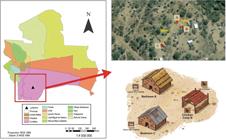
OBJECTIVES To analyse the micro-geographic genetic structure, mating systems, and demographic history of T. infestans in a rural community in the Bolivian Chaco.
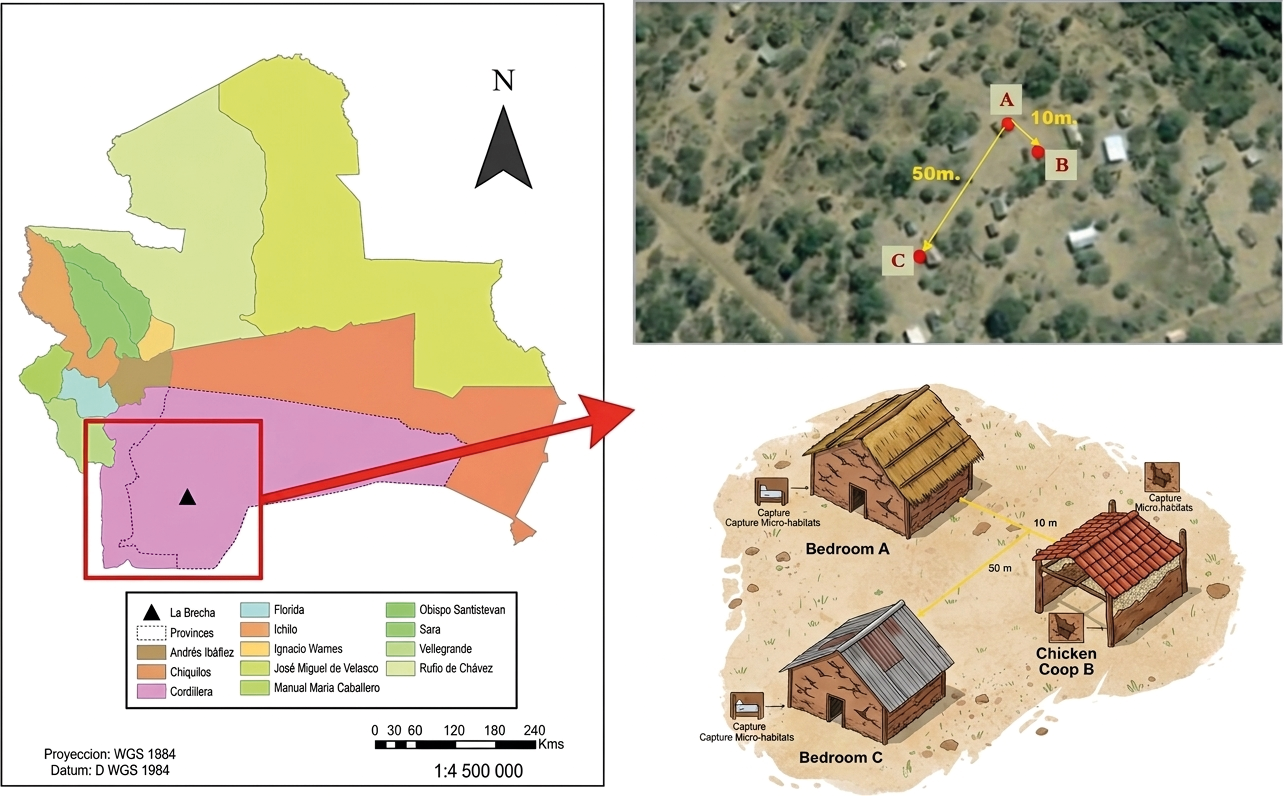
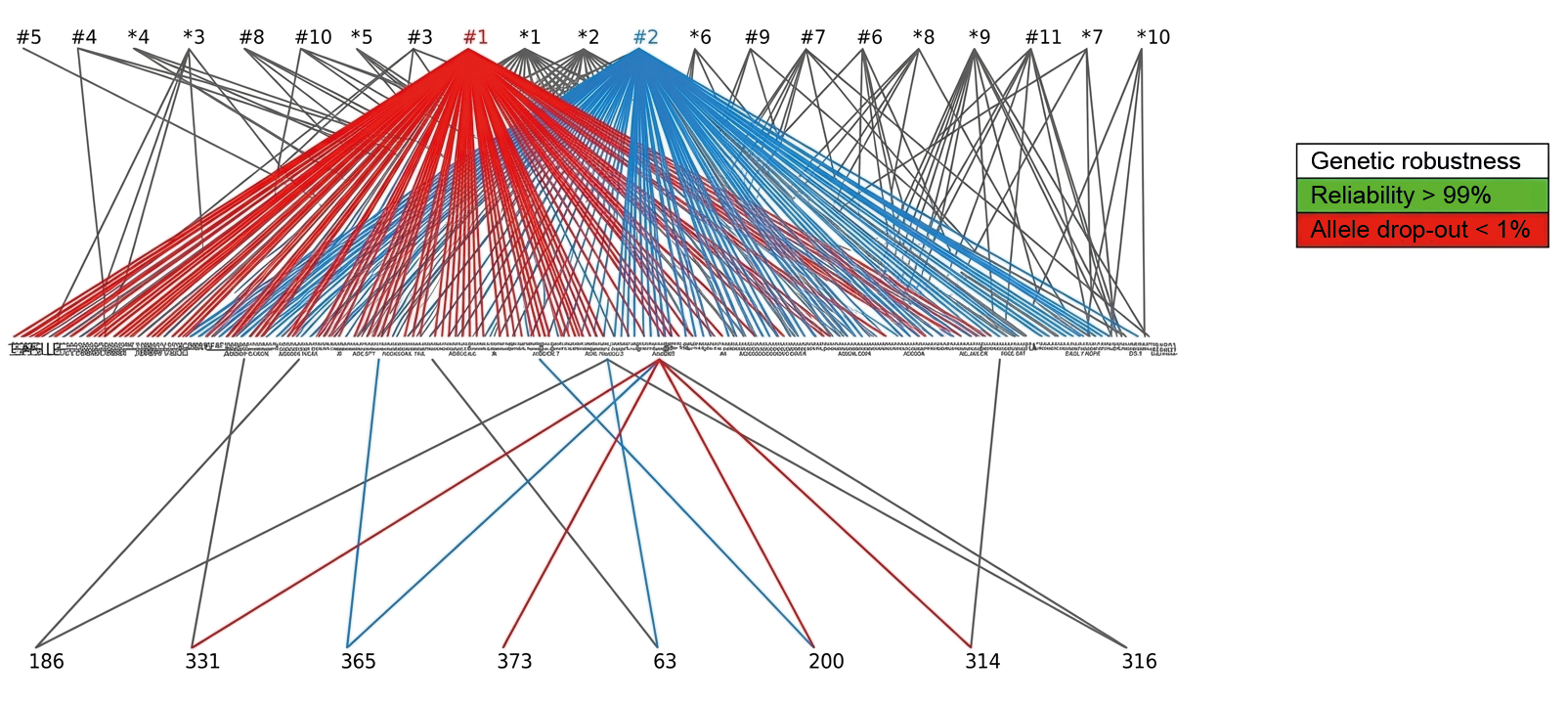
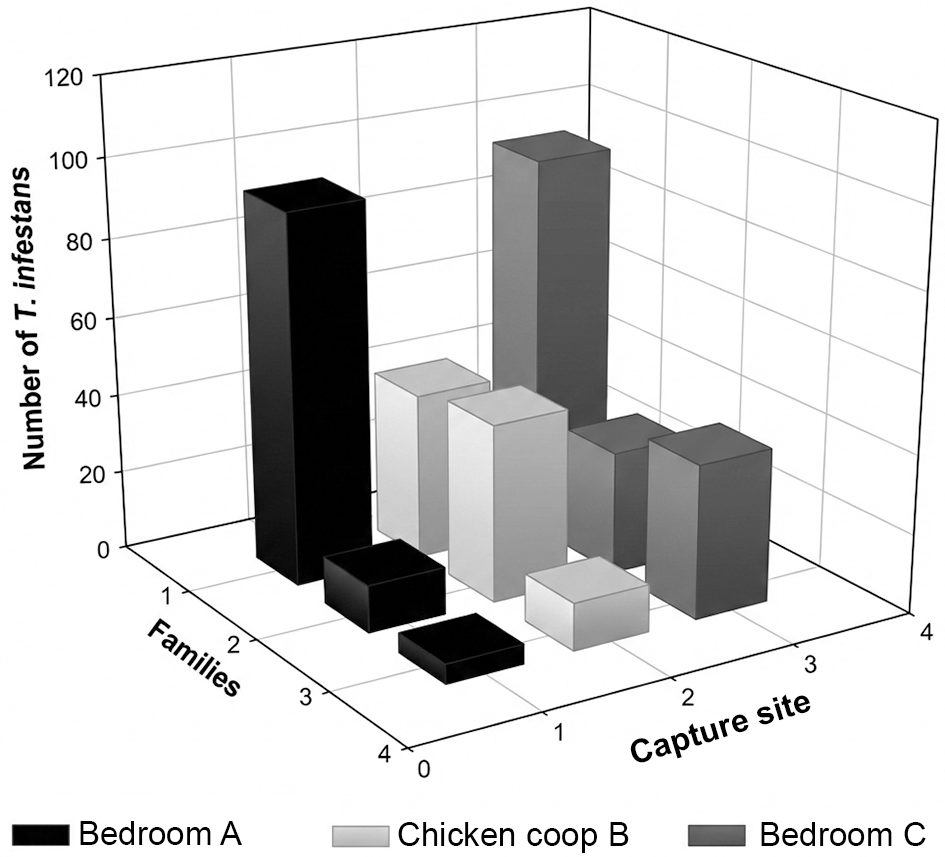
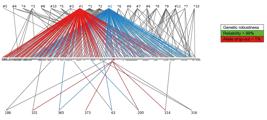
METHODS We genotyped 381 individuals from three neighbouring structures (domiciliary and peridomestic) using eight highly polymorphic microsatellite loci (expected heterozygosity, HE = 0.675). Genealogical relationships were reconstructed using maximum likelihood (ML) analysis (COLONY), and demographic history was inferred through heterozygosity tests.
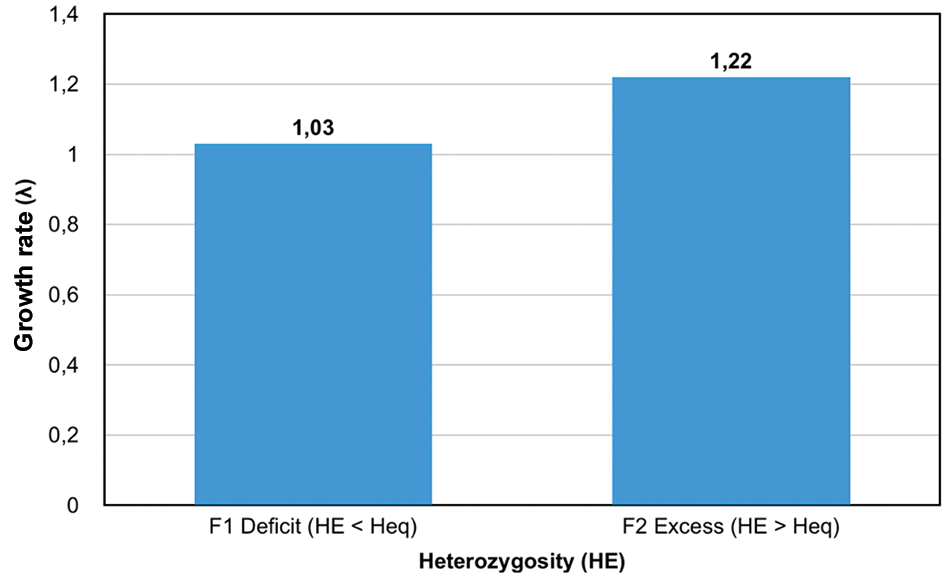
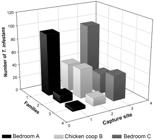
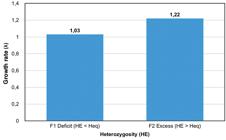
FINDINGS The infestation comprised 42 distinct full-sibling families nested within a single colony. We observed a stark dichotomy: two dominant families (> 80 individuals) exhibited monogamy and signs of distinct demographic histories (one in expansion, one recovering from a bottleneck), while 40 minor families showed high promiscuity (polygyny/polyandry). Finite growth rates varied significantly (λ = 1.03 vs 1.22), evidencing active intra-colonial competition.
MAIN CONCLUSIONS Domestic populations are not random aggregates, but complex mosaics of coexisting lineages with different adaptive strategies. The dominance of monogamous families suggests a priority effect advantage, while the "tail" of promiscuous minor families represents a cryptic reservoir. Effective control must account for this structural resilience, as surviving minor lineages could rapidly recolonise the niche.
Key words:
Chagas disease;
Triatoma infestans
; genetic structure; mating systems; vector control; Bolivia
 Thumbnail
 Thumbnail
 Thumbnail
 Thumbnail