 Evaluation of a new rapid diagnostic test, based on the chimeric protein Q5, for the diagnosis of human and canine forms of visceral leishmaniasis
Abstract
BACKGROUND Visceral leishmaniasis (VL), caused by Leishmania infantum, is the most severe form of leishmaniasis, prevalent in many countries, but still with limitations in diagnosis for both human and canine hosts. Serological assays based on recombinant proteins are the most efficient diagnostic alternatives, with the rapid diagnostic test (RDT) being the most cost-effective. The previously described chimeric Q5 is a recombinant protein derived from three native L. infantum antigens, which is potentially useful for both human and canine VL diagnosis, through preliminary enzyme-linked immunosorbent assay (ELISA), but which was not evaluated within an RDT setting.
OBJECTIVES To evaluate the diagnostic performance of the chimeric recombinant protein Q5 in both ELISA and RDT formats for the detection of human and canine VL, and to compare its performance with RDTs based on Lci2 and Lci13 antigens.
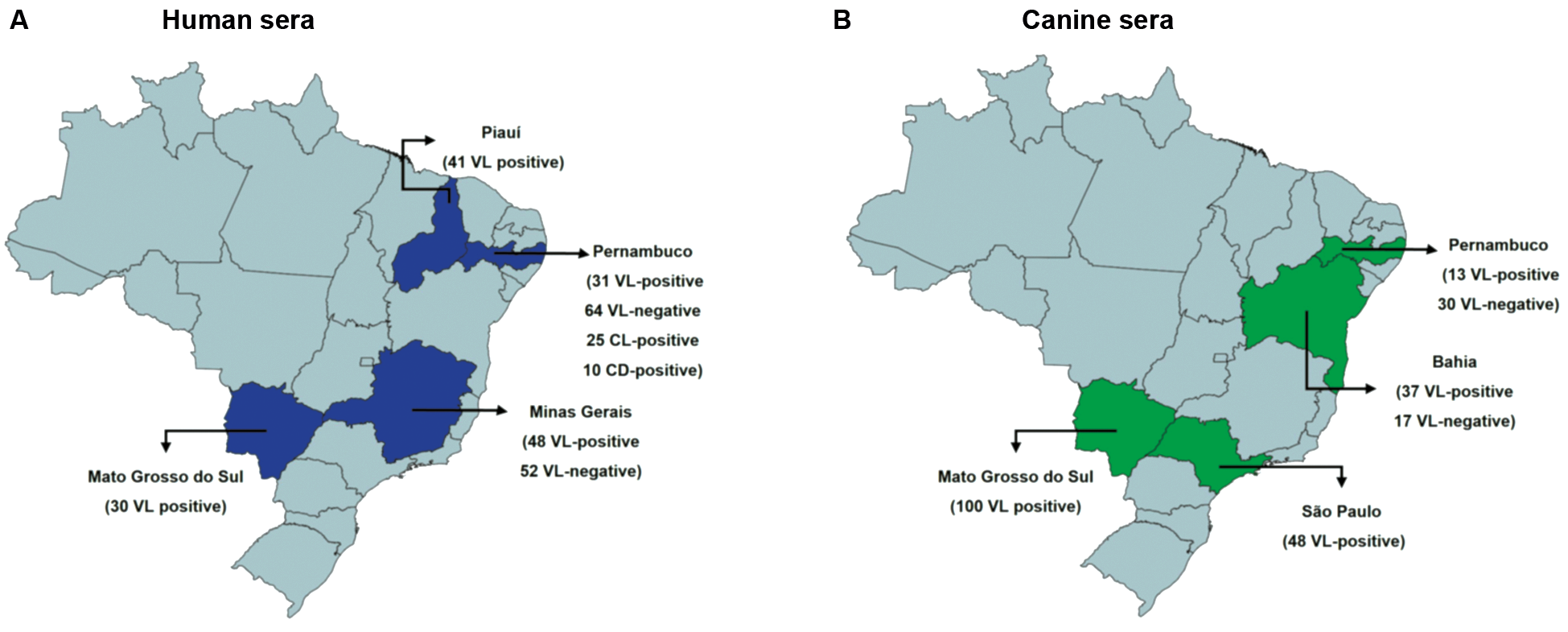
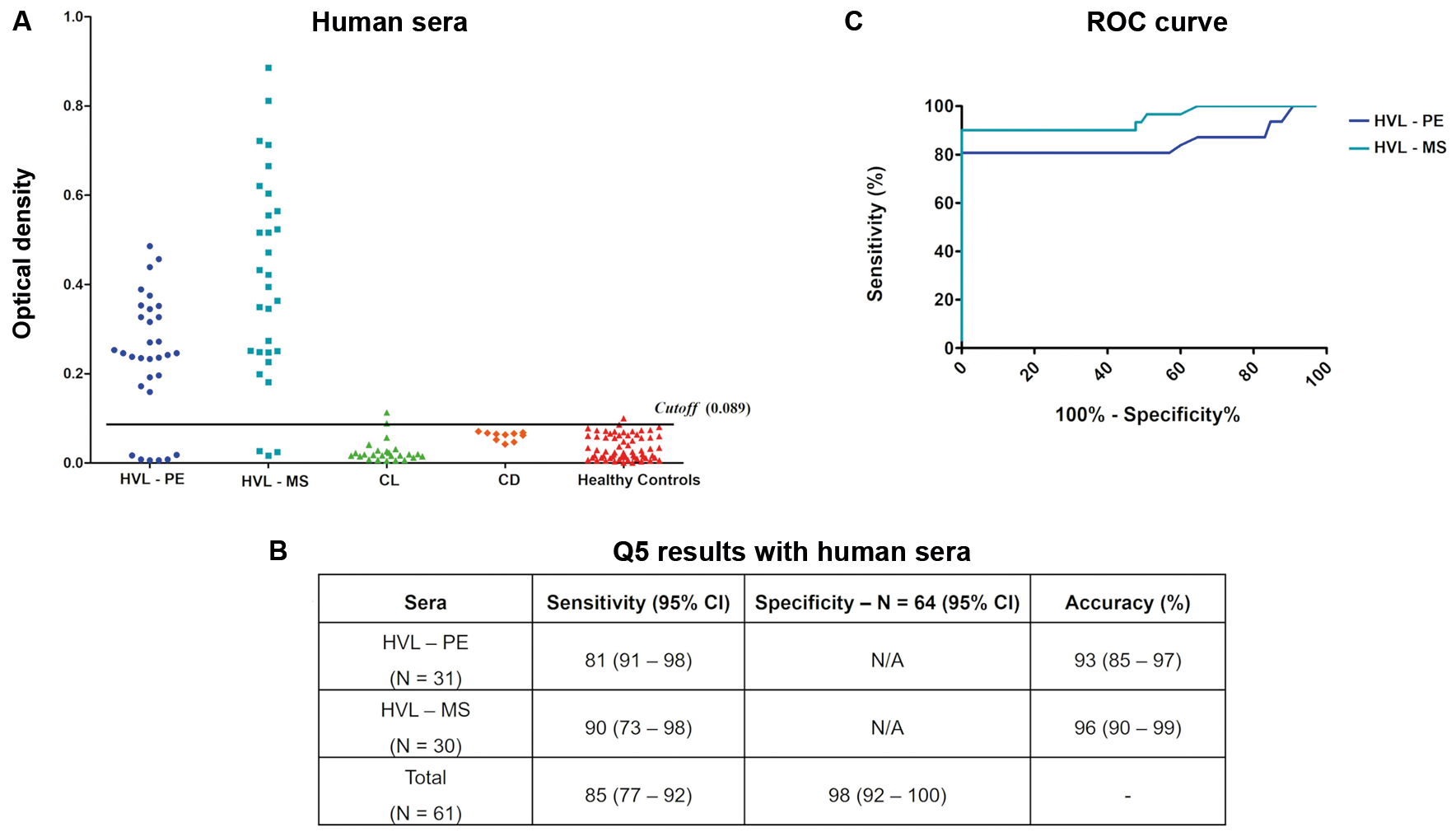
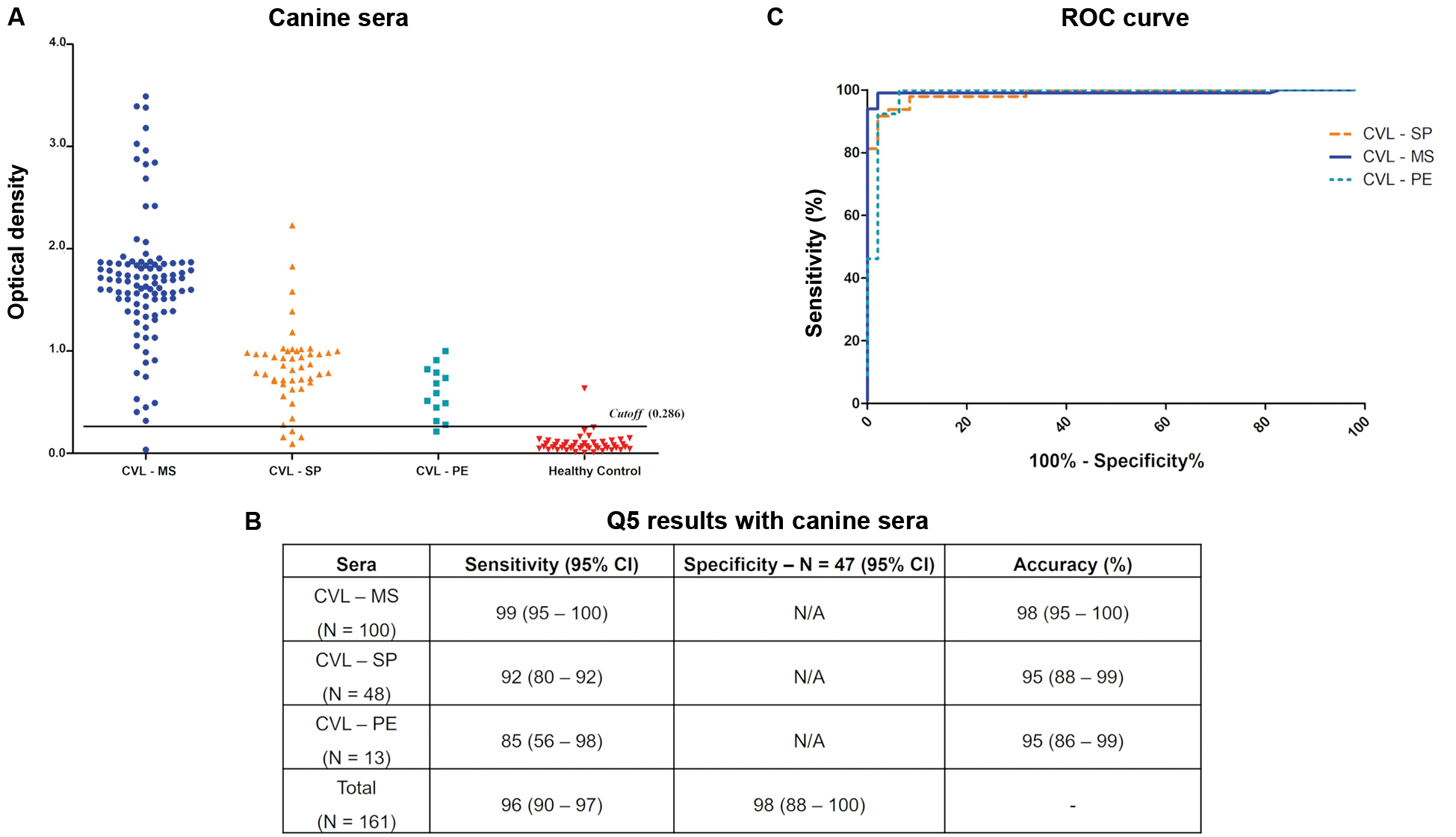
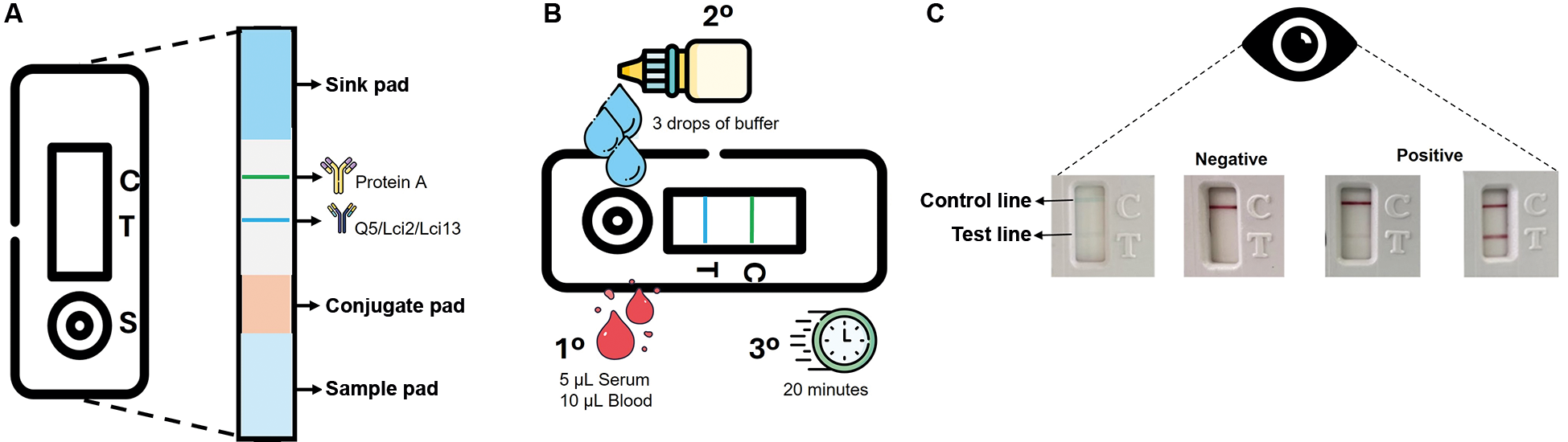
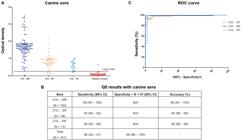
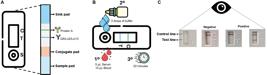
METHODS Here, we first expanded the Q5 evaluation through ELISA with a larger set of human and canine VL-positive sera from multiple origins. We confirmed a sensitivity ranging between 80% and 90% for the human VL and greater than 90% with the canine VL sera. A new RDT-Q5 was then set up and tested with multiple batches of human and canine sera.
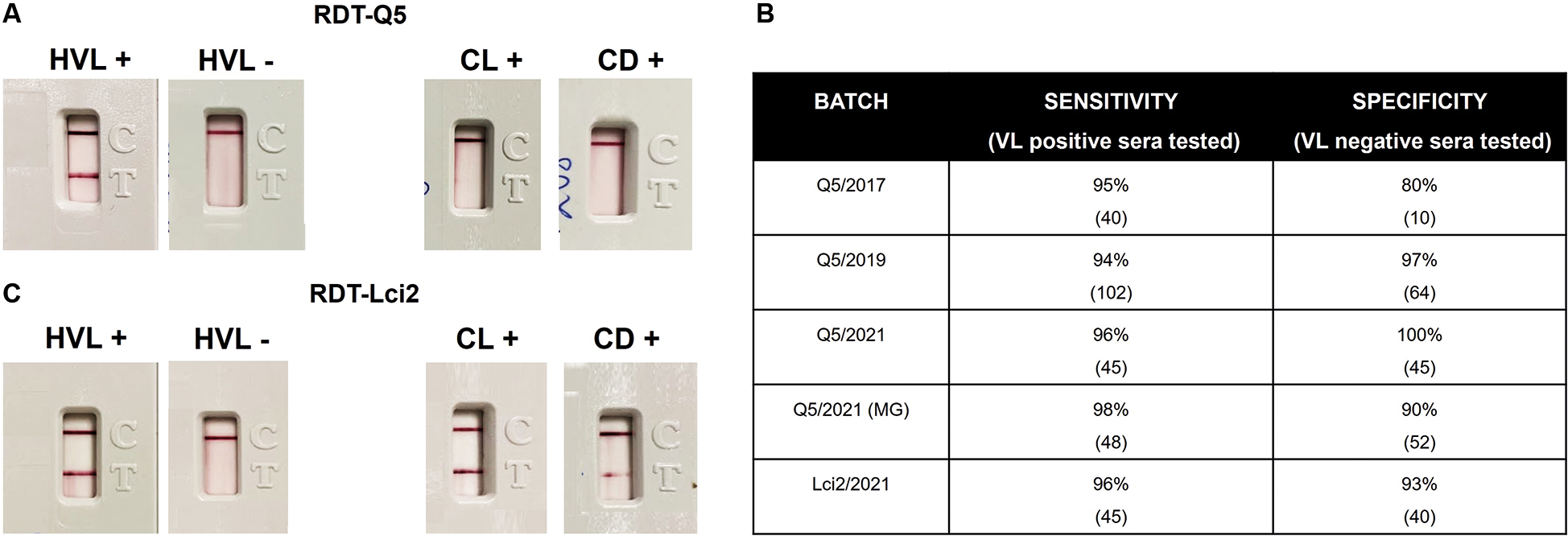
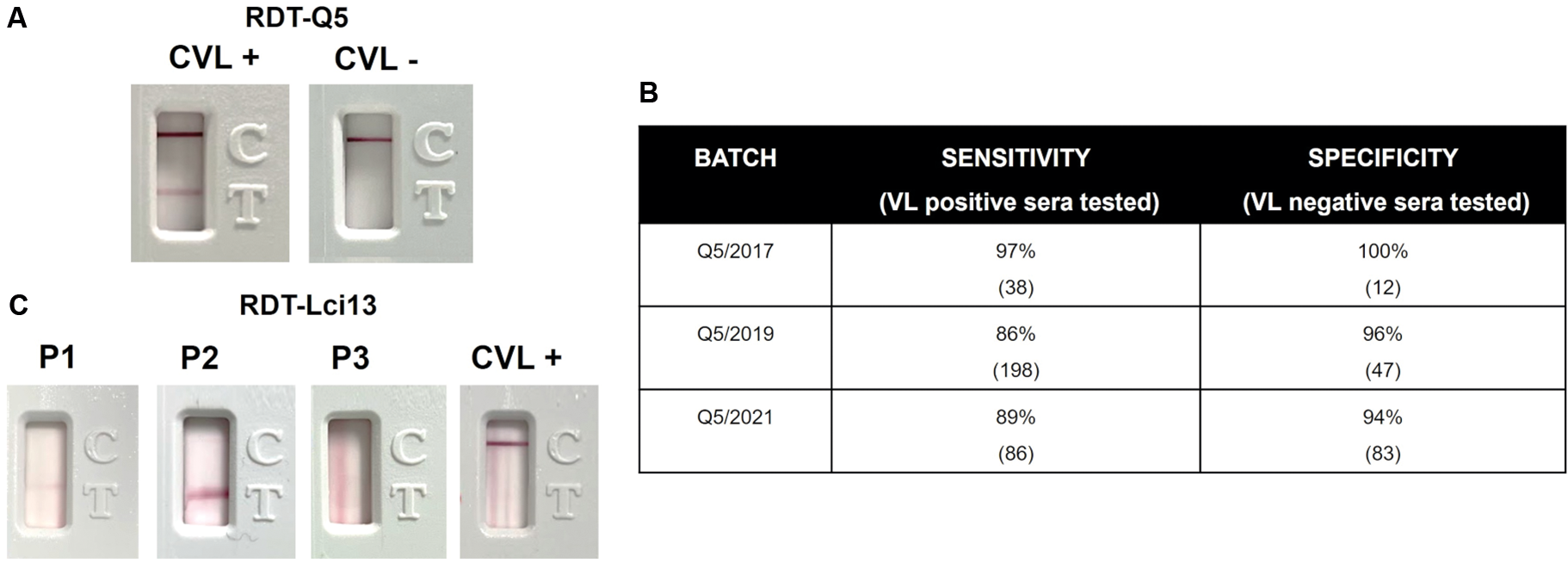
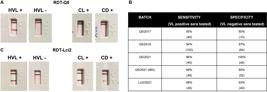
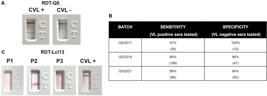
FINDINGS An improved performance was seen for the human VL diagnosis (94% sensitivity), but it was reduced with canine sera (86% sensitivity). Specificity values for both the ELISA-Q5 and RDT-Q5 were generally greater than 95%, with limited (8%) or no false-positive results with human sera from individuals with cutaneous leishmaniasis (CL) and Chagas disease (CD), respectively. The RDT-Q5 performance was compared with RDTs based on two other recombinant proteins, Lci2 and Lci13, tested respectively for the human and canine VL diagnosis.
MAIN CONCLUSIONS Despite an equivalent performance for the human VL diagnosis, the RDT-Lci2 led to a much greater incidence of false-positive results with the CL and CD sera. In contrast, no setup for the RDT-Lci13 was effective with the canine sera. Our results confirm the RDT-Q5 as an efficient alternative for the VL diagnosis in the field, particularly for the human form of the disease.
Key words:
RDT; ELISA; visceral leishmaniasis; recombinant protein
 Thumbnail
 Thumbnail
 Thumbnail
 Thumbnail
 Thumbnail
 Thumbnail