
 ATTITUDES TOWARDS DISABILITIES AND INCLUSIVE METHODOLOGIES IN PHYSICAL EDUCATION LESSONS: SYSTEMATIC REVIEW
Abstract
INTRODUCTION. Inclusive Education model is defined as a teaching model that advocates equal opportunities for all students, especially those with disabilities or specific requirements. This systematic review aims to comprehensively examine the attitudes of Physical Education teachers towards disability. METHOD. The PRISMA methodology was employed to ensure a rigorous and transparent review process. The search terms used included “Physical Education”, “Disability”, “Inclusive Methodolog*”, and “Intervention Program”. A systematic search of databases such as PubMed, Web of Science, and Scopus was conducted to identify relevant studies published until 2023. RESULTS. The findings revealed a diverse spectrum of attitudes among Physical Education teachers towards disability, ranging from inclusive to more traditional and integrative perspectives. DISCUSSION. The findings underscore the importance of targeted interventions, including professional development and experiential learning, in promoting positive attitudes among the educative community.
Keywords
Physical Education; Psychosocial health; Disability; Inclusion
Resumo
INTRODUÇÃO. O modelo de Educação Inclusiva é definido como um modelo de ensino que advoga pela igualdade de oportunidades para todos os alunos, especialmente para aqueles com deficiências ou necessidades específicas. Esta revisão sistemática pretende examinar exaustivamente as atitudes dos professores de educação física em relação à deficiência. MÉTODO. A metodologia PRISMA foi utilizada para garantir um processo de revisão rigoroso e transparente. Os termos de busca utilizados incluíram "Physical Education", "Disability", "Inclusive Methodolog*" e "Intervention Program". Foi realizada uma busca sistemática em bases de dados como PubMed, Web of Science e Scopus para identificar estudos relevantes publicados até 2023. RESULTADOS. Os achados revelaram um espectro diverso de atitudes entre os professores de educação física em relação à deficiência, que vão desde perspectivas inclusivas até perspectivas mais tradicionais e integradoras. DISCUSSÃO. Os resultados destacam a importância de intervenções específicas, incluindo desenvolvimento profissional e aprendizagem experimental, na promoção de atitudes positivas entre a comunidade educacional.
Palavras-chave
Educação Física; Saúde Psicossocial; Deficiência; Inclusão
Resumen
INTRODUCCIÓN. El modelo de Educación Inclusiva se define como un modelo de enseñanza que aboga por la igualdad de oportunidades para todos los alumnos, especialmente para aquellos con discapacidades o necesidades específicas. Esta revisión sistemática pretende examinar exhaustivamente las actitudes de los profesores de educación física hacia la discapacidad. MÉTODO. Se empleó la metodología PRISMA para garantizar un proceso de revisión riguroso y transparente. Los términos de búsqueda utilizados incluyeron “Physical Education”, “Disability”, “Inclusive Methodolog*” y “Intervention Program”. Se realizó una búsqueda sistemática en bases de datos como PubMed, Web of Science y Scopus para identificar estudios relevantes publicados hasta 2023. RESULTADOS. Los hallazgos revelaron un espectro diverso de actitudes entre los profesores de educación física hacia la discapacidad, que van desde perspectivas inclusivas hasta perspectivas más tradicionales e integradoras. DISCUSIÓN. Los resultados subrayan la importancia de las intervenciones específicas, incluyendo el desarrollo profesional y el aprendizaje experimental, en la promoción de actitudes positivas entre la comunidad educativa.
Palabras clave
Educación Física; Salud Psicosocial; Discapacidad; Inclusión
1 INTRODUCTION
The Inclusive Education (IE) model is characterized as an instructional approach advocating for equal opportunities for all students, focusing on those with disabilities or specific requirements (Erkilic; Durak, 2013). IE encompasses processes designed to eliminate or reduce barriers hindering the active participation and learning of students, integrating cultural, social, practical, and political dimensions (Ainscow; Booth, 2015). The model strives for quality education for all students, paying special attention to those in vulnerable situations. However, it emphasizes recognising that each student requires tailored attention due to different capacities, learning paces, and needs (Hayes; Bulat, 2017). In IE projects, direct contact and active involvement of students with disabilities are emphasized as effective measures to reduce discrimination and prejudice (Ocete Calvo; Pérez Tejero; Coterón López, 2015). The success of the IE model hinges significantly on the attitudes of teachers, families, and peers, even when proper curricular adaptations are in place (Arias González et al., 2016). Therefore, the key to success in the IE model lies in the attitudes of teachers, with the term “inclusion” being a subject of extensive debate in the educational field (Gamonales, 2016).
The initial definition of attitudes included cognitive, affective, motivational, and behavioural components, defining it as “a mental and neural state of readiness, organized through experience, exerting a directive and dynamic influence upon the individual’s response to all objects and situations with which it is related” (Allport, 1935). Consequently, teacher attitude is described as the combination of perceptions, beliefs, and feelings about the teaching-learning process for all students (Granada Azcárraga; Pomés Correa; Sanhueza Henríquez, 2013). A positive and proactive attitude toward disability and diversity is considered the base for a successful IE process (Martínez Martín; Bilbao León, 2011; Gamonales, 2016). Promoting activities that allow participants to experience and learn about disability, particularly within the Physical Education (PE) subject, is identified as a crucial method to enhance attitudes towards individuals with disabilities in educational settings (Ocete Calvo; Pérez Tejero; Coterón López, 2015; Reina Vaíllo et al., 2016).
The scientific community has extensively studied teachers’ attitudes towards disability, conducting thorough analyses of the components influencing these attitudes across different contexts and educational levels, revealing significant differences (Domingo Martos; Pérez García; Domingo Segovia, 2019; Garc, 2017; Monjas et al., 2014). Some researchers contend that more highly trained teachers express dissatisfaction with the current rigid academic curriculum for developing IE methodologies (Domingo Martos; Pérez García; Domingo Segovia, 2019). Elementary and Primary Education levels, with greater teacher academic training and less pronounced student differences, exhibit more conformity, while Secondary Education levels highlight teacher training gaps and marked student disparities (Granada Azcárraga; Pomés Correa; Sanhueza Henríquez, 2013). Teaching attitudes are influenced by factors such as teaching experience, student characteristics, support and time resources, and teacher education and training (Granada Azcárraga; Pomés Correa; Sanhueza Henríquez, 2013). In the field of Physical Education, existing research indicates that adaptations and teaching agreements predominantly take an integrative rather than an inclusive approach due to teachers’ lack of specific educational training and limited access to suitable materials and facilities (Hodge et al., 2018).
Inclusive methodologies in PE aim to create an environment where all students can participate a benefit from physical activity. Previously, it has been debated about the importance of designing inclusive assessments and methodologies that are flexible and responsive to the individual needs of students, some of these strategies may include ongoing formative assessments, the use of assistive technology, and adjustments in test formats to ensure accessibility (Tai et al., 2023). Inclusive PE methodologies continue to evolve, but they are not differentiated from other educative interventions, individualised instructions may allow educators to adapt task to meet the diverse needs of students, while cooperative learning promotes cohesion and social integration (Bernard et al., 2019). Peer support, in which students with and without disabilities assist their peers, has been found to enhance engagement and promote positive attitudes toward inclusion (Obrusníková; Válková; Block, 2003).
Through a systematic review approach, this study aimed to examine the interest and scientific evolution of studies on attitudes towards disabilities and inclusive methodologies in PE. Consequently, recognizing the crucial role of teacher attitudes in the IE process, there is a need for a comprehensive and up-to-date systematic review to offer a panoramic view to the scientific and educational communities. This systematic review may contribute to the educative and scientific community by providing a comprehensive and up-to-date synthesis of research on attitudes toward disabilities and inclusive methodologies in PE, highlighting the role of the teacher attitudes in the success of IE processes. Due to the absence of a review article that analyses the different methodologies used in inclusive education processes, as well as their evolution over the years, it is considered necessary to conduct this systematic review.
2 MATERIALS AND METHODS
2.1 STUDY DESIGN
This systematic review of the literature was organized following the Preferred Reporting Items for Systematic Reviews and Meta-analyses (PRISMA) guidelines (Page et al., 2021). The authors designated the inclusion criteria and included experimental and quasi-experimental studies exploring the effects of virtual nature exposure during exercise on physiological parameters.
2.2 SELECTION CRITERIA
The quality based on the critical review form – quantitate or this systematic review, the following inclusion criteria were established: 1) The article should focus on inclusive programs developed in PE classes and discuss the attitudes toward disability among those involved; 2) The studies should mention the methodologies used during their IE programs; 3) qualitative or quantitative studies with an experimental or quasi-experimental design; 4) studies published in the English, Spanish, or Portuguese languages; 5) studies published up to 2023 (November, 21st); and 6) studies had to be of at least good methodological quality based on the critical review form – quantitative studies, a 16-item checklist developed by Law et al. (1988) used for this review.
Alternatively, studies were excluded if: 1) the full text was not available online or authors did not respond a request; 2) the measurement protocol and key methodological aspects were not specified; 3) Effects of attitudes towards disability in teachers other than Physical Education teachers were used; and 4) poor methodological quality studies used for this review.
2.3 DATA SOURCES AND SEARCH PROFILE
The electronic databases PubMed (MedLine), Science Direct (Scopus) and Web of Science, were chosen to identify relevant studies according to the investigation topic. Other secondary studies were obtained from alternative databases manually. This research was limited from 2014 to November 21st, 2023. To search for results, the following keywords were used “Physical Education”, “Disability”, “Inclusive Methodolog*” and “Intervention Program”. The Boolean AND and OR operators were used to combine the keywords. The same sentence combining the mentioned keywords were used in all databases to collect the documents (“Physical Education” AND “Disability” AND (“Inclusive Methodolog*” OR “Intervention Program”)). Figure 1 shows the flow diagram of the search process. Following the removal of duplicates, two authors independently reviewed the title and abstract of each study against the inclusion/exclusion criteria. Discrepancies in the authors’ lists of included studies were resolved through consensus. In the last phase of the search strategy, the reference lists of the included studies were examined to ensure saturation.

2.4 STUDIES SELECTION AND DATA EXTRACTION
The main author carried out the initial search. A database was created in a computer program (Excel 16.6, Microsoft, CA, USA), which included each document found in all the databases mentioned. In this database, the name of the database, the title of the article, the authors, the name of the journal in which it was published, and the year of publication was included. Then, duplicate manuscripts were eliminated, and the title and abstract of the remaining documents were read. The full text was read to verify that the proposed eligibility criteria are met to judge the article’s relevance. All data were independently extracted by two researchers, and, in case of disagreement, a consensus was found by a third reviewer. This study further adheres to the ethical standards in sports and exercise science research (Harriss; Jones; Macsween, 2022). Furthermore, to present the data in a clear and organized manner, the extracted information from the included studies has been separated into two distinct tables based on the nature of the variables. Table 1 focuses on general variables related to the identification and overall characteristics of the studies, such as the study ID, authors, title, journal (including impact factor), database, study design, abstract and aims, participants, and quality assessment. This categorization allows for a comprehensive overview of each study, facilitating comparisons in terms of publication quality, research design, and participant demographics. Table 2, on the other hand, presents the specific variables of each study, offering a more detailed analysis of the content and focus of the research. This includes the country, the variables and instruments employed, the intervention methodologies, attitudes toward disability assessed, and the principal outcomes. By separating the general and specific variables into different tables, this structure enables a systematic and focused review of both the broader study characteristics and the specific methodologies and findings related to inclusive practices and attitudes toward disability. This distinction helps to improve clarity and allows for easier cross-referencing of studies based on the level of detail required for the analysis.
2.5 STUDY QUALITY ASSESSMENT
The quality of the selected studies was assessed using the critical review form – quantitative studies, a 16-item checklist developed by Law et al. (1988), which has also been used in previous reviews (Gámez-Calvo et al., 2023). The authors are aware that, particularly when considering randomized controlled trials, a risk of bias assessment may be preferable to a checklist that sums up components into a single score. A binary scale was used to grade each item on the checklist (0 = no, 1 = yes). “Not applicable” was an option for items 6 and 13. The quality score was calculated by dividing the total score for each study by the highest possible score for that study. The score, which was expressed as a percentage, that indicated the methodological quality of the studies. The resulting percentage had the following meanings: poor methodological quality ≤50.99; adequate methodological quality 51-74.99; and excellent methodological quality >75 (Sarmento et al., 2018). Two reviewers separately assessed the quality of the work. Discussions were used to resolve disagreements between the reviewers.
The risk of bias of the selected studies was assessed using the Cochrane Risk of Bias tool (RoB), a standardized method for assessing the risk of bias in randomized controlled trials and is increasingly being adapted for observational and quasi-experimental studies. It evaluates several domains, including selection bias, performance bias, detection bias, attrition bias, and reporting bias, which may threaten the internal validity of a study (Higgins et al., 2011). Each domain is rated as having a low, high, or unclear risk of bias, based on whether the study design and conduct have adequately addressed potential biases. The quality assessment and the risk of bias are shown in Table 1 and Table 2.
3 RESULTS
As shown in Table 1, the risk of bias assessment revealed several concerns across the studies reviewed. Most studies, including those by Abellán Hernández, Hernández Martínez (2016) and Felipe Rello, Garoz Puerta and Tejero González (2018), exhibited unclear selection bias due to insufficient reporting on randomization methods. Additionally, all studies showed high performance and detection bias as blinding of participants, staffs, and outcome assessors was generally not implemented, which could influence the participants’ behavior and the outcome evaluation. Despite low attrition and reporting bias in most cases, the overall risk of bias was elevated in studies like Alhumaid (2023) and Reina et al. (2021) due to the lack of blinding procedures. These factors suggest that the findings of these studies should be interpreted with caution, as the presence of bias may affect the internal validity of their results.
Regarding the methodological quality analysis the articles included in the review were assessed according to several criteria: the purpose of the study (Q1), the relevance of the background literature (Q2), the suitability of the study design (Q3), the study sample (Q4 and Q5), the use of informed consent (Q6), outcome measures (Q7 and Q8), description of the method (Q9), significance of the results (Q10), description of dropouts (Q13), practical consequences (Q15), and study limitations (Q16). For more information see Table 2.
As shown in Figure 1, after evaluating 57 identified studies, 35 were excluded based on title or abstract, and 6 by duplicity. The remaining 29 studies were examined in full text, of which only 8 articles fulfilled the inclusion criteria. Studies were excluded after full-text reading for not meeting the previously mentioned inclusion criteria. The mean methodological quality score of the included studies was 76,25%. No article was excluded due to low quality. The most common items to lose quality points on were items 4 and 5: specify any biases that may have been operating and the direction of their influence on the results and justification of the study sample size. The total documents included in this systematic review are shown in Tables 3 and 4.
The studies explored the effect in male (n = 1368, 50.55%) female (n = 1276, 47.5%), and no mentioned gender (n = 62, 1.95%) participants. The sample of this systematic review was mostly students (n = 2602, 96.1%), followed by PE teachers (n = 104, 3.9%). Concerning the studies’ design, most of the evidence was based on experimental or quasi-experimental design with pre-post-tests. The experimental designs comprised either one, two, or three experimental groups, and one control group assigning the participants to groups in which they participated in an intervention with direct contact, indirect contact, information about disability, or simulated activities. For more information, the interventions are detailed in Table 4.
4 DISCUSSION
The present study aimed to systematize the scientific knowledge reported to date concerning the attitudes towards disabilities and inclusive methodologies in Physical Education Lessons. The evidence published related to the aim of the study is relatively scarce and is characterized by its wide heterogeneity. The systematic review found that the current evidence of inclusive programs in PE lessons in scarce, coinciding with other previous reviews (Hernández-Beltrán et al., 2023; Felipe Rello; Garoz Puerta, 2014). Furthermore, the procedure used in the systematic review of the manuscripts has followed a similar procedure reported in the scientific literature (Hernández-Beltrán et al., 2023; Qi; Ha, 2012) regarding selecting the most suitable research-topic documents. Likewise, the process employed in the revision has been used previously for different authors from different scopes. The extracted data from the included studies provide insights into various intervention programs aimed at improving attitudes toward disability in the context of PE lessons. These studies, conducted in different countries and employing diverse methodologies, contribute valuable information to the ongoing exploration of effective strategies for promoting inclusivity in PE settings. Educators are encouraged to incorporate diverse intervention methodologies, such as combining theory and practice, to promote inclusivity. Researchers should focus on addressing the gaps in the literature by expanding the range of methodologies used.
Regarding the methodological quality and the risk of bias across the 8 included studies in this systematic review, the presence of some risk of bias in these studies is both common and acceptable given the nature of the research, which focuses on attitudes toward disability. Studies assessing attitudes often involve interventions where blinding of participants and personnel is challenging, if not impossible, as individuals are aware of the content and purpose of the intervention. Additionally, randomization procedures may be less stringent in educational and behavioral studies due to ethical and practical constraints. As a result, achieving a low risk of bias is difficult in this context, but such studies still provide valuable insights into how interventions can influence attitudes, even if complete elimination of bias is not feasible. Furthermore, the methodological quality was 76.25%, indicating a generally high level of methodological rigor. The articles authored by Reina et al. (Reina et al., 2021, 2022) demonstrated the highest methodological quality among the included studies in this systematic review. This observation highlights the rigor and robustness of these contributions, suggesting a commendable adherence to methodological standards. Researchers and practitioners may find value in considering and building upon the methodological strengths evident in this work when exploring interventions related to attitudes towards disability in future studies. Additionally, no articles were excluded based on low quality, underscoring the overall robustness of the selected studies. Educators and practitioners should prioritize interventions grounded in high-quality research to ensure effective outcomes. For future researchers, a focus on maintaining and improving methodological rigor will be crucial in building reliable evidence in this field.
The collective evidence draws from a diverse participant pool, encompassing male (50.55%), female (47.5%), and unspecified gender (1.95%) categories, providing a well-rounded exploration of the impact under consideration. Most participants were students (96.1%), followed by PE teachers (3.9%). With the broadest sample size, the study (Reina et al., 2021) encompassing 1105 participants (574 boys and 531 girls) aged between 11 to 16 years, alongside 56 PE teachers, stands out. This sizable and diverse cohort, comprising both students and educators, contributes significantly to the breadth and comprehensiveness of the research. The inclusion of a substantial number of participants enhances the generalizability of the findings, providing a robust foundation for insights into attitudes towards disability in the context of PE (Hopkins, 2018). Researchers may find the results from this study particularly valuable for informing future interventions and practices aimed at fostering positive attitudes in diverse populations within educational settings. In terms of study design, a predominant reliance on experimental or quasi-experimental designs with pre-posttests was observed. Regarding the country where the studies were conducted, Spain stands out with 5 studies, followed by Saudi Arabia with 2 studies, and Greece with only 1 study. Researchers should consider expanding the geographic scope of future studies to provide a more global understanding of inclusive methodologies in PE. Educators, meanwhile, should be mindful of cultural contexts when implementing inclusion strategies, ensuring their applicability across different educational settings.
The first study focused on a sensitization-based intervention involving motor games to enhance attitudes toward disability among future PE teachers (Abellán Hernández; Hernández Martínez, 2016). The findings indicate a lack of significant improvements in attitudes, raising questions about the efficacy of the specific intervention. On the other hand, another study investigated the impact of an intervention program on students’ attitudes and intentions toward inclusive PE (Bebetsos; Derri; Vezos, 2017). The study utilized the Theory of Planned Behavior and found that most non-disabled students developed positive attitudes, emphasizing the role of experiential learning and modern educational approaches. Educators should consider experiential learning and modern educational theories like the Theory of Planned Behavior to foster positive attitudes. Researchers may want to explore why some interventions fail to generate significant improvements to refine future methodologies.
Felipe Rello, Garoz Puerta and Tejero González (2018) conducted a comparative analysis of three educational programs designed to enhance attentiveness and positive attitudes toward people with disabilities. The study suggested that combining different techniques, particularly direct and indirect contact with people with disabilities, had a slightly superior and longer-lasting effect on students’ attitudes. This is the only article that features three experimental groups and one control group, examining the differences among three different intervention programs that combine theoretical classes, practical sessions, and contact with individuals with disabilities. Similarly, Reina et al. (2022) explored the effects of modifying contact, duration, and teaching strategies in awareness interventions on attitudes toward inclusion in PE. The findings underscore the importance of contact with para-athletes during interventions in improving attitudes. Later, in another study, Reina et al. (2021) focused on the influence of a teacher-designed disability awareness program on students’ attitudes toward inclusion. The study demonstrated that in-service PE teachers attending a face-to-face training program positively influenced their students’ attitudes toward inclusion using awareness interventions. For educators, incorporating direct contact with individuals with disabilities, including para-athletes, can be an effective strategy in PE.
Pérez-Tejero et al. (2022) analyzed the effects of an awareness program toward disabilities in PE. The study, employing Basic Psychological Needs satisfaction measures, indicated no significant improvements in the analyzed variables, emphasizing the need for further research on intervention efficacy. In Saudi Arabia, Alhumaid, Khoo and Bastos (2022) explored the experiences of an adapted physical activity intervention program on pre-service PE teachers’ self-efficacy toward inclusion. The study indicated positive attitudes toward inclusive education, suggesting the success of the intervention in enhancing self-efficacy. Later, Alhumaid (2023) focused on enhancing graduate students’ attitudes and self-efficacy toward inclusively teaching children with disabilities. The study utilized an inclusive physical activity intervention program and found improvements in participants’ attitudes, although not statistically significant.
The included studies highlight the importance of contact with individuals with disabilities, as a key factor in designing successful programs to improve attitudes in PE lessons, it can also significantly enhance teachers’ understanding and empathy, in line with what has been previously stated in the scientific literature (Felipe Rello; Garoz Puerta; Tejero González, 2018; Reina et al., 2021). Implementing a combination of theoretical and practical sessions within teacher training programs can also be beneficial. This approach allows educators to engage in hands-on experiences that directly challenge preconceived notions about disability (Bebetsos; Derri; Vezos, 2017). Furthermore, adopting modern educational frameworks like the Theory of Planned Behavior can guide teachers in shaping their attitudes and intentions towards inclusive practices (Alhumaid; Khoo; Bastos, 2022). Finally, ongoing professional development that emphasizes high-quality research and intervention methodologies will ensure that PE teachers are well-equipped to foster inclusivity within their classrooms, ultimately benefiting all students, agreeing with what has been previously stated (Hernández-Beltrán et al., 2023; Pérez-Tejero et al., 2022). By integrating these strategies, PE teachers can create a more inclusive and supportive environment for students with disabilities.
While this study presents some evidence on the effectiveness of different interventions in improving attitudes towards disability, these findings must be seen as having some limitations. Due to the wide range and heterogeneity of the participants’ characteristics, the variety in methodologies, intervention types, and the different measurements across studies underscores the complexity of addressing attitudes toward disability in diverse educational contexts. Furthermore, it should be noted as a limitation the scarcity of published scientific studies on the study topic that implement an intervention program, as well as the lack of studies in different countries or globally. This systematic review makes significant contributions to the existing literature on disability and inclusive methodologies in PE by systematically collecting and summarizing findings from various studies. Previous research has highlighted the challenges of implementing inclusive practices. By synthesizing data from diverse educational settings and methodologies, this review provides a clearer understanding of effective strategies for fostering positive attitudes towards disability among educators. Furthermore, it identifies gaps in the literature, emphasizing the need for further research on the efficacy of various intervention programs and the importance of contact with individuals with disabilities. Further research is needed to explore the specific factors contributing to intervention effectiveness, such as the duration, quality of contact, and personal interactions with individuals with disabilities. Additionally, the role of teacher training and its impact on students’ attitudes necessitates continued investigation for the development of evidence-based practices in inclusive PE education.
5 CONCLUSIONS
After reviewing the literature, the scientific exploration of intervention programs aimed at improving attitudes toward disability in PE lessons reveals valuable insights and diverse findings. The studies discussed underscore the multifaceted nature of interventions, employing various strategies, including sensitization-based programs, Theory of Planned Behavior, and contact with individuals with disabilities, particularly para-athletes. While some studies demonstrate positive outcomes, such as the students developing favorable attitudes through experiential learning and modern educational approaches, others reveal challenges in achieving significant improvements in attitudes. The importance of direct contact with people with disability during interventions emerges as a consistent theme, emphasizing the significant role of experiential learning in shaping attitudes toward disability. Moreover, the role of teacher training in influencing students’ attitudes toward inclusion is a crucial aspect that warrants continued investigation. However, these results should be treated with caution due to the limited scientific literature found and the reduced evidence on the study topic. Given these findings, it is essential for educators to integrate experiential learning opportunities in PE settings, allowing students to interact directly with individuals with disabilities to foster a deeper understanding and empathy. Schools should consider collaboration with para-athletes or disability sports organizations to organize inclusive events. Additionally, comprehensive teacher training programs focusing on inclusion and adaptive techniques should be mandated for all Physical Education instructors, as teachers play a vital role in shaping students’ perspectives. Future research should focus on the long-term impact of these interventions, examining how sustained exposure to inclusive practices affects student attitudes over time. Expanding the scope of research to diverse educational contexts and using experimental designs, such as randomized controlled trials, would also provide more robust evidence. Moreover, investigating how teacher attitudes influence the success of inclusion efforts could lead to the development of more targeted training programs that address educators’ own biases and equip them with the skills to create inclusive environments.
FUNDING
RESEARCH ETHICS
HOW TO CITE
REFERENCES
-
ABELLÁN HERNÁNDEZ, Jorge; HERNÁNDEZ MARTÍNEZ, Andrea. Los juegos motores sensibilizadores y su efecto en las actitudes hacia la discapacidad mostradas por futuros maestros de Educación Física. Sportis. Scientific Journal of School Sport, Physical Education and Psychomotricity, v. 2, n. 1, p. 93–106, 2016. DOI: https://doi.org/10.17979/sportis.2016.2.1.1443
» https://doi.org/10.17979/sportis.2016.2.1.1443 -
AINSCOW, Mel; BOOTH, Tony. Guía para la educación inclusiva desarrollando el aprendizaje y la participación ciudadana em los centros escolares Madrid: ReDeSoc; Cepal, 2015. Available at: https://dds.cepal.org/redesoc/publicacion?id=4160 Accessed on: March 22, 2024
» https://dds.cepal.org/redesoc/publicacion?id=4160 -
ALHUMAID, Majed M. Enhancing graduate students’ attitudes and self-efficacy towards inclusively teaching children with disabilities using an inclusivity-based physical activity program. International Journal of Human Movement and Sports Sciences, v. 11, n. 5, p. 1158–1167, 2023. DOI: https://doi.org/10.13189/saj.2023.110525
» https://doi.org/10.13189/saj.2023.110525 -
ALHUMAID, Majed M.; KHOO, Selina; BASTOS, Tânia. Experiences of an adapted physical activity intervention program in saudi pre-service Physical Education teachers’ self-efficacy towards inclusion. The Open Sports Sciences Journal, v. 15, n. 1, p. 1–10, 2022. DOI: https://doi.org/10.2174/1875399X-v15-e2206270
» https://doi.org/10.2174/1875399X-v15-e2206270 - ALLPORT, Gordon W. Attitudes. In: MURCHISON, C. A handbook of social psychology Worcester: Clark University Press, 1935. p. 798–844.
-
ARIAS GONZÁLEZ, Víctor et al. Evaluación de actitudes de los profesionales hacia las personas con discapacidad. Siglo Cero. Revista Española sobre Discapacidad Intelectual, v. 47, n. 2, p. 7, 2016. DOI: https://doi.org/10.14201/scero2016472741
» https://doi.org/10.14201/scero2016472741 -
BEBETSOS, Evangelos; DERRI, Vasilikis; VEZOS, Nikolaos. Can an intervention program affect students’ attitudes toward inclusive Physical Education? An application of the “Theory of planned behavior. Journal of Psychiatry, v. 20, n. 6, 2017. DOI: https://doi.org/10.4172/2378-5756.1000429
» https://doi.org/10.4172/2378-5756.1000429 -
BERNARD, Robert M. et al. Twenty-first century adaptive teaching and individualized learning operationalized as specific blends of student-centered instructional events: a systematic review and meta-analysis. Campbell Systematic Reviews, v. 15, n. 1-2, p. e1017, 2019. DOI: https://doi.org/10.1002/cl2.1017
» https://doi.org/10.1002/cl2.1017 -
DOMINGO MARTOS, Lorena; PÉREZ GARCÍA, Maria Purificación; DOMINGO SEGOVIA, Jesus. Miradas críticas de los profesionales de la educación ante las respuestas educativas al reto de la inclusión en la escuela andaluza. Education Policy Analysis Archives, v. 27, p. 118, 2019. DOI: https://doi.org/10.14507/epaa.27.4185
» https://doi.org/10.14507/epaa.27.4185 -
ERKILIC, Mualla; DURAK, Selen. Tolerable and inclusive learning spaces: an evaluation of policies and specifications for physical environments that promote inclusion in Turkish Primary Schools. International Journal of Inclusive Education, v. 17, n. 5, p. 462–479, 2013. DOI: https://doi.org/10.1080/13603116.2012.685333
» https://doi.org/10.1080/13603116.2012.685333 -
FELIPE RELLO, Carlos; GAROZ PUERTA, Ignacio. Actividad físico-deportiva en programas de cambio de actitudes hacia la discapacidad en edad escolar: Una revisión de la literatura. Cultura, Ciencia y Deporte, v. 9, n. 27, p. 199–210, 2014. Available at: https://dialnet.unirioja.es/servlet/articulo?codigo=5101717 Accessed on: March 22, 2024
» https://dialnet.unirioja.es/servlet/articulo?codigo=5101717 -
FELIPE RELLO, Carlos, GAROZ PUERTA, Ignacio; TEJERO GONZÁLEZ, Carlos Maria. Análisis comparativo del efecto de tres programas de sensibilización hacia la discapacidad en Educación Física. Retos, v. 34, p. 258–262, 2018. DOI: https://doi.org/10.47197/retos.v0i34.59889
» https://doi.org/10.47197/retos.v0i34.59889 -
GÁMEZ-CALVO, Luisa et al. Análisis de la salud oral en deportistas de Olimpiadas Especiales con discapacidad intelectual. Retos, v. 49, p. 485–501, 2023. DOI: https://doi.org/10.47197/retos.v49.97417
» https://doi.org/10.47197/retos.v49.97417 -
GAMONALES, José Martín. La Educación Física como herramienta de inclusión. Publicaciones Didácticas, n. 70, p. 26–33, Mayo 2016. Available at: https://core.ac.uk/download/pdf/235859913.pdf Accessed on: March 22, 2024
» https://core.ac.uk/download/pdf/235859913.pdf -
GARC, Huete. Las personas con discapacidad en la escuela. Luces y sombras del proceso de inclusión educativa en España. Panorama Social, n. 26, p. 93–108, 2017. Available at: http://sid.usal.es/idocs/F8/ART21855/huete.pdf Accessed on: March 22, 2024
» http://sid.usal.es/idocs/F8/ART21855/huete.pdf -
GRANADA AZCÁRRAGA, Maribel; POMÉS CORREA, María Pilar; SANHUEZA HENRÍQUEZ, Susan. Actitud de los profesores hacia la inclusión educativa. Papeles de trabajo - Centro de Estudios Interdisciplinarios en Etnolingüística y Antropología Socio-Cultural, n. 25, p. 51-59, 2013. DOI: https://doi.org/10.35305/revista.v0i25.88
» https://doi.org/10.35305/revista.v0i25.88 -
HARRISS, D. J.; JONES, C.; MACSWEEN, A. Ethical standards in sport and exercise science research: 2022 Update. International Journal of Sports Medicine, v. 43, n. 13, p. 1065–1070, 2022. DOI: https://doi.org/10.1055/a-1957-2356
» https://doi.org/10.1055/a-1957-2356 -
HAYES, Anne M.; BULAT, Jennae. Disabilities inclusive education systems and policies guide for low- and middle-income countries. RTI press, July, p. 1–35, 2017. DOI: https://doi.org/10.3768/rtipress.2017.op.0043.1707
» https://doi.org/10.3768/rtipress.2017.op.0043.1707 -
HERNÁNDEZ-BELTRÁN, Víctor et al. The importance of attitudes towards people with disabilities in early childhood and primary education. systematic review. Bordon, Revista de Pedagogia, v. 75, n. 1, p. 83–110, 2023. DOI: http://dx.doi.org/10.13042/Bordon.2023.95518
» https://doi.org/10.13042/Bordon.2023.95518 -
HIGGINS, Julián et al. The Cochrane Collaboration’s tool for assessing risk of bias in randomised trials. BMJ, n. 343, p. d5928, 2011. DOI: https://doi.org/10.1136/bmj.d5928
» https://doi.org/10.1136/bmj.d5928 -
HODGE, Samuel R et al. Brazilian Physical Education teachers’ beliefs about teaching students with disabilities. International Journal of Disability, Development and Education, v. 65, n. 4, p. 1–20, 2018. DOI: https://doi.org/10.1080/1034912X.2017.1408896
» https://doi.org/10.1080/1034912X.2017.1408896 -
HOPKINS, Will G. Improving meta-analyses in sport and exercise science. Sportscience, v. 22, p. 11–18, 2018. Available at:: http://www.sportsci.org/2018/metaflaws.pdf Accessed on: March 22, 2024
» http://www.sportsci.org/2018/metaflaws.pdf -
LAW, M. labelet al.label labelGuidelines for critical review of qualitative studieslabel Hamilton: McMaster University Occupational Therapy Evidence-based Practice Research Group, 1988 p. 1-9. Disponível em: https://s66fd5096a1c9453a.jimcontent.com/download/version/1440700114/module/9639616752/name/qualresearchreviewguide.pdf Accessed on: March 22, 2024
» https://s66fd5096a1c9453a.jimcontent.com/download/version/1440700114/module/9639616752/name/qualresearchreviewguide.pdf -
MARTÍNEZ MARTÍN, Maria; BILBAO LEÓN, Maria. Los docentes de la universidad de Burgos y su actitud hacia las personas con discapacidad. Siglo Cero, v. 42(4), n. 240, p. 50-78, 2011. Available at: https://sid-inico.usal.es/wp-content/uploads/2018/11/Los-docentes-de-la-Universidad-de-Burgos-y-su-actitud-hacia-las-personas-con-discapacidad.pdf Accessed on: March 22, 2024
» https://sid-inico.usal.es/wp-content/uploads/2018/11/Los-docentes-de-la-Universidad-de-Burgos-y-su-actitud-hacia-las-personas-con-discapacidad.pdf -
MONJAS, Maria Inés et al. Rechazo y victimización al alumnado con necesidad de apoyo educativo en primero de primaria. Anales de Psicologia, v. 30, n. 2, p. 499–511, 2014. DOI: https://dx.doi.org/10.6018/analesps.30.2.158211
» https://doi.org/10.6018/analesps.30.2.158211 -
OBRUSNÍKOVÁ, Iva; VÁLKOVÁ, Hana; BLOCK, Martin E. Impact of inclusion in general Physical Education on students without disabilities. Adapted Physical Activity Quarterly, v. 20, n. 3, p. 230-245, 2003. DOI: https://doi.org/10.1123/apaq.20.3.230
» https://doi.org/10.1123/apaq.20.3.230 -
OCETE CALVO, Carmen; PÉREZ TEJERO, Javier; COTERÓN LÓPEZ, Javier. Propuesta de un programa de intervención educativa para facilitar la inclusión de alumnos con discapacidad en educación física. Retos. Nuevas Tendencias en Educación Física, Deporte y Recreación, v. 27, p. 140–145, 2015. DOI: https://doi.org/10.47197/retos.v0i27.34366
» https://doi.org/10.47197/retos.v0i27.34366 -
PAGE, Matthew J. et al. Declaración PRISMA 2020: una guía actualizada para la publicación de revisiones sistemáticas. Revista Española de Cardiología, v. 74, n. 9, p. 790–799, 2021. DOI: https://doi.org/10.1016/j.recesp.2021.06.016
» https://doi.org/10.1016/j.recesp.2021.06.016 -
PÉREZ TEJERO, Javier et al. Efectos de un programa de concienciación hacia la discapacidad en Educación Física. Retos, v. 45, p. 1041–1049, 2022. DOI: https://doi.org/10.47197/retos.v45i0.93777
» https://doi.org/10.47197/retos.v45i0.93777 -
QI, Jing; HA, Amy S. Inclusion in Physical Education: a review of literature. International Journal of Disability, Development and Education, v. 59, n. 3, p. 257–281, 2012. DOI: https://doi.org/10.1080/1034912X.2012.697737
» https://doi.org/10.1080/1034912X.2012.697737 -
REINA, Raul et al. The effects of modifying contact, duration, and teaching strategies in awareness interventions on attitudes towards inclusion in Physical Education. European Journal of Special Needs Education, v. 37, n. 1, p. 57–73, 2022. DOI: https://doi.org/10.1080/08856257.2020.1842973
» https://doi.org/10.1080/08856257.2020.1842973 -
REINA, Raul et al. The influence of a teacher-designed and -implemented disability awareness programme on the attitudes of students toward inclusion. European Physical Education Review, v. 27, n. 4, p. 837–853, 2021. DOI: https://doi.org/10.1177/1356336X21999400
» https://doi.org/10.1177/1356336X21999400 -
REINA VAÍLLO, Raúl et al. Attitudes towards Inclusion of Students with Disabilities in Physical Education Questionnaire (AISDPE): a two-component scale in Spanish. European Journal of Human Movement, n. 36, p. 75–87, 2016. Available at: https://dialnet.unirioja.es/servlet/articulo?codigo=5578305 Accessed on: March 22, 2024
» https://dialnet.unirioja.es/servlet/articulo?codigo=5578305 -
SARMENTO, Hugo et al. What performance analysts need to know about research trends in association football (2012–2016): a systematic review. Sports Medicine, v. 48, p. 799–836, Abr 2018. DOI: https://doi.org/10.1007/s40279-017-0836-6
» https://doi.org/10.1007/s40279-017-0836-6 -
TAI, Joanna et al. Assessment for inclusion: rethinking contemporary strategies in assessment design. Higher Education Research and Development, v. 42, n. 2, p. 483-497, 2023. DOI: https://doi.org/10.1080/07294360.2022.2057451
» https://doi.org/10.1080/07294360.2022.2057451

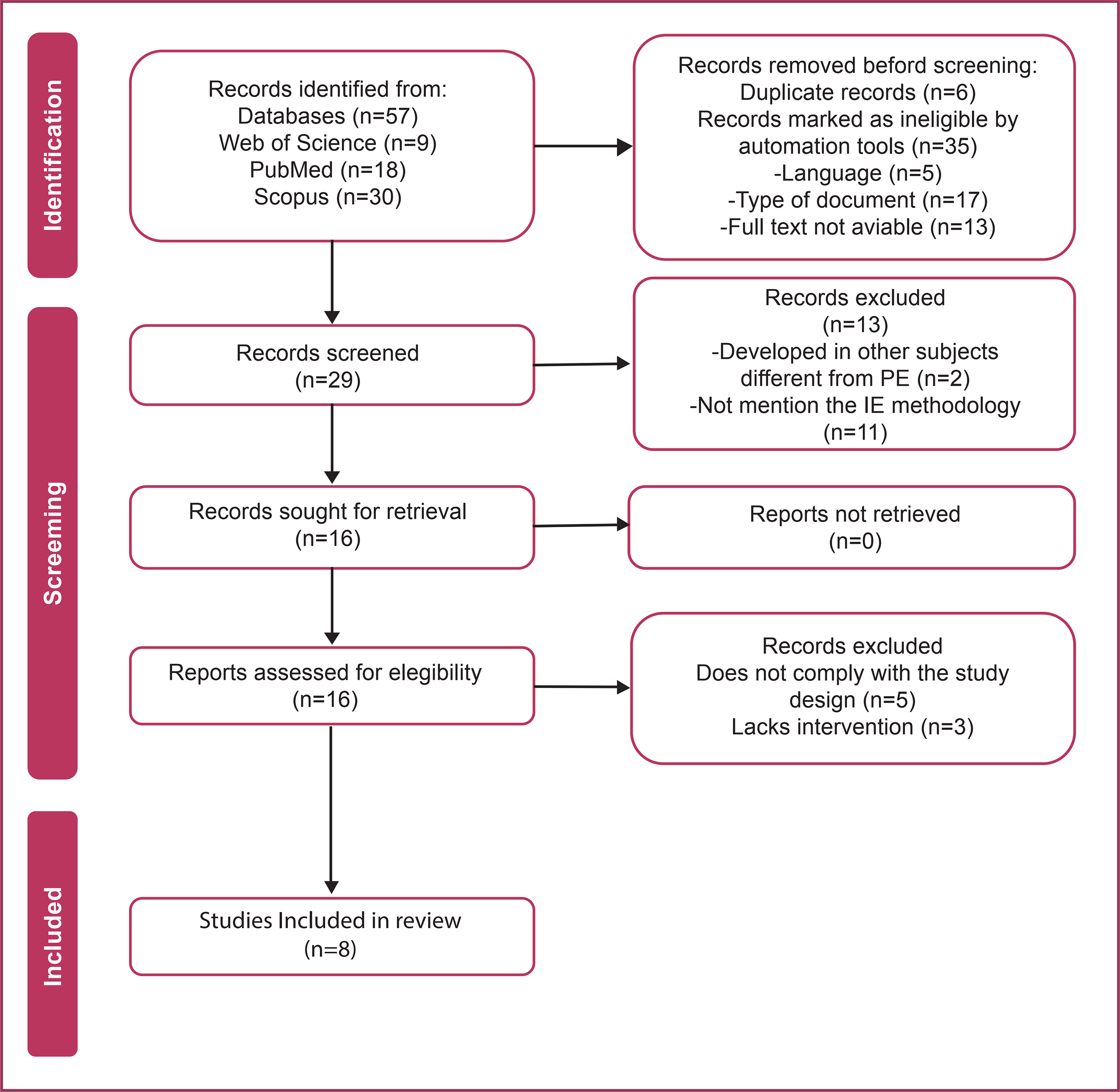 Source: The authors