Influence of Discharge Energy on the Morphology and Optical Response of Tungsten Oxide Thin Films Deposited by Reactive High-Power Impulse Sputtering in a Facing-Target Configuration
Abstract
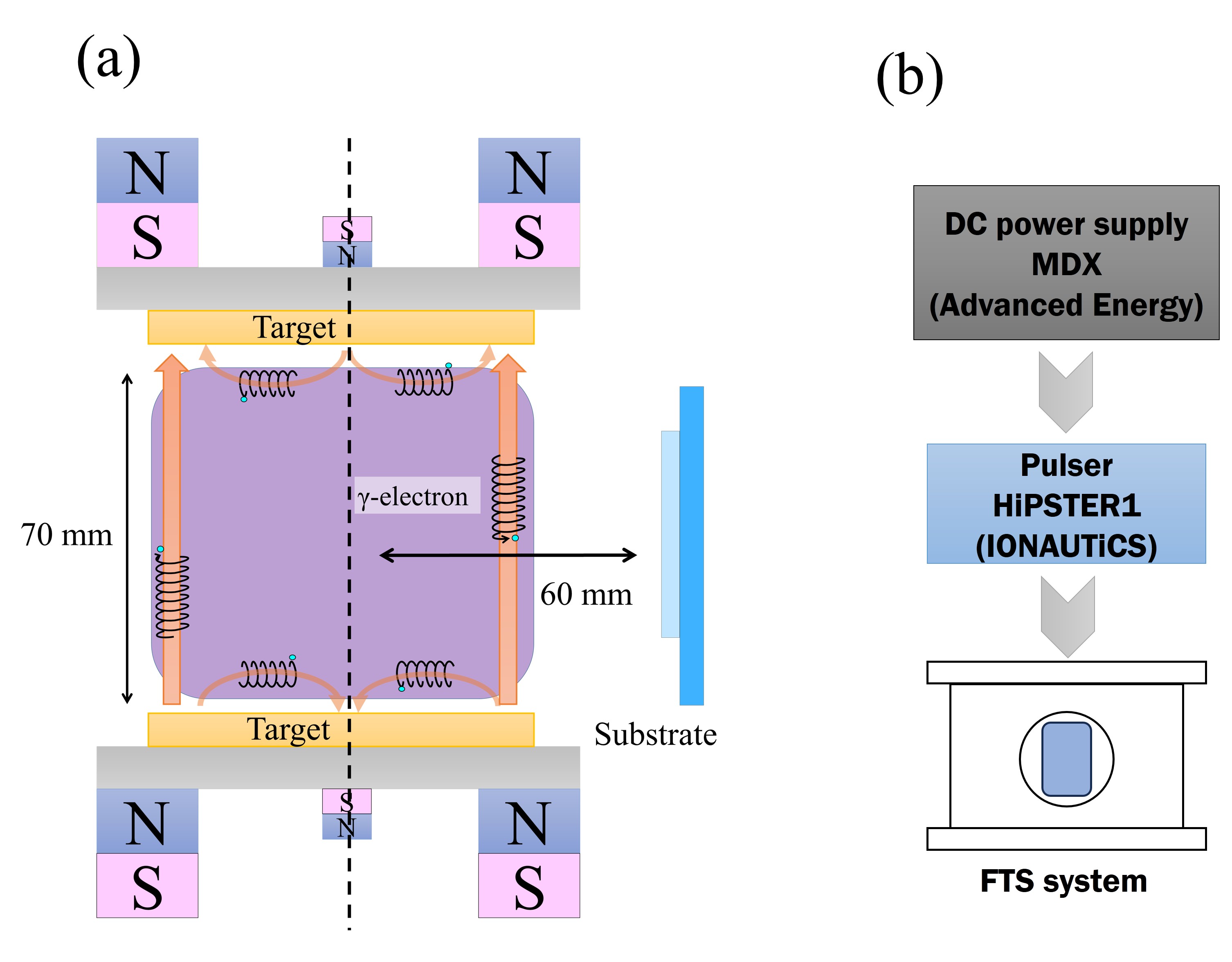
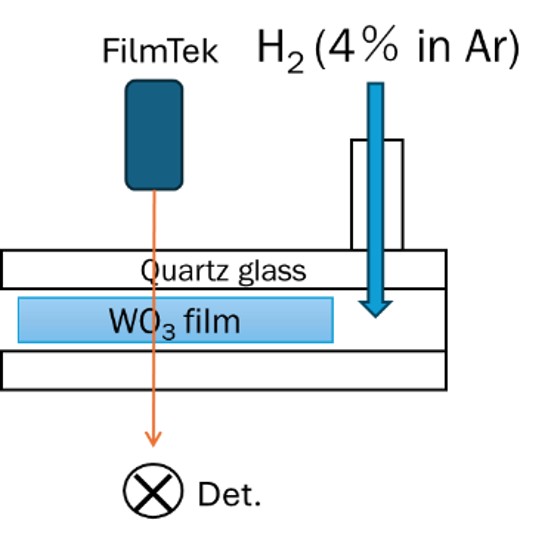

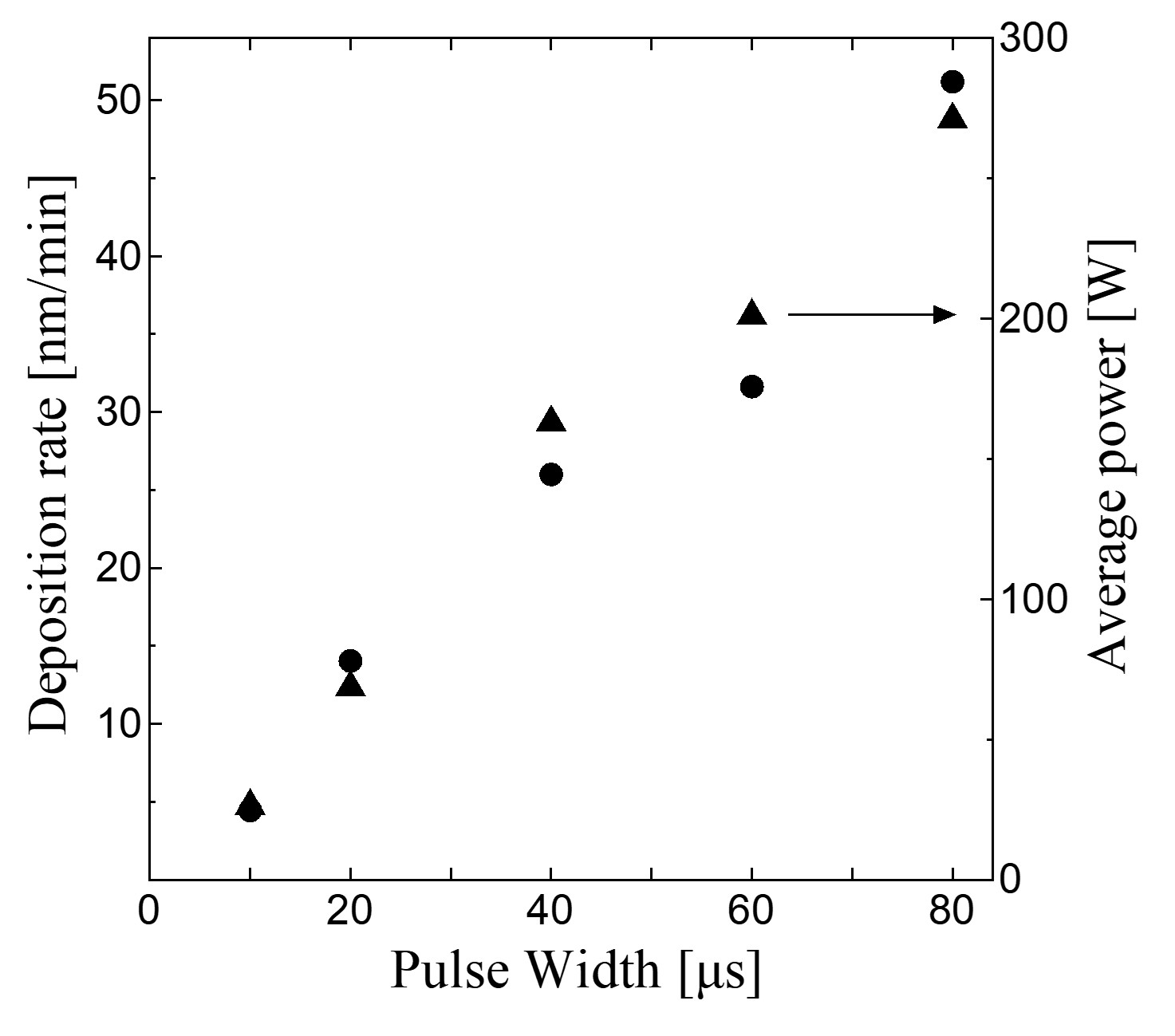
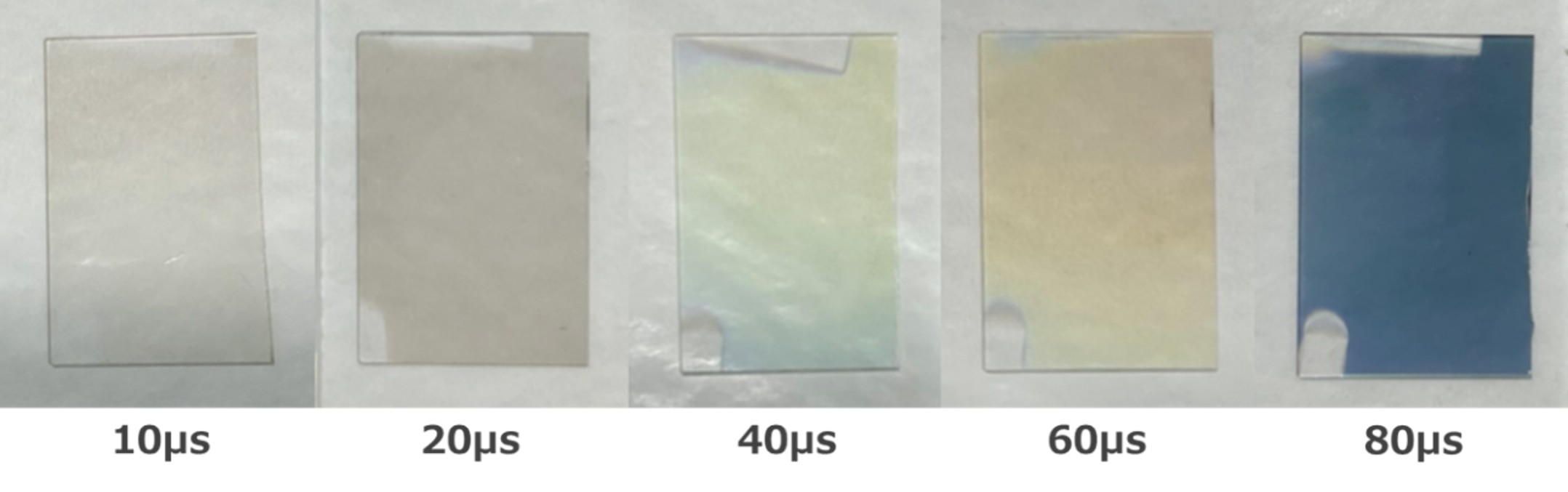
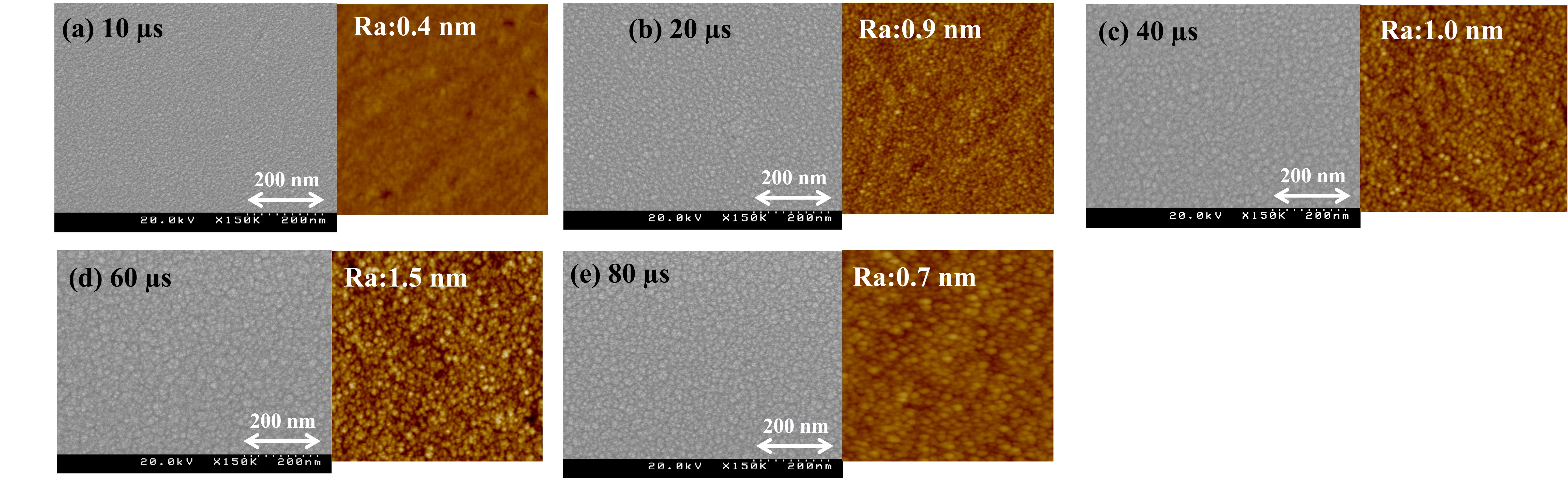
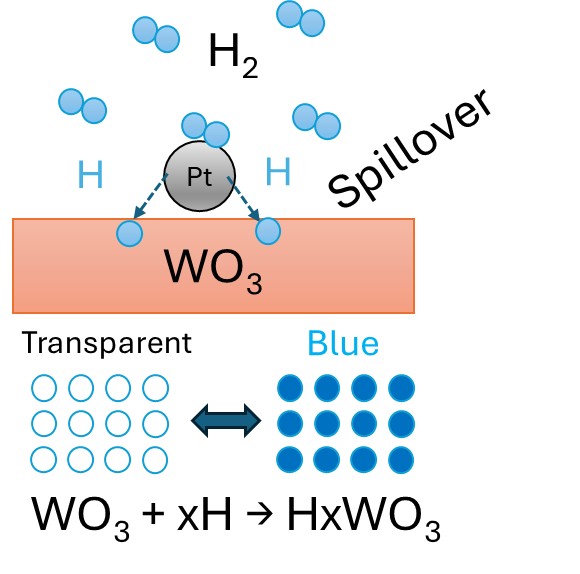
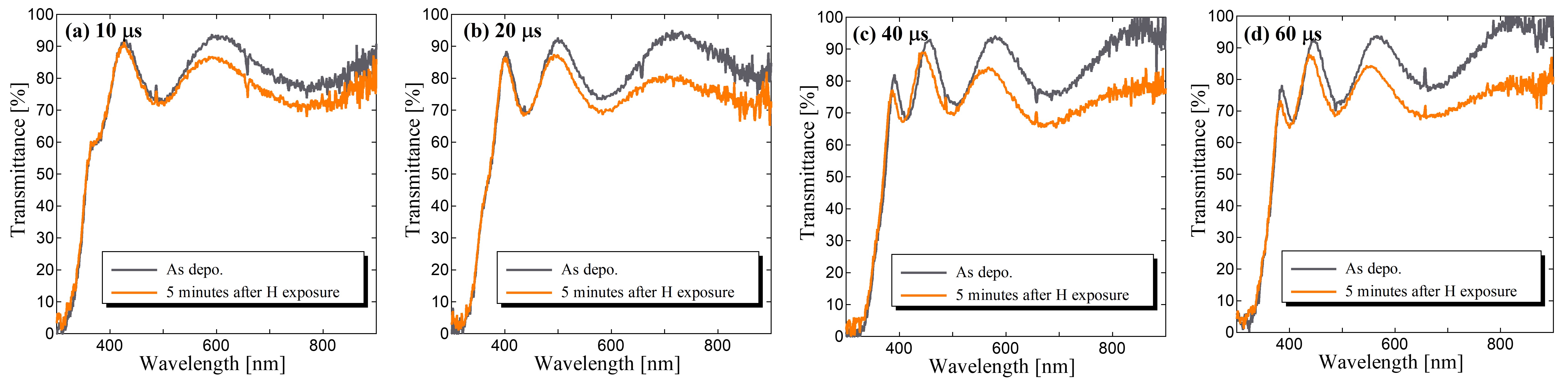
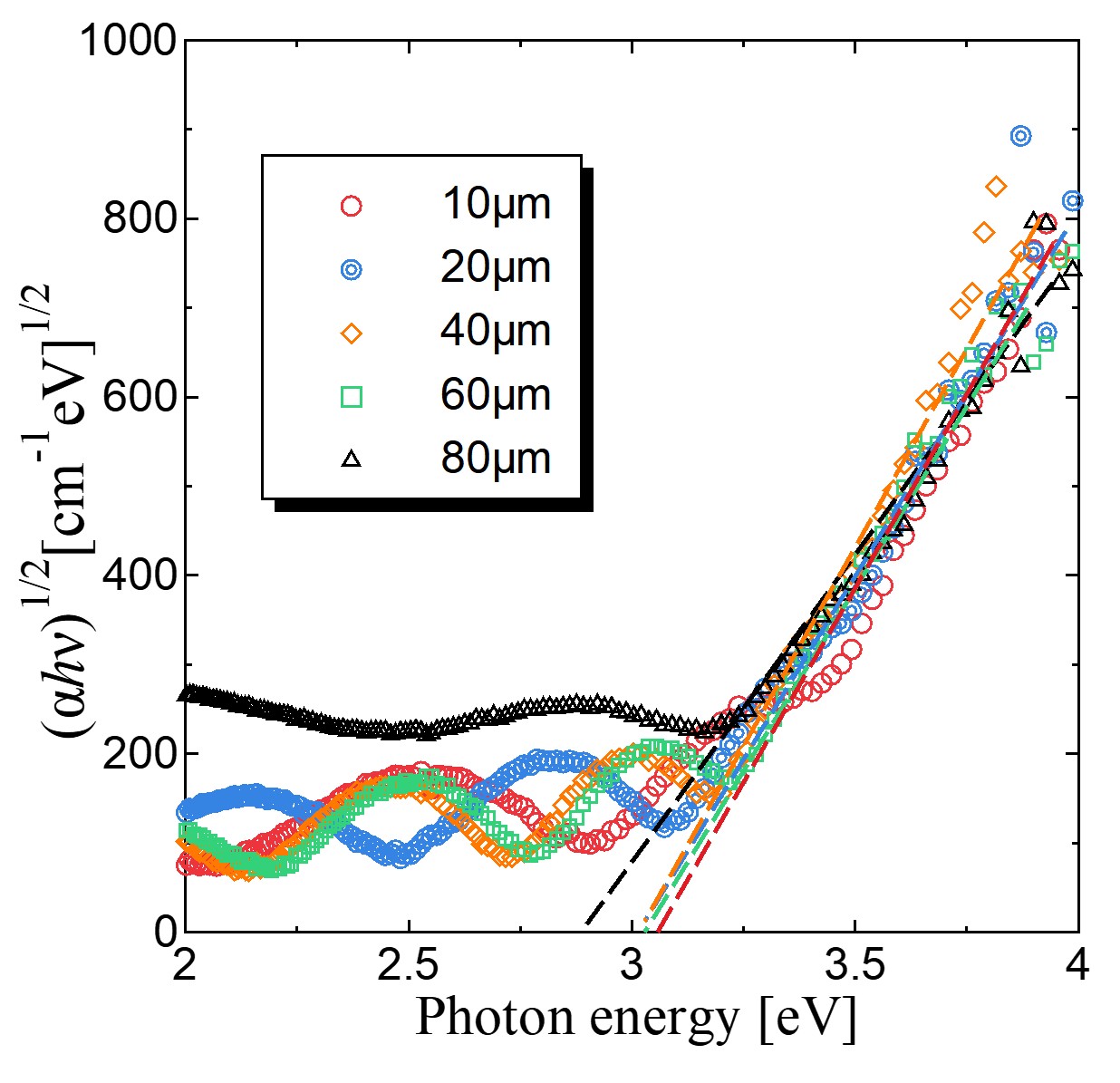
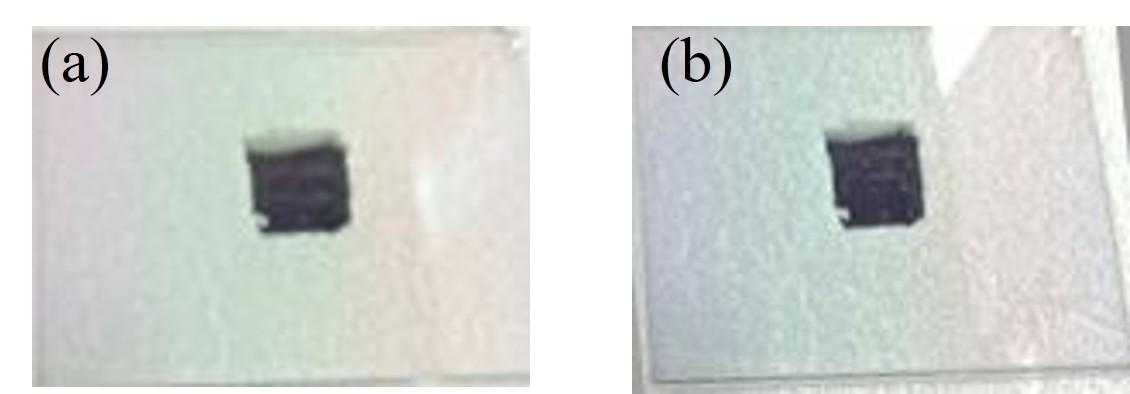
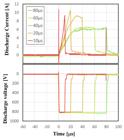
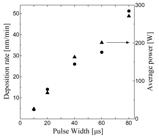
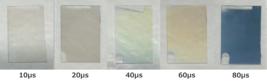
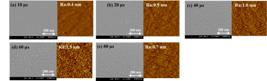
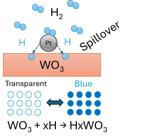
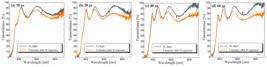
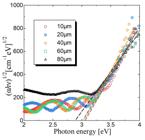
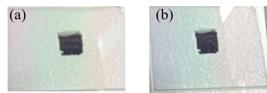
Tungsten oxide thin films were deposited by reactive high-power impulse sputtering using a facing-target configuration (HiP-FTS), and the influence of discharge energy on film morphology and hydrogen response was investigated. The pulse width was varied at a constant repetition frequency to control the discharge energy delivered per pulse under identical gas flow conditions. An increase in pulse width enhanced the deposition rate and promoted smooth and compact surface morphologies, as indicated by SEM and AFM observations. Under fixed oxygen flow conditions, changes in film appearance and optical behavior suggested possible changes related to oxygen-deficient-like optical behavior at longer pulse widths. The hydrogen-induced optical response of Pt-loaded films was evaluated under 4% H2 in Ar at room temperature. The films exhibited limited gasochromic response despite identical Pt loading conditions, indicating that hydrogen incorporation within the film structure may be limited by the compact microstructure formed under HiP-FTS conditions. These results indicate that discharge energy strongly influences film morphology, optical behavior, and hydrogen response in tungsten oxide thin films deposited by reactive high-power impulse sputtering with a facing-target configuration.
Keywords
Tungsten oxide; High-power impulse magnetron sputtering; Facing-target sputtering; Reactive sputtering; Pulse width; Hydrogen gas sensing
 Thumbnail
 Thumbnail
 Thumbnail
 Thumbnail
 Thumbnail
 Thumbnail
 Thumbnail
 Thumbnail
 Thumbnail
 Thumbnail