Role of Particle Grading on Slurries Curing, Mechanical Properties, and Light Transmittance of DLP-Processed Zirconia Ceramics
Abstract
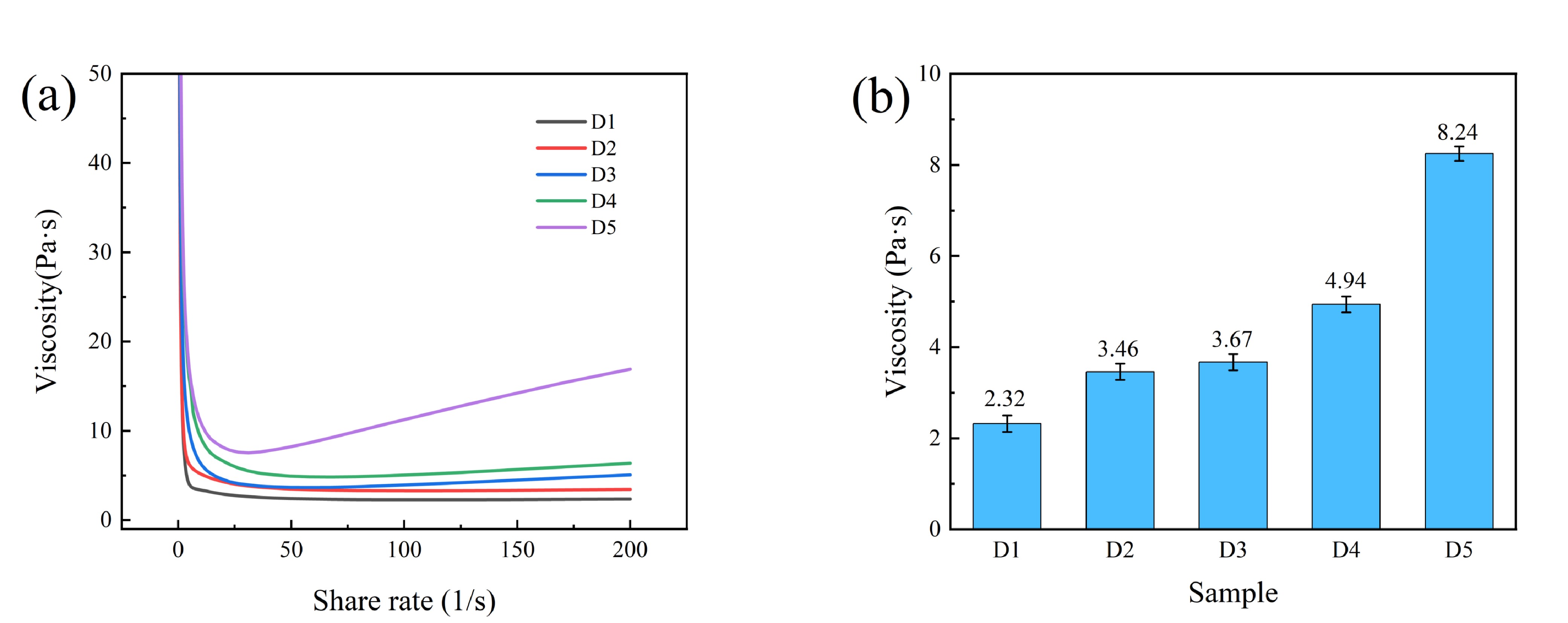
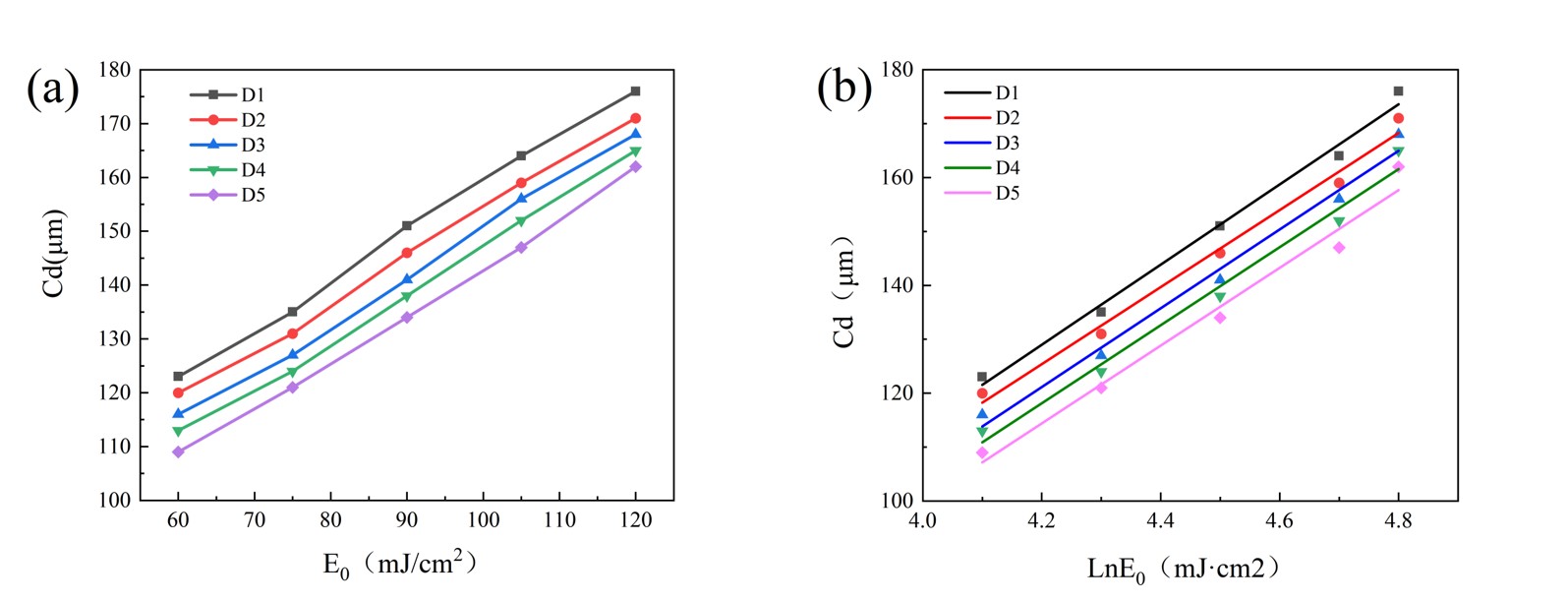
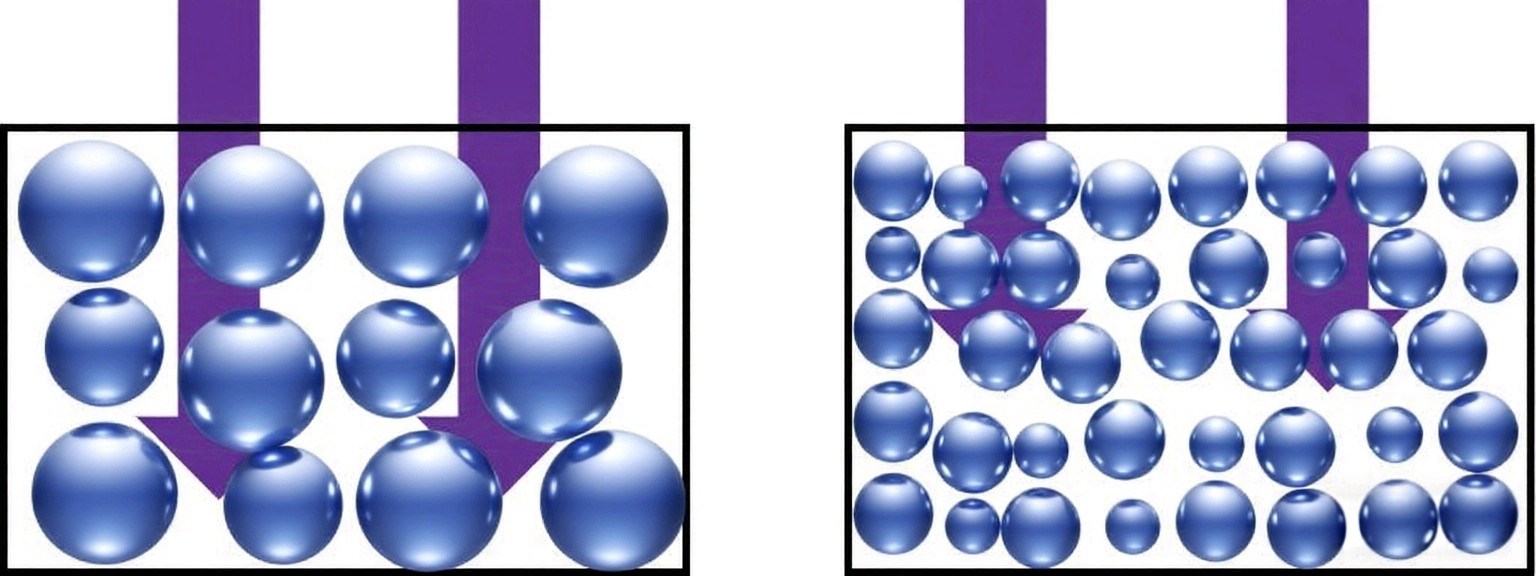
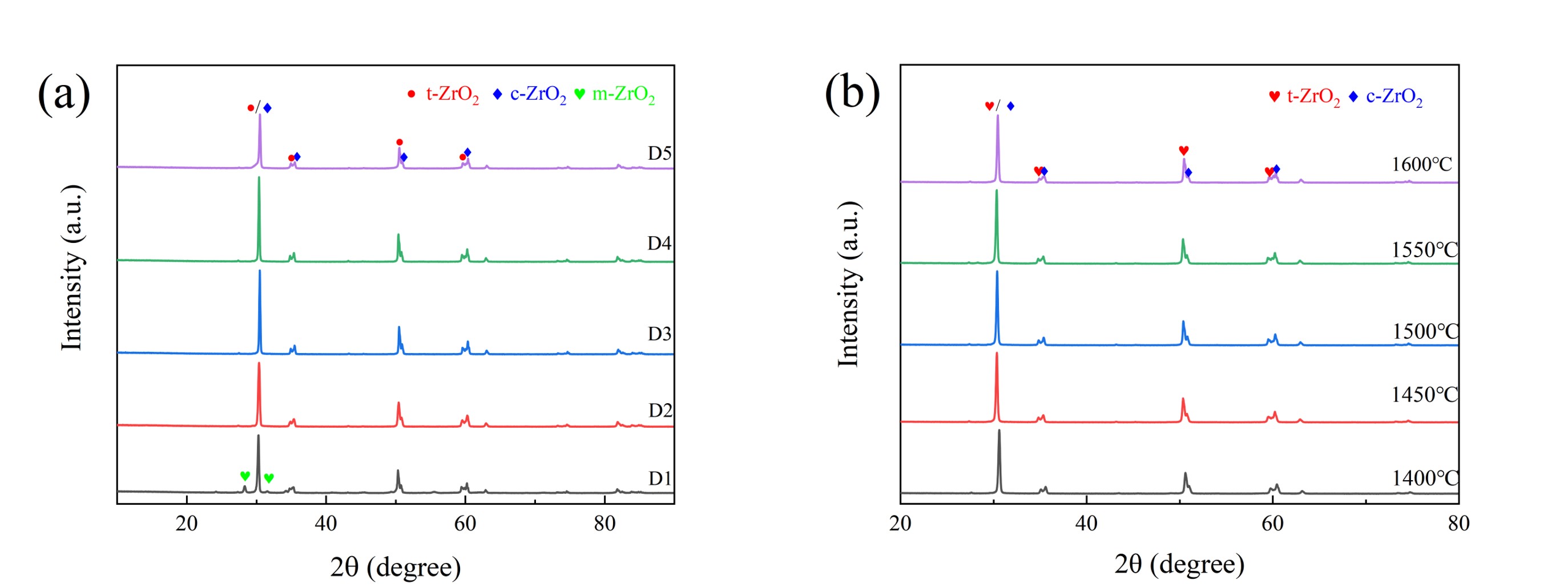
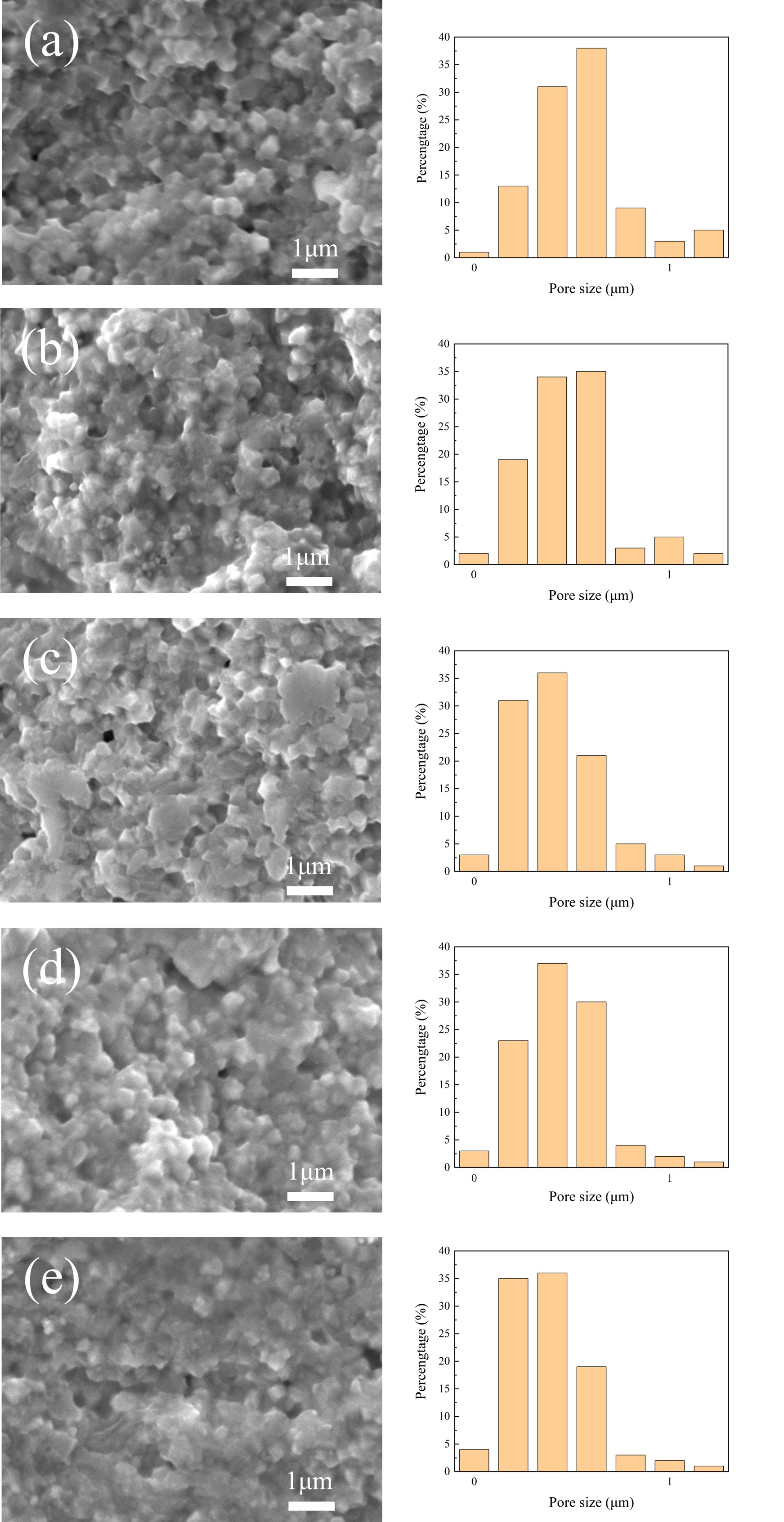
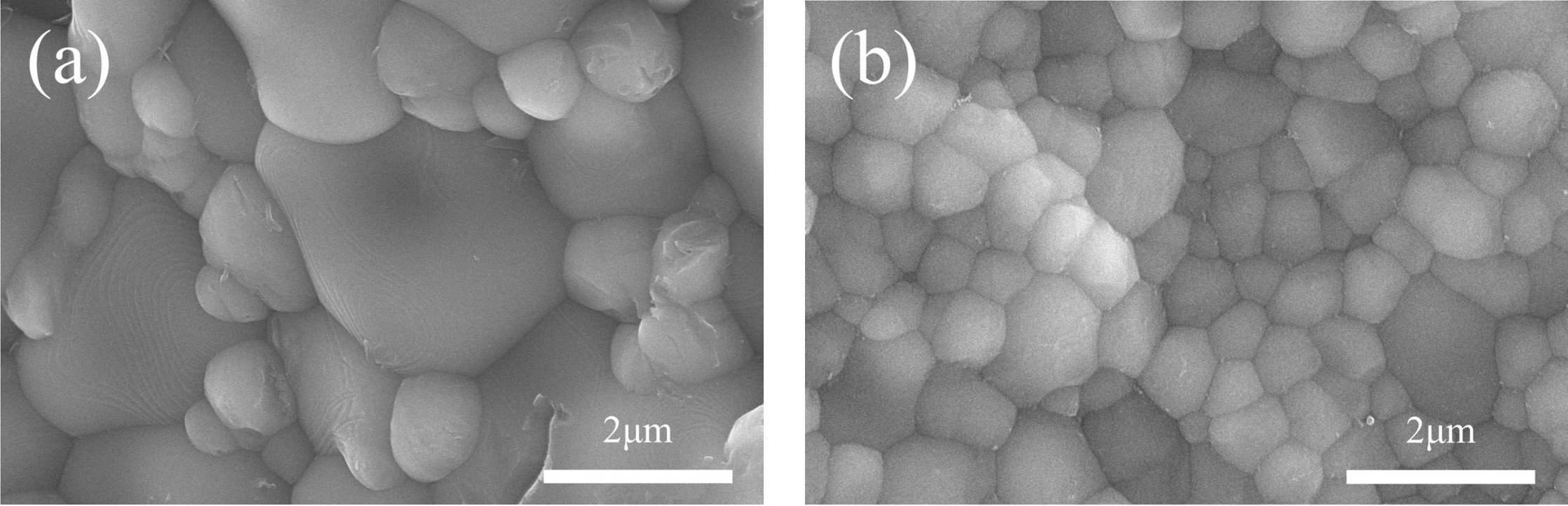
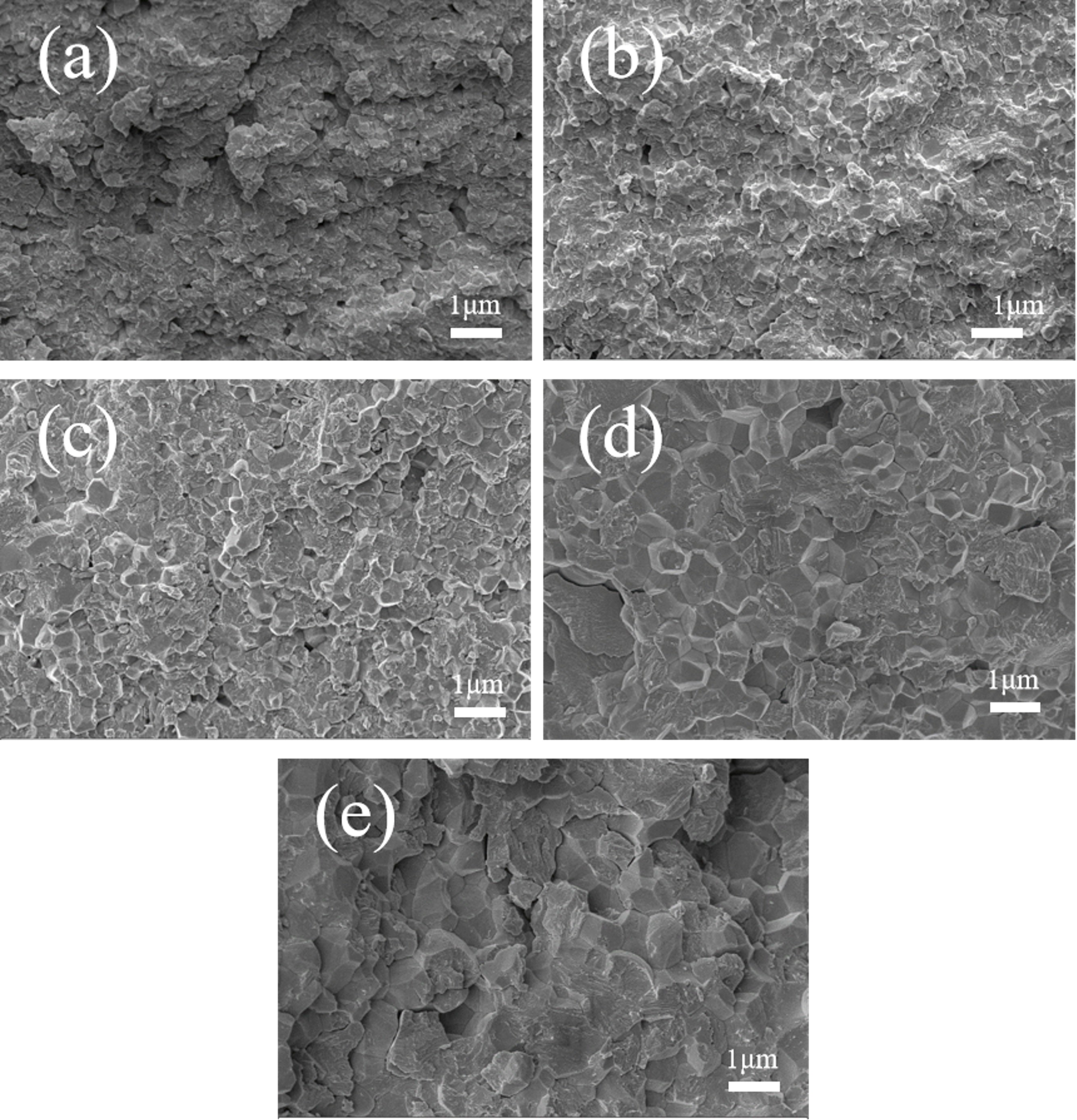
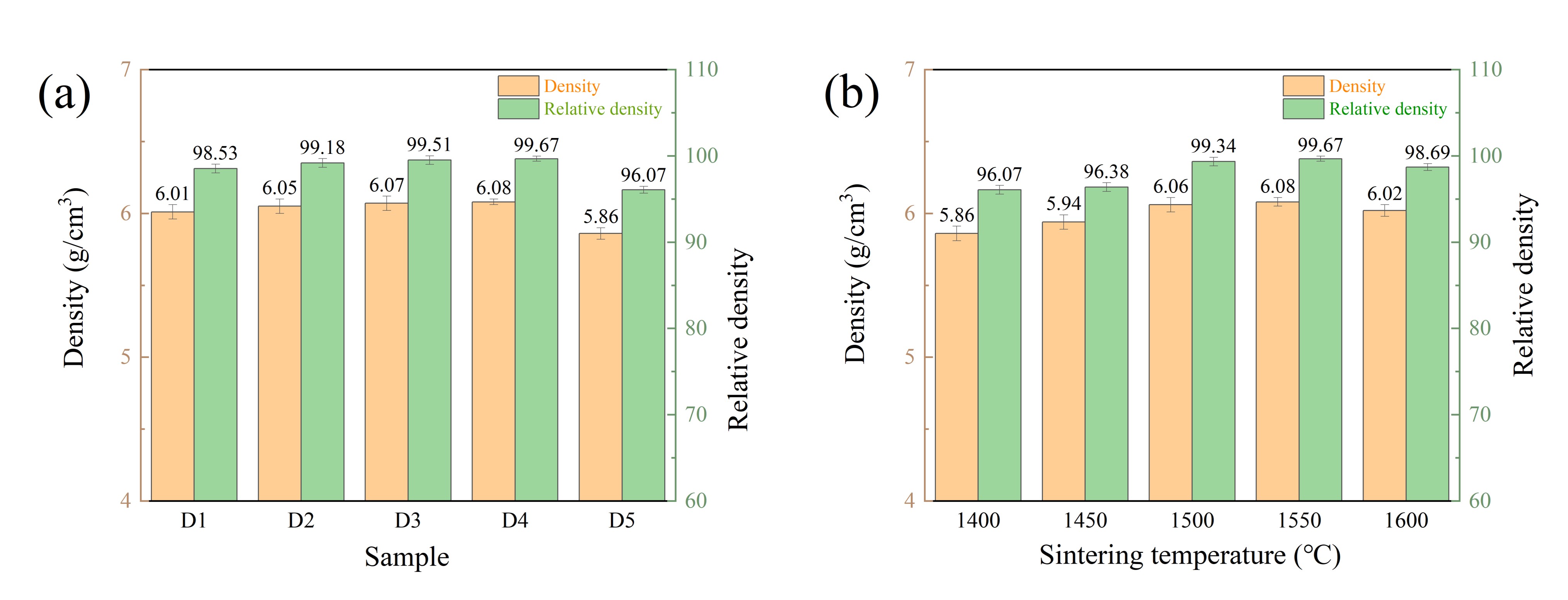
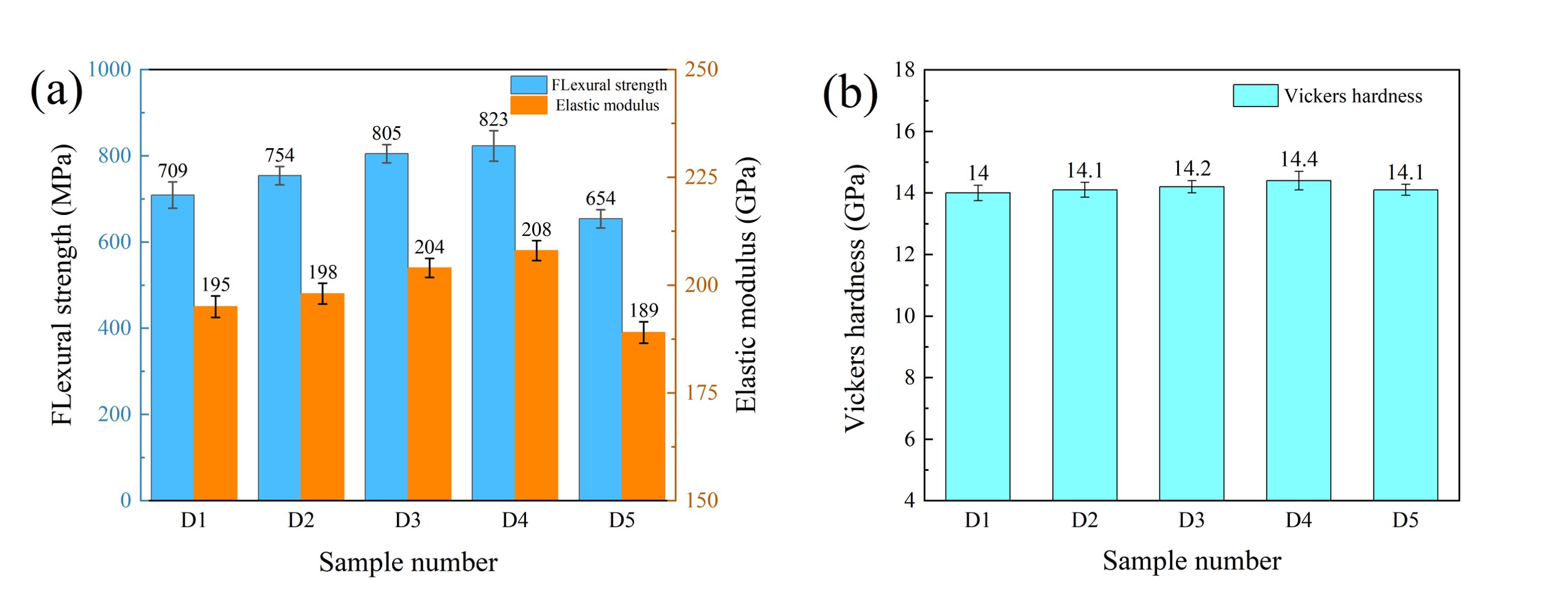
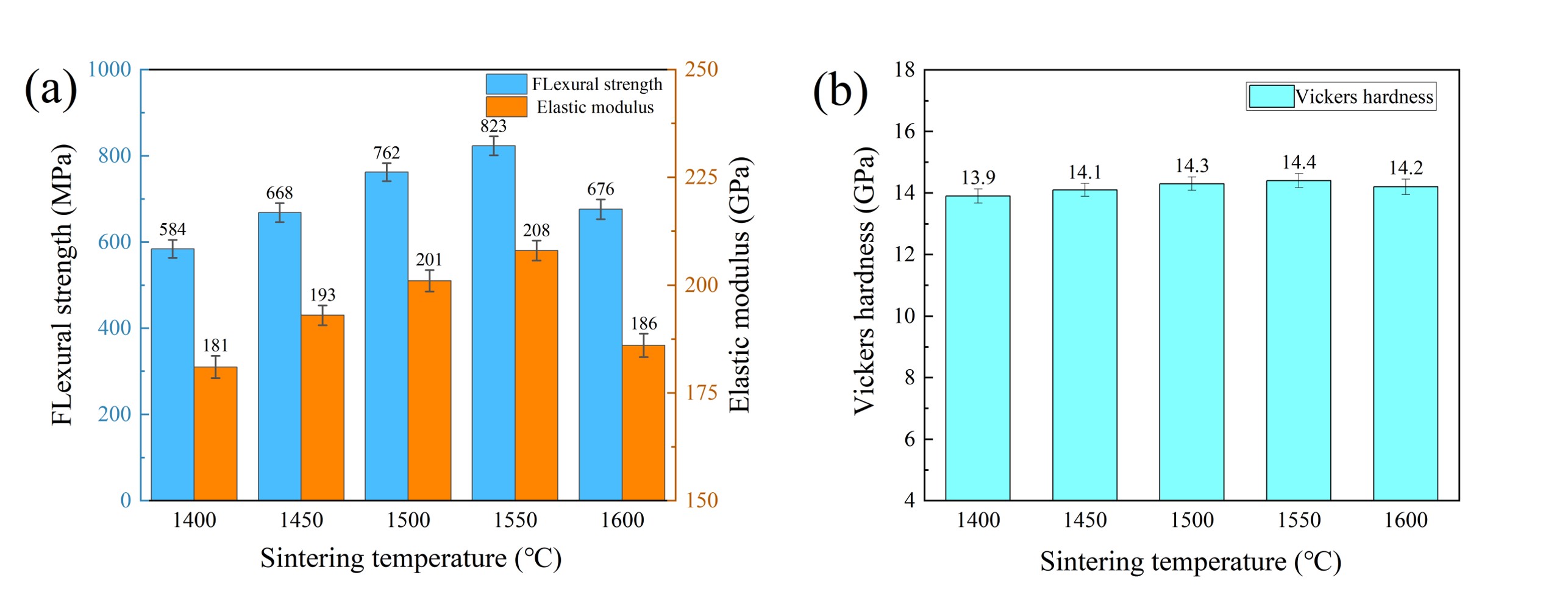
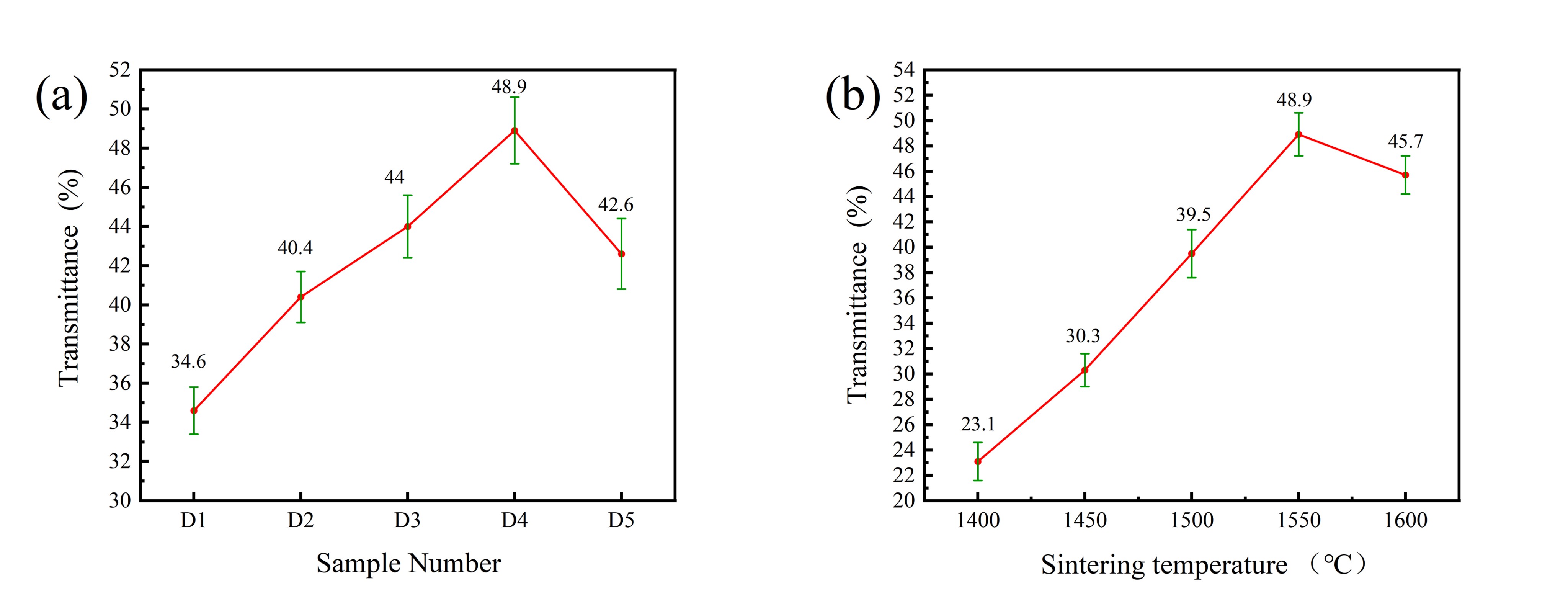
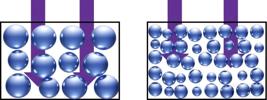
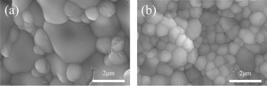
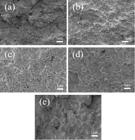
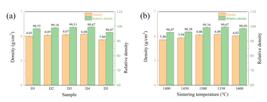
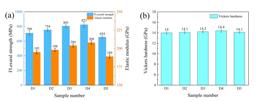
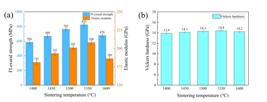
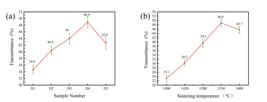
3D printing technology enables the fabrication of complex-structured ceramic components, while Digital Light Processing (DLP) offers superior precision and faster printing speeds. This study prepared zirconia slurries with 45 vol% solid loading using particle gradation technology with different coarse-to-fine powder ratios, systematically investigating the effects of particle size distribution on slurry rheological properties, curing characteristics, and sintered body performance. Experimental results demonstrated that the 80:20 ratio exhibited optimal comprehensive performance. At this ratio, the zirconia slurry showed a viscosity of 4.94 Pa·s at 50 s−1 shear rate and achieved a curing depth of 165 μm at 120 mJ/cm2 energy density. This originates from increased interparticle surface contact due to fine particle incorporation, which enhances steric hindrance effects and consequently reduces powder-resin matrix fluidity, while the enlarged specific surface area significantly improves ultraviolet (UV) light absorption efficiency. After sintering at 1550°C, preferential diffusion of fine particles into grain boundary gaps promoted sintering densification, concurrently inhibiting abnormal grain growth and reducing light-scattering defects, thereby achieving simultaneous improvement in both mechanical properties and optical translucency.
Keywords:
Digital Light Processing; Zirconia ceramic; Particle grading; Rheological properties; Curing characteristics
 Thumbnail
 Thumbnail
 Thumbnail
 Thumbnail
 Thumbnail
 Thumbnail
 Thumbnail
 Thumbnail
 Thumbnail
 Thumbnail
 Thumbnail
 Thumbnail
 Thumbnail
 Thumbnail