Evaluation of Electrochemical Corrosion Behavior of WC-Ni-Al and WC-Co Cemented Carbides
Abstract
WC-Co cemented carbide exhibits remarkable mechanical properties, with applications in several engineering areas. However, its high cost, toxicity, and the search for cemented carbides with greater corrosion resistance have led to a demand for an alternative binder phase. In this study, the corrosion behavior of WC–NiAl cemented carbide (90 wt.% WC, 9.5 wt.% Ni, and 0.5 wt.% Al), processed by conventional powder metallurgy, was compared with that of conventional WC–Co cemented carbide in a 3.5 wt.% NaCl solution. The samples were characterized by scanning electron microscopy, energy-dispersive X-ray spectroscopy, and X-ray diffraction before and after corrosion tests. In the electrochemical tests—open circuit potential, linear potentiodynamic polarization and electrochemical impedance spectroscopy (EIS)—the sample with nickel and aluminum binder exhibited more noble potentials, lower current density values, and higher total impedance than the sample with the cobalt binder.
Keywords:
Cemented carbides; corrosion; potentiodynamic polarization; electrochemical impedance spectroscopy
1. Introduction
Cemented carbides are materials formed by mixing very fine powder particles of hard and refractory carbides with particles of a metal or metal alloy. They feature high hardness, high wear resistance even at high temperatures, and good toughness. The cemented carbides most commonly used in industry are composed of tungsten carbide, as a hard phase, which provides high hardness and wear resistance, and cobalt, used as a binding phase, which increases the material's toughness. Due to this combination of properties, it can be applied in several areas of engineering, such as machining, mining and civil construction, in applications such as cutting tools, drills, components of oil and gas drilling equipment, forming dies, wear-resistant components, balls for high-energy grinding, among others1-4.
The remarkable wear resistance of cemented carbides has expanded their application in many engineering fields. In addition to its good performance in mining and cutting tools, carbide is increasingly being used in other industrial applications, such as sealing rings, coatings, valves, jet nozzles, saw blades, fluid mixers and conveyor belt scrapers. These applications differ from traditional uses in that they require a significantly longer service life and it is desired that the components remain in service for several years. If the components are also in contact with chemically aggressive environments, corrosion can play an important role in surface degradation and significantly accelerate material wear5-7.
Tungsten carbide (WC) cemented carbides are extensively employed in the oil and gas industry owing to their exceptional wear resistance. In downhole operations, these materials are subjected to prolonged exposure to aggressive chemical environments, including chlorides, H2S, and CO2 (pH 9–11), as well as elevated temperatures reaching 150 °C8. While corrosion resistance is not traditionally regarded as the primary design criterion for WC-based cemented carbides, it becomes a critical property in applications involving corrosive media—such as seals, mechanical valves, drilling in brines, and metal recycling processes—where material degradation can compromise operational reliability. A comprehensive understanding of their corrosion behaviour under such conditions is therefore essential to ensure optimal performance and service life9,10.
Natural reserves of cobalt are small, which makes its price high. Cobalt is a toxic element, posing risks to handlers in various engineering applications where its powder or vapor is produced, such as in machining operations. Due to these facts, it is interesting that cobalt be replaced by other elements that are not harmful to health and that are economically viable. Nickel has proven to be a good substitute for cobalt. Although nickel exhibits inferior hardness and strength properties, the addition of other alloying elements can induce, through solid solution, the precise hardening required in the binder phase1,11,12.
Technological evolution in recent decades has demanded high performance from engineering materials13. Thus, the possibility of replacing cobalt with nickel while maintaining mechanical properties comparable to cemented carbides containing cobalt, which do not present satisfactory corrosion resistance for certain applications, such as in the chemical and food industries, would enable a new range of applications for cemented carbides.
Ferro Rocha et al.14 compared the corrosion behavior of WC cemented carbides with three nickel-based binders (FeCoNi, NiCrCoMo, and NiCrMo) to the standard WC-Co using electrochemical techniques. The results showed that while WC-FeCoNi exhibited corrosion behavior similar to WC-Co, the WC-NiCrCoMo and WC-NiCrMo composites demonstrated significantly superior corrosion resistance, highlighting their potential as promising substitutes for WC-Co in neutral and near-neutral chloride environments.
Pereira et al.15, in their study of cemented carbides WC-Co, WC-Ni, WC-NiCr, WC-NiMo, and WC-NiCrMo, indicated that the corrosion resistance in an acidic medium (0.5 M NaCl + 0.05 M HCl) varies significantly depending on the binder used. The WC-Co composite exhibited a more negative corrosion potential and higher current densities, indicating lower resistance. Conversely, composites with Ni-based binders, particularly WC-NiCr and WC-NiCrMo, demonstrated superior performance, associated with the formation of protective films of nickel and tungsten oxides, highlighting the impact of composition on corrosion protection under aggressive conditions.
Although a previous study16 compared the corrosion behavior of WC–8 wt % Co cemented carbide and WC–10 wt % Ni3Al composite in various acidic solutions, where aluminum forms an intermetallic compound with nickel, the literature does not report on the corrosion resistance of WC-NiAl materials, such as the one developed in this work, where aluminum acts as an alloying element to promote solid solution strengthening of nickel. Therefore, the objective of this study is to compare the corrosion behavior of WC-NiAl cemented carbide with that of conventional WC-Co in a 3.5 wt% NaCl solution.
2. Materials and Methods
The weight compositions of the cemented carbide samples used to carry out this work are presented in Table 1. The following powders were used to prepare the samples:
-
tungsten carbide and cobalt powder (WC-Co) with an average particle size of 3.0 μm;
-
tungsten carbide (WC) powder with an average particle size of 2.5 μm;
-
nickel oxide (NiO) with a nickel content of approximately 50%, produced by calcining nickel carbonate;
-
aluminum nitride with a purity of at least 99%.
The procedure developed to prepare the materials was based on previous studies. Both the compositions and preparation methodologies followed the works of Santos1 and Correa et al.17. After the alloys were weighed into the desired fractions according to the compositions shown in Table 1, the powders were mixed in heptane in a cemented carbide-coated universal ball mill with a ball to powder weight ratio of 2:1. The powders were mixed for 80 hours at a horizontal rotation speed of 50 rpm. After milling and homogenization, the mixture was subjected to a reduction treatment in a hydrogen atmosphere for 1 hour at 750°C, due to the presence of nickel oxide in the mixture. Then, 1.75% by weight of analytical pure paraffin (P.A) dissolved in heptane was added to the mixture to improve its compaction. The samples were compacted in a stainless steel matrix, with a pressure of 130 MPa for 3 min. Then, the paraffin was removed from the compacts at 500°C, using a furnace with a tubular alumina chamber under a flow of hydrogen with slow heating. After one hour at 500°C, the samples were heated to a temperature of 750°C, remaining at this temperature for 30 minutes so that pre-sintering of the compacts could occur. Finally, the samples were sintered at 1460°C for 1 hour in a high vacuum atmosphere (2 to 6 x 10⁻⁵ bar).
Initially, the samples had dimensions of 5 mm × 6.25 mm × 20 mm. However, some samples were cut into smaller sizes for different experiments. For the electrochemical tests, the exposed sample areas were 0.10 cm2.
2.1. Structural and microstructural characterization
For microstructural characterization, the samples were analyzed after grinding and polishing and also after the potentiodynamic polarization analysis. The samples were examined in a Zeiss EVO MA 15 scanning electron microscope (SEM) equipped with a Bruker xFlash 360 energy-dispersive X-ray spectrometer (EDS). X-ray diffraction analyses were performed with a PANalytical X'Pert Pro diffractometer operating with copper radiation (λ = 1.5405980 Å), with a current of 40 mA, applied voltage of 40 kV, scanning angle range (2θ) between 10° and 100°, with a step of 0.02° and counting time of 0.5 seconds.
2.2. Corrosion measurements
The electrochemical tests were conducted in a typical three-electrode electrochemical cell, with a silver/silver chloride (Ag|AgCl|KCl3mol/L) reference electrode and a spirally wound platinum wire as the counter electrode (with a surface area estimated to be approximately 5 cm2). The samples, used as the working electrode, were placed in a Teflon support, in the shape of a pipe, with a brass wire providing electrical contact and an exposed area of 0.10 cm2. The cell was placed inside a Faraday Cage and the cables were grounded to protect against possible external interference. The experiments were carried out at room temperature, 25 (± 2) °C, using naturally aerated saline solutions of 3.5% by weight of sodium chloride (NaCl) with a solution volume of 350 mL. The solutions were prepared with pro analysis grade reagent and distilled and deionized water. To perform the tests, an Autolab brand Potentiostat/Galvanostat, model PGSTAT302N, was used, with the interface through the NOVA 2.1.4 software. At least three experiments of each electrochemical test were performed for all samples to ensure their repeatability.
The behavior of the open circuit potential curves was obtained by monitoring the variation of the potential of the samples for a period of 4 hours. To perform the linear potentiodynamic polarization experiment, the open circuit potential (EOC) was initially determined for a period of one hour after immersion in the solution, from which a potential scan was performed between −500 mV and 1200 mV (EOC), with a scan rate of 1 mV/s. EIS measurements were performed in relation to the open circuit potential, with a frequency variation from 10 mHz to 10 kHz and with a sinusoidal wave amplitude of 10 mV (RMS) recording 10 points per decade, after the samples remained immersed for one hour in the solution. All parameters were calculated and simulated using the NOVA 2.1 software, provided with the Autolab unit.
3. Results and Discussion
3.1. Microstructural analysis
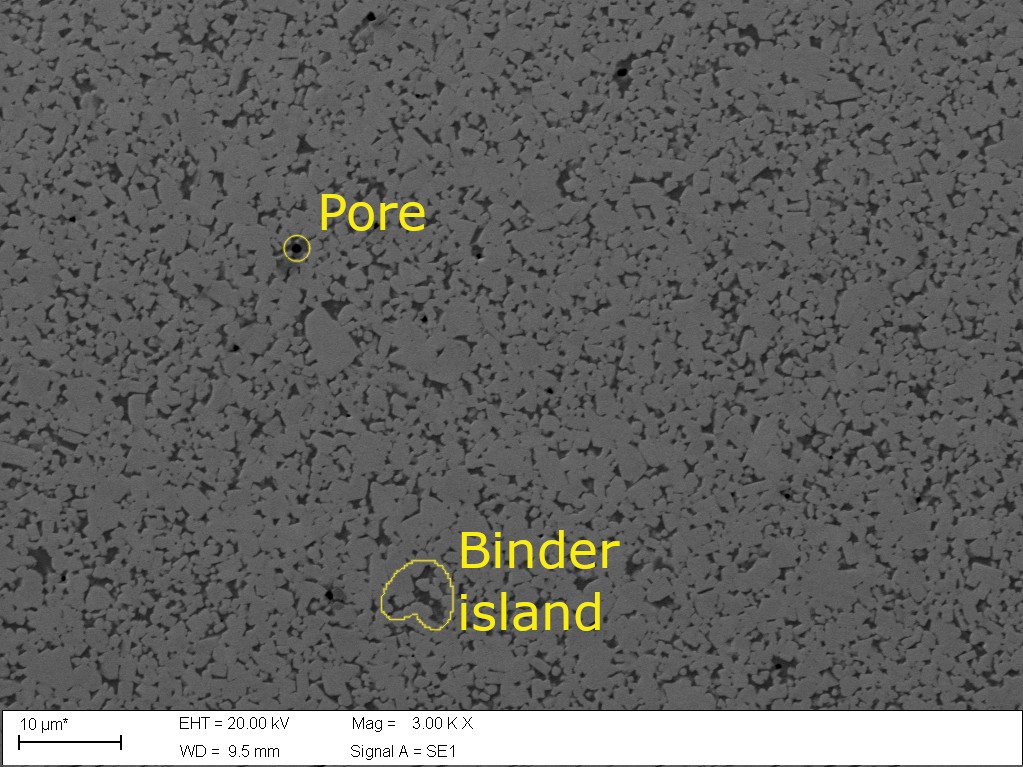
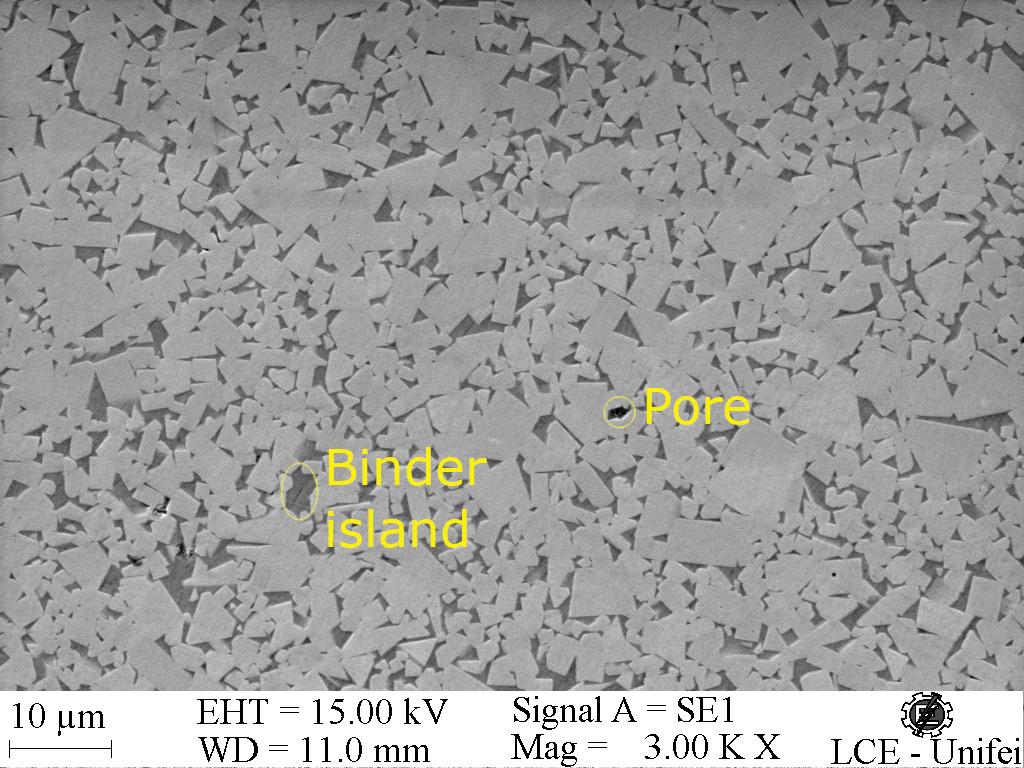
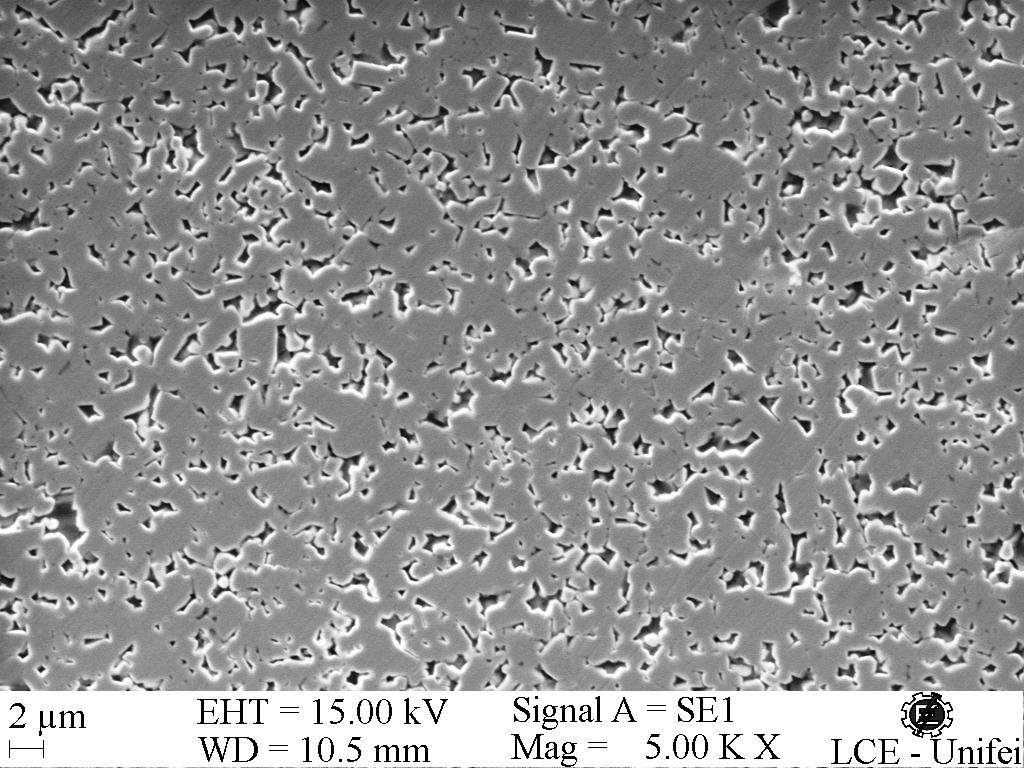
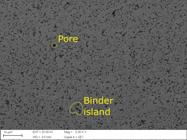
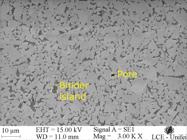
Figures 1 and 2 show the scanning electron micrographs of the polished surface of WC-Co and WC-NiAl cemented carbides. It is possible to note that they present a microstructure characteristic of conventional cemented carbides, with the faceted WC grains (light phase) surrounded by the binder (dark phase), which is uniformly distributed throughout the tungsten carbide matrix, with the presence of few and small pores and binder islands throughout the sample. The presence of graphite or η phase in the microstructure was not observed, as well as any intermetallic phase rich in aluminum.
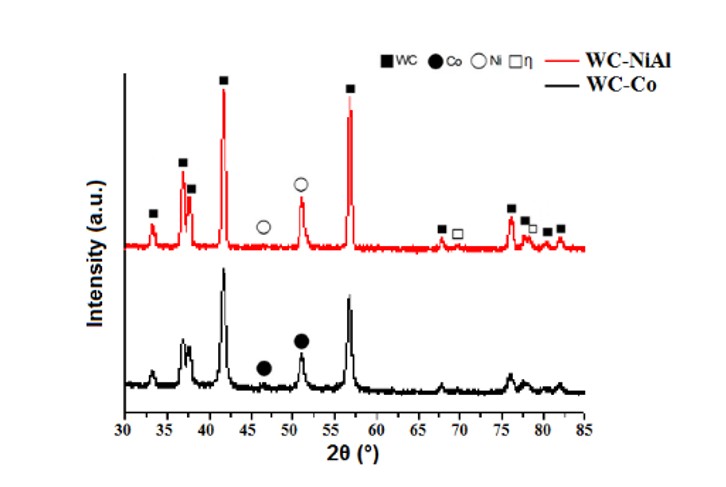
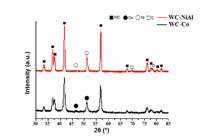
The results of the X-ray diffractograms (XRD) of the cemented carbides WC-Co and WC-NiAl are presented in Figure 3, in which the peaks of the hard phase (WC), the binder (Ni or Co), and the η phase can be seen. The peaks of the hard phase WC appear with greater intensity and quantity in all samples, as seen in the micrographs, it is the predominant phase in the microstructures. The peaks of the binder phases are identified by the elements in greater quantity in each binder (cobalt and nickel). As for the peaks identified as η phase, of low intensity, there is a difficulty in comparing them with the characteristic peaks of this phase, and their presence was also not observed in the microstructural analysis. This is probably due to the phase being finely dispersed in the material and with a low volume concentration or that these peaks were caused by XRD noise18-20.
The chemical composition results obtained by EDS, in wt%, of the WC-Co and WC-NiAl cemented carbides are presented in Table 2. In which all the elements present in the initial compositions of the samples are presented, with the exception of aluminum. This may be due to the low atomic number of aluminum, as the result of this analysis depends on the yield between the incident electron beam and the emission of X-rays, which is associated with the atomic number. Thus, the low content in the composition, less than 1%, critically influences the result21. Compared with the values of the compositions of the raw materials, it is observed that there were no considerable losses for the WC-Co sample in the production process. For the WC-NiAl sample, there was an increase in the binder content in relation to the initial composition of the raw material. However, it should be noted that these values are not very reliable because tungsten fluorescence influences the quantification of other elements, mainly nickel and chromium22. Therefore, due to the limitations of the method, the analyses are considered semi-quantitative and indicate only a trend and not the exact values of the concentrations of the elements21.
3.2. Electrochemical analysis
3.2.1. Open Circuit Potential
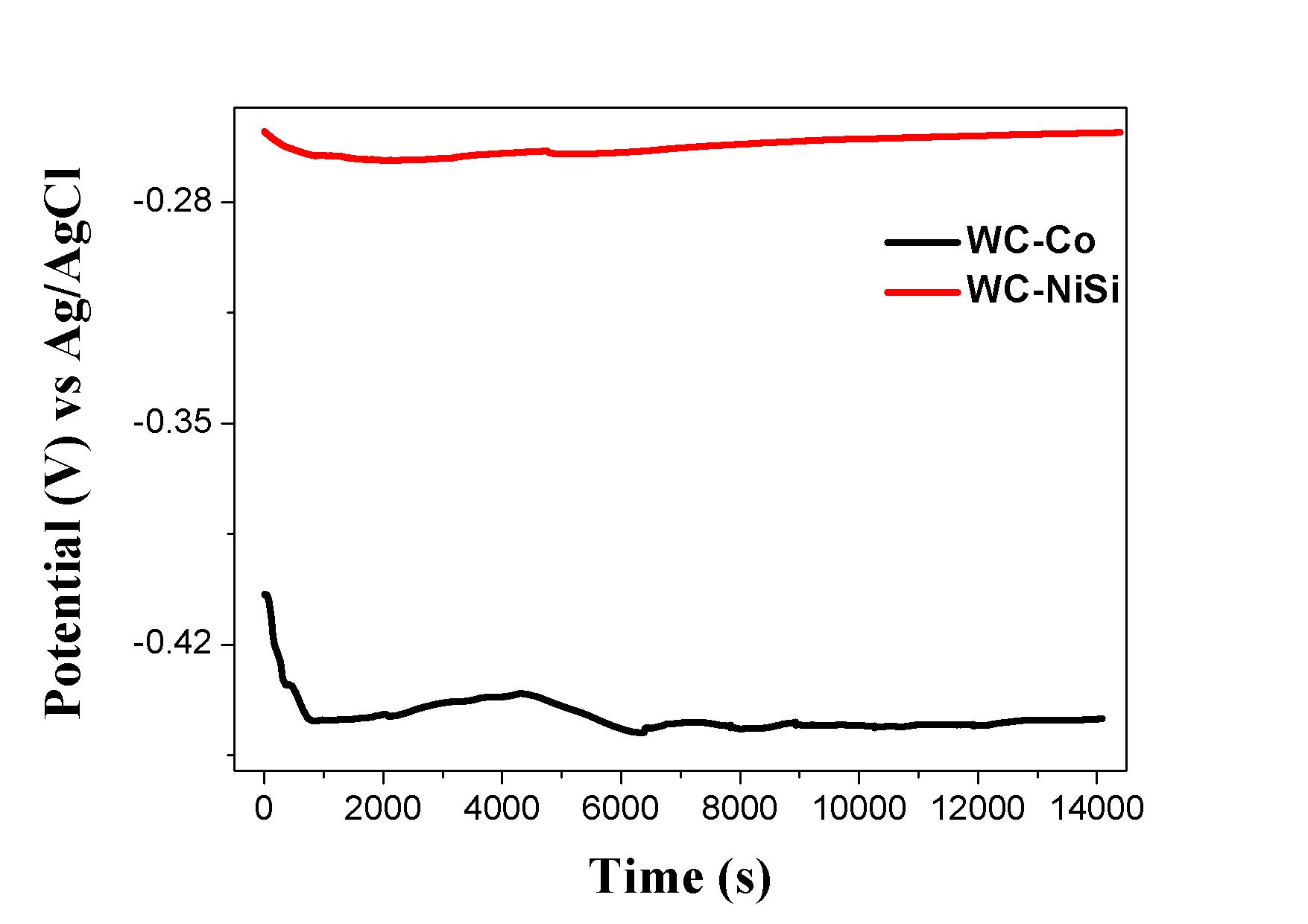
The open circuit potential (EOC) curves for WC-Co and WC-NiAl samples are shown in Figure 4, highlighting the distinct corrosion behaviors of these cemented carbides. For the WC-NiAl sample, the EOC initially exhibits an increasing cathodic trend during the first 4820 s, followed by a brief steady-state phase. Subsequently, the EOC gradually decreases, with a tendency towards stabilization. The initial increase in potential, characteristic of materials with greater corrosion resistance, may be due to the formation of passive films on the surface under free corrosion conditions.
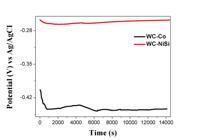
Variation of open circuit potential as a function of time for the WC-Co and WC-NiAl Cemented carbides in 3.5% NaCl solution and room temperature.
Regarding the WC-Co cemented carbide sample, it initially exhibits pronounced anodic behavior for the first 1157 seconds. This behavior is characteristic of materials with low corrosion resistance and suggests surface activity, likely involving the dissolution of preformed oxides. Such dissolution may expose the binder phase, which is more electrochemically active, leading to a decrease in Eoc. Afterwards, the material did not show major changes in potential, with a slight increase and decrease, after which the material tended to stabilize.
In comparison, the cemented carbide with a nickel binder demonstrated the most noble potential (EOC = -0.25 V vs Ag|AgCl|KCl3mol/L), as expected, given nickel’s superior corrosion resistance relative to cobalt (EOC = -0.44 V vs Ag|AgCl|KCl3mol/L) and, therefore, forms thermodynamically more stable materials9.
3.2.2. Polarization
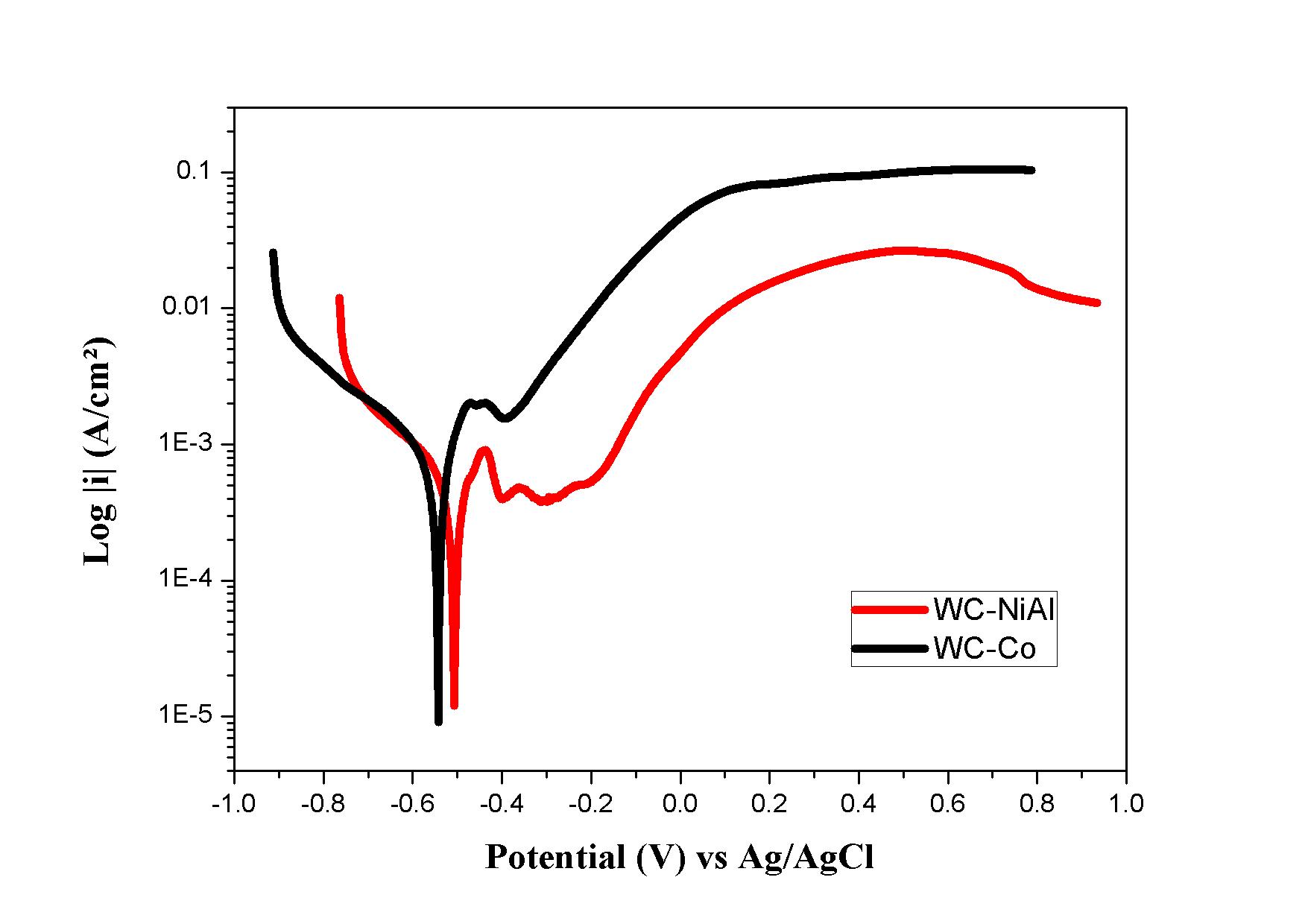
Figure 5 shows the polarization curves of the WC-Co and WC-NiAl cemented carbides recorded after one hour of immersion. Although the curves display a relative shift in position, they remain largely comparable in shape, with no substantial differences observed apart from a reduced current intensity in the WC-NiAl sample. This lower current is consistent with the high electrical resistance expected due to the formation of a passivating oxide film on its surface. In the cathodic region, both samples exhibit a section with a gentler slope, resembling a plateau, indicative of the oxygen reduction reaction, 𝑂2 + 2𝐻2𝑂(𝑙) + 4𝑒− → 4𝑂𝐻−(𝑎𝑞), as the predominant process21,23,24.
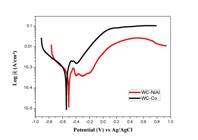
Linear potentiodynamic polarization curves of WC-Co and WC-NiAl Cemented carbides in 3.5% NaCl solution and room temperature.
In the anodic region of the curves, the current density initially increases exponentially as the applied potential rises above the corrosion potential (Ecorr), suggesting activation-controlled kinetics, likely driven by the dissolution of the binder phase25. This increase in current density continues until it reaches a peak, termed the critical current density, after which the material exhibits a reduction in current, followed by a stable, nearly potential-independent plateau. Although this behavior resembles passivation, it is referred to as "pseudopassivation" due to the elevated current levels that persist—significantly higher than those associated with typical passivation, where the current density remains below 10 µA/cm2 26. Beyond the pseudopassive region, the current density begins to increase sharply, resembling transpassive behavior; however, after this rise, the current remains relatively stable. This increase is attributed to WC oxidation, since while in open circuit conditions or at low applied potentials selective dissolution of the binder occurs at higher potentials, carbide dissolution also occurs27,28.
Sutthiruangwong et al.29 suggest two mechanisms underlying pseudopassivity. The first involves the cobalt ions limited diffusion through the porous tungsten carbide skeleton formed after cobalt dissolution. The second mechanism applies to cemented carbides with higher tungsten content in the binder, where corrosion byproducts, such as tungsten oxides, accumulate on the binder surface, thereby reducing dissolution rates by inhibiting further binder dissolution. For the WC-NiAl sample, something similar to the second reason mentioned above may have occurred, since it also presents similar behavior to the WC-Co sample. Since nickel has better corrosion resistance than cobalt, this may have contributed to the decrease in current density and the widening of the pseudopassive range in the polarization curves. In addition, since aluminum oxide (Al2O3) is more noble than cobalt, this may also have contributed30.
In Table 3, the electrochemical parameters derived from the potentiodynamic polarization curves (Figure 5) are presented. Both the Ecorr and EOC reflect the thermodynamic stability of the samples. Generally, a higher corrosion potential suggests greater chemical stability and a reduced corrosion tendency of the material within the tested electrochemical system26,31. As observed for the EOC values (Figure 4), Table 3 also reveals that the WC-NiAl sample exhibits a more noble Ecorr value in comparison to the cobalt-based counterpart.
Electrochemical parameters for the WC-Co and WC-NiAl cemented carbides in 3.5% NaCl solution and room temperature.
The corrosion current density, which represents the kinetics of a corrosion process, having a negative correlation with corrosion resistance, presents a reduction of one order of magnitude in the value of samples with nickel binder compared to that of cobalt, as can be seen in Table 3. Since the corrosion rate is normally proportional to icorr, as in the corrosion potential values, the corrosion current density also indicates an improvement in corrosion resistance through the replacement of the cobalt binder31,32.
In the WC-NiAl sample, only a small drop in the current density values is also observed in the pseudopassive region. However, this presents a reduction of one order of magnitude in the values of the critical current density, 0.91 mA/cm2, and in the value of the minimum current density in the pseudopassivation region, 0.38 mA/cm2, in relation to the cobalt sample. Furthermore, the sample showed a reduction in current density throughout the anodic branch and an expansion in the pseudopassivity range, which goes from −0.44 V to −0.21 V, in relation to the cobalt sample, which goes from −0.47 V to −0.38 V.
3.2.2.1. Microstructural analysis after polarization
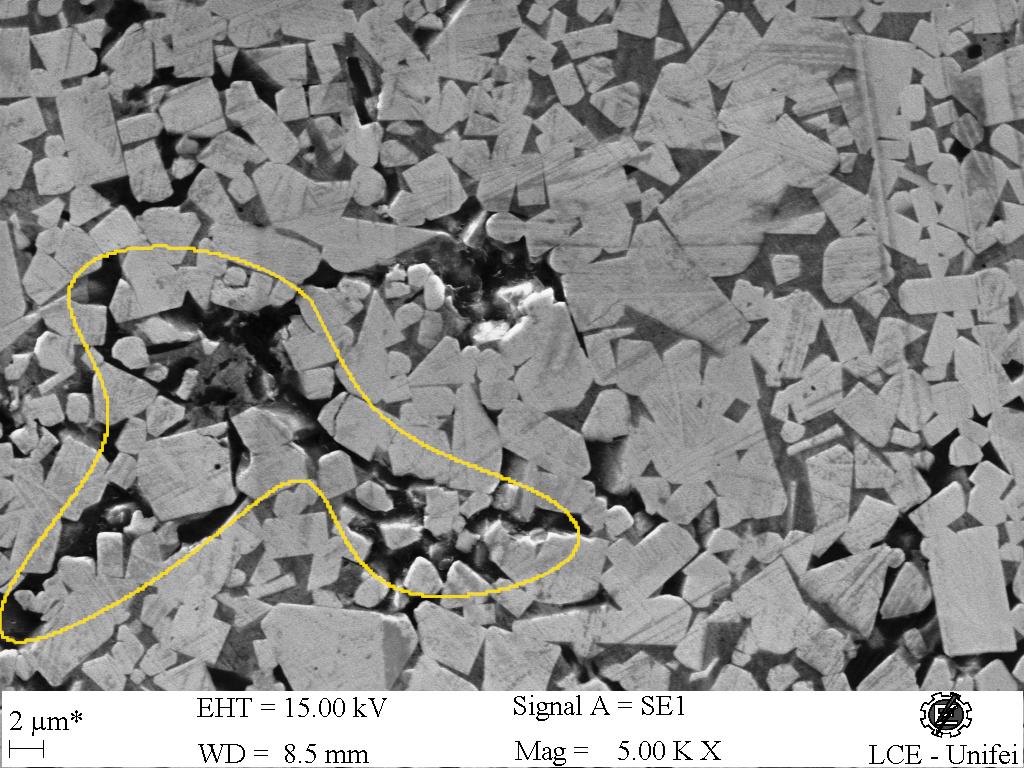
Figures 6 and 7 show the micrographs of the WC-Co and WC-NiAl samples after the linear polarization analysis. No corrosion was observed on the WC particles in the samples, and the corrosion process developed through the selective dissolution of the binder phase in the corrosive medium. The corrosion extended laterally, as highlighted in the image, presenting a crack-like appearance in the WC-NiAl sample, which may have led to the detachment of WC particles. In the WC-Co sample, however, there was a more severe corrosion process, with the dissolution of all the cobalt binder on the sample surface.
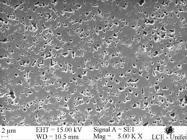
SEM after polarization analysis in 3.5% NaCl solution at room temperature of WC–CO cemented carbide.
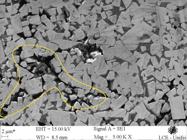
SEM after polarization analysis in 3.5% NaCl solution at room temperature of WC–NiAl cemented carbide.
According to the results found in the linear polarization analysis, in which the cobalt sample presented the highest current density values among the samples, it can be observed from Table 4 that the Co content is low and that the WC-Co sample had the greatest reduction in the binder content, which is due to a greater selective dissolution of the cobalt binder phase.
Chemical compositions of WC-Co and WC-NiAl cemented carbides obtained by EDS, after polarization analysis in 3.5% NaCl solution.
The sample with nickel binder, as expected, presented higher binder contents and the sharp drop observed for the cobalt sample did not occur. However, as previously mentioned, these values are not very reliable because tungsten fluorescence influences the quantification of other elements, mainly nickel and chromium22.
In the chemical composition result for the WC-NiAl sample, the alloying element added to the sample also appears, aluminum appears with a concentration of 0.21%, indicating that the aluminum was not fully dissolved. However, it is worth noting that EDS analysis presents difficulty in identifying small variations in composition when the elements present are in concentrations below 5% by volume18.
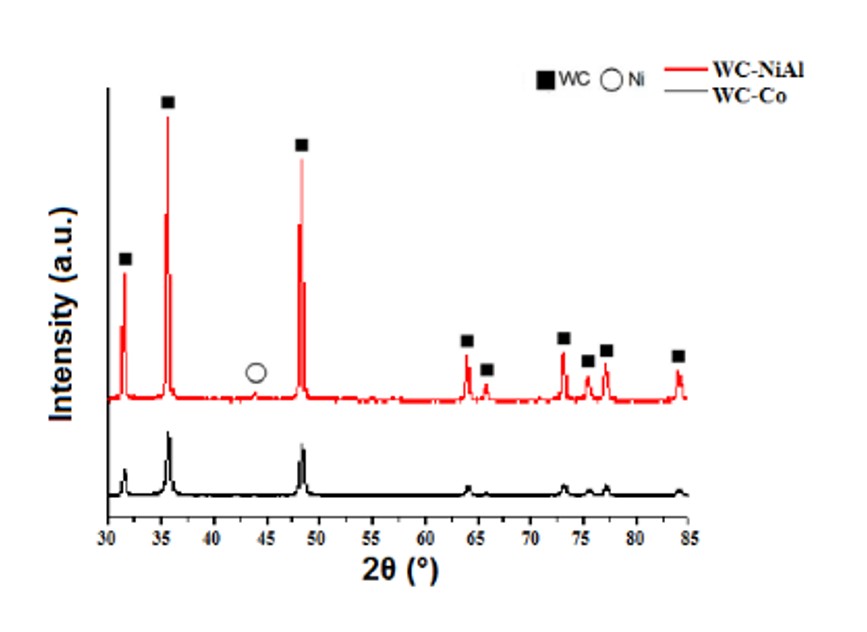
Figure 8 shows the X-ray diffractograms (XRD) of the WC-Co and WC-NiAl cemented carbides after the potentiodynamic polarization analysis. Only peaks from the WC and nickel phases are observed, while the peaks from the cobalt and η phases visualized before the polarization analysis are no longer detected, thus suggesting the dissolution of these phases.
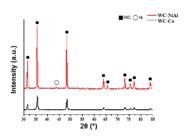
XRD of WC-Co and WC-NiAl cemented carbides, after polarization analysis in 3.5% NaCl solution.
As expected, the hard phase WC peaks appear with greater intensity and quantity in all samples, as it is the predominant phase of the microstructures and selective dissolution of the binder occurred. This is also the only phase that appears in the WC-Co sample, as none of the previously observed cobalt peaks appear after corrosion, indicating severe dissolution of this phase. For the WC-NiAl sample, a peak of the nickel binder phase is still observed, although its intensity in relation to that of WC is significantly reduced.
No oxide peaks were identified in the corrosion products, which suggests that their concentration is very low and outside the detection limits of the method31. This is in line with the result found by EDS, which showed a low oxygen content. However, according to Fan et al.34, the main corrosion products of WC-6Co in NaCl solution are Co(OH)2, Co3O4 and a small amount of WO3, which indicates that the WC phase undergoes some corrosion after the dissolution of the Co binder. On the other side, Farahmand and Kovacevic27 report the presence of NiO, Ni2O3 and WO3 oxides in 3.5 wt%NaCl solution for a WC-40Ni coating.
3.2.3. Electrochemical Impedance Spectroscopy
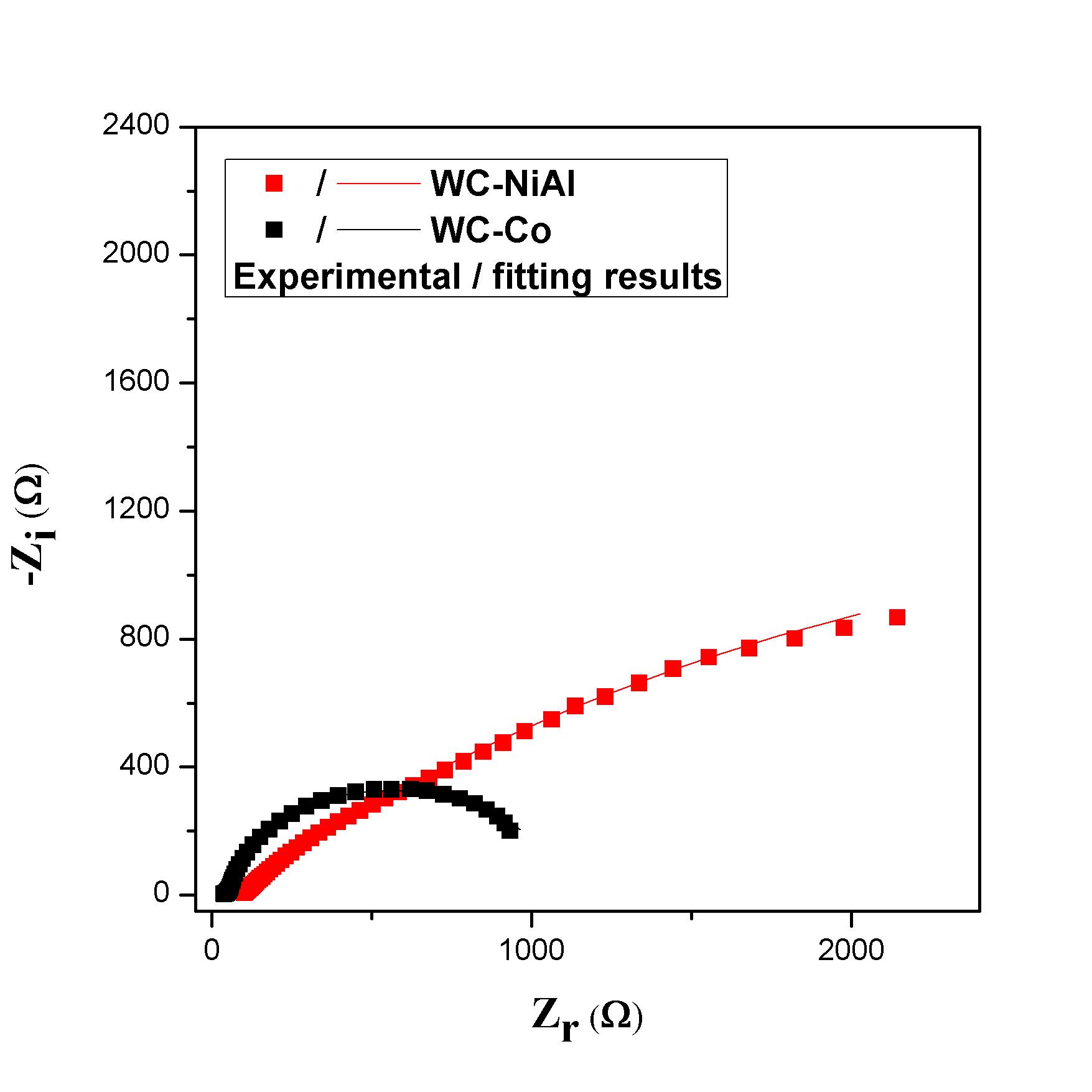
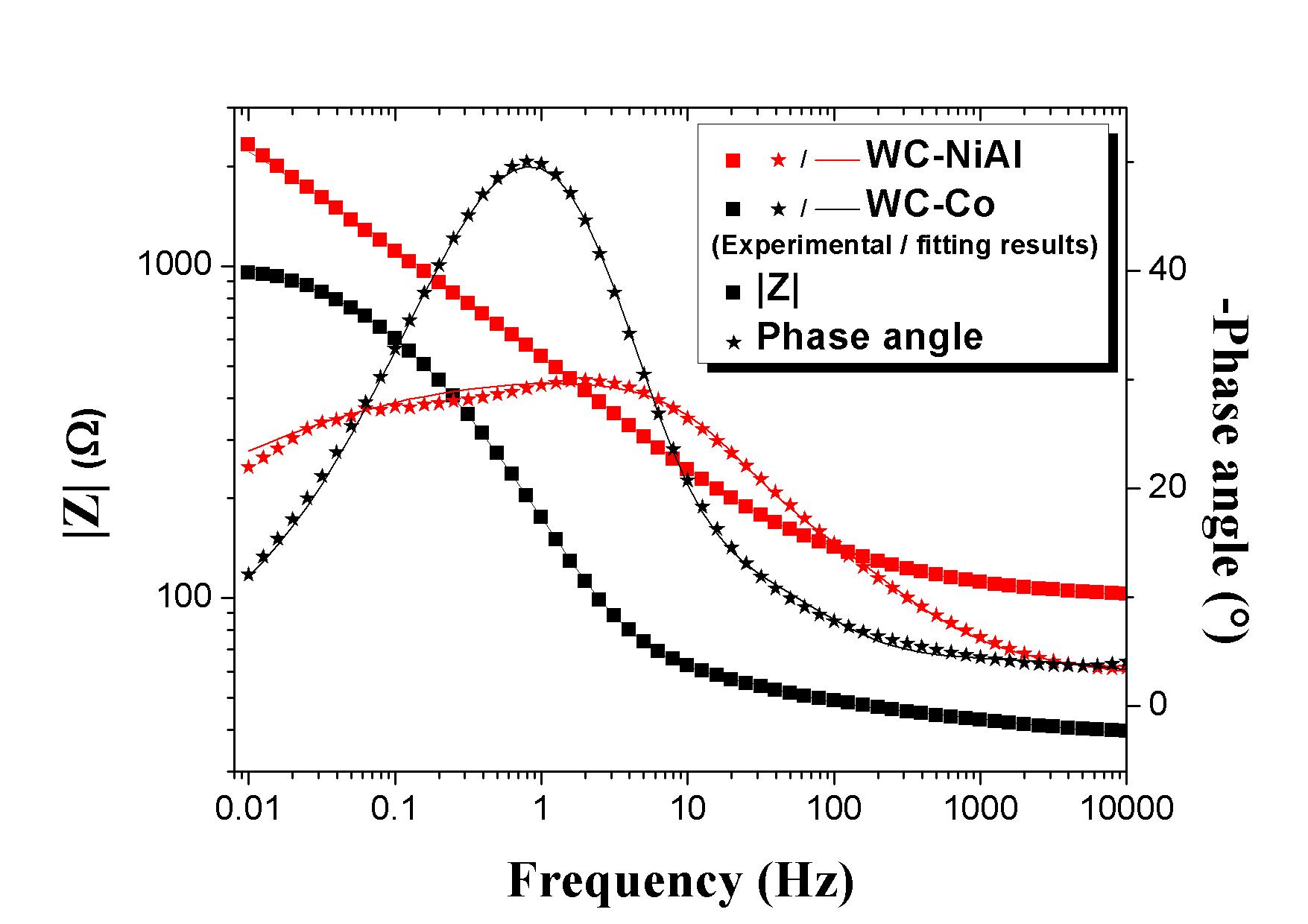
The results of the impedance spectra of the samples in the form of Nyquist and Bode diagrams, measured at open circuit potential, are presented in Figures 9 and 10.
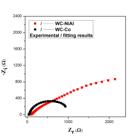
Nyquist diagram for the WC-Co (black symbols) and WC-NiAl (red symbols) cemented carbides in 3.5% NaCl solution at room temperature.
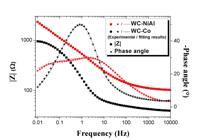
Bode modulus diagram (left axis – square symbols) and Bode phase diagram (right axis – star symbols) for the WC-Co and WC-NiAl cemented carbides in 3.5% NaCl solution at room temperature.
Using the Nyquist diagram, a quick estimate of the total series resistance, Rs, can be made at the point where the graph meets the real impedance axis in the high-frequency region. RS represents not only the solution resistance but also the resistance corresponding to the circuit wires35. However, since the circuit wires are usually negligible, it is common to regard RS as corresponding only to the solution resistance35. On the other hand, for a working electrode in intimate contact with the electrolyte, the diameter of the semicircle is associated with the charge transfer resistance, Rct; therefore, the larger the diameter, the lower the corrosion rate35-37. As can be seen in the graph, the sample with nickel has a larger diameter, indicating greater resistance to charge transfer.
The Nyquist graph curves appear only in the first quadrant, showing resistive behavior corresponding to a capacitive semicircle, without any inductive response. The semicircles in the high frequency region indicate that the reactions were controlled by the charge transfer mechanism, Rct indicating the corrosion resistance of the samples33,38.
The depressed semicircles observed in the Nyquist plot are an indication of multiple processes in the system and are commonly found in the semicircles corresponding to charge transfer processes, mainly caused by non-uniform current distribution, roughness and porosity in the electrode. For a given working electrode with rough surface or non-homogenous chemical composition along its surface, the resulting impedance of the semicircle is represented by a Rct in parallel with a constant phase element, QCPE. The constant phase element (CPE) can be represented by Equation 1:
where 𝜔 is the angular frequency and 𝑛 (0 <𝑛< 1.0) and QCPE are frequency-independent parameters related to the capacitive character of the system. When n = 1, Q equals the capacitance value C, and Equation 1 describes the impedance of an ideal capacitor. For n = 0 the equation provides the impedance response of an ideal resistor with Q = 1/R 33.
From the Bode diagram in Figure 10, it is possible to see that the sample with nickel binder exhibited a higher total impedance than the sample with cobalt throughout the frequency range studied and, therefore, presented greater resistance to corrosion in the studied environment.
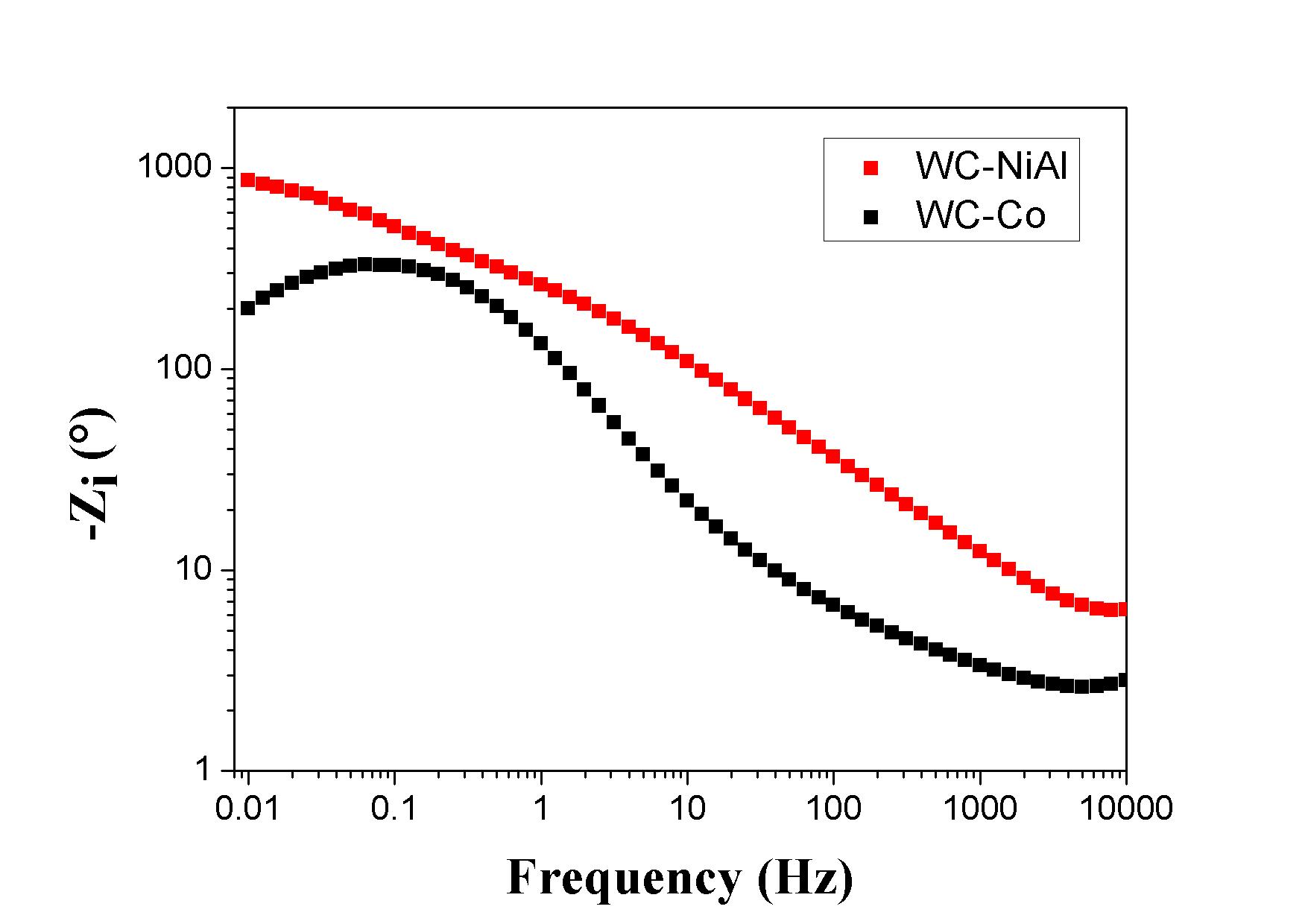
Examining electrochemical systems through Bode plots taking into account RS presents multiple limitations. The influence of RS complicates the analysis of electrode surface behavior. Modifying the Bode plots by removing RS from the real component of the impedance reveals essential insights into the presence of Constant Phase Element (CPE) behavior. However, inaccuracies in calculating RS can lead to significant errors. To mitigate this, one can plot the imaginary component of impedance against frequency. Since the imaginary impedance is unaffected by RS, its slope directly reflects the -n value. For a single-phase working electrode, a single straight line with a distinct slope is anticipated. Yet, a closer examination of Figure 11 indicates at least three distinct slopes for both samples, suggesting the coexistence of multiple CPEs for each sample30,39. This observation aligns with the Bode phase plot (Figure 10) for WC-NiAl, where two broad, asymmetric consecutive peaks appear, while WC-Co shows a single asymmetric peak. Such asymmetry provides compelling evidence of the presence of additional phases. It should also be highlighted the widening of the phase angle observed in the sample with nickel, which corresponds to an increase in corrosion resistance30,40.
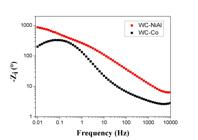
Modified Bode diagram for the WC-Co and WC-NiAl cemented carbides in 3.5% NaCl solution at room temperature.
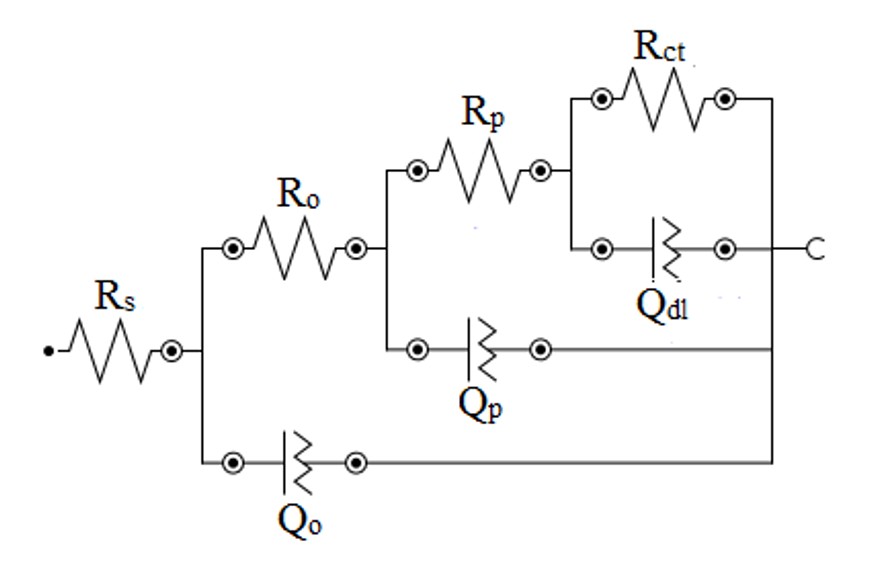
Based on the preceding analysis and the microstructural features of the working electrode revealed by SEM analysis (Figures 1 and 2), the impedance data were modeled using the proposed equivalent electrical circuit shown in Figure 12. This circuit accounts for the presence of pores, binder components, and charge transfer phenomena. In this model, Ro denotes the resistance of the pseudopassive oxide film adhering to the working electrode surface, while Qo represents a constant phase element reflecting the capacitance of this pseudopassive film. The resistive and capacitive characteristics related to charge transport within the pores are represented by Rp and its corresponding constant phase element Qp, respectively. Additionally, the electric double layer formed at the sample-solution interface is characterized by the charge transfer resistance Rct and the constant phase element Qdl.
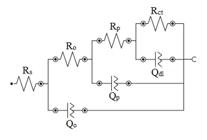
In Table 5, the parameters extracted from the impedance data using the NOVA program are presented, while Figures 9 and 10 depicts the fitting curves, shown as solid lines, overlaying the experimental data. These graphs demonstrate a satisfactory fit, particularly for the WC-Co samples. The data in Table 5 reveal that samples with a nickel binder exhibit higher resistance values. Notably, the WC-NiAl sample shows an approximate 460% increase in Rct compared to the WC-Co sample, underscoring its enhanced corrosion resistance. Additionally, Table 5 indicates generally lower admittance values for the nickel-bound samples, resulting in higher capacitive impedances relative to the cobalt-bound sample. This expected increase in impedance values for nickel-bound samples aligns with observations in the total impedance Bode diagram (Figure 10). Moreover, these findings corroborate results from linear potentiodynamic polarization analysis, where the corrosion current density for the nickel sample was an order of magnitude lower than that observed for the cobalt sample, further affirming the superiority of WC-NiAl as a corrosion-resistant material.
Electrochemical parameters of the WC-Co and WC-NiAl cemented carbides calculated by equivalent circuit simulation.
Concerning RS, Table 5 shows that it varies in an unexpected way. A possible explanation for this behavior is due to the fact that RS reflects the resistance caused by corrosion product films, which is greater for the WC-NiAl sample26.
4. Conclusions
In the open circuit potential electrochemical analysis, the sample with a nickel binder displayed a more noble potential compared to WC-Co. During electrochemical potentiodynamic polarization tests, the WC-NiAl sample exhibited a polarization curve similar to that of WC-Co but was slightly shifted towards more noble values. Post-polarization microstructural characterizations indicated selective dissolution of the binders, suggesting corrosion in both samples. Electrochemical impedance spectroscopy further confirmed the superior corrosion resistance of the nickel-binder sample, as it demonstrated a higher total impedance across the frequency range studied than the cobalt-binder sample. Overall, the WC-NiAl sample exhibited the highest corrosion resistance, with the most favorable electrochemical response, positioning it as the most suitable material for application in the studied solution.
5. Acknowledgments
The authors are grateful for the valuable financial support of FAPEMIG, CAPES and CNPq.
-
Data Availability
The datasets generated during the current study are not publicly available, but can be obtained from the corresponding author on reasonable request.
6. References
- 1 Santos JN. Desenvolvimento de metais duros sem cobalto [thesis]. Florianópolis: Universidade Federal de Santa Catarina; 1990.
- 2 Pinto GB. Análise do efeito do tempo da moagem de alta energia no tamanho de cristalito e microdeformação da rede cristalina do WC-Co [dissertation]. Natal: Universidade Federal do Rio Grande do Norte; 2008.
-
3 Torres CS, Schaeffer L. Effect of high energy milling on the microstruture and properties of Wc-Ni composite. Mater Res. 2010;13(3):293-8. https://doi.org/10.1590/S1516-14392010000300004
» https://doi.org/10.1590/S1516-14392010000300004 -
4 Siwak P, Garbiec D, Rogalewicz M. The effect of cr3C2 and TaC additives on microstructure, hardness and fracture toughness of WC-6Co tool material fabricated by spark plasma sintering. Mater Res. 2017;20(3):780-5. https://doi.org/10.1590/1980-5373-mr-2016-0889
» https://doi.org/10.1590/1980-5373-mr-2016-0889 - 5 Uchibori Z, Tanoue H, Hirabayashi H, Kaneta M. Various causes of wear of cemented carbide rings applied to water pump seals. J Soc Tribol Lub Engin. 1990;46:163-71.
- 6 Human AM, Northrop IT, Luyckx SB, James MN. A comparison between cemented carbides containing cobalt- and nickel-based binders. J Hazard Mater. 1991;2:245-56.
-
7 Human AM, Exner HE. Electrochemical behaviour of tungsten-carbide hardmetals. Mater Sci Eng A. 1996;209(1-2):180-91. https://doi.org/10.1016/0921-5093(95)10137-3
» https://doi.org/10.1016/0921-5093(95)10137-3 -
8 Thakare MR, Wharton JA, Wood RJK, Menger C. Exposure effects of alkaline drilling fluid on the microscale abrasion-corrosion of WC-based hardmetals. Wear. 2007;263(1-6):125-36. https://doi.org/10.1016/j.wear.2006.12.047
» https://doi.org/10.1016/j.wear.2006.12.047 -
9 Tomlinson WJ, Linzell CR. Anodic polarization and corrosion of cemented carbides with cobalt and nickel binders. J Mater Sci. 1988;23(3):914-8. https://doi.org/10.1007/BF01153988
» https://doi.org/10.1007/BF01153988 - 10 Kaefer LF. Análise do comportamento eletroquímico de revestimento de carbeto de tungstênio cimentado obtido por aspersão térmica [dissertation]. Curitiba: Universidade Federal do Paraná; 2004.
- 11 Marques BJJ. O aço inoxidável como ligante no metal duro [dissertation]. Aveiro: Universidade de Aveiro; 2010.
- 12 Santos JN, Klein AK, Correa EO. Desenvolvimento de metais duros WC-Ni-Si para aplicações de engenharia. Tecnol Metal Mater Min. 2010;6:162-6.
- 13 Gutiérrez JAE. Extração de ligantes e sinterização por plasma de metal duro [thesis]. Florianópolis: Universidade Federal de Santa Catarina; 2002.
-
14 Ferro Rocha AM, Bastos AC, Cardoso JP, Rodrigues F, Fernandes CM, Soares E, et al. Corrosion behaviour of WC hardmetals with nickel-based binders. Corros Sci. 2019;147:384-93. https://doi.org/10.1016/j.corsci.2018.11.015
» https://doi.org/10.1016/j.corsci.2018.11.015 -
15 Pereira P, Vilhena L, Sacramento J, Senos A, Malheiros L, Ramalho A. Influence of different binders and severe environmental conditions on the tribological and electrochemical behaviour of WC-based composites. Lubricants. 2022;10(7):145. https://doi.org/10.3390/lubricants10070145
» https://doi.org/10.3390/lubricants10070145 -
16 Li X, Zhang M, Xia X, Cao T, Liang L, Li H. Corrosion Behavior of WC–10 wt % Ni3Al Composite in Acidic Media. J Superhard Mater. 2019;41(5):345-54. https://doi.org/10.3103/S106345761905006X
» https://doi.org/10.3103/S106345761905006X -
17 Correa EO, Santos JN, Klein AK. Microstructure and mechanical properties of WC-Ni-Al based cemented carbides developed for engineering applications. Int J Mater Res. 2011;102(11):1369-73. https://doi.org/10.3139/146.110593
» https://doi.org/10.3139/146.110593 - 18 Bezerra RM. Estudo de solda a laser em ligas odontológicas utilizadas em próteses sobre implantes: titânio comercialmente puro e liga de ouro [dissertation]. São Carlos: Escola de Engenharia de São Carlos, Universidade de São Paulo; 1999.
- 19 Milheiro FAC. Produção e caracterização de pós compósitos nanoestruturados do metal duro WC-10Co por moagem de alta energia [dissertation]. Campos dos Goytacazes: UniversidadeEstadual do Norte Fluminense; 2006.
-
20 Shi K, Zhou K, Li Z, Zan X, Xu S, Min Z. Effect of adding method of Cr on microstructure and properties of WC–9Ni–2Cr cemented carbides. Int J Refract Hard Met. 2013;38:1-6. https://doi.org/10.1016/j.ijrmhm.2012.11.010
» https://doi.org/10.1016/j.ijrmhm.2012.11.010 - 21 Liberto RCN. Corrosão e propriedades mecânicas de ligas cuproníquel 90-10 com adição de ferro e alumínio [dissertation]. São Paulo: Escola Politécnica, Universidade de São Paulo; 2004.
- 22 Fernandes CMS. Caracterização e processamento de pós de carboneto de tungsténio revestido com aço inoxidável [dissertation]. Aveiro: Universidade de Aveiro; 2002.
-
23 Habibi Rad M, Ahmadian M, Golozar MA. Investigation of the corrosion behavior of WC–FeAl–B composites in aqueous media. Int J Refract Hard Met. 2012;35:62-9. https://doi.org/10.1016/j.ijrmhm.2012.04.005
» https://doi.org/10.1016/j.ijrmhm.2012.04.005 -
24 Balbino NAN, Corrêa EO, Huanca DR, Matos FAf, Valeriano LC. Comparative study of corrosion behaviors of WC-NiMo and WC-Co cemented carbides. Materials. 2023;16(12):4480. https://doi.org/10.3390/ma16124480
» https://doi.org/10.3390/ma16124480 -
25 Human AM, Exner HE. The relationship between electrochemical behaviour and in-service corrosion of WC based cemented carbides. Int J Refract Hard Met. 1997;15(1-3):65-71. https://doi.org/10.1016/S0263-4368(96)00014-5
» https://doi.org/10.1016/S0263-4368(96)00014-5 -
26 Han B, Zhu S, Dong W, Bai Y, Ding H, Luo Y, et al. Electrochemical corrosion behavior of hot-pressing sintered WC-Al2O3 composite in alkaline and acidic solutions. J Mater Sci. 2021;56(6):4120-34. https://doi.org/10.1007/s10853-020-05521-6
» https://doi.org/10.1007/s10853-020-05521-6 -
27 Farahmand P, Kovacevic R. Corrosion and wear behavior of laser cladded Ni–WC coatings. Surf Coat Tech. 2015;276:121-35. https://doi.org/10.1016/j.surfcoat.2015.06.039
» https://doi.org/10.1016/j.surfcoat.2015.06.039 -
28 Silva FS, Cinca N, Dosta S, Cano IG, Couto M, Guilemany JM, et al. Corrosion behavior of WC-Co coatings deposited by cold gas spray onto AA 7075-T6. Corros Sci. 2018;136:231-43. https://doi.org/10.1016/j.corsci.2018.03.010
» https://doi.org/10.1016/j.corsci.2018.03.010 -
29 Sutthiruangwong S, Mori G, Kösters R. Passivity and pseudopassivity of cemented carbides. Int J Refract Hard Met. 2005;23(2):129-36. https://doi.org/10.1016/j.ijrmhm.2004.11.006
» https://doi.org/10.1016/j.ijrmhm.2004.11.006 -
30 Fazili A, Derakhshandeh MR, Nejadshamsi S, Nikzad L, Razavi M, Ghasali E. Improved electrochemical and mechanical performance of WC-Co cemented carbide by replacing a part of Co with Al2O3 J Alloys Compd. 2020;823:153857. https://doi.org/10.1016/j.jallcom.2020.153857
» https://doi.org/10.1016/j.jallcom.2020.153857 -
31 Qiu W, Liu Y, Ye J, Fan H, Qiu Y. Effects of (Ti,Ta,Nb,W)(C,N) on the microstructure, mechanical properties and corrosion behaviors of WC-Co cemented carbides. Ceram Int. 2017;43(3):2918-26. https://doi.org/10.1016/j.ceramint.2016.09.124
» https://doi.org/10.1016/j.ceramint.2016.09.124 -
32 Zhang L, Chen Y, Feng Y, Chen S, Wan Q, Zhu J. Electrochemical characterization of AlTiN, AlCrN and AlCrSiWN coatings. Int J Refract Hard Met. 2015;53:68-73. https://doi.org/10.1016/j.ijrmhm.2015.03.018
» https://doi.org/10.1016/j.ijrmhm.2015.03.018 -
33 Ahmed R, Vourlias G, Algoburi A, Vogiatzis C, Chaliampalias D, Skolianos S, et al. Comparative study of corrosion performance of HVOF-sprayed coatings produced using conventional and suspension WC-Co feedstock. J Therm Spray Technol. 2018;27(8):1579-93. https://doi.org/10.1007/s11666-018-0775-2
» https://doi.org/10.1007/s11666-018-0775-2 -
34 Fan B, Zhu S, Dong W, Ding H, Bai Y, Luo Y, et al. Comparative study on corrosion behavior of WC-MgO composite and WC-6Co cemented carbide in NaCl solution. Ceram Int. 2021;47(5):7106-16. https://doi.org/10.1016/j.ceramint.2020.11.063
» https://doi.org/10.1016/j.ceramint.2020.11.063 -
35 Lvovich VF. Impedance spectroscopy applications to electrochemical and dielectric phenomena. Hoboken: John Wiley & Sons; 2012. https://doi.org/10.1002/9781118164075
» https://doi.org/10.1002/9781118164075 -
36 Ribeiro DV, Souza CAC, Abrantes JCC. Uso da Espectroscopia de Impedância Eletroquímica (EIE) para monitoramento da corrosão em concreto armado. Rev IBRACON Estrut Mater. 2015;8(4):529-46. https://doi.org/10.1590/S1983-41952015000400007
» https://doi.org/10.1590/S1983-41952015000400007 -
37 Wang X, Wang H, Liu X, Hou C, Song X. Microstructure and performance of WC–Co–Cr coating with ultrafine/nanocrystalline structures. Rare Met. 2018;37(11):968-75. https://doi.org/10.1007/s12598-017-0987-5
» https://doi.org/10.1007/s12598-017-0987-5 -
38 Brioua S, Belmokre K, Debout V, Jacquot P, Conforto E, Touzain S, et al. Corrosion behavior in artificial seawater of thermal-sprayed WC-CoCr coatings on mild steel by electrochemical impedance spectroscopy. J Solid State Electrochem. 2012;16(2):633-48. https://doi.org/10.1007/s10008-011-1403-y
» https://doi.org/10.1007/s10008-011-1403-y -
39 Jorcin JB, Orazem ME, Pébère N, Tribollet B. CPE analysis by local electrochemical impedance spectroscopy. Electrochim Acta. 2006;51(8-9):1473-9. https://doi.org/10.1016/j.electacta.2005.02.128
» https://doi.org/10.1016/j.electacta.2005.02.128 -
40 Kellner FJJ, Hildebrand H, Virtanen S. Effect of WC grain size on the corrosion behavior of WC–Co based hardmetals in alkaline solutions. Int J Refract Hard Met. 2009;27(4):806-12. https://doi.org/10.1016/j.ijrmhm.2009.02.004
» https://doi.org/10.1016/j.ijrmhm.2009.02.004
Edited by
-
Associate Editor:
José Daniel Biasoli de Mello.
-
Editor-in-Chief:
Luiz Antonio Pessan.
The datasets generated during the current study are not publicly available, but can be obtained from the corresponding author on reasonable request.