
 Factors Associated with Access to Oral Health Care in Primary Health Care: Data from the 3rd PMAQ-AB Cycle
Objective: To identify characteristics of the work processes of oral health teams (eSB) associated with users’ access to oral health services within primary health care (PHC) in Brazil and its geographic regions, based on data from the 3rd cycle of Brazilian National Program for Improving Primary Care Access and Quality (Programa para Melhoria do Acesso e da Qualidade da Atenção Básica, PMAQ-AB).
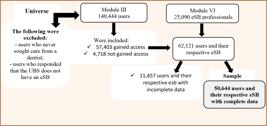
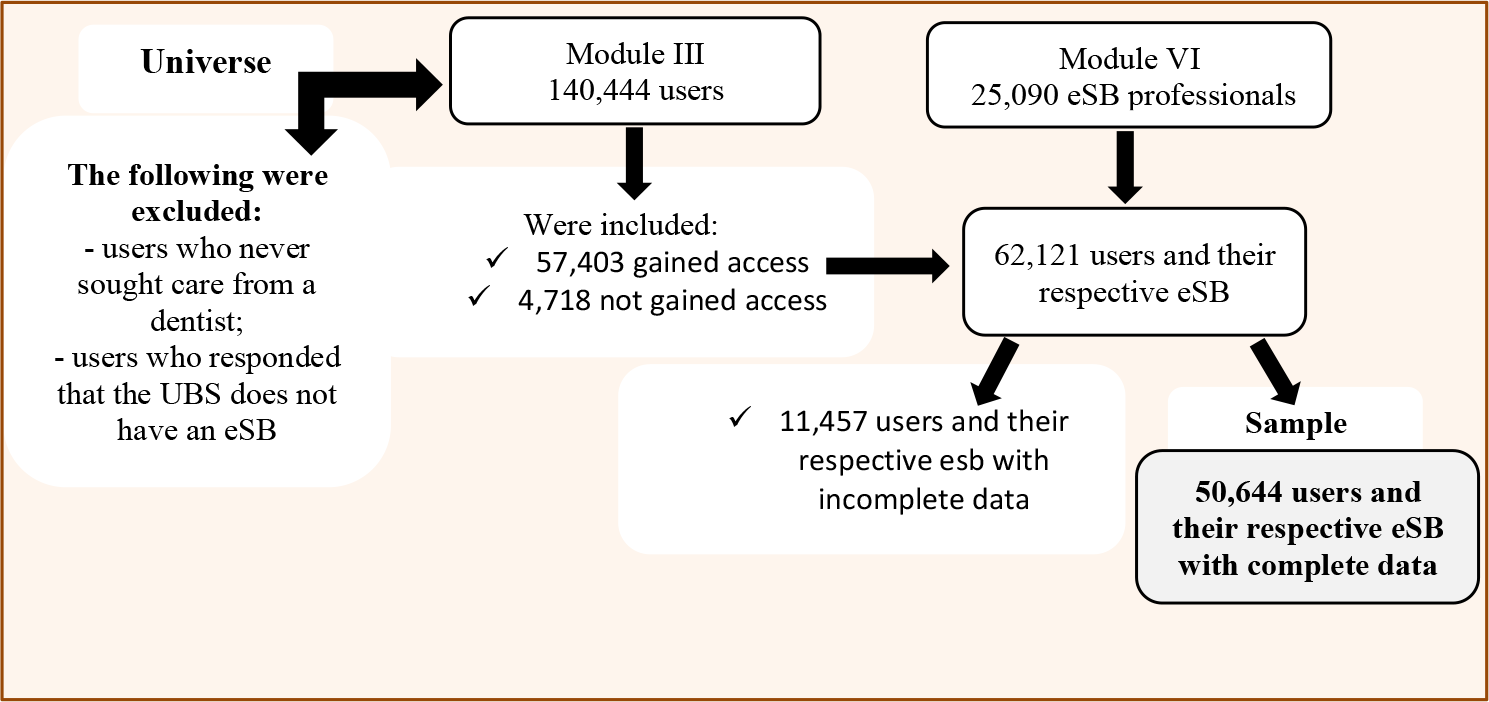
Material and Methods: This cross-sectional study used data from Module III, which collected users' responses on oral health care, and Module VI, which collected data on the work processes of eSBs. The analysis focused on variables related to "Territorialization and Assigned Population," "Support Matrix," and "Schedule Management and Service Delivery by the Team." Descriptive and inferential analyses were performed using logistic regression (α = 0.05).
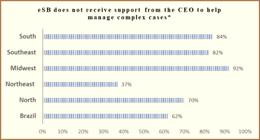
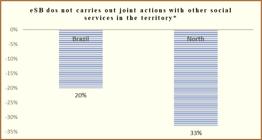
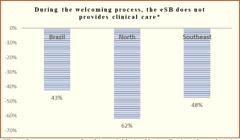
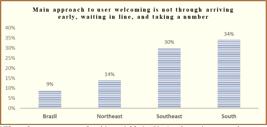
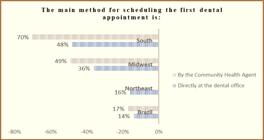
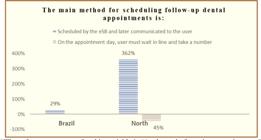
Results: In Brazil, 40.9% of PHC users reported having access to dental care. Among the regions, the Northeast had the highest proportion of users able to schedule dental appointments (48.4%), while the Southeast had the lowest (33.9%). Several characteristics of eSB work processes were found to influence access to oral health services positively. These include: the eSB being assigned to a single Family Health Team (eFS); the eSB not relying on the Dental Specialty Center for managing complex cases; integration of eSB actions with other services in the territory; assessment of users' health needs and provision of clinical care during the initial encounter; risk/vulnerability-based prioritization of users over first-come, first-served approaches; eSB professionals trained to assess and classify risk and vulnerability; initial dental appointments scheduled at the primary care reception desk; and follow-up appointments scheduled at the end of current consultation.
Conclusion: Some aspects of the eSB workflow hinder user access to oral health care, underscoring the need to reorganize processes and fully implement national guidelines to ensure effective service delivery within the PHC framework.
Keywords:
Primary Health Care; Health Services Research; Health Care Quality; Access; and Evaluation.
 Thumbnail
 Thumbnail
 Thumbnail
 Thumbnail
 Thumbnail
 Thumbnail
 Thumbnail
 Thumbnail
 Thumbnail
 Thumbnail
 Thumbnail
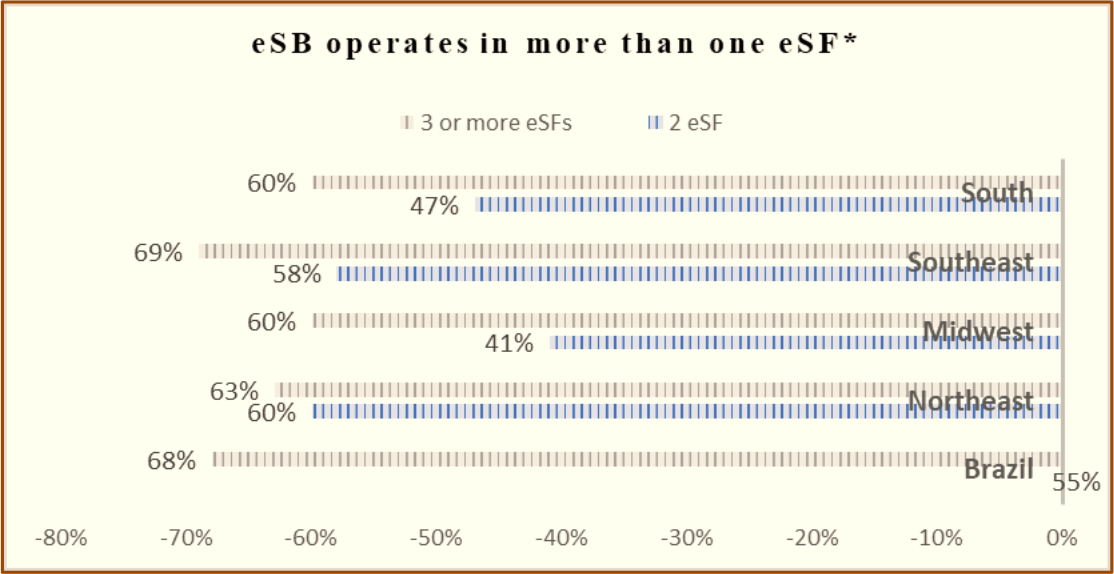 *The reference category for this variable is the eSB operating within one eSF.
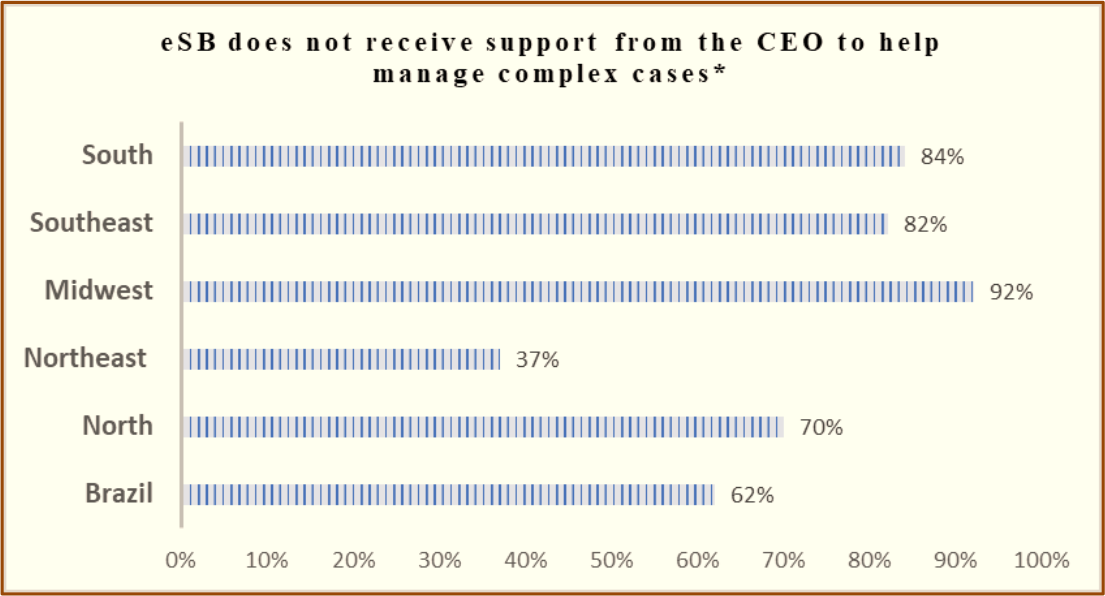 *The reference category for this variable is “Yes” - the eSB receives support from the CEO to assist in managing complex cases.
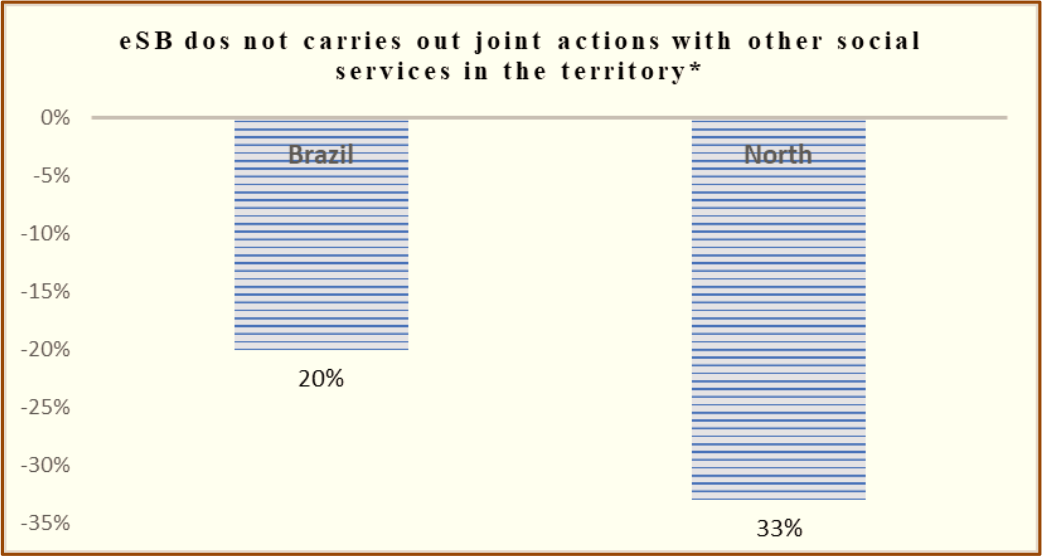 *The reference category for this variable is “Yes” - the eSB performs joint actions with other social services in the territory.
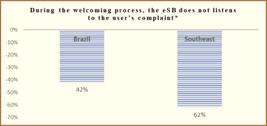
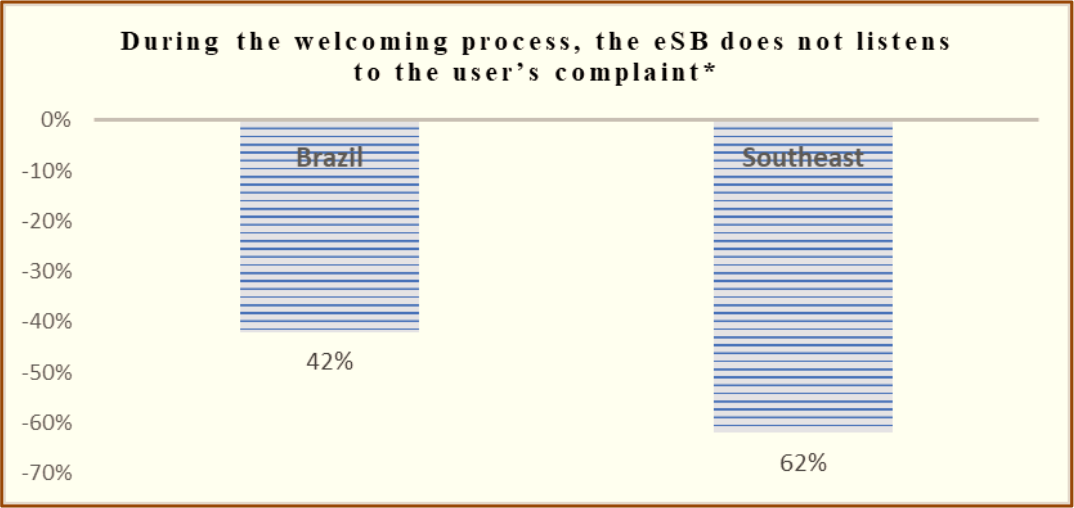 *The reference category for this variable is “Yes” - During the welcoming process, the eSB assesses the user’s health needs.
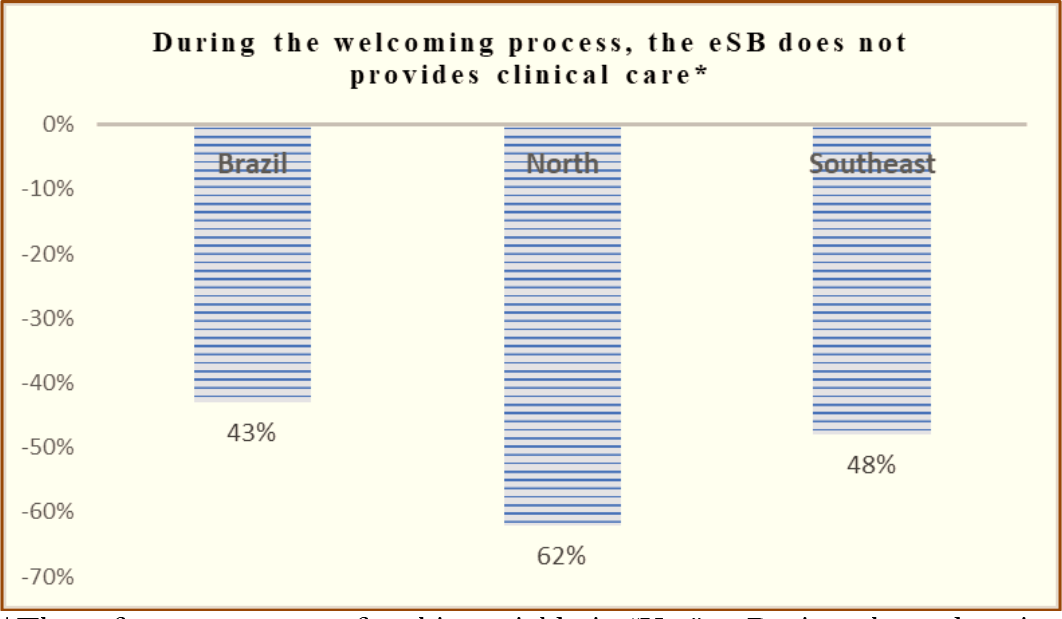 *The reference category for this variable is “Yes” - During the welcoming process, the eSB provides clinical care.
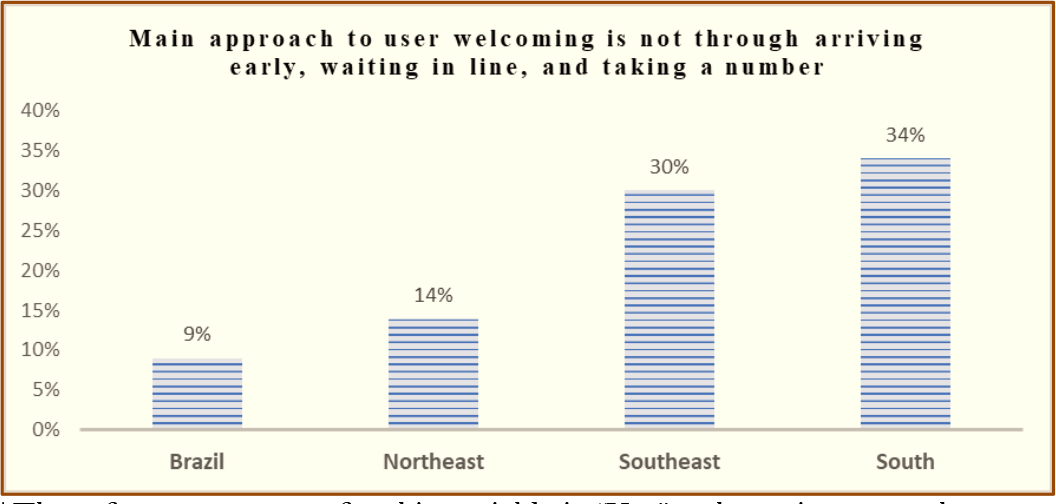 *The reference category for this variable is “Yes” - the main approach to user welcoming is through arriving early, waiting in line, and taking a number.
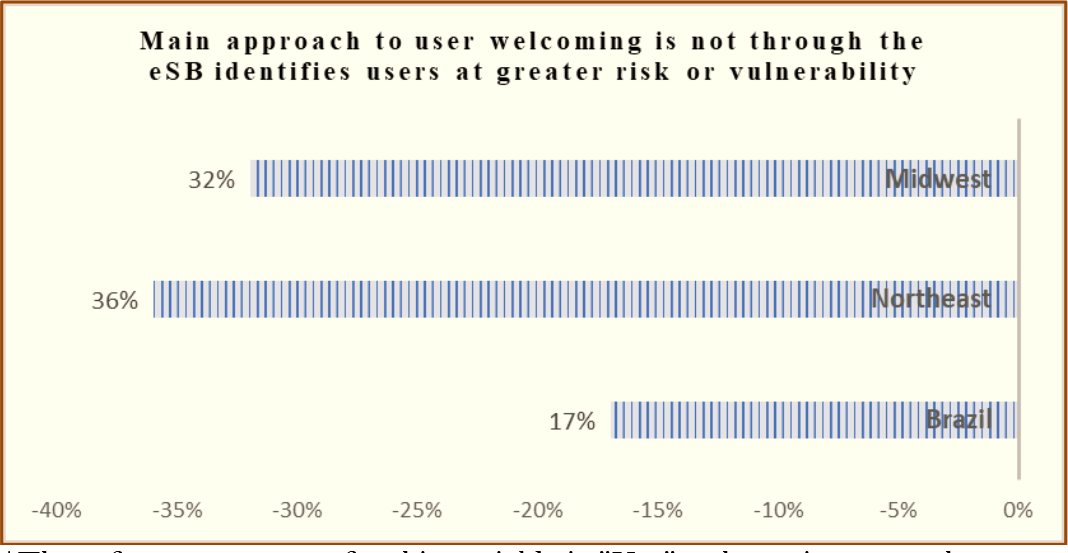 *The reference category for this variable is "Yes" - the main approach to user welcoming is the eSB, which identifies users at greater risk or vulnerability.
 *The reference category for this variable is “Yes” - the Oral Health Team professionals responsible for user welcoming have been trained in risk and vulnerability assessment and classification.
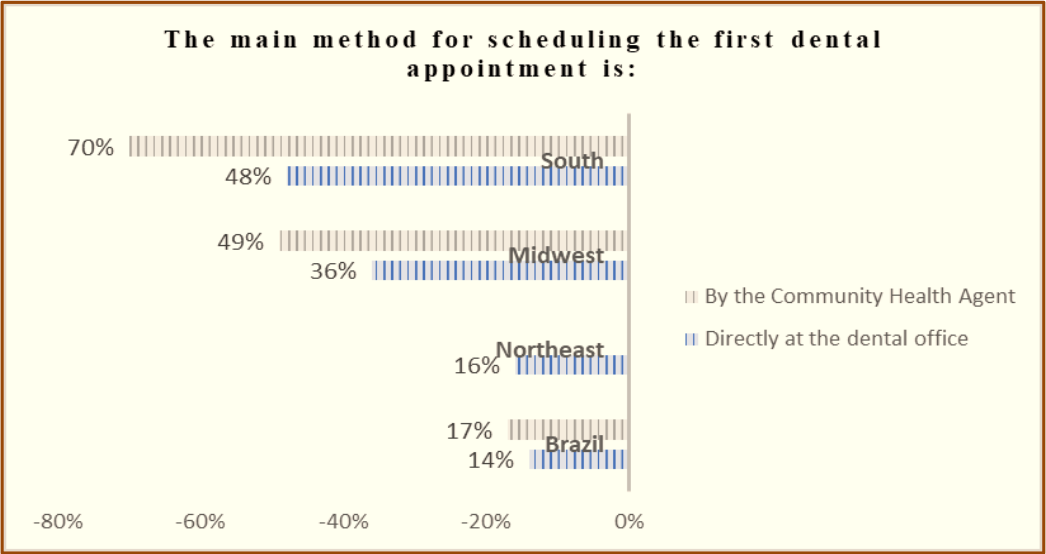 *The reference category for this variable is “At the UBS reception.”
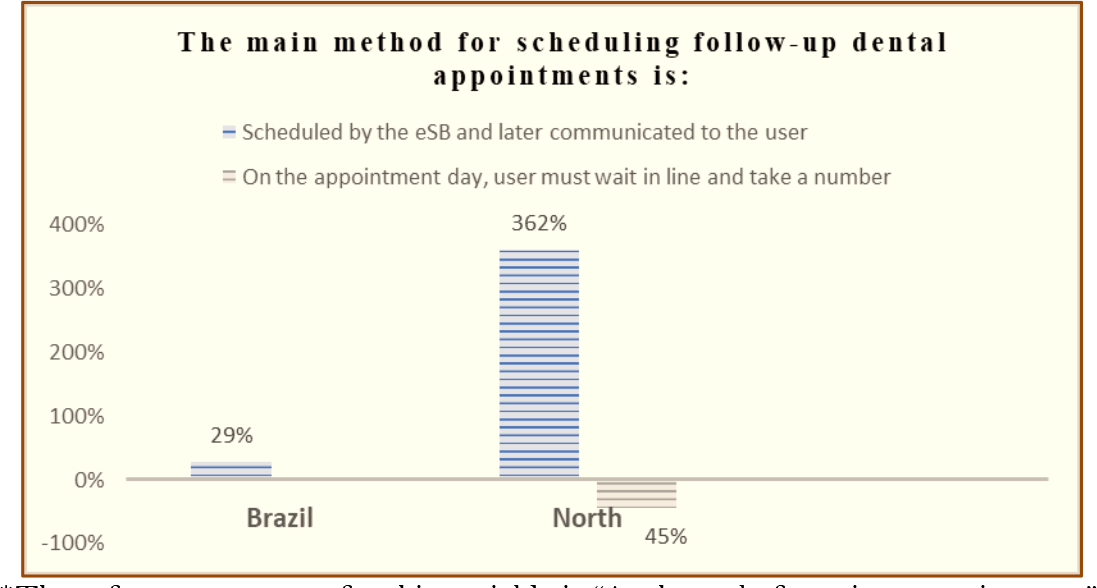 *The reference category for this variable is “At the end of previous appointment”.