 Congenital anomalies of the upper digestive tract: a review of esophageal and gastric embryology and malformations
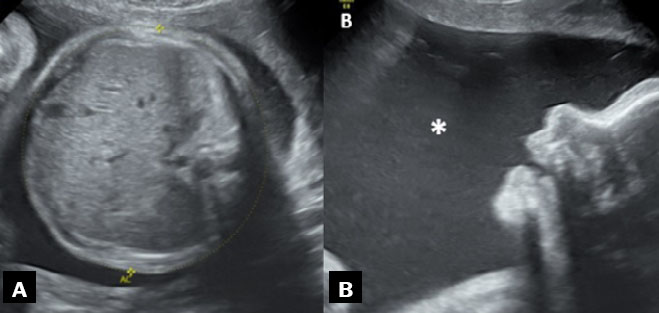
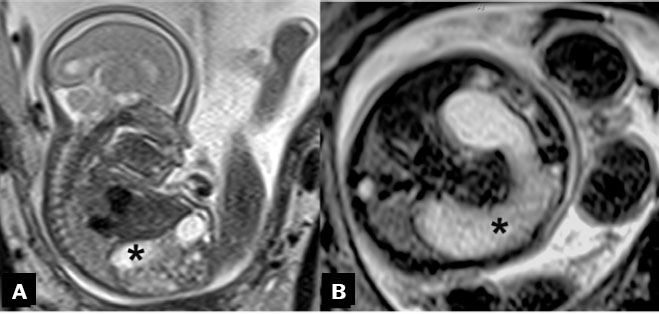
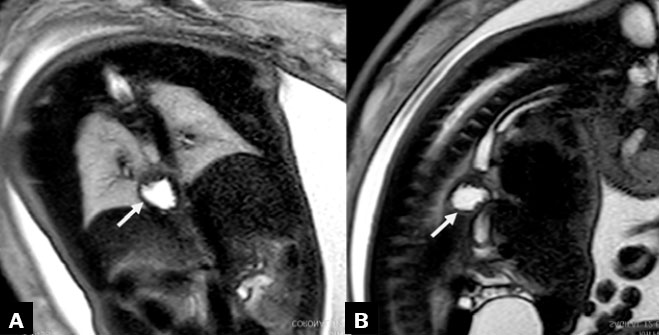
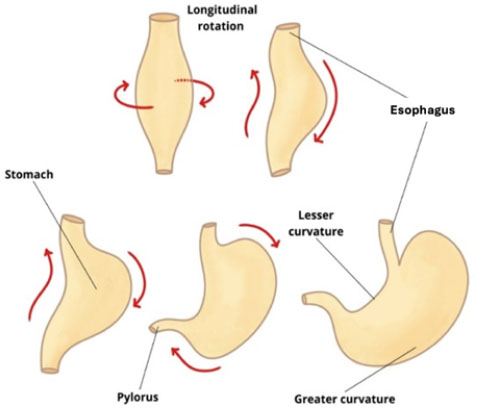
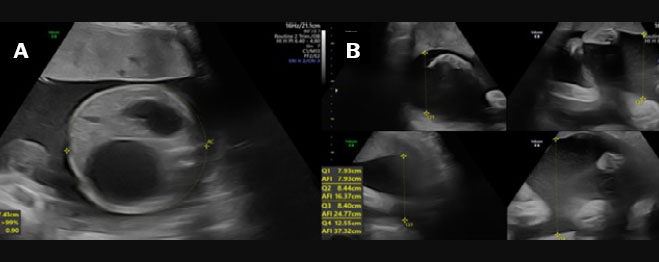
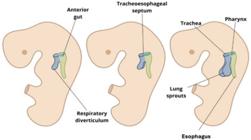
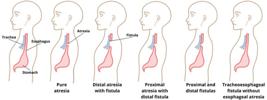
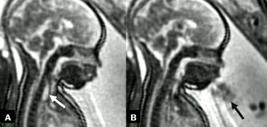
Congenital anomalies of the digestive system, particularly in the esophagus and stomach, present significant challenges to neonatal health due to their complex management and associated risks of morbidity and mortality. This narrative review explores esophageal and gastric anomalies, addressing the embryology, prevalence, diagnostic methods, and treatment approaches, with an emphasis on early detection and improved outcomes. Because of recent advances in prenatal imaging, such as ultrasonography and magnetic resonance, diagnostic accuracy has increased, allowing better clinical planning and management. Studies reveal that gastrointestinal anomalies account for approximately 20% of congenital malformations globally, having a substantial impact on neonatal health and healthcare systems. This review discusses critical anomalies, including esophageal atresia, tracheoesophageal fistula, antral stenosis, and antral atresia, with a focus on diagnostic criteria, surgical interventions, and prognostic factors. By highlighting current knowledge and best practices, we aim to underscore the importance of early, accurate diagnosis and continuous follow-up, which can ultimately improve neonatal outcomes and quality of life.
Keywords:
Congenital abnormalities; Esophageal atresia; Tracheoesophageal fistula; Pyloric stenosis, hypertrophic; Digestive system abnormalities
 Thumbnail
 Thumbnail
 Thumbnail
 Thumbnail
 Thumbnail
 Thumbnail
 Thumbnail
 Thumbnail
 Thumbnail