 Historical and physical considerations on the stellar aberration
Abstract
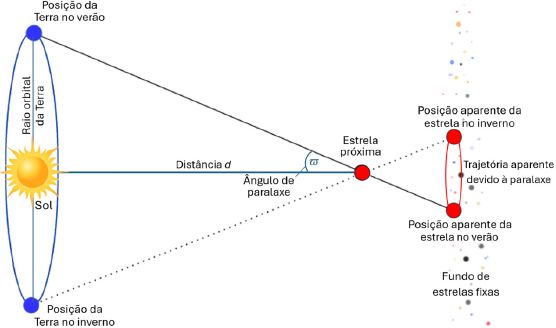
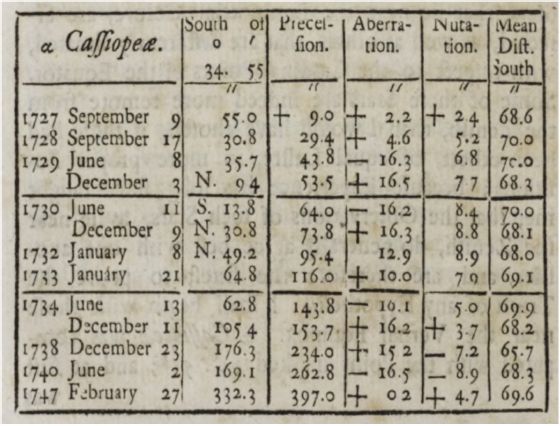
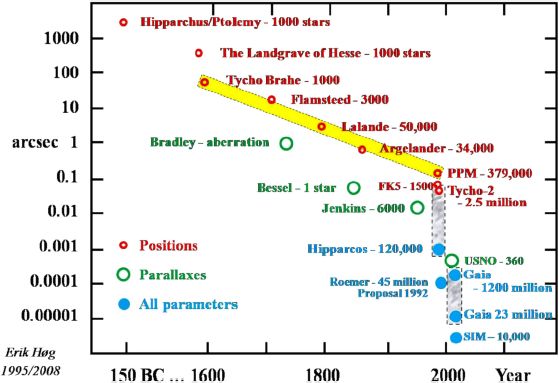
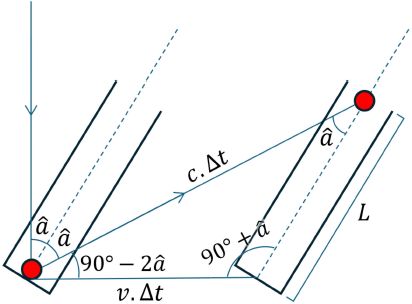
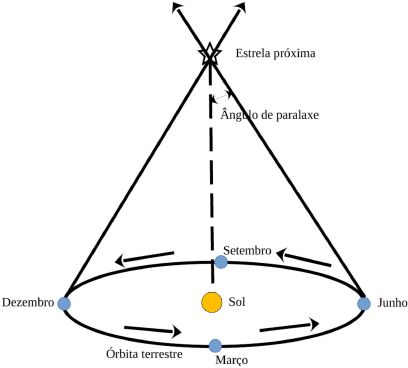
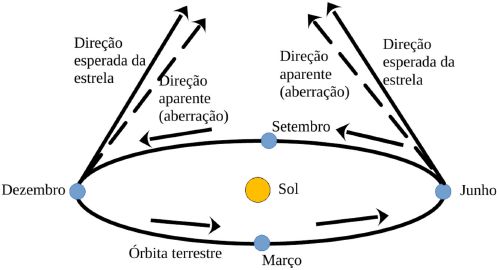
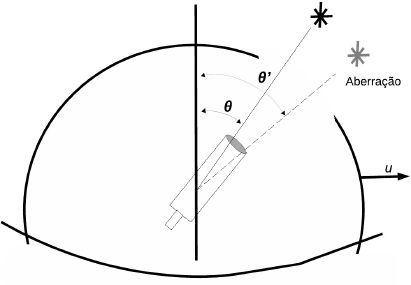
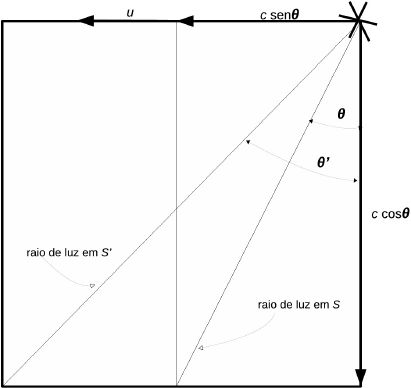
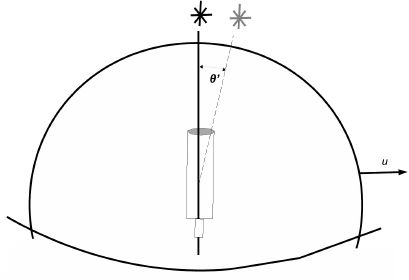
In this article, the concept of aberration of the light in astronomy is introduced in a didactic and simplified way, from a historical and physical perspective. The understanding of this phenomenon, since its discovery by James Bradley, has opened the way to a deeper understanding about the universe, but mainly about the fundamental nature of light itself. From the point of view of the historical context in which the discoveries about the aberration of starlight are located, after the work of Copernicus, astronomers of the 17th and 18th centuries needed empirical evidence to confirm the orbital motion of the Earth around the Sun. Bradley’s observations in an attempt to obtain the parallactic displacement of stars – the change in the position of a star over a period of six months – played a crucial role in this direction. In fact, in this process, he ended up discovering the phenomenon of aberration, an anomalous displacement of stellar light that he attributed to the translation of the Earth. This discovery was fundamental in the historical process of discarding the idea that the Sun revolves around the Earth (a.k.a. the geocentric system). After a qualitative conceptualization of the phenomenon, we present some lines about the history of its discovery in the 18th century and then, right after, deepen its understanding from a quantitative perspective.
Keywords:
Aberration of stellar light; parallax; James Bradley; speed of light; heliocentrism
 Thumbnail
 Thumbnail
 Thumbnail
 Thumbnail
 Thumbnail
 Thumbnail
 Thumbnail
 Thumbnail
 Thumbnail
 Thumbnail
 Thumbnail
 Thumbnail
 Thumbnail
 Thumbnail
 Thumbnail