 Fetal Aberrant Subclavian Artery (ARSA): flow dynamics and its impact on fetal development assessed by doppler ultrasonography
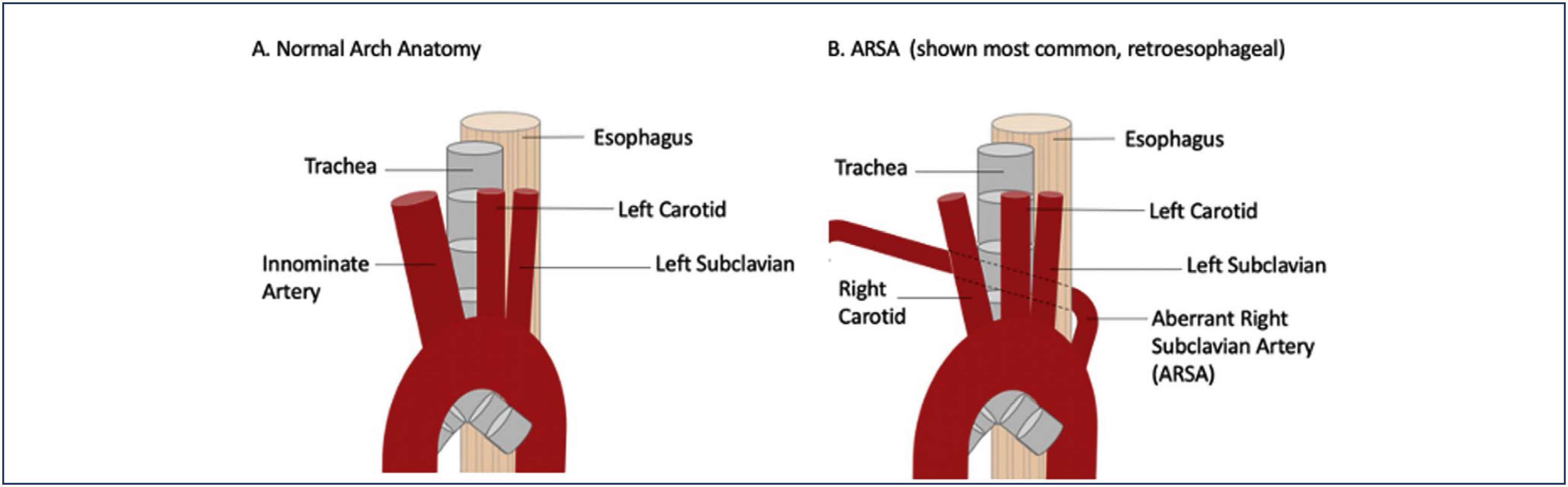
Objective: This study aimed to evaluate the hemodynamic characteristics of fetuses with isolated Aberran Right Subclavian Artery (ARSA) and compare them with a control group of normal fetuses using Doppler ultrasonography.
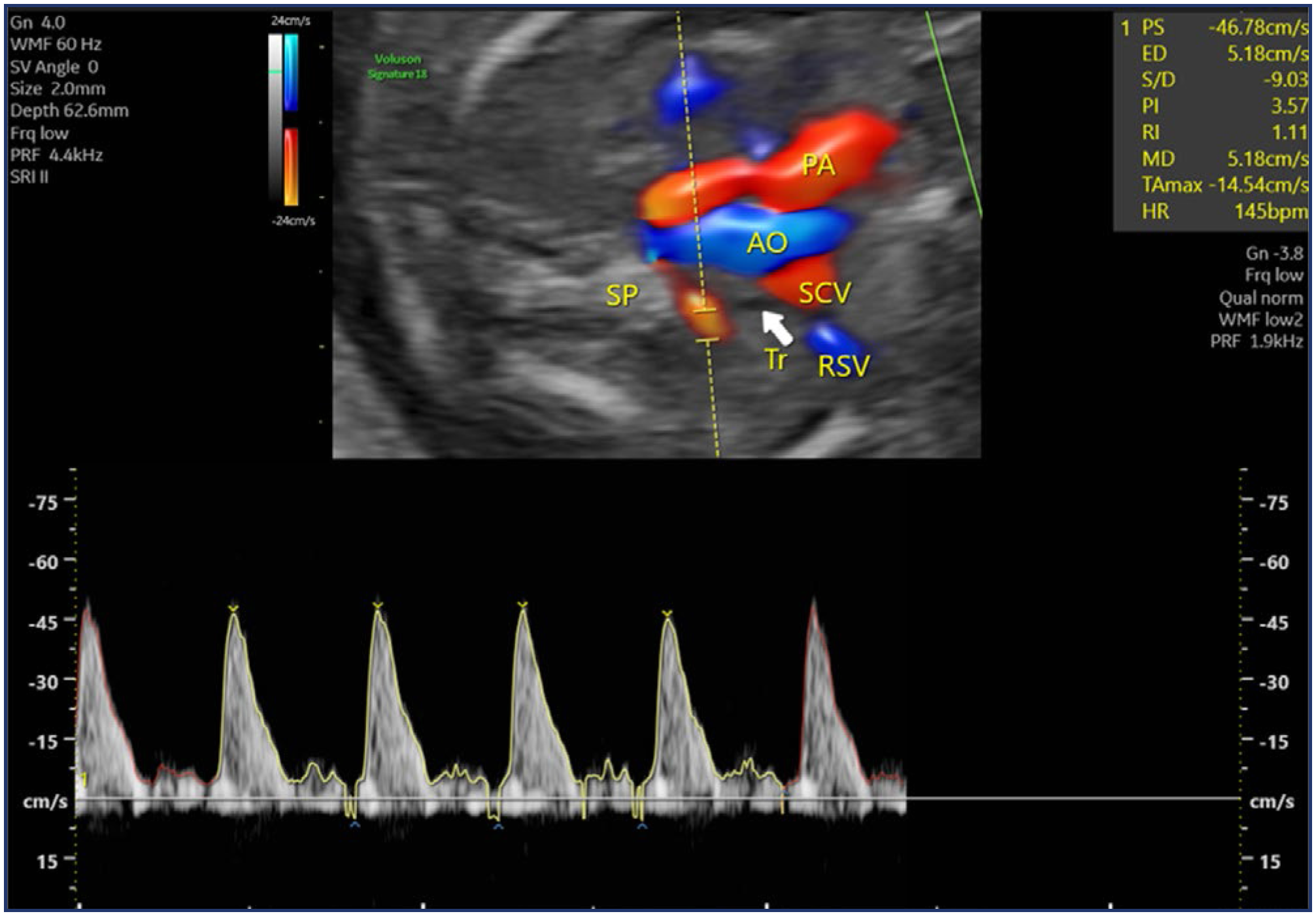
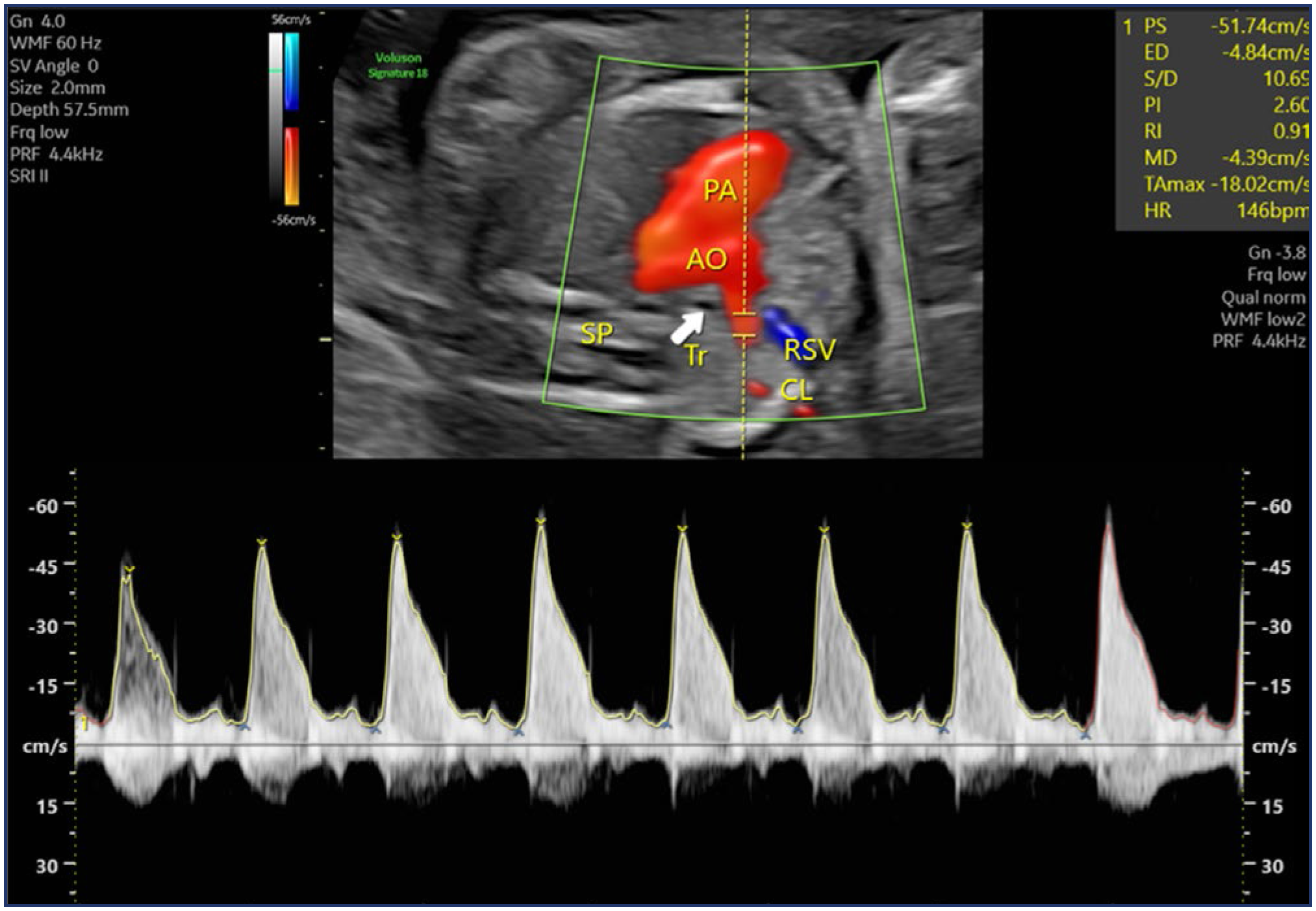
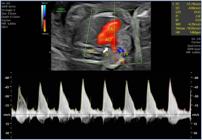
Methods: A total of 93 fetuses were included in this prospective case-control study. Forty fetuses with isolated ARSA and 53 control fetuses with normal right subclavian arteries were analyzed. Doppler ultrasonographic parameters (Peak Systolic Velocity (PS), Pulsatility Index (PI), Resistive Index (RI), Time-Averaged Maximum Velocity (TAMAX), Heart Rate (HR)) were assessed and compared between the two groups.
Results: No significant differences were found in the Doppler parameters (PS, PI, RI, TAMAX, HR) between the ARSA and control groups. Furthermore, there was no correlation between gestational age, fetal weight, and Doppler parameters in either group.
Conclusion: The study supports the hypothesis that isolated ARSA is a benign anatomical variant without significant hemodynamic impact on fetal development. ARSA cases without associated cardiac or chromosomal anomalies do not appear to affect fetal growth.
Keywords
Aberrant Right Subclavian Artery (ARSA); Vascular anomaly; Fetal development; Anatomical variation; Ultrasound parameters; Congenital anomaly
 Thumbnail
 Thumbnail
 Thumbnail