Ginkgo Biloba versus placebo in patients with normal tension glaucoma: a systematic review and meta-analysis
ABSTRACT
Purpose: To compare the effect of Ginkgo Biloba extract (GBE) intake versus placebo as adjunctive therapy for normal tension glaucoma (NTG).
Methods: PubMed, Cochrane, Embase and Web of Science databases were queried for randomized controlled trials (RCTs) and observational prospective or retrospective studies that compared GBE versus placebo in the settings of NTG. Outcomes included visual field mean deviation (MD), visual field pattern standard deviation (PSD), and adverse events. Heterogeneity was assessed using I2 statistics, and a random-effects model was applied for analysis. Statistical analysis was conducted using the Review Manager 5.3.
Results: A total of 4 studies (3 RCTs and 1 observational retrospective study) comprising 285 eyes with NTG (146 in the GBE group and 139 in the placebo group) were included. The follow-up duration ranged from 1 to 24 months. Pooled results revealed significant differences in mean change of visual field MD favoring the GBE group compared to the placebo group (MD: -1.74 dB; 95%CI -2.97 to -0.51; p = 0.006; I2 = 0%). No significant differences were observed between groups in visual field PSD. No adverse events were reported in the GBE group.
Conclusion: GBE as adjunctive therapy for NTG may be associated with improvement in visual field MD and appears to have a favorable safety profile; however, further studies are needed to confirm these findings.
Keywords:
Ginkgo Biloba; Flavonoides; Glaucoma
RESUMO
Objetivo: Comparar o efeito da ingestão de extrato de Ginkgo Biloba versus placebo como terapia adjuvante para glaucoma de pressão normal.
Métodos: As bases de dados PubMed®, Cochrane, Embase e Web of Science foram consultadas em busca de ensaios clínicos randomizados e estudos observacionais prospectivos ou retrospectivos que compararam extrato de Ginkgo Biloba versus placebo em pacientes com glaucoma de pressão normal. Os desfechos incluíram desvio médio do campo visual, desvio padrão do padrão do campo visual e eventos adversos. A heterogeneidade foi avaliada usando a estatística I2, e um modelo de efeitos aleatórios foi aplicado para análise. A análise estatística foi conduzida usando o Review Manager 5.3.
Resultados: Quatro estudos (três ensaios clínicos randomizados e um retrospectivo observacional), compreendendo 285 pacientes com glaucoma de pressão normal (146 no grupo extrato de Ginkgo Biloba e 139 no grupo placebo) foram incluídos. A duração do acompanhamento variou de 1 a 24 meses. Os resultados combinados revelaram diferenças significativas na alteração média do desvio médio do campo visual, favorecendo o grupo que usou extrato de Ginkgo Biloba em comparação ao grupo placebo (desvio médio de -1,74 dB; IC95% -2,97 a -0,51; p = 0,006; I2 = 0%). Não foram observadas diferenças significativas entre os grupos no desvio médio do campo visual. Nenhum evento adverso foi relatado no grupo que usou extrato de Ginkgo Biloba.
Conclusão: O extrato de Ginkgo Biloba como terapia adjuvante para normal tension glaucoma (NTG) parece melhorar significativamente o desvio médio do campo visual, com um excelente perfil de segurança.
Descritores:
Ginkgo Biloba; Flavonoids; Glaucoma
INTRODUCTION
Normal-tension glaucoma (NTG) was first described by von Graefe back in 1857.(1,2) More than 160 years have passed since then, and NTG remains a diagnostic and therapeutic challenge for ophthalmologists. NTG, also known as normal or low-pressure glaucoma, is defined as a type of chronic open-angle glaucoma with a statistically normal intraocular pressure (IOP).(3)
While elevated IOP represents the main risk factor for progressive visual field loss in open-angle glaucoma, the progression of NTG involves diverse and multifactorial mechanisms, ultimately leading to the common final pathway of retinal ganglion cell loss. Several investigations have placed greater emphasis on the vascular theory over the mechanical theory, given that IOP falls within statistically normal ranges, with compromised blood flow being more pronounced in NTG compared to high-tension glaucoma.(4) Low blood pressure, orthostatic hypotension, nocturnal hypotension, migraine, Raynaud phenomenon, and sleep apnea have been identified as risk factors for NTG.(5-9) Other proposed non IOP-dependent mechanisms include metabolic and neurodegenerative alterations, excitotoxicity, oxidative stress, autoimmunity, and abnormal biomechanics of the lamina cribrosa.(10,11)
IOP reduction remains a beneficial treatment for NTG.(12) The Collaborative Normal-Tension Glaucoma Study (CNTGS) demonstrated that a 30% IOP reduction significantly decreased the risk of glaucoma progression in treated patients compared to untreated patients.(12,13) However, ongoing research is exploring other treatment strategies that do not involve IOP reduction, including nutritional supplements and phytochemicals as adjunctive therapies.
Ginkgo Biloba extract (GBE), derived from a tree species native to China, Korea and Japan, is among the most commonly studied phytochemicals. It has been used for treatment of vascular and neurological disorders for hundreds of years and is considered one of the most widely used herbal supplements worldwide.(14)
GBE consists mainly of flavonoids and terpenoids, which have been proven to possess vasorelaxant, antioxidant, and neuroprotective effects.(15-18) While there are no approved indications for GBE by the Food and Drug Administration (FDA), it has been used as adjunctive therapy for cardiovascular diseases,(19) diabetes,(20) ischemic stroke,(21) dementia,(22) psychiatric disorders,(23) vertigo,(24) tinnitus,(25) and vitiligo.(26) In ophthalmology, GBE has been used for age-related macular degeneration,(27) and glaucoma.(28) Preclinical studies have demonstrated that GBE exerts neuroprotective effects on retinal ganglion cells in rat models of chronic high-tension glaucoma.(29) However, the absence of available animal models for NTG presents a challenge. Nonetheless, several clinical studies have explored the impact of GBE treatment in NTG, with conflicting results.(30-34) Therefore, the aim of this meta-analysis was to investigate the efficacy of GBE compared to placebo in the treatment of NTG.
METHODS
This meta-analysis was performed according to the guidelines of the Declaration Preferred Reporting Items for Systematic Reviews and Meta-Analysis (PRISMA) and the recommendations of the Cochrane Collaboration.(35) The protocol was registered in the International Prospective Register of Systematic Reviews (PROSPERO) under registration number (CRD42024548235).
Eligibility criteria
Studies that met the following eligibility criteria were included: randomized clinical trial (RCT) or observational studies (retrospective or prospective); comparing Ginkgo Biloba to placebo; patients aged ≥ 18 years with normal tension glaucoma; any follow-up duration; and reporting any of the clinical outcomes of interest. Studies with overlapping populations, case reports, animal studies, and in vitro experiments were excluded.
Information source
Two authors independently searched PubMed, Embase, Web of Science, and Cochrane Library from inception to April 2024. Additionally, the references from all included studies were searched manually for any additional relevant studies. Any conflicts were resolved through consensus among the authors.
Search strategy
The following terms were used in this search strategy: ("normal tension glaucoma" OR "normal-tension glaucoma" OR "normal-pressure glaucoma" OR "normal pressure glaucoma" OR NTG OR NPG OR "Low Tension Glaucomas" OR "Normal Tension Glaucomas" OR "Low Tension Glaucoma") AND ("Ginkgo biloba" OR GBE OR Gingko OR biloba OR "Maidenhair Tree"). We did not use any publication date or language restrictions in our electronic search for the studies.
Study selection
We imported search results into the Zotero software, and duplicate records were excluded. Two independent authors screened the titles and abstracts based on eligibility criteria. Subsequently, the full texts of potentially eligible studies were assessed. Any disagreements were resolved by consulting the senior author.
Data extraction
Two authors extracted the following data from selected studies: country, type of study, number of patients and eyes allocated for each arm, patient's baseline characteristics, treatment duration, follow-up duration, and pre-specified outcome measures.
Outcome measures
The outcomes of interest included the mean change in visual field mean deviation (MD), the mean change in visual field pattern standard deviation (PSD), and the mean change in IOP in the GBE and placebo groups. Any reported adverse events were also analyzed.
Risk of bias assessment
We evaluated the risk of bias in RCTs using version 2 of the Cochrane Risk of Bias assessment tool (ROB-2).(36) Non-randomized studies were assessed with the Risk of Bias in Non-randomized Studies-of Interventions tool (ROBINS-I).(37) Two independent authors completed the risk of bias assessment.
Statistical analysis
Statistical analysis was performed using Review Manager (version 5.4).(38) Treatment effects for binary endpoints were compared using pooled odds ratios (OR) with 95% confidence intervals. Mean difference were used to analyze continuous outcomes. The Cochrane Q-test and I2 statistics were used to assess heterogeneity; I2 values > 50% were considered indicative of significant heterogeneity. Statistical significance was defined as p-values < 0.05. The Sidik-Jonkman estimator was used to calculate the tau2 variance between studies. We used a random-effects model for all pooled outcomes.
RESULTS
Study selection and baseline characteristics
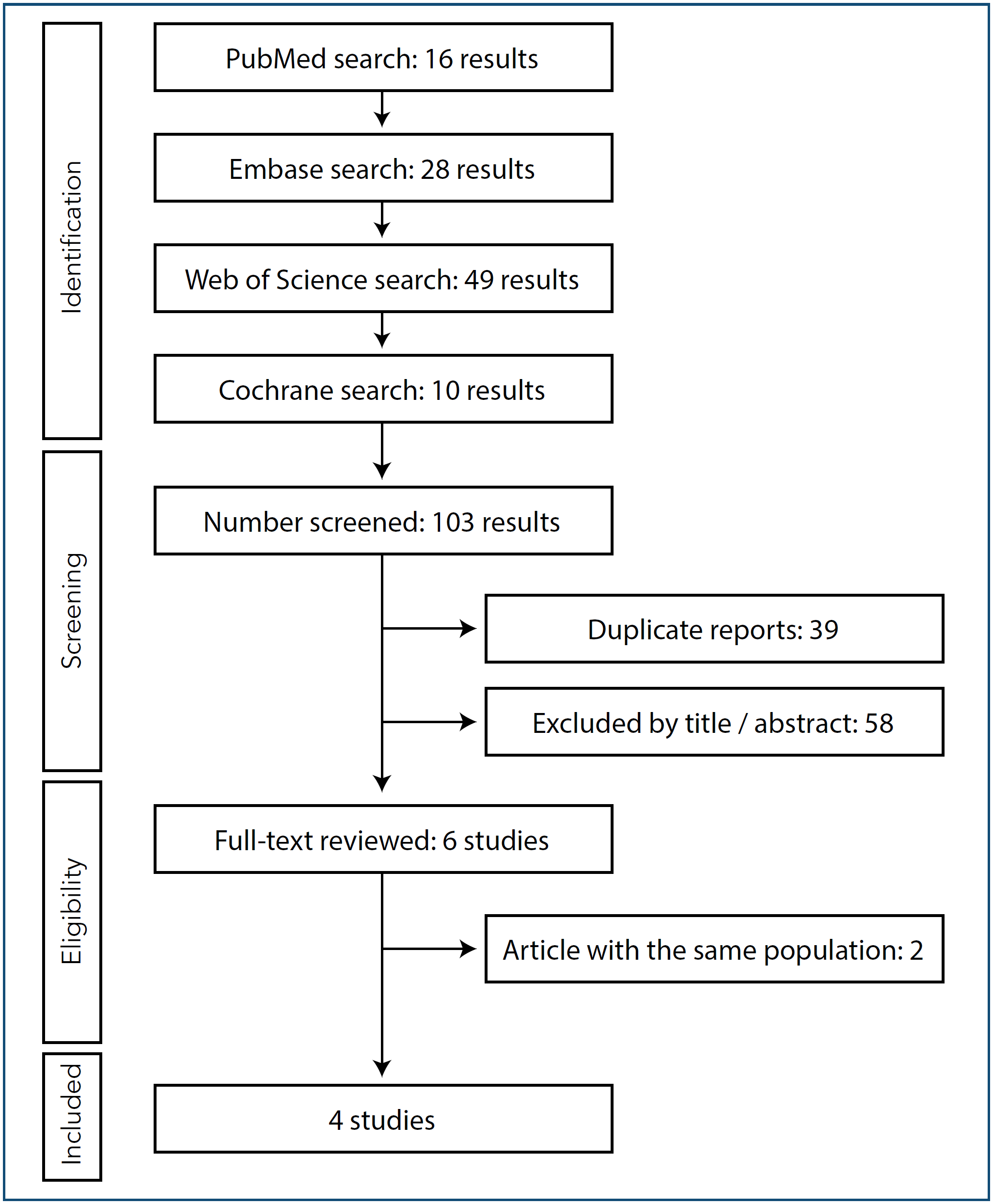
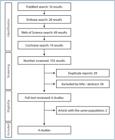
As outlined in figure 1, our initial search yielded 103 articles, with 16 from PubMed®, 28 from Embase (Elsevier), 49 from Web of Science, and 10 from Cochrane databases. Of these, 39 were identified as duplicates and subsequently removed. Following removal of duplicate records and screening for eligibility, six articles remained for thorough review based on inclusion criteria. Subsequently, two articles were excluded based on our exclusion criteria. Ultimately, four studies were included in the analysis, comprising three RCTs, and one observational retrospective study. A total of 285 eyes were analyzed, with 146 (51.2%) in GBE group and 139 (48.8%) in placebo group, over a follow-up duration ranging from 1 month to 24 months. Others study characteristics are reported in table 1.
Visual field mean deviation
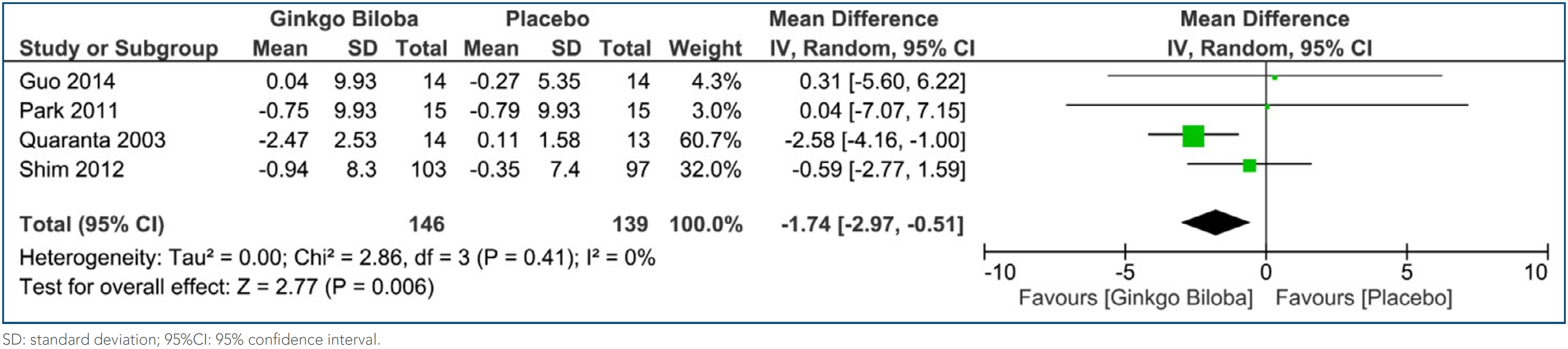
The pooled results revealed significant differences in mean change of visual field MD favoring the GBE group compared to the placebo group (MD: -1.74 dB; 95%CI -2.97 to -0.51; p = 0.006; I2 = 0%; Figure 2).
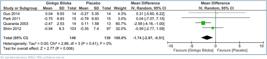
Pooled mean difference in visual field mean deviation changes in the Ginkgo Biloba group versus the Placebo group at the final follow-up visit.
Visual field pattern standard deviation
The pooled results revealed no significant differences in mean change of visual field PSD between the GBE and placebo groups (MD: 1.18; 95%CI -1.17 to 3.53; p = 0.32; I2 = 78%; Figure 3).

Pooled mean difference in visual field pattern standard deviation changes in the Ginkgo Biloba group versus the Placebo group at the final follow-up visit.
Single-arm Analysis
Intraocular pressure
In the GBE group, the pooled results revealed no significant changes in IOP before and after treatment with GBE (MD: -0.37 mmHg; 95%CI -0.91 to 0.17; p = 0.18; I2 = 0%; Figure 4).

Pooled mean difference in intraocular pressure changes in the Ginkgo Biloba group before and after the treatment.
Visual field mean deviation
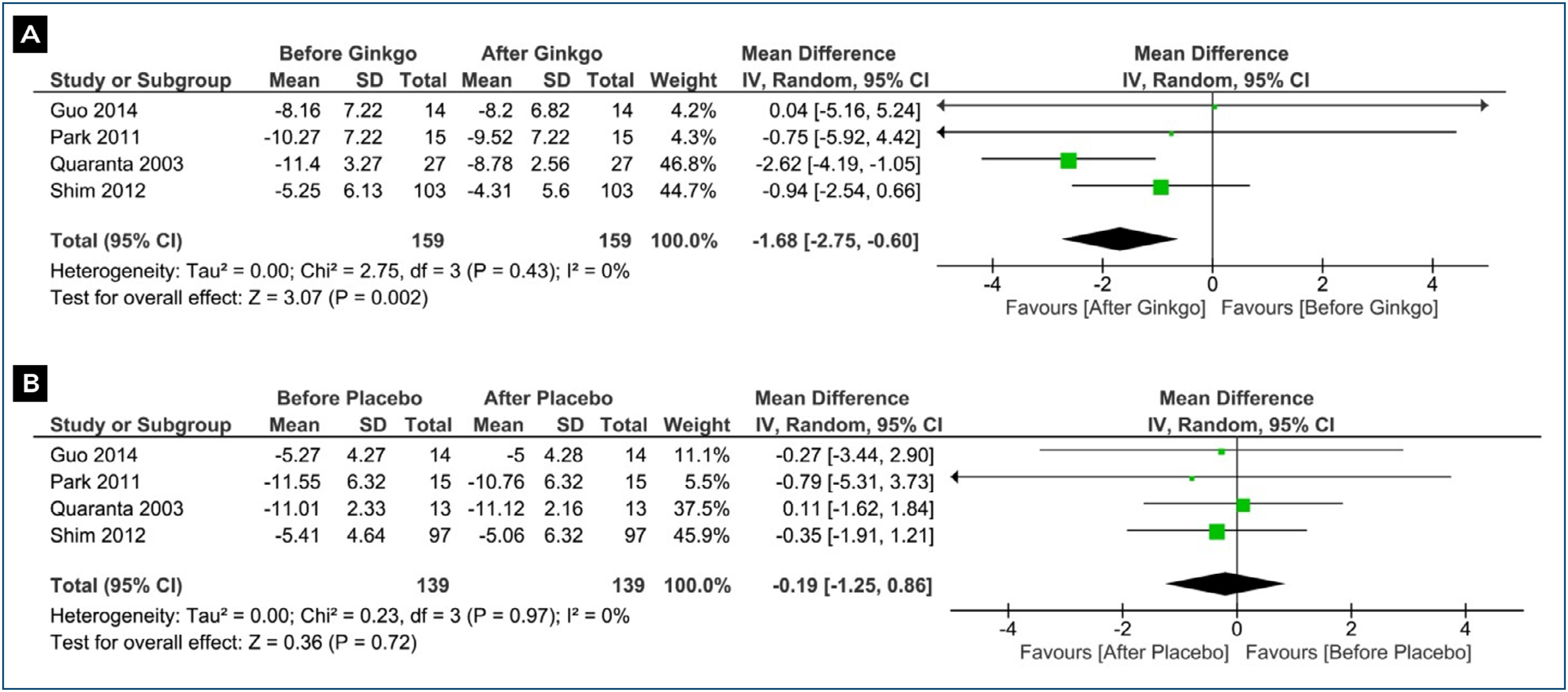
In the GBE group, the pooled results revealed significant improvement in visual field MD after treatment with GBE compared to baseline (MD: -1.68 dB; 95%CI -2.75 to -0.60; p = 0.002; I2=0%; Figure 5A). In the placebo group, the pooled results revealed no significant changes in visual field MD before and after treatment (MD: -0.19 dB; 95%CI -1.25 to 0.86; p = 0.72; I2=0%; Figure 5B).
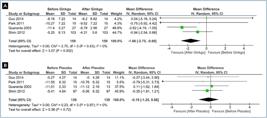
Pooled mean difference in visual field mean deviation changes before and after treatment. (A) In the Ginkgo Biloba group. (B) In the placebo group.
Visual field pattern standard deviation
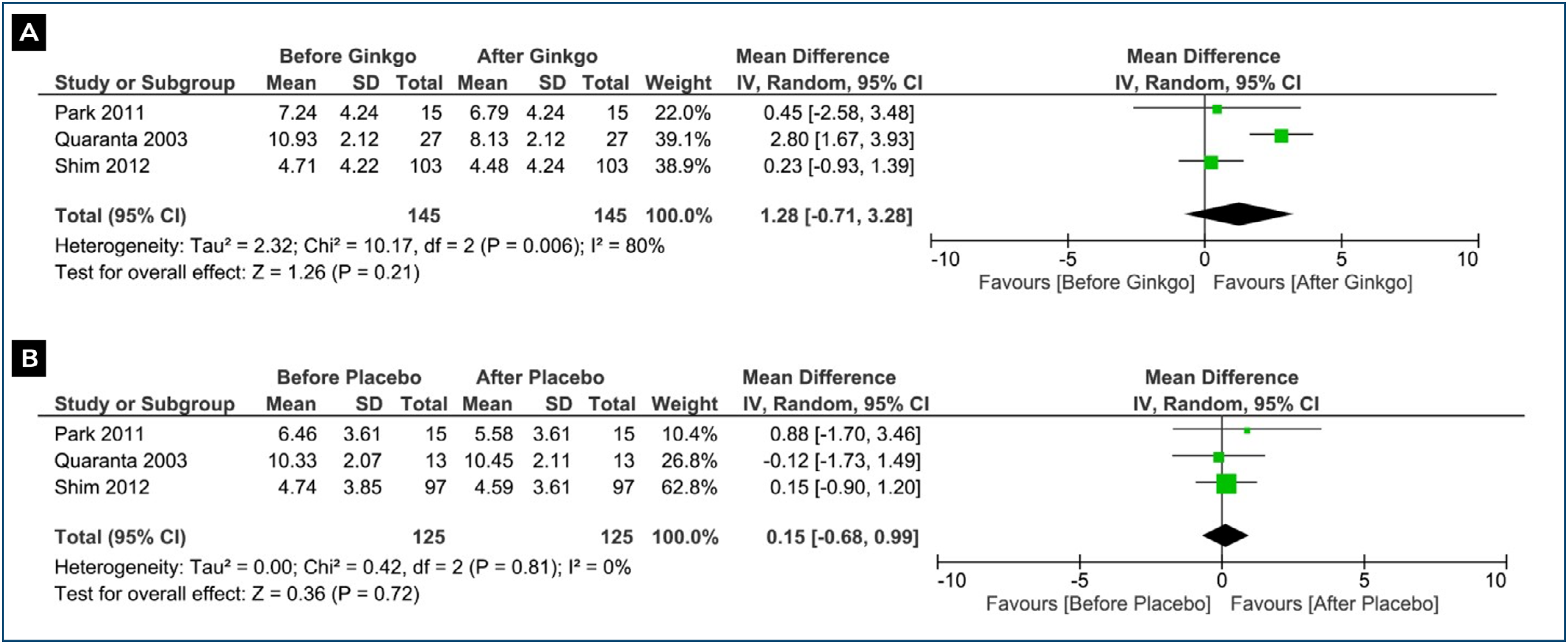
In the GBE group, the pooled results revealed no significant changes in PSD before and after treatment with GBE (MD: 1.28 dB; 95%CI -0.71 to 3.28; p = 0.21; I2= 80%; Figure 6A). In the placebo group, the pooled results revealed no significant changes in PSD before and after treatment (MD: 0.15 dB; 95%CI -0.68 to 0.99; p = 0.72; I2 = 0%; Figure 6B).
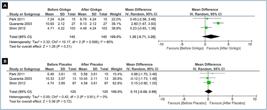
Pooled mean difference in visual field pattern standard deviation changes before and after treatment. In the Ginkgo Biloba group. (B) In the placebo group.
Adverse events
No adverse events were reported in the GBE group across all studies. In the placebo group, one patient reported gastric discomfort, and another developed urticaria.
Risk of bias
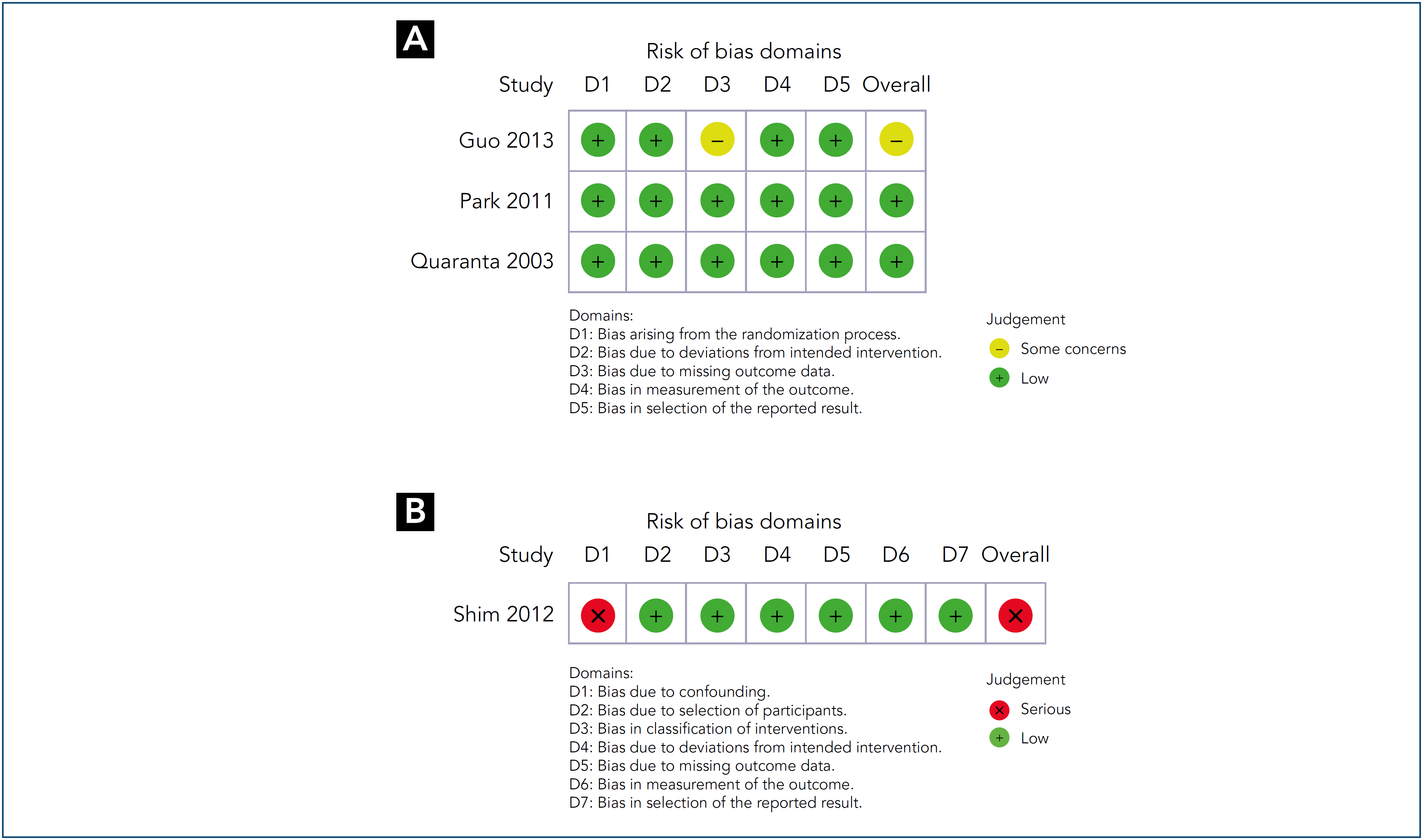
Among the included RCTs (n = 3), one had some concerns due to bias from missing outcome data, while the other two studies were categorized as having a low risk of bias using ROB-2.(39) The remaining retrospective study was categorized as having a moderate risk of bias using ROBINS-I(37) (Figure 7).

(A) Risk of bias assessment of randomized clinical trials using the ROB-2 tool. (B) Risk of bias assessment of non- randomized controlled trials using the Robins-I.
DISCUSSION
Management of NTG could be more challenging than high-tension glaucoma, necessitating a greater reliance on non-IOP-dependent strategies to reduce the risk of glaucoma progression. This meta-analysis aims to help clinicians and patients in deciding whether to use the adjunctive treatment GBE alongside IOP-lowering medications. Given the few RCTs with limited sample sizes on the efficacy of GBE in NTG, our goal was to incorporate data from various study designs that compared the use of GBE versus placebo in the settings of NTG. The four studies we identified included a total of 285 eyes and allowed for a comparison between GBE and placebo in terms of changes in visual field MD, visual field PSD, and IOP, over a follow-up duration ranging from 1 month to 24 months. The present analysis suggests that use of GBE resulted in significantly better visual field MD in patients with NTG compared to the use of placebo. Additionally, the GBE group experienced no adverse events, indicating a strong safety profile. Changes in visual field PSD and IOP were similar between groups.
The main finding of the present analysis is that the visual field MD was significantly better in the GBE group compared to the Placebo groups, with a mean difference of 1.7 dB. Given that no significant changes in IOP were observed in the GBE group following treatment, these results suggest potential neuroprotective effects of GBE. These effects may be linked to its antioxidant and anti-inflammatory properties reported in previous studies.(40-43) Additionally, since reduced optic nerve blood flow can contribute to glaucomatous visual field damage,(44) and considering that GBE can has been shown to improve ocular blood flow,(33,45,46) this could explain the beneficial effect of GBE on the visual field. These mechanisms may help mitigate neuronal damage and preserve visual function, particularly in the context of NTG where IOP-independent factors play a crucial role in disease progression.(11)
On the other hand, there were no significant differences between the GBE and placebo groups in terms of changes in visual field PSD. PSD measures the irregularity or variability in visual field sensitivity patterns.(47) The lack of difference in PSD between the GBE and placebo groups suggests that while GBE may improve the overall average sensitivity, as represented by visual field MD, it may not significantly affect the specific patterns of sensitivity loss in the visual field. The beneficial effect of GBE on visual field MD, attributed to its antioxidant, anti-inflammatory, and neuroprotective properties,(40-43) may help maintain optic nerve function, reduce overall loss of visual sensitivity, and improve global measures of visual function. However, these effects may not extend to altering the localized patterns of damage that contribute to PSD.
The study carries several limitations. Firstly, it is based on a small number of studies involving a total of 285 eyes, which may limit the generalizability of the findings. Additionally, the studies included had relatively short treatment and follow-up durations, which restricts the ability to assess the long-term sustainability of the benefits observed with GBE. Moreover, there is a risk of publication bias, as unpublished studies, particularly those with negative results may not have been included, potentially skewing the overall findings. Other outcome measures such as changes in ocular blood flow or contrast sensitivity were not analyzed due to insufficient data availability. Lastly, studies were included regardless of their quality assessment to enable a thorough review of the available evidence. On the other hand, this study also has notable strengths; three out of four studies were RCTs, indicating a robust study design. Only one study was retrospective and had a moderate risk of bias, suggesting a generally high methodological quality among the included studies.
Data Availability Statement:
The datasets generated and/or analyzed during the current study are included in the manuscript
REFERENCES
- 1 Grewe R. [The history of glaucoma]. Klin Monbl Augenheilkd. 1986;188(2):167-9.
- 2 Ivanišević M, Stanić R, Ivanišević P, Vuković A. Albrecht von Graefe (1828-1870) and his contributions to the development of ophthalmology. Int Ophthalmol. 2020;40(4):1029-33.
- 3 Lee BL, Bathija R, Weinreb RN. The definition of normal-tension glaucoma. J Glaucoma. 1998;7(6):366-371.
- 4 Flammer J, Orgül S, Costa VP, Orzalesi N, Krieglstein GK, Serra LM, et al. The impact of ocular blood flow in glaucoma. Prog Retin Eye Res. 2002;21(4):359-93.
- 5 Kaiser HJ, Flammer J. Systemic hypotension: a risk factor for glaucomatous damage? Ophthalmologica. 1991;203(3):105-8.
- 6 Lin PW, Friedman M, Lin HC, Chang HW, Wilson M, Lin MC. Normal tension glaucoma in patients with obstructive sleep apnea/hypopnea syndrome. J Glaucoma. 2011;20(9):553-8.
- 7 Sergi M, Salerno DE, Rizzi M, Blini M, Andreoli A, Messenio D, et al. Prevalence of normal tension glaucoma in obstructive sleep apnea syndrome patients. J Glaucoma. 2007;16(1):42-6.
- 8 Demailly P, Cambien F, Plouin PF, Baron P, Chevallier B. Do patients with low tension glaucoma have particular cardiovascular characteristics? Ophthalmologica. 1984;188(2):65-75.
- 9 Drance SM, Sweeney VP, Morgan RW, Feldman F. Studies of factors involved in the production of low tension glaucoma. Arch Ophthalmol. 1973;89(6):457-65.
- 10 Adeghate J, Rahmatnejad K, Waisbourd M, Katz LJ. Intraocular pressure-independent management of normal tension glaucoma. Surv Ophthalmol. 2019;64(1):101-10.
- 11 Shalaby WS, Ahmed OM, Waisbourd M, Katz LJ. A review of potential novel glaucoma therapeutic options independent of intraocular pressure. Surv Ophthalmol. 2022;67(4):1062-80.
- 12 The effectiveness of intraocular pressure reduction in the treatment of normal-tension glaucoma. Collaborative Normal-Tension Glaucoma Study Group. Am J Ophthalmol. 1998;126(4):498-505.
- 13 Comparison of glaucomatous progression between untreated patients with normal-tension glaucoma and patients with therapeutically reduced intraocular pressures. Collaborative Normal-Tension Glaucoma Study Group. Am J Ophthalmol. 1998;126(4):487-97.
- 14 Diamond BJ, Shiflett SC, Feiwel N, Matheis RJ, Noskin O, Richards JA, et al. Ginkgo biloba extract: mechanisms and clinical indications. Arch Phys Med Rehabil. 2000;81(5):668-78.
- 15 Ginkgo. In: Drugs and Lactation Database (LactMed®). Bethesda (MD): National Institute of Child Health and Human Development; 2006.
- 16 Ou HC, Lee WJ, Lee IT, Chiu TH, Tsai KL, Lin CY, et al. Ginkgo biloba extract attenuates oxLDL-induced oxidative functional damages in endothelial cells. J Appl Physiol (1985). 2009;106(5):1674-85.
- 17 Eckert A, Keil U, Scherping I, Hauptmann S, Muller WE. Stabilization of mitochondrial membrane potential and improvement of neuronal energy metabolism by Ginkgo biloba extract EGb 761. Ann N Y Acad Sci. 2005;1056:474-85.
- 18 Wu Y, Li S, Cui W, Zu X, Du J, Wang F. Ginkgo biloba extract improves coronary blood flow in healthy elderly adults: role of endothelium-dependent vasodilation. Phytomedicine. 2008;15(3):164-9.
- 19 Sun M, Chai L, Lu F, Zhao Y, Li Q, Cui B, et al. Efficacy and safety of ginkgo biloba pills for coronary heart disease with impaired glucose regulation: study protocol for a Series of N-of-1 randomized, double-blind, placebo-controlled trials. Evid Based Complement Alternat Med. 2018;2018:7571629.
- 20 Ren M, Yang S, Li J, Hu Y, Ren Z, Ren S. Ginkgo biloba L. extract enhances the effectiveness of syngeneic bone marrow mesenchymal stem cells in lowering blood glucose levels and reversing oxidative stress. Endocrine. 2013;43(2):360-9.
- 21 Li S, Zhang X, Fang Q, Zhou J, Zhang M, Wang H, et al. Ginkgo biloba extract improved cognitive and neurological functions of acute ischaemic stroke: a randomised controlled trial. Stroke Vasc Neurol. 2017;2(4):189-197. Erratum in: Stroke Vasc Neurol. 2018;3(3):189.
- 22 Le Bars PL, Katz MM, Berman N, Itil TM, Freedman AM, Schatzberg AF. A placebo-controlled, double-blind, randomized trial of an extract of Ginkgo biloba for dementia. North American EGb Study Group. JAMA. 1997;278(16):1327-32.
- 23 Zhang WF, Tan YL, Zhang XY, Chan RC, Wu HR, Zhou DF. Extract of Ginkgo biloba treatment for tardive dyskinesia in schizophrenia: a randomized, double-blind, placebo-controlled trial. J Clin Psychiatry. 2011;72(5):615-21.
- 24 Haguenauer JP, Cantenot F, Koskas H, Pierart H. [Treatment of equilibrium disorders with Ginkgo biloba extract. A multicenter double-blind drug vs. placebo study]. Presse Med. 1986;15(31):1569-72.
- 25 Hilton MP, Zimmermann EF, Hunt WT. Ginkgo biloba for tinnitus. Cochrane Database Syst Rev. 2013(3):CD003852.
- 26 Parsad D, Pandhi R, Juneja A. Effectiveness of oral Ginkgo biloba in treating limited, slowly spreading vitiligo. Clin Exp Dermatol. 2003;28(3):285-7.
- 27 Evans JR. Ginkgo biloba extract for age-related macular degeneration. Cochrane Database Syst Rev. 2013;2013(1):CD001775.
- 28 Loskutova E, O’Brien C, Loskutov I, Loughman J. Nutritional supplementation in the treatment of glaucoma: A systematic review. Surv Ophthalmol. 2019;64(2):195-216.
- 29 Hirooka K, Tokuda M, Miyamoto O, Itano T, Baba T, Shiraga F. The Ginkgo biloba extract (EGb 761) provides a neuroprotective effect on retinal ganglion cells in a rat model of chronic glaucoma. Curr Eye Res. 2004;28(3):153-7.
- 30 Lee J, Sohn SW, Kee C. Effect of Ginkgo biloba extract on visual field progression in normal tension glaucoma. J Glaucoma. 2013;22(9):780-4.
- 31 Shim SH, Kim JM, Choi CY, Kim CY, Park KH. Ginkgo biloba extract and bilberry anthocyanins improve visual function in patients with normal tension glaucoma. J Med Food. 2012;15(9):818-23.
- 32 Quaranta L, Bettelli S, Uva MG, Semeraro F, Turano R, Gandolfo E. Effect of Ginkgo biloba extract on preexisting visual field damage in normal tension glaucoma. Ophthalmology. 2003;110(2):359-62; discussion 362-354.
- 33 Park JW, Kwon HJ, Chung WS, Kim CY, Seong GJ. Short-term effects of Ginkgo biloba extract on peripapillary retinal blood flow in normal tension glaucoma. Korean J Ophthalmol. 2011;25(5):323-8.
- 34 Guo X, Kong X, Huang R, Jin L, Ding X, He M, et al. Effect of Ginkgo biloba on visual field and contrast sensitivity in Chinese patients with normal tension glaucoma: a randomized, crossover clinical trial. Invest Ophthalmol Vis Sci. 2014;55(1):110-6. Erratum in: Invest Ophthalmol Vis Sci. 2014;55(4):2315. Patel, Mehul Chimanlal [added].
- 35 Page MJ, McKenzie JE, Bossuyt PM, Boutron I, Hoffmann TC, Mulrow CD, et al. A declaração PRISMA 2020: diretriz atualizada para relatar revisões sistemáticas [The PRISMA 2020 statement: an updated guideline for reporting systematic reviews. Declaración PRISMA 2020: una guía actualizada para la publicación de revisiones sistemáticas]. Rev Panam Salud Publica. 2022;46:e112.
- 36 Sterne JAC, Savović J, Page MJ, Elbers RG, Blencowe NS, Boutron I, et al. RoB 2: a revised tool for assessing risk of bias in randomised trials. BMJ. 2019;366:l4898.
- 37 Sterne JA, Hernán MA, Reeves BC, Savović J, Berkman ND, Viswanathan M, et al. ROBINS-I: a tool for assessing risk of bias in non-randomised studies of interventions. BMJ. 2016;355:i4919.
- 38 Review Manager (RevMan) [computer program]. Version 5.4: The Cochrane Collaboration; 2020.
- 39 Sterne JAC, Savović J, Page MJ, Elbers RG, Blencowe NS, Boutron I, et al. RoB 2: a revised tool for assessing risk of bias in randomised trials. BMJ. 2019 Aug 28;366:l4898.
- 40 Zhang L, Fang X, Sun J, Su E, Cao F, Zhao L. Study on Synergistic Anti-Inflammatory effect of typical functional components of extracts of ginkgo biloba leaves. Molecules. 2023;28(3).
- 41 Li Y, Zhu X, Wang K, Zhu L, Murray M, Zhou F. The potential of Ginkgo biloba in the treatment of human diseases and the relationship to Nrf2-mediated antioxidant protection. J Pharm Pharmacol. 2022;74(12):1689-99.
- 42 Singh SK, Srivastav S, Castellani RJ, Plascencia-Villa G, Perry G. Neuroprotective and antioxidant effect of ginkgo biloba extract against ad and other neurological disorders. Neurotherapeutics. 2019;16(3):666-74.
- 43 Klomsakul P, Aiumsubtub A, Chalopagorn P. Evaluation of antioxidant activities and tyrosinase inhibitory effects of ginkgo biloba tea extract. ScientificWorldJournal. 2022;2022:4806889.
- 44 Levene RZ. Low tension glaucoma: a critical review and new material. Surv Ophthalmol. 1980;24(6):621-64.
- 45 Chung HS, Harris A, Kristinsson JK, Ciulla TA, Kagemann C, Ritch R. Ginkgo biloba extract increases ocular blood flow velocity. J Ocul Pharmacol Ther. 1999;15(3):233-40.
- 46 Harris A, Gross J, Moore N, et al. The effects of antioxidants on ocular blood flow in patients with glaucoma. Acta Ophthalmol. 2018;96(2):e237-e241.
- 47 Yaqub M. Visual fields interpretation in glaucoma: a focus on static automated perimetry. Community Eye Health. 2012;25(79-80):1-8.
Edited by
-
Associate Editor:
Ricardo Augusto Paletta Guedes Universidade Federal de Juiz de Fora, Juiz de Fora, MG, Brazil, https://orcid.org/0000-0002-9451-738X