 Hydrological-hydraulic and water quality modeling of the Maceió Stream in Fortaleza/CE: a case study
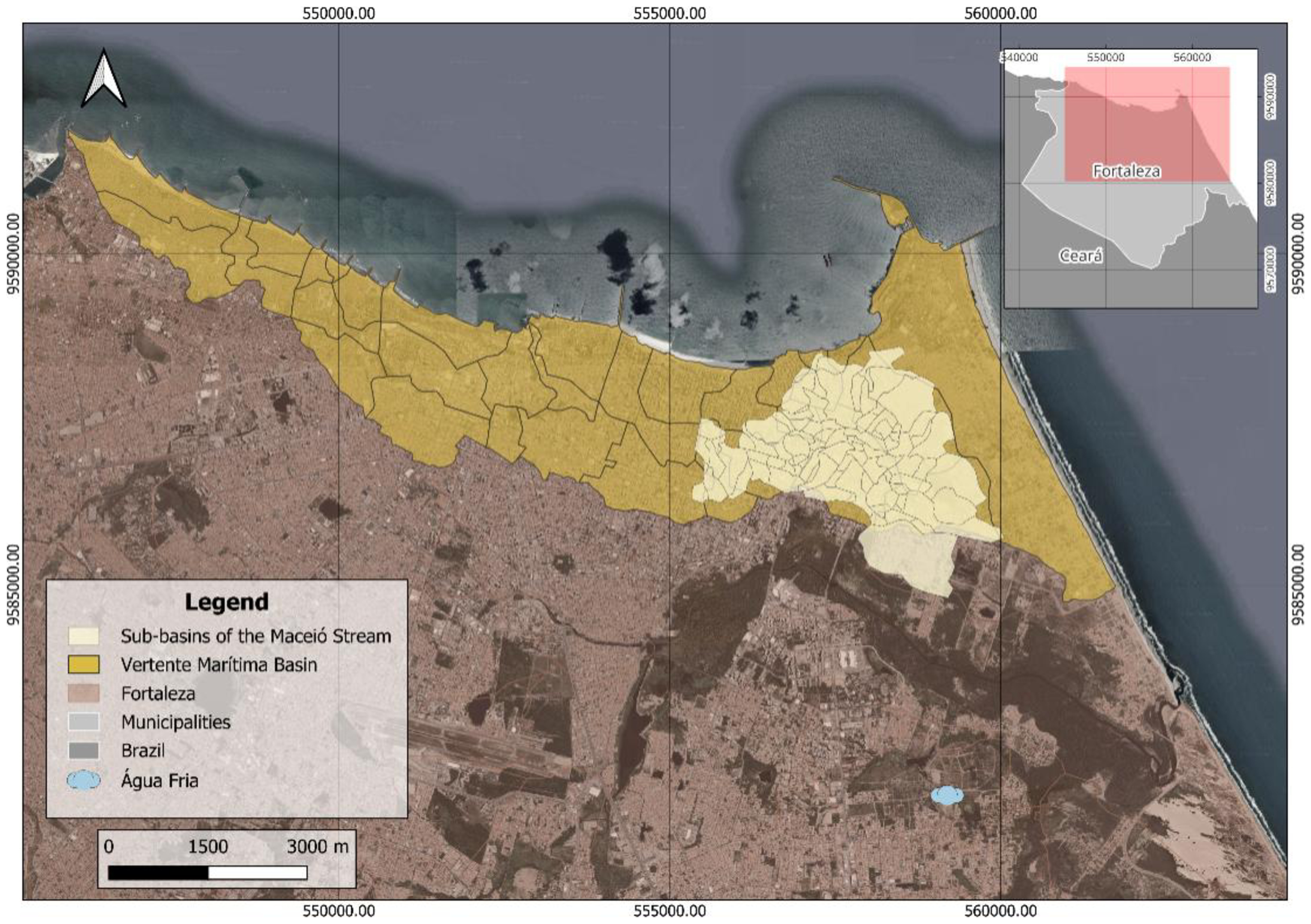
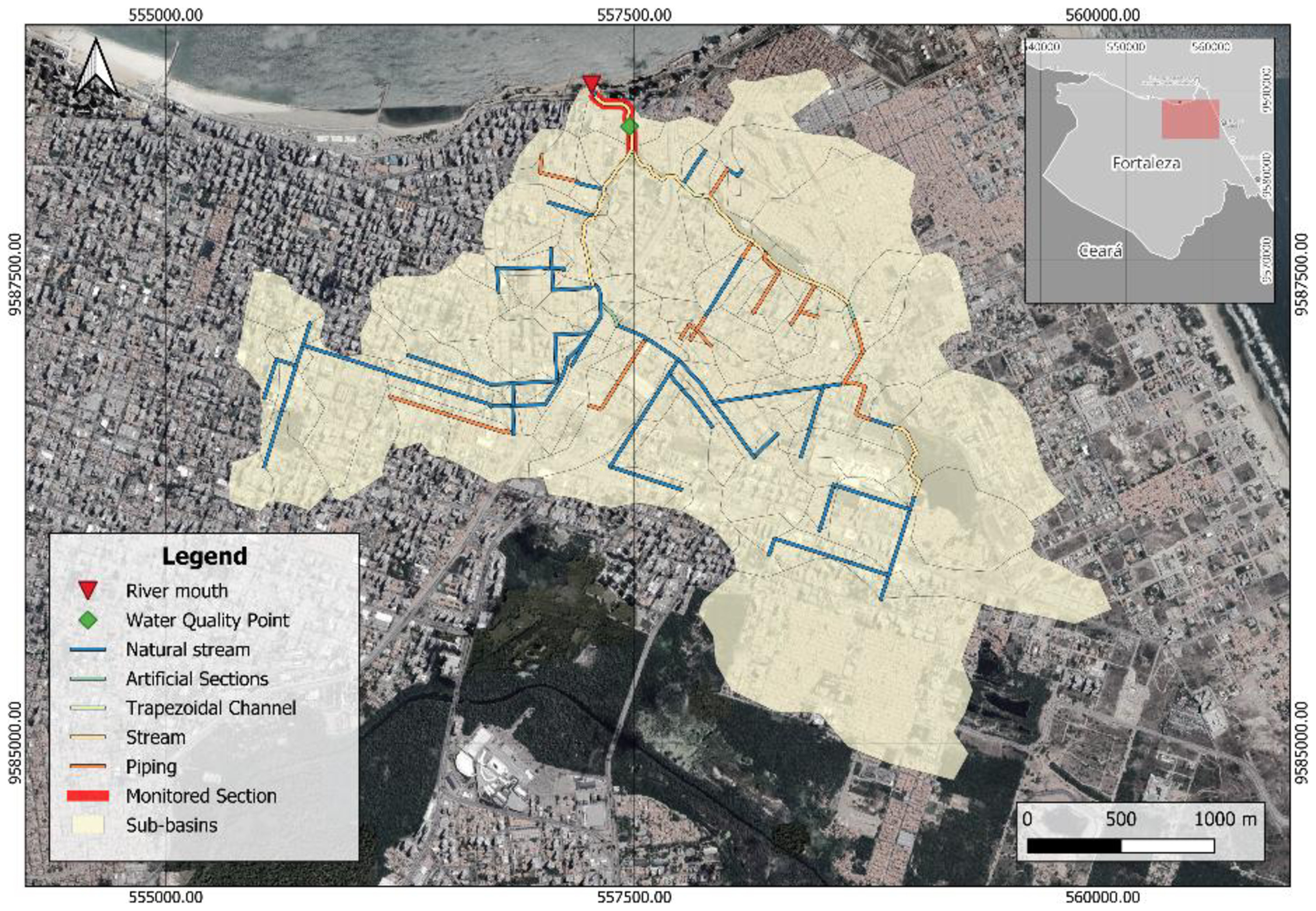
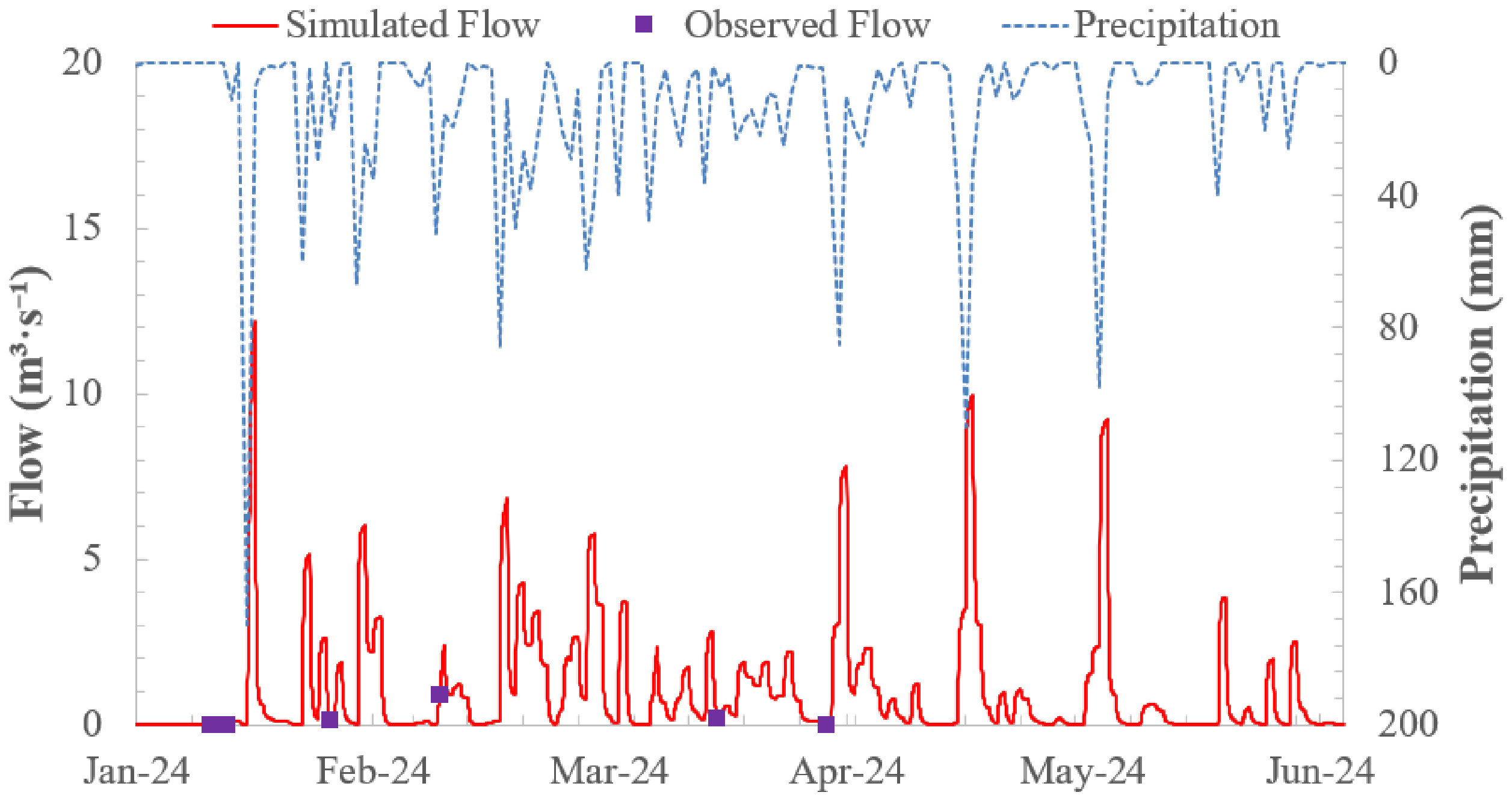
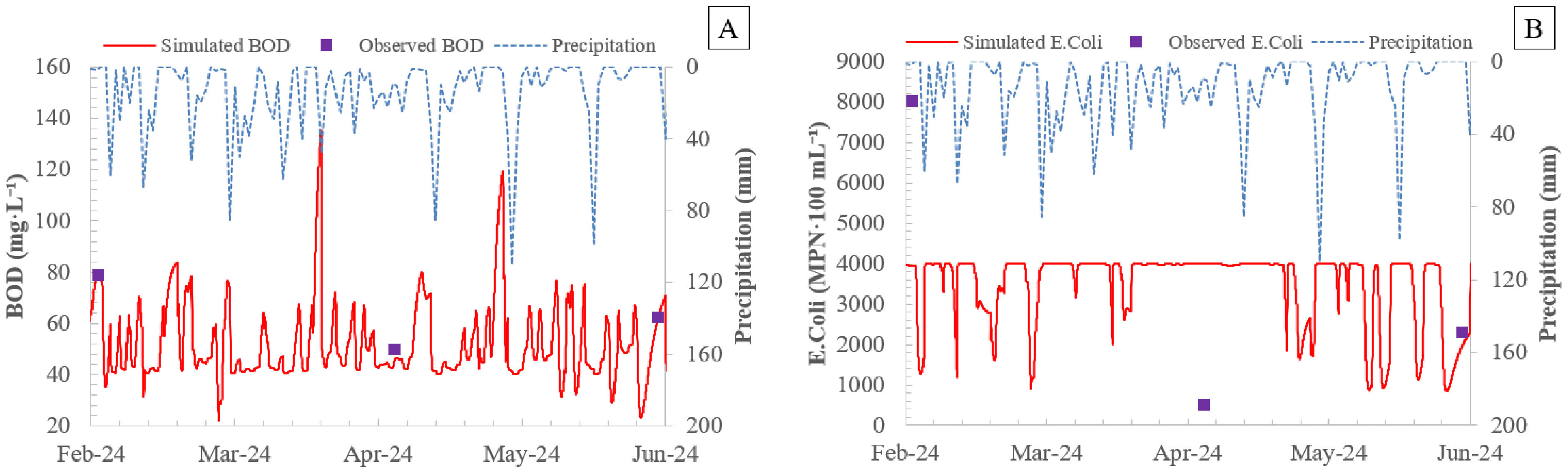
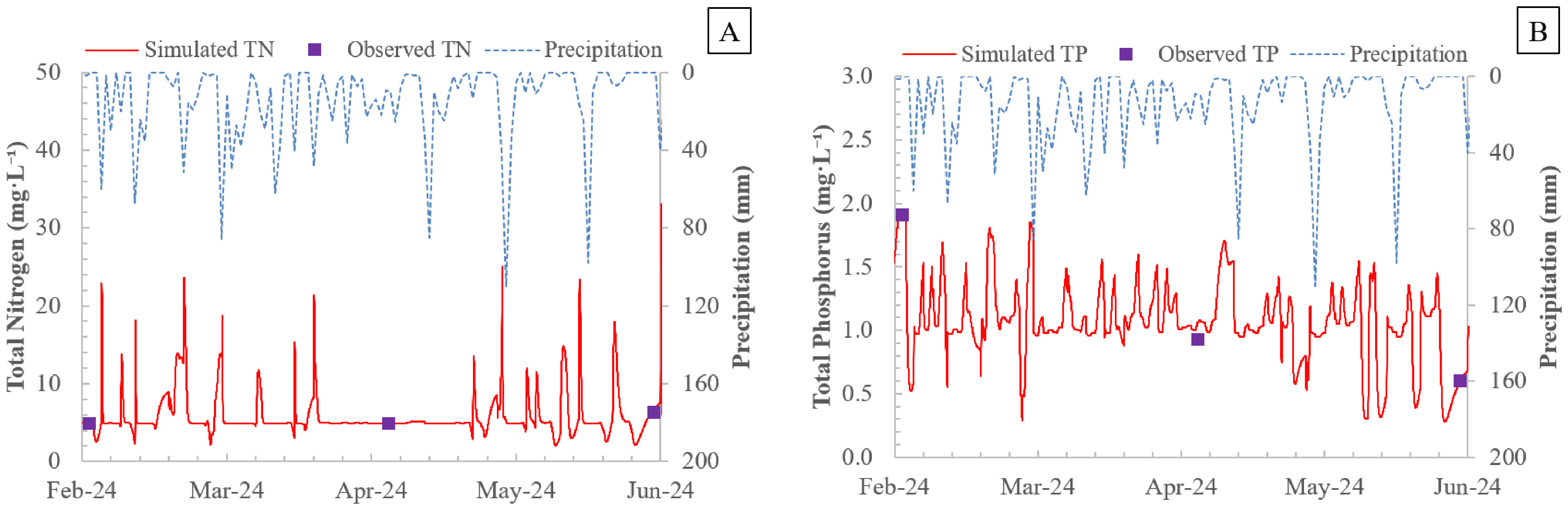
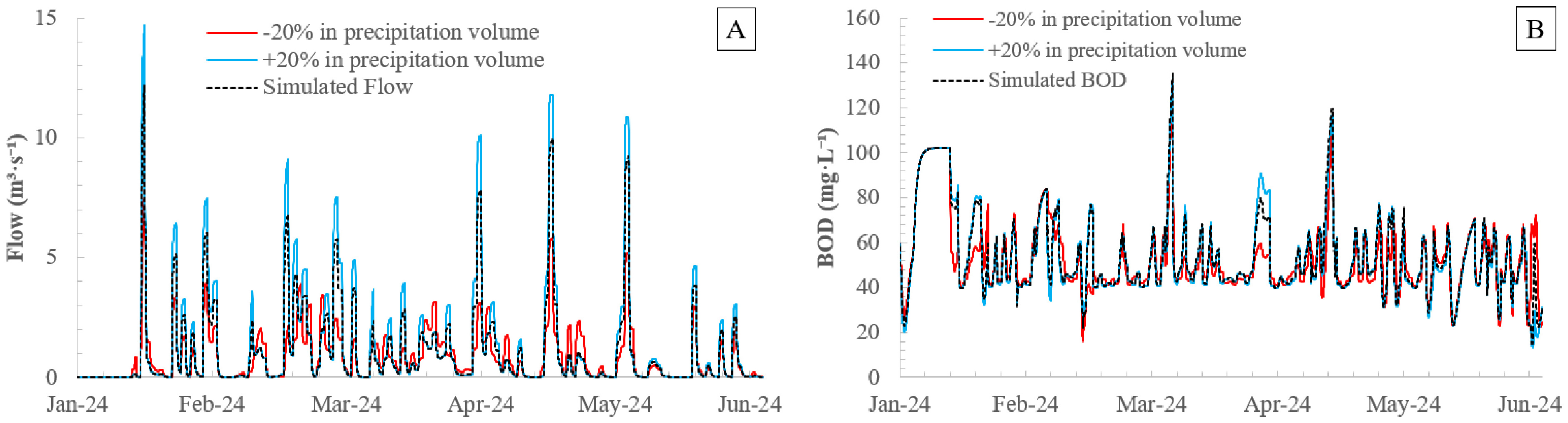
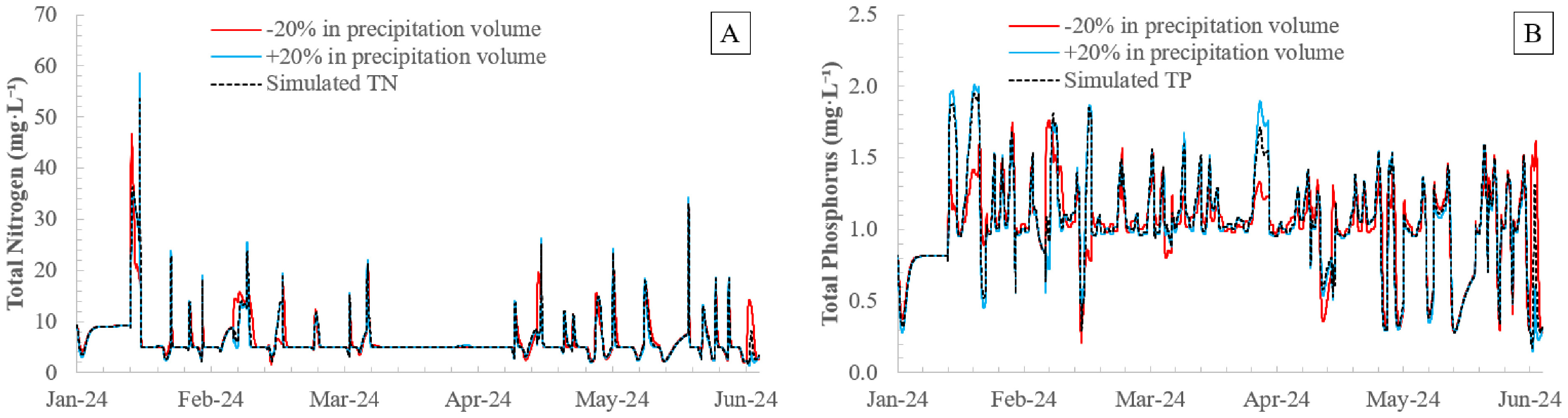
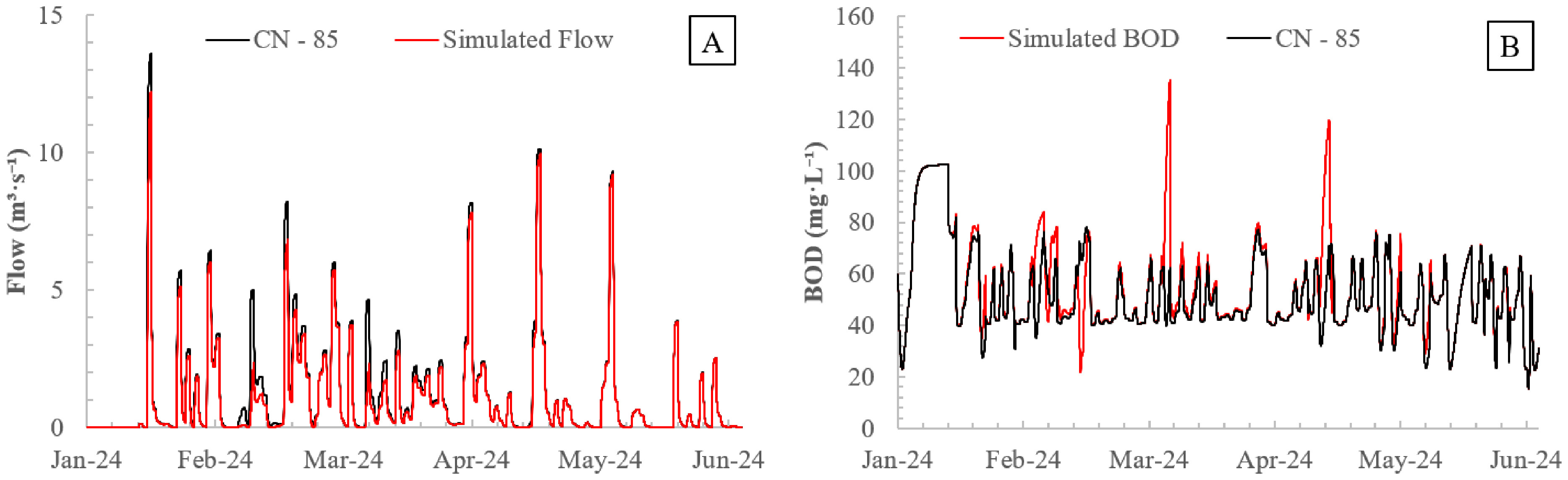
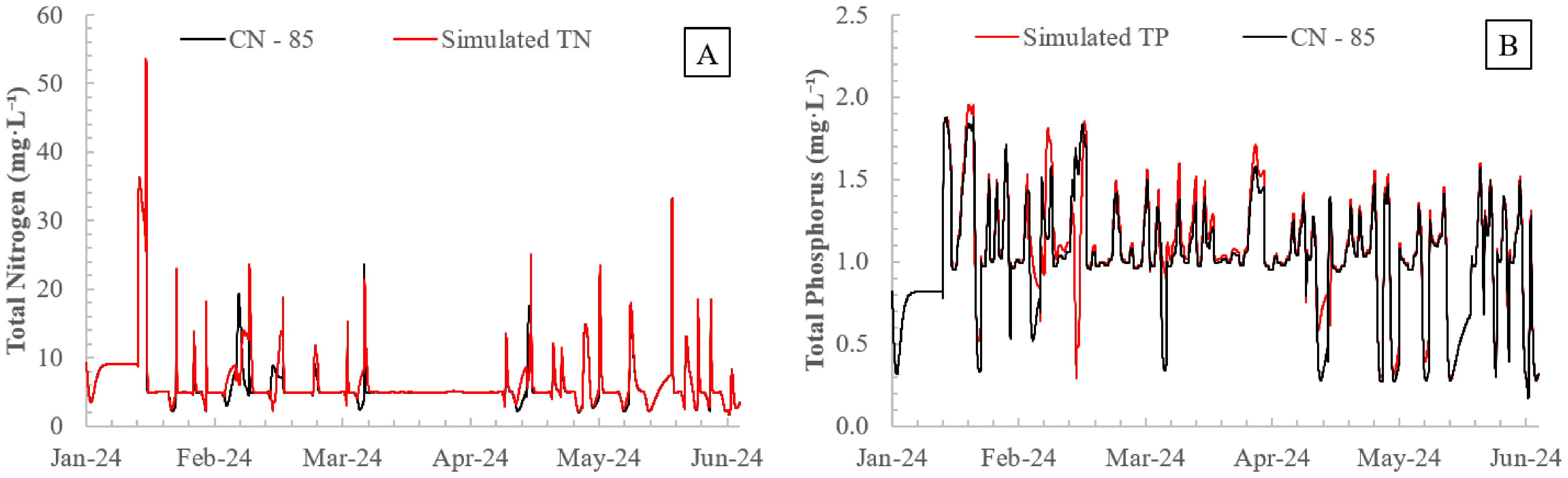
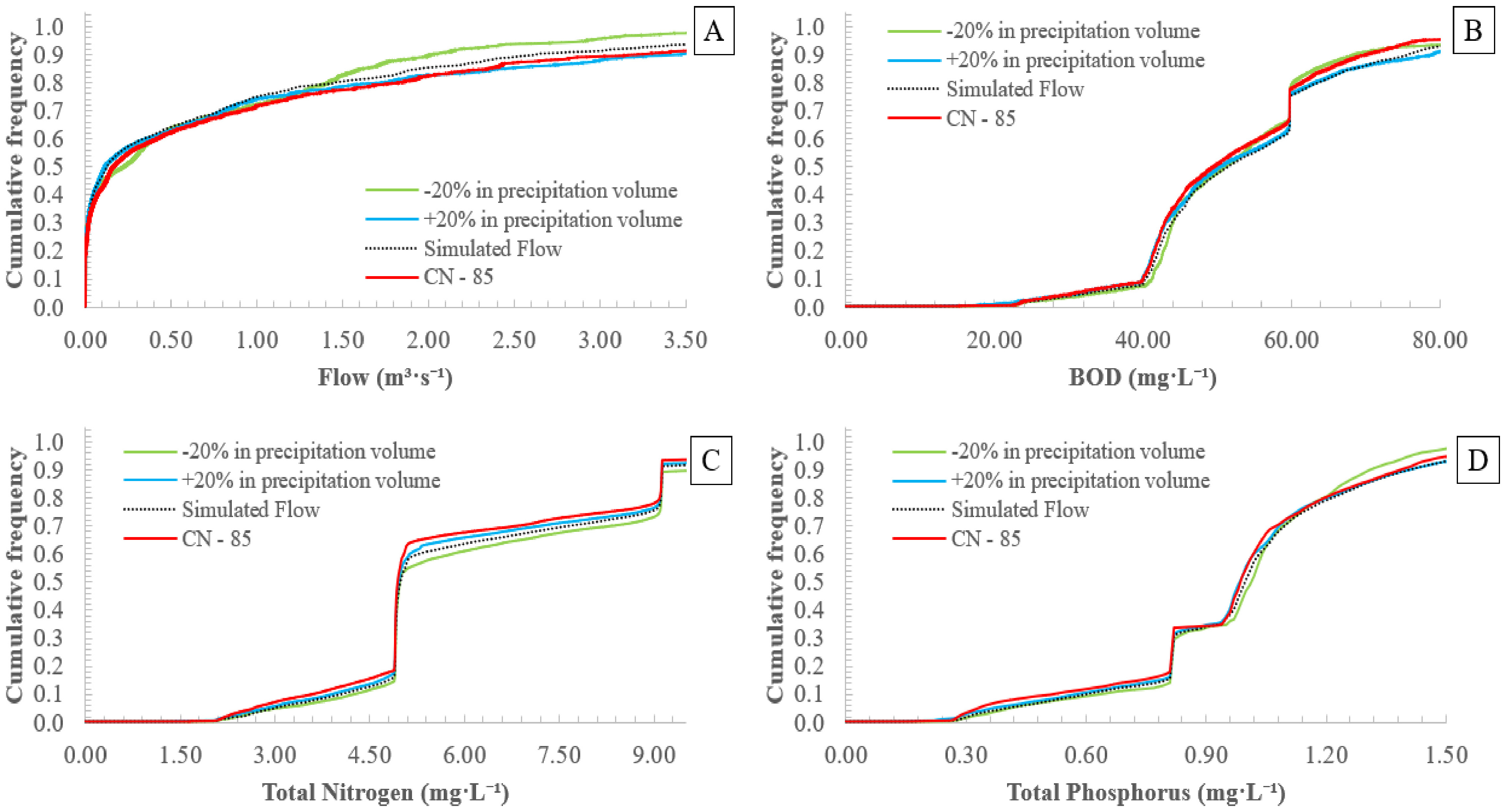
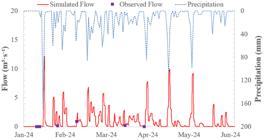
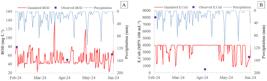
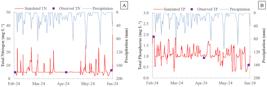
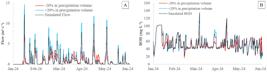
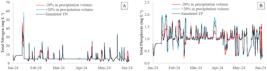
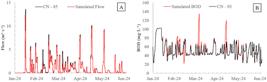
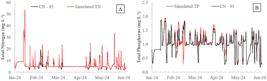
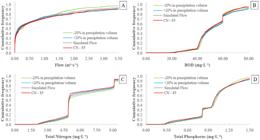
The Maceió Stream watershed, in Fortaleza, Ceará, Brazil, plays a vital role in the city’s urban drainage system but suffers from urbanization, pollution, and environmental degradation. This study applies the Storm Water Management Model (SWMM) to develop hydrological-hydraulic and water quality models, assessing the impacts of impervious areas and diffuse pollution. The integrated model simulates flow rates, flood peaks, and pollutant concentrations, focusing on Biochemical Oxygen Demand (BOD), Total Nitrogen (TN), Total Phosphorus (TP), and Escherichia coli (E. coli). The watershed’s relevance stems from its location across densely populated and socially vulnerable areas, making its management environmentally and socially critical. Model performance showed good reproduction of Maceió Stream hydrographs (NSE = 0.78, PBIAS = -9%), with excellent accuracy for BOD (NSE = 0.97, PBIAS = 2%), TN (NSE = 0.91, PBIAS = -3%), and TP (NSE = 0.98, PBIAS = -4%). Scenario analyses considering climate change and continued urbanization revealed the necessity of drainage interventions to mitigate extreme hydrological events and strategies to improve water quality. The study concludes that integrated modeling with SWMM is an effective tool for diagnosing water-related challenges and guiding sustainable management solutions for urban watersheds.
Keywords:
Modeling; Water quality; SWMM; Urban drainage; Climate change
 Thumbnail
 Thumbnail
 Thumbnail
 Thumbnail
 Thumbnail
 Thumbnail
 Thumbnail
 Thumbnail
 Thumbnail
 Thumbnail
 Thumbnail
 Thumbnail