 Water governance using a climate-based water stress index: a case study of the Campinas Metropolitan Region (Brazil)
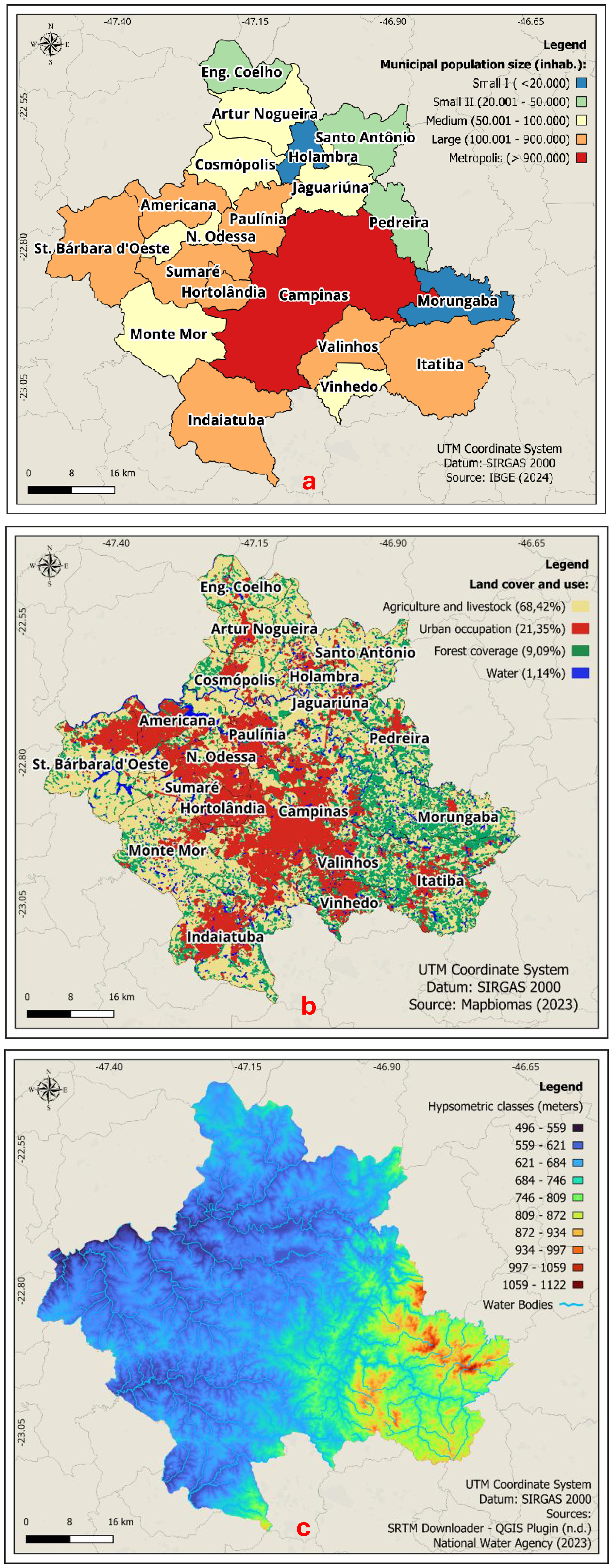
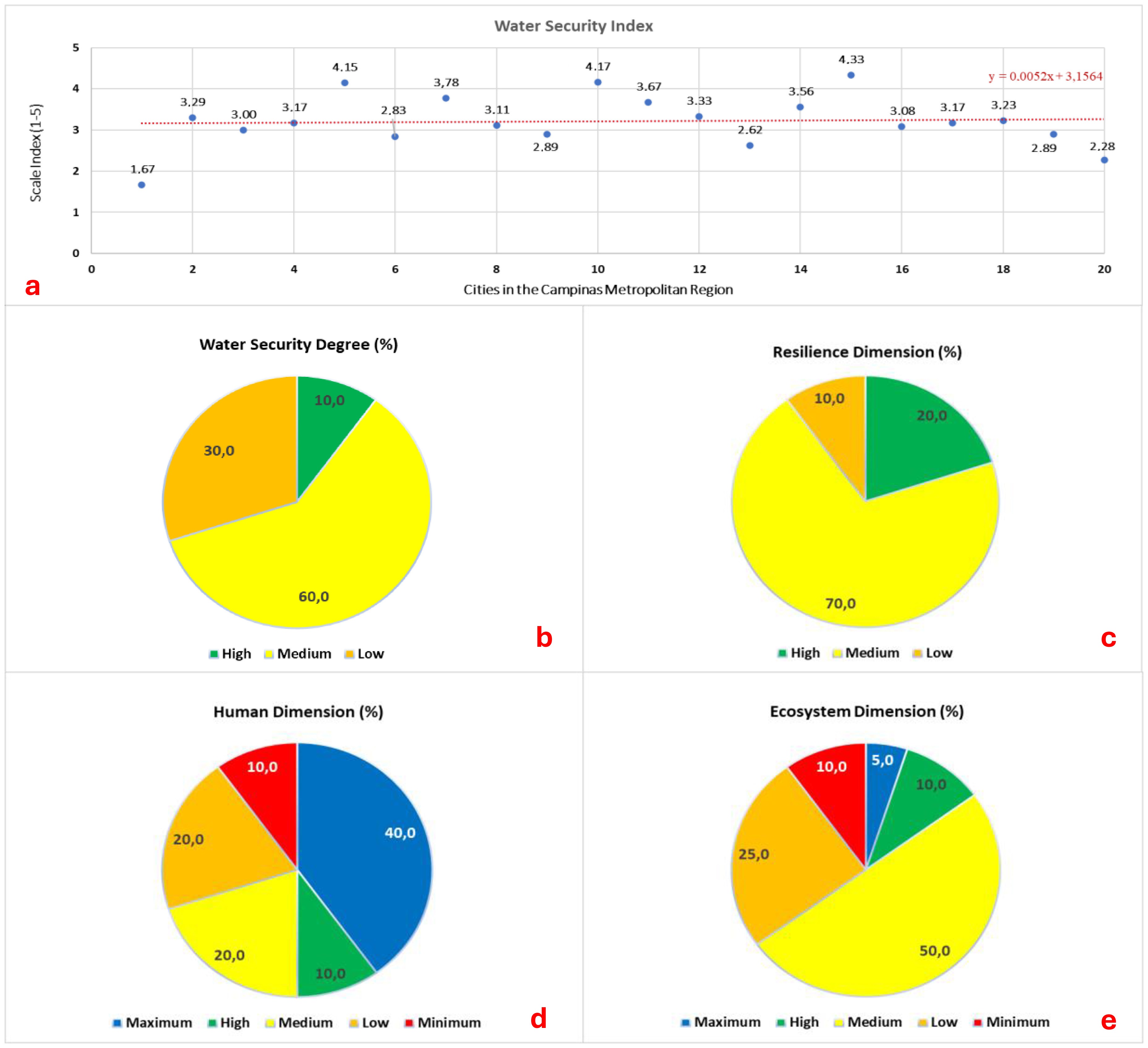
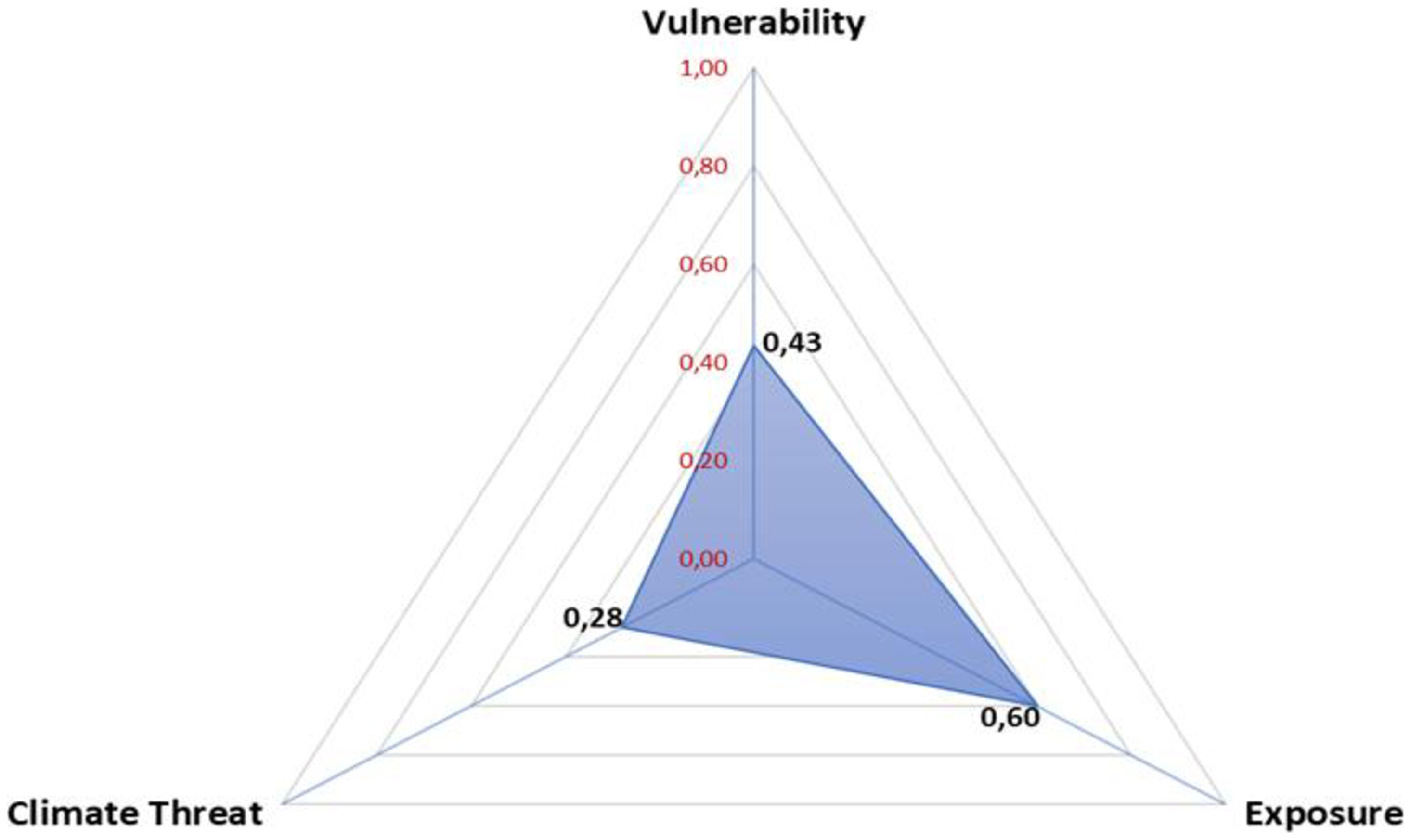
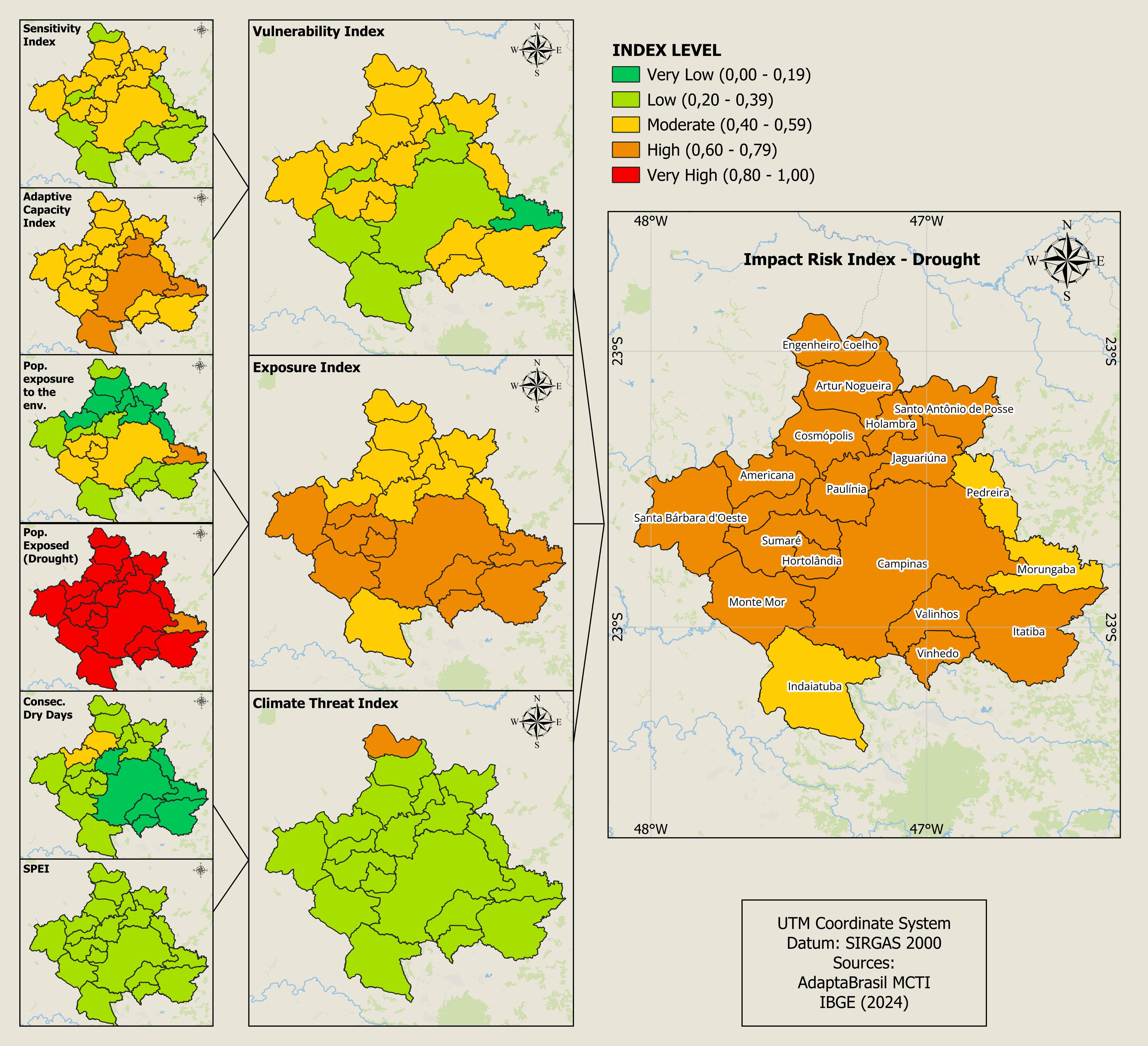
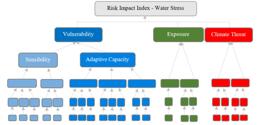
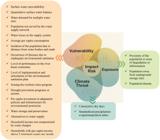
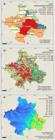
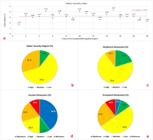
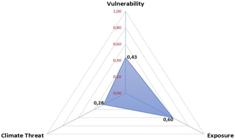
Water insecurity in the Campinas Metropolitan Region is driven by climate variability, land sprawl, and socio-institutional vulnerabilities. The objective is to propose a regional water security governance framework grounded in climate risk indicators. The methodology integrates territorial characterization, climate data from AdaptaBrasil, geospatial analysis, and the evaluation of vulnerability, exposure, and climatic threat using the Water Stress Risk Index, based on indicators such as the Resilient Cities Program, water losses in the supply system, population density, precipitation-evapotranspiration index, among others. The findings reveal significant water pressure from human demands, low forest cover, and uneven water security. High-risk municipalities show limited adaptive capacity and elevated exposure. The research’s main contribution is the development of a governance framework that links climate-risk diagnostics to adaptive, participatory, and multi-level management, offering a structured monitoring cycle to strengthen resilience, underwrite public policies, and enhance equitable water security across metropolitan contexts.
Keywords:
Adaptive water governance; Urban resilience; Socio-environmental vulnerability
 Thumbnail
 Thumbnail
 Thumbnail
 Thumbnail
 Thumbnail
 Thumbnail
 Thumbnail
 Thumbnail
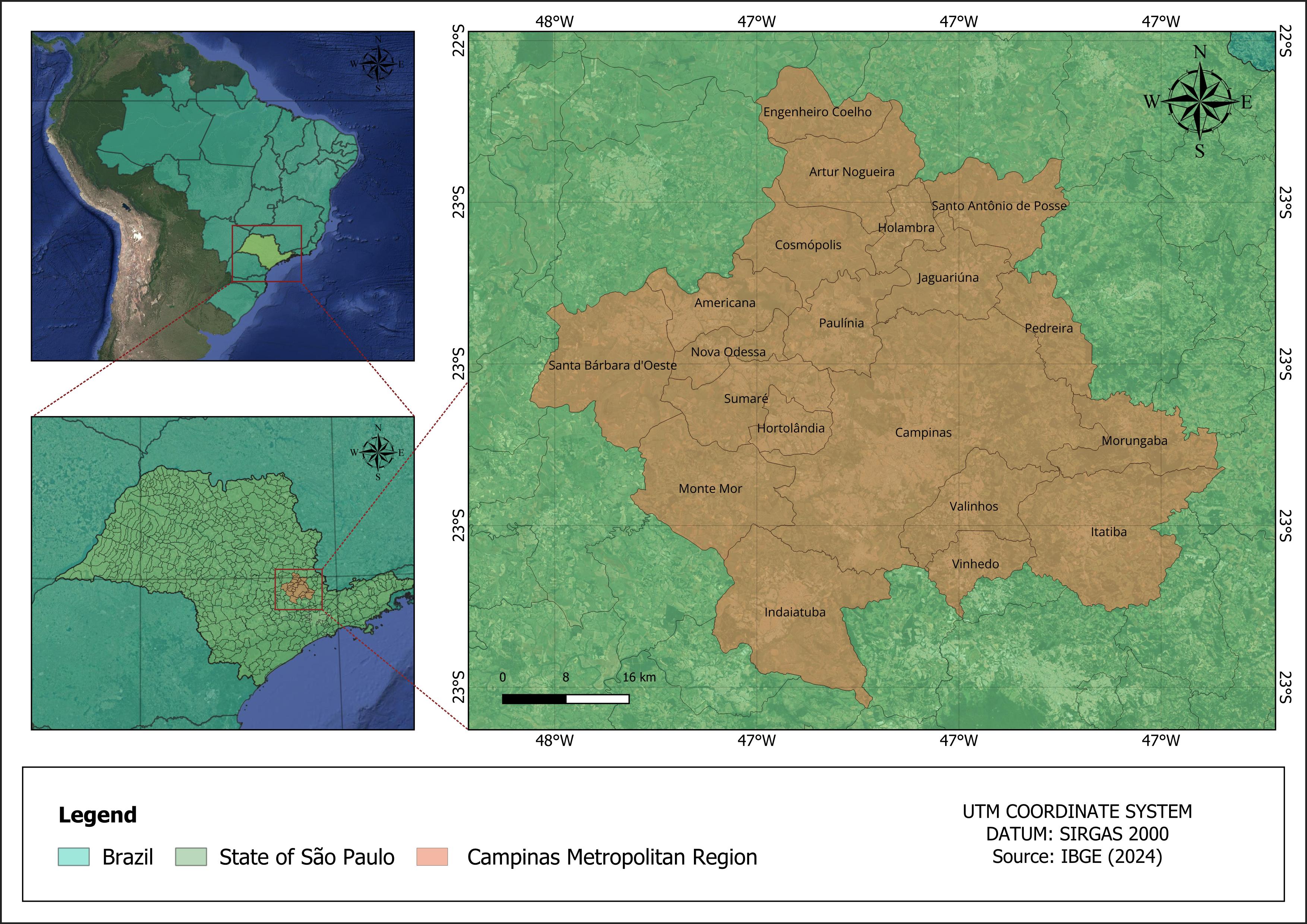 Source: Authors’ elaboration (2025).
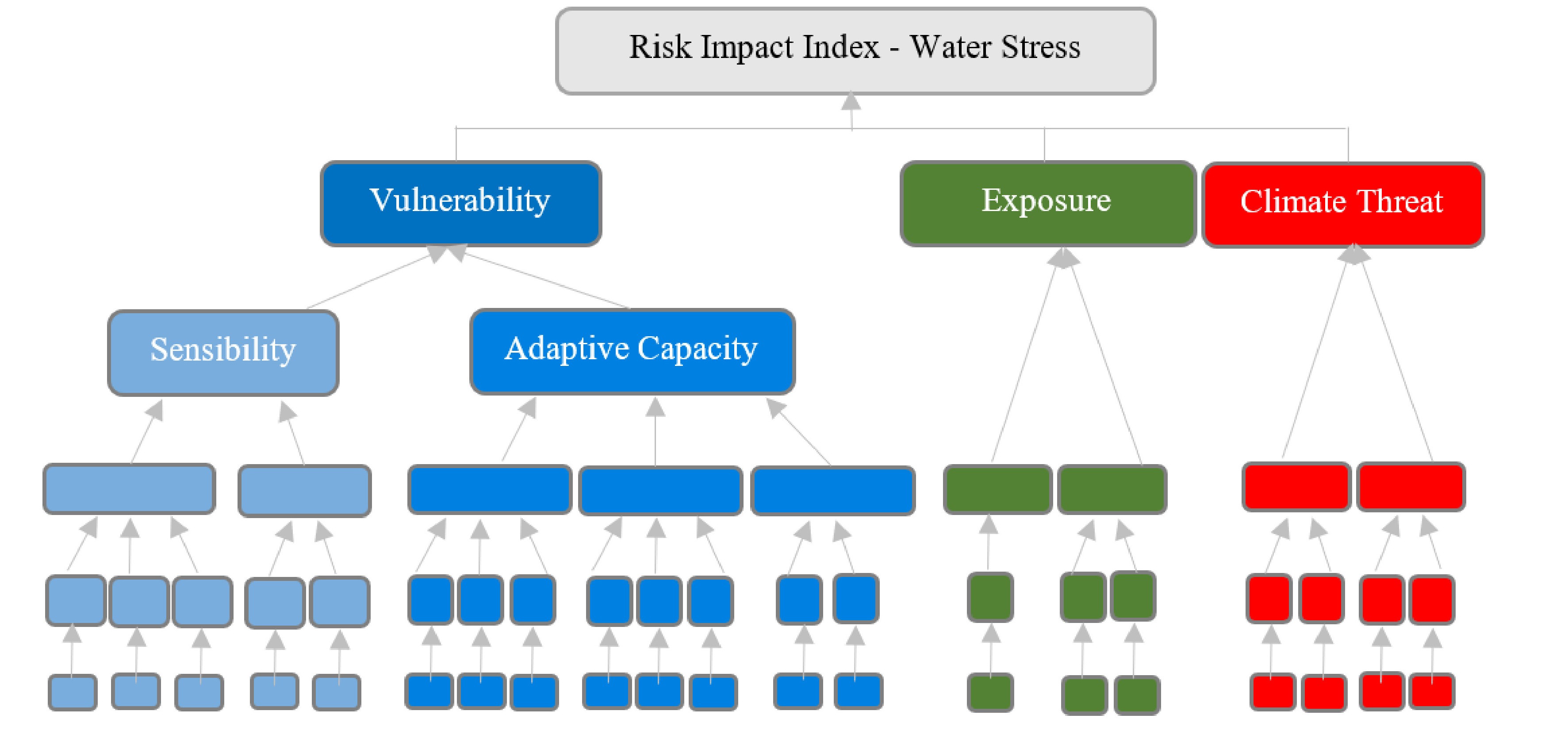
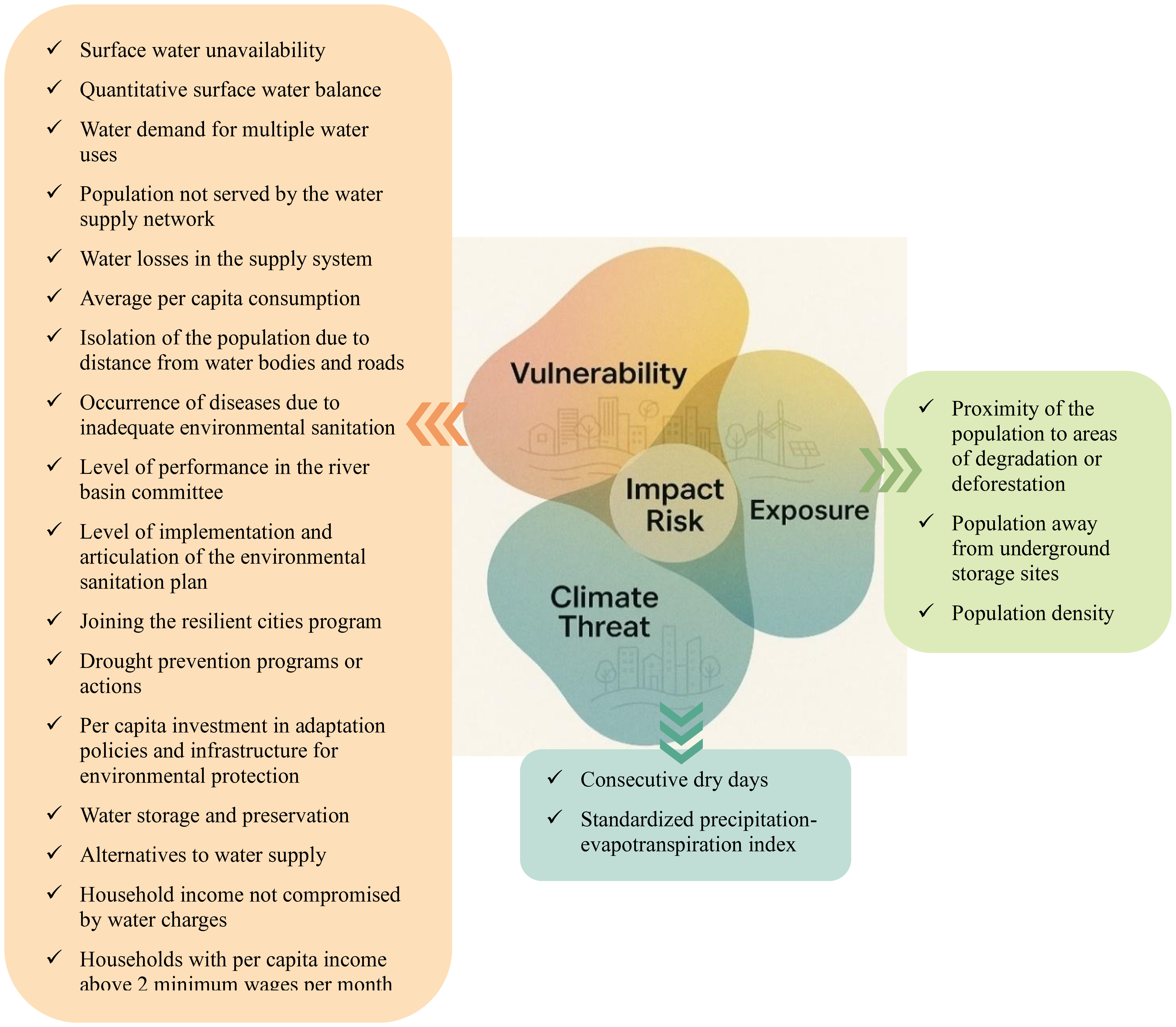 Source: Authors’ elaboration based on