 Historical and probabilistic estimation of frequency factors for the daily Probable Maximum Precipitation (PMP) in Minas Gerais, Brazil
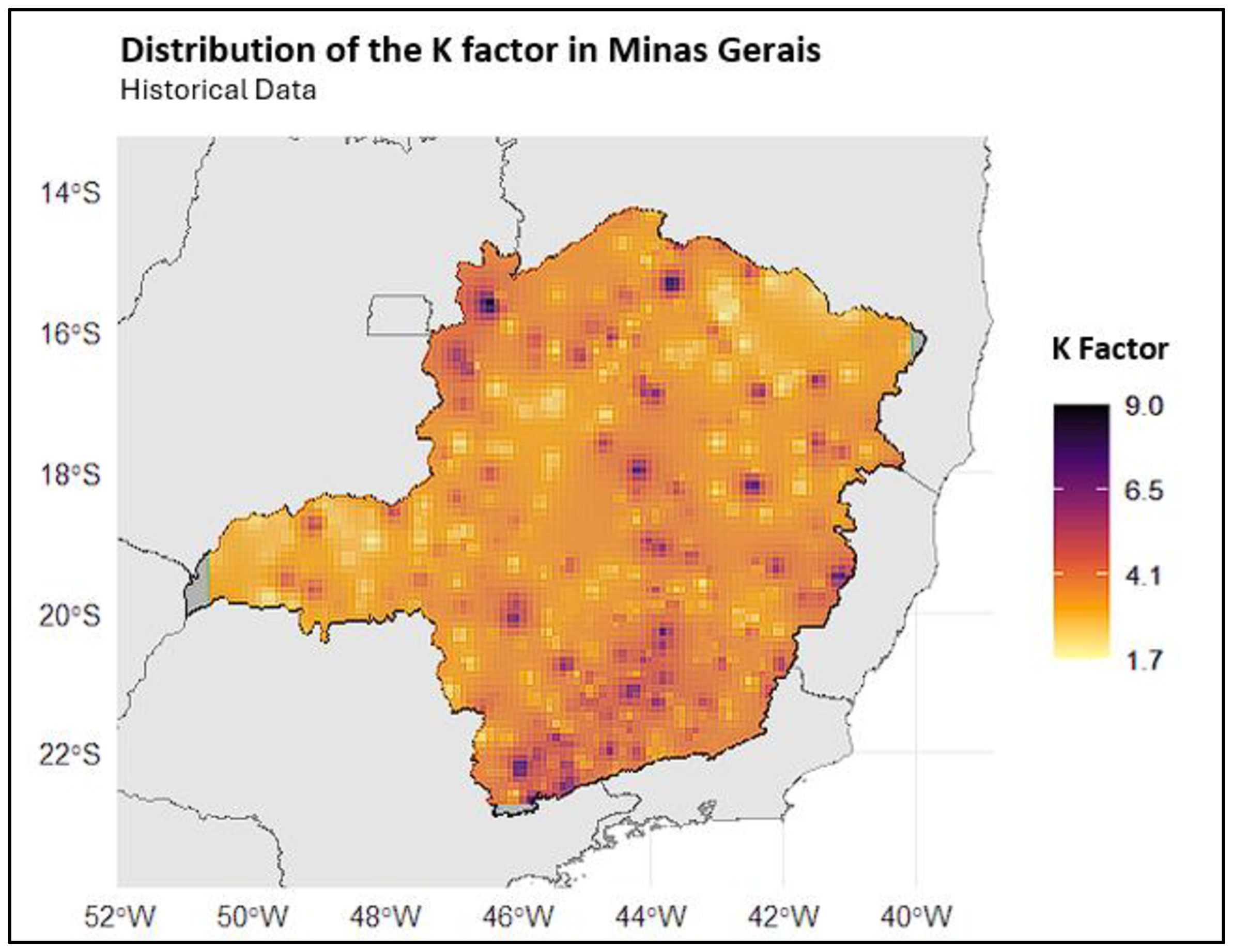
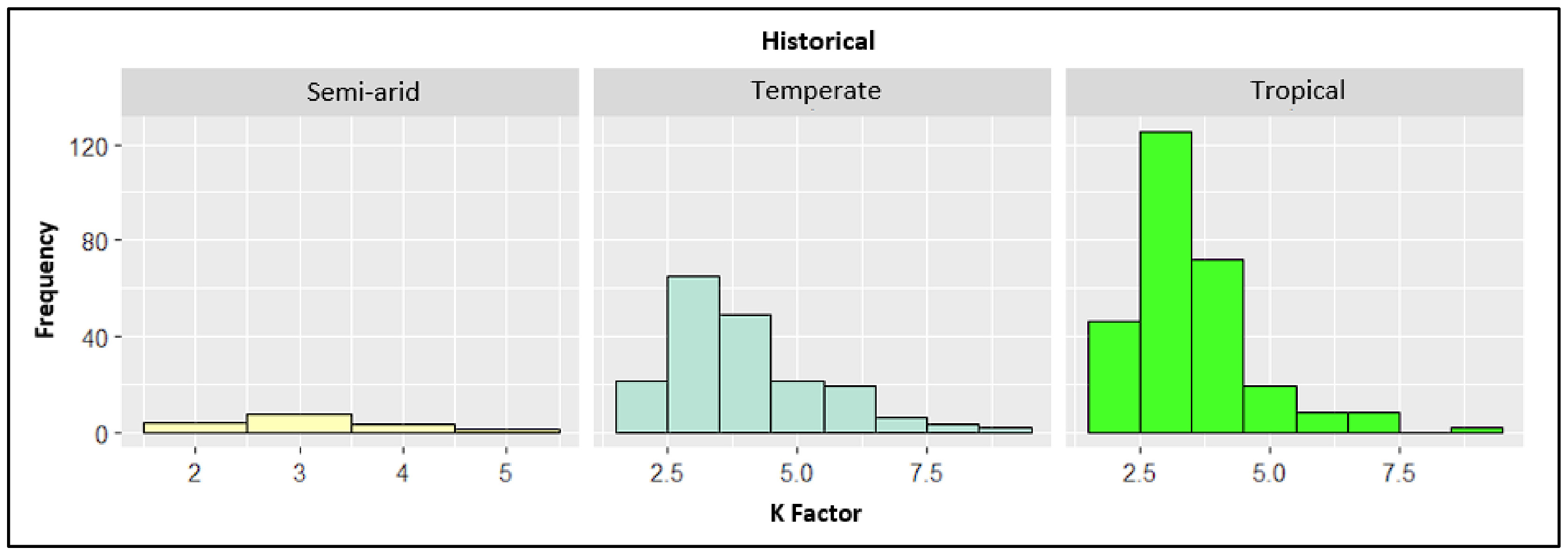
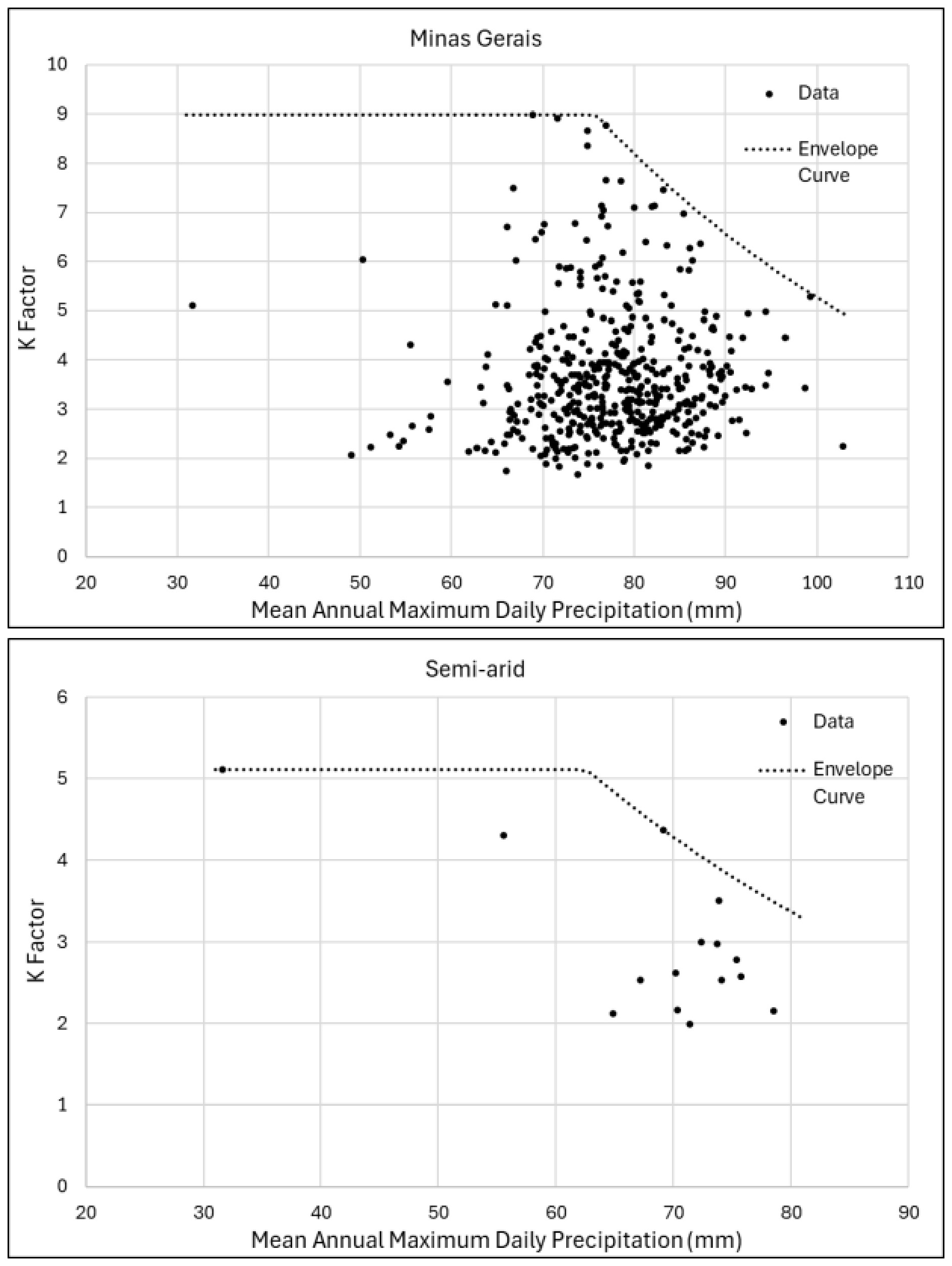
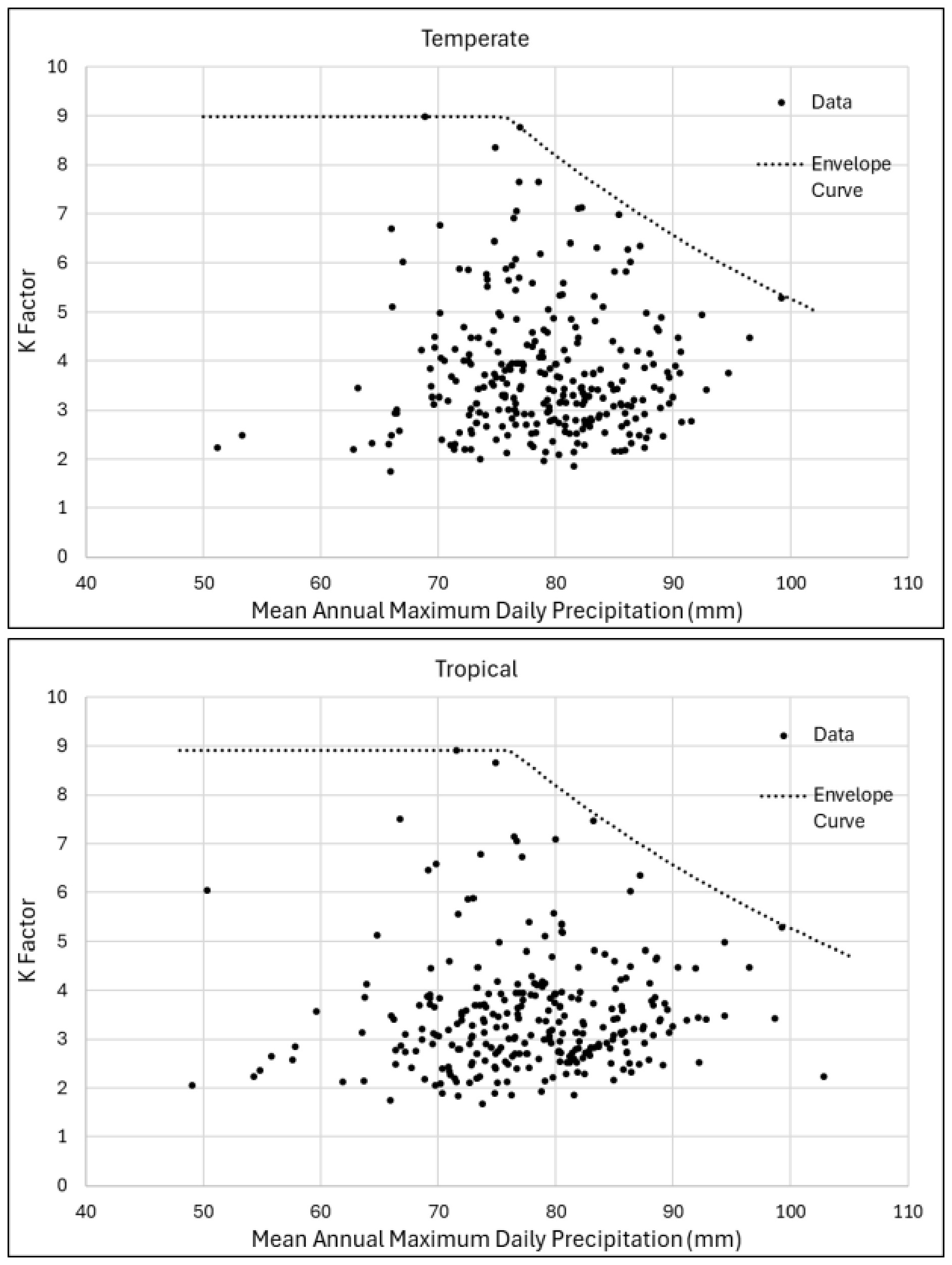
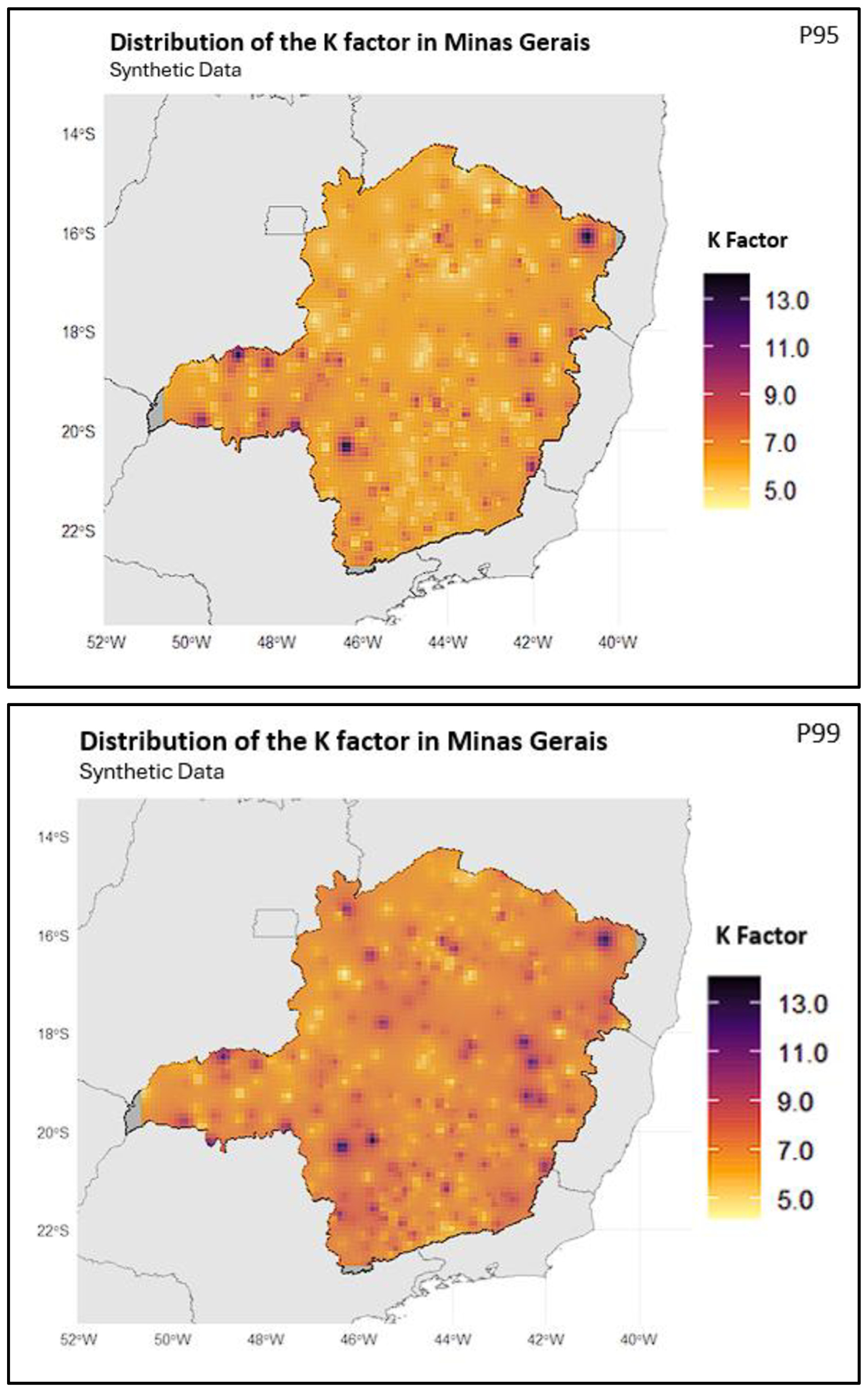
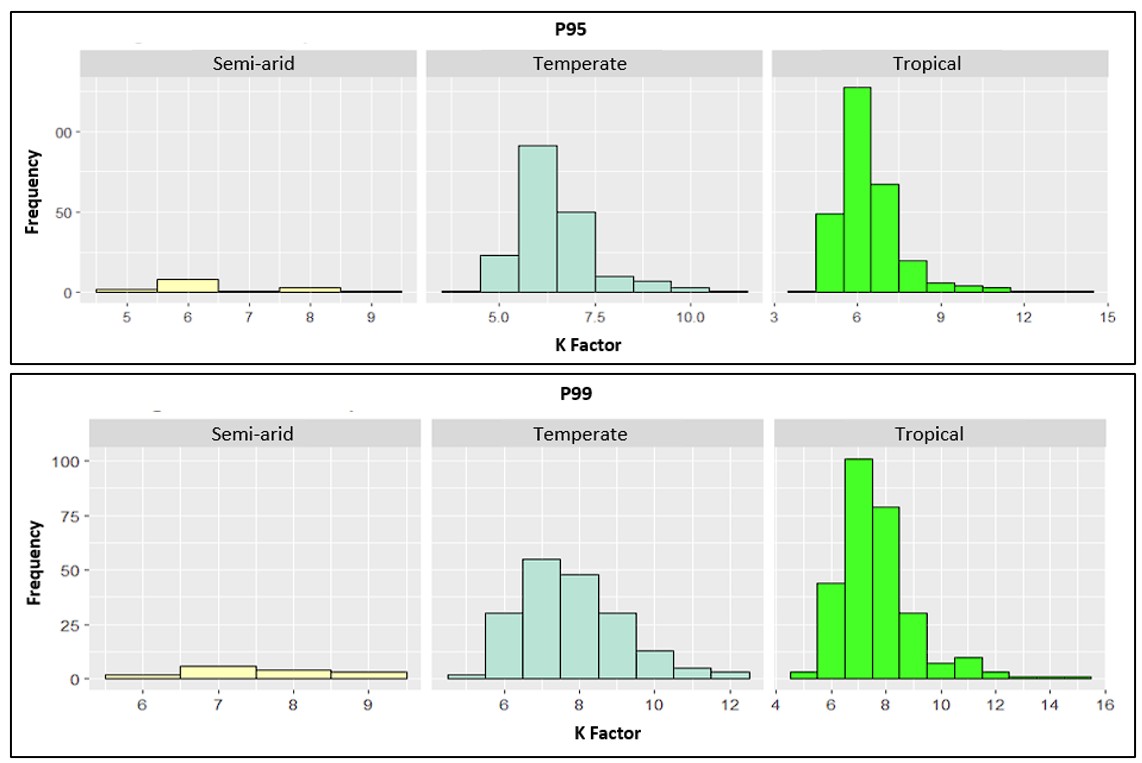
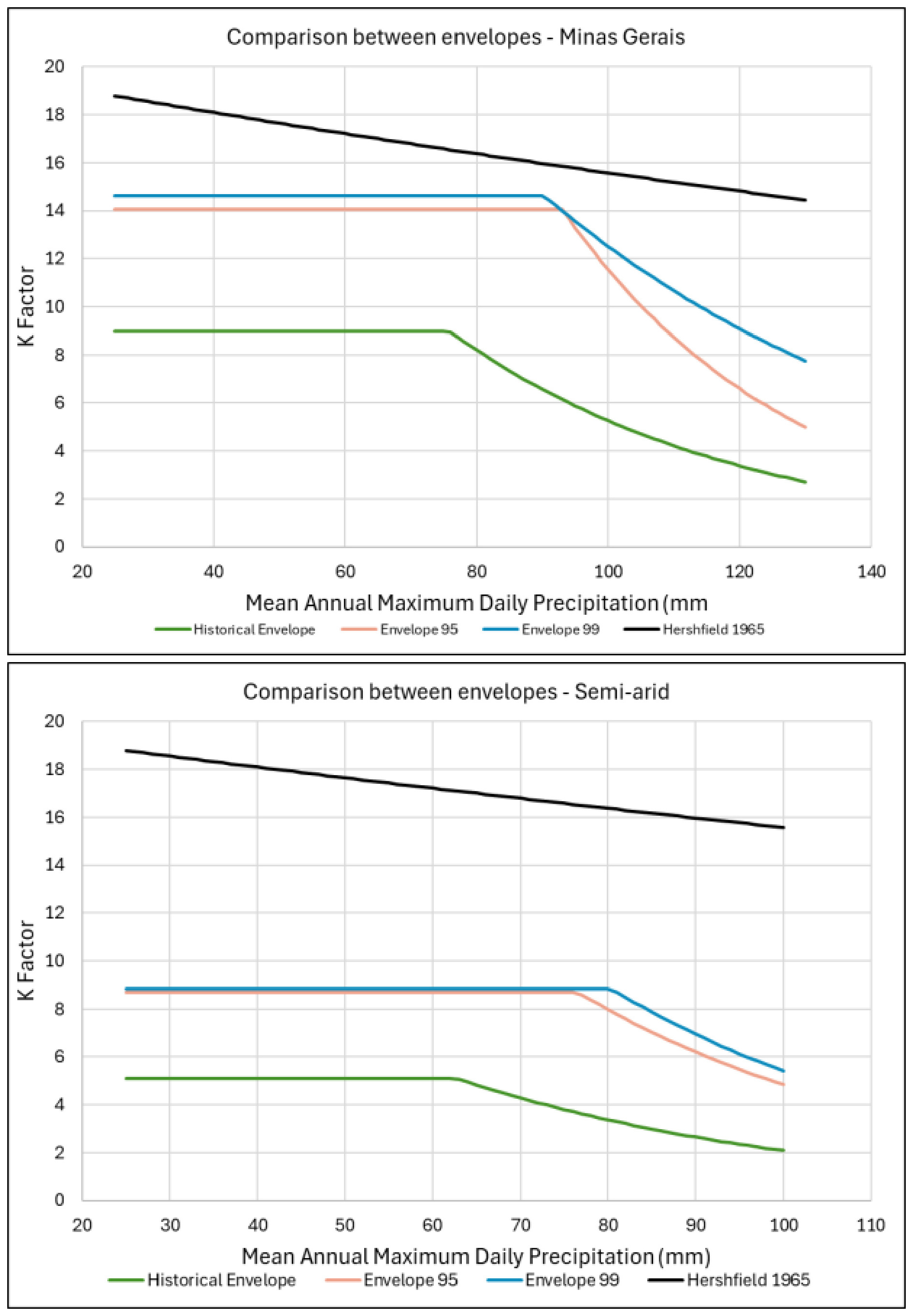
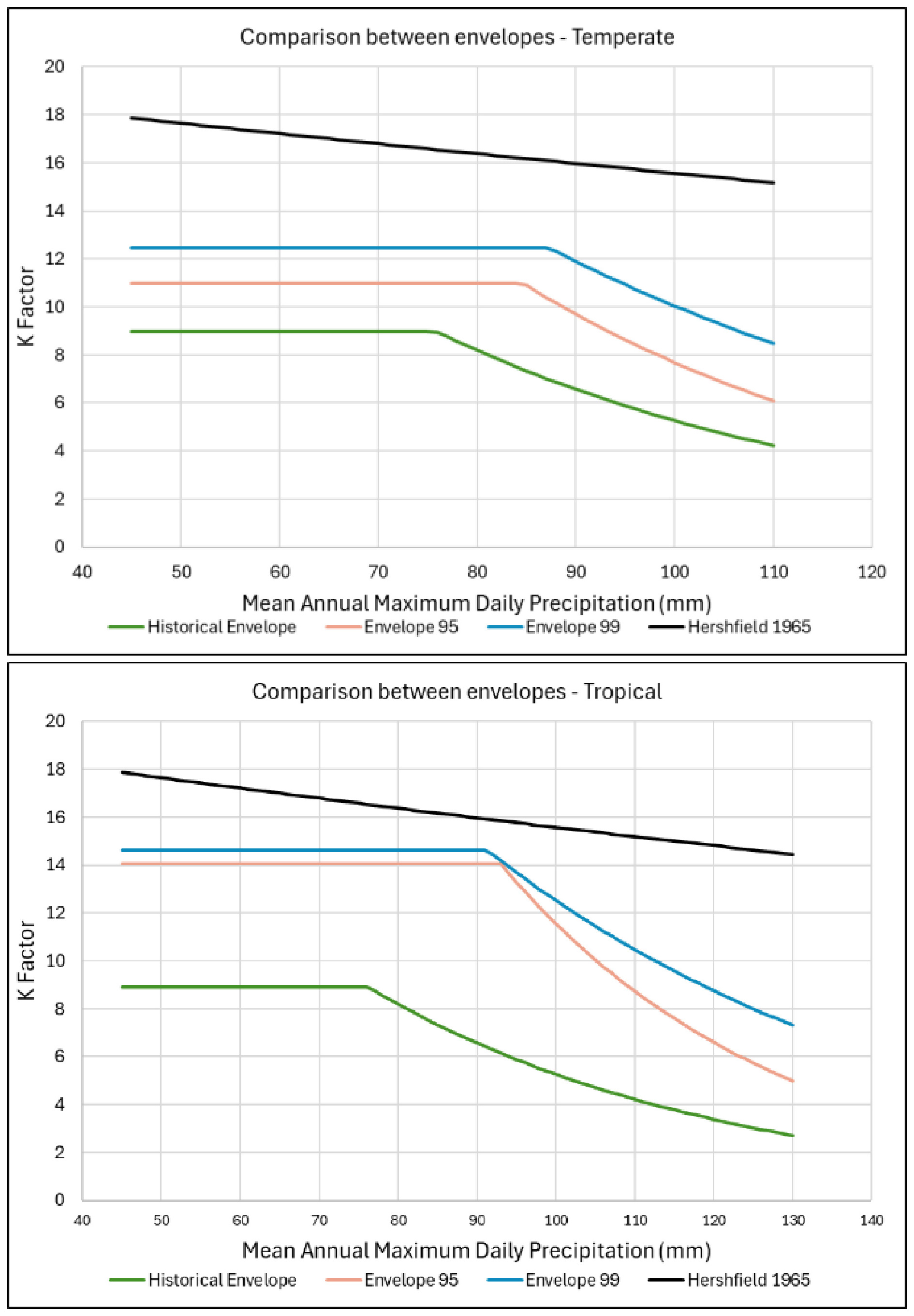
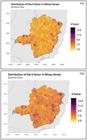
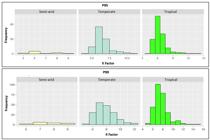
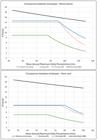
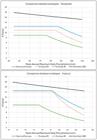
Extreme precipitation events directly affect public safety, infrastructure, and the economy, and are influenced by regional hydrometeorological conditions. In hydrology, design flows may be estimated using deterministic or probabilistic approaches. Under the statistical method, the Probable Maximum Precipitation (PMP) is traditionally interpreted as a theoretical upper limit obtained by maximizing the frequency factor (K). However, this statistical formulation was developed from datasets and assumptions that may not fully represent other climatic regions. More recent discussions have highlighted the importance of probabilistic definitions of extreme precipitation, which interpret the PMP as a rainfall depth associated with very low exceedance probabilities. This study developed envelope curves for frequency factors in Minas Gerais, Brazil, using historical and synthetic daily precipitation series from 481 stations. The synthetic series enabled a probabilistic characterization of extremes, with estimates obtained for exceedance levels of 5% and 1%. The results showed maximum K values of 8.98 in historical data and higher values in synthetic series, reaching 14.04 and 14.62. The curves also revealed spatial differences across climatic regions. Overall, the findings indicate that Hershfield’s classical envelope, when applied to Minas Gerais, may assume a conservative character, while region-specific curves can offer a more representative basis for local PMP estimation.
Keywords:
Probable Maximum Precipitation (PMP); Frequency Factor (K); Climatic classification; Synthetic series; Envelope curves
 Thumbnail
 Thumbnail
 Thumbnail
 Thumbnail
 Thumbnail
 Thumbnail
 Thumbnail
 Thumbnail
 Thumbnail
 Thumbnail
 Thumbnail
 Thumbnail