 Circular economy and business performance assessment models: a case study in the glass packaging value system
Purpose – This study investigates how a representative company in the glass industry has incorporated Circular Economy variables and practices as a dimension of its performance assessment.
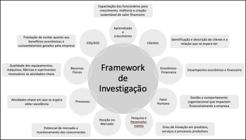
Design/methodology/approach – Based on a proposed investigative framework for the theme, a qualitative approach was adopted through an exploratory and descriptive single-case study, using documentary research and interviews as data collection techniques, followed by documentary and content analysis.
Findings – The results suggest that, given the complexity of Circular Economy processes and principles, despite the company‘s efforts, only one phase of the cycle has been developed, with considerable room for advancement. Furthermore, it was found essential to establish specific internal methods and routines, including employee training.
Practical implications - The practical contributions of this study lie in investigating how a company in the glass sector integrates Circular Economy practices into its performance assessment, proposing a new framework. In addition, the study highlights the importance of developing specific internal methods and routines emphasizing the need for employee training as an essential part of advancing circularity within organizations.
Originality/value – The originality of this study lies in the applied analysis of Circular Economy in a specific company in the glass sector, a field that is still underexplored regarding monitoring and control practices within traditional business performance benchmarks. The proposed framework provides an unprecedented contribution to guide other companies in their implementations.
Business performance; Circular economy; Sustainability
 Thumbnail
 Source: