 Effects of burnout on the career of controllership professionals
ABSTRACT
The changes in the corporate environment, competitiveness, and pressure for results directly affect the quality of life and well-being of employees. When work demands exceed limits, individuals may be affected by Burnout Syndrome: a condition that results in physical and mental exhaustion due to prolonged and intense stress. This research focused exclusively on professionals in the field of controllership, due to the high exposure of this group to intense levels of stress and pressure, and aimed to identify the effects of burnout on their careers. The specific objectives include investigating the causes of burnout, analyzing its physical and mental effects on health and well-being, evaluating its impact on productivity and professional performance, examining prevention and intervention strategies, and exploring its consequences on job satisfaction and turnover intentions. The research is qualitative, using semi-structured interviews for data collection. Content analysis was employed to analyze the data, and NVivo software was used to organize the transcribed data. Professionals from different companies were interviewed, and the results highlight the importance of self-care, psychological support, and a healthy and balanced work environment where professionals feel valued and motivated.
Burnout; Controllership; Stress; Quality of life; Mental health
RESUMO
As mudanças no ambiente corporativo, a competitividade e a pressão por resultados afetam diretamente a qualidade de vida e o bem-estar dos colaboradores. Quando as demandas do trabalho ultrapassam os limites, os indivíduos podem ser acometidos pela Síndrome de Burnout: condição que resulta em esgotamento físico e mental devido ao estresse prolongado e intenso. Esta pesquisa focou exclusivamente em profissionais da área de controladoria, devido à alta exposição desse grupo a intensos níveis de estresse e pressão, e teve como objetivo identificar os efeitos do burnout em suas carreiras. Os objetivos específicos incluem investigar as causas do burnout, analisar os seus efeitos físicos e mentais na saúde e no bem-estar, avaliar o seu impacto na produtividade e no desempenho profissional, examinar estratégias de prevenção e intervenção e explorar as suas consequências na satisfação no trabalho e nas intenções de rotatividade. A pesquisa é qualitativa, utilizando entrevistas semiestruturadas para coleta de dados. A análise de conteúdo foi empregada para análise dos dados e o software NVivo foi utilizado para organização dos dados transcritos. Foram entrevistados profissionais de diversas empresas e os resultados destacam a importância do autocuidado, do apoio psicológico e de um ambiente de trabalho saudável e equilibrado, onde os profissionais se sintam valorizados e motivados.
Esgotamento; Controladoria; Estresse; Qualidade de vida; Saúde mental
INTRODUCTION
Burnout Syndrome is common among professionals who deal with high levels of stress and pressure, particularly those in administrative roles, especially individuals facing tight deadlines, lacking proper recognition, handling numerous demands, multitasking, and dealing with significant pressure for results (Maslach; Leiter, 2016). This is especially true for professionals working “in the field of human services, whose occupation involves frequent, intense, and direct interactions with the users of their services” (Tamayo, 2002, p. 47).
The competitiveness of the job market is becoming increasingly selective, and the number of required skills expands daily, alongside the demand for continuous learning. Job demands involve physical, psychological, social, and organizational requirements that necessitate physical, cognitive, and emotional efforts and are associated with physiological and psychological costs. Consequently, companies are increasingly concerned about the mental and physical health of their workers (Schaufeli, 2014).
When professionals must exert extra effort to meet their goals, or when there is a scarcity of challenges (where opportunities for specialization, personal growth, or future gains are lacking), negative consequences arise due to the overuse of energy. These negative outcomes appear quickly, including loss of productivity, poor performance, high turnover rates for the company, and health-related absences, mainly as a result of burnout (Vazquez et al. 2019). According to Maslach and Leiter (1997, p. 3), burnout is a term “used to describe a state of physical and mental exhaustion caused by prolonged and excessive stress at work”.
This research focused on professionals in the field of controllership to identify the recurrence and effects of burnout on their careers, as the controllership professional plays the role of a facilitator for other employees, either directly or indirectly. This requires a global view of the company, including knowledge of both the core business and core competence (Lunkes et al., 2010).
The main function of the controllership area is to provide informational support, internal control, and strategy management. More than just compiling data, the controller acts as an information manager, extracting key insights and transforming them to make decision-making more accurate (Lunkes et al., 2010). According to J.B. Heckert and J.D. Willson (as cited in Tung, 1985, p. 34), the task of this professional can be defined as:
It is not the Controller’s responsibility to steer the ship, as that is the task of the chief executive; however, the Controller acts as the navigator, in charge of the navigation maps. Their task is to keep the captain informed about the distance traveled, the ship’s current location, speed, encountered resistance, course deviations, dangerous reefs, and the paths outlined on the maps, ensuring that the ship reaches its destination [...]
This is a very eclectic field that heavily draws on the knowledge of professionals in Administration, Accounting, Economics, Engineering, and other disciplines in the performance of this highly responsible role, which requires great attention and analysis. The controller, as this position is more commonly known in English, is responsible for consolidating quantitative systems for budget planning, analyzing productivity and profitability, safeguarding assets, overseeing internal controls, managing the management information systems (MIS), and handling both fiscal and managerial records of the business activity (Ferreira; Portella, 2020).
It is a topic that has been little researched, as no academic studies or research were found in databases such as Google Scholar, Web of Science, SciELO, and CAPES Journals between 2000 and 2022 using the keywords “burnout” and “controllership.” There are a few studies that address the issue of burnout in fields closely related to controllership, such as internal auditing (Bernd; Beuren, 2017), shareholder participation and managerial decision-making (Schlup et al., 2021), uncertainty, budgetary decision-making, and burnout (Quevedo, 2021), and the relationship between high-demand roles and burnout (Demerouti et al., 2021), but none that specifically investigate the effects of burnout on these professionals.
In this context, the question that guided this study was: what are the consequences of Burnout Syndrome on the career of professionals in the field of controllership? This research aims to identify the effects of burnout on the career of controllership professionals, with the goal of investigating the main causes of burnout among professionals in this field, as well as analyzing the organizational factors that contribute to the onset and development of this phenomenon. Additionally, it seeks to examine the physical and mental symptoms of burnout in controllership professionals and investigate the effects of these symptoms on their health and well-being.
THEORETICAL FRAMEWORK
Having mental health, in addition to being at peace with oneself and others, also includes accepting life’s demands, knowing how to manage emotions (whether positive or negative), and more than recognizing one’s own limits, knowing how to set boundaries with others. With the increasing competitiveness and rapid changes in society, particularly in the world of work, the demands and pressure for results in organizations have intensified, making stress management a critical issue for ensuring company productivity. Therefore, in addition to managing the functional areas of companies and their processes, managers are now required to have the ability to handle human interactions in the workplace, a fundamental competence for a company to achieve its business objectives (Gramms; Lotz, 2017).
According to Sandrin (2019), burnout is a state of physical, emotional, and mental exhaustion that arises from chronic and prolonged stress, commonly associated with work. Its symptoms include chronic exhaustion, a constant feeling of being tired even after adequate sleep, loss of interest or motivation, lack of enthusiasm or enjoyment in activities that were previously pleasant, a sense of depersonalization (emotional detachment and cynicism towards work or other activities), reduced productivity, difficulty maintaining focus and completing tasks, sleep problems, and physical health issues (such as headaches, digestive problems, and skin issues, among others).
According to Maslach (2000. as cited in Tamayo, 2002), the development of burnout can occur primarily when there is a mismatch between an individual’s professional and personal life, especially in the following situations: excessive workload, lack of control over the work performed, insufficient rewards: external (e.g., salaries) and internal (e.g., recognition of work), absence of collegiality, lack of justice and equity (no fair processes in the workplace), and a conflict of values between those of the individual and the organization, among others.
When these mismatches persist for a long time, there is a high chance that emotional tension will become chronic, and the professional may develop burnout. Once the syndrome is identified, treatment is necessary, which includes reducing the workload, receiving social support at work, using antidepressants and psychotherapy, as well as engaging in physical activities and relaxation exercises (Sonnentag; Jelden, 2021, p. 35).
The term burnout emerged in the 1970s when the doctor Herbert Freudenberger was treating drug users in New York, who were called “burnout” because they only cared about drugs and were indifferent to other matters (Campos, 2005). According to Tamayo (2009), the first manifestations of Burnout Syndrome were observed in 1974 among professionals in caregiving fields, such as teachers, police officers, and healthcare workers, especially therapists and nurses. The author defines burnout as:
[...] a state of chronic fatigue or emotional frustration that results from dedication to a cause, a way of life, or a demanding interpersonal relationship, especially when it involves volunteer work or helping others (Freudenberger, 1974, p. 160).
Tamayo (1997), after an extensive search and analysis of various authors on the difference between burnout and stress, concluded that work-related stress involves negative attitudes and behaviors towards clients, work, and the organization, and that Burnout Syndrome is the final stage, emerging as a response to prolonged occupational stress. Burnout is currently one of the greatest health risks to workers; however, it is also one of the most misunderstood and surrounded by prejudice. This is because poorly prepared managers tend to characterize mental exhaustion as a personal problem, a psychological weakness that employees should resolve on their own, at most by practicing relaxation techniques or seeking a quieter job.
Maslach and Leiter (2022) state that, in fact, burnout needs to be managed in the workplace, meaning it is a problem that companies must solve or, better yet, avoid, just like any other issue related to occupational health and safety. The researchers, pioneers in the study of work-related exhaustion, argue that companies can promote sustainable productivity by sparing employees from exhaustion and, ultimately, saving the company from inefficiency and ineffectiveness. Both authors suggest that employees conduct self-assessments to proactively identify workplace issues, thereby anticipating possible solutions. They also present research data estimating over $500 billion in losses and 550 million work hours lost annually due to work-related stress, primarily caused by dysfunctional work environments.
The recurrence of burnout also has consequences for the organization, as it increases the number of medical leaves, employee turnover, and leads to poor performance and productivity. It is important for companies to take actions to prevent employees from developing Burnout Syndrome because, even after the employee returns following recovery, it may take months for their performance to return to its previous level. In this regard, communication between the company and the employee is essential; the employee must feel confident in sharing stressful situations. The company can implement health initiatives, especially with the support of a psychologist.
In 2022, the member countries of the World Health Organization (WHO) decided to include burnout in the Classification of Diseases. In the same year, Brazil’s Ministry of Health included Burnout Syndrome in the list of work-related illnesses and defines burnout as:
The feeling of being worn out, or Professional Burnout Syndrome, is a type of prolonged response to chronic emotional and interpersonal stressors at work. It has been described as resulting from professional experiences in a context of complex social relationships, involving the way a person perceives themselves and others. The worker, who was previously emotionally invested in their clients, patients, or in their work itself, becomes worn out and, at a certain point, gives up, loses energy, or becomes completely “burnt out.” The worker loses the sense of their connection to work, becomes disinterested, and any effort seems futile (Ministry of Health, n.d., online).
The World Health Organization (WHO) developed the International Classification of Diseases (ICD), a widely used system for standardizing the categorization of diseases and health conditions, facilitating global data collection, diagnosis, and treatment. The 11th revision (ICD-11), published in 2018, reflects scientific advancements and changes in medical and public health practices (WHO, 2018).
Compared to the previous edition, the main change brought by ICD-11 lies in the characterization of the syndrome, which includes three core elements: a feeling of exhaustion, cynicism or negative feelings towards work, and reduced professional effectiveness (WHO, 2020). According to Araújo et al. (2021), the COVID-19 pandemic, which began at the end of 2019 and spread globally in early 2020. transformed work and relationships. In a short period, companies and employees had to adapt to remote work and social isolation, increasing the time dedicated to work, which worsened the recurrence of burnout worldwide.
According to Haidar (2021), internet searches during the pandemic for terms like “anxiety” and “depression” increased; however, the term that saw the greatest rise was “burnout,” with a 122% increase. Companies have become more attentive to the topic of mental health and, consequently, to the issue of burnout, sparking the interest of the general public, including academic researchers.
METHODOLOGY
This research is exploratory in nature and qualitative, as it was developed with the aim of identifying the effects of burnout on the careers of professionals in the field of controllership and its consequences on their personal and professional lives. According to Creswell and Creswell (2021), research questions and objectives must be aligned with the chosen type of research and the relevance of the topic to the academic community and society.
The exploratory approach is suitable for investigating a relatively unexplored topic, such as the incidence of Burnout Syndrome among professionals in the field of controllership, and aims to provide the researcher with “greater knowledge about the subject or problem in perspective” (Mattar, 1996, p. 18), to develop and clarify concepts and ideas, and to formulate more precise problems or testable hypotheses for future studies (Gil, 2019). The methods used in exploratory research are broad and versatile. They include methods such as reviewing secondary sources, conducting case studies, and informal observation (Mattar, 2001).
As for its objectives, this research can also be characterized as descriptive, whose primary goal is to describe the characteristics of certain populations. One of its main features is the use of standardized data collection techniques (Gil, 2022). According to Gil (2019), descriptive research primarily aims to describe the characteristics of a given population or phenomenon or establish relationships between variables, contributing to a better understanding of the phenomenon and its implications.
Qualitative research is understood by some authors as a “generic expression.” This means that it encompasses activities or investigations that may be referred to as specific. According to Gil (2019), the use of this approach allows for a deeper investigation of issues related to the phenomenon under study and its relationships, maximizing the value of direct contact with the studied situation, seeking what is common while remaining open to perceiving individuality and multiple meanings. According to Creswell and Creswell (2021, p. 27), “the qualitative method is used to understand the complexity of human meaning, experience, and the cultural context in which the studied phenomena occur”.
The scientific method is the path followed to reach the truth through questions, hypotheses, and observations. The choice of the method to be used in the research depends on the type of question to be answered, the objectives, and the context in which the research will be conducted (Richardson, 2017). The approach used was the inductive method, which is widely employed in qualitative research and involves drawing generalizations from observations and analyses of specific data. This method is useful for exploring complex phenomena and generating theories or models from the collected data, allowing for an understanding of the particularities and contexts involved in the object of study (Creswell; Creswell, 2021).
The procedural method used was the monographic method, as it involves a detailed analysis of the object of study, utilizing different data collection techniques such as literature review, interviews, document analysis, observations, and other relevant sources (Silva, 2017). The objective was to obtain a comprehensive and detailed understanding of the studied topic, as it is a study on a specific subject conducted with strict adherence to the methodology (Lakatos; Marconi, 2021).
Data collection techniques are a set of rules or processes used by a science, meaning they correspond to the practical part of data collection (Lakatos; Marconi, 2001). The process involves selecting instruments, techniques, and procedures that allow for the gathering of relevant and reliable information about the object of study. Different techniques can be employed during data collection, with the most commonly used being: interviews, questionnaires, observation, and documentary research (Richardson, 2017).
For the current research, the interview technique was used. According to Minayo (2010), the interview is a qualitative data collection technique widely used in social and health research. The author emphasizes that interviews allow for direct interaction between the researcher and the participant, enabling the in-depth exploration of individual perceptions, opinions, and experiences.
The interview was conducted in a semi-structured format, allowing flexibility to explore relevant topics and enabling participants to share their perspectives. The semi-structured interview is a qualitative data collection technique that combines elements of both structured and unstructured interviews. This approach allows the researcher to follow a basic script of questions, ensuring some degree of standardization and direction, while also allowing flexibility to explore emerging themes and enable participants to provide their own details and perspectives. The semi-structured interview is particularly useful when seeking an in-depth understanding of participants’ experiences and perceptions (Fontanella; Ricas; Turato, 2008).
The interview script for the present research covered the following topics: (1) Participants’ current professional context (2) Participants’ professional and personal context at the time of developing burnout (3) Physical and mental symptoms related to burnout (4) Impacts on well-being and professional practices (5) Prevention strategies and lessons learned from the illness (6) Attitudes and measures that the organization and individuals should take to prevent the onset of Burnout Syndrome.
Participants were selected through convenience sampling, using as the inclusion criterion professionals working in the field of controllership, regardless of their educational background. After identifying potential participants, an invitation to participate in the research was extended, clearly explaining the study’s objectives, the participants’ role, and the interview procedures. Participants were informed about the guarantee of anonymity and confidentiality of the information provided, as well as the possibility of withdrawing at any time without any consequences. The final selection of participants was based on responses to the invitations, aiming to obtain a diverse and representative sample of professionals. Special attention was given to ensure the inclusion of participants with different positions, levels of responsibility, varied professional experiences, and age.
The interview began with an initial introduction to establish rapport with the participants and to contextualize the study’s objective. Next, the topics were addressed in sequence, allowing participants to share their experiences and reflections. Finally, the interview concluded with an open-ended question so that participants could add any additional information they considered relevant. Each interview lasted approximately 60 minutes, and all were audio recorded, with the participants’ consent, to ensure accuracy in data analysis.
Data analysis is a systematic process of organizing, classifying, interpreting, and presenting the information collected during the research (Richardson, 2017). After the interviews were transcribed, the data were organized and coded into relevant categories and themes, following the principles of content analysis proposed by Bardin (2011). This method allows for an in-depth interpretation of the data, identifying ideas, concepts, and patterns in the qualitative data.
The analysis followed three main stages: pre-analysis, material exploration, and treatment of the results obtained. During this stage, the interview data were transcribed and organized into recording units; then exploratory readings of the material were conducted to familiarize the researcher with the data and identify the context units. In the material exploration stage, relevant recording units in the participants’ reports were identified and grouped into categories, coding the data to represent emerging themes and the main aspects discussed by the participants.
In the results processing stage, analyses were conducted to identify patterns, trends, and interpretations of the data, using tools such as tables and analytical charts. To assist in data analysis, the qualitative data analysis software NVivo was used, regarded not only as a tool for organizing and managing data but also as an instrument to support qualitative analysis (Sutopo, 2023). Alves et al. (2015, p. 125) explain that,
NVivo is a program for qualitative information analysis that integrates the main tools for working with textual documents, multimethod data, and bibliographic data. It facilitates the organization of interviews, images, audios, group discussions, laws, data categorization, and analyses. In the qualitative data section, it is possible to transcribe videos and audios, code text, and perform social network and/or web page analyses, among other tasks.
The NVivo software was used to organize and manage the transcribed data, facilitating the coding and categorization process. The tool allowed for data visualization through graphs and diagrams, contributing to the identification of patterns and relationships between categories. Even using the free trial version of the software (www.qsrinternational.com), access to the application’s functionalities was complete, including those highlighted by Jackson and Bazeley (2019): spending more time on analysis and discoveries, working systematically, refining information, and highlighting findings.
The interviews conducted in this study address both the specific and general objectives of the research. As respondents provided their answers, they supplied data that helped answer the research questions.
The interview data were transcribed and organized into recording units. Subsequently, exploratory readings of the material were conducted to become familiar with the data and identify context units. None of the participants will have their names disclosed, and they will be identified as “Interviewee 1 (E1),” “Interviewee 2 (E2),” “Interviewee 3 (E3),” “Interviewee 4 (E4),” “Interviewee 5 (E5),” and “Interviewee 6 (E6)”.
RESULTS
The interviews were conducted with six professionals from different sectors and age groups. The first interviewee, a 47-year-old woman, has been working in the controllership area of a large infrastructure company for 4 years. The second interviewee, a 27-year-old woman, works at an educational institution. The third interviewee, a 29-year-old man, also works in a large infrastructure company. The fourth interviewee, a 32-year-old woman, worked in the events industry. The fifth interviewee, a 41-year-old woman, works in a large infrastructure company. Lastly, the sixth interviewee, a 46-year-old woman, holds a management position in a national restaurant chain. In the following paragraphs, individual information from each interviewee will be detailed, delving into the factors that contributed to the development of Burnout Syndrome in each case, as well as the physical, emotional, and professional impacts faced by these professionals.
INTERVIEW 1
Interviewee 1 identifies several organizational factors that contributed to the development of burnout, such as the high volume of work, tight deadlines, and the overload of simultaneous projects. Regarding physical symptoms, she experienced dizziness, intestinal problems, recurring migraines, low immunity, and significant weight loss (10 kg in 3 months) due to lack of appetite. Additionally, she faced emotional symptoms, including anxiety, depression, insomnia, extreme exhaustion, low self-esteem, and social isolation. In the workplace, she noticed a decline in her commitment to the tasks she performed.
E1 experienced Burnout Syndrome twice, the first time in 2014 while working in a different area and company, and again in 2020 during the pandemic, while already working in controllership and in a new position. As she describes,
Every experience is valid. But today, when I look back, I realize that I shouldn’t have accepted the new position because of my health. I had the burden, but not the reward. I didn’t have support, assistance, and I wasn’t getting the information I needed. So, I was being demanded, but I wasn’t recognized, and the workload increased even more (E1).
Although she was not diagnosed in 2014, when recalling the situation, she believes she experienced burnout because she had the same symptoms as in 2020. In 2020. upon noticing the physical symptoms, she started therapy and was referred by her psychologist to a psychiatrist, who prescribed medication. Throughout the process, she considered leaving the organization, the field, and the corporate environment; even though she received offers from other companies, she feels it no longer makes sense to remain in this market.
E1 learned from these experiences that it is possible to be committed without going to extremes and that it is crucial to take care of her professional development, as no one else will do it for her. She understands that, to prevent the development of the syndrome, it is essential to engage in physical activity, maintain a healthy diet, and care for emotional well-being, including practicing meditation and attending therapy. She concludes that mental health care must be embedded in the company’s culture, and it is necessary to openly discuss Burnout Syndrome through lectures and, more importantly, ensure that daily actions align with the discourse. The interviewee emphasizes that companies should focus on leaders so that they can be attentive to their teams, distribute tasks evenly, and encourage employee participation in activities such as workplace exercise. Moreover, they should foster an environment where employees can openly discuss their feelings without fear of prejudice or retaliation.
INTERVIEW 2
Interviewee 2 reports that the development of burnout was the result of an accumulation of situations, particularly due to a lack of clarity in the demands from her leader, who is the owner of the company. According to the interviewee, when employees complete their tasks, the leader is never satisfied, leading to rework. This situation made her feel increasingly inadequate, anxious, and she often cried. During a crisis at work, she was taken to the hospital, which motivated her to seek help from a psychologist. A week before this crisis, the interviewee had red spots on her body, which were not diagnosed even after undergoing tests, including allergy tests. For this reason, according to the interviewee, her doctor attributed the spots directly to Burnout Syndrome.
The presence of Burnout Syndrome resulted in a decrease in the interviewee’s job performance. Although her work was not of poor quality, it certainly could have been carried out more efficiently. As she says, “Regardless of the work I deliver, I know he won’t appreciate it, so I won’t give my best.” This attitude was not limited to the period of dealing with the illness but persisted afterward, leading the interviewee to feel demotivated. She thought about leaving the company and continues to do so, but she is waiting for the right opportunity. After going through the experience of the illness, the interviewee learned to separate work from personal life and not to keep the symptoms to herself, choosing to share them with someone. She believes the company should encourage a culture of psychological treatment among professionals as a way to prevent the development of burnout.
INTERVIEW 3
Interviewee 3 has experienced Burnout Syndrome twice, both times while working in the field of controllership. The first occurrence was in 2020. at another large company, and the second time was in 2022, at his current company. In both situations, the syndrome developed due to work overload and the accumulation of responsibilities. During 2020. the pandemic had a significant impact, and he realized he needed help when coworkers mentioned his reactive behavior. “My colleague, who knew me when I was an intern and continued working with me for a while, commented that I had changed a lot since joining the company, that I was very reactive and irritable.” In 2022, he independently recognized that he wasn’t well and decided to seek therapy again.
In addition to behavioral changes, he noticed increased resistance when receiving tasks, aggressive behaviors, higher stress levels, and more negative feedback from his manager and colleagues. Regarding physical symptoms, he only reported migraines. In 2020. he changed companies as a possible solution, but in 2022, he understood that switching companies again would not be the definitive answer.
He realized that self-care was his main ally, along with therapy, engaging in physical activities, seeking a better quality of life, and understanding that it’s not possible to handle all demands. He believes companies need to raise awareness and encourage self-care, as well as provide an open and welcoming channel for employees.
INTERVIEW 4
Interviewee 4 reports that with the onset of the pandemic, there was a drastic reduction in demand, resulting in the downsizing of the company’s team. Only the interviewee and one other employee remained in the controllership department. However, with the easing of restrictions and the gradual return of events, demand returned to normal. Despite this, the company did not restore the staff to pre-pandemic levels, leading to an accumulation of responsibilities. During this period, the interviewee had a child, which increased her responsibilities and challenges.
E4 began experiencing emotional symptoms, such as frequent episodes of crying, intense sensitivity, and sadness, feeling frustrated for not being able to give her best. Soon after, physical symptoms began to manifest, including dizziness and tachycardia. At one point, she had to be hospitalized due to severe gastrointestinal pain, was diagnosed with a gastrointestinal infection, and ended up in the Intensive Care Unit (ICU) with organ failure. All these symptoms were attributed to Burnout Syndrome. The interviewee took time off work and - upon returning - sought professional help, receiving psychological and psychiatric care, along with medication. However, despite these efforts, the situation did not improve, resulting in a loss of motivation and affecting her performance. Consequently, the company decided to let her go.
Although she had considered leaving the previous company, she felt that this could be interpreted as a sign of incapacity, both by herself and others. She is currently employed at a multinational company, also in the events industry, where she perceives a stronger focus on employee mental health care. Although she still thinks about leaving her current field, she is preparing for a new opportunity when it arises. From this experience, she learned to value quality time, understand that perfection is unattainable, and identify what is truly a priority. On the other hand, she believes that companies should listen to their employees and encourage them to balance personal and professional life, unlike what happened in her previous experience, as she describes, “Instead of the company trying to identify areas for improvement and encouraging me to seek professional support, they said I wasn’t able to handle it”.
INTERVIEW 5
Interviewee 5 developed burnout due to significant changes in her area that occurred without proper structuring, as she comments:
[...] the needs change from one day to the next, but without proper communication and transparency. We don’t know whether we should report to the previous manager or the current one, and indirectly, we have two bosses with different demands for the same task (E5).
Additionally, she felt the pressure not only to meet demands but also to exceed expectations. She began experiencing intense emotional symptoms and, as a result, sought out a psychiatrist, started medication, and began attending therapy sessions. She felt incompetent for not being able to handle her responsibilities, experienced guilt for not working more hours (working up to 16 hours a day), faced excessive sleepiness, and was constantly irritated both professionally and personally. She developed an increased appetite and even compulsive behaviors, such as hair-pulling.
Although she tried not to let burnout directly affect her performance, the interviewee admitted that her job satisfaction was negatively impacted. To this day, she considers leaving the organization, though not necessarily the position she holds. Through this experience, she learned the importance of improving activity organization and time management, as well as understanding the real urgency of demands. The interviewee believes companies should adopt measures similar to those at the multinational technology company where she previously worked, where work hours were strictly regulated, and access to computers was limited. To work overtime, it was necessary to obtain authorization from the manager, the human resources department, and the director, and the IT team would grant access. She emphasizes the importance of companies being open to receiving feedback from employees, stressing that discourse should align with reality. Additionally, she suggests hiring more staff to reduce the workload and efficiently redistributing tasks, especially considering the company’s growth.
INTERVIEW 6
Interviewee 6 reports that there was an organizational restructuring in which a general manager was placed above the existing managers. However, the new general manager showed a lack of interpersonal skills when dealing with demands, which affected all employees. There were instances of moral harassment, where nothing seemed satisfactory, and the general manager often yelled at subordinates. E6 described that “[...] not only at work, but at home, I also felt very stressed, nervous, irritated, and I frequently cried. When I was at home, I couldn’t do things properly, and I didn’t feel like going to work” (E6).
She suffered from insomnia, extreme physical and emotional exhaustion, and her thoughts were constantly focused on work, which resulted in memory lapses that persist to this day. Her performance was negatively affected, with delays in delivering projects and reports. The management noticed these changes and provided negative feedback to her. Additionally, coworkers observed that she was different, and she decided to see a psychiatrist, who prescribed medication and took her off work for 20 days. During this time, she received a lot of support from the management. When she returned to work, the company director listened to her experiences, as well as those of other employees, and decided to revert to the previous organizational model.
Given that the company did not have a culture focused on employee well-being, the interviewee began to pay more attention to her team and provide the necessary support, including addressing issues that arose in other departments. She started to prioritize her own health and family, putting herself first. She reduced her working hours and learned to delegate tasks more efficiently. Additionally, she learned to set boundaries and say “no” when necessary. Although she considered leaving the field of controllership and even the company, she decided that she would only leave the corporate world entirely, meaning if she were to stop working altogether.
MATERIAL EXPLORATION
The material exploration allowed for the identification of relevant recording units in the participants’ reports. These units were then grouped into categories, representing emerging themes and key aspects discussed. This stage also included the coding of data for better analysis. During the coding and analysis process, using the Nvivo application as detailed in the methodological section, recurring patterns, connections, and relationships between categories and emerging themes were identified. The emerging categories were reviewed and refined throughout the material exploration, ensuring an accurate and comprehensive representation of the collected data. This rigorous approach contributed to the reliability and validity of the results obtained.
Following the content analysis model formulated by Bardin (2011), which outlines three chronological stages (pre-analysis; material analysis; treatment of results, inference, and interpretation) and with the support of NVivo software, the main procedures were: (1) frequency distribution (2) word cloud (3) word tree (4) cluster analysis, and (5) charts. Table 1 presents the frequency of the most recurring words. Words related to negation, relation, conjunctions, and others were excluded.
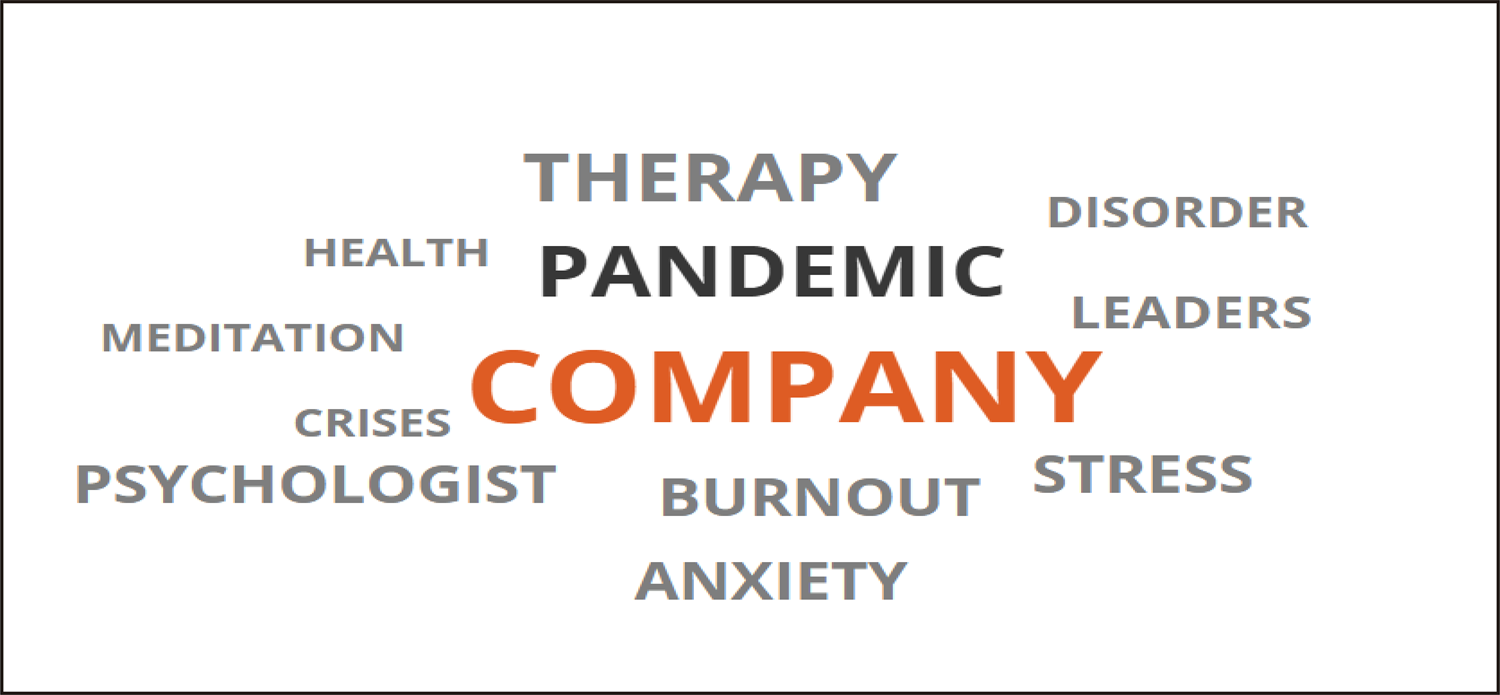
Figure 1 illustrates the word cloud, which can serve various purposes, from highlighting the most searched terms on websites (Lunardi; Castro; Monat, 2010) to functioning as a tool for teaching and learning (Ramsden; Bate, 2008). The more frequently a word appears in the text, the larger its size. This type of technique is used solely to illustrate the distribution, facilitating data visualization.

Figure 2 demonstrates the cluster analysis of the most frequent words. According to Ziegel et al. (1999), in cluster analysis, grouping is performed based on measures of similarity or data from which similarities can be calculated. The primary objective of this analysis is to identify natural groups among items or variables. Therefore, the first step involves developing scales to measure the association between objects. A commonly used measure is the Euclidean distance between points.

Coding in content analysis typically involves reading the data (such as interviews or responses to open-ended questionnaires) and identifying important ideas or concepts that emerge. The repetition of words and/or terms may be the strategy adopted in the coding process to create the recording units, initial analysis categories, and subsequently, these concepts are labeled with codes (Bardin, 2011). Table 2 summarizes the codes.
These codes are then grouped into broader categories or themes. This technique allows researchers to identify patterns and themes in the participants’ responses, providing a deeper insight into the phenomena being studied (Bardin, 2011). Table 3 presents the identified categories.
During the results treatment phase, analyses were conducted to identify patterns, trends, and interpretations of the data. For this purpose, the analytical tables and figures presented in Chapter 5 were analyzed, aiming to provide an in-depth understanding of the experience of Burnout Syndrome among professionals in the field of controllership, allowing for a comprehensive assessment of the impacts of this syndrome on their personal and professional lives. Furthermore, the analysis seeks to identify the coping strategies adopted by these professionals in facing the challenges encountered.
Six interviews were conducted with controllership professionals from different companies and areas, covering age ranges from 27 to 46 years. With the exception of one interviewee aged 29, all other participants are female. Among the interviewees, only those aged 32 and 46 have children. Regarding their tenure in the field of controllership, all interviewees have more than four years of experience, with some having up to 27 years.
It is important to highlight that three of the six interviewees were taken off work with a diagnosis of Burnout Syndrome by a psychiatrist. The others were not removed from work, with E5 receiving a recommendation for leave from the psychiatrist but choosing not to follow it due to professional demands, as she reports:
The psychiatrist wanted to take me off work, and the psychologist also told me that would be the best option; however, I didn’t want to because I had many demands to complete. I would be away, but I would worry about overloading other people, or my tasks might not progress, and when I returned, there would be a backlog (E5).
E2 and E3 did not seek psychiatric care; however, according to the interpretation of the therapists who treated them, the symptoms presented were directly related to the working conditions they faced and the lifestyle they had adopted up to that point.
The data analysis revealed the manifestation of recurring categories such as poor management, anxiety, migraines, and the pursuit of therapy as a coping mechanism. Additionally, the importance of prioritizing self-care and promoting a culture of mental health was emphasized, including regular physical activity, as mentioned several times by E3: “Physical activity has helped me a lot; sometimes, I need to prioritize exercising and have the awareness that I need to prioritize myself because if we don’t prioritize ourselves, no one else will.” Furthermore, as cited by E1, being open to the changes proposed during therapy is essential: “During therapy, you need to be willing to make the necessary changes, understand that there is a path to follow, and that evolution is necessary.”
The idea of leaving the field and the company was also mentioned, reflecting dissatisfaction with the work environment and the pursuit of a balance between personal and professional life. As Interviewee 4 states, “I want to change fields, and I’m preparing for when the opportunity arises. There will also be challenges, but I believe I will be able to balance my professional and personal life better”.
Other relevant aspects included the need to align organizational discourse with reality, the importance of proper nutrition, the pressure of perfectionism, and the impacts of the pandemic on the respondents’ well-being. Symptoms such as irritability, fatigue, and withdrawal were observed, motivating the pursuit of therapy and the use of medications. The exchange of experiences and the appreciation of a quality of life culture also emerged as important themes, along with the necessity to separate personal life from professional life and the significance of organization in daily activities.
A common characteristic among the interviewees is a high level of commitment and perfectionism, along with a constant need to please others. These personality traits contributed to the delay in recognizing the need to seek help, as they were reluctant to show vulnerability and fragility, both to themselves and others. All the interviewees emphasized the importance of caring for mental health as a way to prevent the development of Burnout Syndrome. They acknowledge that had they prioritized this care earlier, they might have avoided the experience of burnout. As a result, they are committed to sharing the lessons learned with others, aiming to raise awareness about the importance of self-care and attention to mental health.
Additionally, it was observed that in smaller companies, employees face greater difficulties in reporting the challenges they are experiencing. This occurs due to direct contact with leaders or owners, without the presence of an intermediary, such as a human resources department. As E2 commented,
I don’t know who I can share these feelings with because my direct leader is the owner of the company. I don’t believe that discussing these situations will resolve anything because there is no one who can provide feedback, but sharing these feelings with my colleagues shows that I’m not the only one going through these situations (E2).
This proximity can create apprehension in sharing personal or mental health-related problems, increasing the pressure to conceal emotional suffering. These findings highlight the complexity of the burnout phenomenon and the need for comprehensive approaches to prevention and intervention. The results emphasize the importance of self-care, psychological support, and the creation of a healthy and balanced work environment where professionals can feel valued and motivated.
Considering these issues makes it possible to establish more effective strategies to address the challenges related to burnout and promote better well-being among professionals in the field of controllership. These observations underscore the importance of fostering a culture of mental health care in organizations, regardless of their size. It is essential that employees feel comfortable seeking support and reporting their difficulties without fear of retaliation or stigma; thus, it is necessary to establish an environment of psychological safety.
Ultimately, this study contributes to the knowledge and awareness of burnout in the field of controllership, providing valuable insights for prevention, intervention, and the promotion of a healthy work environment. It is hoped that these findings will inspire effective actions by organizations and professionals, resulting in greater attention to mental health and the well-being of individuals involved in this area.
CONCLUSION
This study explored Burnout Syndrome in the field of controllership, analyzing the perceptions of the interviewed professionals regarding the causes, symptoms, impacts, and strategies for prevention and intervention, thereby highlighting the importance of addressing burnout in a holistic manner, considering both individual factors and organizational aspects. The implementation of effective and sustainable strategies can contribute to improving the quality of life for controllership professionals, preventing the onset of burnout and promoting a healthy and balanced work environment.
The results revealed, from the perspective of the individuals who participated in the study, the importance of fostering a healthy work environment, with emotional support, clarity in demands, and a balance between personal and professional life. It became evident that burnout negatively affects job satisfaction, professional performance, and productivity among controllership professionals. Additionally, it was found that the symptoms of burnout impact individuals’ physical and mental health, potentially leading to serious consequences such as cardiovascular diseases and metabolic disorders.
Therefore, the relevance of employers and institutions adopting measures aimed at promoting the holistic health of workers was raised, offering emotional support, stress management programs, and creating healthy work environments. By investing in employee well-being and ensuring a balance between work and personal life, not only is individuals’ mental health strengthened, but their productivity and job satisfaction are enhanced as well. Only then will it be possible to build a sustainable future where workers are valued and their needs are met comprehensively.
The findings suggest that strategies for the prevention and intervention of burnout should consider both organizational aspects and the individual actions of professionals. It is important to establish policies and practices that promote a balance between personal and professional life, foster a healthy work environment, and provide adequate support to controllership professionals. This includes proper workload management, the establishment of health and wellness policies, the promotion of self-care, and the pursuit of social support.
The organizational environment should be healthy, allowing employees to identify with the company culture and feel a sense of trust and camaraderie. They should also feel comfortable sharing their mental health concerns without fear of discrimination or dismissal. A healthy work environment that opens space for discussions about occupational mental health and supports its employees in treatment not only increases team productivity but also helps prevent rising absenteeism (absence from work) and presenteeism (when employees are present but unable to perform their tasks due to physical or emotional conditions).
It is hoped that the results of this research will contribute to the understanding of burnout in the field of controllership, providing valuable insights for the prevention and intervention of this phenomenon. These findings are expected to inspire effective actions by organizations aimed at promoting the mental health and well-being of professionals, resulting in a healthier, more engaged, and productive workforce.
Recomenda-se que as organizações implementem programas de conscientização sobre o burnout, ofereçam treinamentos em habilidades de enfrentamento e incentivem a busca de ajuda profissional. Além disso, é essencial que estejam atentas aos sinais precoces do burnout e criem uma cultura de cuidado com a saúde mental, garantindo que os profissionais se sintam valorizados, apoiados e seguros para relatar suas dificuldades.
It is suggested that further research be conducted relating the development of burnout to generational and gender variables to gain a better understanding of this dynamic. Although the sample does not statistically affirm the relationship between these variables, evidence is found in the participants’ statements and in the sample composition itself, raising suspicions about the existence of greater resistance and prejudice regarding the topic among men and workers from older generations. Additionally, the limitation of the present study is emphasized, which stems from the scarcity of previous investigations focused on employees in the controllership sector, potentially compromising the generalization of the results obtained to other areas and organizational contexts.
REFERENCES
- Alves, D., Figueiredo Filho, D., & Henrique, A. (2015). O Poderoso NVivo: uma introdução a partir da análise de conteúdo. Revista Política Hoje, 24, 119-134.
-
Araújo, D. N., Oliveira, L. C., Rocha, F. N. & Bernardino, A. V. S. (2021). Aumento da Incidência de Síndrome de Burnout nas atividades laborais durante a pandemia de COVID-19. Mosaico – Revista Multidisciplinar de Humanidades, 12, (2), 85-90. Recuperado de http://192.100.251.116/index.php/RM/article/view/2813/1682
» http://192.100.251.116/index.php/RM/article/view/2813/1682 -
Bernd, D. C. & Beuren, I. M. (2017). A Síndrome de burnout está associada ao trabalho dos auditores internos?. Gestão & Regionalidade, 33 (99). doi: 10.13037/gr.vol33n99.3408.
» https://doi.org/10.13037/gr.vol33n99.3408 -
Campos, R. G. (2005). Burnout: uma revisão integrativa na enfermagem oncológica. (Dissertação de mestrado). Escola de Enfermagem de Ribeirão Preto, Universidade de São Paulo, São Paulo, SP, Brasil. Recuperado de https://teses.usp.br/teses/disponiveis/22/22132/tde-11052005-112045/publico/CAMPOS_RG.pdf
» https://teses.usp.br/teses/disponiveis/22/22132/tde-11052005-112045/publico/CAMPOS_RG.pdf - Creswell, J. W., & Creswell, J. D. (2021). Projeto de pesquisa: métodos qualitativo, quantitativo e misto. Porto Alegre: Penso.
- Demerouti, E., Bakker, A. B., Jonge, J., Janssen, P. P.M., & Schaufeli, W. B. (2021). Burnout and engagement at work as a function of demands and control. Scandinavian Journal of Work, Environment & Health, 27(4), 279-286.
- Ferreira, J. A. S., & Portella, G. A. (2020). Controladoria: conceitos e aplicações para gestão empresarial E-Pub. São Paulo: Saint Paul.
- Fontanella, B. J. B., Ricas, J., & Turato, E. R. (2008). Amostragem por saturação em pesquisas qualitativas em saúde: contribuições teóricas. Cadernos de Saúde Pública, 24(1) 17-27.
-
Freudenberger, H. J. ( 1974). Staff burnout. Journal of Social Issues, 30, 159-165. Doi: https://doi.org/10.1111/j.1540-4560.1974.tb00706.x
» https://doi.org/10.1111/j.1540-4560.1974.tb00706.x - Gil, A. C. (2022). Como elaborar projetos de pesquisa São Paulo: Atlas.
- Gil, A. C. (2019). Métodos e técnicas de pesquisa social São Paulo: Atlas.
- Gramms, L. C. & Lotz, E. G. (2017). Gestão da qualidade de vida no trabalho São Paulo: InterSaberes.
-
Haidar, S. (2021, abril). Busca pelo termo burnout na internet aumenta 122% durante a pandemia. Blog Saúde Mental - Folha de S. Paulo Retrieved from https://saudemental.blogfolha.uol.com.br/2021/09/27/busca-pelo-termo-burnout-na-internet-aumenta-122-durante-a-pandemia/
» https://saudemental.blogfolha.uol.com.br/2021/09/27/busca-pelo-termo-burnout-na-internet-aumenta-122-durante-a-pandemia/ - Jackson, K. & Bazeley, P. (2019). Qualitative data analysis with NVIVO London: Sage Publications Ltd.
- Lakatos, E. M. & Marconi, M. A. (2001). Fundamentos metodologia científica (4a ed). São Paulo: Atlas.
- Lakatos, E. M. & Marconi, M. A. (2021). Metodologia do trabalho científico São Paulo: Atlas.
- Lunardi, M. S., Castro, J. M. F. & Monat, A. S. (2010). Visualização dos resultados do Yahoo em nuvens de texto: uma aplicação construída a partir de web services. Infodesign, 5 (1),21-35.
-
Lunkes, R. J., Gasparetto, V., & Schnorrenberger, D. (2010). Um estudo sobre as funções da controladoria. RCO - Revista de Contabilidade e Organizações, 4(10), 106-126. Recuperado de https://www.revistas.usp.br/rco/article/view/34779/37517
» https://www.revistas.usp.br/rco/article/view/34779/37517 - Maslach, C. & Leiter, M. P. (2016). Understanding the burnout experience: recent research and its implications for psychiatry. World psychiatry: official journal of the World Psychiatric Association (WPA), 15(2), 103-111.
- Maslach, C. & Leiter, M. P. (2022). The burnout challenge: managing people's relationships with their jobs Cambridge: Harvard Business Press.
- Maslach, C. & Leiter, M. P. (1997). The truth about burnout: how organizations cause personal stress and what to do about it Jossey-Bass.
- Mattar, F. N. (2001). Pesquisa de marketing (3a. ed). São Paulo: Atlas.
- Mattar, F. N. (1996). Pesquisa de marketing: edição compacta São Paulo: Atlas.
- Minayo, M. C. S. (2010). O desafio do conhecimento: pesquisa qualitativa em saúde São Paulo: Hucitec.
- Quevedo, R. C. (2021). Efeito da incerteza ambiental e participação na tomada de decisão orçamentária moderados pela Síndrome de burnout. (Dissertação de mestrado). Programa de Pós-graduação em Ciências Contábeis, Universidade Federal de Mato Grosso do Sul, Campo Grande, MS, Brasil.
- Ramsden, A. & Bate, A. (2008). Using word clouds in teaching and learning Bath: University of Bath.
- Richardson, R. J. (2017). Pesquisa social: métodos e técnicas São Paulo: Atlas.
- Sandrin, L. (2019). Burnout: como evitar a Síndrome de esgotamento no trabalho e nas relações São Paulo: Paulinas.
-
Schaufeli, W. B. & Taris, T. W. (2014). A critical review of the job demands-resources model: Implications for improving work and health. In Bauer, G. F., Hämmig, O. (org.). Occupational, Organizational and Public Health (pp. 43-68). London: Springer. doi: https://doi.org/10.1007/978-94-007-5640-3_4
» https://doi.org/10.1007/978-94-007-5640-3_4 -
Schlup, D., Beck, F., & Zonatto, V. C. S. (2021). Mediating effects of psychological capital and burnout syndrome on the relationship between budgetary participation and management performance. Advances in Scientific and Applied Accounting, 14, (1), 297-314/315. doi: http://dx.doi.org/10.14392/asaa.2021140109
» http://dx.doi.org/10.14392/asaa.2021140109 -
Silva, J. A. (2017). Metodologia da pesquisa aplicada à contabilidade Salvador: UFBA, Faculdade de Ciências Contábeis. Recuperado de https://repositorio.ufba.br/bitstream/ri/24428/1/eBook_Metodologia_da_Pesquisa_Aplicada_a_Contabilidade-Ci%C3%AAncias_Contabeis_UFBA.pdf
» https://repositorio.ufba.br/bitstream/ri/24428/1/eBook_Metodologia_da_Pesquisa_Aplicada_a_Contabilidade-Ci%C3%AAncias_Contabeis_UFBA.pdf -
Sonnentag, S. & Jelden, K. (2021). Burnout and its relations to resilience, exclusion, and reentry: a longitudinal study among employed individuals. Journal of Occupational Health Psychology, 26(1), 35-49. doi: http://dx.doi.org/10.1037/ocp0000207
» http://dx.doi.org/10.1037/ocp0000207 - Sutopo, A. H. (2023). Qualitative analysis using NVivo: open-ended surveys on basic literacy. Tangerang Selatan: Topazart.
-
Tamayo, M. R. (2009). Burnout: implicações das fontes organizacionais de desajuste indivíduo-trabalho em profissionais da enfermagem. Psicologia: Reflexão e Crítica, 22(3), 474-482. Doi: https://doi.org/10.1590/S0102-79722009000300019
» https://doi.org/10.1590/S0102-79722009000300019 - Tamayo, M. R. (2002). Burnout: relações com a afetividade negativa, o coping no trabalho e a percepção de suporte organizacional. ( Tese de Doutorado). Programa de Doutorado em Psicologia, Instituto de Psicologia, Universidade de Brasília, Brasília, DF, Brasil.
- Tamayo, M. R. (1997). Relação entre a Síndrome do burnout e os valores organizacionais no pessoal de enfermagem de dois hospitais públicos. (Dissertação de mestrado). Programa de Pós-Graduação em Psicologia, Universidade de Brasília, Brasília, DF, Brasil.
- Tung, N. H. (1985). Controladoria financeira das empresas: uma abordagem prática. (7a. ed.). São Paulo: Edições Universidade-Empresa.
-
Vazquez, A. C. S., Santos, A. S., Costa, P. V., Freitas, C. P. P., Witte, H. & Schaufeli, W. (2019). Trabalho e bem-estar: evidências da relação entre burnout e satisfação de vida. Avaliação psicológica, 18(4). doi: http://dx.doi.org/10.15689/ap.2019.1804.18917.05
» http://dx.doi.org/10.15689/ap.2019.1804.18917.05 - Ziegel, E. R., Johnson, R. A. & Wichern, D. W. (1999). Applied multivariate statistical analysis. Technometrics: a journal of statistics for the physical, chemical, and engineering sciences, 41 (1), 81.

 Source: research
 Source: research