 Reliability in probabilistic key-block theory
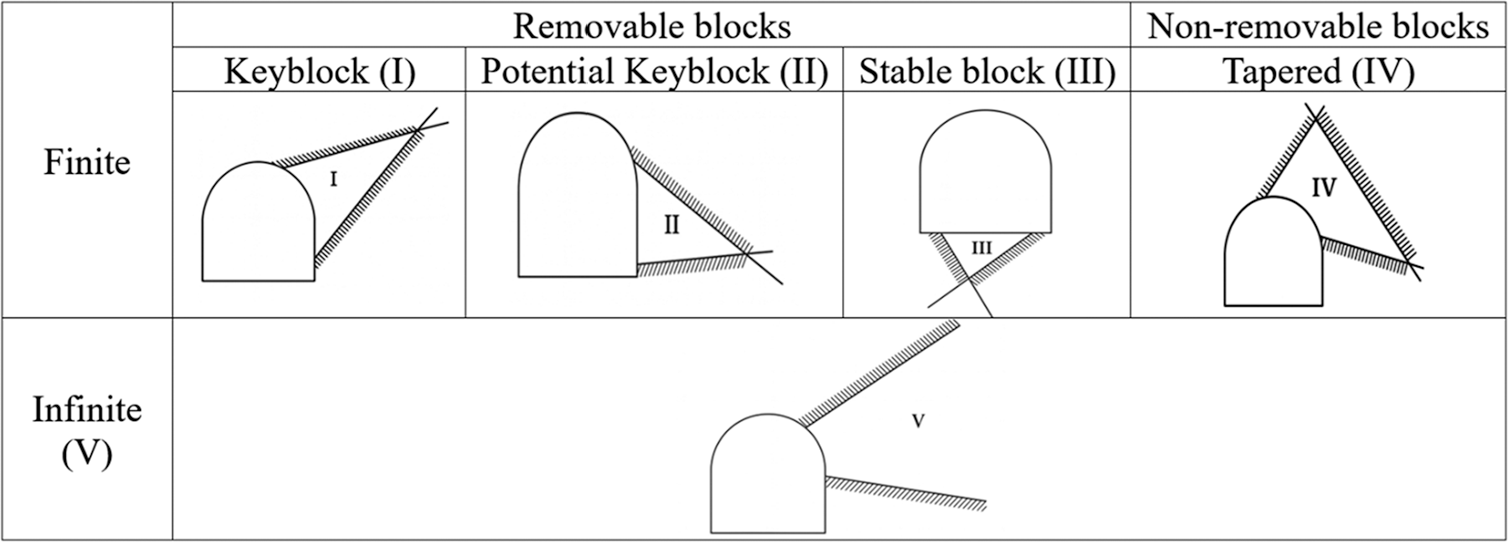
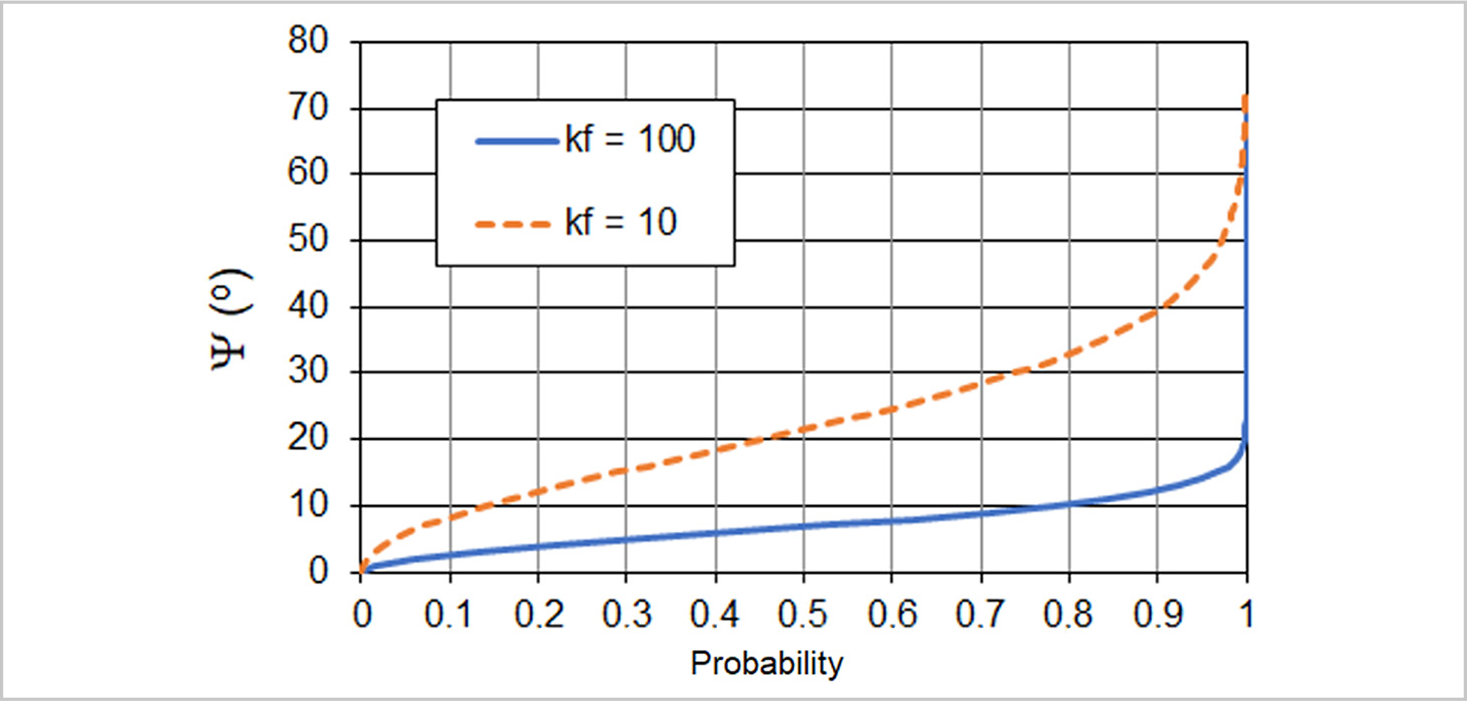
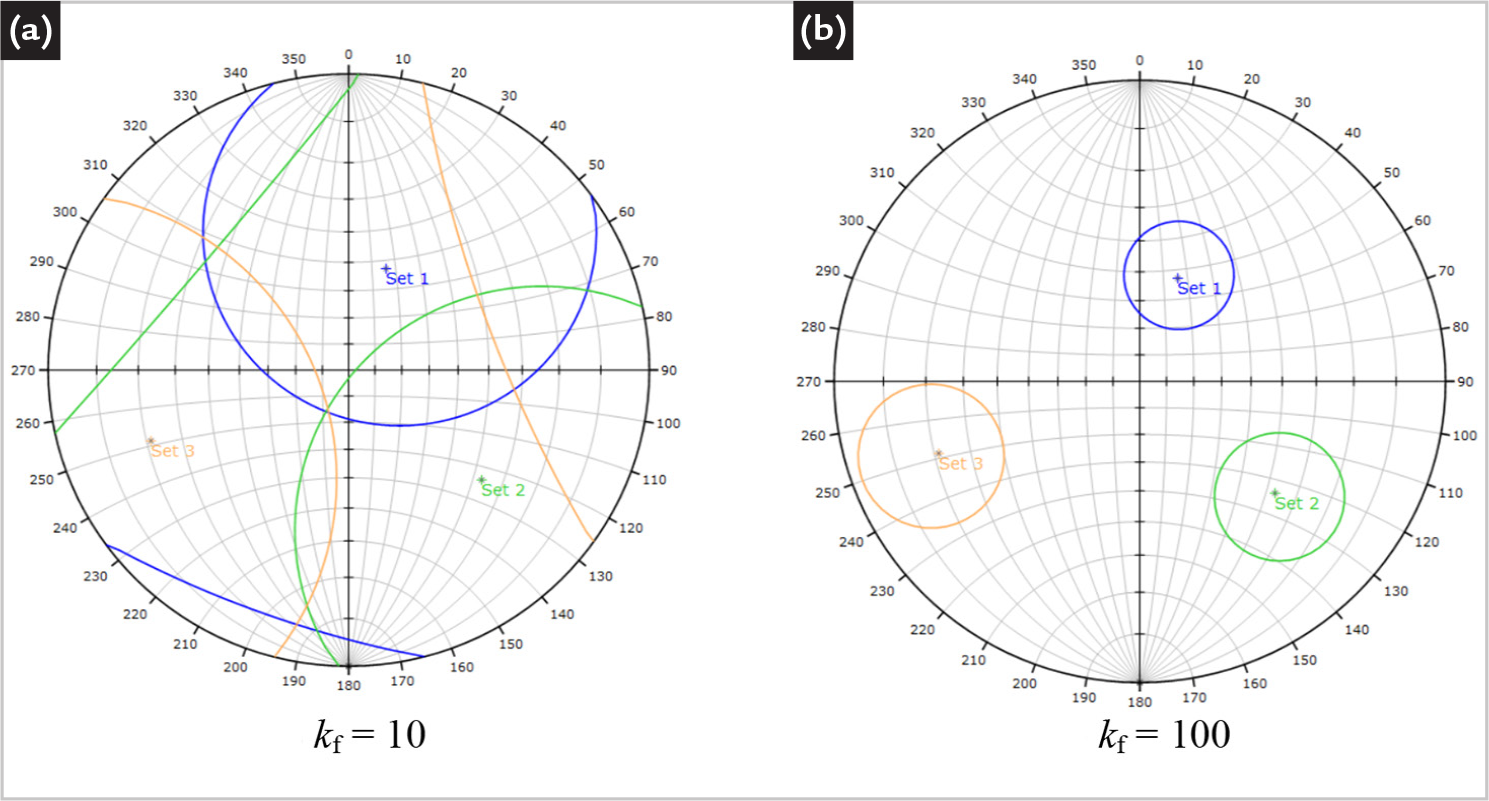
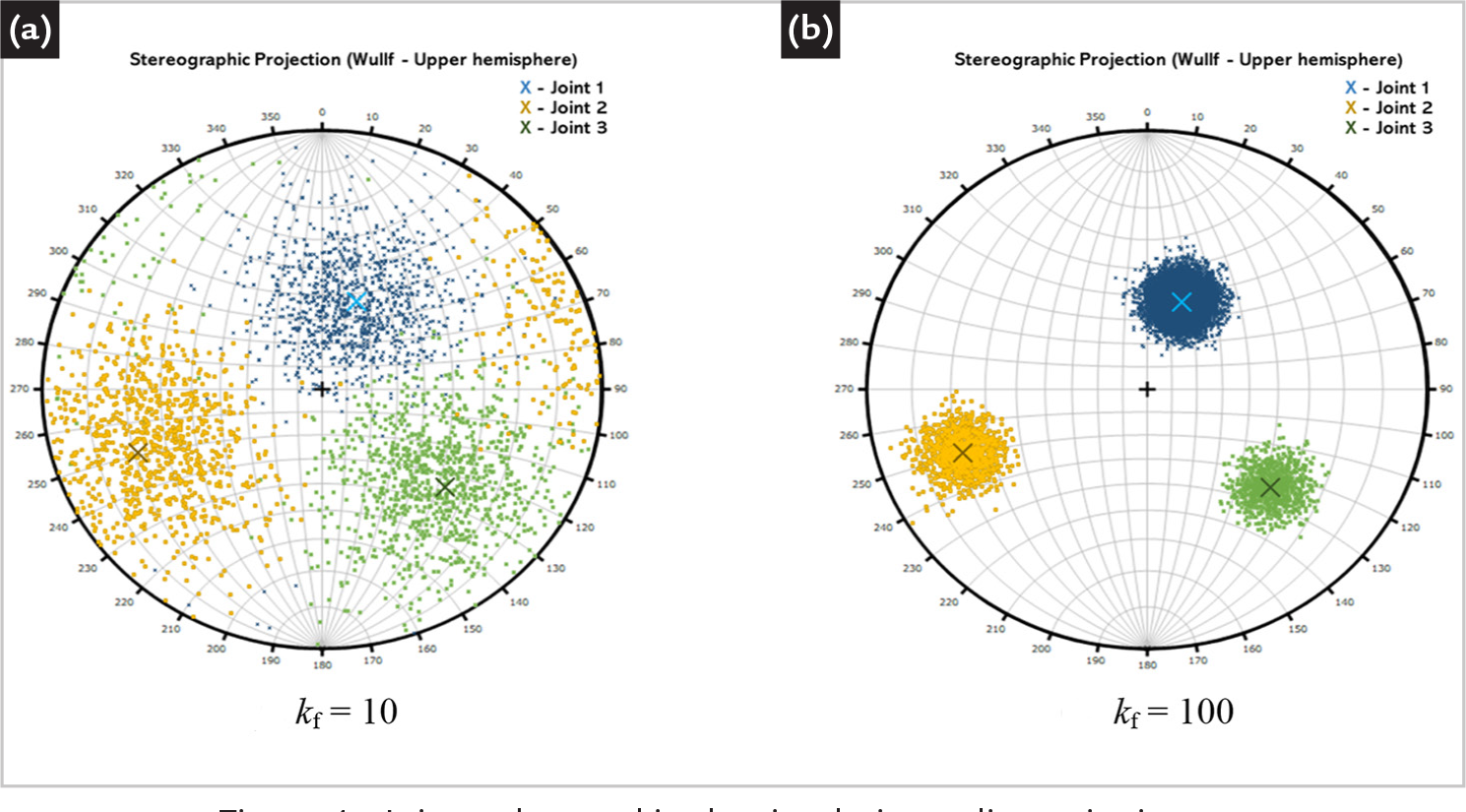
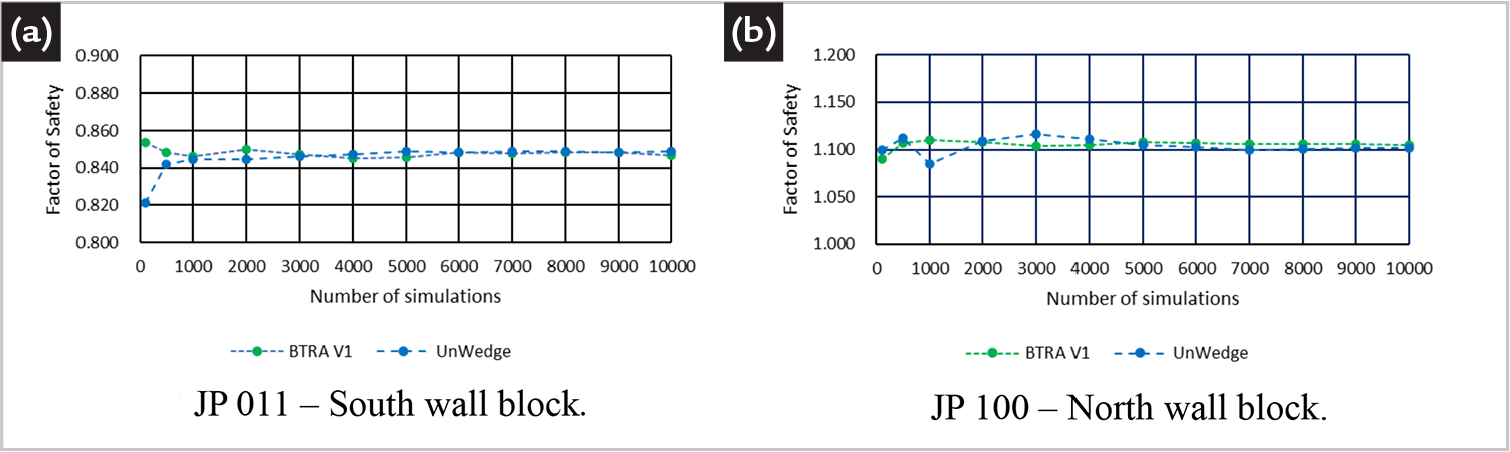
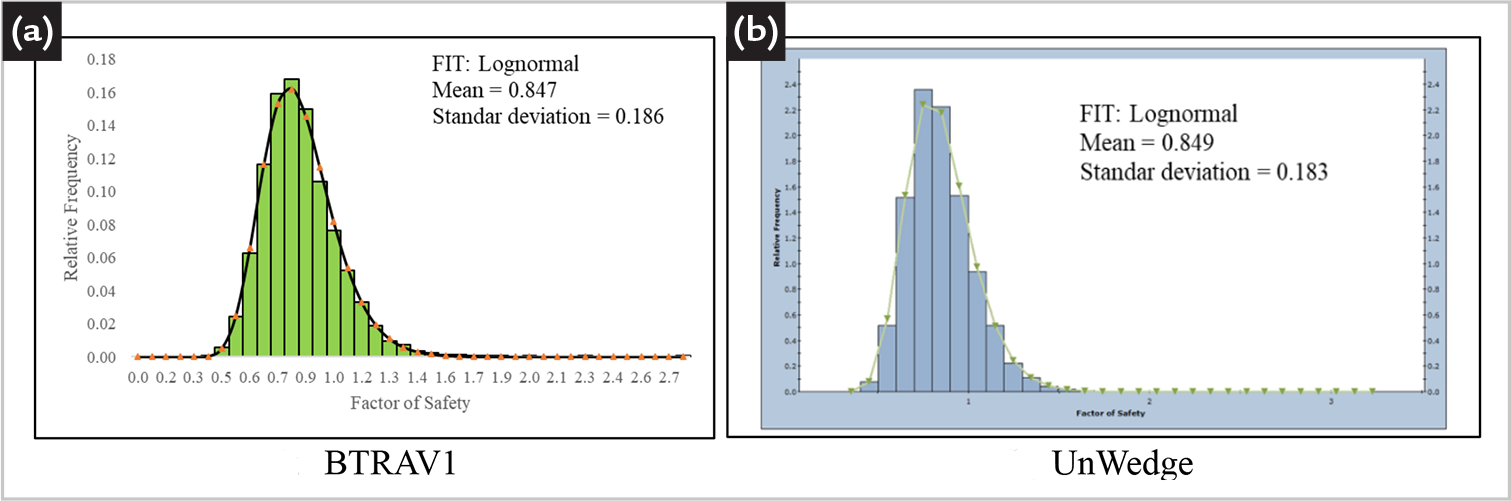
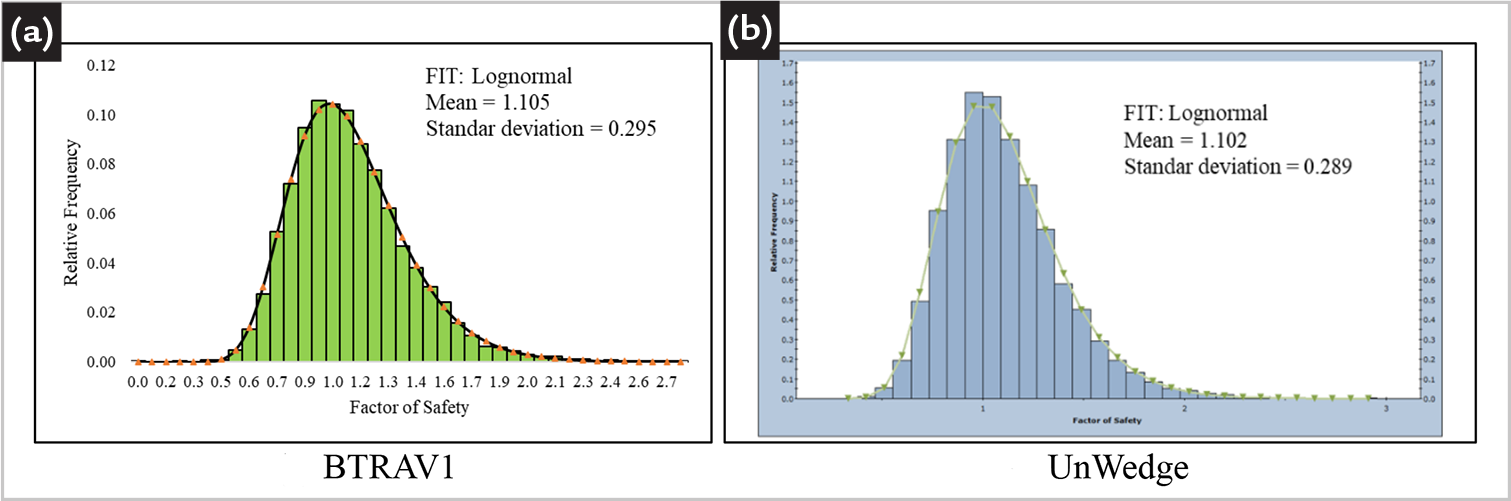
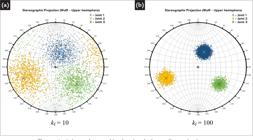
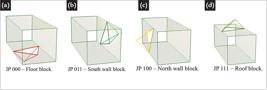
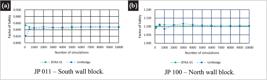
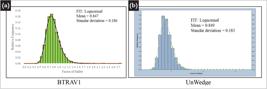
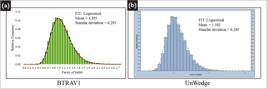
The key-block theory enables the identification of stable and unstable blocks along the perimeter of underground excavations in hard rock. Monte Carlo simulation can be used to develop a probabilistic extension of the key-block theory. This article aims to examine the suitability of the reliability index as an interpretive tool for assessing block stability in analyses where variability is explicitly represented. A Monte Carlo simulator was implemented using the vector formulation of the key-block theory. In the simulations, variability in joint orientations is modeled with a spherical distribution, while strength variability is represented by a normal distribution. A first study showed that a lognormal model more appropriately represents the probabilistic distribution of the safety factor for the wall blocks in the studied case. This is due to the highly truncated probability density function of the Fischer distribution adopted for the orientation of the planes. A second study found that significant changes in block failure modes occur only under a large dispersion of joint orientations. A third study indicated that, for a roof block failing under self-weight, the required reinforcement level can be determined by verifying the consistency of the reliability index with international code criteria. The implemented simulator was validated through comparison with a commercial simulator. The developed tool offers advantages over the commercial reference, such as the direct calculation of the reliability index and the identification of the change in the failure mechanism that occurs for wide orientation dispersion.
Keywords:
Key-block theory; Monte Carlo simulation; reliability index; excavation stability; failure modes.
 Thumbnail
 Thumbnail
 Thumbnail
 Thumbnail
 Thumbnail
 Thumbnail
 Thumbnail
 Thumbnail
 Thumbnail