 The challenge of hydrogen sulphide in mining dams: strategies for odour reduction - a case study
Abstract
Hydrogen sulfide (H2S) emissions from mining tailings dams pose persistent environmental and operational challenges due to their corrosiveness, toxicity, and intense odor. In a Brazilian mining complex, sulfate-reducing bacteria (SRB) associated with unoxidized ore and recirculated process water were identified as the primary source of H2S. Initial mitigation using a glutaraldehyde-based biocide temporarily suppressed microbial activity but proved unsustainable due to high dosing costs and the development of microbial resistance. Subsequently, sodium hypochlorite (NaClO) was tested as an oxidizing agent to chemically neutralize H2S before degassing. Laboratory and industrial-scale trials confirmed that NaClO, at an optimized dosage of 10 L/h, effectively eliminated odors within 10-20 minutes, with no reappearance over a 48-hour observation period and reducing odor complaints to zero, without compromising the process performance. This approach also reduced operational costs by 90% compared to the biocide. This case study highlights the benefits of integrating microbiological diagnostics with adaptive chemical strategies to establish a scalable, cost-effective solution for odor control in mining environments.
Keywords:
mining tailings; sulphate-reducing bacteria; hydrogen sulphide; environmental management.
1. Introduction
Communities neighboring industrial complexes frequently experience environmental and social impacts related to air quality, with hydrogen sulphide (H2S) emissions among the most persistent and disruptive challenges (Franks et al., 2014; Souza, 2012; Muyzer & Stams, 2008; Jiang et al., 2016; Postgate, 1984). H2S is a toxic, corrosive gas with a distinctive rotten-egg odor, posing risks to both local populations and site personnel, as well as to the infrastructure (Jiang et al., 2016; Franks et al., 2014). While H2S control is well-documented in the oil, gas, and wastewater sectors, large-scale operational strategies in mining-particularly in Brazilian tailings dams-remain vastly underreported (SRC Communications, 2020; Wang et al., 2023; Lipman, 2022).
In mining environments, H2S is primarily generated by sulfate-reducing bacteria (SRB) that thrive under anaerobic, sulfate-rich conditions present in tailings dams and recirculated process water (Muyzer & Stams, 2008; Lens et al., 2003). Notably, unoxidized ore may transport dormant SRB or extremophilic strains from deep subsurface biomes. These microbes become metabolically active under favorable post-processing conditions, contributing to persistent H2S generation (Lin et al., 2006; D’Hondt et al., 2020; Onstott, 2023; Lau et al., 2016). Their survival is further supported by the organic load and complex hydrodynamics of the tailings circuit, making the aqueous phase of the dam the primary vector for H2S release (SRC Communications, 2020; Muyzer & Stams, 2008).
Initial mitigation efforts at the studied mining complex focused on biocidal control, adapting non-oxidizing compounds commonly used in oilfield applications. Laboratory screening and process compatibility tests identified Floticor OT 7696-a glutaraldehyde-based biocide with synergistic additives-as the most effective option for reducing microbial activity while preserving process selectivity (Clariant, 2023; Lipman, 2022). Despite early success, performance declined due to microbial adaptation and shifts in tailings management, necessitating progressively higher dosages and leading to unsustainable reagent costs (Wang et al., 2023; Clariant, 2023). These challenges revealed key limitations of biocidal strategies in large, dynamic systems where microbial behavior and water chemistry fluctuate rapidly (ATSDR, 2021; Wang et al., 2023).
In response, the site adopted a chemically targeted strategy based on sodium hypochlorite (NaClO), a potent oxidizing agent capable of converting dissolved H2S into odorless sulfur species, such as elemental sulfur or sulfate (Bottone et al., 2021; Chakrabartty & Kretschmer, 1974; Dahl, 2020; Xiao et al., 2022). This approach was designed to neutralize H2S at critical points-particularly dam transfer pumps-where physicochemical conditions (e.g., pressure drops, agitation, and temperature) favor rapid degassing (Abdi et al., 2022; Xiao et al., 2022). Laboratory and field trials demonstrated that NaClO effectively suppressed odor while maintaining process performance, and significantly reduced operating costs compared to sustained biocide application (Bottone et al., 2021; Chakrabartty & Kretschmer, 1974).
This study aims to address hydrogen sulfide emissions in mining tailings dams by presenting a comprehensive case study from a Brazilian mining complex, evaluating and comparing biocidal and oxidative mitigation strategies for effective odor control. By integrating microbiological diagnostics, physicochemical modelling, and adaptive chemical management in real operational contexts, it introduces a novel, scalable approach that directly contrasts the limitations of glutaraldehyde-based biocides with the sustained efficacy of sodium hypochlorite, marking one of the first documented industrial-scale applications in Brazilian mining. These findings provide practical guidance for cost-effective H2S mitigation and advance data-informed environmental strategies aligned with ESG principles in the mining sector.
2. Materials
2.1. Study site and process overview
The study was conducted at a niobium mining complex located in Brazil, composed of three distinct processing plants. Each unit handles ore from different geological domains: one plant processes oxidized ore, while the other two treat fresh carbonatite-hosted niobium ore extracted from deeper formations. Despite the differences in feed composition, the tailings from all units are discharged into a single shared tailings storage facility, resulting in a heterogeneous mixture of solids and recirculated process water.
The tailings dam serves dual functions: it acts as both a containment structure for solid waste and a reservoir for recycled process water. This closed-loop configuration fosters variable geochemical and biological conditions characterized by high organic loading, fluctuating redox potential, and elevated microbial activity. Such conditions promote the proliferation of sulfate-reducing bacteria (SRB), which are known to produce hydrogen sulfide (H2S) under anaerobic conditions.
Operational complexity is intensified by the integration of multiple ore types, varying reagent schemes, and the reuse of process water, all of which contribute to spatial and temporal variability in water quality. These factors complicate process control and increase the risk of secondary environmental impacts, such as odor emissions and aquatic toxicity.
Understanding the structural and operational layout of the dam, including the location of influent streams, water return lines, and pulp accumulation zones, was essential for guiding sampling design, identifying SRB hotspots, and evaluating mitigation strategies, such as biocide and oxidant dosing.
2.2 Sampling materials and storage conditions
Liquid and pulp samples, including process water, recycled water, and pulp, were collected in sterile 500 mL polypropylene flasks (Laborclin, Brazil). Solid samples were stored in 1 L UV-resistant polyethylene containers (Plastipak, Brazil). All containers were autoclaved at 121 °C for 20 minutes before use. Samples were stored at 4-8 °C in insulated boxes with ice packs during transport.
Microbiological samples were processed within 30 hours to ensure the viability and accurate detection of sulfate-reducing bacteria (SRB). Each sample was labeled with date, time, location, and type, with entries logged to guarantee traceability throughout the experimental workflow.
Stock solutions of biocides and sodium hypochlorite for laboratory tests were prepared in approximately 200 mL aliquots. For industrial applications, 1,000 L HDPE containers supplied by the manufacturer were used and stored in shaded, ventilated areas to avoid degradation, especially from light exposure. Working solutions were diluted on-site in UV-protected HDPE tanks near the dosing point. All handling followed MSDS guidelines and appropriate PPE use.
This approach ensured sample integrity and safe reagent management (Barbosa et al., 2020; Bottone et al., 2021; Chakrabartty & Kretschmer, 1974; Clariant, 2023; Muyzer & Stams, 2008).
2.3 Culture media and detection kits
Two main microbiological tools were used for the detection and evaluation of microbial activity and sulfate-reducing bacteria (SRB) at the site: dip-slide and Postgate B culture medium. These tools were selected based on their established effectiveness in mining microbiology and their compatibility with low-resource field and laboratory conditions.
Dip-slide kits (Laborclin®, Brazil) consist of dual-sided plastic slides embedded with selective culture media and redox indicators. The slides are designed for semi-quantitative detection of metabolically active microorganisms. The redox-sensitive dye tetrazolium chloride stains colonies red upon microbial metabolism, allowing for the visual identification of microbial presence and relative intensity. The kits were primarily used for the initial screening of water and pulp samples, allowing for the rapid visualization of contamination intensity during field campaigns.
Postgate B medium was prepared according to microbiological standards for the anaerobic cultivation of SRB. The semisolid formulation included sodium lactate (60%) - 3.5 mL; sodium sulfate - 1.0 g; ammonium chloride - 1.0 g; dipotassium phosphate (K2HPO4) - 0.5 g; magnesium sulfate heptahydrate - 2.0 g; calcium chloride - 0.1 g; iron(II) sulfate heptahydrate - 0.5 g; yeast extract - 1.0 g; and agar - 15.0 g per liter of distilled water. The final pH was adjusted to 7.5. The medium was sterilized via autoclaving and stored in sealed sterile containers until use. Upon SRB growth, blackening of the medium occurred due to the precipitation of iron sulphide (FeS), serving as a reliable qualitative indicator of active sulfate reduction.
Both detection methods were chosen for their complementary roles-rapid visual screening and selective SRB confirmation-and were consistently applied across all relevant sampling points during baseline characterization and treatment monitoring.
2.4. Chemical reagents and biocides
This study utilized a suite of chemical reagents for microbial control, odor mitigation, and mineral processing, selected for their proven efficacy and compatibility with high-sulfate, high-TDS environments typical of tailings facilities in mining complexes (Clariant, 2023; Lipman, 2022; Wang et al., 2023).
2.4.1 Biocides
Four commercial biocides from Clariant (Brazil) were selected for laboratory screening and field application. The Floticor™ line comprises proprietary formulations for mining circuits, while EPE MIN denotes site-specific experimental blends:
-
• Floticor OT 7696: Glutaraldehyde-based blend with co-biocides for enhanced biofilm penetration and reduced dosage.
-
• Floticor OT 7684: Glutaraldehyde-based, broad-spectrum antimicrobial.
-
• Floticor OT 7828: THPS-based non-oxidizing biocide, effective in brine and anaerobic conditions, with favorable environmental degradation.
-
• EPE MIN 117/18: Proprietary site-specific blend likely containing aldehydes, isothiazolinones, or quaternary ammonium compounds, tailored for SRB suppression and flotation compatibility (Clariant, 2023; Wang et al., 2023).
All products were supplied as liquid concentrates. The glutaraldehyde-based formulations (OT 7696, OT 7684) are acidic (pH 3-4.5) and corrosive, requiring appropriate PPE. OT 7828, while less corrosive, also required safe handling procedures. EPE MIN 117/18 was designed to strike a balance between antimicrobial efficacy and process compatibility.
2.4.2 Sodium hypochlorite
Sodium hypochlorite (NaClO) was used as a chemical oxidant for H2S control. The commercial-grade solution was 10-12% active chlorine, supplied by a local supplier. NaClO was selected based on its oxidizing strength, broad availability, and proven flotation compatibility (Bottone et al., 2021; Chakrabartty & Kretschmer, 1974).
2.4.3. Flotation reagents
Standard flotation reagents were used in all laboratory and field tests. These included site-specific collectors, frothers, and depressants sourced from the plant's reagent inventory, which were applied under operational protocols. Full formulation details are available upon request and reflect typical industrial practice.
All reagents were handled in compliance with the manufacturer’s MSDS and institutional safety procedures, with appropriate PPE used throughout.
2.5 Analytical instruments and sensors
All analytical measurements and environmental monitoring in this study were performed using calibrated, industry-standard instruments to ensure accuracy and reproducibility.
The pH and oxidation-reduction potential (ORP) of water and pulp samples were measured in the laboratory using a Digimed® DM-22 benchtop multiparameter analyzer equipped with certified pH and platinum ORP electrodes.
The meteorological conditions were monitored using portable on-site anemometers, thermometers, and hygrometers to record wind speed, direction, ambient temperature, and relative humidity. The rainfall data were obtained from the closest meteorological station operated by national authorities, ensuring consistent and traceable environmental records.
All data acquisition systems were synchronized and maintained by the site’s process control team, and instrument calibrations were documented following internal quality assurance protocols. These instruments and sensors provided the quantitative basis for environmental and operational data used in statistical modelling and process optimization throughout the study.
3. Methodology
3.1 Experimental framework and workflow
The study followed a structured workflow to assess odor mitigation strategies at a mining complex. It began with microbiological mapping to identify sources of sulfate-reducing bacteria (SRB), followed by laboratory screening of biocides for microbial control and flotation compatibility.
Effective products were then tested in industrial-scale trials, with continuous dosing into the pulp reject or transfer pipelines. Odor perception, water chemistry, and environmental data were monitored in parallel to evaluate treatment performance.
Finally, statistical modelling using the Design of Experiments (DOE) linked operational and environmental variables to odor outcomes, supporting predictive analysis of mitigation effectiveness.
3.2 Microbiological mapping and source identification
A systematic microbiological mapping campaign was designed to identify potential sources and distributions of sulfate-reducing bacteria (SRB) in the process water circuit and tailings system. The approach focused on characterizing microbial activity across operational and environmental sampling points under anaerobic and high-organic-load conditions common in mining tailings facilities (Muyzer & Stams, 2008; D’Hondt et al., 2020).
Samples were collected from six predefined locations within the site: (1) recirculated water from the tailings dam, (2) freshwater supplied to processing plants, (3) clarified thickener overflow, (4) overflow water from the desliming cyclone, (5) settled tailings from the dam, and (6) surface pulp from the tailings impoundment. These locations were selected to provide representative coverage of potential SRB proliferation zones based on process layout and fluid transport pathways (Dong et al., 2024).
Sampling was conducted using sterile 500 mL polypropylene flasks (Laborclin, Brazil). Immediately after collection, samples were stored in insulated containers with ice packs at 4-8 °C and transported to the laboratory for microbiological analysis within 30 hours. This ensured sample integrity for the detection of active anaerobic microorganisms (Onstott, 2023).
To screen for general microbial activity, the dip-slide technique was applied. This method utilizes dual-sided plastic slides embedded with nutrient-rich media and redox-sensitive dyes that change color in response to metabolic activity. The process was selected for its speed, ease of use in mining contexts, and visual output suitable for semi-quantitative comparisons (Barbosa et al., 2020).
For the selective identification of SRB, Postgate B semisolid medium was prepared and used according to standard protocols. This medium supports the anaerobic growth of sulfate-reducing bacteria and enables visual detection of activity through the precipitation of black iron sulfide (FeS), a byproduct of sulfate reduction (Postgate, 1984; Muyzer & Stams, 2008).
To distinguish between ore-derived and waterborne microbial sources, representative ore samples from different processing units were incubated in sterile, deoxygenated water under laboratory-controlled anaerobic conditions. Containers were sealed and held at ambient temperature for a fixed incubation period. These tests aimed to determine whether SRB was introduced via the ore itself or developed later in the water circuit.
All microbiological procedures, including sample handling, culture preparation, incubation, and tracking, adhered to internal quality assurance protocols to ensure traceability and reproducibility throughout the mapping campaign.
3.3 Laboratory screening of biocides and compatibility testing
This stage of the methodology involved identifying chemical treatments capable of suppressing sulfate-reducing bacteria (SRB) while maintaining compatibility with the mineral processing process. The evaluation consisted of two phases: laboratory screening for microbial inhibition, followed by process compatibility tests using treated process water.
3.3.1 Biocide efficiency screening and compatibility testing
Four non-oxidizing commercial biocides-Floticor OT 7696, OT 7684, OT 7828, and EPE MIN 117/18 - were selected for laboratory screening. Each biocide was diluted to 0.5 mL/L in process water and incubated in duplicate 100 mL aliquots at 28 °C for 5 days under anaerobic conditions. SRB activity was assessed using:
-
• Dip-slides for semi-quantitative detection of microbial metabolism through colorimetric indicators.
-
• Postgate B medium, where iron sulfide (FeS) blackening indicates SRB growth.
All microbial inhibition tests were conducted under sterile conditions, using autoclaved flasks and media, and interpreted visually for microbial growth indicators.
To evaluate flotation compatibility, biocide-treated process water was used in bench-scale flotation tests. These were conducted with 1 kg ore samples and the site’s standard reagent schemes. The procedures followed internal testwork protocols simulating plant operational conditions, enabling the detection of any changes in key performance aspects, such as recovery, concentrate grade, froth stability, flotation behavior, or reagent interactions, through both qualitative observations and quantitative measurements where applicable. All biocides were tested, and the selected product (Floticor OT 7696) showed no interference in these aspects.
3.3.2 Sodium hypochlorite efficiency and compatibility testing
Following the industrial application of biocide, a commercial-grade sodium hypochlorite (NaClO) solution (10-12% active chlorine) was evaluated for use in odor mitigation. Process water was treated with NaClO at defined concentrations and subsequently used in bench-scale flotation tests to assess potential interactions with flotation reagents and operating conditions. The same flotation testing protocol used in the biocide compatibility assessment was applied. These tests enabled the detection of any changes in key performance aspects, such as recovery, concentrate grade, froth stability, flotation behavior, or reagent interactions, through both qualitative observations and quantitative measurements where applicable. No interference was observed in these aspects.
All tests were conducted under laboratory conditions using site-specific materials and procedures to replicate industrial conditions. The compatibility was further validated in industrial-scale settings, where flotation performance was re-evaluated to confirm no adverse effects.
3.4 Monitoring and data collection
Both intervention trials were supported by an integrated environmental and operational monitoring program, which included odor perception, meteorological conditions, and water chemistry.
-
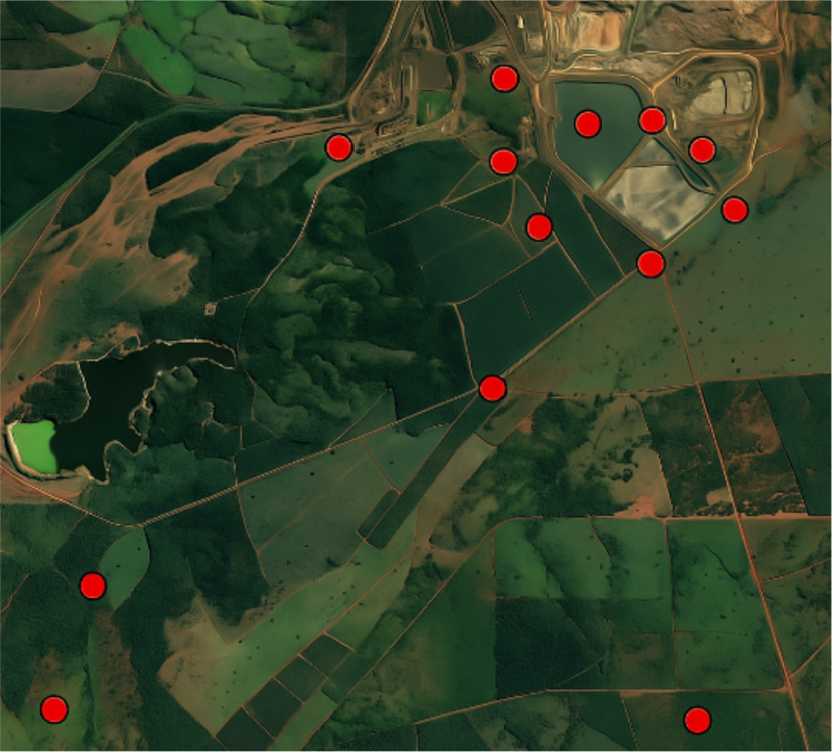
• Odour Monitoring: Odor assessments were conducted at multiple fixed locations surrounding the tailings management area, using semi-structured reports filled out by trained operators at regular intervals across shifts. Each observation recorded the presence of odor (Yes/No), perceived intensity (e.g., mild or strong), and qualitative descriptors when applicable. Observer consistency was maintained throughout the trial to ensure reliable comparisons. The geographic distribution of monitoring points used for these assessments is shown in Figure 1, which presents the spatial layout of the industrial complex and the surrounding tailings facilities. All odor monitoring locations are marked in red.
-
• Meteorological Monitoring: Wind direction and speed were measured using on-site anemometers and wind vanes. Temperature and precipitation data were sourced from a nearby meteorological station. These atmospheric parameters were used to contextualize odor dispersion and correlate weather events with reported odor intensities.
-
• Process and Water Quality Monitoring: Water pH and oxidation-reduction potential (ORP) were measured at strategic locations along the pulp reject stream using portable Digimed® DM-22 probes. Measurements were recorded manually during each shift and synchronized with odor observation logs and reagent dosing records. Equipment calibration was performed following the site’s standard operating procedures under its quality assurance program.
This monitoring framework ensured consistent and traceable data collection throughout the mitigation trials, enabling a robust assessment of chemical intervention performance using environmental and sensory indicators.
Satellite image showing the location of odour monitoring points (red) around the mining complex and tailings area.
Odour assessment was based on structured sensory observations, a widely adopted approach in field conditions where instrumental monitoring is impractical. While subjective, this method provides reliable operational feedback when standardized through trained observers and fixed monitoring points.
3.5. Statistical design and data analysis
To assess the relationship between odor perception and influencing factors during the field trials, a statistical Design of Experiments (DOE) was implemented using Minitab® v18. The model incorporated both controllable variables (e.g., biocide/hypochlorite dosage and sprinkler use) and uncontrollable environmental factors (e.g., wind speed, temperature, timing, and weather conditions).
Given the qualitative and subjective nature of the odor data (e.g., based on sensory observations), the DOE was used as an exploratory tool to identify potential patterns and interactions rather than for high-precision predictions. The DOE approach supported the construction of indicative models based on structured odor observations synchronized with operational and meteorological data. Response Surface Methodology (RSM) was employed to investigate variable interactions, generate predictive profiles, and suggest conditions that may favour odor suppression.
This multivariate helped classify operational scenarios and provided a supportive foundation for identifying key variables affecting odor perception under real conditions.
4. Results and discussion
4.1 Identifying the source of odour: a microbiological mapping approach
Initial efforts to identify the cause of hydrogen sulfide (H2S) emissions focused on possible chemical interactions involving flotation reagents. However, no anomalies were detected in the reagent composition, dosage, or flotation circuit performance. These findings redirected the investigation toward a biological origin, particularly the activity of sulfate-reducing bacteria (SRB), known for generating H2S under anaerobic conditions in sulfate-rich environments.
Microbiological mapping was conducted across six strategic locations in the process water and pulp circuits (recirculated water from the tailings dam), fresh water entering the plant, thickener underflow, desliming sink, settled tailings, and surface pulp. These points were selected to capture microbial profiles across environments with varying degrees of oxygenation, organic load, and recirculation intensity.
4.1.1 General microbial activity and sulfate-reducing bacteria detection
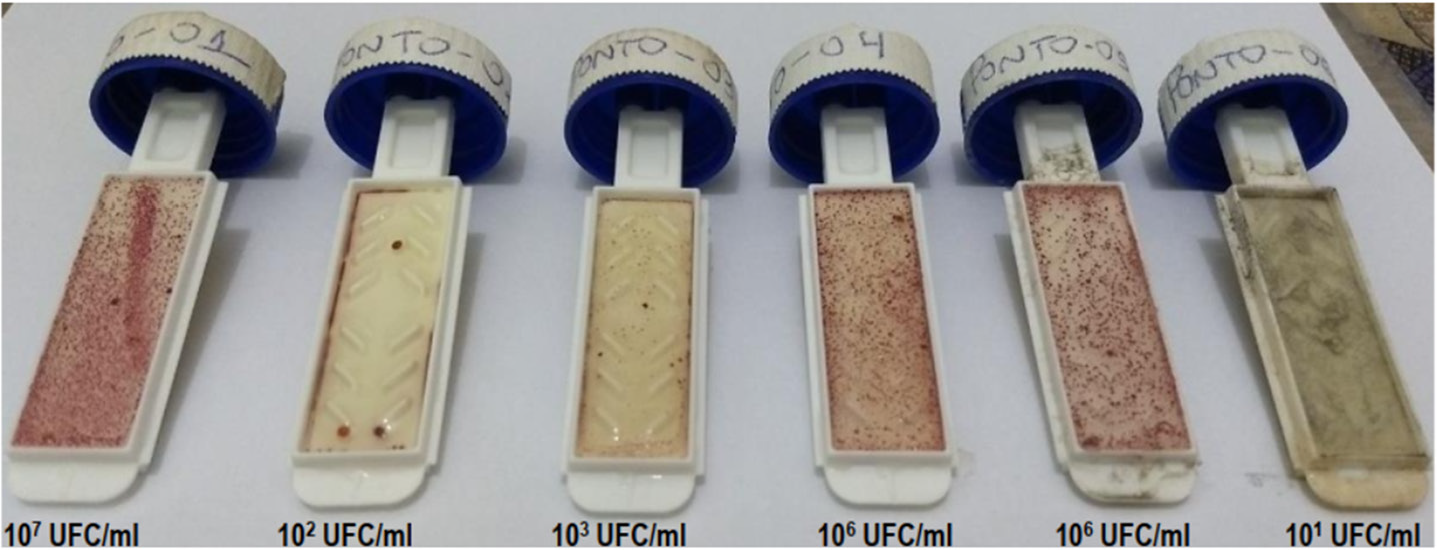
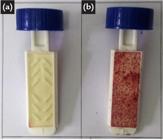
To assess microbial proliferation within the process water circuit, dip-slides were employed as a rapid screening tool. These dual-sided plastic substrates, embedded with selective media and a redox-sensitive dye (tetrazolium chloride), visually indicated microbial metabolic activity through the red staining of active colonies-samples from tailings-associated streams and recirculated water displayed dense colony formation, suggesting a substantial microbial load. In contrast, samples from clarified water and freshwater sources exhibited little to no staining, consistent with lower microbial presence. These visual results are presented in Figure 2.
Dip-slides indicating microbial activity at various sampling points. Red-stained regions mark metabolically active colonies.
These findings support the hypothesis that microbial activity is concentrated in anaerobic or semi-anaerobic environments, where the accumulation of organic matter and low redox potential create favorable conditions for microbial proliferation (Barbosa et al., 2020; Onstott, 2023). The clear visual differentiation across sampling locations highlighted the potential for targeted interventions at biologically active hotspots.
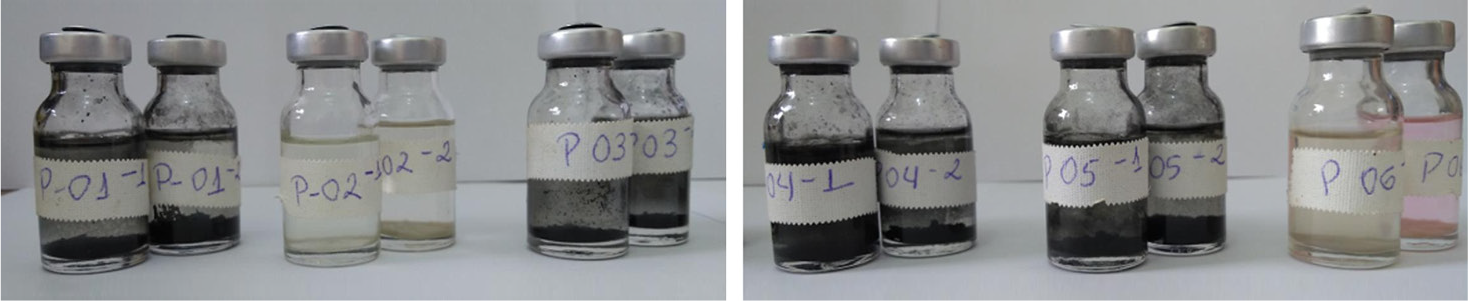
To determine whether the odor was explicitly linked to sulfate-reducing bacteria (SRB), samples were inoculated into Postgate B medium. This selective semisolid growth medium supports SRB under anaerobic conditions. SRB metabolism was evidenced by the formation of black precipitates of iron sulfide (FeS), produced from the biogenic reduction of sulfate to sulfide and subsequent reaction with ferrous ions in the medium. Marked blackening occurred in samples derived from circuits handling unoxidized ore and tailings slurries, whereas fresh water and clarified streams showed minimal to no FeS formation. These results are visually documented in Figure 3.
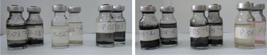
Postgate B culture tubes showing FeS blackening in ore-related samples, indicative of active SRB metabolism.
The spatial correspondence between high microbial activity (as indicated by dip-slide staining) and FeS blackening (as indicated by Postgate B) suggests that SRB is not only present but also actively proliferating in specific parts of the circuit. These areas align with the presence of unoxidized ore and organic additives, reinforcing their role in supporting a microbial community capable of H2S generation (Muyzer & Stams, 2008; D’Hondt et al., 2020; Dong et al., 2024).
4.1.2 Source confirmation: ore incubation and quantitative microbial analysis
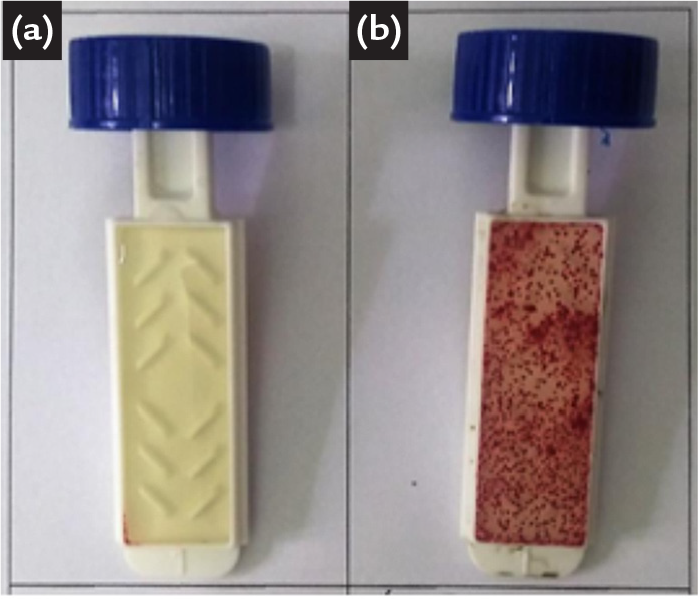
To investigate whether the ore served as a biological reservoir of sulphate-reducing bacteria (SRB), controlled incubation experiments were performed using freshly crushed, unoxidized ore in sterile water. Microbial growth was initially assessed using: the ore-treated sample showed red-stained colonies indicative of general microbial activity, whereas the control (sterile water only) remained unstained. These results confirmed microbial viability introduced or activated by the ore (Figure 4). Additional confirmation was obtained via the Postgate test, which detects SRB explicitly by producing black precipitates of iron sulphide (FeS) under anaerobic conditions. Only the ore-containing samples exhibited this blackening and released a strong hydrogen sulphide (H2S) odor, reinforcing the conclusion that SRB were present and metabolically active.
Ore-water incubation outcomes. Left: Control (no ore); Right: Ore + water sample showing microbial activity and odor formation.
These results suggest that SRBs are indigenous to the unoxidized ore and become metabolically active upon hydration and oxygen depletion, conditions common in tailings and thickener environments. This aligns with reports describing the reactivation of dormant SRB populations upon contact with water and the availability of organic substrates or electron donors (Muyzer & Stams, 2008; Dong et al., 2024).
Complementing the qualitative test, microbiological counts revealed a pattern consistent with the proliferation of SRB in areas of stagnant pulp and tailings. Aerobic mesophilic bacteria counts exceeded 107 CFU/g in thickener tailings and flotation residues, while fungi were nearly absent across all samples. High SRB loads (102-104 CFU/g) were detected in these same areas but were almost absent in fresh feed ore, suggesting that ore crushing and processing conditions may further stimulate microbial activity downstream.
These findings reinforce the conclusion that H2S emissions stem primarily from the biological reduction of sulfate by ore-associated SRB, particularly under anaerobic and nutrient-rich tailings conditions. The absence of reagent-related anomalies, combined with visual and chemical confirmation across mapping, selective culture, and incubation tests, ruled out chemical degradation as the primary source of the odor. This recognition shifted the focus of mitigation toward microbial suppression strategies tailored to the ore-water interaction and circuit hotspots.
4.2 Laboratory assessment of antimicrobial efficacy
4.2.1 Microbial and SRB inhibition in laboratory screening
A two-stage laboratory protocol was implemented to evaluate four candidate biocides for their potential to suppress microbial activity and sulfate-reducing bacteria (SRB) under tailings circuit conditions.
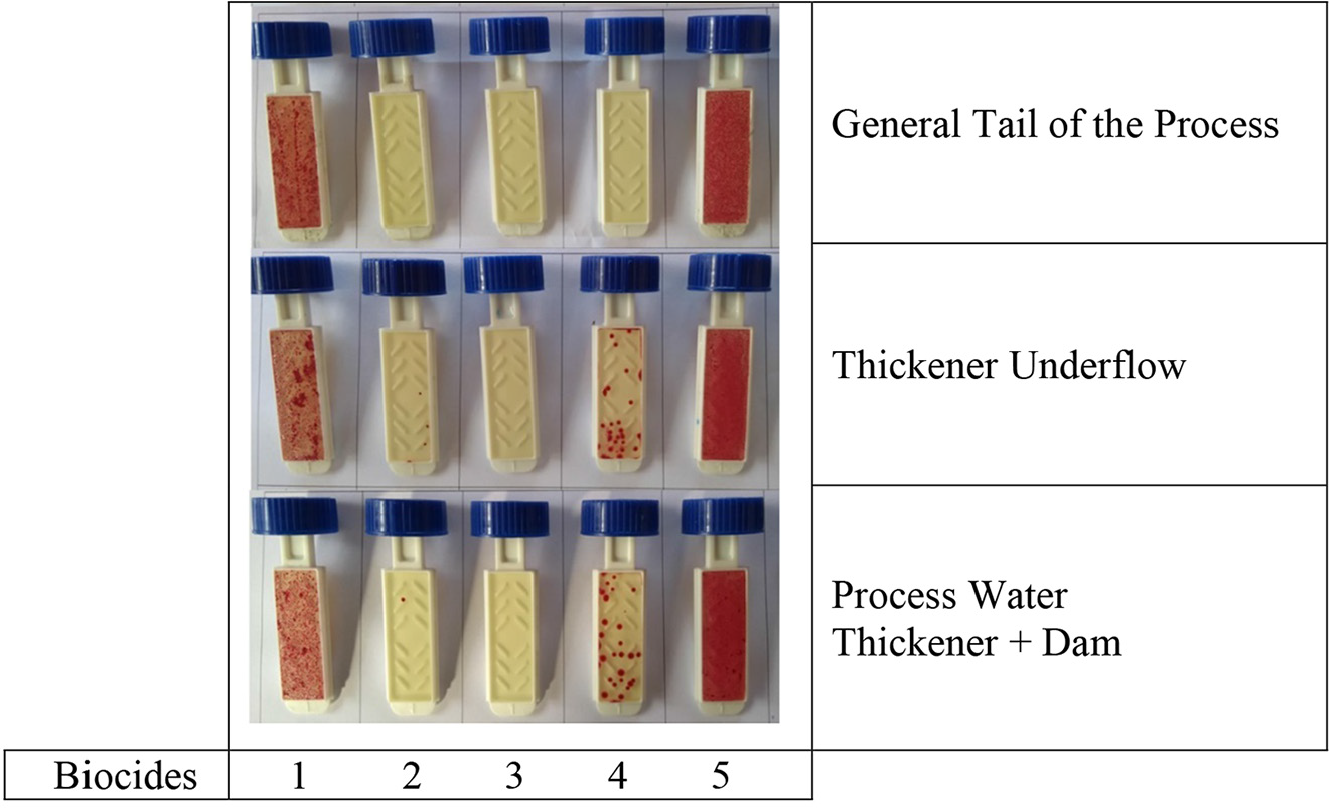
The first stage used dip-slides to assess overall microbial activity. All biocides demonstrated a degree of inhibition, but two stood out: Floticor OT 7696 (biocide 2) and Floticor OT 7828 (biocide 3). Both nearly eliminated red-stained colony growth, indicating significant antimicrobial action across samples from general tailings, thickener underflow, and recirculated water (Figure 5).
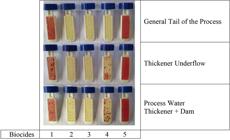
Dip-slide tests carried out in the main flux of the process, which were treated with biocides, where: 1 - without product; 2 - Floticor OT 7696; 3 - Floticor OT 7828; 4 - Floticor OT 7684; 5 - EPE MIN 117/18
The superior performance of Floticor OT 7696 and OT 7828 in laboratory screening is explained by their distinct chemical mechanisms. Floticor OT 7696 contains a glutaraldehyde-based synergistic blend, specifically optimized for biofilm penetration and antimicrobial persistence in anaerobic, high-salinity conditions typical of mining process water (Clariant, 2023). In contrast, Floticor OT 7828 is a THPS-based (tetrakis(hydroxymethyl)phosphonium sulphate) non-oxidizing biocide. THPS acts by disrupting the microbial metabolism and is recognized for its effectiveness in brine and anaerobic environments, as well as its favourable environmental degradation profile. However, its performance can be influenced by water chemistry, and it may interact with flotation reagents under certain conditions (Clariant, 2023; Lipman, 2022).
In the second screening stage, SRB activity was tested using Postgate B medium. Black FeS precipitate formation indicated residual H2S production. Both Floticor OT 7696 and 7828 minimized blackening, confirming strong suppression of SRB.
4.2.2 Duration and sustainability of odour control
To evaluate short-term biocide persistence, microbiological activity was reassessed at 24, 48, and 72 hours post-dosing. Both Floticor OT 7696 and 7828 sustained suppression through 72 hours. Operator feedback from sensory observations corroborated these results, citing a marked reduction in odor intensity during this period. However, beyond 72 hours, a microbial resurgence occurred in the absence of retreatment, suggesting that periodic or continuous dosing may be required for sustained control.
4.2.3 Evaluation of compatibility
Despite similar antimicrobial effectiveness, compatibility tests revealed a key difference between the two leading biocides. These tests involved bench-scale flotation simulations using 1 kg ore samples, where performance was assessed through a combination of qualitative visual observations and semi-quantitative measurements. Froth stability was evaluated by monitoring froth height, persistence (e.g., time to collapse), and bubble structure during the flotation cycle. Recovery was calculated via mass balance of the concentrate relative to the feed, and concentrate quality was determined by assaying for target mineral grades.
Process water dosed with Floticor OT 7828 resulted in an unstable froth, with rapid collapse and irregular bubble formation, and reduced recovery in the flotation process in approximately 5% below the baseline. In contrast, Floticor OT 7696 preserved flotation selectivity and metallurgical performance, stable froth structure and recovery rates comparable to untreated controls during bench-scale simulations.
This compatibility confirmed Floticor OT 7696 as the optimal candidate for industrial deployment, achieving biological odor suppression without compromising process efficiency.
4.3 Industrial-scale biocide testing and odour monitoring
4.3.1 Implementation under operational conditions
Following its superior laboratory performance and proven compatibility with flotation, Floticor OT 7696 was selected for industrial-scale application to mitigate hydrogen sulfide (H2S) emissions at the beneficiation site. The goal was to validate the biocide’s efficacy under the dynamic conditions of full-scale plant operation, including variability in ore feed, recirculated water quality, and climatic influences.
The application strategy involved dosing the product directly into strategic points of the water and pulp circuit, including the tailings return water and thickener underflow. The infrastructure setup included 1,000-liter tanks, dosing pumps, and protective housing to ensure safe and continuous delivery during the treatment period.
Initially planned as a short-term test, the industrial trial was extended over several months to evaluate the sustained performance of the treatment and the long-term stability of odor suppression.
4.3.2 Impact on odor perception and community feedback
During the first weeks of dosing, both operational staff and nearby community members reported a sharp reduction in H2S odor. Operators noted that in many shifts, odor intensity became negligible within hours of treatment, particularly near tailings discharge and thickeners-previously identified hotspots.
This was reflected in documented reports and complaint logs: the frequency of odor-related complaints dropped from 46% pre-treatment to just 15% after dosing began, indicating a perceptible and sustained improvement in air quality.
These qualitative results, corroborated by routine sensory checks and logbook annotations, confirmed the short-term efficacy of the biocide in reducing biologically generated odors under industrial conditions.
4.3.3 Environmental variables and extended monitoring
Throughout the extended trial, fluctuations in odor intensity were occasionally observed and found to correlate with environmental factors, such as temperature, rainfall, and ore type. For instance, periods of intense rain or higher proportions of unoxidized ore were associated with elevated microbial activity, prompting dosage adjustments.
Despite these challenges, SRB suppression was maintained through optimized dosing protocols. The extended monitoring period validated the biocide’s performance across seasonal transitions, reinforcing its robustness in complex and variable operational environments.
These findings highlighted the need for dynamic dosing strategies responsive to real-time environmental data and ore feed composition to ensure consistent odor control.
4.3.4 Quantitative modelling of odor scenarios
To analyze the relationships between odor perception and influencing factors, a statistical Design of Experiments (DOE) was implemented using Minitab® v18. The model incorporated both controllable variables (e.g., biocide dosage, sprinkler activation) and uncontrollable environmental factors (e.g., wind, precipitation, temperature, time of day), drawing from synchronized odor logs, dosing records, and environmental sensor data.
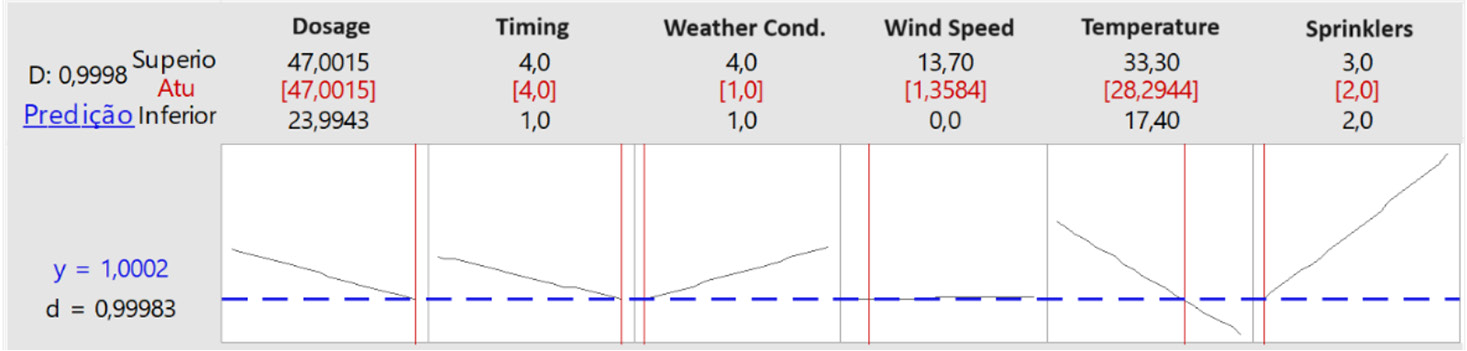
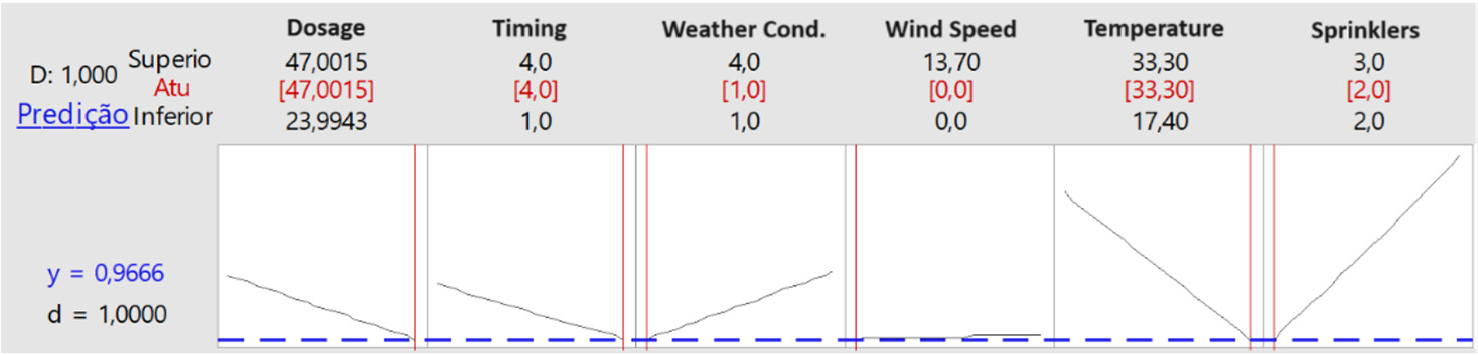
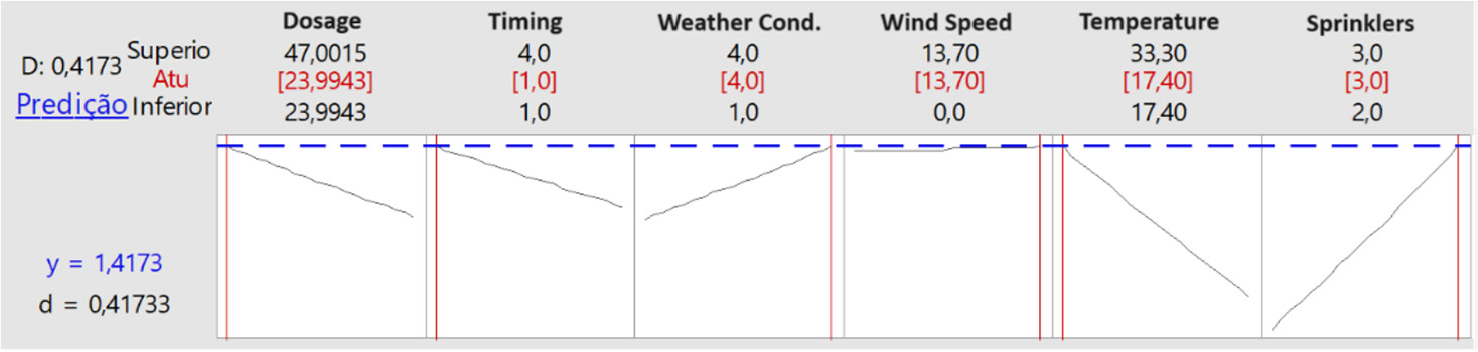
Given the qualitative nature of the odor observations, the modelling served as an exploratory tool to identify potential patterns. Three predictive scenarios were generated to classify odor intensity profiles:
1) Minimum Odor Intensity Scenario (Figure 6): Appeared to be characterized by a moderate biocide dosage, mild weather, and sporadic sprinkler use. Although some odor was present, it was generally considered tolerable.
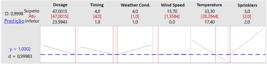
Key factors influencing the minimum odor intensity scenario, based on statistical modelling using Minitab®.
2) Odor-Free Scenario (Figure 7): Tended to occur under optimal conditions-high biocide dosage, rainy and humid weather, absence of wind, and sprinklers turned off. These circumstances appeared most favourable for complete odor suppression.
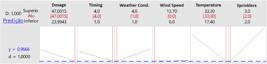
3) Maximum Odor Intensity Scenario (Figure 8): Typically associated with morning shifts and marked by low biocide dosing, sunshine, active sprinklers, low ambient temperatures, and moderate wind. These conditions seemed to create an environment conducive to heightened odor perception.
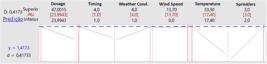
The modelling supported the observed efficacy of the biocide and suggested critical operational levers that could be adjusted to sustain odor control under varying environmental conditions.
4.3.5 Performance limitations and strategic implications
Although Floticor OT 7696 initially delivered effective suppression of hydrogen sulfide (H2S) emissions during industrial-scale application, its performance began to decline approximately six months into continuous use. This reduction coincided with significant operational shifts, including the transition from wet to dry tailings disposal, modifications in water transfer pathways between dams, and alterations to tailings discharge locations. These process changes fundamentally reshaped the biophysical environment of the beneficiation site.
New anaerobic zones emerged in previously unaffected areas, encouraging renewed proliferation of sulfate-reducing bacteria (SRB). Simultaneously, the reconfiguration of water and pulp flow disrupted established biocide distribution pathways, reducing the chemical's contact efficiency. Alterations in pH, redox potential, and organic loading further compromised the stability and bioavailability of the active compound.
The decline in Floticor OT 7696’s effectiveness can be directly attributed to its chemical limitations under the new operating conditions. Its primary active ingredient, glutaraldehyde, is known to undergo polymerization and lose biocidal activity above pH 8 (ATSDR, 2021). Furthermore, SRB adaptation to stress conditions might have resulted in the formation of protective extracellular polymeric substances (EPS), which limited the biocide’s penetration into biofilms (Lipman, 2022). The elevated sulphide levels in newly anaerobic circuits also consumed active glutaraldehyde through chemical side reactions, further reducing its availability (Wang et al., 2023).
As a result, achieving the same level of microbial control required increasingly higher dosages. However, glutaraldehyde’s polymerization threshold imposed a practical ceiling on dosage levels, beyond which further increases would be counterproductive (Clariant, 2023). This led to rapidly escalating reagent consumption, ultimately making Floticor OT 7696 the most expensive chemical input in the mining site. The financial burden raised concerns about the long-term feasibility of relying solely on this biocide for odor control.
These findings highlight a critical limitation of chemical control strategies in dynamic process environments. While the initial deployment of Floticor OT 7696 demonstrated that targeted SRB suppression is achievable on an industrial scale, the resurgence of odors underscored the need for more resilient and adaptive approaches. Effective long-term odor management will require a holistic strategy that integrates biocide use with enhanced process monitoring, hydrodynamic optimization, and potentially complementary methods, such as biological treatment, improved tailings flow control, and selective oxidation.
4.4 Addressing increased odour intensity: shifting strategic approaches
Six months after deploying Floticor OT 7696, odor complaints resurged despite high dosing rates. Operational changes had altered water flow, created new anaerobic zones, and impacted water chemistry-undermining biocide effectiveness. At the same time, rising reagent costs made continued use unsustainable. These setbacks prompted a strategic reassessment and the search for longer-term, integrated odor control solutions.
4.4.1 Spatial mapping and identification of emission hotspots
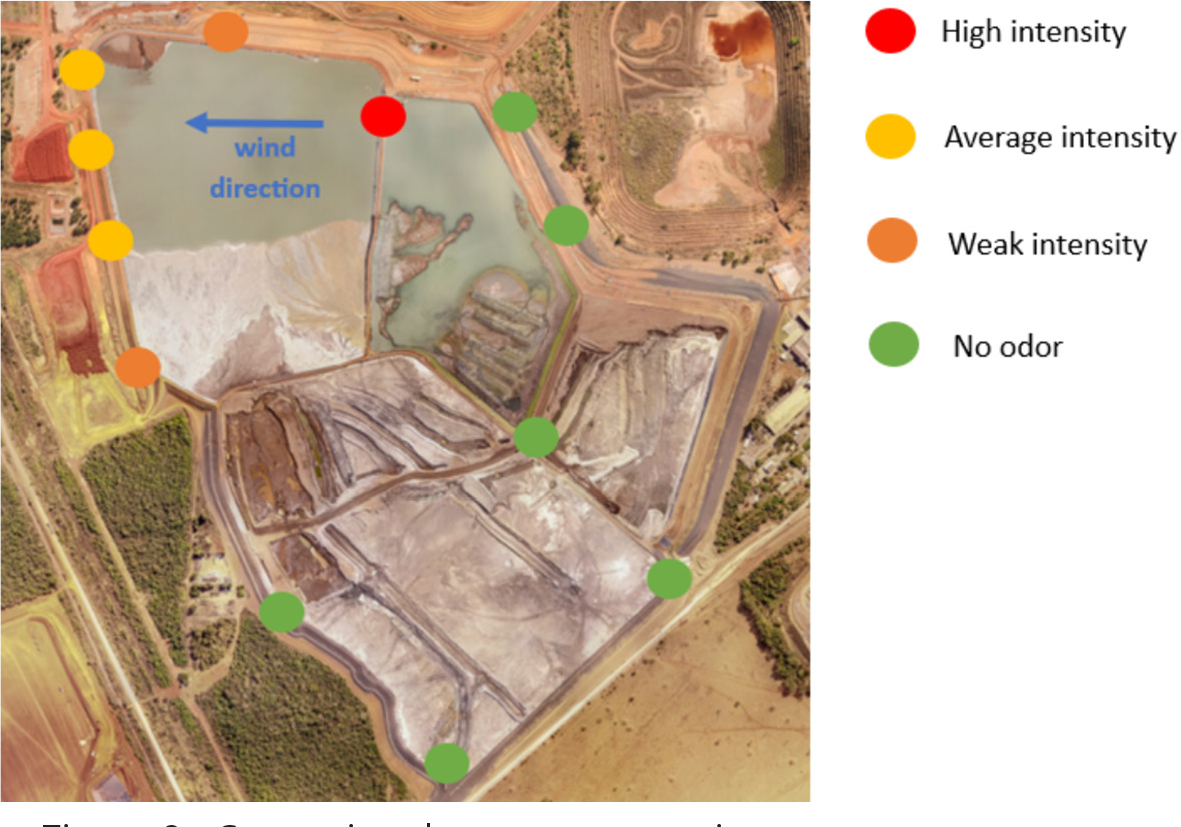
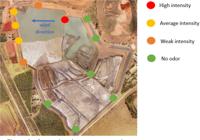
To better understand the resurgence of odor, a geospatial mapping campaign was conducted to localize emission hotspots and identify dispersion pathways across the dam complex. The results revealed a consistent concentration of H2S emissions in the pumping area responsible for inter-dam water transfer (Figure 9). Secondary zones of odor impact were downwind of this location, correlating with the dominant wind direction and confirming the spatial dynamics of H2S transport toward operational zones and nearby communities.
4.5 Strategic shift: from microbial suppression to chemical targeting
Following the identification of the pumping area as the primary emission hotspot, a strategic pivot was made from biocide-based microbial suppression to direct chemical targeting of hydrogen sulfide (H2S). Spatial mapping confirmed that the odor was not evenly distributed across the site but intensified specifically near overflow transfer zones between tailings dams-areas characterized by high turbulence, low pressure, and increased water flow with fewer solids.
This localization coincided with the physical and chemical triggers for H2S volatilization. Hydrogen sulfide is a weak diprotic acid (pKa1 ≈ 7.0; pKa2 ≈ 12.9), and its equilibrium between aqueous and gaseous phases is extremely sensitive to environmental parameters (Stumm & Morgan, 1996; Abdi et al., 2022). During pumping, a convergence of destabilizing factors promotes degassing:
-
• Pressure drop in suction and discharge reduces solubility (Xiao et al., 2022),
-
• Turbulence and agitation enhance surface area and gas transfer rate (Abdi et al., 2022),
-
• Temperature gradients reduce H2S retention (Dahl, 2020),
-
• Aeration favors volatilization and partial oxidation (Wang et al., 2023).
These dynamics are consistent with Henry’s Law, where reduced pressure and increased surface exposure shift the equilibrium toward gas release (Lipman, 2022). Consequently, emission peaks near pumps were not incidental but a direct result of process-induced phase destabilization.
Chemically, H2S is a strong nucleophile (S2-), readily oxidized into less volatile compounds, such as elemental sulfur (S0), thiosulfate (S2O32-), or sulfate (SO42-) (Dahl, 2020; Xiao et al., 2022). This redox behavior underpins widely adopted mitigation strategies that aim to neutralize sulfides before degassing occurs.
Given these findings, the site implemented a preemptive oxidation strategy using sodium hypochlorite-an effective, widely available oxidant. Dosing was strategically carried out at overflow intake points between dams, upstream of areas with maximum degassing potential. These streams were characterized by higher water-to-solids ratios, which enhanced the distribution of hypochlorite and minimized the scavenging effects of organic matter or suspended particles. Organic compounds, including residual flotation reagents, are known to consume free chlorine, decreasing oxidation efficiency (Wang et al., 2023).
To confirm the technical feasibility of this approach, two critical tests were conducted:
-
• Odor Suppression Tests: Samples treated with hypochlorite at various concentrations were evaluated through sensory panels as a sulfide-specific indicator. Sensory panels rated odor intensity on a 0-5 scale (0 = none, 5 = intense. Odor intensity dropped substantially within 10-20 minutes post-dosing, with no reappearance during a 48-hour observation window, relative to untreated controls, where odor persisted at high levels. This aligned with literature on NaClO's efficacy in oxidizing dissolved sulfide (Dahl, 2020; Xiao et al., 2022).
-
• Compatibility Tests: Sodium hypochlorite was added to process water and introduced into bench-scale flotation tests. It did not alter froth behavior, recovery, or concentrate quality, confirming its suitability for the processing circuit. Tests showed a stable froth with uniform bubbles and recovery rates aligned with untreated process water without any changes in the concentrate grade, based on the mass balance and assays.
These results established sodium hypochlorite as a technically robust and operationally compatible solution for localized H2S control. Its successful deployment in preliminary field applications paved the way for an extended industrial trial designed to validate performance at full operational scale.
4.6. Sodium hypochlorite in practice: results from industrial testing
In response to the declining efficacy and escalating cost of biocidal treatments, sodium hypochlorite was selected for industrial-scale validation as a chemically targeted alternative for hydrogen sulfide (H2S) control. This decision followed laboratory demonstrations of its capacity to fully oxidize H2S without compromising flotation performance or destabilizing the mineral pulp, making it compatible with the operational parameters of process beneficiation.
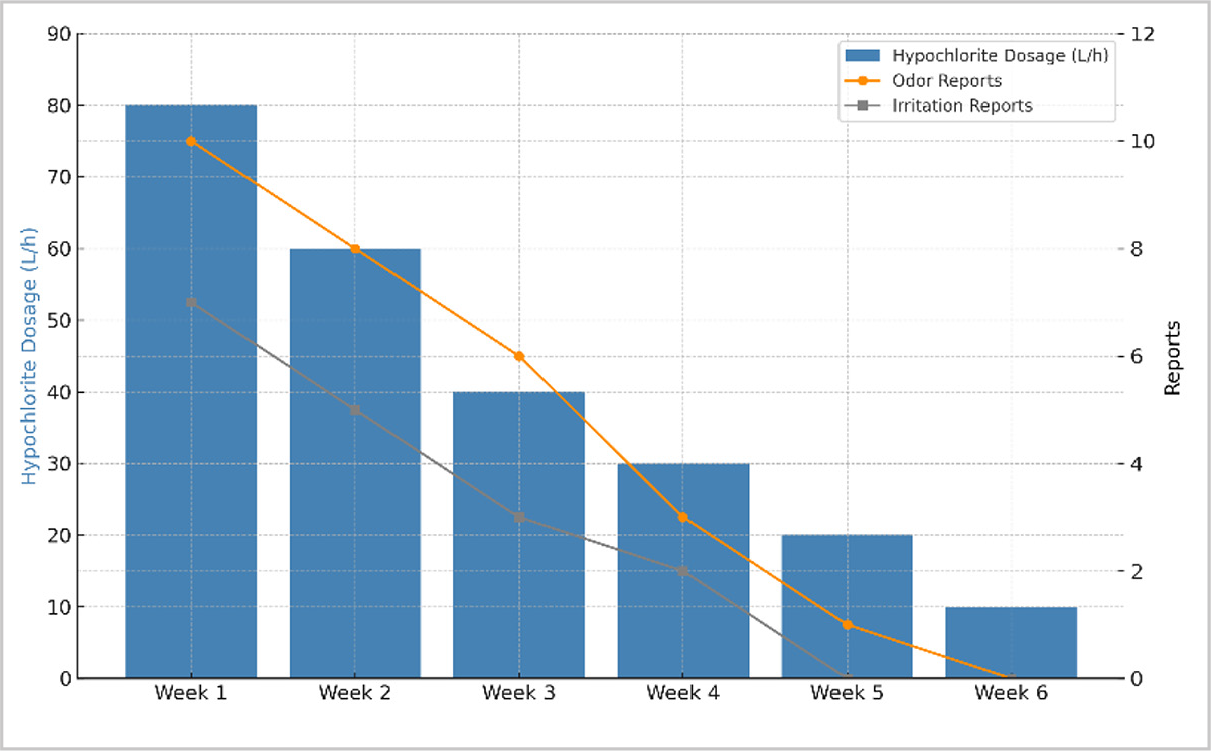
The industrial trial was initiated at the water transfer point between the tailings dams, which had previously been identified as the primary emission hotspot due to the confluence of physical triggers for degassing. An initial dosage rate of 80 L/h was adopted based on pilot-scale success in rapidly eliminating odor through the oxidative conversion of dissolved H2S.
In the early dosing phase, a rapid and sustained decline in odor intensity was confirmed by operator reports and field monitoring. However, this improvement coincided with new complaints of throat and eye irritation, particularly in enclosed or low-ventilation areas. The discomfort was attributed to excess chlorine volatilization, a common side effect when hypochlorite concentrations exceed local demand or are applied without adequate dispersion (Wang et al., 2023; Lipman, 2022). These irritation incidents were localized exclusively in the immediate vicinity of the dosing point at the pipe outlet in the dam and were not experienced by surrounding operations or nearby communities. Prior to initiating NaClO dosing, the staff were trained on safe handling procedures. In response, additional safety protocols were implemented, including reinforcement of the obligatory use of masks during dam operations at the dosing point.
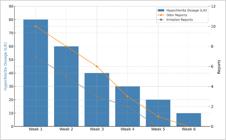
To address this, a systematic dosage optimization process was initiated. Dosing was gradually reduced in controlled increments while continuously tracking both odor perception and health-related complaints. A final dosage of 10 L/h was established as the operational optimum, maintaining effective odor suppression while eliminating all irritation incidents (Figure 10).
Sodium hypochlorite dosage reduction and associated changes in odor intensity and operator irritation over time.
The blue vertical bars represent two distinct dosing phases: high initial application followed by optimized long-term dosing. The orange and gray curves represent the frequency of odor and irritation reports, respectively. The optimized dosage maintained odor control while eliminating the discomfort associated with chlorine.
From a chemical perspective, sodium hypochlorite rapidly oxidizes sulfide ions (S2-) into less volatile and odorless forms, such as elemental sulfur or sulfate (Dahl, 2020). This direct oxidation prevents H2S volatilization, even in turbulent and low-pressure conditions encountered during pumping (Xiao et al., 2022). Its performance remained stable across varying operational scenarios, including fluctuating water flow, pH shifts, and moderate organic loads-conditions under which glutaraldehyde-based biocides had previously failed.
Unlike biocidal treatments, which required escalating doses and showed sensitivity to changes in tailings handling, sodium hypochlorite delivered consistent results with lower operational costs, fewer safety risks, and reduced reagent consumption. Specifically, the optimized NaClO approach achieved a 90% reduction in operational costs compared to the biocide, primarily through lower dosing requirements and sustained efficacy without microbial adaptation. Its robust chemical mechanism and adaptability to localized dosing make it a reliable and sustainable component of the site’s evolving H2S mitigation framework.
4.7 Comparative summary of mitigation strategies
To synthesize the key outcomes from the biocidal and oxidative approaches evaluated in this study, a direct comparison between the glutaraldehyde-based biocide (Floticor OT 7696) and sodium hypochlorite (NaClO) is presented below. This summary highlights differences in effectiveness, cost, operational complexity, and additional factors, such as safety, environmental impact, and long-term viability, based on laboratory and industrial-scale trials. Table 1 provides a concise overview to guide practical decision-making for H2S odour control in mining environments.
Comparison of glutaraldehyde-based biocide (Floticor OT 7696) and sodium hypochlorite (NaClO) for H2S odour control in mining tailings dams.
5. Conclusion
This study demonstrates that effective management of hydrogen sulfide (H2S) emissions in mining dams requires a multidisciplinary and adaptive approach. Through comprehensive microbiological mapping, we confirm that sulfate-reducing bacteria (SRB) associated with unoxidized ore and tailings environments are the primary source of persistent H2S odor at the studied mining complex in Brazil.
Initial industrial-scale trials with biocidal reagents, particularly Floticor OT 7696, achieved short-term reductions in odor intensity and SRB activity. However, these gains are not sustained over time due to microbial resurgence, operational changes, and escalating reagent costs. The limitations of biocidal control-especially its sensitivity to process dynamics and high financial burden-necessitate a strategic shift in mitigation philosophy.
Transitioning to a chemically targeted approach, the application of sodium hypochlorite (NaClO) at critical emission points proves highly effective in oxidizing dissolved H2S before it is released into the atmosphere. This intervention consistently eliminates odor, maintains process compatibility, and delivers substantial cost savings, even as operational conditions evolve. The robust performance of NaClO, in contrast to biocidal treatments, highlights its suitability as a core component of sustainable odor control strategies in complex mining environments.
The findings underscore several key principles for industrial H2S management:
-
• Source Identification: Accurate microbiological mapping is essential for targeting interventions and avoiding ineffective or unnecessarily broad treatments.
-
• Process Integration: Chemical interventions must be compatible with mineral processing operations to ensure both environmental and economic sustainability.
-
• Operational Adaptability: Odor control strategies should be responsive to changes in process flows, disposal methods, and environmental variables, leveraging real-time data and statistical modelling for continuous optimization.
-
• Cost-Effectiveness: Sustainable solutions must balance efficacy with long-term operational costs, as demonstrated by the significant savings achieved through the adoption of sodium hypochlorite.
This article provides practical, transferable knowledge to the field of environmental management in mining, reinforcing the importance of integrating microbiological, chemical, and engineering perspectives. The approach and outcomes presented herein align with modern environmental, social, and governance (ESG) standards, offering a model for addressing similar challenges in other industrial contexts.
-
Funding information
This research did not receive external public or grant funding.
Data availability
The authors declare that all data authorized for disclosure and necessary to support the findings of this study are included in the article. Additional underlying data are not publicly available due to confidentiality restrictions.
References
- ABDI, J. et al. Intelligent modelling of hydrogen sulphide solubility in various types of single and multicomponent solvents. Scientific Reports, v. 12, n. 4415, 2022.
- BARBOSA, C. S. et al. Uso de laminocultivos na avaliação da contaminação microbiológica em combustíveis estocados. In: Estudos ambientais e agronômicos: resultados para o Brasil. Editora Pascal, 2020. v. 4.
- BOTTONE, A.; LEE, H.; SMITH, R. Sodium hypochlorite: chemistry, applications, and environmental impact in industrial water treatment. Industrial & Engineering Chemistry Research, v. 60, n. 11, p. 4035-4044, 2021.
- BOX, G. E. P.; HUNTER, J. S.; HUNTER, W. G. Statistics for experimenters: design, innovation, and discovery. 2. ed. Wiley-Interscience, 2005.
- CHAKRABARTTY, A. M.; KRETSCHMER, D. W. The reaction of sodium hypochlorite with hydrogen sulphide in aqueous solution. Water Research, v. 8, n. 12, p. 927-931, 1974.
- CLARIANT. Technical data sheet: floticor OT 7696, OT 7828, OT 7684, EPE MIN 117/18. Clariant mining solutions, 2023.
- CLARIANT MINING SERVICES. Microbiologia em processos industriais de mineração. Technical Report, 2018.
- DAHL, C. A biochemical view on the biological sulphur cycle. In: LENS, P. N. L. (ed.). Environmental technologies to treat sulphur pollution. 2. ed. IWA Publishing, 2020.
- D’HONDT, S. et al. Deep subseafloor life from 101.5 million years ago in marine sediment. Nature Communications, v. 11, n. 3811, 2020.
- FRANKS, D. M. et al. Conflict translates environmental and social risk into business costs. Proceedings of the National Academy of Sciences, v. 111, n. 21, p. 7576-7581, 2014.
- JAIN, D. K. Selective media and methods for detecting sulphate-reducing bacteria. Applied Microbiology and Biotechnology, v. 22, p. 27-38, 1995.
- JIANG, G.; KELLER, J.; BOND, P. L. Sulphide oxidation and its effects on sewer corrosion and odour. Water Research, v. 88, p. 772-786, 2016.
- LAU, M. C. Y. et al. An oligotrophic deep-subsurface community dependent on syntropy is dominated by sulphur-driven autotrophic denitrifiers. ISME Journal, v. 10, p. 2739-2753, 2016.
- LENS, P. N. L. et al. Environmental technologies to treat sulphur pollution: principles and engineering. IWA Publishing, 2003.
- LIPMAN, J. Industrial biocide applications and challenges in mining operations. Journal of Cleaner Production, v. 368, p. 133-142, 2022.
- LIN, L. H. et al. Long-term sustainability of a high-energy, low-diversity crustal biome. Science, v. 314, n. 5798, p. 479-482, 2006.
- MONTGOMERY, D. C. Design and analysis of experiments. 9. ed. Wiley, 2017.
- MUYZER, G.; STAMS, A. J. M. The ecology and biotechnology of sulphate-reducing bacteria. Nature Reviews Microbiology, v. 6, n. 6, p. 441-454, 2008.
- ONSTOTT, T. C. Deep subsurface microbiology. In: GARGAUD, M. et al. (ed.). Encyclopedia of astrobiology. 3. ed. Springer, Cham, p. 769-772, 2023.
- POSTGATE, J. R. The sulphate-reducing bacteria. Cambridge University Press, 1984.
- SOUZA, V. M. de. Estudo de sequestrantes de H2S para sistemas de produção de óleo e gás. 2012. Dissertação (Mestrado em Engenharia Metalúrgica e de Materiais) - Universidade Federal do Rio de Janeiro, Rio de Janeiro, 2012.
- SRC COMMUNICATIONS. Advances in odour control for mining tailings dams. SRC Technical Bulletin, v. 15, n. 3, p. 12-18, 2020.
- STUMM, W.; MORGAN, J. J. Aquatic chemistry: chemical equilibria and rates in natural waters. 3. ed. New York: Wiley-Interscience, 1996. 1022 p.
- WANG, X.; ZHOU, Y.; LI, H. et al. Cost-effective solutions for odour management in mining industries. Minerals Engineering, v. 197, p. 107-113, 2023.
- XIAO, B. L. et al. Recent advances in catalytic oxidation of organic sulphides: applications of metal-ionic liquid catalytic systems. Frontiers in Chemistry, v. 10, 2022.
Edited by
-
Associate Editor
João Felipe Coimbra Leite Costa