 Indicators for evaluating contraceptive care in primary health care: a scoping review
ABSTRACT
Objective: To map, in the literature, the indicators used to evaluate contraceptive care in Primary Health Care services.
Method: Scoping review based on the framework proposed by Arksey and O’Malley and on the recommendations of the Joanna Briggs Institute, encompassing studies published between 1994 and 2023. Six databases and two grey literature repositories were searched. Data collection was conducted in pairs and independently. The analysis employed a deductive approach, with indicators categorized into the dimensions of structure, process (clinical-care and organizational process), and outcome, as well as into subdimensions, according to Donabedian’s framework.
Results: A total of 37 studies were included, mostly cross-sectional, focusing on women of reproductive age. Process-related indicators were the most frequent, particularly those linked to the clinical-care component. In the structure dimension, the availability and provision of contraceptive methods stood out. In the outcome dimension, contraceptive method use was the most frequently assessed aspect.
Conclusion: There is a need for more specific indicators to evaluate the content of information provided, user satisfaction, and contraceptive discontinuation rates. It is important to broaden the scope of evaluation by incorporating the perspectives of health professionals and addressing issues related to sexually transmitted infections within contraceptive care.
Descriptors:
Contraception; Health evaluation; Primary health care; Reproductive and sexual health; Review literature as topic
RESUMO
Objetivo: Mapear, na literatura, os indicadores utilizados na avaliação da assistência em contracepção em serviços de Atenção Primária à Saúde.
Método: Revisão de escopo baseada no referencial de Arksey e O’Malley e nas recomendações do Joana Briggs Institute, abrangendo estudos publicados entre 1994 e 2023. Foram utilizadas seis bases de dados e dois repositórios de literatura cinzenta. Os dados foram coletados em pares e às cegas. A análise utilizou abordagem dedutiva, sendo os indicadores categorizados nas dimensões estrutura, processo (clínico-assistencial e processo organizacional) e resultado; e subdimensões, conforme o referencial de Donabedian.
Resultados: Foram incluídos 37 estudos, majoritariamente transversais, com foco em mulheres em idade reprodutiva. Indicadores relacionados ao processo foram os mais recorrentes, principalmente os vinculados ao componente clínico-assistencial. Na dimensão estrutura, destacou-se a disponibilidade e oferta de métodos contraceptivos. Já na dimensão resultado, o uso de método contraceptivo foi o aspecto avaliado com maior frequência.
Conclusão: Há necessidade de indicadores mais específicos que avaliem o conteúdo das informações ofertadas, a satisfação das usuárias e as taxas de descontinuidade contraceptiva. Torna-se importante ampliar o escopo da avaliação, incorporando perspectivas dos profissionais de saúde e abordando questões relacionadas às infecções sexualmente transmissíveis na assistência em contracepção.
Descritores:
Contracepção; Avaliação em saúde; Atenção primária à saúde; Saúde sexual e reprodutiva; Literatura de revisão como tema
RESUMEN
Objetivo: Mapear en la literatura los indicadores utilizados para evaluar la atención anticonceptiva en los servicios de Atención Primaria de Salud.
Método: Revisión de alcance basada en el marco de Arksey y O’Malley y en las recomendaciones del Joanna Briggs Institute, que incluyó estudios publicados entre 1994 y 2023. Se consultaron seis bases de datos y dos repositorios de literatura gris. La recolección de datos se realizó por pares y de forma independiente. El análisis empleó un enfoque deductivo, y los indicadores se clasificaron en las dimensiones de estructura, proceso (clínico-asistencial y proceso organizacional) y resultado, así como en subdimensiones, conforme al marco de referencia de Donabedian.
Resultados: Se incluyeron 37 estudios, principalmente transversales, centrados en mujeres en edad reproductiva. Los indicadores de proceso fueron los más frecuentes, sobre todo los vinculados al componente clínico-asistencial. En la dimensión estructura destacó la disponibilidad de métodos anticonceptivos, y en la de resultado, el uso de métodos.
Conclusión: Se requiere el desarrollo de indicadores más específicos que evalúen el contenido de la información brindada, la satisfacción de las usuarias y la discontinuidad anticonceptiva. Es necesario ampliar la evaluación incorporando la perspectiva de los profesionales de salud y considerando aspectos relacionados con las infecciones de transmisión sexual.
Descriptores:
Anticoncepción; Evaluación en salud; Atención primaria de salud; Salud sexual y reproductiva; Literatura de revisión como asunto
INTRODUCTION
Contraceptive Care (CC), understood as “the provision of information, counseling, clinical follow-up and a range of contraceptive methods and techniques [...], in a context of free and informed choice1”, has been configured as a relevant health action for the guarantee of sexual and reproductive rights, internationally recognized after the landmark of the IV International Conference on Population and Development (ICPD), held in Cairo, Egypt, in 1994. In addition, it remains referenced as a strategy for achieving health, well-being and gender equality, whose goals are established in the Sustainable Development Goals (SDGs)2.
In recent decades, countries have made significant investments to increase the use of modern contraceptive methods across diverse economic and social contexts and health system organizational arrangements3-4. The aim was to reduce unmet need for contraception and, consequently, rates of unintended pregnancies and maternal mortality. In the same direction, several governments have undertaken efforts to expand Primary Health Care (PHC) coverage5.
Despite these advances, monitoring and evaluation processes for CC are not permanent practices6 and, in most countries, are limited to occasional population-based studies, which are costly to implement. Moreover, many of these studies fail to consider the decentralized services where CC is actually delivered7.
Indicators are measures that reflect characteristics of a given reality, being widely used for monitoring and evaluating health policies, programs, services and interventions8. The definition and identification of appropriate evaluation indicators at the service level therefore become essential, as they allow health care to be evaluated according to the characteristics of the context in which it is provided9-11.
However, evaluative studies on reproductive planning and CC within the context of services or integrated programs, such as those in PHC, are scarce12-13. The assessment of the impacts of CC has been reported, in large part, in programs that integrate it with services related to Human Immunodeficiency Virus (HIV), maternal, neonatal and child health12,14-16, however, with little representation of studies in PHC settings. The limitation of indicators related to the supply of services and quality of care has been pointed out as a weakness in CC evaluations6.
Given this scenario, mapping the evidence of indicators used to evaluate CC in PHC services emerges as a gap. Studies that address this topic can support researchers, managers, health professionals and stakeholders in developing evaluations of CC in a way that is more consistent with local realities. In this sense, the present study aimed to map, in national and international literature, the indicators used to evaluate contraceptive care in PHC services.
METHOD
This is a scoping review developed from the framework of Arksey and O’Malley17 and the recommendations of the Joana Briggs Institute (JBI)17-19 and reported according to the PRISMA Extension for Scoping Reviews (PRISMA-ScR) guideline20.
The study protocol was registered in the Open Science Framework (OSF) and is available at https://osf.io/34ynk/?view_only=d1bfd67b82f6460db7b03aa46a90dd45.
The acronym PCC (Population, Concept, Context)21 was used to formulate the following research question: “Which indicators have been used to evaluate CC in PHC services?”
Searches were conducted in October and November 2023. Eight databases were searched: MEDLINE via PubMed, SCOPUS, EMBASE, CINAHL, LILACS via the Virtual Health Library (VHL), and Web of Science, in addition to two grey literature repositories: ProQuest Dissertations and Theses Global and the Brazilian Digital Library of Theses and Dissertations (Biblioteca Digital Brasileira de Teses e Dissertações - BDTD).
To identify search terms, two librarians were consulted. Controlled vocabularies in English, such as Medical Subject Headings (MeSH), Emtree terms (EMBASE thesaurus), and related free-text terms were examined to select the most appropriate descriptors combined with the Boolean operators AND and OR in order to formulate the search strategy (Chart 1).
Original studies that used indicators to evaluate CC in PHC, published between January 1, 1994, and July 30, 2023, without language restrictions. The time frame was set because 1994 marked the IV ICPD, considered an international milestone for organizing contraceptive care from a sexual and reproductive rights perspective. Publications such as letters to the editor, author opinions, case reports, comments, narrative reviews, incomplete studies, conference abstracts, articles without abstracts, and studies reporting intervention outcomes were excluded.
In study selection, a researcher conducted the databases searches and removed duplicates using the ENDNOTE® web tool. Subsequently, two independent and blinded researchers screened titles and abstracts using the Rayyan® reference manager.
To verify the reliability of the eligibility criteria, two researchers individually and blindly evaluated the first 25 titles and abstracts, and adjustments were made in a consensus meeting. After calibration, the reading of the remaining titles and abstracts, as well as the full texts, continued for the final selection of the collection. In cases where there was disagreement in these two stages, a third researcher was consulted to reach a consensus.
The data were extracted into a spreadsheet developed in Microsoft Office Excel®, completed independently and blindly by three researchers, containing the following data from the included articles: study title, authors, year of publication, country of the study, region, country income level, study objective, study design, population/sample, data source, CC indicators used. The indicators were extracted from the methods and results sections of the studies. In the case of indicators not explicitly reported, the variables and measures8 used in the studies were considered and extracted. After extraction, and to confirm the consistency of the collected information, the data were independently reviewed and then submitted to a consensus meeting among the three researchers.
The indicators were analyzed considering the Donabedian theoretical framework for health evaluation9-10, widely used in the evaluation of healthcare services in various contexts, including in the field of sexual and reproductive health (SRH)22-23. The author9,10) considers three dimensions of indicators for evaluation: structure, process, and outcome. Structure indicators encompass the characteristics of the environment and setting in which care is delivered; process indicators refer to the activities performed, how care is provided, and what the team and its members do in relation to a service user; and outcome indicators address the effects of care and services on users’ health conditions9,10. Based on this understanding and through a deductive approach24, using the NVIVO® software the extracted indicators were categorized by two reviewers into the dimensions and subdimensions of structure, process (clinical-care and organizational), and outcome.
RESULTS
The database search identified 2,707 publications, and after removing duplicates (n=1,079), 1,628 remained. Reading the titles and abstracts allowed 79 articles to be selected for full-text reading, of which 37 studies met the inclusion criteria (Figure 1).
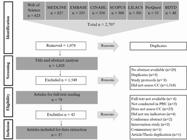
Flowchart of the study identification and selection process for the scoping review. São Paulo, SP, Brazil, 2023
The studies were published between 2001 and 2023. The regions of Latin America and the Caribbean, Sub-Saharan Africa, Europe, and Central Asia accounted for most of the studies, especially upper-middle-income (n=13) and high-income (n=13) countries. Brazil was the country with the highest number of included studies (n=10).
Methodologically, cross-sectional studies prevailed (n=30), with questionnaires being the most frequently used data collection instrument. Women of reproductive age constituted the participants in most studies (n=18), followed by health unit managers (n=9), health professionals (n=3), adolescents (n=3), and postpartum women (n=1) (Chart 2).
In 17 studies, indicators related to the structure dimension were used; in 29 studies, indicators referred to the process dimension, of which 21 were related to the clinical-care process and 19 to the organizational process. In 18 studies, indicators from the outcome dimension were identified, as shown in Chart 3.
Characterization of the studies included in the scoping review according to author and dimension of indicators used to evaluate contraceptive care in Primary Health Care. São Paulo, SP, Brazil, 2023
The structure indicators were organized into 10 subdimensions, the clinical-care process into 27 subdimensions, and the organizational process into 15 subdimensions. In the outcome dimension, nine subdimensions were identified (Chart 4).
All indicators and their measurement methods are categorized by dimension, subdimension, and authors in the “Files” tab of the OSF, available at https://osf.io/34ynk/?view_only=d1bfd67b82f6460db7b03aa46a90dd45.
In the structure dimension, the availability and supply of contraceptive methods was the most frequent subdimension (n=13), including a variety of methods, with emphasis on emergency contraception and the copper IUD. The availability of education, information, and communication resources and materials (n=6) emphasized how information was provided in services, such as posters, leaflets, display materials, and reproductive system models. Team qualification (n=6) focused on quantifying professionals trained in reproductive planning or contraception and the duration of such training.
In the subdimensions of the clinical-care process, the provision of information and counseling on contraceptive methods stood out, including topics such as the types of methods, their side effects, advantages, and disadvantages. Guidance on the side effects of the contraceptive method and the follow-up and monitoring of users were also frequent, encompassing the provision of return visits and discussion about the method use.
Clarifications about the users’ health status, investigation of reproductive intentions and history of contraceptive use, guidance on changing methods, what to do in case of problems or unprotected sex, professional biases, and emphasis on specific methods were less frequent approaches.
When analyzing the subdimensions of the organizational process, six studies addressed the evaluation and monitoring of care and the systematization of contraceptive records. Five publications included indicators related to consultation duration and scheduling time for CC and the organization of access to CC consultations. In three studies, indicators related to the planning and implementation of educational activities on contraception and community-based approaches to contraception were identified. These subdimensions were the most frequent among the studies included in the review.
Among the outcome subdimensions, those addressing the use of contraceptive methods by clients (n=14), user satisfaction with care or health services (n=6), and users’ knowledge about contraceptive methods (n=4) were the most prominent. Among the indicators related to the use of contraceptive methods by clients, only one specifically assessed the use of long-acting reversible contraceptives (LARC) and the use of the preferred method. In the subdimension of user satisfaction with the care received or with health services, the evaluation was based on characteristics of the interaction between professionals and users (respect, information provided, privacy, comfort) and on aspects of the structure offered by the health service (cleanliness, convenience, ease of access to the facility). Less frequent evaluation perspectives among outcome indicators included subdimensions related to unmet need for contraception (n=2), pregnancy planning (n=2), discontinuation of contraceptive method use (n=2), and adolescent pregnancy (n=2).
DISCUSSION
This study summarized the indicators used to evaluate contraceptive care in PHC services. The most frequent indicators were those monitoring and evaluating the process dimension of CC among women of reproductive age, particularly in middle- and high-income countries in Latin America and the Caribbean, sub-Saharan Africa, Europe, and Central Asia.
The clinical-care process and organizational process indicators used to evaluate CC in the PHC context were predominant in the included studies. These indicators mainly measured the frequency of various types of guidance and information exchanged between professionals and service users during care. The exchange of information about contraceptive methods is recognized as an important component of interpersonal relations within the quality framework for reproductive planning defined more than 30 years ago 62 - and revised by authors63) from a rights-based family planning perspective. Bidirectional communication, a key element of process evaluation, enables users and professionals to share relevant information that contributes to satisfactory, informed, and safe choices, ensuring the effective use of the contraceptive method64.
Limited studies have focused on evaluating health professionals, which have been limited to assessing care based on information collected from women. In the context of reproductive health and contraception, there is an emerging concern about issues related to the behaviors, attitudes, and biases of health professionals65-67, and the repercussions on care and health outcomes for users. Results from a quick review of measures and methods for evaluating the behavior of health professionals identified that the focus of about 60% of the studies was contraception and reproductive health, even with limited evaluative studies68. The results of this study therefore indicate the need for further investigations involving health professionals in the PHC context, especially when the evaluation objective is centered on the characteristics of the care process.
It was observed that process indicators, despite being frequent in the included studies, focused on broadly identifying the provision and exchange of information or contraceptive counseling, with little depth regarding the content of the guidance. This generic approach to evaluation may, however, mask the identification of incorrect or omitted information provided by professionals to users, and indicates the need for more specific indicators that detail the content of information and guidance shared between both parties.
The questionnaire was the main data collection instrument used by most studies in this review, which may have limited the measurement of more specific process indicators and overestimated process-related measures69. Several evaluative studies in health services have invested in the use of more robust data collection techniques, such as mystery or simulated client techniques, which allow overcoming limitations in the evaluation of the interaction between providers and users70-71. Among the studies included here, only two used such techniques and all were conducted in high-income countries.
Only three studies used indicators to assess the characteristics of the professional-user relationship in contraceptive care, especially those related to privacy, confidentiality, autonomy, and non-discrimination. These basic principles of human rights must be respected in contraceptive care72, as they address aspects of respectful treatment of users in primary care services. However, none of these studies were conducted in Brazil.
Important limitations were found in the approach to STIs, HIV, AIDS and in the availability of SRH services to contraceptive users, such as pregnancy testing. Ensuring users have access to information and other SRH services in the context of primary care is an important factor in guaranteeing sexual and reproductive rights and quality in CC62-63. These data may indicate that a scope of SRH actions may not be adequately integrated into Health Units in Primary Care or that these do not elicit evaluative interest, suggesting an important approach for further research. It is important, however, to recognize that the integration of contraceptive care with other services remains a challenge in several countries that intend to expand the coverage of health services and systems73-74.
Regarding the dimension of the process, it is worth highlighting the studies that used organizational process indicators, which evaluated the actions and activities developed by professionals or teams in healthcare services, aiming at the organization of access, planning, execution, monitoring and evaluation of CC in the context of primary care. The incorporation of these indicators in the context of PHC is fundamental for identifying gaps and weaknesses in the routines of teams, professionals and health services, allowing the adequate mobilization of resources for service reorganization and qualification75, since work processes in PHC still figure as limiting factors for users’ access to reproductive health and contraception76.
About 50% of the included studies used indicators categorized in the outcome dimension, and most of them assessed the use of methods by clients and knowledge about contraceptive methods. User satisfaction with the contraceptive method, unmet contraceptive needs, and contraceptive discontinuation were only modestly addressed. In this regard, only two studies addressed satisfaction with the method, one of which was conducted in Brazil. User satisfaction with the contraceptive method may have originated from high-quality counseling and the information exchanged between professionals and women during contraceptive care77, however, it may also have been affected by the structural limitations of services and reproductive planning policies in providing varied contraceptive options to women78. Studies in other contexts of CC provision have highlighted the relationships between the structure of health services and the professional-user interaction with contraceptive discontinuations79-81, in addition to unmet contraceptive needs82. The findings of this scoping review indicate that these aspects represent gaps that should be better investigated in PHC services, from the perspective of high-quality CC. 62-63.
Among the studies in the structure dimension, the evaluation of the availability of contraceptive methods in health services prevailed, confirming the importance attributed to service readiness for providing supplies83-84. Moreover, it was possible to observe the approach on the availability of resources and materials for education, information and communication. The relevance of this approach is understood, since the existence and use of these resources in health services can support the offer and exchange of information with users85, improving knowledge about methods and available services. However, it was identified that few studies used indicators to assess issues related to health unit opening hours and conditions for access to care. These structural characteristics of health services are important for ensuring quality from the perspective of service availability and equity86.
Despite Brazil accounted for the largest number of studies29,33,35,38,42-43,48,51,55-56, most of them included structural indicators, focusing on the availability of contraceptive methods in health units. All studies that addressed process evaluation used organizational process indicators, especially regarding the monitoring and evaluation of actions performed by health teams and units. Six of them evaluated aspects of the clinical care process and, similarly to the included international studies, there was, in general, great emphasis on the provision of information or advice on contraceptive methods. The outcome dimension was less addressed, and the use of contraceptive methods prevailed in all, showing that in this dimension other aspects need further investigation, such as satisfaction with the method and the occurrence of contraceptive discontinuations, going beyond results limited to the availability of methods87. It is worth highlighting that only one study in Brazil used indicators on the qualification of professionals or teams in CC. Despite the recognized advances in contraceptive coverage in Brazil87, the findings indicate the need to broaden the evaluative scope of CC beyond the coverage of method use, addressing more in-depth characteristics of structural and care quality - including the treatment offered to users - and the repercussions on women’s health conditions in PHC.
It was also found that women of reproductive age were the main participants in the included studies, indicating that responsibility for contraception is still attributed to women, and this is reflected in PHC research, despite evidence of the importance of men’s involvement and their greater acceptability of currently available and under development methods88-90. These findings are similar to those observed in an African-based bibliometric study on men’s involvement in reproductive planning, in which more than 60% of the publications used data collected from women and only 20% from men91.
Similar data were also observed regarding the adolescent population, which was included in only three of the studies included, signaling an important limitation to be overcome, since CC is a relevant intersectoral action for expanding access to SRH for adolescents and young people, as well as for achieving the SDGs related to gender equality and health2. Despite the recognized difficulties experienced by adolescents in accessing SRH services, it is understood that there may be little interest in the context of primary care in investigating aspects of care and in seeking ways to improve care for this population92.
Limited studies were identified on the evaluation of CC from the perspective of postpartum women in primary care services. Previous research has reaffirmed the provision of contraceptive counseling as an essential practice during prenatal care and as an important strategy to increase contraceptive method use in the postpartum period, including LARC. This finding may positively impact the prevention of unintended pregnancies and safe birth spacing, resulting in better health outcomes for mothers and babies93-95. In this sense, conducting studies that evaluate the provision of information about contraceptive methods during prenatal care may help identify weaknesses in women’s care and improve the organization of care and health services.
The findings of this scoping review corroborate the ongoing difficulties in the production and use of data on CC at the health services level. This is confirmed by verifying that only five included studies used data from medical records, medical records or more robust techniques, such as the mystery client method, and almost all of them were developed in high-income and upper-middle-income countries25,39-41,44,46,53,54. Overall, these countries have higher percentages of universal health coverage and investments in primary care96, characteristics that seem to contribute to the production and use of information on CC.
Studies on routine reproductive planning data in low- and middle-income countries have identified several factors that limit or compromise information quality, such as low infrastructure and lack of standardization of information, indicators, and data collection methods97-98. These factors can decisively affect planning and decision-making by managers and health professionals, hindering the implementation of measures to improve care provided in PHC.
Health systems face difficulties in making data available and accessible, especially in the context of healthcare services and PHC99, where the integration of information systems is still incipient. Despite this, experiences with the use of data supported by information technology in PHC have proven successful in improving planning and quality of care100-102.
In Brazil, the implementation of the eSUS Strategy - Primary Care (Estratégia eSUS - Atenção Básica - eSUS-AB) has enabled the integration of various information systems and the timely recording of care practices at the local level103. The improvement of systems with the inclusion of new indicators, based on the indicators reported in this review, can contribute significantly to the monitoring, evaluation and quality of CC in PHC as well as serve as a basis for critical analysis by health professionals and managers to improve services and work processes.
Given the diversity, complexity, and low specificity of many indicators across the different dimensions, the creation and adaptation of standardized and comprehensive indicators through Delphi research or expert consensus are considered relevant to qualify the evaluation of CC, with indicators that are easy to apply and meaningful to PHC contexts.
Although this review did not include official documents from relevant entities or organizations on the investigated topic, nor did it consider the existence of a theoretical model adopted in the studies as an inclusion criterion, it highlights a novel and didactic categorization of indicators into dimensions (structure, clinical-care process, organizational process, and outcome) and subdimensions based on the Donabedian theoretical framework9-10) - seminal and widely used in the field of health services evaluation. This approach allowed original detailing and understanding of evaluative practices conducted over the past decades in the context of Primary Health Care. This made it possible to identify the main aspects addressed in the evaluation of contraceptive care in PHC and to compare them with other contexts of contraceptive care provision.
CONCLUSION
This review identified a range of possible indicators for the rational and strategic monitoring of CC in the context of PHC, including their purposes, data extraction sources and measurement methods.
Process-related evaluation indicators were the most frequent in the 37 included studies, especially those related to the clinical-care process, which are present in 27 subdimensions, with a strong emphasis on the provision of information and counseling on contraceptive methods. In the structure dimension, the evaluation approach focused on the availability and supply of contraceptive methods, which prevailed among the 10 categorized subdimensions. In the outcome dimension, there was a strong emphasis on evaluation indicators related to the use of modern contraceptive methods by clients.
The synthesis of the indicators revealed that the evaluation of CC is a multifaceted and complex field, and that important advances can still be made to evaluate the quality and effectiveness of contraception-related services in PHC.
REFERENCES
-
1. Ministério da Saúde (BR). Saúde sexual e saúde reprodutiva [Internet]. Brasília: Ministério da Saúde; 2013[cited 2024 Mar 13]. 300 p. Available from: https://bvsms.saude.gov.br/bvs/publicacoes/saude_sexual_saude_reprodutiva.pdf
» https://bvsms.saude.gov.br/bvs/publicacoes/saude_sexual_saude_reprodutiva.pdf -
2. Starbird E, Norton M, Marcus R. Investing in family planning: key to achieving the sustainable development goals. Glob Health Sci Pract. 2016;4(2):191-210. https://doi.org/10.9745/GHSP-D-15-00374
» https://doi.org/10.9745/GHSP-D-15-00374 -
3. World Health Organization (WHO). Contraception [Internet]. 2024 [cited 2024 Mar 13]. Available from: https://www.who.int/health-topics/contraception#tab=tab\_2
» https://www.who.int/health-topics/contraception#tab=tab\_2 -
4. United Nations Department of Economic and Social Affairs, Population Division. World Family Planning 2020 Highlights: accelerating action to ensure universal access to family planning (ST/ESA/SER.A/450) [Internet]. 2020 [cited 2024 Mar 13]. Available from: https://www.un.org/development/desa/pd/content/WFP-2020-highlights-accelerating-action-ensure-universal-access-family-planning
» https://www.un.org/development/desa/pd/content/WFP-2020-highlights-accelerating-action-ensure-universal-access-family-planning -
5. World Health Organization (WHO). Primary Health Care [Internet]. 2024 [cited 2024 Mar 21]. Available from: https://www.who.int/health-topics/primary-health-care#tab=tab\_3
» https://www.who.int/health-topics/primary-health-care#tab=tab\_3 -
6. O’Fallon JB, Bisgrove EZ. Monitoring & Evaluation in Family Planning: strengths, weaknesses, and future directions [Internet]. NC, USA: MEASURE Evaluation; 2016[cited 2024 Mar 24]. 20p. Available from: https://www.measureevaluation.org/resources/publications/wp-16-163/at_download/document
» https://www.measureevaluation.org/resources/publications/wp-16-163/at_download/document -
7. Cavenaghi S, Alves JED. The everlasting outmoded contraceptive method mix in Brazil and its legacy. Rev Bras Estud Popul. 2019;36:e0103. https://doi.org/10.20947/S0103-3098a0103
» https://doi.org/10.20947/S0103-3098a0103 -
8. Organização Pan-Americana da Saúde. Indicadores de saúde: elementos conceituais e práticos [Internet]. Washington, D.C.: OPAS; 2018 [cited 2024 Mar 21]. Available from: https://iris.paho.org/bitstream/handle/10665.2/49057/9789275720059_por.pdf?sequence=5&isAllowed=y
» https://iris.paho.org/bitstream/handle/10665.2/49057/9789275720059_por.pdf?sequence=5&isAllowed=y -
9. Donabedian A. The quality of care: how can it be assessed? JAMA. 1988;260(12):1743-8. https://doi.org/10.1001/jama.260.12.1743
» https://doi.org/10.1001/jama.260.12.1743 -
10. Donabedian A. The Role of Outcomes in Quality Assessment and Assurance. QRB Qual Rev Bull. 1992;18(11):356-60. https://doi.org/10.1016/s0097-5990(16)30560-7
» https://doi.org/10.1016/s0097-5990(16)30560-7 -
11. Couto CE, Nemes LO, Zarili TFT, Mendonça CS, Gomes ES, Pissatto SBGB, et al. A atenção à saúde da mulher no Estado de São Paulo, Brasil: avaliação de serviços de atenção primaria à saúde. Cad Saúde Pública. 2025;41(5):e00147024. https://doi.org/10.1590/0102-311XPT147024
» https://doi.org/10.1590/0102-311XPT147024 -
12. Barden-O’Fallon J, Adamou B, Mejia C, Agala C. A review of family planning outcomes in integrated health programs and research recommendations [Internet]. NC, USA: MEASURE Evaluation; 2017 [cited 2024 Mar 25]. Available from: https://www.measureevaluation.org/resources/publications/wp-17-176/at_download/document
» https://www.measureevaluation.org/resources/publications/wp-17-176/at_download/document -
13. Kuhlmann AS, Gavin L, Galavotti C. The integration of family planning with other health services: a literature review. Int Perspect Sex Reprod Health. 2010;36(4):189-96. https://doi.org/10.1363/3618910
» https://doi.org/10.1363/3618910 -
14. Roro MA, Adinew YM, Yimer SS, Gizaw NF, Estifanos AS, Mohammed JK, et al. Integration of family planning into the primary health care in Ethiopia: results from national assessment. Reprod Health. 2024;21(1):174. https://doi.org/10.1186/s12978-024-01907-w
» https://doi.org/10.1186/s12978-024-01907-w -
15. Sheahan KL, Speizer I, Curtis S, Weinberger M, Paul J, Bennett AV. Influence of family planning and immunization services integration on contraceptive use and family planning information and knowledge among clients: A cross-sectional analysis in urban Nigeria. Front Glob Womens Health. 2022;3:859832. https://doi.org/10.3389/fgwh.2022.859832
» https://doi.org/10.3389/fgwh.2022.859832 -
16. Freitas NVSB, Silva AB, Oliveira KKD, Nascimento EGC. Planejamento familiar: organização da assistência e conhecimento dos profissionais. Rev Pesq: Cuid Fundam. 2025. https://doi.org/10.9789/2175-5361.rpcfo.v17.13588
» https://doi.org/10.9789/2175-5361.rpcfo.v17.13588 -
17. Arksey H, O’Malley L. Scoping studies: towards a methodological framework. Int J Soc Res Methodol. 2005;8(1):19-32. https://doi.org/10.1080/1364557032000119616
» https://doi.org/10.1080/1364557032000119616 -
18. Munn Z, Pollock D, Khalil H, Alexander L, Mclnerney P, Godfrey CM, et al. What are scoping reviews? providing a formal definition of scoping reviews as a type of evidence synthesis. JBI Evid Synth. 2022;20(4):950-2. https://doi.org/10.11124/JBIES-21-00483
» https://doi.org/10.11124/JBIES-21-00483 -
19. Tricco AC, Lillie E, Zarin W, O’Brien KK, Colquhoun H, Levac D, et al. A scoping review on the conduct and reporting of scoping reviews. BMC Med Res Methodol. 2016;16:15. https://doi.org/10.1186/s12874-016-0116-4
» https://doi.org/10.1186/s12874-016-0116-4 -
20. Tricco AC, Lillie E, Zarin W, O’Brien KK, Colquhoun H, Levac D, et al. PRISMA Extension for Scoping Reviews (PRISMA-ScR): checklist and explanation. Ann Intern Med. 2018;169(7):467-73. https://doi.org/10.7326/M18-0850
» https://doi.org/10.7326/M18-0850 -
21. Araújo WCO. Recuperação da informação em saúde: construção, modelos e estratégias. ConCI. 2020;3(2):100-34. https://doi.org/10.33467/conci.v3i2.13447
» https://doi.org/10.33467/conci.v3i2.13447 -
22. Kumah A, Aidoo LA, Amesawu VE, Issah AR, Nutakor HS. Assessment of structural and process factors in delivering quality adolescent sexual and reproductive health services in Ghana. Global J Qual Saf Healthcare. 2024;7(1):1-8. https://doi.org/10.36401/JQSH-23-20
» https://doi.org/10.36401/JQSH-23-20 -
23. Ahlou AE, Taboe HB, Fantodji C, Saizonou J. Unraveling the quality of implementation of sexual and reproductive health projects among adolescents and youths in low-income regions: a case study of the JADES 2 project in Niger in 2021. Pan Afr Med J. 2024;47:123. https://doi.org/10.11604/pamj.2024.47.123.42725
» https://doi.org/10.11604/pamj.2024.47.123.42725 -
24. Pollock D, Peters MDJ, Khalil H, McInerney P, Alexander L, Tricco AC, et al. Recommendations for the extraction, analysis, and presentation of results in scoping reviews. JBI Evidence Synthesis. 2023;21(3):520-32. https://doi.org/10.11124/JBIES-22-00123
» https://doi.org/10.11124/JBIES-22-00123 -
25. Free C, Dawe A, Macey S, Mawer C. Evaluating and developing contraceptive services: the results of an audit of the North Lambeth Primary Care Commissioning Group. Brit J Fam Plann. 2001;27(1):22-8. https://doi.org/10.1783/147118901101195065
» https://doi.org/10.1783/147118901101195065 -
26. Erci B. Turkish women’s satisfaction with family planning services. Europ J Contracept Reproduct Health Care. 2002;7(4):227-33. https://doi.org/10.1080/ejc.7.4.227.233
» https://doi.org/10.1080/ejc.7.4.227.233 -
27. Douthwaite M, Ward P. Increasing contraceptive in rural Pakistan: an evaluation of the Lady Health Worker Programme. Health Pol Plann. 2005;20(2):117-23. https://doi.org/10.1093/heapol/czi014
» https://doi.org/10.1093/heapol/czi014 -
28. Uzuner A, Unalan P, Akman M, Cifçili S, Tuncer I, Coban E, et al. Providers’ knowledge of, attitude to and practice of emergency contraception. Europ J Contracept Reproduct Health Care . 2005;10(1):43-50. https://doi.org/10.1080/13625180500035025
» https://doi.org/10.1080/13625180500035025 -
29. Osis MJD, Faúndes A, Makuch MY, Mello MDB, De Sousa MH, Araújo MJDO. Family planning in Brazil today: An analysis of recent research. Cad Saude Publica. 2006;22(11):2481-90. https://doi.org/10.1590/s0102-311x2006001100023
» https://doi.org/10.1590/s0102-311x2006001100023 -
30. Klerman LV, Johnson KA, Chang CH, Wright-Slaughter P, Goodman DC. Accessibility of family planning services: impact of structural and organizational factors. Matern Child Health J. 2007;11(1):19-26. https://doi.org/10.1007/s10995-006-0149-0
» https://doi.org/10.1007/s10995-006-0149-0 -
31. Serra-Torres A, Montaner-Amorós M, Sas SSM, Sisó-Almirall A, Espanyol-Navarro M, Devant-Altimir M. Emergency contraception: evaluation of women’s understanding of it, a requisite for the effectiveness of the treatment. Atenc Prim. 2007;39(2):87-91. https://doi.org/10.1157/13098676
» https://doi.org/10.1157/13098676 -
32. Varma GR, Babu BV. Contraceptive services of the district health system in tribal and rural areas of Visakhapatnam district, Andhra Pradesh. J Health Manag. 2007;9(3):399-419. https://doi.org/10.1177/097206340700900306
» https://doi.org/10.1177/097206340700900306 -
33. Soranz D. Avaliação do planejamento familiar como traçador de resultados das ações de atenção básica: um inquérito domiciliar em Manguinhos 2008. [Dissertação] [Internet]. Rio de Janeiro: Fundação Oswaldo Cruz; 2008 [cited 15 Oct 2023]. Available from: https://www.arca.fiocruz.br/handle/icict/5026
» https://www.arca.fiocruz.br/handle/icict/5026 -
34. Charandabi SM-A. Quality of Reproductive Health Services at Primary Health Centres in an Urban Area of Iran: Emphasis on Family Planning 2009. [Tese] [Internet]. Sweden: Karolinska Institutet; 2009[cited 2024 May 21]. Available from: https://www.proquest.com/dissertations-theses/quality-reproductive-health-services-at-primary/docview/2596624277/se-2?accountid=14643
» https://www.proquest.com/dissertations-theses/quality-reproductive-health-services-at-primary/docview/2596624277/se-2?accountid=14643 -
35. Nagahama EE. Evaluation of the implementation of reproductive health services in Maringá, Paraná State, Brazil. Cad Saude Publica . 2009;25 (Supl 2):279-90. https://doi.org/10.1590/s0102-311x2009001400010
» https://doi.org/10.1590/s0102-311x2009001400010 -
36. Mayeye FB, Lewis HA, Oguntibeju OO. An assessment of adolescent satisfaction with reproductive primary healthcare services in the Eastern Cape Province, South Africa. West Indian Med J [Internet]. 2010[cited 2023 Oct 15];59(3):274-9. Available from: https://www.mona.uwi.edu/fms/wimj/system/files/article_pdfs/dr_mayeye.qxd_.pdf
» https://www.mona.uwi.edu/fms/wimj/system/files/article_pdfs/dr_mayeye.qxd_.pdf -
37. Sannisto T, Saaristo V, Sthl T, Mattila K, Kosunen E. Quality of the contraceptive service structure: a pilot study in Finnish health centre organisations. Europ J Contracept Reproduct Health Care. 2010;15(4):243-54. https://doi.org/10.3109/13625187.2010.500750
» https://doi.org/10.3109/13625187.2010.500750 -
38. Figueiredo R, Paula SHB. Distribuição da contracepção de emergência nos municípios do estado de São Paulo: avaliação de dispensa em serviços e fluxos estabelecidos. Reprod Clim [Internet]. 2013[cited 2023 Oct 15];27(2):65-73. Available from: https://www.researchgate.net/publication/262010833
» https://www.researchgate.net/publication/262010833 -
39. Parsons J, Adams C, Aziz N, Holmes J, Jawad R, Whittlesea C. Evaluation of a community pharmacy delivered oral contraception service. J Fam Plann Reproduct Health Care. 2013;39(2):97-101. https://doi.org/10.1136/jfprhc-2012-100304
» https://doi.org/10.1136/jfprhc-2012-100304 -
40. Tafese F, Woldie M, Megerssa B. Quality of family planning services in primary health centers of Jimma Zone, Southwest Ethiopia. Ethiop J Health Sci. 2013;23(3):245-54. https://doi.org/10.4314/ejhs.v23i3.7
» https://doi.org/10.4314/ejhs.v23i3.7 -
41. Crabb SL. Contraception counselling of female soldiers in primary healthcare facilities. J Royal Army Med Corps. 2015;161(2):109-11. https://doi.org/10.1136/jramc-2014-000280
» https://doi.org/10.1136/jramc-2014-000280 -
42. Nunes BBS. Saúde reprodutiva em Uberlândia - MG: uma avaliação dos serviços pelos usuários e prestadores 2015. [Dissertação]. Minas Gerais: Universidade Federal de Uberlândia; 2015. https://doi.org/10.14393/ufu.di.2015.464
» https://doi.org/10.14393/ufu.di.2015.464 -
43. Nasser MA. Avaliação da implementação de ações em saúde sexual e reprodutiva desenvolvidas em serviços de atenção primária à saúde no estado de São Paulo [Tese] [Internet]. São Paulo: Faculdade de Medicina da Universidade de São Paulo; 2015 [cited 15 Oct 2023]. https://doi.org/10.11606/T.5.2015.tde-22012016-110316
» https://doi.org/10.11606/T.5.2015.tde-22012016-110316 -
44. Schubert FD, Bishop ES, Gold M. Access to the copper IUD as post-coital contraception: results from a mystery caller study. Contracept. 2016;94(5):561-6. https://doi.org/10.1016/j.contraception.2016.06.017
» https://doi.org/10.1016/j.contraception.2016.06.017 -
45. Kanwal N, Muttappallymyalil J, Al-Sharbatti S, Ismail I. Contraceptive utilisation among mothers of reproductive age in Ajman, United Arab Emirates. Sultan Qaboos Univ Med J. 2017;17(1):e50-e8. https://doi.org/10.18295/squmj.2016.17.01.010
» https://doi.org/10.18295/squmj.2016.17.01.010 -
46. Mathur M, Goyal RC, Mathur N. Quality assessment of family planning sterilization services at health care facilities: case record audit. J Clin Diagn Res. 2017;11(5):Lc07-lc9. https://doi.org/10.7860/JCDR/2017/24630.9793
» https://doi.org/10.7860/JCDR/2017/24630.9793 -
47. Khalil SN, Alzahrani MM, Siddiqui AF. Unmet need and demand for family planning among married women of Abha, Aseer Region in Saudi Arabia. Middle East Fertility Soc J. 2018;23(1):31-6. https://doi.org/10.1016/j.mefs.2017.07.004
» https://doi.org/10.1016/j.mefs.2017.07.004 -
48. Vinhal CM. Saúde Sexual e Reprodutiva: avaliação dos serviços de atenção primária nos municípios de Cuiabá e Várzea Grande - Mato Grosso. 2018.[Dissertação] [Internet]. Mato Grosso: Universidade Federal de Mato Grosso; 2018 [cited 15 Oct 2023]. Available from: https://ri.ufmt.br/handle/1/4502
» https://ri.ufmt.br/handle/1/4502 -
49. Nagai M, Bellizzi S, Murray J, Kitong J, Cabral EI, Sobel HL. Opportunities lost: barriers to increasing the use of effective contraception in the Philippines. PloS one. 2019;14(7):e0218187. https://doi.org/10.1371/journal.pone.0218187
» https://doi.org/10.1371/journal.pone.0218187 -
50. Bomfim E, Mupueleque MA, Santos DMM, Abdirazak A, Bernardo RA, Zakus D, et al. Quality assessment in primary health care: adolescent and youth friendly service, a Mozambican case study. Pan Afr Med J . 2020;37:1. https://doi.org/10.11604/pamj.2020.37.1.22983
» https://doi.org/10.11604/pamj.2020.37.1.22983 -
51. Canario MASS, Gonçalves MF, Teixeira EMB, Silva AFAQ, Ferrari RAP, Pelloso SM, et al. Planejamento reprodutivo e a vulnerabilidade após o parto: uma coorte do sul do Brasil. Rev Enferm UFSM. 2020;10:e87-e. https://doi.org/10.5902/2179769240659
» https://doi.org/10.5902/2179769240659 -
52. Tessema GA, Mahmood MA, Gomersall JS, Assefa Y, Zemedu TG, Kifle M, et al. Structural quality of services and use of family planning services in primary health care facilities in Ethiopia: how do public and private facilities compare? Int J Environ Res Public Health. 2020;17(12). https://doi.org/10.3390/ijerph17124201
» https://doi.org/10.3390/ijerph17124201 -
53. Woods JL, Sheeder JL. Missed opportunities for discussing contraception in adolescent primary care. J Pediatr Adolesc Gynecol. 2020;33(6):667-72. https://doi.org/10.1016/j.jpag.2020.07.012
» https://doi.org/10.1016/j.jpag.2020.07.012 -
54. Bryson AE, Cabral HJ, Coles MS. Attendance of an initial follow-up visit after long-acting reversible contraception insertion and method continuation among adolescents and young adults: a retrospective study. J Pediatr Adolesc Gynecol . 2021;34(4):525-9. https://doi.org/10.1016/j.jpag.2021.01.004
» https://doi.org/10.1016/j.jpag.2021.01.004 -
55. Ruivo ACO, Facchini LA, Tomasi E, Wachs LS, Fassa AG. Disponibilidade de insumos para o planejamento reprodutivo nos três ciclos do Programa de Melhoria do Acesso e da Qualidade da Atenção Básica: 2012, 2014 e 2018. Cad Saúde Pública . 2021;37(6):e00123220-e. https://doi.org/10.1590/0102-311X00123220
» https://doi.org/10.1590/0102-311X00123220 -
56. Paiva CCN. Avaliação da implementação de ações em saúde sexual e reprodutiva desenvolvidas pela Estratégia Saúde da Família no município de Juiz de Fora - Minas Gerais. 2021. [Tese] [Internet]. Rio de Janeiro: Universidade do Estado do Rio de Janeiro. 2021 [cited 15 Oct 2023]. Available from: https://pesquisa.bvsalud.org/portal/resource/pt/biblio-1377929
» https://pesquisa.bvsalud.org/portal/resource/pt/biblio-1377929 -
57. Callegari LS, Mahorter SS, Benson SK, Zhao X, Schwarz EB, Borrero S. Perceived contraceptive counseling quality among veterans using va primary care: data from the ECUUN Study. JGIM: J Gen Intern Med. 2022;37:698-705. https://doi.org/10.1007/s11606-022-07586-2
» https://doi.org/10.1007/s11606-022-07586-2 -
58. Pires P, Mupueleque M, Macaringue C, Zakus D, Siemens R, Belo C. Users’ perspectives on the quality of family planning services in Mozambique: a case study. Pan Afr Med J. 2022;42:174. https://doi.org/10.11604/pamj.2022.42.174.26049
» https://doi.org/10.11604/pamj.2022.42.174.26049 -
59. Pope S, Augusto O, Fernandes Q, Gimbel S, Ramiro I, Uetela D, et al. Primary health care management effectiveness as a driver of family planning service readiness: a cross-sectional analysis in Central Mozambique. Glob Health Sci Pract. 2022;10(Suppl 1). https://doi.org/10.9745/GHSP-D-21-00706
» https://doi.org/10.9745/GHSP-D-21-00706 -
60. Obong DT, Oyibo P. Family planning service availability and readiness assessment of primary health care facilities in Delta State, Nigeria: a mixed methods survey. Reprod Health. 2023;20(1):158. https://doi.org/10.1186/s12978-023-01693-x
» https://doi.org/10.1186/s12978-023-01693-x -
61. Wali R, Alghamdi AM, Ahmed ST, Gammash AM, Bukhari MM, Alkhozam KF, et al. Satisfaction with the use of subdermal contraceptive implant in women attending the specialized polyclinic primary health care center in Jeddah City: a cross-sectional study. Cureus. 2023;15(3):e35902. https://doi.org/10.7759/cureus.35902
» https://doi.org/10.7759/cureus.35902 -
62. Bruce J. Fundamental elements of the quality of care: a simple framework. Stud Fam Plann [Internet]. 1990[cited 2023 Oct 15];21(2):61-91. Available from: https://pubmed.ncbi.nlm.nih.gov/2191476/
» https://pubmed.ncbi.nlm.nih.gov/2191476/ -
63. Jain AK, Hardee K. Revising the FP Quality of Care Framework in the Context of Rights-based Family Planning. Stud Fam Plann. 2018;49(2):171-9. https://doi.org/10.1111/sifp.12052
» https://doi.org/10.1111/sifp.12052 -
64. Jain AK, Townsend J, RamaRao S. Proposed metrics to measure quality: overview [Internet]. Working Paper 3, prepared for the Measuring and Monitoring Quality of Care Project. New York: Population Council; 2018[cited 2024 Jul 21]. Available from: https://knowledgecommons.popcouncil.org/cgi/viewcontent.cgi?article=1556&context=departments_sbsr-rh
» https://knowledgecommons.popcouncil.org/cgi/viewcontent.cgi?article=1556&context=departments_sbsr-rh -
65. Hancock H, Carlson O, Hempstone H, Arnold B, Hoffmann K, Gul X, et al. Six recommendations for provider behavior change in family planning. Glob Health Sci Pract . 2023;11(Suppl):e2200495. https://doi.org/10.9745/GHSP-D-22-00495
» https://doi.org/10.9745/GHSP-D-22-00495 -
66. Lince-Deroche N, Hendrickson C, Moolla A, Kgowedi S, Mulongo M. Provider perspectives on contraceptive service delivery: findings from a qualitative study in Johannesburg, South Africa. BMC Health Serv Res. 2020;20(1):128. https://doi.org/10.1186/s12913-020-4900-9
» https://doi.org/10.1186/s12913-020-4900-9 -
67. Rowe AK, Rowe SY, Peters DH, Holloway KA, Chalker J, Ross-Degnan D. Effectiveness of strategies to improve health-care provider practices in low-income and middle-income countries: a systematic review. Lancet Glob Health. 2018;6(11):e1163-e1175. https://doi.org/10.1016/S2214-109X(18)30398-X
» https://doi.org/10.1016/S2214-109X(18)30398-X -
68. Dougherty L, Mathur S, Gul X, Spielman K, Tripathi V, Wakefield C, et al. Methods and measures to assess health care provider behavior and behavioral determinants in reproductive, maternal, newborn, and child health: a rapid review. Global Health, Sci Pract. 2023;11(Suppl 1):e2200407. https://doi.org/10.9745/GHSP-D-22-00407
» https://doi.org/10.9745/GHSP-D-22-00407 -
69. Tumlinson K, Speizer IS, Curtis SL, Pence BW. Accuracy of standard measures of family planning service quality: findings from the simulated client method. Stud Fam Plann. 2014;45(4):443-70. https://doi.org/10.1111/j.1728-4465.2014.00007.x
» https://doi.org/10.1111/j.1728-4465.2014.00007.x -
70. Aziz MM, El-Gazzar AF. Provider bias and family planning in Upper Egypt: a simulated client approach. J Egypt Public Health Assoc. 2023;98(1):19. https://doi.org/10.1186/s42506-023-00144-6
» https://doi.org/10.1186/s42506-023-00144-6 -
71. Tumlinson K, Britton LE, Williams CR, Wambua DM, Onyango DO, Senderowicz L. Contraceptive method denial as downward contraceptive coercion: a mixed-methods mystery client study in Western Kenya. Contracept. 2022;115:53-58. https://doi.org/10.1016/j.contraception.2022.06.014
» https://doi.org/10.1016/j.contraception.2022.06.014 -
72. United Nations Population Fund. Human Rights-Based Approach to Family Planning: UNFPA Support Tool [Internet]. UNFPA. 2024 [cited 2024 Oct 19]. Available from: https://www.unfpa.org/sites/default/files/pub-pdf/UNFPA-HRBAtoFP-SupportTool-v231207.pdf
» https://www.unfpa.org/sites/default/files/pub-pdf/UNFPA-HRBAtoFP-SupportTool-v231207.pdf -
73. Kabakian-Khasholian T, Quezada-Yamamoto H, Ali A, Sahbani S, Afifi M, Rawaf S, et al. Integration of sexual and reproductive health services in the provision of primary health care in the Arab States: status and a way forward. Sex Reprod HealthMatters. 2020;28(2):1773693. https://doi.org/10.1080/26410397.2020.1773693
» https://doi.org/10.1080/26410397.2020.1773693 -
74. Warren CE, Mayhew SH, Hopkins J. The current status of research on the integration of sexual and reproductive health and HIV Services. Stud Fam Plann . 2017;48(2):91-105. https://doi.org/10.1111/sifp.12024
» https://doi.org/10.1111/sifp.12024 -
75. MEASURE Evaluation. Measuring Family Planning Service Delivery: an assessment of selected indicators across implementing partners [Internet]. Chapel Hill, NC: MEASURE Evaluation; 2017 [cited 2024 Mar 21]. Available from: https://www.measureevaluation.org/resources/publications/tr-17-194_en/index.html
» https://www.measureevaluation.org/resources/publications/tr-17-194_en/index.html -
76. Pinheiro ERS. Barreiras e facilitadores para acesso a métodos contraceptivos femininos na Atenção Primária à Saúde no Brasil: revisão sistemática [Dissertação] [Internet]. Belo Horizonte: Universidade Federal de Minas Gerais; 2024 [cited 19 Feb 2025]. Available from: https://repositorio.ufmg.br/handle/1843/80171
» https://repositorio.ufmg.br/handle/1843/80171 -
77. Hale N, Dehlendorf C, Smith MG, Stapleton J, McCartt P, Khoury AJ. Contraceptive counseling, method satisfaction, and planned method continuation among women in the U.S. southeast. Contracept. 2024;132:110365. https://doi.org/10.1016/j.contraception.2024.110365
» https://doi.org/10.1016/j.contraception.2024.110365 -
78. Borges ALV, Santos OA, Araújo KS, Gonçalves RFS, Rosa PLFS, Nascimento NC de. Satisfaction with the use of contraceptive methods among women from primary health care services in the city of São Paulo, Brazil. Rev Bras Saude Matern Infant. 2017;17(4):749-56. https://doi.org/10.1590/1806-93042017000400008
» https://doi.org/10.1590/1806-93042017000400008 -
79. Gebeyehu NA, Tegegne KD, Biset G, Sewuyew DA, Alemu BW, Yitayew AM. Discontinuation of long acting reversible contraceptive use and its determinants among women in Ethiopia: systematic review and meta-analysis. Front Public Health. 2022;10:979231. https://doi.org/10.3389/fpubh.2022.979231
» https://doi.org/10.3389/fpubh.2022.979231 -
80. Kungu W, Agwanda A, Khasakhala A. Prevalence of and factors associated with contraceptive discontinuation in Kenya. Afr J Prim Health Care Fam Med. 2022;14(1):e1-e11. https://doi.org/10.4102/phcfm.v14i1.2992
» https://doi.org/10.4102/phcfm.v14i1.2992 -
81. Danna K, Angel A, Kuznicki J, Lemoine L, Lerma K, Kalamar A. Leveraging the client-provider interaction to address contraceptive discontinuation: a scoping review of the evidence that links them. Glob Health Sci Pract . 2021;9(4):948-63. https://doi.org/10.9745/GHSP-D-21-00235
» https://doi.org/10.9745/GHSP-D-21-00235 -
82. Haakenstad A, Angelino O, Irvine CMS, Bhutta ZA, Bienhoff K, Bintz C, et al. Measuring contraceptive method mix, prevalence, and demand satisfied by age and marital status in 204 countries and territories, 1970-2019: a systematic analysis for the Global Burden of Disease Study 2019. Lancet. 2022;400(10348):295-327. https://doi.org/10.1016/S0140-6736(22)00936-9
» https://doi.org/10.1016/S0140-6736(22)00936-9 -
83. Rai P, Ackerman IN, O’Connor DA, Gorelik A, Buchbinder R. Health facility availability and readiness for family planning and maternity and neonatal care services in Nepal: analysis of cross-sectional survey data. PLoS One. 2023;18(8):e0289443. https://doi.org/10.1371/journal.pone.0289443
» https://doi.org/10.1371/journal.pone.0289443 -
84. Ali M, Farron M, Dilip TR, Folz R. Assessment of Family Planning Service Availability and Readiness in 10 African Countries. Glob Health Sci Pract . 2018;6(3):473-83. https://doi.org/10.9745/GHSP-D-18-00041
» https://doi.org/10.9745/GHSP-D-18-00041 -
85. Winarni E, Dawam M. Family planning information, education and communication with contraceptive use. Kesmas: Nat Public Health J. 2016;11(2):94-102. https://doi.org/10.21109/kesmas.v11i2.801
» https://doi.org/10.21109/kesmas.v11i2.801 -
86. World Health Organization (WHO). Improving the quality of health services: tools and resources, turning recommendations into practice [Internet]. Geneva: World Health Organization; 2018[cited 2024 Aug 21]. Available from: https://iris.who.int/bitstream/handle/10665/310944/9789241515085-eng.pdf
» https://iris.who.int/bitstream/handle/10665/310944/9789241515085-eng.pdf -
87. Hellwig F, Moreira LR, Silveira MF, Vieira CS, Rios-Quituizaca PB, Masabanda M, et al. Policies for expanding family planning coverage: lessons from five successful countries. Front Public Health . 2024;12:1339725. https://doi.org/10.3389/fpubh.2024.1339725
» https://doi.org/10.3389/fpubh.2024.1339725 -
88. Martins SL, Boraas CM. Willingness to use novel reversible methods of male birth control: a community-based survey of cisgender men in the United States. ContraceptReprod Med. 2023;8(1):41. https://doi.org/10.1186/s40834-023-00242-y
» https://doi.org/10.1186/s40834-023-00242-y -
89. Nguyen BT, Jacobsohn TL. Men’s willingness to use novel male contraception is linked to gender-equitable attitudes: results from an exploratory online survey. Contracept . 2023;123:110001. https://doi.org/10.1016/j.contraception.2023.110001
» https://doi.org/10.1016/j.contraception.2023.110001 -
90. Reynolds-Wright JJ, Cameron NJ, Anderson RA. Will men use novel male contraceptive methods and will women trust them? a systematic review. J Sex Res. 2021;58(7):838-49. https://doi.org/10.1080/00224499.2021.1905764
» https://doi.org/10.1080/00224499.2021.1905764 -
91. Oni TO, Petlele R, Banjo OO, Bankole A, Akinyemi AI. Measurement and conceptualization of male involvement in family planning: a bibliometric analysis of Africa-based studies. ContraceptReproduct Med. 2024;9(1):29. https://doi.org/10.1186/s40834-024-00293-9
» https://doi.org/10.1186/s40834-024-00293-9 -
92. Hensel DJ, Herbenick D, Beckmeyer JJ, Fu TC, Dodge B. Adolescents’ discussion of sexual and reproductive health care topics with providers: findings from a nationally representative probability sample of U.S. Adolescents. J Adolesc Health. 2021;68(3):626-8. https://doi.org/10.1016/j.jadohealth.2020.06.037
» https://doi.org/10.1016/j.jadohealth.2020.06.037 -
93. Willcox ML, Mubangizi V, Natukunda S, Owokuhaisa J, Nahabwe H, Nakaggwa F, et al. Couples’ decision-making on post-partum family planning and antenatal counselling in Uganda: a qualitative study. PLoS One . 2021;16(5):e0251190. https://doi.org/10.1371/journal.pone.0251190
» https://doi.org/10.1371/journal.pone.0251190 -
94. Thaxton L, Hofler LG. Prenatal Contraceptive Counseling. Obstet Gynecol Clin North Am. 2023;50(3):509-23. https://doi.org/10.1016/j.ogc.2023.03.006
» https://doi.org/10.1016/j.ogc.2023.03.006 -
95. Mruts KB, Tessema GA, Gebremedhin AT, Scott J, Pereira G. The effect of family planning counselling on postpartum modern contraceptive uptake in sub-Saharan Africa: a systematic review. Public Health. 2022;206:46-56. https://doi.org/10.1016/j.puhe.2022.02.017
» https://doi.org/10.1016/j.puhe.2022.02.017 -
96. Foster-Pagaebi E, Zawaya KP, Biya C, Eneda NN, Soliman AMM, Patrick JO. Community-based healthcare systems: a strategic lever for achieving health equity and universal health coverage. J Med Health Res. 2025;10(2):142-57. https://doi.org/10.56557/jomahr/2025/v10i29632
» https://doi.org/10.56557/jomahr/2025/v10i29632 -
97. Adamou B, Barden-O’Fallon J, Williams K, Selim A. Routine family planning data in the low- and middle-income country context: a synthesis of findings from 17 small research grants. Global Health, Sci Pract . 2020;8(4):799-812. https://doi.org/10.9745/GHSP-D-20-00122
» https://doi.org/10.9745/GHSP-D-20-00122 -
98. Begum T, Khan SM, Adamou B, Ferdous J, Parvez MM, Islam MS, et al. Perceptions and experiences with district health information system software to collect and utilize health data in Bangladesh: a qualitative exploratory study. BMC Health Serv Res . 2020;20:465. https://doi.org/10.1186/s12913-020-05322-2
» https://doi.org/10.1186/s12913-020-05322-2 -
99. Coelho GC Neto , Andreazza R, Chioro A. Integration among national health information systems in Brazil: the case of e-SUS Primary Care. Rev Saude Publica 2021;55:93. https://doi.org/10.11606/s1518-8787.2021055002931
» https://doi.org/10.11606/s1518-8787.2021055002931 -
100. Heymans E, Segaert E, Vaes B, Van den Bulck S. The development of electronic health record-extractable quality indicators for osteoporosis in primary care: a rand-modified Delphi method. BMC Prim Care. 2025;26(1):145. https://doi.org/10.1186/s12875-025-02841-x
» https://doi.org/10.1186/s12875-025-02841-x -
101. Xiao D, Yang X, Zheng Y, Xu J, Yang N, Li Y, et al. In search of pragmatic measures and models from routinely collected electronic records to inform continuous optimization of antibiotics stewardship at primary care settings: preliminary findings from Anhui, China. BMC Infect Dis. 2025;25(1):1204. https://doi.org/10.1186/s12879-025-11646-3
» https://doi.org/10.1186/s12879-025-11646-3 -
102. García-Herola A, Domínguez-Hernández R, Casado MA. Clinical and economic impact of an alert system in primary care for the detection of patients with chronic hepatitis C. PLoS One . 2021;16(12):e0260608. https://doi.org/10.1371/journal.pone.0260608
» https://doi.org/10.1371/journal.pone.0260608 -
103. Ministério da Saúde (BR). Diretrizes nacionais de implantação da estratégia e-SUS AB [Internet]. Brasília: Ministério da Saúde ; 2014[cited 2024 Aug 21]. 11 p. Available from: https://bvsms.saude.gov.br/bvs/publicacoes/diretrizes_nacionais_implantacao_estrategia_esus.pdf
» https://bvsms.saude.gov.br/bvs/publicacoes/diretrizes_nacionais_implantacao_estrategia_esus.pdf
Access to the dataset is available upon request from the corresponding author.