
 Women sexual dysfunction in the postpartum period: concept analysis
Objective: To analyze the concept of sexual dysfunction in postpartum women and identify their essential attributes, antecedents, and effects.
Method: Concept analysis based on a framework by Walker and Avant, elaborated in eight stages, which were: concept selection; identification of the use of the concept; determination of essential attributes; construction of the model case; additional case; identification of antecedents and effects; and definition of empirical references. Furthermore, an integrative review was carried out simultaneously, with a view to supporting the analysis of the concept.
Results: The sample consisted of 55 studies included in the integrative review. 3 essential attributes, 38 antecedents and 6 effects were identified. The most prevalent antecedents were: perineal laceration, depression, and breastfeeding. Dyspareunia, decreased sexual desire, and altered sexual satisfaction were the main effects.
Conclusion: The concept indicates that the diagnosis involves multifactorial conditions that affect the sexual response cycle, limiting the woman's ability to perform satisfactory sexual relations in the postpartum period.
Keywords:
Physiological sexual dysfunctions; Puerperium; Nursing care; Concept formation; Risk factors
 Thumbnail
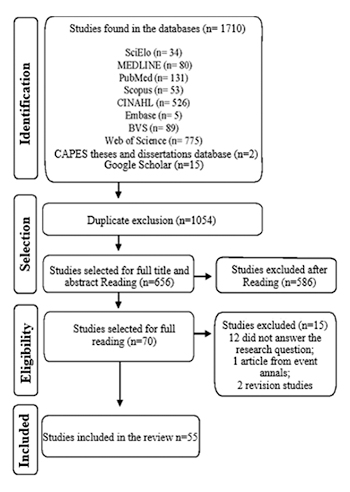 Source: PRISMA, adapted