| Fallah M et al.17 |
To explore the use of a virtual avatar via smartphone to assist patients with atrial fibrillation in health management, encouraging the use of an integrated heart rhythm sensor. |
Participants in the intervention group positively evaluated the virtual coach in terms of trust, likability, and knowledge. The number of sessions (average of 76.7 over 4 months) was associated with more positive attitudes. There was a sense of closeness to the avatar and a desire to include it in the care routine. |
| Zhu Y et al.18 |
(1) To explore attitudes toward visual cues for self-management in hypertensive patients; (2) To investigate the association between avatar appearance and healthy behavior; (3) To propose guidelines for design. |
After two weeks of use, participants reported understanding the relationship between the avatar’s appearance and their own health status, which motivated them to adopt healthy habits and modify the avatar’s appearance. Design guidelines were described, highlighting that task structuring with specific goals facilitated engagement, with interest in expanding goals, such as including sleep and emotions in self-management. |
| Gingele AJ et al.19 |
To clarify the role of the avatar in telemedicine and heart failure care. |
Most patients considered communication with the telemedicine avatar (similar to a nurse) to be satisfactory and easy. Suggestions for improvement included a preference for weekly contacts, voice recognition, and the need for the avatar to avoid reading punctuation marks in its speech. |
| Gallagher R et al.20 |
To assess the impact of the gamified application MyHeartMate on lifestyle changes in patients with cardiovascular risk and coronary artery disease (CAD). |
The use of the application for six months did not result in significant lifestyle changes or a reduction in risk factors, although it contributed to a reduction in triglyceride levels and an increase in physical activity. The tool was considered useful, with high acceptability for tracking behaviors and encouraging self-care, but with limited effects for lasting lifestyle changes. |
| Hickman RL, Clochesy JM, Alaamri M.21 |
(1) To examine the effects of the electronic hypertension self-management intervention (eSMART-HTN) and attention control on patient-professional interaction over time; (2) To assess the effects on functional health literacy in adults with hypertension. |
Participants interacted with an avatar in communication simulations (expressing needs and preferences) and in education on hypertension self-management. After three months, there was improvement in communication with healthcare professionals and a modest increase in health literacy compared to the control group. |
| Zisis G et al.22 |
To determine whether an avatar-based application can improve outcomes in heart failure by promoting knowledge, quality of life, and self-care behavior. |
Of the 36 participants, only 10 used the application and only two engaged for eight weeks. These showed improvement in self-care, with greater adherence among younger individuals and those with higher educational levels. In contrast, older adults and individuals without technological experience discontinued use after the first session. None of the engaged users were readmitted, suggesting potential benefits of the application, while six of the non-engaged participants were rehospitalized. |
| Du H et al.23 |
(1) To develop an avatar application with experts, developers, and patients with heart failure; (2) To evaluate the feasibility of the application to improve knowledge and self-care behaviors; (3) To assess patient satisfaction. |
The intervention was divided into sections, consisting of 8 to 10 minutes for reviewing educational content (total average time of 50 to 60 minutes), through feasibility and acceptability testing. There was a significant improvement in knowledge, as well as in self-care maintenance and confidence, but not in self-management. Satisfaction was high (89.2%), with praise for ease of use, clarity, font size, accessible language, and usability. The application helped in understanding health, learning about nutrition, and monitoring weight. |
| Guhl E et al.24 |
To evaluate the acceptability, adherence, and effectiveness of an avatar-based application for patients with atrial fibrillation. |
There was moderate adherence to the intervention, with 61 participants allocated to the intervention group. After 30 days of use, there was an improvement in quality of life and medication adherence. The avatar was considered useful, reliable, and informative. |
| Wonggom P et al.25 |
To evaluate the effectiveness of an educational avatar-based application to improve knowledge and self-care behaviors in patients with heart failure. |
After 90 days of use, there was a significant improvement in knowledge and self-care management in the intervention group, but no increase in confidence between groups. Participants reported high satisfaction with the application, highlighting clarity and adequacy of the information. |
| Zisis G et al.26 |
To evaluate the feasibility of a nurse-led management program with patients with heart failure selected as high risk for short-term hospital readmission, using ultrasound-guided diuretic management and artificial intelligence to improve heart failure knowledge in an outpatient setting. |
Feasibility study with 21 patients over 75 years old, hospitalized due to decompensated heart failure. After 52 days of use, improvements were observed in quality of life, self-care behaviors, and specific knowledge about heart failure. |
| Tongpeth J, et al.27 |
To evaluate the effectiveness of an avatar-based application for the education of individuals with acute coronary syndrome. |
There were significant improvements in the intervention group, as well as changes in attitudes, beliefs, and intentions to act in response to a heart attack, after one and six months. |
| Tongpeth J, Du HY, Clark R28 |
To develop and evaluate an interactive avatar-based educational application to improve patient knowledge and response to symptoms of acute coronary syndrome. |
The avatar-based educational application, focused on heart attack symptoms, was presented to 10 patients who completed a pre- and post-test. The results indicated an increase in knowledge about heart attack symptoms, as well as high levels of satisfaction and engagement reported by users. |
| Magnani JW et al.29 |
To test a smartphone application avatar as preparation for a randomized clinical trial, the Atrial Fibrillation Health Literacy Information Technology Trial (AF-LITT). |
After 30 days of use, along with phone contacts during the first 7, 14, and 21 days to discuss any difficulties, 31 participants reported significant improvement in quality of life and a slight increase in medication adherence. The avatar was considered useful and reliable. |
| Athilingam P et al.30 |
To design interactive educational modules on a smartphone platform specifically for patients with congestive heart failure. |
Based on free use for up to two hours or until participants felt ready to provide feedback, most participants trusted the use of the application for heart failure, praising its intuitive design and relevant content. Participants reported learning new information and considered it useful for newly diagnosed patients. |

 Educational avatars for patients with cardiovascular diseases: a scoping review
 Thumbnail
 Thumbnail
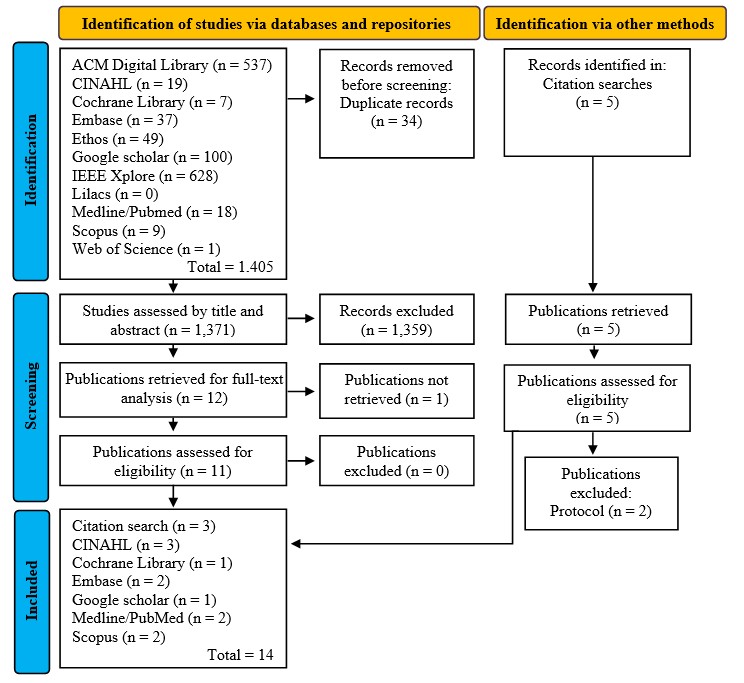 Source: research data, 2025.
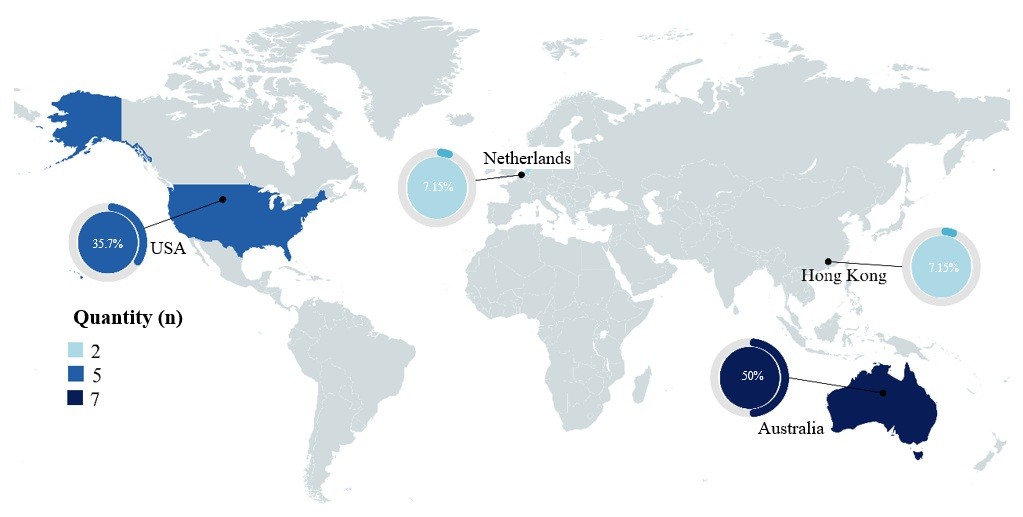 Source: prepared by the authors using the Canva tool, 2025.