 Post-treatment paradoxical reaction in tuberculous flexor tenosynovitis with rice bodies after a cat bite
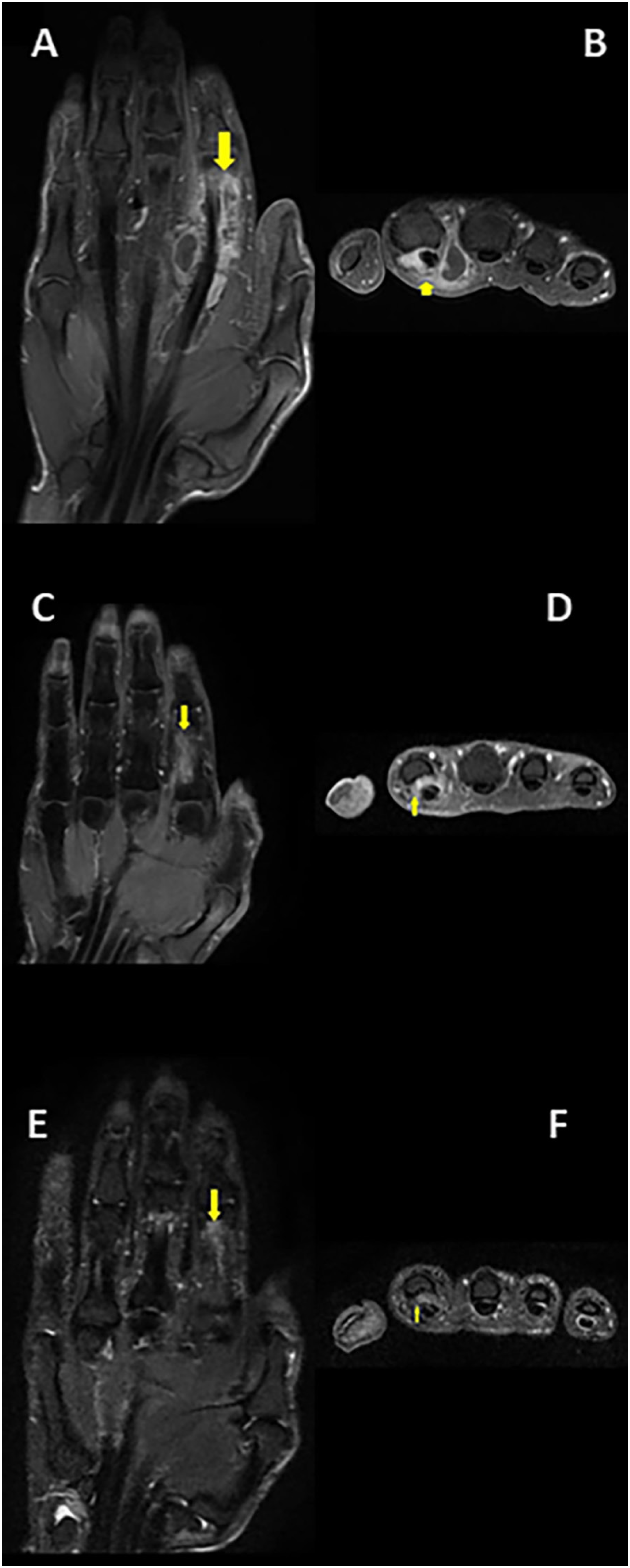
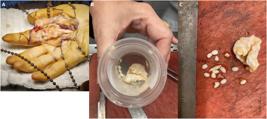
Tuberculous tenosynovitis is a rare form of extrapulmonary tuberculosis characterized by an indolent course and nonspecific clinical findings, frequently leading to delayed diagnosis. Paradoxical inflammatory reactions during or after anti-tuberculosis therapy may further complicate clinical management and mimic disease relapse. This is a case study regarding a 54-year-old female veterinarian presented with a four-year history of progressive swelling and induration of the right index finger extending to the palm, accompanied by gradually worsening limitation of finger flexion and hand grasp. Magnetic resonance imaging demonstrated extensive flexor tenosynovitis with synovial proliferation. Tenosynovectomy revealed multiple rice bodies surrounding the flexor tendon. Histopathology showed well-formed granulomas without central necrosis, accompanied by focal stromal coagulative necrosis, while microbiological tests were negative. Tuberculous tenosynovitis was diagnosed based on clinical, radiological, and histopathological findings, and anti-tuberculosis therapy was initiated. The patient showed gradual clinical improvement over the nine-month course of treatment. However, one month after therapy completion, recurrent finger swelling with axillary and new epitrochlear lymphadenopathy developed. In the absence of evidence of relapse, a post-treatment paradoxical inflammatory reaction was suspected. Corticosteroid therapy resulted in rapid clinical improvement. This case highlights the diagnostic challenges of tuberculous tenosynovitis, particularly in patients with delayed presentation and negative microbiological findings, and underscores that paradoxical inflammatory reactions may occur even after completion of anti-tuberculosis therapy, potentially mimicking disease relapse.
KEYWORDS:
Paradoxical reaction; Rice bodies; Tenosynovitis; Extrapulmonary tuberculosis; Osteoarticular tuberculosis
 Thumbnail
 Thumbnail
 Thumbnail