 Nano iron particles influence on mechanical properties and morphological analysis of polymer composites
ABSTRACT
The performance of polymer-based nano iron composites reinforced with natural fibers and nanoparticles is investigated in this work with the aim of enhancing their mechanical electrical and water-absorbing properties for a variety of applications. System 1 (PLA with nano iron particles) System 2 (PLA with natural fillers) and System 3 (PLA with both natural fillers and nano iron particles) are the three composite systems that were developed. Mechanical performance assessment tests including tensile compression and bending tests as well as electrical conductivity and water absorption morphological analysis using SEM and EDAX were all conducted. According to the results System 3 which combines natural fillers with nano iron showed superior tensile and flexural strength because of improved filler dispersion and improved filler-matrix bonding. The creation of a conductive network by nano iron was responsible for System 2s highest electrical conductivity (340 µS/cm). Compression testing showed that Systems 2 and 3 were stronger because there were fewer voids and cracks spreading. System 2 did however exhibit a high water absorption rate of 20% which may indicate durability problems. According to this study adding natural fibers and nanoparticles to PLA composites may produce lightweight incredibly durable multifunctional materials with exciting potential uses in the electronics automotive and construction sectors.
Keywords:
Nano iron particles; ESM analysis; EDAX analysis; Tensile; Polymer matrix Composites; Natural fillers
1. INTRODUCTION
Composite materials are becoming more and more popular in a variety of industries because they make products lighter and more functional. Polymer-based nanoiron composites which are especially useful for applications needing better surface quality and fuel efficiency have been made possible by the advancement of composite technology. Synthetic or organic composite materials are made by fusing two or more distinct materials to produce a product with better qualities than its component parts. Usually reinforcement and a matrix are the two main parts of a composite. The matrix acts as the structural backbone supporting and shielding the reinforcement components while the reinforcements add their special mechanical and physical properties to improve the composites overall performance. This combination produces materials that are more affordable lighter and stronger than traditional alternatives. This study intends to advance our knowledge of composite materials by examining these diverse facets especially as they pertain to the creation of polymer nanocomposites that gain from nanoiron reinforcements.
This study offers a path for the use of novel composite formulations in a variety of engineering domains and demonstrates their potential. The uniform particle dispersion improved hardness smoothness reduced friction and increased fuel efficiency make nano iron composites more significant than conventional composites. Actually they offer affordability biodegradability and a reduced environmental impact. For instance kenaf and jute composites enhance lightweight durability for use in automobiles. This study will evaluate the water absorption mechanical and electrical characteristics of polymer-based nano iron composites reinforced with natural fibers. Goals that explore how nano iron particles enhance composite strength conductivity and durability are in line with earlier studies. This is especially true when combined with sustainable natural fibers like PLA and other fillers. In an effort to improve performance for a variety of applications such as building and automotive materials this builds on past research that highlighted the benefits of natural fibers and nano reinforcement in composites. By combining natural fibers—which have not been thoroughly investigated—with nanoiron particles nano-reinforced polymer composites expand on earlier studies. Previous studies mostly focused on synthetic fibers or metal reinforcement separately. In this work nano iron is combined with natural fibers such as PLA and areca nutshell powder to provide a more environmentally friendly alternative to conventional composites. New information about enhancing mechanical properties conductivity and sustainability is also provided by this integration.
Recent advancements in natural fiber-reinforced composites highlight their potential in various applications due to their environmental benefits and mechanical properties. Different types of natural fibers and their contributions to composite performance are discussed [1]. Geospatial techniques are utilized to estimate sediment yield and recommend soil conservation measures for the Agrani River basin, underscoring the importance of spatial analysis in environmental management and sustainable development [2]. Precipitation-assisted stress relaxation and creep behavior during the aging of a nickel-iron superalloy are investigated, contributing to the understanding of material performance under prolonged stress and high temperatures, relevant for aerospace applications [3].
A failure analysis of 3D-printed woven composite plates with holes under tensile and shear loading provides insights into the mechanical behavior of additive-manufactured composites, essential for optimizing design and manufacturing processes. The study highlights low tensile and shear strength due to poor interlayer bonding and suggests design optimization through better matrix-fiber adhesion [4]. The synthesis and characterization of bulk YBCO (Yttrium Barium Copper Oxide) targets for superconducting materials are discussed, with implications for advancements in superconducting technology and potential applications [5]. Enhanced mechanical and durability properties of plastic aggregate concrete modified with nano-iron oxide and sisal fiber are explored, demonstrating the benefits of incorporating these materials for improved performance in construction applications [6]. Novel high-performance textile fiber-reinforced aluminum matrix composites are fabricated using friction stir processing, emphasizing the mechanical properties and potential applications of these composites in structural engineering [7]. Hybrid polymer composites reinforced with Moringa oleifera and Boehmeria nivea fibers, embedded with copper oxide particulates, are evaluated. The study assesses thermal, structural, and biological properties, highlighting the multifaceted benefits of these composites. Fibers with copper oxide enhance thermal stability and antibacterial properties, making them suitable for biomedical and packaging applications [8]. The fabrication of biodegradable chicken feathers into eco-friendly functionalized biomaterials is detailed, with material characterization and bio-assessments demonstrating their potential in sustainable applications [9].
Nano-modified feather keratin is investigated as a green biosorbent for heavy metal remediation from synthetic wastewater, highlighting its effectiveness and contribution to environmental sustainability efforts [10]. Water hyacinth waste is used to produce fiber-reinforced polymer composites for concrete confinement, with discussions on mechanical performance and environmental benefits advocating for the use of agricultural waste in composite production [11]. The properties of epoxy polymer composites reinforced with wastewater hyacinth powder and eggshell filler are analyzed, presenting data on mechanical performance and emphasizing the sustainability of using biological waste in composites [12].
Glass fiber-reinforced polymer composites are summarized, detailing advancements in materials, applications, and performance characteristics, and highlighting their growing relevance in various industries [13]. The strength characteristics of E-glass fiber-reinforced epoxy composites with various filler materials are investigated, contributing to the optimization of composite formulations for improved mechanical performance [14]. Tensile creep in basalt fiber-reinforced polymer plates is monitored using electrical potential changes and artificial neural networks, presenting a novel approach to understanding creep behavior in composite materials [15].
The effect of aspect ratio on dynamic fracture toughness in particulate polymer composites is examined using artificial neural networks, providing insights into optimizing composite design for enhanced toughness [16]. Optimal filler content for cotton fiber/PP composites is identified based on mechanical properties through artificial neural networks, demonstrating the potential of AI in material optimization and paving the way for improved composite formulations [17].
2. MATERIALS AND METHODS
2.1. Selection of materials
The choice of materials has a direct impact on the mechanical electrical and moisture-resistant qualities of polymer composites making it an essential component in their creation. A range of materials were selected for this study each with special qualities that enhance the composites overall performance.
2.2. Natural fillers
Natural fibers like hemp fiber e-glass fiber powdered areca nutshell (Areca catechu) powdered hen feather (Phasianidae) and powdered water hyacinth stem (Eichhornia crassipes) were all investigated in this study. The low weight affordability sustainability and ease of use of these fibers led to their selection. To ensure purity and compatibility for composite applications a number of natural fillers were carefully manufactured such as hemp fiber E-glass fiber hen feather powder (Phasianidae) hyacinth stem powder (Eichhornia crassipes) and areca nutshell powder (Areca catechu). First the hen feathers were gathered from chicken farms or processing plants to make sure they were clean. The PLA matrix was mixed with nano iron powder and natural fiber fillers to create the composite samples. To create the composite samples a melt blending procedure was employed followed by compression molding. Prior to molding the PLA resin was thoroughly mixed with the fiber and nano iron powders to guarantee even dispersion. For optimal filler bonding and composite strength particular pressure and temperature settings were chosen. After the feathers were collected any dirt or contaminants were carefully washed away with clean water. After being cleaned the feathers were laid out in a single layer on a drying surface and exposed to the sun to finish drying. A machine grinder was used to grind the feathers into a fine powder once they were totally dry. A consistent particle size was produced by adjusting the grinders settings so that the feathers could be successfully incorporated into composite materials. Moreover hyacinth stems were collected cleaned dried and ground into a fine powder to make use of their lightweight and fibrous nature. Areca nutshells were dried and ground to create the right powder. Then the collected soaked dried and ground hemp fibers to get a consistent texture. After being obtained from vendors or production facilities e-glass fibers were chopped and ground into a fine powder. The resulting natural fillers which provide lightweight biodegradable reinforcement options that enhance the overall sustainability and mechanical properties of composite materials demonstrate the potential for incorporating these natural fibers into cutting-edge engineering applications. Natural fillers like hen feather powder enhance tensile strength and lightweight properties, while water hyacinth powder improves impact resistance. Areca nutshell powder adds rigidity but reduces flexibility. The choice of filler influences composite performance by affecting strength, durability, and weight, making material selection crucial for specific applications like automotive or packaging. In Table 1, the mechanical and physical properties of the selected natural fibers are outlined in detail.
2.2.1. Nano iron powder (iron oxide)
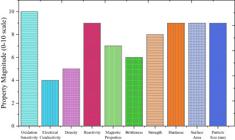
To prepare nano iron powder using the ball milling process, begin by loading bulk iron powder along with milling media, such as steel or ceramic balls, into a ball mill. It is important to fill the milling jar to approximately 30%–50% of its total capacity to allow for effective milling action. The iron powder wont oxidize during the milling process if the jar is kept tightly sealed and purged with an inert gas such as argon. After that set the ball mills rotational speed to between 300 and 400 RPM. The milling process can take anywhere from a few hours to several days depending on the size of the target nanoparticle. Using analytical techniques like Scanning Electron Microscopy (SEM) to measure the particle size on a regular basis is advised in order to monitor progress. Once the necessary particle size is achieved which is typically less than 100 nanometers the milling process should be stopped. The nano iron powder needs to be meticulously gathered with minimal exposure to the air. Maintain the nano iron powder in an inert atmosphere such as a sealed container that has been purged of argon to keep it reactive and prevent oxidation to ensure the product is stable and long-lasting. This method facilitates the production of high-quality nano iron, which is suitable for various materials for science and engineering applications. Figure 1 shows the mechanical and physical properties of Nano iron powder.
2.2.2. Injection molding with PLA
Injection molding with Polylactic Acid (PLA) necessitates meticulous material preparation and machine settings. Start by drying PLA granules at 60°C for 3-4 hours to eliminate moisture, which can lead to defects. Set the injection molding machine to a barrel temperature of 170°C to 210°C and a mold temperature of 30°C to 60°C. Utilize moderate injection pressure (600 to 1,200 bar) and maintain a low to medium screw speed to prevent material degradation. After loading the dried PLA into the hopper, inject it into the mold and allow it to cool before ejection. Ensuring proper moisture control and temperature settings is crucial for high-quality PLA parts. Figure 2 demonstrates material properties of PLA. PLA’s biodegradability and ease of processing make it eco-friendly, but it has low thermal resistance and requires moisture control during molding. And its Poor control leads to hydrolytic degradation, causing voids and reduced mechanical strength during injection molding.

2.3. FIRP material preparation
To produce fiber-reinforced Polylactic Acid (PLA) using an injection molding machine, specific preparation steps are essential. First, select appropriate fiber samples, including Hen Feather Powder [PF1], Water Hyacinth Stem Powder [PF2], Areca Nutshell Powder [PF3], Hemp Fiber Powder [PF4], and E-Glass Fiber [PF5], alongside Nano Iron Powder. These fibers should be compatible with PLA’s processing temperatures and conducive to uniform distribution within the mold system. Pre-mix the selected fibers with PLA granules, ensuring even blending, while drying both materials to eliminate moisture—typically drying PLA at 60°C for 3-4 hours to prevent defects during molding. Next, set up the vertical injection molding machine, adjusting the barrel temperature to between 170°C and 210°C based on the specific PLA type, and the mold temperature to 30°C to 60°C. Load the fiber-reinforced PLA composite into the machine’s hopper. During the injection process, the composite is melted and injected into the mold cavity, necessitating careful control of injection pressure and screw speed to avoid fiber damage and ensure even material flow. After allowing the mold to cool—taking into account that fiber-reinforced PLA may require longer cooling times due to fiber content—eject the finished specimens. Subsequently, perform any necessary post-processing, such as trimming excess material. The resulting fiber-reinforced PLA composites will undergo mechanical testing, electrical conductivity assessment, and water absorption analysis. Figure 3 demonstrates the preparation of FRIP.

The formulations for the composites are as follows:
System 1 consists of 75% polymer and 25% fibers; System 2 comprises 75% polymer and 25% nano iron; and System 3 includes 75% polymer, 12.5% fibers, and 12.5% nano iron. Because the nano iron particles are evenly distributed throughout the matrix PLA composites containing nano iron powder especially those in Systems 2 and 3 exhibit increased compressive strength. This dispersion improves load transfer and stress distribution while strengthening the composite by minimizing voids and defects. Additionally as reinforcement points nanoiron particles prevent cracks from spreading and increase resistance to deformation under compression. Furthermore the matrixs resistance to compressive loads is increased by the better interfacial bonding between PLA and the fillers. The enhanced compressive performance seen in these composite systems is a result of these mechanisms working together.
2.3.1. Mechanical testing
The performance of fiber-reinforced polymer composites must be assessed mechanically since it gives information about the materials strength flexibility and durability under varied loading scenarios. Electrical conductivity water absorption tensile compressive and bending properties are some of the crucial mechanical attributes assessed. When assessing whether a composite is suitable for a particular application each of these elements is essential. Prepare the test samples first as is customary with nano-iron-reinforced fiber polymer composites. Mix the reinforcing fibers and nanoiron particles with the polymer matrix such as PLA to ensure that they are dispersed equally throughout the polymer. The mixture is then molded into standard tensile test specimens usually measuring 5 mm by 200 mm by 50 mm using standards like standard 131. According to the results of the mechanical testing System 3 (PLA + natural fibers + nano iron) performs better than the other systems in terms of tensile compressive and flexural strength. In addition to adding strength and decreasing voids natural fibers also add sustainability and light weight. These results suggest that System 3 could find use in lightweight high-strength applications such as construction and automotive materials where environmental impact and mechanical performance are crucial.
2.3.2. Tensile testing
Tensile testing measures how resistant a material is to being torn apart. This test typically adheres to ASTM D638 and other recognized standards. Using a universal testing apparatus specimens are clamped tightly and subjected to uniaxial tensile forces until they shatter. Important parameters like ultimate tensile strength elongation at break and Youngs modulus are ascertained by analyzing the resulting stress-strain curve. These metrics provide crucial information about the materials resistance to stretching forces with higher values denoting greater strength and elasticity. Fiber-reinforced composites often exhibit improved tensile characteristics due to the improved interfacial interaction between the fibers and the polymer matrix which helps a more effective distribution of load throughout the material.
2.4. Compression testing
The process of compression testing is used to ascertain a materials ability to tolerate axial loads that shorten its length. Placing specimens between two parallel plates in a universal testing machine adheres to the ASTM D695 compression criteria. Compressive stress-strain curves are used to show how materials behave under compression including their ultimate compressive strength and yield strength. These composites are appropriate for applications needing stability and strength under compression because fiber reinforcement in polymer matrices can greatly increase compressive properties by increasing load-bearing capacity and energy absorption.
2.5. Bending testing
A three-point bending test is commonly used in bending testing to evaluate the flexural strength and modulus of composite materials in accordance with ASTM D790 standards. This method applies a load at the center of the specimen while supporting it at both ends. The test determines the composites resistance to bending force which is crucial for structural uses. When compared to unreinforced polymer matrices bending test results usually demonstrate that the addition of reinforcing fibers or particles greatly increases flexural strength. In applications where materials are subjected to bending moments such as construction and automotive parts improved flexural qualities are essential.
2.6. Electrical conductivity analysis
One essential property that affects how well fiber-reinforced polymer (FRP) composites work in electrical applications is electrical conductivity. Numerous variables including the fiber volume percentage the kind and orientation of the reinforcing fibers and the composition of the polymer matrix affect this feature. To guarantee accuracy and reduce contact resistance a four-point probe technique is usually employed. The framework for figuring out the electrical conductivity of these composites is provided by the ASTM D3410 standard. When choosing materials for design processes knowledge of electrical conductivity helps determine whether FRP composites are suitable for applications requiring electrical insulation or conduction.
2.7. Water absorption testing
Water absorption is a significant attribute of fiber-reinforced polymer composites that influences their long-term performance dimensional stability and resilience in damp environments. A preset period of time is spent submerging the specimens in water to calculate the water absorption percentage (Figure 4). The observed water absorption rates are influenced by the hydrophilic nature of the natural fibers, which tend to absorb moisture. The addition of nano iron particles may reduce this effect by improving the overall structure and reducing porosity. However, nano iron alone does not eliminate the fiber’s inherent water absorption properties, which could potentially affect the long-term durability of the composite in humid or wet conditions. The mass increase is then measured. Lower water absorption values are preferred because high moisture absorption can lead to physical property changes reductions in mechanical strength and potential degradation of the composite all of which can affect how well the composite performs in use. For 24, 48, and 72 hours, the specimens were immersed in a borous medium, which is a boron-containing water solution. The samples were taken out, cleaned, and weighed to find out how much water had been absorbed at each time interval. The following formula was used to determine the percentage of water absorption in Eq. (1):

where Wwet is the wet weight after submersion and Wdryis the dry weight before submersion.
3. ANN ARCHITECTURE
Mechanical properties can be efficiently predicted and optimized by applying Artificial Neural Networks (ANNs) to fiber-reinforced polymer composites. While properties like tensile and flexural strength are among the outputs the process begins with defining important input variables like fiber type orientation volume fraction and matrix material. After being collected from simulations or experiments a dataset is normalized and divided into training and testing sets. With an input layer for variables hidden layers for non-linear relationships and an output layer for predictions Figure 5 depicts the ANN architecture. Following backpropagation training metrics such as mean squared error (MSE) are used to assess the accuracy of the ANN. With the help of this technique material design and process optimization are made easier minimizing the need for intensive physical testing and enabling engineers to improve composite quality and make precise predictions. By examining intricate non-linear relationships between material composition and performance ANN models can be integrated to enable precise predictions of mechanical properties. By simulating a variety of scenarios ANN eases optimization speeds up material design and lowers experimental costs. Precision scalability and the capacity to forecast properties for customized composite applications are enhanced for future research.

3.1. EDAX analysis
EDS also known as Energy Dispersive X-Ray Spectroscopy (EDAX) is an analytical method for determining a materials elemental makeup. In order to produce distinctive X-rays from the elements present a sample is subjected to a high-energy electron bombardment. By examining these X-rays scientists can ascertain the samples elemental composition which gives them information about its structure and composition. For high-resolution imaging and elemental analysis EDAX is frequently used in conjunction with scanning electron microscopy (SEM). This method is frequently used to evaluate the quality and characteristics of materials at the micro and nanoscales in the fields of materials science metallurgy and nanotechnology. By determining the elemental composition it helps to ensure material homogeneity at the micro and nanoscales and helps to understand how fillers disperse.
3.2. Morphological analysis
To comprehend the microstructure of fiber-reinforced polymer matrix composites (FRPMCs) scanning electron microscopy (SEM) is essential. This analysis reveals the distribution orientation and interfacial bonding of fibers within the polymer matrix which significantly influence the mechanical properties of the composite. Researchers can evaluate the efficacy of fiber reinforcement spot flaws and view fracture mechanisms at the microscale thanks to SEMs high-resolution images. One can link the structure and performance of the composite by looking at its morphological features which will help with the design and optimization of FRPMCs for a range of engineering uses. A consistent distribution of nano iron particles in the PLA matrix was shown by SEM and EDAX and this is correlated with enhanced mechanical qualities like conductivity and tensile strength. While the EDAX analysis verified the presence of essential elements like iron which improves conductivity and strength by forming a conductive network within the matrix the SEM images revealed few voids and better fiber-matrix bonding in Systems 2 and 3.
4. RESULTS AND DISCUSSION
4.1. Tensile test results
Table 2 presents a comparative analysis of the mechanical properties of PLA (Polylactic Acid) and its composites with various fillers, including hen feather shell powder, water hyacinth stem powder, areca nutshell powder, hemp fiber, E-glass fiber, and nano iron powder. PLA alone (System 1) shows an ultimate tensile strength (UTS) of 52 MPa, elongation at break of 7%, Young’s modulus of 2.7 GPa, and density of 1.24 g/cm3. When combined with fillers, the mechanical properties vary. PLA with hen feather shell powder has reduced UTS (30.5 MPa) and elongation (6.2%), while its density significantly drops to 0.55 g/cm3. PLA mixed with water hyacinth stem powder and areca nutshell powder also shows reduced UTS, elongation, and Young’s modulus. On the other hand, PLA reinforced with hemp fiber improves the UTS to 36.5 MPa and maintains comparable elongation and density. Reinforcement improves tensile strength, stiffness, and lightweight properties, ideal for applications requiring strength-to-weight optimization, such as aerospace and automotive.
PLA with E-glass fiber demonstrates a significant increase in Young’s modulus (5.4 GPa), but with reduced elongation. Adding nano iron powder (System 2) enhances UTS and stiffness, with System 3 (PLA + hen feather shell powder + nano iron powder) showing improvements in UTS (56 MPa) and Young’s modulus (4.2 GPa). Other systems incorporating nano iron powder, such as PLA combined with areca nutshell powder and hemp fiber, demonstrate even higher UTS and stiffness, reaching a peak of 105 MPa with E-glass fiber and nano iron powder, albeit with lower elongation at break (1.6%). Overall, the inclusion of PLA + E-glass fiber + nano iron powder (system 3) enhances the mechanical performance of PLA-based composites. Hen feather and nano iron synergistically improve interfacial bonding and load transfer, offering superior UTS and modulus compared to other PLA composites.
4.2. Compression test results
The mechanical properties of polylactic acid (PLA) composites were evaluated, showing significant variations with different fillers which is illustrated in Table 3. Pure PLA had a compressive strength of 50 MPa and a modulus of 2.5 GPa. The addition of water hen feather shell powder decreased the strength to 45.3 MPa but increased the modulus to 2.7 GPa. Incorporating hyacinth stem powder resulted in 42.1 MPa, while areca nutshell powder improved strength to 48.5 MPa. With hemp fiber, the strength rose to 53.2 MPa, and E-glass fiber reached 62.8 MPa. In System 2, nano iron powder boosted the strength to 71.2 MPa, while combinations in System 3, such as hemp fiber with nano iron powder, achieved a maximum strength of 90.5 MPa. These findings highlight the potential of PLA composites.
4.3. Bending test results
The data presented in the Table 4 indicates a comparative analysis of various filler types used in conjunction with polylactic acid (PLA) across different systems, focusing on key mechanical properties such as flexural strength, flexural modulus, density, and deflection at failure. System 1, incorporating only PLA, exhibits a flexural strength of 45 MPa and a flexural modulus of 3 GPa, with a density of 1.24 g/cm3 and a deflection at failure of 6 mm. In contrast, System 2, which utilizes PLA combined with nano iron powder, significantly improves flexural strength to 70 MPa and maintains a flexural modulus of 3.2 GPa, demonstrating increased density at 1.6 g/cm3 but a lower deflection at failure of 3.5 mm. System 3 outperforms in flexural strength and modulus due to the synergistic effect of hen feather shell powder and nano iron powder, which enhance interfacial bonding, load transfer, and stress distribution. The improved matrix-filler interaction reduces microcracks and increases stiffness. Lower deflection at failure indicates better resistance to bending loads, correlating with enhanced mechanical integrity. However, System 3, which combines PLA with hen feather shell powder and nano iron powder, achieves the highest flexural strength of 92.5 MPa and a flexural modulus of 4.8 GPa, with a density of 1.45 g/cm3 and the least deflection at failure of 3.2 mm. This indicates that System 3 not only enhances mechanical performance but also optimizes material efficiency, making it the superior choice among the options analyzed.
4.4. Electrical conductivity
Table 5 summarizes the electrical conductivity of various filler types combined with polylactic acid (PLA), organized by different systems. In System 1, pure PLA demonstrates an electrical conductivity of 100 µS/cm, which increases with the addition of fillers. Notably, PLA with hemp fiber achieves a conductivity of 250 µS/cm. In System 2, incorporating nano iron powder enhances conductivity significantly to 300 µS/cm. System 3, which includes a combination of hen feather shell powder and nano iron powder, exhibits the highest electrical conductivity at 320 µS/cm, with a corresponding value of 280 µS/cm when mixed with epoxy resin. The inclusion of conductive fillers consistently improves the electrical properties of PLA, demonstrating their potential for applications in conductive and composite materials.
4.5. Water absorption test
Table 6 illustrates the water absorption characteristics of various PLA-based composites, categorized into three systems. In System 1, the pure PLA exhibits no water absorption, serving as a baseline for comparison. The incorporation of fillers enhances the water absorption properties, with PLA combined with water hyacinth stem powder demonstrating a significant weight gain of 15% in water absorption. System 2, featuring PLA with nano iron powder, shows the highest water absorption at 20%, indicating its increased susceptibility to moisture. In contrast, System 3, which combines PLA with water hyacinth stem powder and nano iron powder, achieves a balanced performance with an 18% weight gain, making it the most favorable choice for applications requiring moisture resistance and structural integrity. This combination of materials presents a promising option for developing advanced composites that meet specific performance requirements.
4.6. Artificial neural networks
The use of Artificial Neural Networks (ANN) can significantly improve the evaluation of fiber-reinforced polymer matrix composites especially polylactic acid (PLA) mixed with natural fillers. This method makes it easier to analyze important mechanical characteristics like electrical conductivity water absorption tensile bending and compression strength. Figure 6 further illustrates these characteristics. For example tensile strength tests show that PLA with E-glass fiber has a value of about 45 MPa while compression tests show that composites like PLA with hemp fiber have a compressive strength of about 80 MPa. Additionally bending tests demonstrate the performance showing that PLA composites containing powdered water hyacinth stem have a flexural strength of roughly 55 MPa. Furthermore PLA with nano iron powder can achieve conductivity values of 300 µS/cm according to electrical conductivity measurements expanding its use in electronics. Water absorption tests indicate that composites with natural fillers can reach around 15% weight gain, demonstrating the impact of moisture on structural integrity. By utilizing ANN models, researchers can predict these properties more accurately, leading to optimized formulations and improved performance of PLA-based composites in various applications.

The following are the ANN training results (a) tensile (b) compression (c) bending (d) electrical conductivity (e) water absorption.
4.7. EDAX analysis
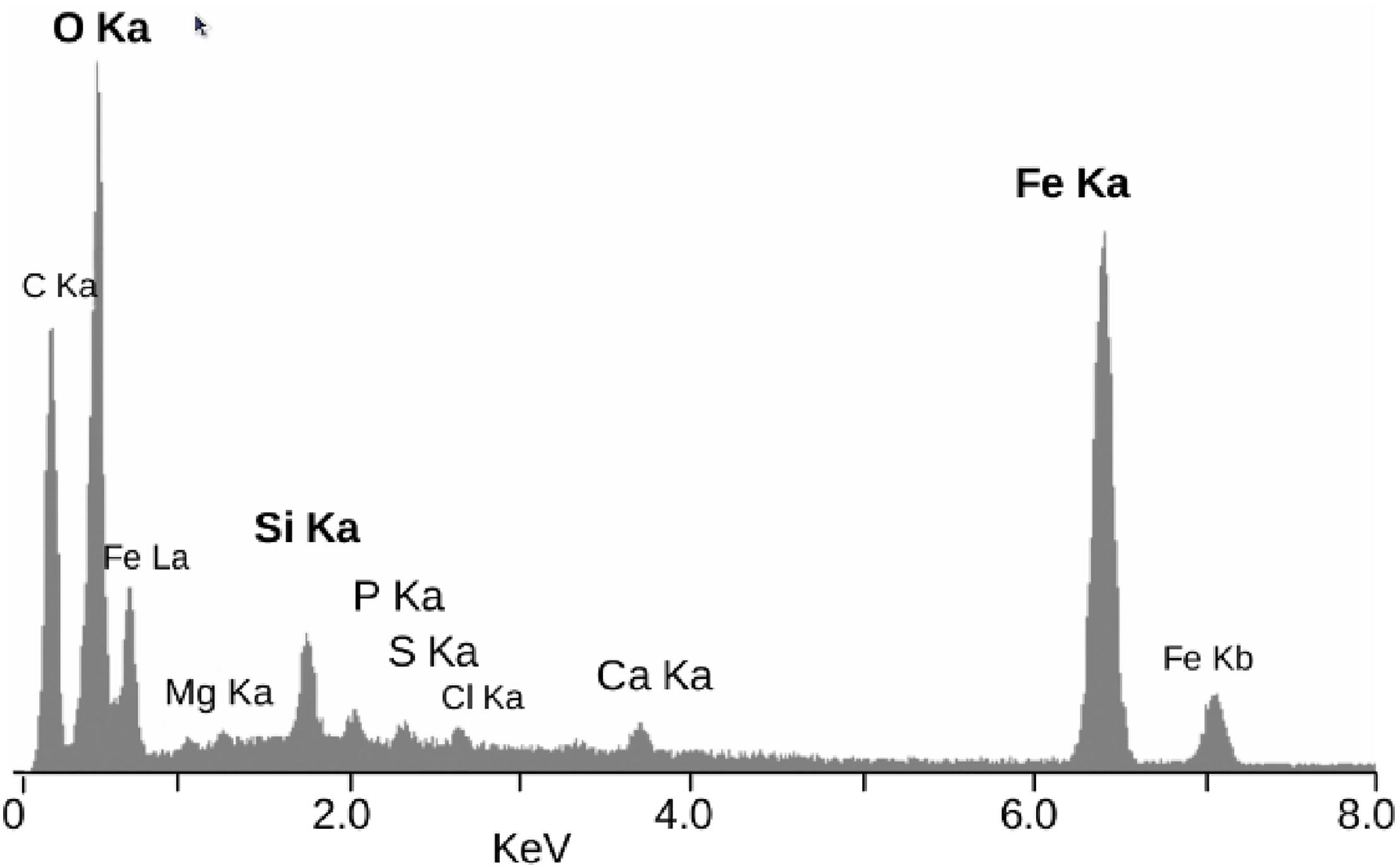
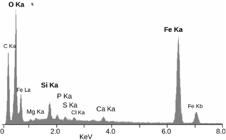
Energy Dispersive X-ray Spectroscopy (EDAX) analysis was employed to characterize the elemental composition of the nano iron powder used in the composite materials which is displayed in Figure 7. As evidence of the purity and efficacy of the nano iron powder as a reinforcing agent, the analysis showed a notable concentration of iron (Fe) along with trace amounts of oxygen (O) and carbon (C). The nano-sized iron particles have a high surface area and are highly reactive which promotes better bonding with the PLA matrix and improved mechanical properties. Nano iron powder in particular has been shown too significantly increase ultimate tensile strength in System 3 composites containing this filler achieved strengths as high as 71.5% MPa. This finding clearly illustrates the importance of elemental composition in reinforcing polymer matrix composites. The potential of nano iron powder to improve the performance characteristics of PLA-based composites is confirmed by the microstructural interactions seen by EDAX.
4.8. Microstructural analysis
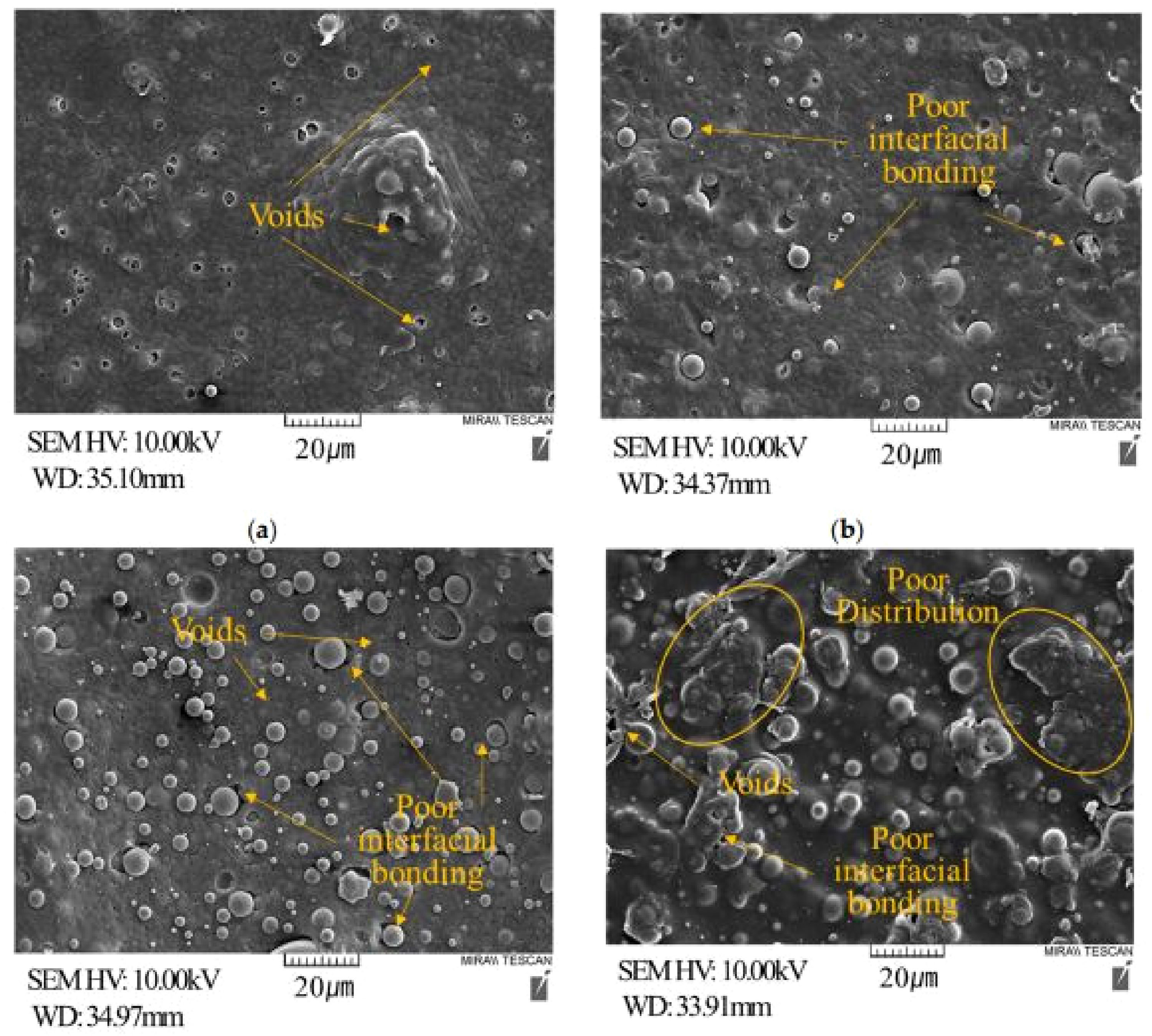
The microstructure of the PLA composites was examined using Scanning Electron Microscopy (SEM) which revealed the dispersion of fillers like water hyacinth stem powder hen feather shell powder and nano iron powder within the PLA matrix. Enhancing interfacial bonding and load transfer between the filler and matrix is made possible by the uniform distribution of nano iron powder as shown by the SEM images in Figure 8. The uniform distribution of nano iron powder in System 3 ensures consistent stress transfer and eliminates weak points, enhancing tensile, compressive, and flexural properties. This homogeneity improves structural integrity by preventing voids and crack initiation, leading to superior mechanical performance compared to other systems with uneven filler dispersion.

Scanning Electron Microscopy (SEM) images of PLA composites with various fillers (a) PLA (System 1) (b) PLA + nano iron powder (system 2) (c) LA + hen feather shell powder + nano iron powder (system 3) (d) PLA + hemp fiber + nano iron powder.
The micrographs of System 3 which includes nano iron powder and hen feather shell powder are particularly noteworthy because they show a well-integrated structure with little agglomeration improving the mechanical strength of the composite as a whole. Increased surface area for interaction is indicated by the composites observed rough surface morphology which further supports better mechanical performance and durability. Overall the results of the tensile, compression and bending tests are supported by the SEM analysis which highlights the crucial role that microstructural characteristics play in defining the mechanical properties of PLA composites.
5. CONCLUSION
This study investigates the water absorption mechanical and electrical characteristics of polylactic acid (PLA) composites reinforced with different fillers. The findings show that adding fillers improves performance on a variety of metrics and has a substantial impact on the materials properties.
-
The PLA composite containing E-glass fiber and nano iron powder exhibits the greatest strength improvement among the tested systems with an ultimate tensile strength (UTS) of 105 MPa. At the same time adding hemp fiber yields a noteworthy UTS of 71.5 MPa suggesting improved tensile performance.
-
The combination of hemp fiber and nano iron powder produced the highest recorded compressive strength of 90.5 MPa demonstrating the composites potential for structural uses. Additionally there was a notable increase in the compressive modulus which reached 6 GPa in composites containing E-glass fiber.
-
In bending tests, the system comprising hen feather shell powder and nano iron powder again shows the highest flexural strength of 92.5 MPa. The composites excellent rigidity is indicated by the flexural modulus peaking at 4.8 GPa.
-
Electrical conductivity measurements reveal that the inclusion of nano iron powder significantly enhances conductivity, with a peak value of 320 µS/cm observed in the hen feather shell powder and nano iron powder system. This indicates a strong potential for electrical applications.
-
The water absorption characteristics of the composites show that the highest absorption occurs in PLA with nano iron powder, reaching 20%, which highlights the moisture susceptibility of this material. However, the combination of water hyacinth stem powder and nano iron powder yields a balanced performance with 18% absorption, making it suitable for applications requiring moisture resistance.
-
EDAX and SEM analyses support these findings, providing insights into the composite morphology and the distribution of fillers, which correlate with the observed mechanical and electrical properties.
Overall, the study demonstrates that the strategic selection of fillers can significantly enhance the performance characteristics of PLA composites for various applications.
6. FUTURE SCOPE WITH LIMITATION
In the future this research will examine how to optimize polylactic acid (PLA) composites by adding different fillers and additives to improve their mechanical electrical and moisture-resistant qualities for particular uses in sectors like electronics automotive and packaging. Long-term durability and the environmental effects of these composites in practical settings including evaluations of biodegradability could be the subject of future research. Additionally composite structures can be creatively tailored for more complex applications using advanced manufacturing techniques like 3D printing. The studies shortcomings however are the variation in filler characteristics, possible difficulties in attaining uniform dispersion and bonding within the PLA matrix and the requirement for rigorous testing to meet industry standards. Furthermore the results may not be as applicable to other composite materials or applications due to the studies concentration on particular filler types.
6.1. Limitations
The generalizability of results in PLA composites is limited by the inherent variability in filler properties such as particle size shape surface area and chemical composition. The consistency of mechanical thermal and moisture-related qualities among batches is impacted by these discrepancies. Additionally processing variables like temperature pressure and blending methods can affect how fillers and the PLA matrix interact producing unpredictably different outcomes. Composite performance and durability are further impacted by environmental factors such as humidity and prolonged exposure to UV light. Standardizing filler preparation techniques such as chemical treatments or controlled ball milling will help future research overcome these constraints and guarantee consistent qualities. SEM EDAX and FTIR are examples of advanced characterization techniques that can verify the matrix interaction and filler dispersion uniformity. To lessen experimental variability researchers can also create predictive models by simulating material behavior under various conditions using machine learning and artificial neural networks (ANN). By working with industries PLA composites could be tested extensively in real-world settings supporting the validation of laboratory results. Furthermore investigating bio-based or hybrid fillers with customized qualities may maximize performance for particular sectors like packaging biomedical applications or the automotive industry while upholding environmentally friendly goals.
7. BIBLIOGRAPHY
- [1] Mirza, F.A., Haque, M., Ahsan, K.A., “Recent developments in natural fiber reinforced composites”, Composites Research, v. 22, n. 4, pp. 41–49, 2009.
-
[2] Zende, A.M., Patil, R.A., Bhosale, G.M., “Sediment yield estimation and soil conservation measures for Agrani River basin using geospatial techniques”, Materials Today: Proceedings, v. 5, n. 1, pp. 550–556, 2018. doi: http://doi.org/10.1016/j.matpr.2017.11.117.
» https://doi.org/10.1016/j.matpr.2017.11.117. -
[3] Qin, H., Wang, G., Yang, J., et al, “Study of precipitation-assisted stress relaxation and creep behavior during the ageing of a nickel-iron superalloy”, Materials Science and Engineering A, v. 742, pp. 493–500, 2019. doi: http://doi.org/10.1016/j.msea.2018.11.028.
» https://doi.org/10.1016/j.msea.2018.11.028. -
[4] Zhang, H., Chen, K., Ma, Z., et al, “Failure analysis of 3D printed woven composite plates with holes under tensile and shear loading”, Composites. Part B, Engineering, v. 186, pp. 107835, 2020. doi: http://doi.org/10.1016/j.compositesb.2020.107835.
» https://doi.org/10.1016/j.compositesb.2020.107835. -
[5] Hasan, N., Hafeath, H., Ahmed, A., “Synthesis and characterization of the bulk YBCO-target of superconducting material”, Materials Today: Proceedings, v. 42, pp. 2268–2272, 2021. doi: http://doi.org/10.1016/j.matpr.2020.12.314.
» https://doi.org/10.1016/j.matpr.2020.12.314. -
[6] Amjad, H., Ahmad, F., Qureshi, M.I., “Enhanced mechanical and durability resilience of plastic aggregate concrete modified with nano-iron oxide and sisal fiber reinforcement”, Construction & Building Materials, v. 401, pp. 132911, 2023. doi: http://doi.org/10.1016/j.conbuildmat.2023.132911.
» https://doi.org/10.1016/j.conbuildmat.2023.132911. -
[7] Olhan, S., Khatkar, V., Behera, B.K., “Novel high-performance textile fibre-reinforced aluminum matrix structural composites fabricated by FSP”, Materials Science and Engineering B, v. 289, pp. 116265, 2023. doi: http://doi.org/10.1016/j.mseb.2023.116265.
» https://doi.org/10.1016/j.mseb.2023.116265. -
[8] RAJA, T., DEVARAJAN, Y., LOGESH, K., et al, “Testing and evaluation of hybrid polymer composites reinforced with moringa oleifera and boehmeria nivea fibers, embedded with copper oxide particulates, for thermal, structural, and biological properties”, Journal of Testing and Evaluation, v. 52, n. 4, pp. 2401–2414, 2024. doi: http://doi.org/10.1520/JTE20230506.
» https://doi.org/10.1520/JTE20230506. -
[9] Goda, D.A., Badr, H.M., El-Masry, M.M., et al, “Fabrication of biodegradable chicken feathers into ecofriendly-functionalized biomaterials: characterization and bio-assessment study”, Scientific Reports, v. 12, n. 1, pp. 18340, 2022. doi: http://doi.org/10.1038/s41598-022-23057-4. PubMed PMID: 36316373.
» https://doi.org/10.1038/s41598-022-23057-4 -
[10] ZUBAIR, M., ROOPESH, M.S., ULLAH, A., “Nano-modified feather keratin derived green and sustainable biosorbents for the remediation of heavy metals from synthetic wastewater”, Chemosphere, v. 308, n. Pt 3, pp. 136339, 2022. doi: http://doi.org/10.1016/j.chemosphere.2022.136339. PubMed PMID: 36122754.
» https://doi.org/10.1016/j.chemosphere.2022.136339 -
[11] Jirawattanasomkul, T., MINAKAWA, H., LIKITLERSUANG, S., et al, “Use of water hyacinth waste to produce fibre-reinforced polymer composites for concrete confinement: mechanical performance and environmental assessment”, Journal of Cleaner Production, v. 292, pp. 126041, 2021. doi: http://doi.org/10.1016/j.jclepro.2021.126041.
» https://doi.org/10.1016/j.jclepro.2021.126041. -
[12] ARIVENDAN, A., THANGIAH, W.J.J., RAMAKRISHNAN, S., et al, “Biological waste water hyacinth (Eichhornia crassipes) plant powder particle with eggshell filler-reinforced epoxy polymer composite material property analysis”, Journal of Bionics Engineering, v. 20, n. 3, pp. 1386–1399, 2023. doi: http://doi.org/10.1007/s42235-022-00308-8.
» https://doi.org/10.1007/s42235-022-00308-8 -
[13] MORAMPUDI, P., NAMALA, K.K., GAJJELA, Y.K, et al, “Review on glass fiber reinforced polymer composites”, Materials Today: Proceedings, v. 43, pp. 314–319, 2021. doi: http://doi.org/10.1016/j.matpr.2020.11.669.
» https://doi.org/10.1016/j.matpr.2020.11.669 -
[14] Devendra, K., Rangaswamy, T., “Strength characterization of E-glass fiber reinforced epoxy composites with filler materials”, Journal of Minerals & Materials Characterization & Engineering, v. 1, n. 6, pp. 353–357, 2013. doi: http://doi.org/10.4236/jmmce.2013.16054.
» https://doi.org/10.4236/jmmce.2013.16054. - [15] ALTABEY, W.A., KHASAWNEH, F. A., ZATAR, A.O., “Tensile creep monitoring of basalt fiber-reinforced polymer plates via electrical potential change and artificial neural network”, Scientia Iranica, v. 27, n. 4, pp. 1995–2008, 2020.
-
[16] Sharma, A., Kumar, S.A., Kushvaha, V., “Effect of aspect ratio on dynamic fracture toughness of particulate polymer composite using artificial neural network”, Engineering Fracture Mechanics, v. 228, pp. 106907, 2020. doi: http://doi.org/10.1016/j.engfracmech.2020.106907.
» https://doi.org/10.1016/j.engfracmech.2020.106907. -
[17] Kazi, M.-K., Eljack, F., Mahdi, E., “Optimal filler content for cotton fiber/PP composite based on mechanical properties using artificial neural network”, Composite Structures, v. 251, pp. 112654, 2020. doi: http://doi.org/10.1016/j.compstruct.2020.112654.
» https://doi.org/10.1016/j.compstruct.2020.112654.