 Effect of ZrB2 addition on mechanical and corrosion behaviour of friction stir welded magnesium alloy AZ31
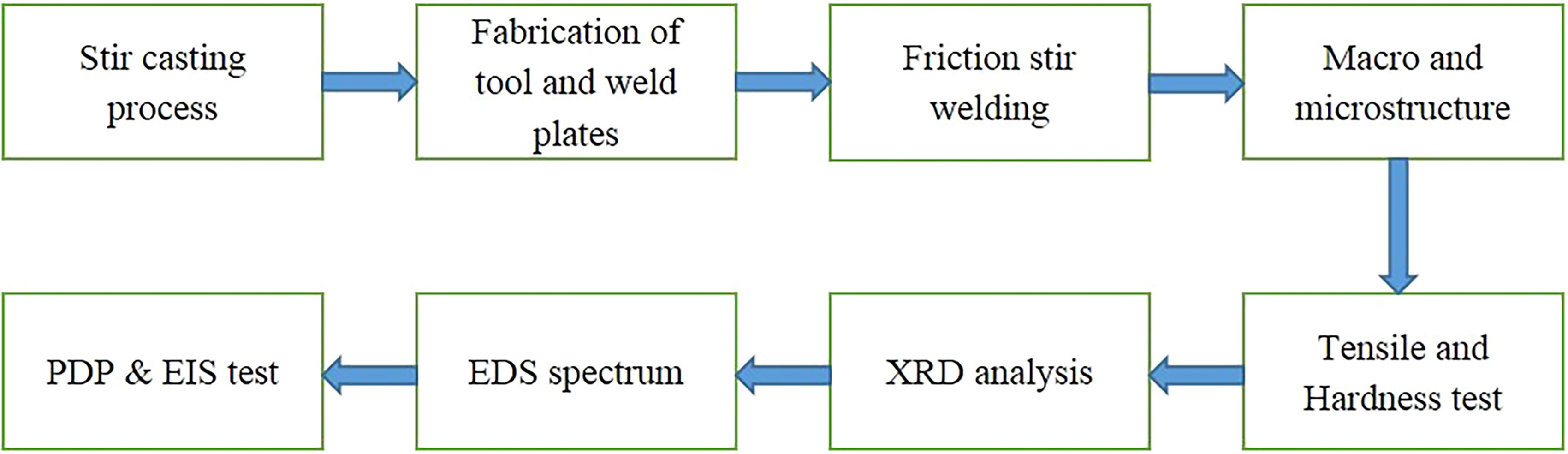
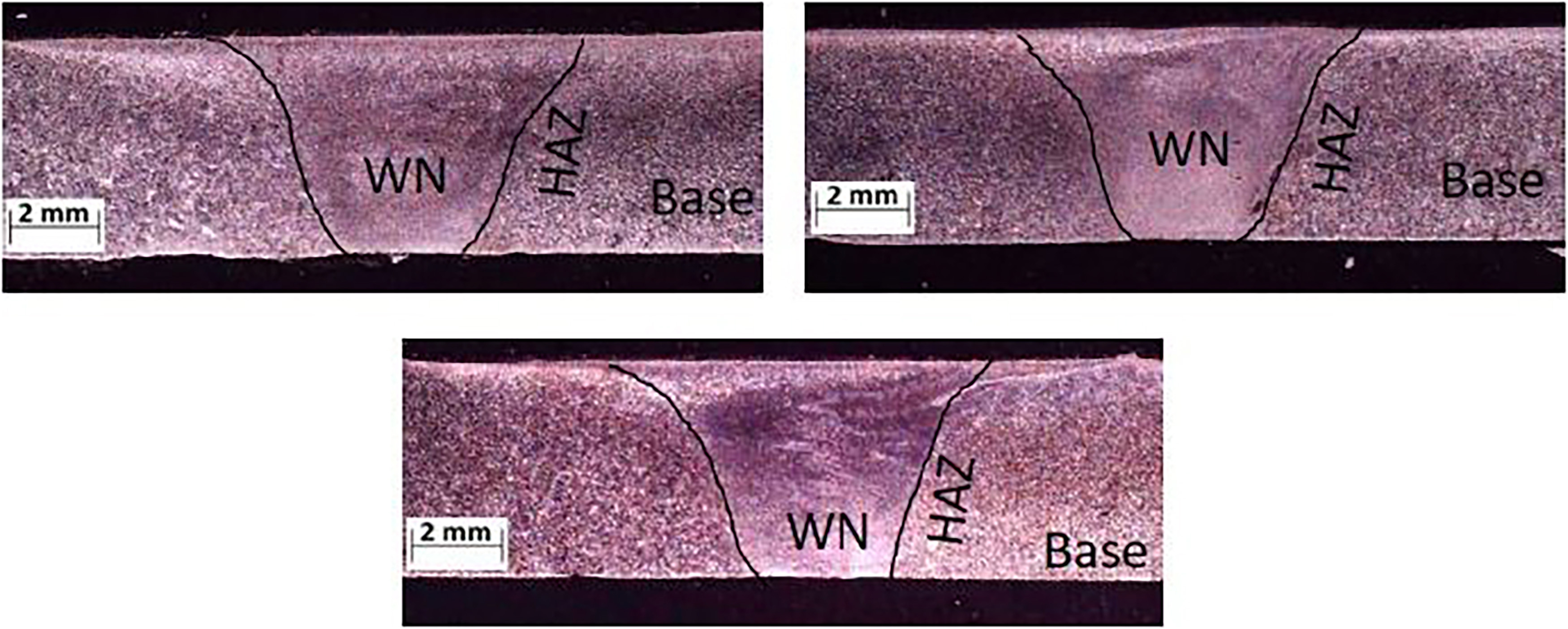
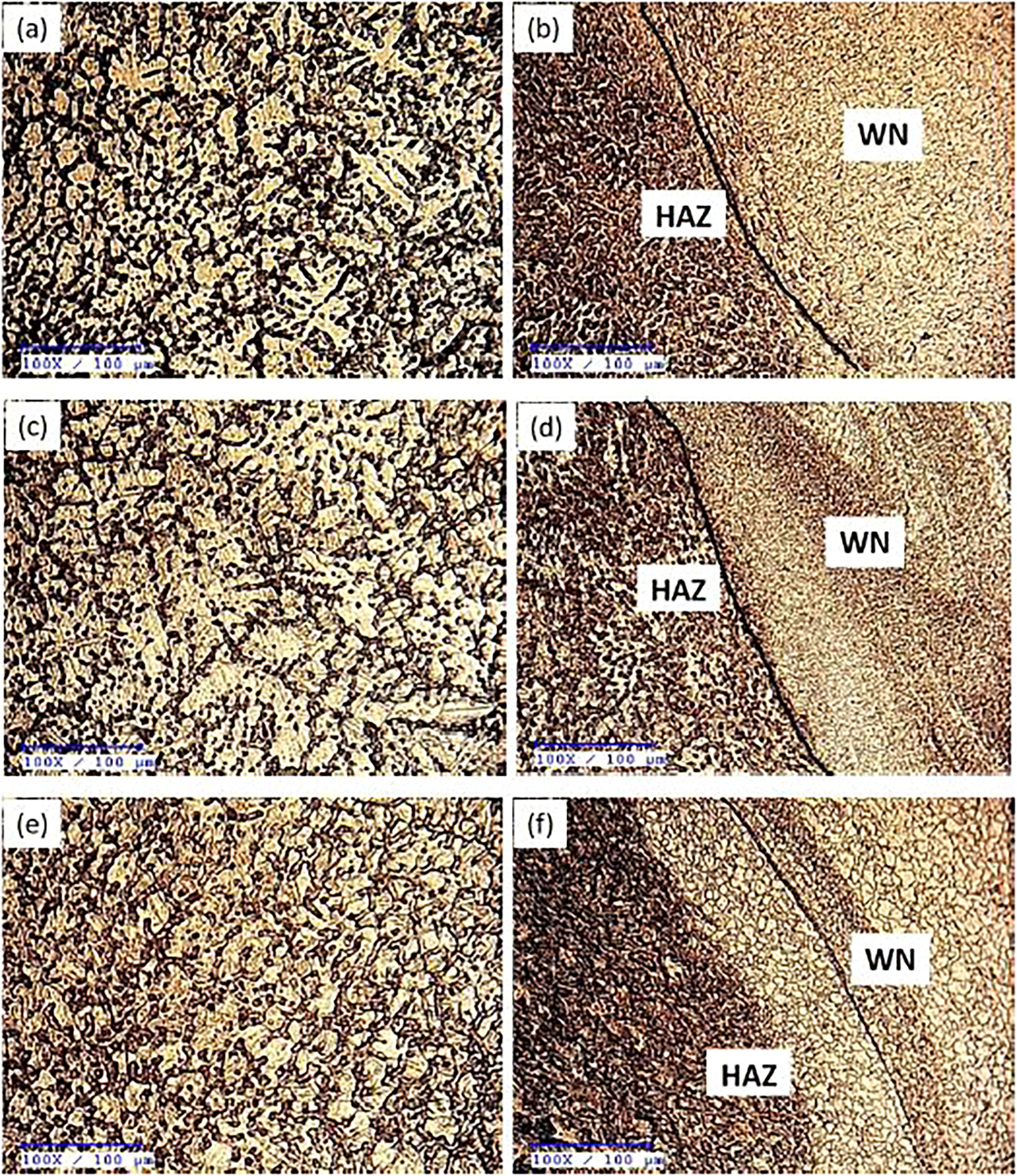
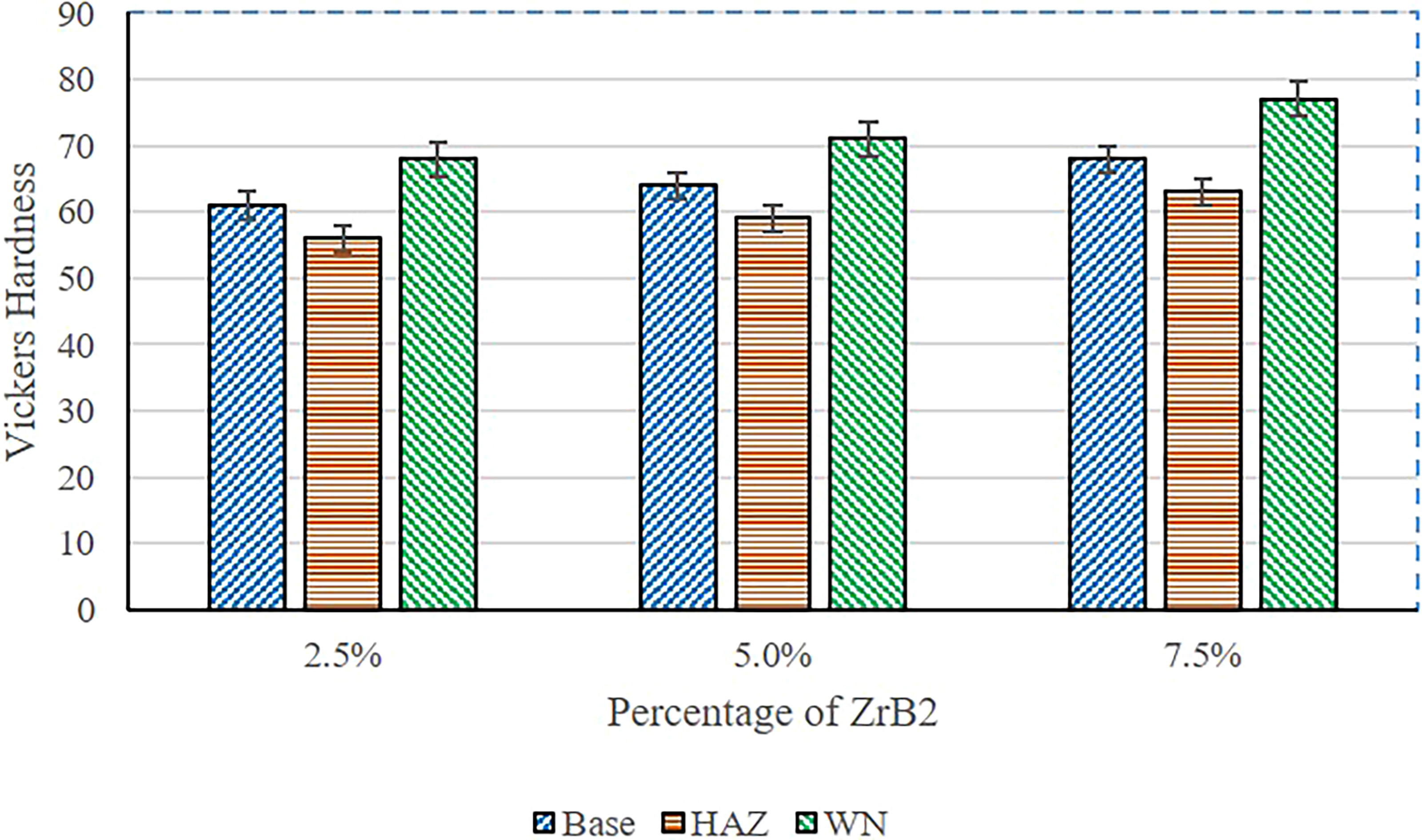
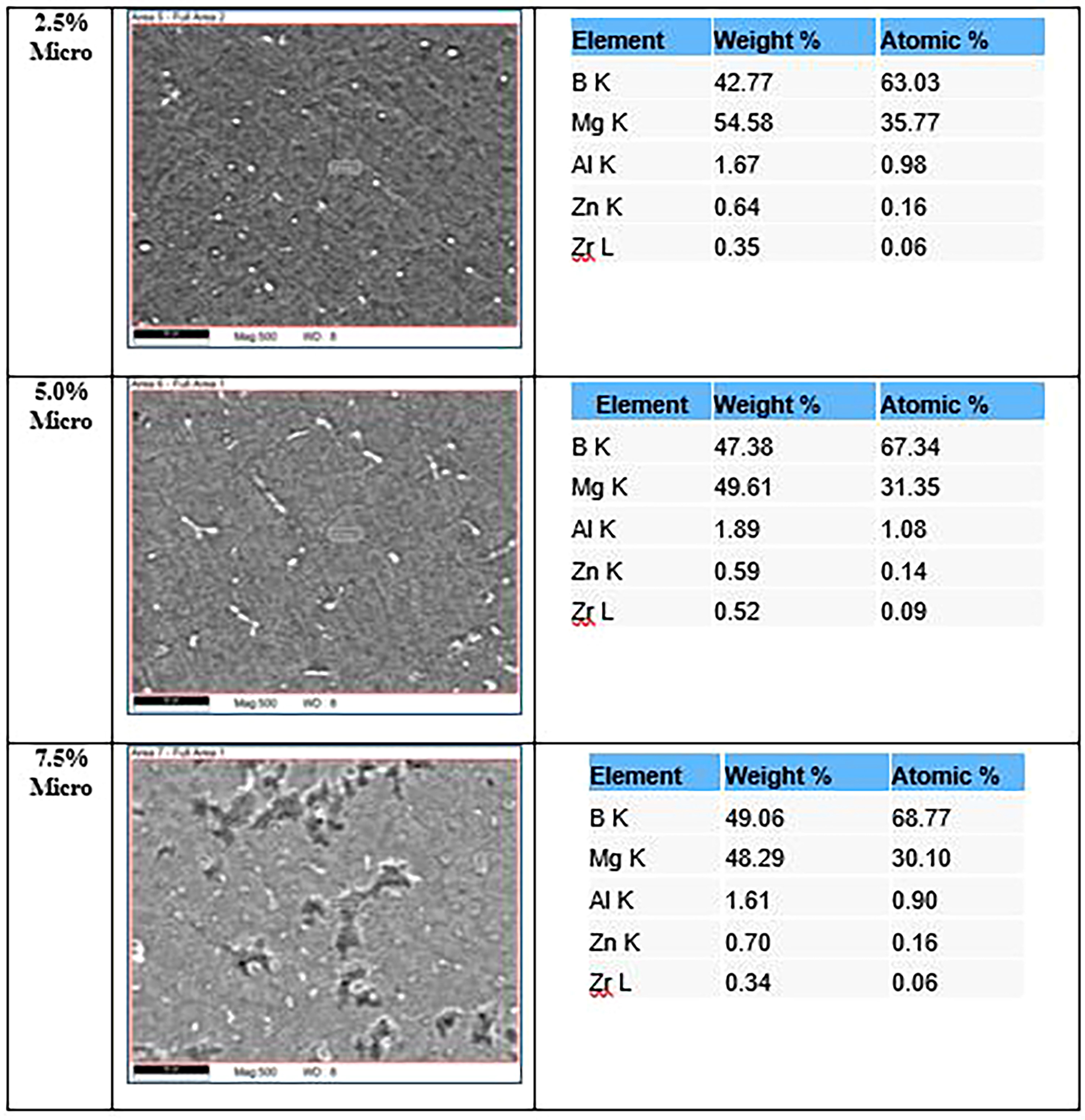
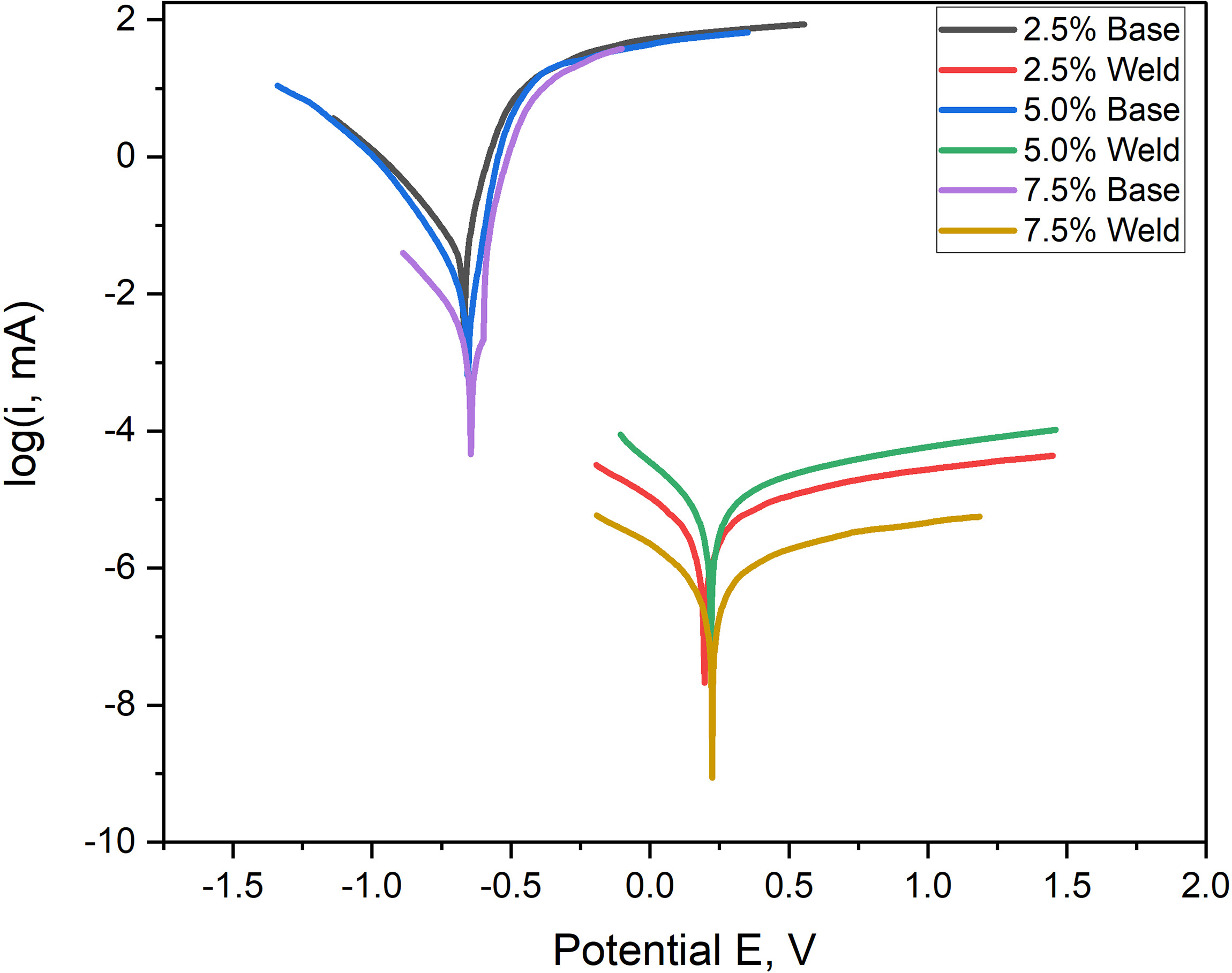
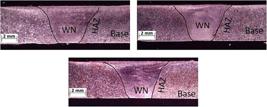
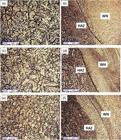
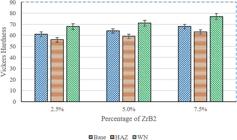
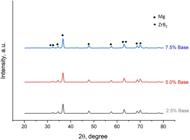
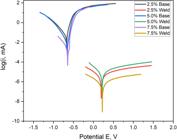
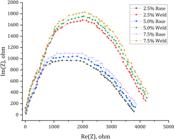
Metal matrix composites (MMCs) offer inherent advantages, including higher stiffness, strength, high-temperature resistance, and creep resistance than polymer composites. These inherent properties make MMCs highly desirable for applications in industries such as automotive and aerospace. In this study, MMCs were fabricated with different percentages of zirconium boride (ZrB2) micro-powder using the stir casting process and then welded through Friction Stir Welding (FSW). The metallographic analysis of the weldments confirmed the defect-free weld joints. Tensile and hardness tests revealed that the tensile strength and elongation percentage increased with the addition of ZrB2 micro-particles. This trend was consistent in both base and welded samples. The welding process achieved defect-free joints with efficiencies of 81.1%, 79.2% and 77.4% for materials with 2.5%, 5.0%, and 7.5% micro powder, respectively. Furthermore, Electrochemical Impedance Spectroscopy (EIS) and Potentiodynamic Polarization (PDP) tests conducted in a corrosive environment showed that the corrosion resistance of the base MMC samples improved after the addition of ZrB2 microparticles, and all welded samples exhibited enhanced corrosion resistance compared to their respective base materials. The MMC with 7.5% micro powder showed higher corrosion potential, 0.237 v and lower corrosion current, 8.5 × 10⁻⁷ mA/cm2 which represents the high corrosion-resistant property of the material.
Keywords:
AZ31 Magnesium alloy; ZrB2 MMC; friction stir welding; Mechanical properties; corrosion resistance
 Thumbnail
 Thumbnail
 Thumbnail
 Thumbnail
 Thumbnail
 Thumbnail
 Thumbnail
 Thumbnail
 Thumbnail
 Thumbnail
 Thumbnail