 Unveiling the aromatic profile of marine macroalgae: a review of the composition and bioactivity of essential oils
Abstract
Macroalgae or seaweed essential oils (SEOs) are promising yet underexplored sources of bioactive volatile compounds with potential applications in pharmaceutical, cosmetic, and food industries. Unlike terrestrial aromatic plants, their chemical profiles are shaped by unique marine conditions. This systematic review, following PRISMA guidelines, analyzed 26 peer-reviewed studies to assess chemical composition, biological properties, and methodological challenges of SEOs. Main sources were species from Ochrophyta, Rhodophyta, and Chlorophyta, yielding terpenes, phenylpropanoids, fatty acids, hydrocarbons, halogenated volatiles, and nitrogenous volatiles. Hydrodistillation with a Clevenger apparatus was the most common extraction method, followed by steam distillation and microwave-assisted hydrodistillation. Across 32 species, 457 compounds were reported, revealing notable chemodiversity. Reported bioactivities included antimicrobial, antioxidant, insecticidal, and chemical signaling functions, underscoring ecological and biotechnological relevance. However, inconsistencies in extraction protocols, compound classification, and pharmacopeial definitions hinder meaningful comparison across studies. Additionally, most studies focused on the Northern Hemisphere, leaving biodiversity-rich Southern Hemisphere regions underexplored. Standardizing methodologies and expanding geographic coverage are crucial for fully realizing SEOs’ biotechnological potential.
Key words:
bioactivity; chemodiversity; essential oils; marine natural products; seaweed volatiles
Resumo
Óleos essenciais de macroalgas ou algas marinhas (SEOs) são fontes promissoras, porém pouco exploradas, de compostos voláteis bioativos com potencial de aplicação nas indústrias farmacêutica, cosmética e alimentícia. Diferentemente das plantas aromáticas terrestres, seus perfis químicos são moldados por condições marinhas únicas. Esta revisão sistemática, conduzida segundo as diretrizes PRISMA, analisou 26 estudos revisados por pares para avaliar a composição química, as propriedades biológicas e os desafios metodológicos dos SEOs. As principais fontes foram espécies de Ochrophyta, Rhodophyta e Chlorophyta, que forneceram terpenos, fenilpropanóides, ácidos graxos, hidrocarbonetos e voláteis halogenados e nitrogenados. A hidrodestilação com aparato de Clevenger foi o método de extração mais utilizado, seguida pela destilação a vapor e pela hidrodestilação assistida por microondas. Foram relatados 457 compostos em 32 espécies, revelando notável quimiodiversidade. Em relação à bioatividade destacaram-se potenciais antimicrobiano, antioxidante, inseticida e como sinalizadores químicos, ressaltando tanto a relevância ecológica como biotecnológica. Contudo, inconsistências nos protocolos de extração, na classificação de compostos e nas definições farmacopeicas dificultam comparações entre os estudos. Além disso, a maioria dos estudos concentrou-se no Hemisfério Norte, deixando o Hemisfério Sul, reconhecido pela sua rica biodiversidade, ainda pouco explorado. A padronização metodológica e a ampliação da cobertura geográfica são essenciais para o conhecimento do potencial biotecnológico dos SEOs.
Palavras-chave:
bioatividade; quimiodiversidade; óleos essenciais; produtos naturais marinhos; voláteis de algas marinhas
Introduction
Marine macroalgae, commonly known as seaweeds, constitute a prolific and chemically diverse group of marine organisms that play pivotal ecological roles in coastal ecosystems. In recent decades, they have garnered significant attention as promising reservoirs of structurally unique secondary metabolites with a broad spectrum of biological activities, including antimicrobial, antioxidant, antiviral, and anticancer effects (Thiyagarasaiyar et al. 2020; Lomartire & Gonçalves 2022; Frazzini & Rossi 2025). Despite the increasing interest in macroalgal bioactives, the volatile fraction of their specialized metabolism - responsible for olfactory and ecological signaling - remains considerably underexplored compared to the extensive body of research on terrestrial plants.
Although essential oils (EOs) from higher plants have been the focus of systematic investigation for more than a century, with well-established protocols for their extraction, characterization, and application (Kant & Kumar 2022; Li et al. 2025), research on the volatile constituents of seaweed remains in its infancy. Until 1935, only a single volatile of marine origin had been characterized, dimethyl sulfide, released into the air by the red algae Polysiphonia fastigiata and P. nigrescens upon aerial exposure. It was not until 1951 that the first systematic investigation of EOs from seaweeds was reported. Through steam distillation of Dictyopteris divaricata, a brown alga endemic to the Japanese coastline, researchers obtained an oil distinguished by its unmistakable “beach odor” (Moore 1977). Although our understanding of algal volatiles has advanced, research focused specifically on seaweed essential oils (SEOs) remains limited. Nearly a century later, SEOs still remain on the periphery of marine natural product research (Heavisides et al. 2018; El Hattab 2020), despite their promising potential as sources of novel bioactive volatiles.
In accordance with the definitions provided by the Brazilian Pharmacopoeia and ISO 9235:2021, EOs are complex mixtures of volatile organic compounds obtained exclusively by physical means such as hydrodistillation, steam distillation, or cold pressing (i.e., for citrus fruits), without chemical modification. These mixtures typically include terpenes, phenylpropanoids, alcohols, aldehydes, esters, and hydrocarbons. In seaweeds, however, the volatile profile is further enriched by halogenated and sulfur-containing molecules, which are rare in terrestrial taxa but prevalent in marine environments due to distinct biosynthetic pressures (Gottlieb & Salatino 1987; El Hattab 2020; Ramos et al. 2023; Peixoto et al. 2025).
The ecological and sensory relevance of these volatile constituents is noteworthy. Seaweeds frequently exhibit intense, species-specific aromatic profiles - ranging from marine and saline to sweet, spicy, or sulfurous odors - arising from unique volatile halocarbons (e.g., dibromoethane, bromodichloromethane), amines, pyridines, and sulfur-containing compounds such as dimethyl sulfide (Moore 1977; Zatelli et al. 2018; Peixoto et al. 2025). These volatiles are not merely sensory traits but are ecologically functional, mediating allelopathic interactions, anti-predator defenses, and reproductive signaling (Fink 2007; Saha & Fink 2022).
Emerging evidence suggests that SEOs may function as allelochemicals, infochemicals, or anti-fouling agents, underscoring their potential ecological importance and biotechnological applicability. Yet, current knowledge remains fragmented and biased toward compositional analyses under controlled laboratory conditions, often devoid of broader ecological, taxonomic, and methodological contextualization. Notably, only a small fraction of the estimated 12,000 described macroalgal species (Guiry & Guiry 2025) has been chemically examined for their EOs content, highlighting a significant research gap.
A major methodological constraint hindering the advancement of EOs research is the lack of standardization in extraction and analytical protocols. Inconsistent terminologies and conflation of true EOs with solvent extracts or headspace volatiles compromise the reproducibility and comparability of studies (Pheko-Ofitlhile & Makhzoum 2024). Furthermore, critical variables such as oil yield, seasonal variation, sample hydration, and distillation time are seldom reported, despite their profound impact on the qualitative and quantitative profiles of SEOs.
In light of these limitations, there is a clear and urgent need for a rigorous systematic synthesis of the existing literature. This review addresses this gap by providing a comprehensive and bibliometrically grounded analysis of the scientific output related to SEOs. Anchored in internationally accepted pharmacopeial criteria, the review systematically evaluates peer-reviewed publications to discern trends, reveal knowledge gaps, and propose future research directions. By mapping the chemodiversity and exploring the untapped biotechnological potential of SEOs, this work contributes to the refinement of marine natural products research and supports the development of standardized, ecologically informed strategies for the exploration of volatile marine metabolites.
Material and Methods
Search strategy and study selection
This review was conducted to address the research question (RQ): “What data have been published on the composition and bioactivity of SEOs?”.
Study selection followed the PRISMA 2020 guidelines (Preferred Reporting Items for Systematic Reviews and Meta-Analyses), as recommended by Moher et al. (2009). A comprehensive and systematic literature search was performed across the PubMed, ScienceDirect, SciELO, and Web of Science databases, covering publications available up to January 15, 2025. The search strategy combined the following keywords using Boolean operators (AND/OR): “alga”, “algae”, “seaweed”, and “essential oil”. The search was performed across all fields.
Table 1 summarizes the specific search strategies applied in each database. Eligible studies were those published in peer-reviewed journals, in English, that reported the chemical composition of essential oils obtained from marine macroalgae through hydrodistillation or steam distillation, in accordance with the standards set by the Brazilian Pharmacopoeia (7th edition) (ANVISA 2024) and ISO 9235:2021. No publication date restrictions were applied during the search process.
Exclusion criteria included: (i) studies addressing only non-volatile extracts or using extraction methods other than hydrodistillation or steam distillation; (ii) articles without clear specification of the extraction technique; and (iii) publications such as reviews, editorials, theses, dissertations, book chapters, conference abstracts, or technical reports.
The selection process was conducted in two stages: (i) screening of titles and abstracts; and followed by (ii) full-text reading to confirm eligibility based on the inclusion and exclusion criteria.
Data extraction and categorization
The following variables were extracted from each selected article and compiled into an Excel® spreadsheet: (i) Taxonomic information (genus, species, family, and phylum); (ii) Collection site and geographic coordinates; (iii) Ecological context (e.g., intertidal zone, substrate, depth); (iv) Study type (chemical, biological, ecological, or applied); (v) Extraction method (equipment used, extraction time, and biomass weight); (vi) Essential oil yield (expressed on a dry or fresh weight basis); (vii) Chemical composition (identified metabolites and metabolite classes); (viii) Reported biological activities (e.g., antimicrobial, antioxidant, bioinsecticidal); and (ix) Ecological functions attributed to volatile metabolites.
Scientific names were validated using the AlgaeBase database (<https://www.algaebase.org/>) and updated to reflect currently accepted nomenclature. Synonyms not resolved were excluded from the dataset.
Bibliometric and statistical analysis
Bibliometric analysis was performed using VOSviewer v.1.6.20, which enabled the generation of visual maps including: (i) Keyword co-occurrence networks; and (ii) Author collaboration networks.
Indicators such as the number of publications, sources, countries, institutions, prolific authors, and most frequent keywords were analyzed to map the scientific landscape of the topic.
Additionally, descriptive statistical analyses (e.g., frequency, mean, variance) and multivariate analyses were conducted to explore phylogenetic clustering, geochemical patterns, and associations among chemical and biological variables. Geographic maps were created using Datawrapper® (<https://www.datawrapper.de/>), and Venn diagrams were generated with OriginPro® version 2023 (Northampton, MA, USA).
Results and Discussion
Historical and bibliometric landscape of research on SEOs
Although the chemical composition of EOs derived from seaweeds was first reported nearly a century ago (Moore 1977; El Hattab 2020), systematized studies on these metabolites remain scarce and fragmented. However, in recent decades, the growing global demand for natural products, driven by increasing concern for health and well-being, has stimulated interest in alternative and sustainable sources of bioactive compounds. Within this context, seaweeds have emerged as promising resources for the extraction of EOs and other secondary metabolites with pharmacological, cosmetic, and food-related applications (Lu et al. 2018; Yücel et al. 2023; Petronilho et al. 2024).
The literature on SEOs reveals inconsistencies and, at times, ambiguities. Many studies conflate EOs with volatile compound mixtures obtained through methods not recognized by official compendia. Additionally, a wide variety of extraction techniques are employed, many of which do not conform to pharmacopeial standards.
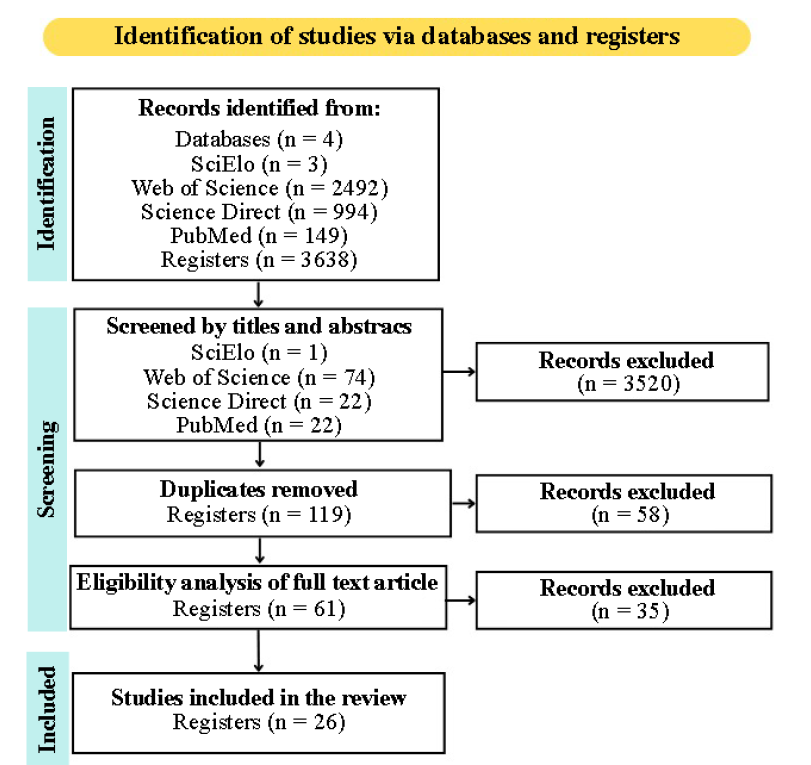
To consolidate the current knowledge on SEOs, a systematic review was conducted. Essential oils derived from fresh or dried seaweed, extracted using methods in full compliance with Brazilian and international regulatory standards. The process of study identification, screening, eligibility assessment, and inclusion is detailed in the flow diagram presented in Figure 1. The systematic database search yielded 3,639 records. After title and abstract screening, 61 articles were considered potentially eligible and were subjected to full-text review. Ultimately, 26 articles fully met the inclusion criteria and were incorporated into this review (see Tab. S1, available on supplementary material <https://doi.org/10.6084/m9.figshare.30767699>).
Since 1951, several research groups, mainly in Japan and the United States, have investigated SEOs. Nevertheless, according to the inclusion criteria of this review and considering only samples truly classified as EOs, the earliest eligible work was published in 1988 by Kajiwara et al. in the Journal of Food Science. This study characterized the volatile profiles of seven edible brown seaweeds species (Ochrophyta) from Japan, including Laminaria japonica, Ecklonia cava, and Undaria pinnatifida. This milestone underscores the predominance of the Phaeophyceae class in the chemical investigation of SEOs. Subsequently, the same research group published two further studies (1990, 1991), expanding the analysis to species from the Rhodophyta phylum (Porphyra tenera) and again from Ochrophyta (Scytosiphon lomentaria and Colpomenia bullosa), demonstrating an initial focus on economically relevant species from East Asia.
The first report involving a Chlorophyta species appeared only in 2000, with the analysis of the EO of Ulva rigida by Roussis et al., marking the beginning of the inclusion of green algae in SEOs studies. Although the first Rhodophyta species, Porphyra tenera, was reported in 1990, a second study involving this phylum was not published until 2006, focusing on Jania rubens (Karabay-Yavasoglu et al. 2007). This gap highlights the underrepresentation of red algae research compared to studies on brown and green algae. The gradual inclusion of the three main macroalgal lineages - green (Chlorophyta), brown (Ochrophyta), and red (Rhodophyta) - over time illustrates an expanding phylogenetic diversity among the investigated species.
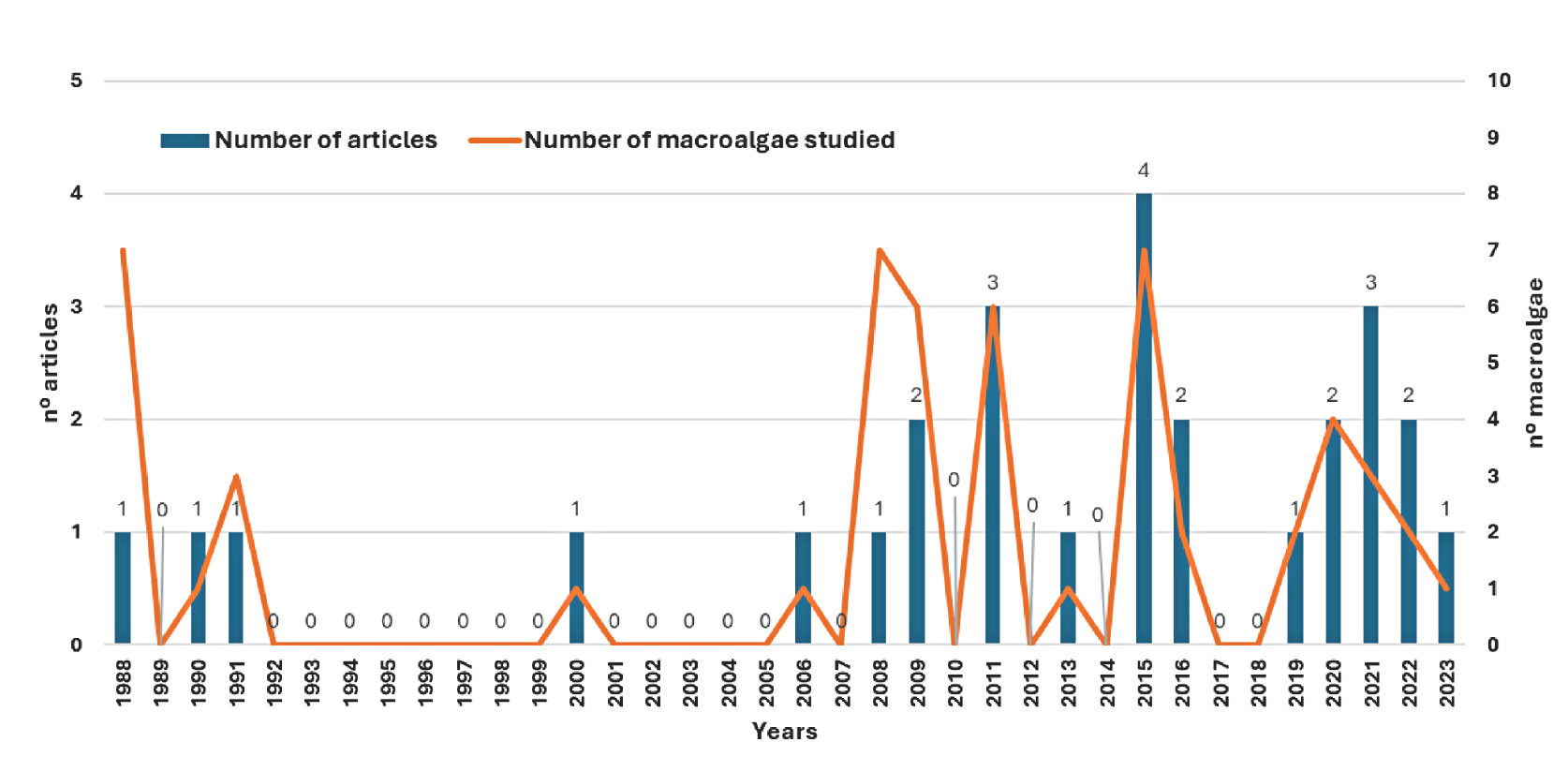
Figure 2 illustrates the chronological distribution of scientific output from 1988 to 2023, revealing intermittent publication patterns with periods of low scientific activity, particularly during the late 1990s and early 2000s. However, a more consistent research output has been observed since 2015, culminating in a trend of continuous growth since 2019. This recent period is characterized by a greater diversity of species analyzed per article and an expanded interest in different taxonomic genera, particularly those belonging to Cystoseira, Enteromorpha, and Ulva.
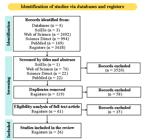
Flow diagram of the study selection process following the PRISMA protocol, indicating the stages of identification, screening, eligibility assessment, and inclusion.
The increase in the number of species analyzed per year and the expansion of methodological approaches reflect an evolution in SEO research, with a focus on both chemical composition and bioactive potential. Temporal analysis also suggests a maturation of the field, with increased methodological rigor and greater adherence to pharmacopeial standards in more recent studies.
These studies involved contributions from various authors, highlighting the collaborative nature of the analyzed publications. Bibliometric analysis was employed to provide a detailed view of the bibliographic coupling among articles in the field. The maps generated using VOSviewer software enabled the visualization of clusters represented by different colors, where the visible connections indicate co-authorship or co-citation relationships. The distance between nodes reflects the degree of interrelation among authors and research topics, allowing for an assessment of connection strength and the identification of the most relevant areas of investigation.
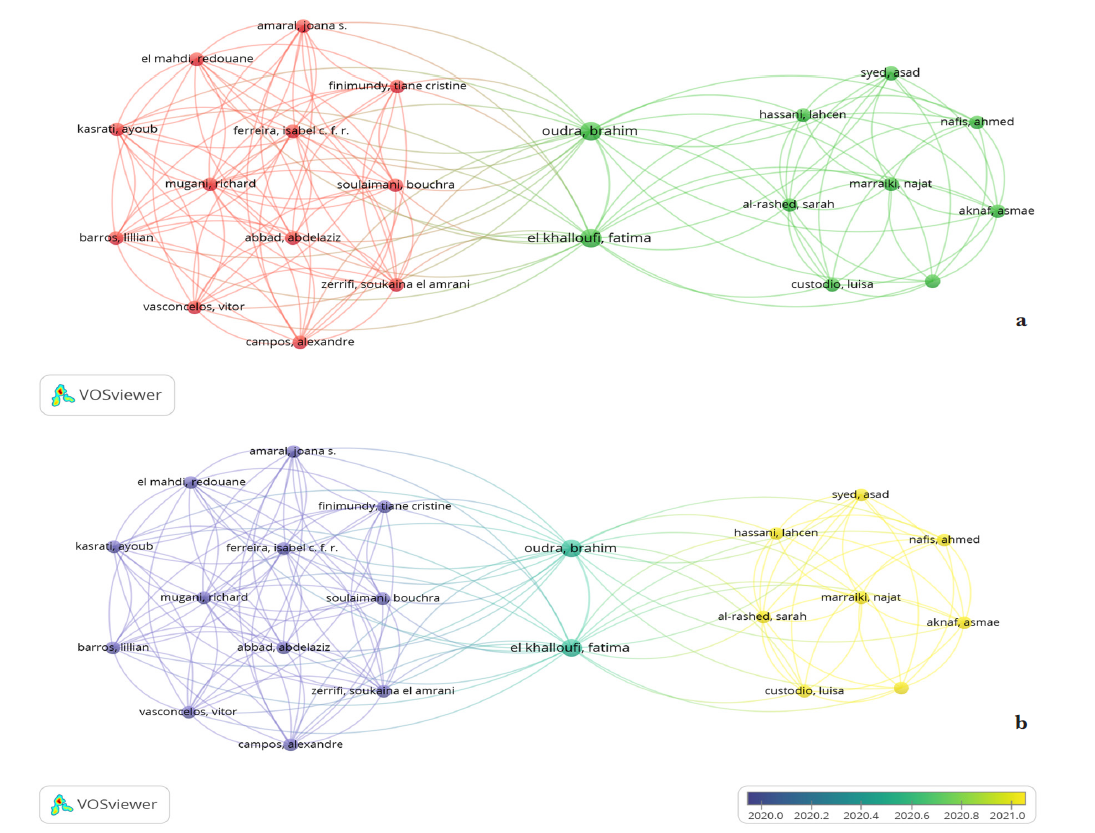
Figure 3 presents the co-authorship network in research on essential oils from algae, constructed using data with a minimum of one citation per author, totaling 104 connections.
(A) The analysis of the collaboration network reveals two distinct clusters: a red cluster, predominantly comprising authors from the Americas and North Africa, and a green cluster, mainly including researchers from the Middle East and South Asia. Within this structure, Brahim Oudra and Fatima El Khalloufi emerge as key connecting nodes, bridging the two groups. Their positions indicate potential conduits for knowledge exchange and interregional collaboration. Although the network remains somewhat fragmented, the presence of these strategic links suggests opportunities to reinforce and expand an emerging axis of international scientific cooperation.
(B) The temporal representation of the network, color-coded from blue (earlier publications from 1988) to yellow (most recent publications up to 2023), reveals the evolution of collaborations over time. A purple cluster corresponds to initial collaborations, predominantly until the year 2020; an intermediate green cluster marks a transitional phase; and a yellow cluster represents recent collaborations, especially among authors from the Middle East and South Asia. A chronological analysis of the network reveals sustained growth in collaborations over the last, with noteworthy contributions from researchers such as Luisa Custódio, Asad Syed, and Najat Marraiki. However, collaborations with researchers from the Americas, the African coast, and Oceania remain scarce, indicating regions with integration potential that should be encouraged to foster a more equitable consolidation of the global scientific network.
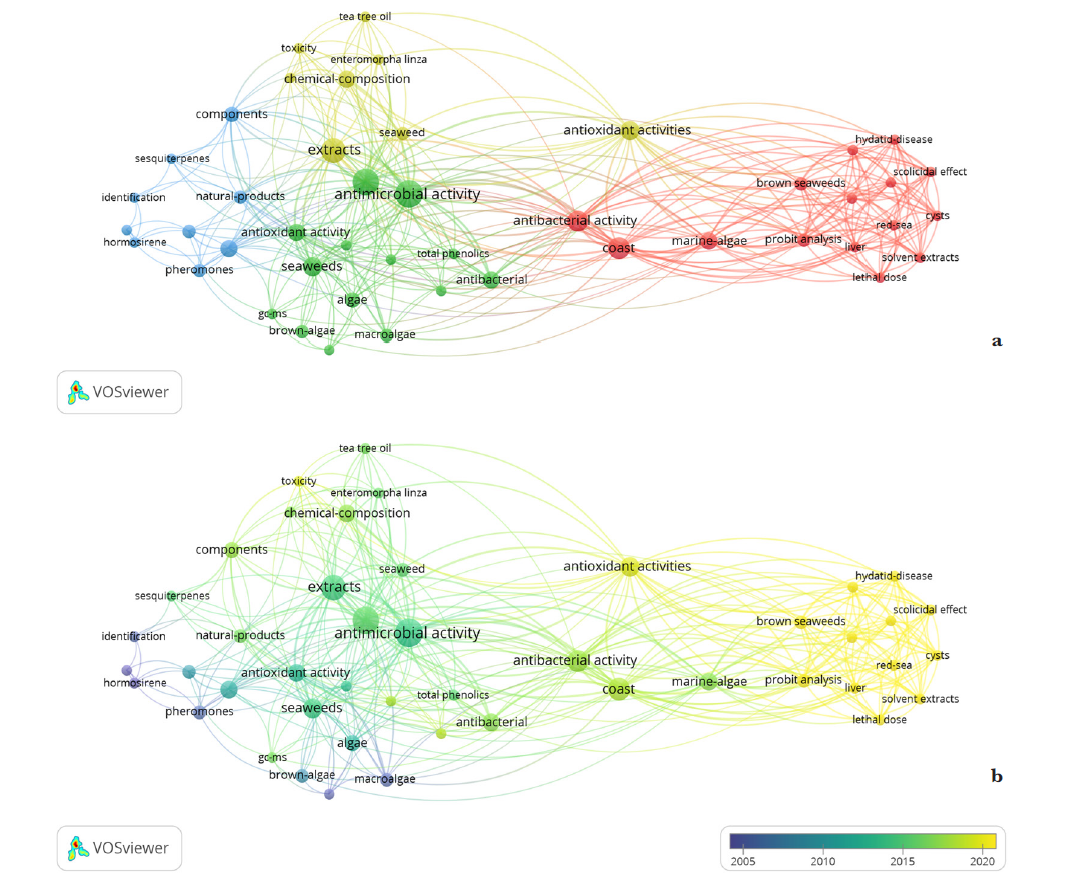
The co-occurrence analysis of author keywords, considering a minimum of two occurrences per term and totaling 22 connections, revealed four main clusters that reflect the prevailing thematic structure of scientific publications focused on the biological activity of seaweeds.
In Figure 4, the thematic structure and density of connections among terms are displayed, with the size of the circles proportional to the frequency of keyword occurrences, and the lines representing co-occurrences in titles and abstracts. Cluster coloring facilitates the visualization of interconnected thematic nuclei (Fig. 4a).
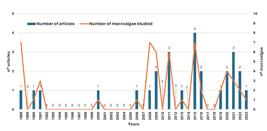
Temporal distribution (1988-2023) of scientific articles and seaweeds species investigated in studies involving essential oils.
The Cluster number 1 (red) consists of 15 terms and is strongly associated with studies focusing on antibacterial activity and scolicidal effects, centered on terms such as “antibacterial activity”, “hydatid disease”, “marine algae”, “solvent extracts”, and “lethal dose”. This configuration indicates a growing interest in the therapeutic application of algae against pathogens and parasites, particularly in the context of zoonotic diseases.
The Cluster number 2 (green), comprising 14 terms, emphasizes phytochemical characterization and the assessment of antioxidant properties of algal extracts. Terms such as “chemical composition”, “essential oil”, “antioxidant activity”, “brown algae”, and “GC-MS” highlight the integration of chemical-analytical techniques with the bioactive prospecting of macroalgae, reinforcing the role of analytical chemistry tools in the discovery of bioactive compounds.
The Cluster number 3 (blue) includes 9 terms and represents a thematic axis more oriented toward natural products chemistry and chemical ecology, with a focus on volatile compounds such as “pheromones”, “sesquiterpenes”, “natural products”, and “stereoselective synthesis”. This cluster suggests an interest in volatile secondary metabolites with potential ecological or pharmacological applications.
The Cluster number 4 (yellow) is composed of 8 terms and addresses aspects related to toxicology and the biological evaluation of specific extracts, such as “toxicity”, “Escherichia coli”, “Enteromorpha linza”, and “tea tree oil”, reflecting an experimental approach focused on safety and efficacy.
Figure 4b, in turn, presents a temporal publication gradient in which the terms are color-coded according to their average year of occurrence. It is noticeable that earlier studies on SEOs were more focused on evaluating ecological interactions. Terms such as “hydatid disease”, “probit analysis”, and “lethal dose” appear further to the right, in yellowish tones, indicating a recent trend in research oriented toward therapeutic efficacy assays, toxicological studies, and statistical analysis - highlighting a growing concern regarding the alimentary use of algae and a shift toward clinical and pharmacological applications.
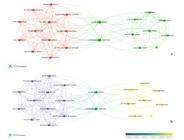
a-b. Co-authorship network of scientific publications on seaweeds essential oils, constructed using VOSviewer software. Each node in the graph represents an author collaboration. Authors with low citation frequency or limited connections may appear without a visible label on their node - a. visualization of collaborative clusters based on co-authorship; b. temporal evolution of the co-authorship network through a color scale.
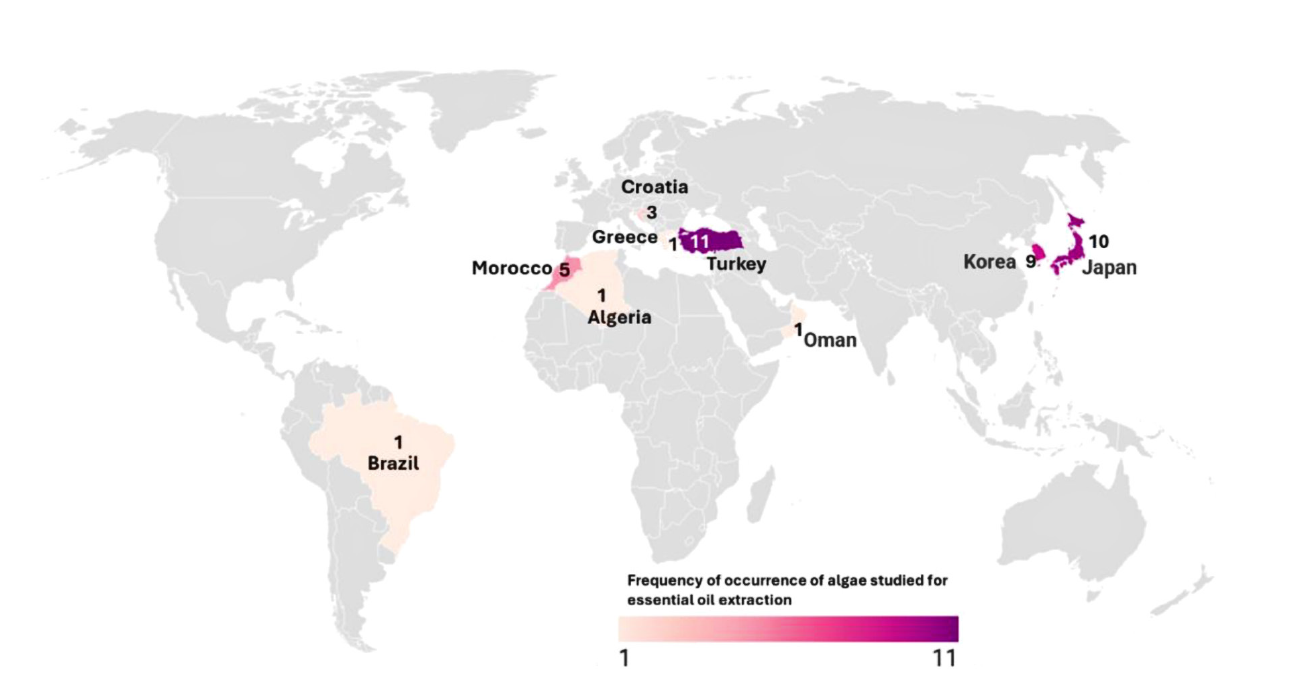
An analysis of the geographic distribution of algal collection sites (Fig. 5) reveals a pronounced concentration of studies in the Northern Hemisphere, which accounts for 97% of all reported cases. In contrast, only one study investigated a species collected in the Southern Hemisphere (Tab. S1, available on supplementary material <https://doi.org/10.6084/m9.figshare.30767699>). This geographic bias reflects a strong correlation between author affiliation and regional sampling focus. Asian countries dominate the field, contributing 56% of the total collection sites (23 sites), followed by Africa with 26% (6 sites) and Europe with 13% (3 sites). Within Asia, Turkey (26%), Japan (23%), and South Korea (21%) are the most frequently represented countries. This prominence likely reflects the economic and cultural relevance of macroalgae in these nations, where seaweeds are not only integral to traditional diets but also serve as key sources of industrially valuable compounds such as phycocolloids and pigments (Mandal et al. 2025). It is worth noting that all studies conducted by Patra and collaborators (2015a, 2015b, 2016a, 2016b, 2017) were based on macroalgal samples acquired from traditional markets in Korea. However, none of these works specified the original collection sites of the specimens, limiting the ability to correlate chemical composition with geographic provenance.
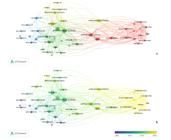
a-b. Keyword co-occurrence network in scientific publications on seaweeds essential oils, constructed using VOSviewer software. Each node in the graph represents an author keyword collaboration. Keywords with low citation frequency or limited connections may appear without a visible label on their node - a. clustered visualization of author keyword co-occurrence; b. temporal overlay visualization of the most frequent keyword co-occurrence.
Qualitative evaluation of extraction methods and technologies for SEOs
Among the selected articles, EOs from 33 seaweeds species were investigated, distributed across the phyla Ochrophyta (64%), Chlorophyta (18%), and Rhodophyta (18%). Considering that approximately 12,100 macroalgal species have been described worldwide (Guiry & Guiry 2025), the number of species studied for EOs extraction corresponds to merely 0.27% of global macroalgal diversity. This illustrates a significant knowledge gap and highlights the underexplored nature of this resource.
Despite the limited number of studies, the reported results demonstrate promising biological activities, underscoring the high biotechnological potential of SEOs. For instance, Patra & Baek (2016b) reported high extraction yields from Laminaria japonica (0.9%, dry weight) and Porphyra tenera (1.4%, wet weight), both of which exhibited antimicrobial activity against foodborne pathogens - suggesting their dual relevance for pharmaceutical and food safety applications.
Marine organisms are widely recognized as prolific sources of novel bioactive compounds, particularly in the context of drug discovery and biotechnological innovation (Romano et al. 2022; Carroll et al. 2024; Mandal et al. 2025; Martignago et al. 2025). This trend is mirrored in the increasing number of studies dedicated to evaluating the bioactivity of SEOs. Among the 26 eligible publications, 62% adopted a biotechnological perspective, predominantly investigating antimicrobial and antioxidant properties. Additionally, 19% of the studies took an ecological approach, examining SEOs as chemical mediators (e.g., allelochemicals or infochemicals) within marine ecosystems. The remaining 19% focused exclusively on chemical characterization, emphasizing compound diversity and structural elucidation (Gottlieb & Salatino 1987; El Hattab 2020; Peixoto et al. 2025).
In terms of extraction methodologies, the most commonly employed techniques were hydrodistillation using a Clevenger-type apparatus (42%) and conventional steam distillation (35%). Both rely on the principle of steam-mediated volatilization of compounds followed by condensation, a process classified as heteroazeotropic distillation. The Clevenger apparatus allows the return of condensed water to the system, maintaining a controlled and reproducible extraction environment. While both techniques generally yield similar profiles of volatile constituents, variations in oil yield and relative abundances of specific compounds are frequently observed (Pheko-Ofitlhile & Makhzoum 2024).
An advanced approach - Microwave-Assisted Hydrodistillation (MAHD) - was employed in 23% of the reviewed studies. This method combines traditional hydrodistillation with microwave heating, which enhances cell disruption and accelerates compound release, thus improving efficiency and reducing processing time. Nevertheless, the application of MAHD may result in selective losses. El Hattab et al. (2007), for example, reported the absence of a specific group of low-volatility sesquiterpenes in the EO of Dictyopteris membranacea obtained by MAHD, likely due to enhanced thermal degradation or co-distillation induced by high-energy microwave flux.
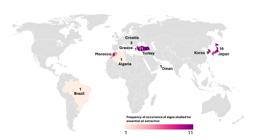
Geographical distribution of seaweeds species studied for essential oil extraction. Choropleth world map showing the frequency of seaweeds species reported in scientific studies on essential oil extraction across different countries.
Reported EOs yields ranged from 0.01% to 1.41% (w/w) for fresh biomass and from 0.03% to 8.00% (d/w) for dried specimens. The highest yields were generally obtained using hydrodistillation with a Clevenger apparatus, while the lowest yields were consistently associated with steam distillation without recirculation. Notable examples include Porphyra tenera (Patra et al. 2016b) and Dictyopteris polypodioides (Riad et al. 2020), both yielded substantial oil quantities and are considered commercially valuable due to their distinctive sensory properties.
Additionally, species of the genus Porphyra - commercially known as Nori - are widely consumed in East Asian cuisine, where their volatile profiles are closely linked to sensory quality in food applications. Several studies have investigated their volatile constituents in the context of food processing and flavor enhancement (Vilar et al. 2020), demonstrating the multifunctional nature of SEOs and their relevance across biomedical, food, and ecological domains. In the case of Dictyopteris spp., the EO retains a characteristic “beach odor”, a sensory trait linked to complex mixture of sesquiterpenes (e.g., γ-cadinene, dictyopterene), long-chain hydrocarbons, and fatty acids such as palmitic acid (Zatelli et al. 2018).
Chemodiversity and structural patterns in SEOs
A comprehensive chemical analysis of EOs extracted from seaweeds belonging to the phyla Rhodophyta, Chlorophyta, and Ochrophyta revealed a total of 457 distinct. This substantial chemodiversity highlights the advanced metabolic specialization inherent to these organisms. Among the identified chemical classes, terpenes emerged as the predominant group, comprising 147 molecules: 47 monoterpenes, 91 sesquiterpenes, 7 diterpenes, and 2 triterpenes. These compounds are widely recognized for their multifunctional ecological roles, including in chemical defense, interspecies signaling, and allelopathic interactions, as well as their broad applicability across pharmaceutical, cosmetic, and industrial domains.
Beyond terpenes, the dataset included 10 phenylpropanoids and 22 low-molecular-weight aromatic and phenolic compounds, likely biosynthesized through the mevalonate, shikimate, or/and polyketide pathways. Despite their structural simplicity, these metabolites contribute significantly to the overall bioactivity and ecological function of SEOs, notably antioxidant protection and chemical communication in marine habitats.
Fatty acids were also prominently represented, with 22 compounds detected. These molecules are typically involved in cellular membrane architecture and are associated with antioxidant capacity. However, hydrocarbons constituted the most numerous class, with 178 compounds identified. These were further categorized based on molecular weight and physicochemical behavior.
Specifically, 72 hydrocarbons were classified as low molecular weight (C6-C9), exhibiting high volatility and increased solubility in seawater, with typical logP values between 1.0 and 3.0, indicating a moderate hydrophilic-lipophilic balance. Seventy-five compounds fell into the medium molecular weight category (C10-C19), exhibiting moderate to low volatility and reduced water solubility, typically associated with logP values from 3.0 to 5.5. The remaining 31 compounds were classified as high molecular weight (C20-C44), exhibiting pronounced lipophilicity (logP > 6.0), low volatility, and virtually no solubility in aqueous environments (Tolls et al. 2002; Yaws & Narasimhan 2005; Maczynski et al. 2005; Shaw et al. 2006). These physicochemical traits suggest their incorporation into long-chain hydrophobic matrices within algal tissues. Understanding these parameters is critical to elucidating the environmental behavior, functional roles, and bioactive potential of macroalgal hydrocarbons (Niklas et al. 2017).
Halogenated compounds, notable for their biosynthetic rarity and specificity in marine organisms, were also identified, albeit in smaller numbers (six compounds), containing chlorine, fluorine, or iodine atoms. Their presence likely results from enzymatic halogenation mediated by haloperoxidases. Additionally, 11 sulfur- and 16 nitrogen-containing compounds were detected, further contributing to the oils’ chemical complexity and potentially reflecting ecological adaptations and chemical defense mechanisms. The dataset also included 7 carbohydrate derivatives and 11 lactones, commonly associated with distinctive fragrance profiles and biological activities.
Beyond these main classes, 27 compounds were grouped under a “miscellaneous” category due to their divergence from conventional chemical classifications, though they played a notable role in the volatile profiles of specific taxa. Many of these molecules - such as plasticizers [e.g., dibutyl phthalate, bis(2-ethylhexyl) phthalate], solvents (e.g., 1,3-dioxolane), synthetic fragrances, and complexing agents (e.g., crown ethers like 12-crown-4, 15-crown-5, and 18-crown-6) - are widely recognized in industrial contexts. The detection of compounds such as benzophenone, frequently used in cosmetics and sunscreens, may result from passive bioaccumulation in algae harvested from anthropogenically impacted coastal zones or may reflect analytical artifacts, including cross-contamination, solvent impurities, or thermal degradation products (Radulović & Blagojević 2012). Therefore, the biological relevance of these compounds must be interpreted cautiously, as their presence does not unequivocally confirm endogenous origin.
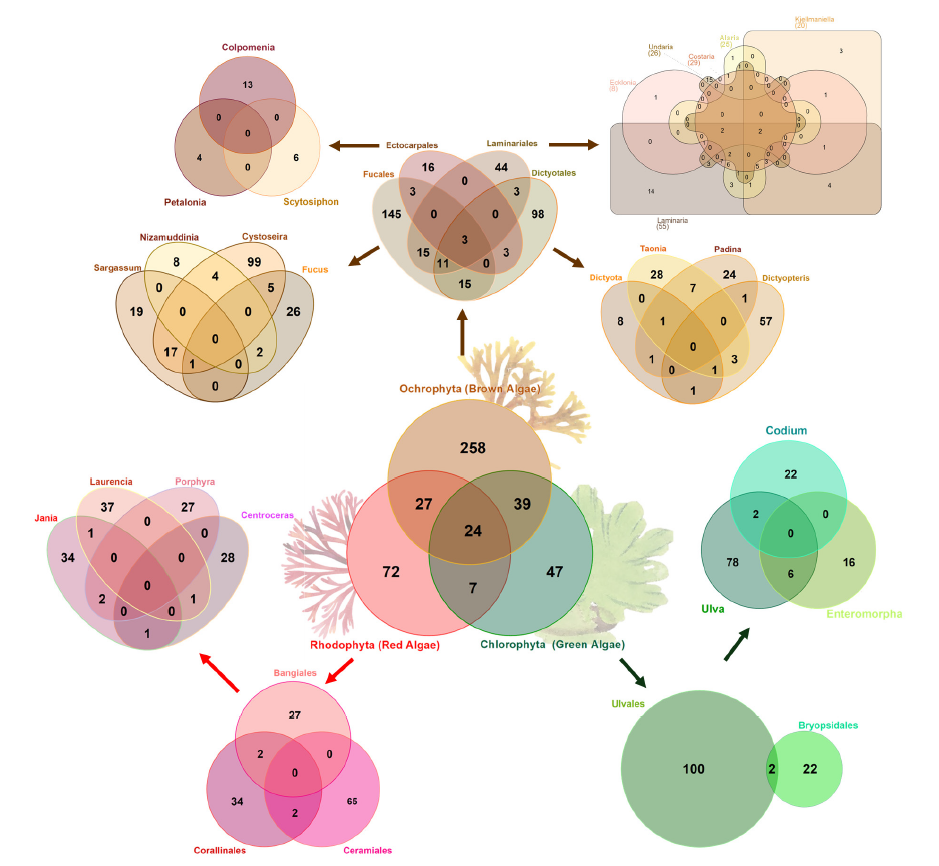
The chemical composition analysis of EOs extracted from seaweeds revealed distinct patterns of metabolic diversification across multiple taxonomic levels, highlighting the complexity of chemical evolution in these organisms. The Venn diagrams presented in Figure 6 clearly illustrate the distribution and overlap of identified compounds across phyla, orders, families, and genera, revealing a consistent trend toward chemical specialization at increasingly specific taxonomic ranks. This pattern reflects a process of metabolic innovation that is strongly influenced by selective pressures of ecological, microenvironmental, and phylogenetic nature, modulating the biosynthesis of specialized compounds in response to local adaptation and biotic coevolution (Gottlieb & Salatino 1987; El Hattab 2020; Maeda & Fernie 2021; Dadras et al. 2023; Peixoto et al. 2025).
At the interphyletic level, analysis among the phyla Chlorophyta, Rhodophyta, and Ochrophyta revealed extremely limited overlap, with only 24 chemical compounds shared among the three groups, corresponding to approximately 5.1% of the total identified compounds. This low degree of metabolic convergence suggests independent evolutionary trajectories for the biosynthesis of secondary metabolites, indicating reduced biosynthetic conservatism among these lineages. Each phylum exhibited a substantial set of unique compounds, notably Chlorophyta with 258 exclusive compounds, Rhodophyta with 72, and Ochrophyta with 39. Among the shared compounds, saturated fatty acids - such as lauric, myristic, and palmitic acids - along with linear hydrocarbons and aliphatic aldehydes, predominated. These metabolites are commonly associated with primary functions or are ubiquitously distributed among photosynthetic organisms (Maeda & Fernie 2021).
Chemical specialization becomes even more pronounced at lower taxonomic levels, especially at the genus level. In Chlorophyta, for instance, the genera Ulva, Codium, and Enteromorpha share only six compounds, with Ulva alone containing 78 exclusive substances. This indicates a high degree of chemical phenotypic plasticity, potentially associated with the occupation of distinct ecological niches, differentiated chemical defense strategies, or specific responses to abiotic conditions. In families such as Caulerpaceae, the complete absence of shared compounds across three or more taxonomic groups suggests scenarios of evolutionary isolation, highly specialized biosynthetic pathways, or the influence of environmental variability and localized biotic interactions (Maeda & Fernie 2021).
Within Ochrophyta, the analysis of the orders Fucales, Dictyotales, Ectocarpales, and Laminariales also revealed limited chemical overlap, with only three compounds shared across all orders. Despite this, the number of exclusive compounds remains significant. For example, Fucales and Laminariales share 17 compounds, while Dictyotales and Ectocarpales share only three. This high degree of biosynthetic divergence, even among phylogenetically related orders, supports the notion that chemical evolution in macroalgae is a highly dynamic process, simultaneously shaped by evolutionary factors and contextual ecological pressures (Peixoto et al. 2025).
Partial interphyletic comparisons further support this trend: Chlorophyta and Ochrophyta share only 42 compounds (8.9%), Rhodophyta and Ochrophyta share 28 compounds (5.9%), and Chlorophyta and Rhodophyta share a mere seven compounds (1.5%). The compounds shared between phyla pairs are mostly lipophilic and of medium chain length, including fatty acids, aldehydes, and ketones, which are likely to play roles in chemical signaling, defense, and the attraction of symbionts. These findings support the hypothesis that the biosynthetic evolution of macroalgae has been profoundly influenced by divergent selective pressures across lineages, resulting in the high chemodiversity observed today (Peixoto et al. 2025).
The chemical profile analysis by phylum further reinforces the metabolic specificity of each group. In Rhodophyta, the dominant sesquiterpenes production is observed in the orders Ceramiales and Bangiales, exemplified by Laurencia obtusa (63.88%) and Porphyra tenera (53.47%), respectively. Additionally, some species produce diterpenes and phenolic compounds, such as the phenylpropanoids found in Centroceras clavulatum (36.06%). Triterpenes, lactones, and halogenated compounds are infrequent; however, genera such as Laurencia are notably rich in halogenated terpenes (e.g., elatol, dendroidiol, and obtusol). Their biosynthesis primarily involves the MEP (2-C-methyl-D-erythritol 4-phosphate) pathway, with occasional contribution from the MVA pathway, and the involvement of enzymes such as microbial terpene synthase-like (MTPSL) and specific haloperoxidases (e.g., vanadium-dependent bromoperoxidase, V-BPO) (El Hattab 2020; Maeda & Fernie 2021; Peixoto et al. 2025).
In Chlorophyta, the orders Ulvales and Bryopsidales are characterized by a predominance of fatty acids (e.g., Ulva rigida, 58.98%) and simple aromatic compounds (~15%), along with the presence of medium- to high-molecular-weight compounds, including sulfur- and nitrogen-containing derivatives (e.g., Enteromorpha linza (=Ulva linza), Codium fragile). The low occurrence of terpenes and the near absence of diterpenes suggest a metabolic profile focused on lipophilic compounds, with probable roles in structural integrity, environmental adaptation, or intraspecific communication (Leliaert et al. 2012).
In contrast, Ochrophyta exhibits high chemical diversity, particularly in sesquiterpenes and diterpenes, across orders such as Fucales, Dictyotales, and Laminariales. Cystoseira crinita and Sargassum muticum (Fucales) produce volatile low-molecular-weight compounds (C6-C9), in addition to fatty acids, whereas Fucus spiralis and Sargassum muticum are distinguished by the complexity of their chemical profiles. The observed biosynthetic versatility in Ochrophyta appears consistent with adaptation to coastal environments characterized by high abiotic variability, supporting the notion that the chemodiversity of these seaweeds stems from a dynamic interplay between phylogenetic inheritance, metabolic plasticity, and environmental selective pressure (Sudatti et al. 2021).
The broad chemical diversity observed among macroalgal phyla can be interpreted as a reflection of independent evolutionary trajectories in the biosynthesis of secondary metabolites, whose origin traces back to the primary and secondary endosymbiotic events that shaped the evolutionary history of plastids (Brodie et al. 2017). These divergent trajectories are underpinned by mechanisms of genetic innovation, such as gene duplication and enzymatic neofunctionalization, which enabled the repurposing of ancestral metabolic pathways - such as the shikimate and mevalonate pathways - for the production of specialized compounds with distinct ecological roles (Niklas et al. 2017). Furthermore, genomic studies on Chlorophyta and Rhodophyta demonstrate that key enzymes, such as terpene synthases, evolved in parallel with high functional plasticity, resulting in unique patterns of chemical diversification within each group (Peixoto et al. 2025). Thus, the elevated chemodiversity across phyla and orders reflects not only phylogenetic isolation but also an evolutionary history marked by adaptive metabolic innovation.
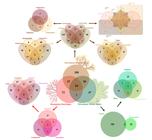
Venn diagrams illustrating the distribution and overlap of chemical compounds identified in the essential oils of marine macroalgae, organized by phylum, order, and genus.
Another critical aspect of understanding chemical specialization in seaweeds is the role of biotic interactions and phenotypic plasticity induced by environmental factors. The biosynthesis of compounds such as halogenated terpenes, lactones, and phenolics can be strongly modulated by microenvironmental stimuli such as salinity, light availability, herbivory pressure, or the presence of symbionts (Brodie et al. 2017). The literature highlights the “phycosphere”, the microscale zone surrounding the algal surface influenced by symbiotic microorganisms, as a dynamic environment of chemical exchange and natural selection, promoting specific biosynthetic responses and favoring the emergence of exclusive compounds in certain genera or populations (Brodie et al. 2017). This plasticity is particularly evident in genera such as Laurencia (Rhodophyta), known for its prolific production of bioactive sesquiterpenes and diterpenes, including elatol, obtusol, and dendroidiol, whose biosynthesis is associated with intra- and interspecific defense and signaling mechanisms (Peixoto et al. 2025).
The chemical composition analysis of EOs extracted from seaweeds revealed a remarkable spectrum of metabolic diversity, reflecting specific chemotaxonomic patterns among the phyla Rhodophyta, Chlorophyta, and Ochrophyta. These results are presented by chemical class per species in Figure 7, and the major constituents are detailed in Table 2. The predominance of chemical classes such as terpenes, fatty acids, hydrocarbons, phenolic compounds, sulfur- and halogen-containing metabolites varies substantially among the groups, suggesting distinct metabolic and ecological specializations.
The chemical composition of green algae (Chlorophyta), primarily represented by the orders Ulvales and Bryopsidales, revealed a metabolomic profile characterized by the dominance of primary and intermediary metabolites with relatively simple structures. Qualitative and quantitative analyses of lipophilic and volatile constituents indicated a prevalence of medium- to long-chain saturated and unsaturated fatty acids, accompanied by aliphatic alcohols, simple phenolic compounds, carotenoid derivatives, and linear hydrocarbons.
In species such as Ulva rigida and Enteromorpha linza (= U. linza) (Ulvales), high concentrations of total fatty acids were observed, reaching levels of 58.98% and 53.44%, respectively. Palmitic acid (C16:0) emerged as the dominant constituent, accounting for 47.32% in E. linza (= U. linza) (Patra et al. 2015a) and 44.42% in U. rigida (Mekinić et al. 2021; Yücel et al. 2023), corroborating its structural role in cell membranes and potential involvement in lipid signaling processes. In Codium fragile (Bryopsidales), although fatty acids remain significant, an accumulation of higher molecular weight compounds (22.1%) and long-chain hydrocarbons, such as tricosane (11.88%) (Yilmaz-Koz et al. 2009), was observed, suggesting a chemical composition adapted for physical barrier functions and osmotic protection.
The volatile fraction of these seaweeds also included fatty alcohols such as 1-hexadecanol, identified at significant levels in Padina pavonica (17.29%) (Jerković et al. 2019), as well as highly reactive unsaturated aldehydes like (Z, Z)-6,9-cis-3,4-epoxy-nonadecadiene (18.91%), whose biological activity suggests roles in chemical defense and intra- and interspecific signaling. Simple aromatic compounds, such as 1-methyl-3-(1-methylethyl)-benzene (15.00%) and (2E,4Z)-decadienal (12.40%) (Roussis et al. 2000), were also detected, particularly in E. linza, and may function as antioxidants or chemical modulators in eutrophic coastal microenvironments.
The presence of oxygenated carotenoid derivatives, including β-ionone (7.60%) and dihydroactinidiolide (7.80%) in Ulva lactuca (Zerrifi et al. 2020), indicates metabolic pathways associated with photoprotection, free radical scavenging, and potential symbiotic attraction mechanisms. However, in contrast to other macroalgal lineages, the diversity of terpenoids in Chlorophyta is notably limited. Metabolomic data suggest marginal expression of monoterpenes and sesquiterpenes, with virtually no diterpenes or triterpenes. This biosynthetic constraint is directly linked to the low expression of terpene synthase-encoding genes and the exclusive predominance of the 2-C-methyl-D-erythritol 4-phosphate (MEP) pathway as the sole route for terpenoid biosynthesis (Leliaert et al. 2012).
Sulfur- and nitrogen-containing compounds were detected in trace amounts, as in C. fragile (1.34% sulfur-containing compounds) and E. linza (=U. linza) (2.84% nitrogenous compounds), without apparent structural or functional diversity (Patra et al. 2015a). The relatively conservative chemical composition of these seaweeds seems to reflect evolutionary strategies oriented towards metabolic efficiency at the expense of structural diversification of complex secondary metabolites (Niklas et al. 2017; Brodie et al. 2017; Peixoto et al. 2025).
Thus, the chemical profile of green seaweeds is marked by low biosynthetic plasticity and reduced specialization in secondary compounds. This configuration suggests adaptations to environments with high nutrient availability or intense ecological competition, in which the maintenance of energy-efficient metabolic pathways provides a selective advantage. The predominance of metabolites with generalist ecological functions, such as homeostasis maintenance, basal chemical defense, and environmental resilience, makes Chlorophyta an interesting model of evolutionary conservation and biochemical functionality in coastal marine systems (Leliaert et al. 2012; Peixoto et al. 2025).
Seweeds of the phylum Rhodophyta are distinguished by a chemical profile dominated by oxygenated terpenoids and aromatic compounds with high structural and functional diversity. Among the most representative orders, such as Ceramiales and Corallinales, a marked predominance of sesquiterpenes is observed, particularly in species of the genus Laurencia, whose volatile composition can reach up to 63.88% for this group, as evidenced in L. obtusa (Demirel et al. 2011) (Fig. 7). Metabolic specialization in this lineage is further supported by the presence of oxygenated tricyclic sesquiterpenes of the laurane type, such as 2,6-dimethyl-4-oxa-endo-tricyclodecane, identified at high concentrations in both L. obtusa (15.10%) and L. obtusa var. pyramidata (48.22%). These compounds are biosynthesized through highly regulated pathways and are known for their cytotoxic, antifungal, and antiparasitic activities.
In addition to sesquiterpenes, both Rhodophyta and Ochrophyta exhibit a significant presence of phenolic compounds and simple phenols, with carvacrol, a p-cymene-type phenolic monoterpene, standing out due to its high abundance in Petalonia fascia (62.47%) and Centroceras clavulatum (36.06%) (Demirel et al. 2009; Nafis et al. 2021) (Tab. 2). These compounds exhibit proven antimicrobial and antioxidant activity, reflecting highly specialized biochemical defense mechanisms against pathogens and biofouling. In C. clavulatum, caryophyllene (14.67%) and the oxygenated monoterpene borneol (9.04%) were also identified, pointing to a suite of cyclic structures with distinct ecological roles, including chemical communication and microbial growth inhibition.
Although diterpenes are less frequent, their occasional presence is noteworthy, as in the case of phytol (19.16%) in Porphyra tenera (Kajiwara et al. 1990). Conversely, the production of triterpenes, lactones, sulfur- or halogen-containing compounds is generally absent or marginal. Nevertheless, halogenated compounds such as elatol, obtusol, and lauremantone have been described in Laurencia species, with their biosynthesis attributed to haloperoxidase activity, particularly vanadium-bromoperoxidase (V-BPO) (Harizani et al. 2016), suggesting an underexplored biosynthetic potential in some lineages .
The molecular mass distribution also indicates a range of medium to high molecular weight compounds, as observed in Jania rubens, with fractions corresponding to 21.87% and 37.07%, respectively, suggesting the presence of complex phenolic macromolecules and terpenoid intermediates (Fig. 7).
As previously noted, the MEP pathway is the primary route for terpenoid biosynthesis in this phylum, with occasional expression of the mevalonate (MVA) pathway. The presence of Microbial-Type Terpene Synthase-Like (MTPSL) enzymes, characterized by high catalytic promiscuity, has been identified as a key factor in the diversity of terpenoid skeletons observed in Rhodophyta (Peixoto et al. 2025).
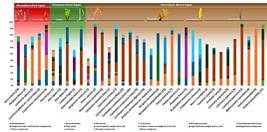
Figure 7 illustrates the chemical profiles of the main orders of brown algae (Fucales, Dictyotales, Ectocarpales, and Laminariales), highlighting a complex and diverse composition of specialized metabolites. Among the analyzed phyla, Ochrophyta exhibited the greatest chemical diversity, with a predominance of lipophilic compounds, oxygenated terpenoids, and metabolites with linear or branched aliphatic chains.
The order Fucales, represented by genera such as Sargassum, Fucus, and Cystoseira, displayed broad and distinct chemical profiles. Species such as Cystoseira crinita and Nizamuddinia zanardinii exhibited significant levels of sesquiterpenes (13.70% and 7.20%, respectively) (Fig. 7) (Firouzi et al. 2013). The presence of low-molecular-weight compounds (C6-C9), along with fatty acids in Cystoseira spp., contributes to a volatile profile with high chemical reactivity and potential biological activity. In Fucus spiralis and Sargassum muticum, a notable diversity of compounds was observed, reflecting the metabolic plasticity of the family Sargassaceae (Fig. 7) (Boutjagualt et al. 2022).
In the order Dictyotales, terpenoid compounds predominate, particularly oxygenated sesquiterpenes. Dictyopteris polypodioides exhibited a remarkably high content of sesquiterpenes (80.39%), while Dictyota dichotoma var. implexa showed diterpene concentrations exceeding 47%. The exclusive presence of sulfur-containing compounds (up to 40.8%) in certain species indicates specialized biosynthetic pathways, likely derived from the sulfur polyketide route (Fig. 7) (Demirel et al. 2009).
The order Ectocarpales displayed a unique profile, dominated by aliphatic phenols and phenylpropanoid-derived aromatic compounds, as seen in Petalonia fascia, which exhibited 62.47% phenylpropanoid-structured phenols. Scytosiphon lomentaria stood out for its substantial fraction of unclassified compounds (49.84%), including oxygenated sulfur-containing metabolites such as 18-crown-6-ether (Demirel et al. 2009).
Among Laminariales, the highest overall metabolic diversity was observed. Species such as Undaria pinnatifida and Laminaria japonica showed elevated levels of sesquiterpenes (89.44% and 16.81%, respectively) and fatty acids, particularly 52.29% total fatty acids in L. japonica. The occurrence of triterpenes, lactones, nitrogenous compounds, and oxygenated metabolites suggests the integration of multiple biosynthetic pathways, including both the MVA and MEP routes. The predominance of fatty acids such as myristic (C14:0) and palmitic (C16:0), reaching 89.66% in some species (e.g., L. japonica), underscores their structural and energetic roles, as well as their pharmacotechnological potential (Patra et al. 2015b).
The variable composition of EOs and lipid extracts among the analyzed orders indicates specific biosynthetic trajectories influenced by environmental, genetic, and seasonal factors. For instance, the presence of the sesquiterpene cubenol in Undaria pinnatifida (87.82%) and Kjellmaniella crassifolia (50.29%) confirms the activity of the MEP pathway. In Dictyota dichotoma, the occurrence of pachydictol A (39.54%) reinforces the value of sesquiterpenic markers in this order (Demirel et al. 2009). Compounds such as 7,10,13-hexadecatrienoic acid methyl ester, dominant in Nizamuddinia zanardinii (41.8%), and 6,10,14-trimethyl-2-pentadecanone (5.72% in Cystoseira compressa), illustrate the degree of metabolic specialization and structural complexity in brown seaweeds (Firouzi et al. 2013; Mekinić et al. 2021) (Tab. 2).
Interspecies comparisons also revealed important intraspecific variations. For instance, Ulva rigida exhibited distinct chemical profiles across studies: Mekinic et al. (2021) identified palmitic acid as the major compound (44%), whereas Roussis et al. (2000) reported 1-Methyl-3-(1-methylethyl)-benzene and (2E,4Z)-Decadienal as the dominant constituents. Similarly, Dictyota dichotoma and its variety (D. dichotoma var. implexa) showed substantial differences in their major compounds, with pachydictol A being the most abundant in the former (39.54%), while (Z)-13-octadecenal (14.56%) and myristaldehyde (12.28%) were predominant in the latter (Demirel et al. 2009). These variations can be attributed to both genetic factors and environmental or methodological conditions (e.g., extraction and detection protocols).
The consistent presence of myristic acid and hexadecanoic acid in various edible kelp species, such as Laminaria japonica, Undaria pinnatifida, and Costaria costata, supports their role as structural lipophilic constituents in the EOs of these seaweeds (Kajiwara et al. 1990). These fatty acids have been associated with pharmacological activities, including anti-inflammatory, antioxidant, and anticancer properties (Patra et al. 2015b).
Biological properties and potential applications of SEOs
The SEOs derived from seaweeds exhibit a broad spectrum of biological activities, whose intensity and specificity of which vary significantly among the main macroalgal phyla Ochrophyta (brown algae), Rhodophyta (red algae), and Chlorophyta (green algae) (Tab. S1, available on supplementary material <https://doi.org/10.6084/m9.figshare.30767699>). These variations are associated with phylogenetic differences, ecological adaptations, and distinct metabolomic profiles.
The antimicrobial properties of SEOs are among the most frequently reported bioactivities. Notably, Chlorophyta species, such as Enteromorpha linza, demonstrated inhibitory effects against Gram-positive bacteria like Staphylococcus aureus and Bacillus cereus, with minimum inhibitory concentrations (MICs) ranging from 12,500 to 25,000 µg/mL and minimum bactericidal concentrations (MBCs) reaching similar values. Ulva rigida exhibited a broader antimicrobial spectrum, including methicillin-resistant S. aureus (MRSA) and Pseudomonas aeruginosa, with inhibition zones up to 24 mm, depending on the strain and extract conditions (Patra et al. 2016b).
Essential oils from Rhodophyta, particularly Laurencia obtusa, revealed more selective activity. For example, inhibition zones ranged from 9 to 13 mm for S. aureus, B. subtilis, and S. epidermidis, while no activity was detected against E. coli or P. aeruginosa. Interestingly, Centroceras clavulatum displayed only weak activity across Gram-positive, Gram-negative, and fungal strains, including Candida albicans (Demirel et al. 2011; Gressler et al. 2011).
Among Ochrophyta, Cystoseira crinita demonstrated activity primarily against B. cereus (14-18 mm) and P. aeruginosa (13-20 mm), suggesting selective Gram-negative efficacy. Other brown algae, such as Dictyopteris polypodioides, showed moderate inhibition against S. aureus and B. cereus, with MICs of 1519 to 3038 µg/mL (Yücel 2021).
The antioxidant potential of SEOs is largely attributed to the presence of phenolic compounds, terpenoids, and unsaturated fatty acids. Extracts from Enteromorpha linza showed robust activity in multiple assays, achieving 91.37% DPPH radical scavenging, 53.50% superoxide inhibition, and lipid peroxidation inhibition of 70.53% at a concentration of 500 µg/mL. Likewise, Laurencia obtusa SEOs reached DPPH inhibition of 87.93%, comparable to the synthetic antioxidant BHA at 0.1 mg/mL.
Conversely, Enteromorpha compressa (=U. compressa) demonstrated moderate antioxidant properties, with DPPH scavenging activity of 41% and relatively low reducing power, indicating variability even within the same genus (Shanab et al. 2011).
Beyond antimicrobial and antioxidant functions, some SEOs also exhibit insecticidal and semiochemical activities. The EO from Fucus spiralis exhibited potent insecticidal effects against Ceratitis capitata (Mediterranean fruit fly), with a median lethal dose (LD50) of 0.239 µL/mL, indicating strong toxicity potential for bioinsecticide applications. Additionally, Ulva pertusa was reported to release volatile cues involved in chemical signaling, potentially mediating defense or allelopathic interactions (Akakabe & Kajiwara 2008; Boutjagualt et al. 2022).
The diversity of biological activities observed in SEOs is intricately linked to their chemical compositions. Compounds such as carvacrol, thymol, eugenol, and various halogenated sesquiterpenes, frequently identified in Laurencia spp. and Enteromorpha spp., are hypothesized to contribute significantly to antimicrobial and antioxidant effects through membrane disruption, radical scavenging, and chelation mechanisms (Kajiwara et al. 1988; Patra et al. 2015a, 2015b, 2015c).
Perspectives on the study of SEOs
This systematic review underscores the remarkable chemodiversity and biotechnological potential of essential oils derived from seaweeds. Despite their initial discovery nearly a century ago, SEOs remain a largely untapped reservoir of bioactive volatiles, particularly when compared to their terrestrial counterparts. The identification of 457 distinct compounds across only 32 studied species, representing merely 0.26% of the known macroalgal diversity, highlights the vast chemical richness yet to be explored within marine biodiversity.
The predominance of unique compounds at the phylum, family, and even genus levels suggests that volatile profiles in seaweeds are shaped not only by phylogenetic constraints but also by ecological pressures and environmental variability. These findings reveal evolutionary innovation and point to the potential ecological functions of SEOs as mediators within marine ecosystems. Nevertheless, they also expose significant methodological and conceptual gaps. The lack of standardized extraction protocols and the frequent conflation between true essential oils and general volatile extracts compromise reproducibility and hinder cross-study comparisons.
Advancing this field requires addressing four major challenges: (i) the standardization of analytical methods aligned with commercial and pharmacopeial definitions; (ii) the integration of chemotaxonomic and ecological approaches to elucidate the biosynthetic logic of SEOs constituents; (iii) the expansion of research efforts toward the Southern Hemisphere, a region of high macroalgal diversity that remains scientifically underexplored; and (iv) the extension of preclinical and clinical evaluations to support translational applications.
From a translational perspective, the consistent demonstration of antimicrobial, antioxidant, and semiochemical properties in SEOs opens promising avenues for their incorporation into pharmaceutical, cosmetic, agrochemical, and food industries. Notably, the high content of fatty acids, halogenated terpenes, and rare sesquiterpenes in certain species suggests the potential for the discovery of novel molecular scaffolds for drug development and functional ingredients.
Despite promising findings, most studies have concentrated on antimicrobial and antioxidant properties, with limited exploration of other therapeutic avenues such as anti-inflammatory, anticancer, antiviral, neuroprotective, or wound-healing activities. There is a pressing need for broader pharmacological screening, including in vitro and in vivo models, as well as standardized extraction methods to ensure reproducibility and comparative analysis across studies.
The demonstrated efficacy of SEOs, particularly in antimicrobial and antioxidant assays, positions them as valuable candidates for application in food preservation, cosmetics, and phytopharmaceuticals. Nonetheless, successful translation into applied products will depend on comprehensive toxicological assessment, pharmacokinetic profiling, and regulatory alignment, particularly regarding permissible concentrations and safety thresholds for human use.
Several research questions emerge: (1) To what extent do environmental stressors modulate the in situ composition of SEOs? (2) Can seasonal or geographic variability be leveraged to optimize the production of desirable volatile constituents? (3) How do intra- and interspecific variations influence the bioactivity and functional performance of SEOs in agro-pharmaceutical and industrial applications? (4) What are the ecological consequences of large-scale SEO extraction for marine ecosystems?
Addressing these questions will require multidisciplinary approaches encompassing marine ecology, natural product chemistry, biotechnology, cosmetology, and pharmacology. Moreover, the development of sustainable harvesting and cultivation protocols will be essential to ensure ecological balance and equitable access to marine resources.
In conclusion, this review offers not only a synthesis of the current state of knowledge but also a call to action: to move beyond isolated studies and foster a collaborative, standardized, and ecologically grounded research agenda that can unlock the full biotechnological potential of seaweed-derived essential oils.
Acknowledgements
The authors wish to acknowledge the traditional enchanted guardians of the lands and of the seas, who gave us the strength to systematize this data and made it possible for harmony in nature to sustain the existence of these beings.
This research was funded by the National Council for Scientific and Technological Development (CNPq, Brazil), the Coordination for the Improvement of Higher Education Personnel (CAPES, Brazil), the Carlos Chagas Filho Foundation for Research Support of the State of Rio de Janeiro (FAPERJ, Brazil), and the Jovem Pesquisador UFBA 2024 Call.
Supplementary Material
See supplementary material at https://doi.org/10.6084/m9.figshare.30767699
Supplementary PDF
Data availability statement
The data that support the findings of this study are included in the text and in the tables. Raw data for all figures are available from the corresponding author upon reasonable request.
References
-
Akakabe Y & Kajiwara T (2008) Bioactive volatile compounds from marine algae: feeding attractants. Journal of Applied Phycology 20: 661-664. DOI: 10.1007/s10811-007-9309-x
» https://doi.org/10.1007/s10811-007-9309-x -
ANVISA - Agência Nacional de Vigilância Sanitária (2024) Farmacopeia brasileira. Available at <Available at https://www.gov.br/anvisa/pt-br/assuntos/farmacopeia/farmacopeia-brasileira/volume1_ingles.pdf >. Access on 27 March 2025.
» https://www.gov.br/anvisa/pt-br/assuntos/farmacopeia/farmacopeia-brasileira/volume1_ingles.pdf -
Boutjagualt I, Hmimid F, Errami A, Bouharroud R, Qessaoui R, Etahiri S & Benba J (2022) Chemical composition and insecticidal effects of brown algae (Fucus spiralis) essential oil against Ceratitis capitata Wiedemann (Diptera: Tephritidae) pupae and adults. Biocatalysis and Agricultural Biotechnology 40: 102308. DOI: 10.1016/j.bcab.2022.102308
» https://doi.org/10.1016/j.bcab.2022.102308 -
Brodie J, Williamson CJ, Smale DA, Kamenos NA, Mieszkowska N, Santos R, Cunliffe M, Steinke M, Yesson C, Anderson KM, Asnaghi V, Brownlee C, Burdett H, Burrows MT, Collins S, Donohue PJC, Harvey B, Foggo A, Noisette F, Nunes J, Ragazzola F, Raven JA, Schmidt DN, Suggett D, Teichberg M & Hall JM (2017) Biotic interactions as drivers of algal origin and evolution. New Phytologist 216: 670-681. DOI: 10.1111/nph.14760
» https://doi.org/10.1111/nph.14760 -
Carroll AR, Copp BR, Grkovic T, Keyzers RA & Prinsep MR (2024) Marine natural products. Natural Product Reports 41: 162-207. DOI: 10.1039/D3NP00061C
» https://doi.org/10.1039/D3NP00061C -
Dadras A, Vries J & Dacks JB (2023) Accessible versatility underpins the deep evolution of plant specialized metabolism. Phytochemistry Reviews 24: 1-14. DOI: 10.1007/s11101-023-09863-2
» https://doi.org/10.1007/s11101-023-09863-2 -
Demirel Z, Yilmaz-Koz FF, Karabay-Yavasoglu UN, Ozdemir G & Sukatar A (2009) Antimicrobial and antioxidant activity of brown algae from the Aegean Sea. Journal of the Serbian Chemical Society 74: 619-628. DOI: 10.2298/JSC0906619D
» https://doi.org/10.2298/JSC0906619D - Demirel Z, Yilmaz-Koz FF, Karabay-Yavasoglu UN, Ozdemir G & Sukatar A (2011) Antimicrobial and antioxidant activities of solvent extracts and the essential oil composition of Laurencia obtusa and Laurencia obtusa var. pyramidata. Romanian Biotechnological Letters 16: 5927-5936.
-
El Hattab M (2020) Algae essential oils: chemistry, ecology, and biological activities. In: Oliveira MS, Costa WA & Silva SG (eds.) Essential oils - bioactive compounds, new perspectives and applications. IntechOpen. DOI: 10.5772/intechopen.91672
» https://doi.org/10.5772/intechopen.91672 -
El Hattab M, Culioli G, Piovetti L, Chitour SE & Valls R (2007) Comparison of various extraction methods for identification and determination of volatile metabolites from the brown alga Dictyopteris membranacea. Journal of Chromatography A 1143: 1-7. DOI: 10.1016/j.chroma.2006.12.057
» https://doi.org/10.1016/j.chroma.2006.12.057 -
Fink P (2007) Ecological functions of volatile organic compounds in aquatic systems. Marine and Freshwater Behaviour and Physiology 40: 155-168. DOI: 10.1080/10236240701602218
» https://doi.org/10.1080/10236240701602218 -
Firouzi J, Gohari AR, Rustaiyan A, Larijani K & Saeidnia S (2013) Composition of the essential oil of Nizamuddinia zanardinii, a brown alga collected from Oman Gulf. Journal of Essential Oil Bearing Plants 16: 689-692. DOI: 10.1080/0972060X.2013.862072
» https://doi.org/10.1080/0972060X.2013.862072 -
Frazzini S & Rossi L (2025) Anticancer properties of macroalgae: a comprehensive review. Marine Drugs 23: 70. DOI: 10.3390/md23020070
» https://doi.org/10.3390/md23020070 - Gottlieb OR & Salatino A (1987) Função e evolução dos óleos essenciais e de suas estruturas secretoras. Ciência e Cultura 39: 707-16.
-
Gressler V, Stein ÉM, Dörr F, Fujii MT, Colepicolo P & Pinto E (2011) Sesquiterpenes from the essential oil of Laurencia dendroidea (Ceramiales, Rhodophyta): isolation, biological activities and distribution among seaweeds. Revista Brasileira de Farmacognosia 21: 248-254. DOI: 10.1590/S0102-695X2011005000059
» https://doi.org/10.1590/S0102-695X2011005000059 -
Guiry MD & Guiry GM (2025) AlgaeBase. World-wide electronic publication, National University of Ireland, Galway. Available at <Available at https://www.algaebase.org >. Access on 27 March 2025.
» https://www.algaebase.org -
Harizani M, Ioannou E & Roussis V (2016) The Laurencia paradox: an endless source of chemodiversity. Progress in the Chemistry of Organic Natural Products 102: 91-252. DOI: 10.1007/978-3-319-33172-0_2
» https://doi.org/10.1007/978-3-319-33172-0_2 -
Heavisides E, Rouger C, Reichel AF, Ulrich C, Wenzel-Storjohann A, Sebens S & Tasdemir D (2018) Seasonal variations in the metabolome and bioactivity profile of Fucus vesiculosus extracted by an optimised, pressurised liquid extraction protocol. Marine Drugs 16: 503. DOI: 10.3390/md16120503
» https://doi.org/10.3390/md16120503 -
ISO - International Organization for Standardization (2021) ISO 9235:2021. Aromatic natural raw materials. Available at <Available at https://www.iso.org/obp/ui/en/#iso:std:iso:9235:ed-3:v1:en >. Access on 27 March 2025.
» https://www.iso.org/obp/ui/en/#iso:std:iso:9235:ed-3:v1:en -
Jerković I, Kranjac M, Marijanović Z, Roje M & Jokić S (2019) Chemical diversity of headspace and volatile oil composition of two brown algae (Taonia atomaria and Padina pavonica) from the Adriatic Sea. Molecules 24: 495. DOI: 10.3390/molecules24030495
» https://doi.org/10.3390/molecules24030495 -
Kajiwara T, Hatanaka A, Kawai T, Ishihara M & Tsuneya T (1988) Study of flavor compounds of essential oil extracts from edible Japanese kelps. Journal of Food Science 53: 960-962. DOI: 10.1111/j.1365-2621.1988.tb08995.x
» https://doi.org/10.1111/j.1365-2621.1988.tb08995.x -
Kajiwara T, Kashibe M, Matsui K & Hatanaka A (1990) Volatile compounds and long-chain aldehydes formation in conchocelis-filaments of a red alga, Porphyra tenera. Phytochemistry 29: 2193-2195. DOI: 10.1016/0031-9422(90)83036-Z
» https://doi.org/10.1016/0031-9422(90)83036-Z -
Kajiwara T, Hatanaka A, Kodama K, Ochi S & Fujimura T (1991) Dictyopterenes from three Japanese brown algae. Phytochemistry 30: 1805-1807. DOI: 10.1016/0031-9422(91)85017-T
» https://doi.org/10.1016/0031-9422(91)85017-T -
Kant R & Kumar A (2022) Review on essential oil extraction from aromatic and medicinal plants: techniques, performance and economic analysis. Sustainable Chemistry and Pharmacy 30: 100829. DOI: 10.1016/j.scp.2022.100829
» https://doi.org/10.1016/j.scp.2022.100829 -
Karabay-Yavasoglu NU, Sukatar A, Ozdemir G & Horzum Z (2007) Antimicrobial activity of volatile components and various extracts of the red alga Jania rubens. Phytotherapy Research 21: 153-156. DOI: 10.1002/ptr.2045
» https://doi.org/10.1002/ptr.2045 -
Leliaert F, Verbruggen H & Zechman FW (2012) Phylogeny and molecular evolution of the green algae. Plant Sciences 31: 1-46. DOI: 10.1080/07352689.2011.615705
» https://doi.org/10.1080/07352689.2011.615705 -
Li WJ, Bian LH, Li WH, Yin Y, Li J, Wang SQ & Guo JY (2025) Essential oils as therapeutic and protective instruments in depression based on animal models: A systematic review and meta-analysis. Journal of Essential Oil-Bearing Plants 28: 24-36. DOI: 10.1080/0972060X.2025.2465581
» https://doi.org/10.1080/0972060X.2025.2465581 -
Lomartire S & Gonçalves AMM (2022) An overview of potential seaweed-derived bioactive compounds for pharmaceutical applications. Marine Drugs 20: 141. DOI: 10.3390/md20020141
» https://doi.org/10.3390/md20020141 -
Lu SJ, Yosemoto S, Takayama S, Satomi D & Akakabe Y (2018) Characteristic aroma components from dried “Wakame” Undaria pinnatifida. Journal of Oleo Science 67: 1201-1207. DOI: 10.5650/jos.ess17227
» https://doi.org/10.5650/jos.ess17227 -
Maczynski A, Wisniewska-Gocłowska B, Skrzecz A & Shaw DG (2005) IUPAC-NIST solubility data series. 81. Hydrocarbons with water and seawater - Revised and updated. Part 1. C7 hydrocarbons with water. Journal of Physical and Chemical Reference Data 34: 441-476. DOI: 10.1063/1.1840737
» https://doi.org/10.1063/1.1840737 -
Maeda HA & Fernie AR (2021) Evolutionary history of plant metabolism. Annual Review of Plant Biology 72: 185-216. DOI: 10.1146/annurev-arplant-080620-031054
» https://doi.org/10.1146/annurev-arplant-080620-031054 -
Mandal AK, Parida S, Behera AK, Adhikary SP, Lukatkin AA, Lukatkin AS & Jena M (2025) Seaweed in the diet as a source of bioactive metabolites and a potential natural immunity booster: a comprehensive review. Pharmaceuticals 18: 367. DOI: 10.3390/ph18030367
» https://doi.org/10.3390/ph18030367 -
Martignago CCS, Barbosa CS, Garcia Motta H, Silva BS, Peres EPML, Silva LCS, Bonifácio M, Sousa KSJ, Alqualo AS, Parisi J, Jordan O, Renno ACM, Aguiar ACC & Patrulea V (2025) Exploring antibacterial properties of marine sponge-derived natural compounds: a systematic review. Marine Drugs 23: 43. DOI: 10.3390/md23010043
» https://doi.org/10.3390/md23010043 -
Mekinić IG, Čagalj M, Tabanelli G, Montanari C, Barbieri F, Skroza D & Šimat V (2021) Seasonal changes in essential oil constituents of Cystoseira compressa: first report. Molecules 26: 6649. DOI: 10.3390/molecules26216649
» https://doi.org/10.3390/molecules26216649 -
Moher D, Liberati A, Tetzlaff J, Altman DG & PRISMA Group (2009) Preferred reporting items for systematic reviews and meta-analyses: the PRISMA statement. PLoS Medicine 6: e1000097. DOI: 10.1371/journal.pmed.1000097
» https://doi.org/10.1371/journal.pmed.1000097 -
Moore RE (1977) Volatile compounds from marine algae. Accounts of Chemical Research 10: 40-47. DOI: 10.1021/ar50110a002
» https://doi.org/10.1021/ar50110a002 -
Nafis A, Khalloufi FE, Aknaf A, Oudra B, Marraiki N, Rashed SA & Custódio L (2021) In vitro antimicrobial and synergistic effect of essential oil from the red macroalgae Centroceras clavulatum (C. Agardh) Montagne with conventional antibiotics. Asian Pacific Journal of Tropical Biomedicine 11: 414-420. DOI: 10.4103/2221-1691.321129
» https://doi.org/10.4103/2221-1691.321129 -
Niklas KJ, Cobb ED & Matas AJ (2017) The evolution of hydrophobic cell wall biopolymers: from algae to angiosperms. Journal of Experimental Botany 68: 5261-5269. DOI: 10.1093/jxb/erx215
» https://doi.org/10.1093/jxb/erx215 -
Patra JK & Baek KH (2016a) Antibacterial activity and action mechanism of the essential oil from Enteromorpha linza L. against foodborne pathogenic bacteria. Molecules (Basel, Switzerland) 21: 388. DOI: 10.3390/molecules21030388
» https://doi.org/10.3390/molecules21030388 -
Patra JK & Baek KH (2016b) Anti-listerial activity of four seaweed essential oils against listeria monocytogenes. Jundishapur Journal of Microbiology 9: e31784. DOI: 10.5812/jjm.31784
» https://doi.org/10.5812/jjm.31784 -
Patra JK, Kim SH & Baek KH (2015a) Antioxidant and free radical-scavenging potential of essential oil from Enteromorpha linza L. prepared by microwave-assisted hydrodistillation. Journal of Food Biochemistry 39: 80-90. DOI: 10.1111/jfbc.12110
» https://doi.org/10.1111/jfbc.12110 -
Patra JK, Das G & Baek KH (2015b) Chemical composition and antioxidant and antibacterial activities of an essential oil extracted from an edible seaweed, Laminaria japonica L. Molecules 20: 12093-12113. DOI: 10.3390/molecules200712093
» https://doi.org/10.3390/molecules200712093 -
Patra JK, Das G & Baek KH (2015c) Antibacterial mechanism of the action of Enteromorpha linza L. essential oil against Escherichia coli and Salmonella Typhimurium. Botanical Studies 56: 13. DOI: 10.1186/s40529-015-0093-7
» https://doi.org/10.1186/s40529-015-0093-7 -
Patra JK, Lee SW, Park JG & Baek KH (2017) Antioxidant and antibacterial properties of essential oil extracted from an edible seaweed Undaria pinnatifida. Journal of Food Biochemistry 41: e12278. DOI: 10.1111/jfbc.12278
» https://doi.org/10.1111/jfbc.12278 -
Peixoto WFS, Pereira RC, Azevedo EDSS, Santos FM, Coutinho R & Oliveira LS (2025) The molecular complexity of terpene biosynthesis in red algae: Current state and future perspectives. Natural Product Reports 42: 965-981. DOI: 10.1039/D4NP00034J
» https://doi.org/10.1039/D4NP00034J -
Petronilho S, Salvador ÂC, Silva I, Coimbra MA & Rocha SM (2024) Insights into the volatile profile of a red macroalga (Gracilaria vermiculophylla) for future food applications. Algal Research 78: 103402. DOI: 10.1016/j.algal.2024.103402
» https://doi.org/10.1016/j.algal.2024.103402 -
Pheko-Ofitlhile T & Makhzoum A (2024) Impact of hydrodistillation and steam distillation on the yield and chemical composition of essential oils and their comparison with modern isolation techniques. Journal of Essential Oil Research 36: 105-115. DOI: 10.1080/10412905.2024.2320350
» https://doi.org/10.1080/10412905.2024.2320350 -
Radulović NS & Blagojević PD (2012) The most frequently encountered volatile contaminants of essential oils and plant extracts introduced during the isolation procedure: fast and easy profiling. Phytochemical Analysis 23: 131-142. DOI: 10.1002/pca.1334
» https://doi.org/10.1002/pca.1334 -
Ramos YJ, Santos CC, Lima JPMS, Amorim MH & Brandão GC (2023) Chemophenetic and chemodiversity approaches: new insights on modern study of plant secondary metabolite diversity at different spatiotemporal and organizational scales. Revista Brasileira de Farmacognosia 33: 49-72. DOI: 10.1016/j.bse.2020.104116
» https://doi.org/10.1016/j.bse.2020.104116 -
Riad N, Zahi MR, Trovato E, Bouzidi N, Daghbouche Y, Utczás M, Mondello L & El Hattab M (2020) Chemical screening and antibacterial activity of essential oil and volatile fraction of Dictyopteris polypodioides. Microchemical Journal 152: 104415. DOI: 10.1016/j.microc.2019.104415
» https://doi.org/10.1016/j.microc.2019.104415 -
Romano G, Almeida M, Varela Coelho A, Cutignano A, Gonçalves LG, Hansen E, Khnykin D, Mass T, Ramšak A, Rocha MS, Silva TH, Sugni M, Ballarin L & Genevière AM (2022) Biomaterials and bioactive natural products from marine invertebrates: from basic research to innovative applications. Marine Drugs 20: 219. DOI: 10.3390/md20040219
» https://doi.org/10.3390/md20040219 -
Roussis V, Rapti T, Vagias C, Harvala C & Caberi H (2000) Volatile metabolites of the Green Alga Ulva rigida C. Agardh. Journal of Essential Oil Research 12: 201-204. DOI: 10.1080/10412905.2000.9699497
» https://doi.org/10.1080/10412905.2000.9699497 -
Saha M & Fink P (2022) Algal volatiles - the overlooked chemical language of aquatic primary producers. Biological Reviews of the Cambridge Philosophical Society 97: 2162-2173. DOI: 10.1111/brv.12887
» https://doi.org/10.1111/brv.12887 -
Shanab SMM, Shalaby EA & Fayoumy EEA (2011) Enteromorpha compressa exhibits potent antioxidant activity. Journal of Biomedicine and Biotechnology 2011: 726405. DOI: 10.1155/2011/726405
» https://doi.org/10.1155/2011/726405 -
Shaw DG, Sokolic F, Ruelle P & Wilhelm E (2006) IUPAC-NIST solubility data series. 81. Hydrocarbons with water and seawater - revised and updated. Part 11. C13-C36 hydrocarbons with water. Journal of Physical and Chemical Reference Data 35: 687-784. DOI: 10.1063/1.1796631
» https://doi.org/10.1063/1.1796631 -
Sudatti DB, Oliveira AS, Gama BAP, Fujii MT, Rodrigues SV & Pereira RC (2021) Variability in seaweed chemical defense and growth under common garden conditions. Frontiers in Marine Science 8: 720711. DOI: 10.3389/fmars.2021.720711
» https://doi.org/10.3389/fmars.2021.720711 -
Thiyagarasaiyar K, Goh BH, Jeon YJ & Yow YY (2020) Algae metabolites in cosmeceutical: an overview of current applications and challenges. Marine Drugs 18: 323. DOI: 10.3390/md23020070
» https://doi.org/10.3390/md23020070 -
Tolls J, van Dijk J, Verbruggen EJM, Hermens JLM, Loeprecht B & Schüürmann G (2002) Aqueous solubility - molecular size relationships: a mechanistic case study using C10-to C19-alkanes. The Journal of Physical Chemistry A 106: 2760-2765. DOI: 10.1021/jp011755a
» https://doi.org/10.1021/jp011755a -
Vilar EG, Sullivan MG, Kerry JP & Kilcawley KN (2020) Volatile compounds of six species of edible seaweed: a review. Algal Research 45: 101740. DOI: 10.1016/j.algal.2019.101740
» https://doi.org/10.1016/j.algal.2019.101740 -
Yaws CL & Narasimhan PK (2005) Solubility of hydrocarbons in salt water. In: Water Encyclopedia 4: 559-561. DOI: 10.1002/047147844X.pc1606
» https://doi.org/10.1002/047147844X.pc1606 - Yilmaz-Koz FF, Yavasoglu NUK, Demirel Z, Sukatar A & Ozdemir G (2009) Antioxidant and antimicrobial activities of Codium fragile (Suringar) Hariot (Chlorophyta) essential oil and extracts. Asian Journal Chemistry 21: 1197-1209.
-
Yücel TB (2021) Comparison of volatile chemical components of Cystoseira crinita Duby by hydrodistillation (HD) and solid-phase microextraction (SPME) methods and antimicrobial and scolicidal activities of essential oil and extracts. Turkish Journal of Chemistry 46: 378-393. DOI: 10.3906/kim-2104-36
» https://doi.org/10.3906/kim-2104-36 -
Yücel TB, Korkmaz B, Cebeci T, Karaman Ü, Arici YK, Fandakli S & Gül T (2023) Analysis of volatile constituent by hydrodistillation and solid-phase microextraction techniques and antimicrobial and scolicidal activities of essential oil and soxhlet extracts of Ulva rigida grown in turkey. Chemistry & Biodiversity 20: e202300965. DOI: 10.1002/cbdv.202300965
» https://doi.org/10.1002/cbdv.202300965 -
Zatelli GA, Philippus AC & Falkenberg M (2018) An overview of odoriferous marine seaweeds of the Dictyopteris genus: insights into their chemical diversity, biological potential and ecological roles. Brazilian Journal of Pharmacognosy 28: 243-260. DOI: 10.1016/j.bjp.2018.01.005
» https://doi.org/10.1016/j.bjp.2018.01.005 -
Zerrifi SEA, Khalloufi FE, Mugani R, Mahdi RE, Kasrati A, Soulaimani B, Barros L, Ferreira ICRF, Amaral JS, Finimundy TC, Abbad A, Oudra D, Campos A & Vasconcelos V (2020) Seaweed essential oils as a new source of bioactive compounds for cyanobacteria growth control: innovative ecological biocontrol approach. Toxins 12: 527. DOI: 10.3390/toxins12080527
» https://doi.org/10.3390/toxins12080527