 Diversity and nesting characteristics of stingless bees in an urban green area, the Botanical Garden of Rio de Janeiro
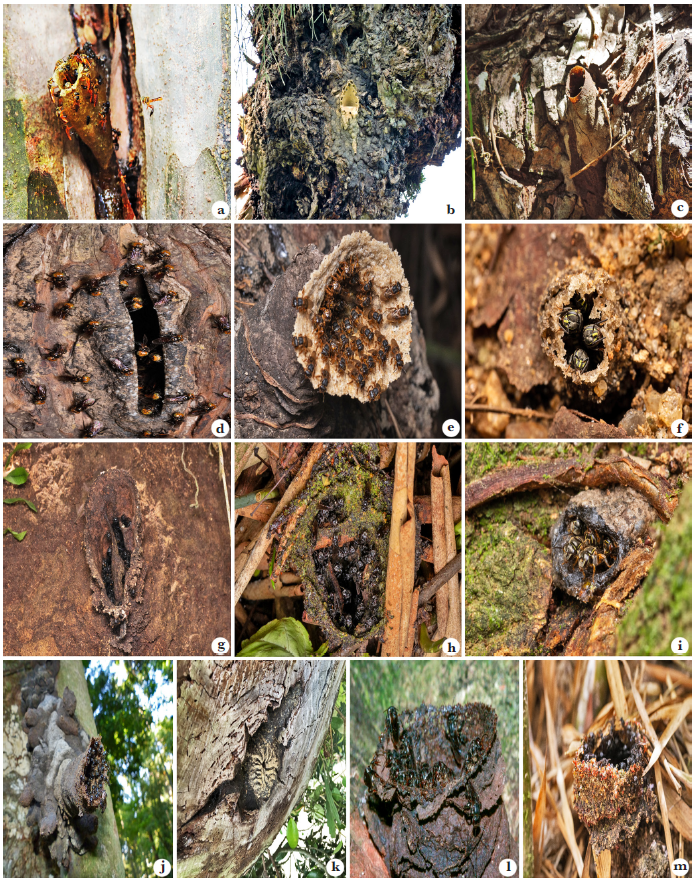
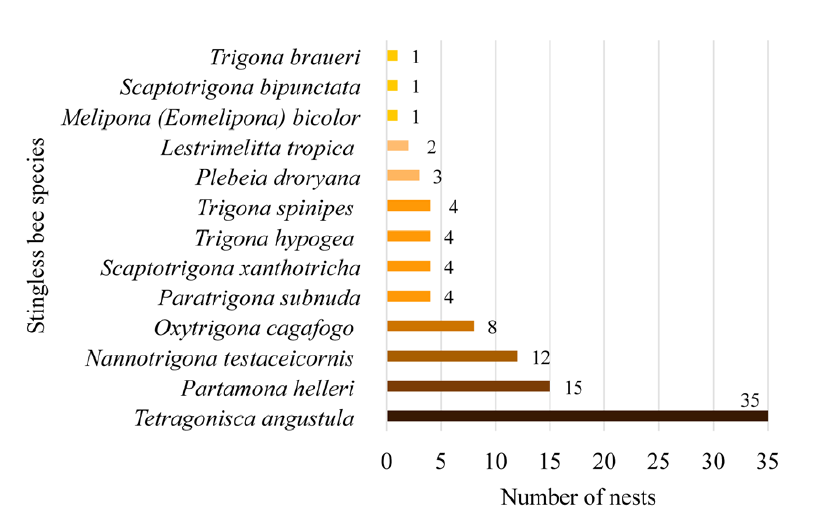
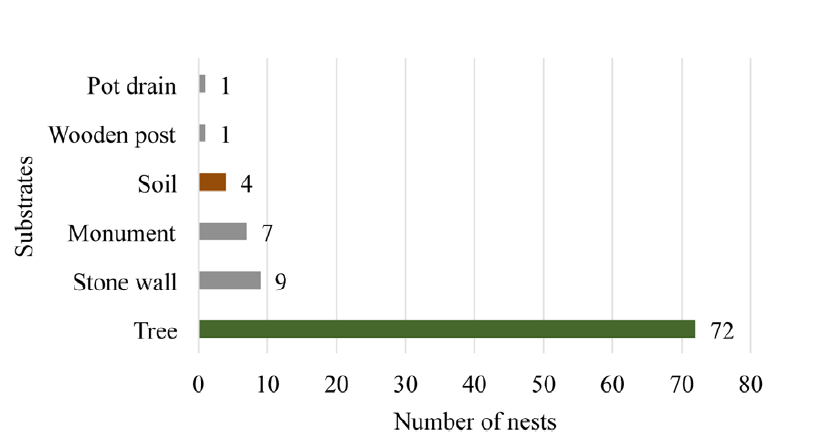
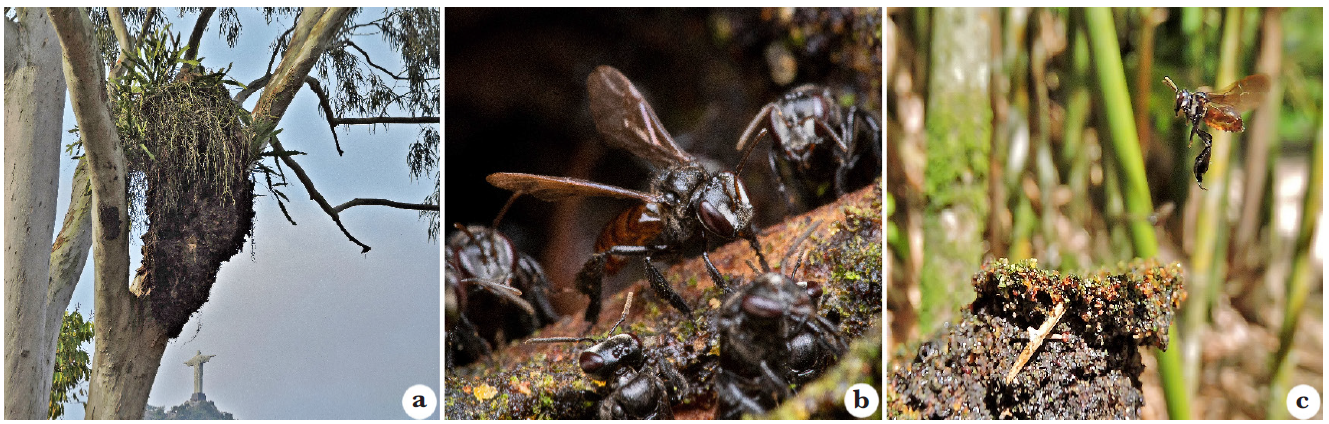
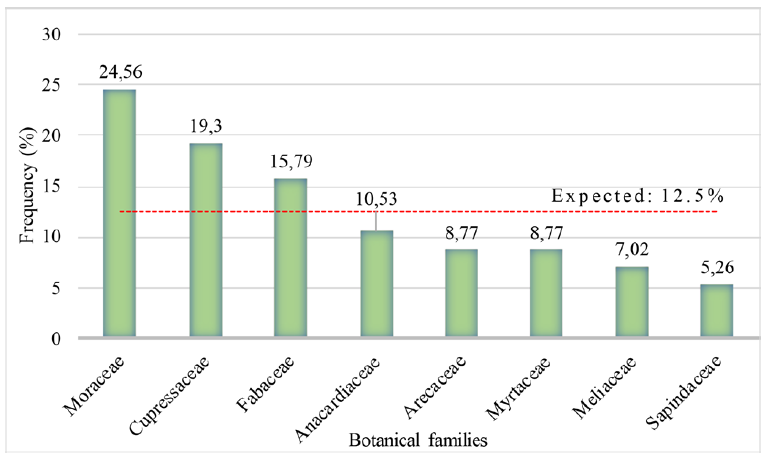
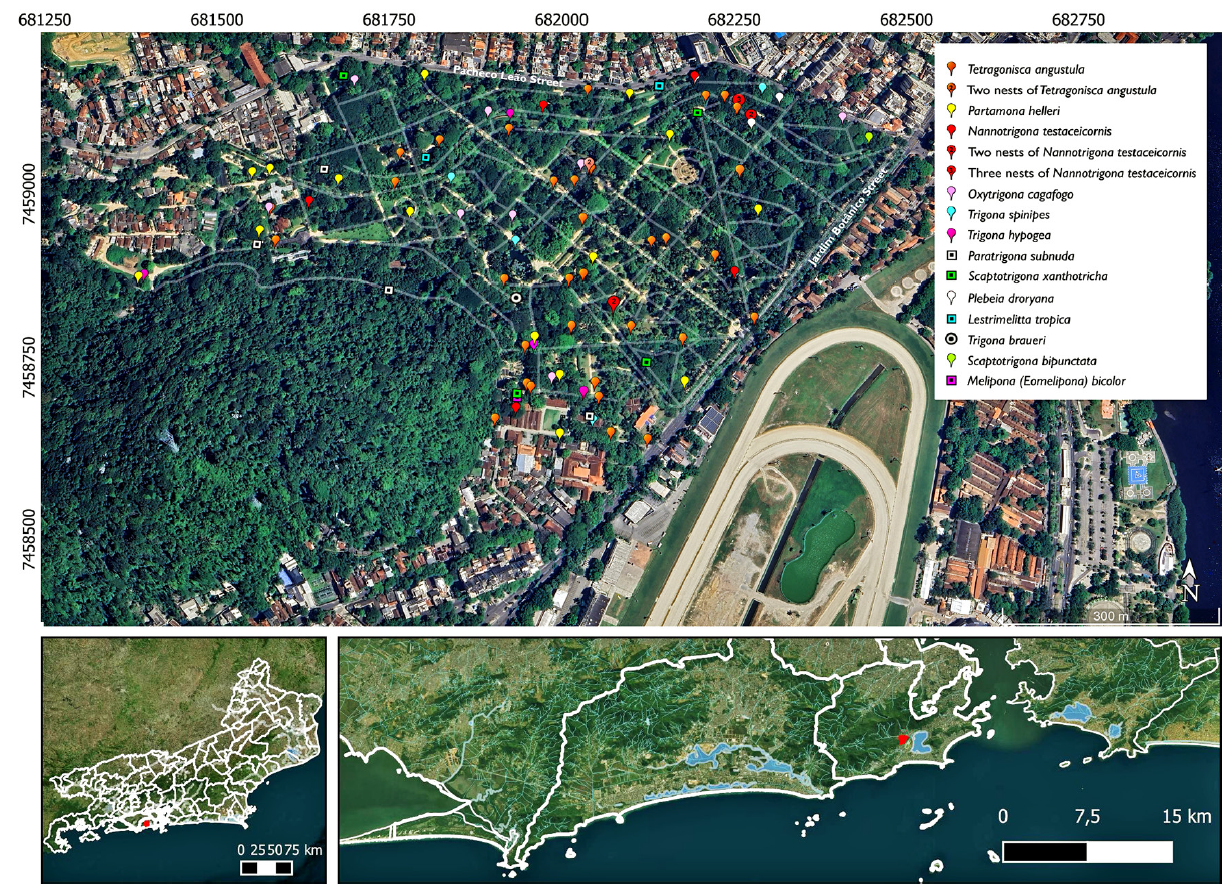
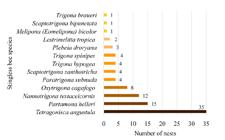
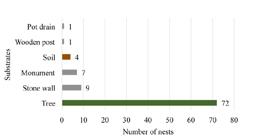
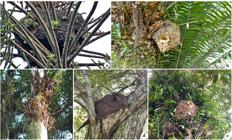
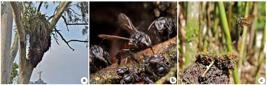
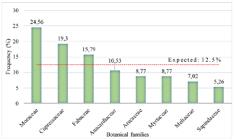
Green urban areas act as refuges for the nests of stingless bees, during reproduction, in response to niche constraints. This study investigated the characteristics of natural colonization by stingless bees in the arboretum of the Botanical Garden of Rio de Janeiro, located within the city’s urban fabric. A total of 94 nests belonging to 13 species were found in the following proportions: Tetragonisca angustula (37.3%), Partamona helleri (16%), Nannotrigona testaceicornis (12.8%), Oxytrigona cagafogo (8.5%), Scaptotrigona xanthotricha, Paratrigona subnuda, Trigona spinipes, and Trigona hypogea (each 4.2%), Plebeia droryana (3.2%), Lestrimelitta tropica (2.1%), Melipona (Eomelipona) bicolor, Scaptotrigona bipunctata, and Trigona braueri (each 1.1%). Most nests were built inside tree trunks or in the treetops, but some were also found in stone walls, in monuments, and in the ground. Nests were identified in 48 tree species across 21 botanical families, predominantly in Moraceae (19.44%) and Cupressaceae (15.28%). The colonized trees had an average diameter of 1.09 m, indicating mature trees, which favor the establishment of stingless bee nests. The height, density, spatial distribution and survival of the nests were evaluated. These results underscore the importance of conserving stingless bee nests in urban green areas.
Key words:
Atlantic Forest; biodiversity; Meliponina; stingless bees nesting habits; urban afforestation
 Thumbnail
 Thumbnail
 Thumbnail
 Thumbnail
 Thumbnail
 Thumbnail
 Thumbnail
 Thumbnail
 Thumbnail