 Uncharted territory: flora of the Campos Rupestres of Serra do Frazão - new records, geographic distribution, and conservation highlights
Abstract
The Brazilian Campos Rupestres are highly biodiverse, yet many areas remain unexplored, even those near research centers. We present the first floristic survey of 291 hectares of Campos Rupestres in Serra do Frazão, a previously under-sampled area in the eastern Quadrilátero Aquífero-Ferrífero (QAF), in Minas Gerais (MG). Botanical specimens were collected from 2022 to 2024 and deposited in herbarium collections. We compared our findings with those from Itacolomi State Park and RPPN Santuário do Caraça, identifying patterns of geographic distribution and species threat status. 410 tracheophyte species across 97 families and 261 genera were identified. Among these, 335 are new records for Frazão, 18 for Ouro Preto municipality, and two for MG. Fifty-one species are endemic to MG, eleven of which are exclusive to the QAF. We expanded the known distribution of seven of these species and proposed two new endemics: Aristolochia marianensis and Pleroma decemcostatum. Two microendemic species from Serra do Frazão, Barbacenia beauverdii and Paepalanthus atrovaginatus, are critically endangered. In total, thirty-three threatened species were recorded. Frazão’s flora is unique, with 21.2% of species exclusive to the area, showing greater floristic similarity with Caraça. Our findings underscore the urgency of establishing Frazão as a conservation unit.
Key words:
biodiversity; collection bias; conservation; flora survey; Quadrilátero Aquífero-Ferrífero
Resumo
Os Campos Rupestres brasileiros são altamente biodiversos, mas muitas áreas ainda permanecem inexploradas, mesmo próximas a centro de pesquisas. Apresentamos o primeiro levantamento florístico de 291 hectares na Serra do Frazão, uma área anteriormente pouco amostrada no leste do Quadrilátero Aquífero-Ferrífero (QAF), em Minas Gerais (MG). Espécimes botânicos foram coletados entre 2022 e 2024 e depositados em herbário. Comparamos nossos resultados com os do Parque Estadual do Itacolomi e da RPPN Santuário do Caraça, identificamos os padrões de distribuição geográfica e o estado de ameaça das espécies. Foram identificadas 410 espécies de traqueófitas, distribuídas em 97 famílias e 261 gêneros. Dessas, 335 são registros novos para o Frazão, 18 para o município de Ouro Preto e dois para MG. Cinquenta e uma espécies são endêmicas de MG, sendo onze exclusivas do QAF. Ampliamos a distribuição conhecida de sete delas e propusemos duas novas endêmicas: Aristolochia marianensis e Pleroma decemcostatum. Duas espécies microendêmicas do Frazão, Barbacenia beauverdii e Paepalanthus atrovaginatus, estão criticamente ameaçadas. Ao todo, registramos 33 espécies ameaçadas. A flora do Frazão é única, com 21,2% de espécies exclusivas da área, apresentando maior similaridade florística com o Caraça. Os dados reforçam a urgência de sua proteção como Unidade de Conservação.
Palavras-chave:
biodiversidade; viés de coleta; conservação; levantamento florístico; Quadrilátero Aquífero-Ferrífero
Introduction
Species inventories are a key objective for biodiversity identification and conservation (CBD 2012, 2016). However, species distributions remain poorly understood (Wallacean deficit) (Hortal et al. 2008), and many species may become extinct before they are even known to science (Linnaean deficit) (Costello 2013; Brown et al. 2023), especially in megadiverse countries such as Brazil (Gallagher et al. 2023). These gaps have been associated with historical collection biases, including ease of access, proximity to urban areas, research centers, rivers, and previously visited locations, regions, and biomes (Kadmon et al. 2004; Hopkins 2007; Hortal et al. 2008; Madeira et al. 2008; Sousa-Baena et al. 2013; Oliveira et al. 2016; Hughes et al. 2021). Consequently, sampling bias compromises studies in biogeography, conservation, ecology, and evolution, as it limits understanding of population dynamics, phylogenetic relationships, functional traits, adaptive responses, and ecological interactions (Hortal et al. 2015). Addressing these deficits requires prioritizing under-sampled areas in biodiversity research (Sobral & Stehmann 2009; Oliveira et al. 2016; Bachman et al. 2023), mainly through floristic surveys, which provide the primary data that support all fields of biological science (Funk 2006; Rapini et al. 2008; Sobral & Stehmann 2009; Ulloa-Ulloa et al. 2017).
The Brazilian Campos Rupestres, due to their unique flora, stand out as one of the most important and biodiverse mountain ecosystems. They are characterized by mountainous azonal vegetation, predominantly herbaceous to shrubby, prone to fire, with the presence of mainly quartzitic and ferruginous rocky outcrops (Jacobi et al. 2007; Silveira et al. 2016; Miola et al. 2020). They are responsible for sheltering 15% of the total vascular plant flora in an area that occupies less than 1% of the Brazilian territory (Fernandes et al. 2014; Silveira et al. 2016), with many endemic, rare, and threatened species (Alves & Kolbek 1994; Giulietti et al. 1997; Rapini et al. 2008; Echternacht et al. 2011; Alves et al. 2014; Silveira et al. 2016). Due to their azonal characteristics, forming isolated islands within an adjacent vegetation matrix, and with flora influenced by climatic, edaphic, lithological, and topographic conditions on a microscale (Giulietti et al. 1997; Benites et al. 2003, 2007; Schaefer et al. 2016; Silveira et al. 2016; Neves et al. 2017), the identity of the Campos Rupestres flora has intrigued botanists for a long time (e.g.,Silveira 1928).
It is known that the Campos Rupestres do not represent a single floristic group, encompassing areas of endemism at various scales and across several biomes (Echternacht et al. 2011; Neves et al. 2017). As a result, different provinces and districts are now recognized (Colli-Silva et al. 2019; Azevedo et al. 2024), and each habitat has its own specific flora and phylogenetic lineages (Zappi et al. 2017). This directly affects conservation efforts in Campos Rupestres, emphasizing the need to reassess the current limits of their protected areas and create additional conservation units to safeguard their biota and their ecosystem services (Neves et al. 2017; Pacheco et al. 2018; Fernandes et al. 2020). It is worth mentioning that this broader understanding of Campos Rupestres is a direct result of continuous efforts in taxonomic research and floristic studies, which began in the 19th century (e.g., Flora brasiliensis [Martius 1840-1906]) and became more intensive in the late 20th century (Giulietti et al. 1997, 2005; Rapini et al. 2008; Almeida et al. 2023). New floristic studies covering unexplored Campos Rupestres areas are essential for a more comprehensive understanding of their flora and regions of endemism (Echternacht et al. 2011; Almeida et al. 2023).
The Quadrilátero Aquífero-Ferrífero (QAF; term adopted here, see Lobo & Cioni 2024), also known as the Iron Quadrangle, is located in the central part of the state of Minas Gerais (MG) and forms part of the southern portion of the Espinhaço Mountain Range (hereafter Espinhaço), although with geomorphological characteristics. The region covers an area of 7,200 km², distributed across 34 municipalities (Dorr 1969). It lies in an ecotonal zone between two biodiversity hotspots, the Atlantic Forest and Cerrado domains (Mittermeier et al. 2004, 2011), and encompasses both ferruginous and quartzitic Campos Rupestres (Dorr 1969; Jacobi & Carmo 2008; Messias et al. 2012). The region has been continuously impacted by historical changes in the landscape and exploratory economic activities, resulting in irreversible damage to its ecosystems (Dorr 1969; Jacobi & Carmo 2008; Jacobi et al. 2011; Salles et al. 2019; Mucida et al. 2019; Fernandes-Filho et al. 2022). It is the largest iron-ore province in the world (Spier et al. 2003; Jacobi & Carmo 2008). Due to its high richness, endemism, and threats to its species (Jacobi et al. 2007, 2011; Borsali 2012; Carmo & Jacobi 2013), QAF is considered an important hotspot for the conservation of the evolutionary history and phylogenetic diversity of the Campos Rupestres flora (Fernandes et al. 2014; Pontara et al. 2018) and the biodiversity of the state of Minas Gerais (Drummond et al. 2005), where new species continue to be discovered, even in historically well-collected areas such as the Itacolomi State Park (Pessoa & Pedrosa 2022; Zavatin et al. 2023).
Despite the recognition and importance attributed to QAF and the objectives of biodiversity inventory, relict Campos Rupestres areas can still be identified within QAF, where the flora remains unexplored. One example is the Serra do Frazão, located in the eastern portion of the QAF. The area has not been submitted to botanical collections for the past two decades and is surrounded by mining activities, especially the adjacent Timbopeba Mine (Vale S.A). Therefore, this study aimed to perform the first floristic survey of the species in the Campos Rupestres of Frazão to fill the knowledge gap on the local flora and historically neglected areas in QAF. A species list was provided, identifying patterns of geographic distribution, endemism, and threat status, and compare their richness with two adjacent areas, the Itacolomi State Park and the Santuário do Caraça Private Natural Heritage Reserve. We hope our results help advance biodiversity inventories, reduce sampling biases, improve understanding of species distribution, and support the conservation of the Campos Rupestres, especially the protection of Serra do Frazão.
Materials and Methods
Study area
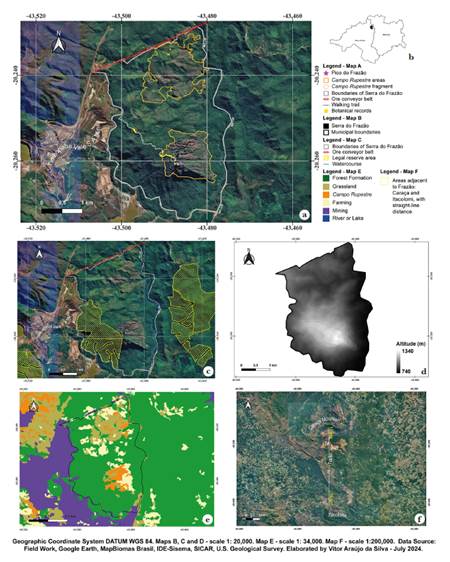
Serra do Frazão (20°15’40”S, 43°29’10”W) is located in the eastern portion of the QAF, in the municipality of Ouro Preto, district of Antônio Pereira, near the border with the city of Mariana, Minas Gerais (Figs. 1b; 2a). It covers an area of approximately 1,100 hectares (ha), of which 200 ha constitute a Legal Reserve area of the Vale S.A. company (Fig. 1c), where the Timbopeba mining enterprise and the Doutor Dam operate within the Mariana Complex (Fig. 1a,c,e). In 2007, it was considered a natural site by the Municipal Government of Ouro Preto (PMOP 2023) and, in 2012, recognized as an important geological area included in the proposal to create the Quadrilátero Ferrífero Geopark (Azevedo et al. 2012).
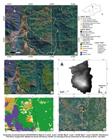
a-f. Maps of the study area - a. delimitation of the Serra do Frazão, including the collection trail, botanical records, and limits of sampled Campos Rupestres areas; b. location of Serra do Frazão in Ouro Preto; c. delimitation of the Serra do Frazão, highlighting the Legal Reserve area, registered according to SICAR (<https://www.car.gov.br/#/>), and Córrego Natividade route; d. altimetry of Serra do Frazão; e. land use and coverage according to MapBiomas (2024); f. distance from Frazão to Itacolomi State Park (Ouro Preto) and Serra do Caraça RPPN (Catas Altas/Santa Bárbara).
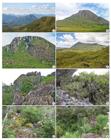
a-h. Zoom into Frazão’s landscapes and Campo Rupestre vegetation - a. view of the eastern face of Serra do Frazão, with the district of Antônio Pereira in the foreground and Serra do Caraça in the background; b-c. views of the southern face of Pico do Frazão; d. view of the northern face of Serra do Frazão; e-g. Campo Rupestre vegetation in the Pico do Frazão region; h. Campo Rupestre fragment at the base of Frazão. (Photos by Vitor Araújo).
The vegetation is composed of Semideciduous Seasonal Forest (SSF), mainly at the base, slopes, and in valleys with soil accumulation, between 700 and 1,200 m above sea level. At the top, there are quartzitic Campos Rupestres, mainly above 1,200 m, up to 1,350 m at Pico do Frazão (Figs. 1d-e; 2). It is important to note that Campos Rupestres also occur at lower altitudes, as well as forest enclaves at higher altitudes between outcrops (Figs. 1; 2e-h). In the northern portion of Serra do Frazão, between 800 and 900 m, there are Campo Sujo features between quartzite outcrops (Fig. 2d). Gallery forests are associated with the Frazão and Natividade streams.
The climate is mesothermal of the Cwb type, with cold, dry winters and hot, rainy summers, according to the Köppen classification (Álvares et al. 2013). The hydrographic network comprises tributaries of the Rio Doce Basin, such as the Gualaxo do Norte River and the Piracicaba River. According to Dorr (1969), Serra do Frazão represents a remnant of post-Gondwanan erosion in QAF and is located between the Conta História and Alegria synclines, and south of the Santa Rita syncline, with stratigraphy composed of rocks from the Itacolomi Group. Its lithology consists of coarse to medium grains of sericitic quartzites at the top, along with vein quartz, conglomeratic quartzites, and lenses of conglomerates with itabirite, phyllite, and ferruginous quartzite pebbles (Dorr 1969; Maxwell 1972).
Campos Rupestres delimitation and accessibility
In the Pico do Frazão region, the criterion for recognizing Campos Rupestres is the presence of rocky outcrops. This core area is confined to the mountaintop and covers approximately 123 ha (1.23 km²) (Figs. 1a; 2b-c). In this region, the Campos Rupestres is composed of large, interlocking rock blocks, without the diversity of physiognomies that characterize Campos Rupestres in its broader sense, such as Campos Limpos, Campos Sujos, and Turfeiras (Fig. 2e-g). Access to this core area is via a single trail, approximately 4 km in length and 440 m of elevation gain (Fig. 1a, white dashed line). The difficulty in walking this trail and keeping it open imposed certain field planning and required a high level of effort so that it was not possible to invest in other accesses and routes. Furthermore, moving through this core area is unhealthy and dangerous, as the rock blocks form large cracks within the vegetation (Fig. 2e). These factors limited access to the area and the scope of collections.
Floristic survey
The survey was initiated by compiling records from virtual herbaria available at SpeciesLink (<http://www.splink.org.br/>), Reflora (<https://reflora.jbrj.gov.br/reflora/herbarioVirtual/>), and JBRJ (<http://jabot.jbrj.gov.br/>). This initial database gathered data from the following herbaria: ALCB, B, BHCB, CESJ, ESAL, MO, NY, OUPR, P, R, RB, SPF, UFP, US, and VIC (acronyms according to Thiers, continuously updated). The collections of the OUPR and BHCB herbaria were also physically consulted.
Field expeditions were conducted from November 2022 to September 2024, covering all seasons. Botanical collections were performed using the walking method (Filgueiras et al. 1994). Fertile Tracheophyte individuals, occurring on or between outcrops were collected, herborized, and deposited in the OUPR herbarium. Authorization for collection was requested from the Vale S.A. company. Identifications were based on comparisons with exsiccata already determined in the herbarium, consultations with identification keys, and specialized references such as taxonomic reviews and local floras. When necessary, photos and/or duplicates were sent for identification by expert taxonomists.
The nomenclatural definitions and synonyms follow the Flora and Funga of Brazil (FFB 2024; <http://floradobrasil.jbrj.gov.br/>). Photos of the type specimens were consulted in Global Plants on JSTOR (<https://plants.jstor.org/>). The taxonomic classification system for the angiosperm families follows APG IV (2016), and for lycophytes and ferns, the PPG I (2016).
Data filtering
Considering that the Campos Rupestres and forest vegetation are intertwined, some filters were applied to avoid inflating the floristic list with species typical of forest environments. Herbarium records without habitat information were excluded. Species that had not been recorded for Campos Rupestres by FFB (2024), taxonomic reviews, descriptions, flora studies, or in herbarium records such as those that are typical elements of forest environments, were also excluded from the final list, even if they were on or among Serra do Frazão rocky outcrops.
For each listed species, data on origin, phytogeographic domains, vegetation types, and geographic distribution were compiled according to FFB (2024) (Tab. S1, available on supplementary material <https://doi.org/10.6084/m9.figshare.31872700>). In cases where this information was unavailable, the respective fields were marked as ‘not available’. Habit and substrate were categorized based on field observations and collectors’ notes; missing data were supplemented with information from FFB (2024). All species with scandent or climbing habits were standardized as Lianas. Furthermore, the classification of exotic invasive species follows ICMBio Ordinance No. 510 (2025) and the Horus Institute database (2025), whereas the identification of weeds follows Lorenzi (2008).
To analyze the geographic distribution patterns, species the occurrence was categorized as widespread when present in more than five states, moderate when present in up to five states, and restricted when present in fewer than three states. Endemism levels were assessed for the state of Minas Gerais (MG), Quadrilátero Aquífero-Ferrífero (QAF), and Serra do Frazão (FZ).
Endemism at the MG level follows FFB (2024). After identifying species endemic to MG, we filtered occurrences in virtual herbaria and consulted taxonomic reviews and other reference works to classify species endemic to QAF. Specimens with cf. determinations or aff. designations were excluded. Only species recorded within municipalities of the QAF were considered exclusive to the region. We also verified whether the determination had been confirmed by a specialist and, for exceptional records, requested exsiccata photos to confirm the identification. The list was compared with Borsali (2012). Finally, we comment on the distribution and conservation status of each species listed as endemic to the QAF. The recognition of microendemic species of Serra do Frazão follows Rodrigues (2022) and Smith & Ayensu (1976), and the same analysis criteria for confirmation.
Floristic similarity
The species identified for the Campos Rupestres of Serra do Frazão were compared with two adjacent areas: Itacolomi State Park (IT) and the Santuário do Caraça Private Natural Heritage Reserve (SCA) (Fig. 1f), two important conservation units of the QAF with similar phytophysiognomies. Serra do Frazão is approximately 16 km and 10 km away in a straight line from IT and SCA, respectively (Fig. 1f). Messias et al. (2017) and Rolim & Salino (2008) were consulted as references for IT, Ferreira (2015) and Viveros (2010) for SCA. When necessary, synonyms were standardized according to FFB (2024). Results were illustrated using a Venn diagram to demonstrate the shared and exclusive species between the selected areas.
Threatened species
The threat status of species follows the National Center for Flora Conservation (CNCflora, constantly updated) and MMA Ordinance No. 148 (2022). In addition, species whose status was assessed in taxonomic review works or regional floras were also indicated. To assess the threat status of Barbacenia beauverdii Damazio, a microendemic species of Serra do Frazão, the Area of Occupancy (AOO) was calculated using the GeoCAT platform (<https://geocat.iucnredlist.org/>; Bachman et al. 2011), following IUCN Red List criterion B. Since this species are known from a single-occurrence location, only AOO was used, and it is not necessary to calculate the Extent of Occurrence (EOO). Regarding Paepalanthus atrovaginatus Ruhland, which is also a microendemic of Serra do Frazão, its assessment was conducted by Rodrigues (2022) and more thoroughly by Amorim et al. (2024).
Maps
A polygon for Serra do Frazão was delimited based on satellite images from Google Earth®. The boundary of the Legal Reserve area was obtained via the Rural Environmental Registry (CAR) platform (SICAR 2024; <https://www.car.gov.br/publico/imoveis/index>) (Fig. 1c). Land use and land cover data were obtained from MapBiomas Collection (<https://brasil.mapbiomas.org/>), available in the QGIS software (<https://qgis.org>) (Fig. 1e). The classes and legend colors follow the 7thMapBiomas collection (2024). Based on MapBiomas land cover data, the vegetation boundaries of the rocky field were superimposed to delimit the spatial extent of Pico do Frazão and other Campos Rupestres areas within the Serra do Frazão (main Campos Rupestres areas are shown in orange in Fig. 1a). Elevation data were generated from the U.S. Geological Survey (<https://earthexplorer.usgs.gov/>) (Fig. 1d). Additional reference vector layers were downloaded from the IDE-Sisema database (<https://idesisema.meioambiente.mg.gov.br/>). Because most herbarium records lacked geographic coordinates, the botanical records primarily correspond to our field collections. All maps were generated using the QGIS 3.34.3 software. The vegetation classification follows the Brazilian Vegetation Technical Manual (IBGE 2012).
Results
We recorded 436 specimens belonging to 97 families, 261 genera, and 410 species of vascular plants in the Campos Rupestres of Serra do Frazão (Tab. S1, available on supplementary material <https://doi.org/10.6084/m9.figshare.31872700>). Of these species, 335 (81.7%) are new records for Serra do Frazão, 18 for the municipality of Ouro Preto, and two for the state of Minas Gerais (see column B, “New records for Frazão”, and column H, “Geographic distribution”, in Tab. S2). Two records remained identified only at the family level, 23 at the genus level, and four species to be confirmed (cf.), in addition to four subspecies and two varieties (Tab. S1, available on supplementary material <https://doi.org/10.6084/m9.figshare.31872700>).
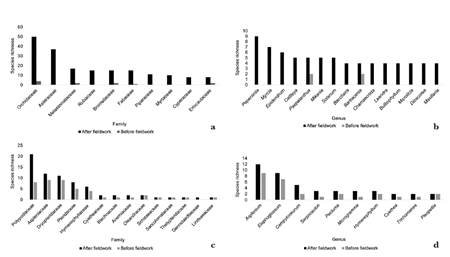
Angiosperms are represented by 83 families, 228 genera, and 339 species (82.7% of total species), with Orchidaceae (50 spp.) and Asteraceae (37 spp.) being the richest families, followed by Melastomataceae (17 spp.), Rubiaceae, Bromeliaceae, and Fabaceae (15 spp. each), Piperaceae (11), Myrtaceae (10), and finally Cyperaceae and Eriocaulaceae (8 spp. each) (Fig. 3a). Among genera, Peperomia (9 spp.), Myrcia (7), Epidendrum (6), Cattleya, Paepalanthus, Mikania and Solanum (5 spp. each) stand out. Another eight genera (Baccharis, Barbacenia, Chamaecrista, Leandra, Bulbophyllum, Microlicia, Dioscorea, and Maxillaria) are tied with four species each (Fig. 3b).
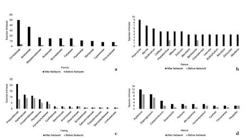
a-d. Diversity of angiosperms and ferns in Frazão - a. the 15 richest Angiosperm families; b. the 10 richest Angiosperm genera; c. the richest Fern families; d. the richest Fern genera. Black columns represent species richness after our field collections, while gray columns represent richness before our collections, relying solely on previous records in herbaria.
Ferns are distributed across 14 families, 33 genera, and 71 species (17.3%). Polypodiaceae (21 spp.), Aspleniaceae (12), Dryopteridaceae (11), Pteridaceae (8), and Hymenophyllaceae (6) are the richest families (Fig. 3c), while Asplenium (12 spp.), Elaphoglossum (9), and Campyloneurum (5) are the most species-rich genera, followed by Serpocaulon, Pecluma, Microgramma, and Hymenophyllum, with three species each (Fig. 3d).
These numbers are highly expressive; the total number of species in this inventory represents an increase of 349 taxa (85%). Before our fieldwork, only 61 species of vascular plants had been indicated for the Campos Rupestres of Serra do Frazão (based on the filtering of the voucher collection notes). Of these species, 75% were ferns, represented by 13 families and 26 genera, while the remaining 25% were angiosperms, represented by eight families and 12 genera. This representation is highlighted in Figure 3 (gray columns) through the comparison of species’ richness, as well as their absence.
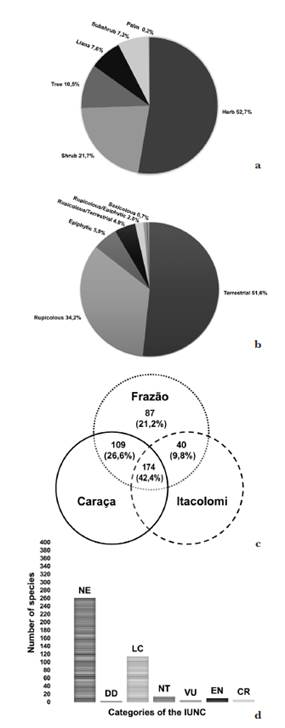
Considering the habit of the species, herbs correspond to the main life form (216 spp.), followed by shrubs (89), trees (43), lianas (31), and subshrubs (30). The palm habit was represented by only one species (Fig. 4a). Regarding the substrate, terrestrial species predominate (211 spp.), followed by rupicolous (140), epiphytes (24), and those that occupy terricolous and rupicolous habits (20) (Fig. 4b).
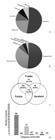
a. Main life forms of vascular plants in the Campos Rupestres of Frazão. b. Main substrates of occurrence of vascular plants in the Campos Rupestres of Frazão. c. Floristic similarity of Frazão with Itacolomi and Serra do Caraça, including species exclusive to Frazão and shared with the other two areas. d. Number of species from Frazão assessed in any of the IUCN Red List categories.
Six taxa, including five species and one form, have type collections from Serra do Frazão: Barbacenia beauverdii (L.B. Damazio 1846 [G, OUPR]), Oleandra baetae Damazio (A.B. Neves [OUPR 10824]; L.B. Damazio 1795 [RB]; A.B. Neves 1795 [P]), Paepalanthus atrovaginatus (W. Schwacke 14329 [B, LL]), Paepalanthus damazioi Beauverd (L.B. Damazio 1844 [G, RB]), Paepalanthus plantagineus f. luxurians Beauverd (L.B. Damazio 1844 [G]), and Peperomia barbulipetiola C.DC (L.B. Damazio 2041 [RB, G]).
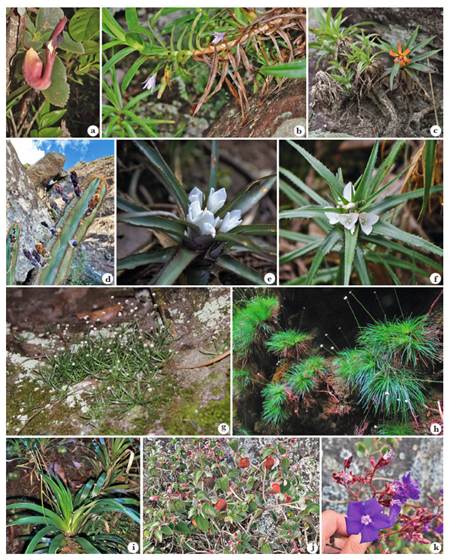
Regarding the geographic distribution of species, 57.4% were widely distributed across Brazilian states, 23% showed moderate distribution, and 19.6% were restricted (Tab. S1, available on supplementary material <https://doi.org/10.6084/m9.figshare.31872700>). Among species with more restricted distribution, 14 only occur at Espinhaço (MG and BA), and 51 are exclusive to the state of Minas Gerais. Of the species endemic to Minas Gerais, 11 occur exclusively in the Quadrilátero Aquífero-Ferrífero: Staurogyne minarum (Nees) Kuntze (Acanthaceae); Aristolochia marianensis Ahumada (Aristolochiaceae); Hoplocryptanthus ferrarius (Leme & C.C.Paula) Leme, S.Heller & Zizka and H. glaziovii (Mez) Leme, S.Heller & Zizka (Bromeliaceae); Cipocereus laniflorus N.P.Taylor & Zappi (Cactaceae); Paepalanthus atrovaginatus, P. caespititius Mart. ex Körn. and P. plantagineus (Bong.) Körn. (Eriocaulaceae); Pleroma decemcostatum (Cogn.) P.J.F.Guim. & Michelang. (Melastomataceae); Barbacenia beauverdii and B. damaziana Beauverd (Velloziaceae) (Fig. 5). B. damaziana and P. caespititius are endemic to the municipality of Ouro Preto, whereas B. beauverdii and P. atrovaginatus are microendemic to Frazão.
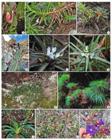
a-k. Endemic species of the Quadrilátero Aquífero-Ferrífero with occurrences in Frazão, including the two microendemics and those endemic to Ouro Preto - a. Aristolochia marianensis; b. Barbacenia beauverdii; c. Barbacenia damaziana; d. Cipocereus laniflorus; e. Hoplocryptanthus ferrarius; f. Hoplocryptanthus glaziovii; g. Paepalanthus atrovaginatus; h. Paepalanthus caespititius; i. Paepalanthus plantagineus; j-k. Pleroma decemcostatum. (Photos: a. João Custódio; b, c, d, e, g, i, j and k. Vitor Araújo; f. Livia Echternacht; h. Luciano Pedrosa).
Of these species, only Staurogyne minarum, Hoplocryptanthus ferrarius, Cipocereus laniflorus, and Barbacenia damaziana were previously listed as endemic to the QAF by Borsali (2012). Based on the analysis of occurrence records, we also consider A. marianensis and P. decemcostatum to be endemic to the QAF. Additionally, A. marianensis and H. glaziovii are reported here as new records for Ouro Preto. In total, the known distributions of seven of the eleven QAF-endemic species were expanded in this study (A. marianensis, B. damaziana, H. ferrarius, H. glaziovii, Paepalanthus caespititius, Pleroma decemcostatum, and S. minarum; see section 4.3 of the Discussion for further details).
In addition to the two species mentioned, another 16 taxa that are new records for the municipality of Ouro Preto: Anathallis sclerophylla (Lindl.) Pridgeon & M.W.Chase (Orchidaceae); Barbacenia graminifolia L.B.Sm. (Velloziaceae); Bulbophyllum plumosum (Barb.Rodr.) Cogn. (Orchidaceae); B. regnellii Rchb.f. (Orchidaceae); Cyclopogon argyrifolius Barb.Rodr. (Orchidaceae); Cyrtopodium glutiniferum Raddi (Orchidaceae); Epidendrum filicaule Lindl. (Orchidaceae); Gomesa flexuosa (Lodd.) M.W.Chase & N.H.Williams (Orchidaceae); Hymenophyllum rufum Fée (Hymenophyllaceae); Maranta cristata Nees & Mart. (Marantaceae); Maxillaria notylioglossa Rchb.f. (Orchidaceae); Microlicia passerina Naudin (Melastomataceae); Peperomia hydrocotyloides Miq. (Piperaceae); Philodendron cipoense Sakur. & Mayo (Araceae); Schwartzia adamantium (Cambess.) Bedell ex Gir.-Cañas (Marcgraviaceae) and Sesamum indicum L. (Pedaliaceae).
Two Orchidaceae species are newly recorded for the state of Minas Gerais: Cochleanthes flabelliformis (Sw.) R.E.Schult. & Garay and Stanhopea guttulata Lindl. Additionally, Rhipsalis crispata (Haw.) Pfeiff. (Cactaceae) and Peperomia lanceolato-peltata C.DC. (Piperaceae), which are not listed with distributions for Minas Gerais in Flora and Funga of Brazil (2024), had their occurrence in the state confirmed here (column H, Tab. S2, available on supplementary material <https://doi.org/10.6084/m9.figshare.31872700>).
Almost all species are native to Brazil; only Sesamum indicum and Melinis minutiflora P.Beauv. are considered invasive, exotic, and/or naturalized in the country and in Serra do Frazão. Two other weedy and invasive species were also recorded: Triumfetta semitriloba Jacq. and Pteridium esculentum subsp. arachnoideum (Kaulf.) Thomson. Particularly noteworthy is the first recorded occurrence of S. indicum (sesame) in Campos Rupestres of Brazil.
Regarding the floristic similarity, less than half of the species are shared among Frazão, Caraça, and Itacolomi (42.4%). In terms of species shared exclusively by each area, Serra do Caraça stands out with 26.6% similarity with Serra do Frazão, while Itacolomi has only 9.8%. The uniqueness of the flora of Campos Rupestres of Frazão is also noteworthy, with 21.2% of the total species exclusive to its area (Fig. 4c).
Regarding the risk of extinction, 260 (63.6%) of species were not evaluated (NE), 114 (28%) are classified as least concern (LC), 14 (3%) in the near threatened (NT) category, four (1%) vulnerable (VU): Elaphoglossum acrocarpum (Mart.) T.Moore (Dryopteridaceae), Ficus laureola Warb. ex C.C.Berg & Carauta (Moraceae), Hippeastrum morelianum Lem. (Amaryllidaceae), Macropeplus schwackeanus (Perkins) I.Santos & Peixoto (Monimiaceae). Nine species (2.2%) are classified as endangered (EN): Cattleya wittigiana (Barb.Rodr.) van den Berg (Orchidaceae), Cipocereus laniflorus (Cactaceae), Mikania glauca Mart. ex Baker (Asteraceae), Paepalanthus plantagineus (Eriocaulaceae), Philodendron cipoense (Araceae), Psychotria paludosa Müll.Arg. (Rubiaceae), Qualea lundii (Warm.) Warm. (Vochysiaceae), Richterago polyphylla (Baker) Ferreyra (Asteraceae) and Staurogyne minarum (Acanthaceae); six (1.2%) are critically endangered (CR): Barbacenia beauverdii (Velloziaceae), Heterocoma albida (DC. ex Pers.) DC. (Asteraceae), Hoplocryptanthus glaziovii (Bromeliaceae), Paepalanthus atrovaginatus (Eriocaulaceae), Paepalanthus caespititius (Eriocaulaceae), and Rhipsalis crispata (Cactaceae); and two (0.5%) are classified as insufficient data (DD): Anetanthus gracilis Hiern (Gesneriaceae) and Vriesea schwackeana Mez (Bromeliaceae) (Fig. 4d; see Figs. S1 and S2 (available on supplementary material <https://doi.org/10.6084/m9.figshare.31872700>) for images of the species; Tab. S1, available on supplementary material <https://doi.org/10.6084/m9.figshare.31872700>).
Among these species in the NT to CR categories, 11 are listed by the MMA (2022), 18 are recorded on the CNCFlora platform (continuously updated; Borges & Moraes 2012; Coelho & Moraes 2012; Kutschenko & Messina 2012a,b; Messina & Moraes 2012a,b; Moraes & Messina 2012a b; Moraes 2012; Pessoa & Messina 2012; Amaro & Santos 2014; Araújo & Messina 2014a,b; Amorim et al. 2020, 2024; Moraes et al. 2021; Negrão et al. 2021; Fraga et al. 2023), and four were identified through independent studies (Barbosa et al. 2021; Rodrigues 2022), including Barbacenia beauverdii, which is assessed in this study. In total, 33 species are classified as threatened in the Serra do Frazão (Tab. S1, available on supplementary material <https://doi.org/10.6084/m9.figshare.31872700>).
Discussion
Species richness of Serra do Frazão
We collected mostly within an area of approximately 4 km², and nearly 82% of the species recorded were new records for Frazão, increasing the total number of species by more than sixfold. We also expanded the geographic distribution of species previously considered more restricted and identified 18 new records for the municipality of Ouro Preto (Wallacean deficit). If the determination of Heisteria cf. perianthomega (Vell.) Sleumer (Erythropalaceae) is confirmed in the future, this species will also be a new occurrence for the municipality, totaling 19 new records. These findings show that even small, unexplored Campos Rupestres areas close to historical research centers are home to unprecedented flora richness and diversity.
The richest angiosperm families reported in Serra do Frazão were similar to what was expected for Campos Rupestres (Giulietti et al. 1987; Conceição & Giulietti 2002; Pirani et al. 2003; Conceição & Pirani 2005, 2007; Teixeira & Lemos-Filho 2013; Forzza et al. 2013; Ferreira 2015; Silveira et al. 2016; Messias et al. 2017). However, they vary in richness position, with exceptions for monocotyledons Poaceae, Cyperaceae, Eriocaulaceae, Velloziaceae, Xyridaceae, which are less represented in Frazão. This can be explained by the fact that such families occur preferentially in open Campos Rupestres areas, and only rarely in areas where forest physiognomies exert greater influence on Campos Rupestres (Zappi et al. 2017), as is the case of Frazão. In contrast, Piperaceae, listed in this study among the richest families, presents species richness in shaded and forested environments (Guimarães et al. 2024), further evidencing the influence of the Atlantic Forest on the Campos Rupestres of Frazão.
Other studies in Minas Gerais, although not focused exclusively on Campos Rupestres vegetation, have also showed great diversity of Piperaceae. In Serra do Caraça, 27 species were listed (Ferreira 2015), 25 in Itacolomi (Messias et al. 2017), 23 in Serra do Cipó (Carvalho-Silva et al. 2013), 21 in Ibitipoca Park (Medeiros & Guimarães 2007), and 16 in Serra da Canastra (Carvalho-Silva & Guimarães 2009). Although they appear more frequently as epiphytes in the Atlantic Forest, especially the genus Peperomia (Menini-Neto et al. 2016; Moura et al. 2022), of the 11 species of Piperaceae recorded in Frazão, only one is epiphytic, while seven are rupicolous and the other three are terricolous. Notably, all seven species that inhabit rupicolous environments belong to the genus Peperomia. Moura et al. (2022) also note that the rupicolous habit is frequent among Peperomia species, sometimes being restricted to this substrate or varying between epiphytic and terrestrial habits. Furthermore, Peperomia stands out as one of the most species-rich angiosperm genera, presenting pantropical distribution, mainly in humid forests, and a wide variety of habits (Frodin 2004; Frenzke et al. 2015).
The other two Monocotyledons, Orchidaceae and Bromeliaceae, which present a significant species richness in Frazão, are remarkably diverse both in the Atlantic Forest and the Campos Rupestres (Giulietti et al. 1977; Rapini et al. 2008; van den Berg et al. 2009; Freitas et al. 2016). Orchidaceae is also the second most species-rich family in the Brazilian flora, surpassed only by Fabaceae. In Frazão alone, Orchidaceae accounted for 12% of the angiosperm richness. Two genera rank among the richest: Epidendrum (3rd place) and Cattleya (4th). Epidendrum is a species-rich genus in the Atlantic Forest domain, where they are frequently found as epiphytes and, to a lesser extent, rupicolous and/or terricolous (Pinheiro & Cozzolino 2013; Forzza et al. 2014; Pessoa 2024). In contrast, the genus Cattleya exhibits high species richness in Campos Rupestres, with many of them being strictly endemic to a single area (van den Berg 2018). Additionally, eight of the 50 species listed for the family represent new records for the municipality of Ouro Preto. This suggests that Frazão is a relictual refugium of orchid diversity, as the family has been overcollected in the surrounding areas for ornamental purposes.
The second richest family in species in Frazão, Asteraceae, is also one of the most diverse in Brazil and worldwide (Funk et al. 2009; BFG 2015). Its diversity is primarily concentrated in open vegetation areas, such as the Cerrado and the Campos Rupestres, but it is also found along the Atlantic Forest (Funk et al. 2009; Silveira et al. 2016; FFB 2024). In Frazão, the most species-rich genera are Mikania (6th) and Baccharis (8th), both of which are also among the most diverse in the Campos Rupestres, a region recognized as a center of diversity and endemism for many of its species (Campos et al. 2019; Heiden 2021).
Myrcia, Paepalanthus, and Solanum are among the most species-rich angiosperm genera in Brazil (BFG 2015), and Myrcia and Paepalanthus are also the richest in Campos Rupestres (Silveira et al. 2016). It is noteworthy that, of the five Paepalanthus species, three are restricted to the QAF, and one is endemic to Minas Gerais state. Notably, this work expands the distribution of Paepalanthus caespititius, a species endemic to Ouro Preto, and highlights the record of Paepalanthus atrovaginatus, a species strictly restricted to Frazão (further comments are provided below). Solanum is also among the largest genera of angiosperms in the world (Frodin 2004), being a speciose element in the Atlantic Forest. However, some of its species also extent into Campos Rupestres (Kamino et al. 2008; FFB 2024).
Regarding ferns, Polypodiaceae, Aspleniaceae, Dryopteridaceae, Pteridaceae, and Hymenophyllaceae are also among the richest families in Itacolomi (Rolim & Salino 2008), Serra do Caraça (Viveros 2010), Espinhaço (Salino & Almeida 2008), Atlantic Forest (Salino & Almeida 2009), and Brazil (Prado et al. 2015). Among genera, in general, Elaphoglossum and Asplenium were commonly mentioned in terms of richness (Rolim & Salino 2008; Salino & Almeida 2008, 2009; Viveros 2010; Prado et al. 2015). Both stand out as the most numerous and widely distributed genera of ferns in Brazil (Prado et al. 2015), comprising 90 and 75 species, respectively (Matos 2024; Sylvestre et al. 2024). Their species are frequently found as epiphytes, rupicolous, and/or terricolous in humid areas (Tryon & Tryon 1982).
The genera Campyloneurum, Serpocaulon, and Pecluma have lower species richness compared to the previous two. Campyloneurum has 21 species, while both Serpocaulon and Pecluma comprise 20 species each in Brazil (Assis & Salino 2024; Gonzatti & Windisch 2024; Schwartsburd 2024). Campyloneurum has a Neotropical distribution and typically occurs in humid forests as epiphytes or terrestrials. It also grows in disturbed areas and among rocks (Tryon & Tryon 1982). Serpocaulon is primarily found in tropical wet forests and mountainous regions, with its species occupying habitats that range from hemiepiphytic to rupicolous (Sanín et al. 2023). In contrast, Pecluma is a tropical to subtropical genus that is predominantly epiphytic, with a smaller proportion being terrestrial (Price 1983; Assis et al. 2016).
In general, pteridophytes are highly diversified in the humid forests of tropical and subtropical mountains (Tryon & Tryon 1982). In Brazil, the Southeast region is considered a special center of endemism, mainly along the Serra do Mar (Tryon & Tryon 1982). This pattern is highly attributed to the influence of the Atlantic Forest domain, which harbors the largest number of pteridophyte species among all Brazilian phytogeographic domains (Prado et al. 2015), particularly in the Ombrophilous and Semideciduous Forest formations (Salino & Almeida 2009). Species distribution patterns are closely related to the suitability of habitats for their survival and colonization, since few individuals are capable of colonizing typically xeric environments, where water limitation is the main restrictive factor (Salino & Almeida 2008; Santiago et al. 2023). In the Espinhaço, the Quadrilátero Aquífero-Ferrífero comprises the richest region in fern and lycophyte species, with emphasis on the municipality of Ouro Preto, which holds most of the endemic species (Salino & Almeida 2008).
Regarding the habit and substrate of species in Frazão, the families richest in species of angiosperms and ferns surveyed were related to the percentages of these categories, with little representation of other families. Although it was not an analysis criterion in this study, Messias et al. (2011) point out the consistency of hemicryptophytes and phanerophytes as the main life forms for Campos Rupestres. Generally, hemicryptophytes predominate in depressions of quartzite rocks and shallow sandy soils, and in areas where there is an accumulation of deeper soil and organic matter, allowing species to root, phanerophyte species predominate (Messias et al. 2011). Furthermore, at higher altitudes, forests are strongly influenced by atmospheric humidity and fog events, making these locations rich in epiphytes, including orchids, bromeliads, anthuriums, peperomias, ferns, and bryophytes (Giulietti et al. 1997).
Geographic distribution and new occurrences of endemic species of QAF
The percentages of species with broad (57.4%) and restricted (19.6%) distribution patterns in the Campos Rupestres of Frazão are consistent with the findings of Giulietti & Pirani (1988). With respect to Quadrilátero Aquífero-Ferrífero endemics, Staurogyne minarum (Acanthaceae) is mainly restricted to the mountainous regions of Serra do Caraça and Santa Bárbara, above 700 m in altitude (Braz & Monteiro 2017). However, it also occurs in Brumadinho, Mariana, Nova Lima, and Ouro Preto (Borsali 2012), and is frequently found inside Gallery Forests (Kameyama et al. 2009). In Frazão, the species was collected in a transition area between the Semideciduous Seasonal Forest and Campos Rupestres. At the same time, in Serra da Gandarela, it was also recorded in a transitional environment between Semideciduous Forest and ferruginous Campos Rupestres (E.T. Neto & T. Mansur 5345 [BHCB]). In Serra da Calçada, the species also occurs in quartzitic Campos Rupestres, near a stream (P.L. Viana 1000 [BHCB]). Although it is frequent and recognized within Semideciduous Seasonal Forests (FFB 2024), based on the records above, we consider its occurrence in Campos Rupestres as well. Staurogyne minarum was listed in the “Plantas raras do Brasil” work (Kameyama et al. 2009), and according to Araújo & Messina (2014b), it is classified as EN.
Aristolochia marianensis (Aristolochiaceae), whose type specimen is from the city of Mariana (Ahumada 1979), is recorded here for the first time in Ouro Preto. This species is poorly sampled in herbaria, and in addition to the record in Frazão and the type collection, there is only one historical collection for the Caraça region (H.S. Irwin 29247 [RB, NY, UEC]), in the Campos Rupestres area. Despite the absence of the vegetation type of occurrence of the specimen in the type material (Ahumada 1979), the species has been included within the Cerrado vegetation (lato sensu) (Freitas et al. 2024). Based on our new collections and those cited above, we emphasize the need for the species to be considered part of the Campos Rupestres vegetation and as an endemic species of the QAF region. Regarding the status of threat, Aristolochia marianensis has not yet been evaluated (NE).
Hoplocryptanthus ferrarius (Bromeliaceae) is distributed mainly in Mariana and Catas Altas, with its populations mainly associated with ferruginous canga areas, from which the epithet “ferrarius” originates (Leme & Paula 2009). Its record in Frazão is the second for the municipality and the first for the area, where it is found as a rupicolous plant on quartzite outcrops. In Serra de Antônio Pereira, an area adjacent to Frazão, it grows on ferruginous Campos Rupestres (canga) (E. Guarçoni & C.C. de Paula 1577, 1576 [VIC]; E. Guarçoni 1574, 1697 [VIC]). Anastacio et al. (2020) also recorded H. ferrarius in quartzitic Campos Rupestres in the Poço Fundo RPPN (Congonhas, MG), Córrego Seco, and Capivari II (Itabirito, MG). Thus, the authors point to H. ferrarius as a species that escapes the concept of endemic to the Quadrilátero Aquífero-Ferrífero cangas (Anastacio et al. 2020). Although Frazão has a greater predominance of quartzitic outcrops, there are local occurrences of ferruginous quartzites (Dorr 1969; Maxwell 1972). The species has not been evaluated for threat status (NE), and Leme & Paula (2009) have already indicated that H. ferrarius may become locally extinct in the future due to pressures from mining in the region.
Hoplocryptanthus glaziovii (Bromeliaceae) and Cipocereus laniflorus (Cactaceae) were considered strictly endemic to Serra do Caraça (Versieux & Wendt 2006; Taylor & Zappi 2008; Borsali 2012; Ferreira 2015). The new record of H. glaziovii for Serra do Frazão is the first for the municipality of Ouro Preto. In Serra do Caraça, the species is found in Campos Rupestres, as a saxicolous, between 1,000 and 1,600 m above sea level (Versieux & Wendt 2006). In Frazão, it was also found occupying the same habitat, being locally frequent above 1,200 m above sea level. The distribution range of C. laniflorus was recently expanded. The species occurs in Catas Altas (Serra do Caraça), Ouro Preto, and Santa Bárbara (Amorim et al. unpublished data). In Ouro Preto, it is recorded in Frazão, Serra de Capanema (F.F. Carmo 3451 [BHCB]) and Cachoeira das Andorinhas Environmental Protection Area (APA) (L.G. Pedrosa 437 [OUPR]), all in areas of quartzitic Campos Rupestres. In Frazão, C. laniflorus is found in outcrops above 1,200 m above sea level, but is locally rare. Young individuals were also observed in the northern portion, at about 900 m above sea level. Signs of degradation were observed in mature individuals from Frazão, such as cuts in cladodes, which may compromise their survival. Even with the expanded geographic distributions, new assessments of the threat status indicate that C. laniflorus maintains its previous status (EN) (Amorim et al. unpublished data), and H. glaziovii remains classified as CR (MMA 2022).
Paepalanthus atrovaginatus (Eriocaulaceae) occurs only in the Campos Rupestres of Serra do Frazão and until 2021 was known only from its type material. The species is found mainly above 1,200 m above sea level, as an arenicolous, saxicolous, and/or rupicolous plant in shaded and humid environments, forming small population patches (Silva 2024). P. caespititius is endemic to Ouro Preto; it was previously known only from the type material of Cachoeira do Campo and was recently rediscovered in the Cachoeira das Andorinhas APA (Rodrigues 2022), with the Serra do Frazão record being the second for Ouro Preto. P. plantagineus is restricted to the Ouro Preto and Mariana regions, being more frequently found in Serra do Itacolomi (Rodrigues 2022). According to Rodrigues (2022), P. atrovaginatus and P. caespititius can be considered CR, and P. plantagineus EN, following the IUCN criteria B1ab (i,ii,iii) and B2ab (i,ii,iii) (2024). After reevaluation, P. atrovaginatus continues to be classified as Critically Endangered (CR) (Amorim et al. 2024).
Pleroma decemcostatum (Melastomataceae) is cited in the type material as having “Habitat in prov. Minas Geraes” (Cogniaux 1885). After consulting virtual herbaria, it was observed that the species occurs most frequently in Serra do Caraça (JBRJ 2024; SpeciesLink 2024). In Ouro Preto, it is distributed in Antônio Pereira, Frazão, Serra do Itacolomi, and Morro do Fraga, all of which have recently been documented (SpeciesLink 2024). In Frazão, its populations are concentrated in the Pico region on rocky outcrops. Both municipalities are located in the QAF, leading us to classify this species as endemic to the region, while acknowledging that further studies are needed to support our hypothesis. We believe that recognizing this, as in the case of Aristolochia marianensis, can stimulate research into their distribution and improve conservation strategies for both the region and these species. Additionally, Pleroma decemcostatum has not yet been evaluated for its threat status (NE).
Barbacenia beauverdii (Velloziaceae) is also exclusive to the Campos Rupestres of Frazão (Smith & Ayensu 1976), and its first record after the type collection was made in 2021 (D. Rodrigues et al. 37, 42, 46 [OUPR]). It is common on rocky outcrops above 1,200 m above sea level, forming islands of vegetation as rupicolous and/or saxicolous, and more rarely occurring as terricolous. Following the IUCN (2024) criteria, the species fits the B2ab (i,ii,iii) criteria and should be categorized as CR. Finally, B. damaziana is endemic to the Ouro Preto region (Smith & Ayensu 1976; Borsali 2012) and is frequently found in the Cachoeira das Andorinhas APA (SpeciesLink 2024). With the records for Frazão, we expanded its range of occurrences; in the area, it grows on rocky outcrops as a rupicolous species between 1,100 and 1,340 m above sea level. The species has also not been evaluated for its threatened category (NE).
New occurrences and comments on unlisted species for Minas Gerais
In addition to the new distribution records for endemic species of the Quadrilátero Aquífero-Ferrífero and the new records for Ouro Preto, two new occurrences were identified for the state of Minas Gerais: Cochleanthes flabelliformis and Stanhopea guttulata, both from the Orchidaceae family. C. flabelliformis is a Neotropical species recorded in the states of Rio de Janeiro and São Paulo, Brazil, within the Atlantic Forest domain, in Ombrophilous Forest (Meneguzzo & Hall 2024). S. guttulata is an endemic species of Brazil, distributed in the states of Bahia, Espírito Santo, Rio de Janeiro, and São Paulo, also in Ombrophilous Forest vegetation (Meneguzzo 2024). According to the collector’s notes, both species were found growing on rocks in Frazão, suggesting they may belong to the Campos Rupestres vegetation. Despite extensive fieldwork, we did not encounter these species in the field, and the most recent collections date to 1974. However, their identifications have been confirmed by experts. Neither C. flabelliformis nor S. guttulata have been evaluated for threat status.
Rhipsalis crispata (Cactaceae) is endemic to Brazil and have been reported only from the states of Bahia, Pernambuco, Rio de Janeiro, São Paulo, and Santa Catarina (Zappi & Taylor 2024). Barbosa et al. (2021), in a study of Serra da Mantiqueira, reported the first record of Rhipsalis crispata in Minas Gerais, occurring as an epiphyte in Semideciduous Seasonal Forest (Barbosa et al. 2021). However, in 2018, the species was also recorded in Parque do Itacolomi, in Ouro Preto, occurring in a Campos Rupestres area (L.G. Pedrosa 252 [OUPR]), as was recently observed in Serra do Frazão. Since its identification was validated by an expert taxonomist, these records represent the first indications of its occurrence in Campos Rupestre areas, as well as new occurrences outside the Serra da Mantiqueira region in Minas Gerais. Rhipsalis crispata is currently classified as DD due to a lack of population data; however, Barbosa et al. (2021) suggest it should be considered CR within the state. Considering that IT is a State Conservation Unit of Integral Protection, this finding is important for the species’ conservation, and both sites (Frazão and Itacolomi) contribute to expanding its known distribution.
Peperomia lanceolato-peltata (Piperaceae) is endemic to South America, usually found as saxicolous or epiphytic in Tropical and Montane Forests (Vergara-Rodríguez et al. 2017). In Brazil, it has been recorded as a rupicolous or terricolous herb in Gallery or Ombrophilous Forests, in the states of Ceará, Distrito Federal, and Goiás (Carvalho-Silva et al. 2024). In addition to the records for Frazão, in Minas Gerais, the species was also collected in 2021 at Rio Funil, Ouro Preto (L.G. Pedrosa 3277 [OUPR]); in 2019 on limestone outcrops in Pedro Leopoldo (V.L. Ferreira et al. 303 [BHCB] - also recorded for the same municipality in Ferreira & Stehmann’s 2023 study); and in 2005 on a “limestone slope” in Iguatama (P.H.A Melo & J.F. Martins 1321 [BHCB]). Therefore, the record from Serra do Frazão represents the second occurrence for the municipality of Ouro Preto and the fourth for the state of Minas Gerais.
Ruderal, exotic, and naturalized species in Frazão
In Frazão, in response to the effects of land cover change and anthropogenic pressures such as vegetation suppression and fire, exotic (Melinis minutiflora; Sesamum indicum) and weedy (Triumfetta semitriloba; Pteridium esculentum subsp. arachnoideum) species are found developing locally and competing with native species, or occurring side by side with microendemic species, as is the case of P. esculentum subsp. arachnoideum. In addition, M. minutiflora appears to occupy the spaces where Apochloa poliophylla occurs, a grass species endemic to Espinhaço (Dias et al. 2024). This situation poses serious conservation challenges, as the introduction of invasive and highly competitive species accelerates the decline of native diversity and richness to alarming levels (Davis 2003; Hejda et al. 2009), especially in ecosystems such as the Campos Rupestres, where plant communities are already rare and vulnerable to extinction (Silveira et al. 2016).
An exceptional case draws our attention here: the occurrence of Sesamum indicum (sesame, Pedaliaceae) in the area. Sesame is one of the oldest oilseed species known and used by humans (Hegde 2012). It has been cultivated for centuries, particularly in Asia and Africa, for its high content of edible oil and protein, and for its seeds, which are used both in cooking and for medicinal purposes (Hedge 2012). It is currently widely dispersed across the globe, reaching China and Japan, which have themselves become secondary distribution centers (Hegde 2012). In Brazil, it occurs in all regions and almost all states (FFB 2024). It is possible that its cultivation in the country began in the 16th century, in the northeastern region, by the Portuguese (Arriel et al. 2007). However, currently, in addition to the northeastern region, it is also cultivated in São Paulo, Goiás (the largest producer), Mato Grosso, and Minas Gerais (Arriel et al. 2007). Its record in Frazão is the first to indicate its occurrence in Campos Rupestres areas in Brazil and may be related to an escape from cultivation, since the species is resistant to drought and stressful conditions and has the capacity for self-pollination (Hedge 2012). The species was collected with flowers and fruits and produced seeds. This record highlights the need for the species to be monitored locally and in other areas of the state.
Floristic similarity
High beta diversity and floristic dissimilarity are observed between Campos Rupestres areas (Conceição & Pirani 2005, 2007; Mourão & Stehmann 2007; Alves & Kolbek 2009; Messias et al. 2012; Carmo & Jacobi 2013; Carmo et al. 2016), even in similar lithologies with little distance between them (Conceição & Giulietti 2002; Conceição & Pirani 2005; Azevedo et al. 2024) or in distinct lithologies occurring side by side (Messias et al. 2012). This pattern is no different here, since less than half of the Frazão species were common among the three locations. Moreover, the flora of Serra do Frazão shares fewer exclusive species with Itacolomi than with Serra do Caraça.
The shorter distance in this case may favor the dispersion of species. In addition, the highest parts of Serra do Caraça present quartzitic Campos Rupestres interspersed with tree and nebular formations, with geomorphology similar to that found in Serra do Frazão. The sharing of microendemic species associated with these formations, in this case Cipocereus laniflorus and Hoplocryptanthus glaziovii, corroborates this hypothesis. Furthermore, Serra do Caraça and Frazão,are geographically located in an intermediate region, influenced by both the flora of the mountain ranges in the southern sector of Espinhaço to the north and by the Serra da Mantiqueira formations in the southeastern part of the country (Oliveira 2010).
Threatened Species and Serra do Frazão Conservation
Serra do Frazão is not currently included in any of the categories of the National System of Nature Conservation Units (SNUC), despite being located in a region impacted by iron ore mining and harboring 33 threatened species, including two CR microendemics - Paepalanthus atrovaginatus and Barbacenia beauverdii - in addition to other threatened taxa identified in this study. The area is also subject to vegetation changes, including the presence of exotic and invasive species, as well as the effects of global warming.
The Quadrilátero Aquífero-Ferrífero is considered one of the few climatically stable regions under future climate scenarios, being extremely important for the conservation of this ancient and threatened ecosystem (Fernandes et al. 2014, 2017). However, only a few conservation units fully protect the Campos Rupestres (Fernandes et al. 2014, 2017), including their woody plant communities (Pontara et al. 2018). Given this context, we recommend that Serra do Frazão be elevated from a Legal Reserve to a Conservation Unit.
In summary, our results increased the number of species listed for the Campos Rupestres of Serra do Frazão by more than 80%, enriching the scientific collection of the municipality with over 700 new records. Furthermore, the geographic distributions of previously restricted species were expanded, identifying new occurrences for the municipality of Ouro Preto, and the Quadrilátero Aquífero-Ferrífero, and for the state of Minas Gerais (Wallacean deficit). These are significant findings, despite the small size of the sampled area and the difficulties in access. We also cataloged endemic species and assessed the threat status of the taxa investigated, demonstrating the uniqueness of the Frazão flora, based on biogeographic analyses. We reinforce the importance and need to conduct floristic surveys in areas that have been little explored or not yet inventoried, as a source of primary data for science. Our study demonstrates here that even in areas close to research centers and collected more than a century ago, there are still important sampling gaps. The new distribution data for endemic species of QAF can support studies that assess environmental conditions and responses to habitat changes (Hutchinsonian deficit), as well as abundance patterns and population dynamics (Prestonian deficit), which are essential for conservation strategies and for the application of IUCN criteria. The list of species from Frazão also contributes to the understanding of the Campos Rupestres flora identity, especially in areas influenced by the Atlantic Forest domain, as well as the endemism of its species. All these aspects reinforce the importance of the Serra do Frazão as a significant refuge area for the conservation of biodiversity in Brazil, Minas Gerais, and the Quadrilátero Aquífero-Ferrífero, and reinforce the urgency of implementing legal protection measures for the area.
Acknowledgements
We thank V. R. Scalon, D. A. Soares, and M. C. T. B. Messias, for their support; the “Professor José Badini” Herbarium (OUPR), for providing infrastructure; and the taxonomists, for species identification. We are also grateful to the UFOP drivers and to PROPPI/UFOP, for transportation logistics; PPGEBT/UFOP, for research support; and to the field team, for their invaluable assistance. We are grateful to the anonymous reviewers, for their valuable comments, which improved earlier versions of this manuscript. This study is part of the first author’s Master’s research under the supervision of Prof. Echternacht, and was funded by the Coordenação de Aperfeiçoamento de Pessoal de Nível Superior - CAPES, process No. 88887.759333/2022-00.
References
- Ahumada LZ (1979) Novedades sistemáticas en el género Aristolochia (Aristolochiaceae) en Sudamérica, II. Hickenia 1: 171-184.
-
Almeida RBP, Murer BM & Sano PT (2023) What is being published on floristics? an overview of floristic studies carried out in the Espinhaço Range. Acta Botanica Brasilica 37: e20220267. DOI: 10.1590/1677-941X-ABB-2022-0267
» https://doi.org/10.1590/1677-941X-ABB-2022-0267 -
Álvares CA, Stape JL, Sentelhas PC, Gonçalves JLM & Sparovek G (2013) Köppen’s climate classification map for Brazil. Meteorologische Zeitschrift 22: 711-728. DOI: 10.1127/0941-2948/2013/0507
» https://doi.org/10.1127/0941-2948/2013/0507 -
Alves RJV & Kolbek J (1994) Plant species endemism in savanna vegetation on table mountains (Campo Rupestre) in Brazil. Vegetatio 113: 125-139. DOI: 10.1007/BF00044230
» https://doi.org/10.1007/BF00044230 -
Alves RJV & Kolbek J (2009) Summit vascular flora of Serra de São José, Minas Gerais, Brazil. Check List 5: 35-73. DOI: 10.15560/5.1.35
» https://doi.org/10.15560/5.1.35 -
Alves RJV, Silva NG, Oliveira JA & Medeiros D (2014) Circumscribing campo rupestre - megadiverse Brazilian rocky montane savanas. Brazilian Journal of Biology 74: 355-362. DOI: 10.1590/1519-6984.23212
» https://doi.org/10.1590/1519-6984.23212 -
Amaro R & Santos L (2014) Peperomia warmingii C.DC. (Piperaceae) in Lista Vermelha da Flora Brasileira. Centro Nacional de Conservação da Flora/Instituto de Pesquisas Jardim Botânico do Rio de Janeiro. Available at <https://cncflora.jbrj.gov.br/ficha/12734>. Access on 16 March 2026.
» https://cncflora.jbrj.gov.br/ficha/12734 -
Amorim E, Fernandez E & Aragão LA (2020) Psychotria lagoensis Müll.Arg. (Rubiaceae) in Lista Vermelha da Flora Brasileira. Centro Nacional de Conservação da Flora/Instituto de Pesquisas Jardim Botânico do Rio de Janeiro. Available at <https://cncflora.jbrj.gov.br/ficha/32644>. Access on 16 March 2026.
» https://cncflora.jbrj.gov.br/ficha/32644 -
Amorim E, Delgado CN & Silva VA (2024) Paepalanthus atrovaginatus Ruhland (Eriocaulaceae) in Lista Vermelha da Flora Brasileira. Centro Nacional de Conservação da Flora/Instituto de Pesquisas Jardim Botânico do Rio de Janeiro. Available at <https://cncflora.jbrj.gov.br/ficha/28777>. Access on 16 March 2026.
» https://cncflora.jbrj.gov.br/ficha/28777 - Anastacio ACSA, Harley AMG & Watanabe MTC (2020) Avaliação de endemismo e distribuição de espécies da flora das cangas no Quadrilátero Ferrífero - MG. Technical Report. Instituto Tecnológico Vale, Belém. 52p.
-
APG - The Angiosperm Phylogeny Group (2016) An update of the angiosperm phylogeny group classification for the orders and families of flowering plants: APG IV. Botanical Journal of the Linnean Society 181: 1-20. DOI: 10.1111/boj.12385
» https://doi.org/10.1111/boj.12385 -
Araújo L & Messina T (2014a) Philodendron cipoense Sakur. & Mayo (Araceae) in Lista Vermelha da Flora Brasileira. Centro Nacional de Conservação da Flora/Instituto de Pesquisas Jardim Botânico do Rio de Janeiro. Available at <https://cncflora.jbrj.gov.br/ficha/5027>. Access on 16 March 2026.
» https://cncflora.jbrj.gov.br/ficha/5027 -
Araújo L & Messina T (2014b) Staurogyne minarum (Nees) Kuntze (Acanthaceae) in Lista Vermelha da Flora Brasileira. Centro Nacional de Conservação da Flora/Instituto de Pesquisas Jardim Botânico do Rio de Janeiro. Available at <https://cncflora.jbrj.gov.br/ficha/4234>. Access on 16 March 2026.
» https://cncflora.jbrj.gov.br/ficha/4234 - Arriel NHC, Firmino PT, Beltrão NEM, Soares JJ, Araújo AE, Silva AC & Ferreira GB (2007) A cultura do gergelim. Embrapa Informação Tecnológica, Brasília. 72p.
-
Assis FC, Almeida TE, Russel SJ, Schneider H & Salino A (2016) Molecular phylogeny and recircumscription of the fern genus Pecluma (Polypodiaceae-Polypodiopsida). Phytotaxa 247: 235-246. DOI: 10.11646/phytotaxa.247.4.1
» https://doi.org/10.11646/phytotaxa.247.4.1 -
Assis FC & Salino A (2024) Pecluma in Flora and Funga of Brazil. Jardim Botânico do Rio de Janeiro. Available at <https://floradobrasil.jbrj.gov.br/FB91695>. Access on 10 October 2024.
» https://floradobrasil.jbrj.gov.br/FB91695 - Azevedo UR, Machado MMM, Castro PTA, Renger FE, Trevisol A & Beato DAC (2012) Geoparque Quadrilátero Ferrífero (MG). In: Schobbenhaus C & Silva CR (eds.) Geoparques do Brasil: propostas. Serviço Geológico do Brasil, Rio de Janeiro. Pp. 185-220.
-
Azevedo L, Zappi DC, Oliveira DMG, Meyer L, Nic Lughadha E, Clegg R, Meireles LD, Melo PHA, Pennington RT & Neves DM (2024) On the rocks: Biogeography and floristic identity of rocky ecosystems in eastern South America. Journal of Systematics and Evolution 62: 305-320. DOI: 10.1111/jse.13052
» https://doi.org/10.1111/jse.13052 -
Bachman S, Moat J, Hill AW, Torre J & Scott B (2011) Supporting Red List threat assessments with GeoCAT: geospatial conservation assessment tool. ZooKeys 150: 117-126. DOI: 10.3897/zookeys.150.2109
» https://doi.org/10.3897/zookeys.150.2109 -
Barbosa DEF, Basilio GA, Pereira LC, Gonzaga DR, Chautems A & Menini-Neto L (2021) Too many floristic inventories? new records in seasonal semi-deciduous forest in the Serra da Mantiqueira in Minas Gerais state answer this question. Rodriguésia 72: e01142020. DOI: 10.1590/2175-7860202172106
» https://doi.org/10.1590/2175-7860202172106 - Benites VM, Caiafa NA, Mendonça ES, Schaefer CE & Ker JC (2003) Solos e vegetação nos complexos rupestres de altitude da Mantiqueira e do Espinhaço. Floresta e Ambiente 10: 76-85.
-
Benites VM, Schaefer CE, Simas FNB & Santos HG (2007) Soils associated with rock outcrops in the Brazilian mountain ranges Mantiqueira and Espinhaço. Brazilian Journal of Botany 30: 569-577. DOI: 10.1590/S0100-84042007000400003
» https://doi.org/10.1590/S0100-84042007000400003 - BFG - The Brazil Flora Group (2015) Growing knowledge: an overview of seed plant diversity in Brazil. Rodriguésia 66: 1085-113.
-
Borges RAX & Moraes M d'A (2012) Mineirella goyazensis (Taub.) Ponce & Scataglini (Pteridaceae) in Lista Vermelha da Flora Brasileira. Centro Nacional de Conservação da Flora/Instituto de Pesquisas Jardim Botânico do Rio de Janeiro. Available at <https://cncflora.jbrj.gov.br/ficha/624181>. Access on 16 March 2026.
» https://cncflora.jbrj.gov.br/ficha/624181 - Borsali EF (2012) A flora vascular endêmica do Quadrilátero Ferrífero, Minas Gerais, Brasil: levantamento das espécies e padrões de distribuição geográfica. Dissertação de Mestrado. Universidade Federal de Minas Gerais, Belo Horizonte. 2012. 189p.
-
Braz DM & Monteiro R (2017) Taxonomic revision of Staurogyne (Nelsonioideae, Acanthaceae) in the Neotropics. Phytotaxa 296: 001-040. DOI: 10.11646/phytotaxa.296.1.1
» https://doi.org/10.11646/phytotaxa.296.1.1 -
Brown MJM, Bachman SP & Lughadha EN (2023) Three in four undescribed plant species are threatened with extinction. New Phytologist 240: 1340-1344. DOI: 10.1111/nph.19214
» https://doi.org/10.1111/nph.19214 -
Campos L, Moro MF, Funk VA & Roque N (2019) Biogeographical review of Asteraceae in the Espinhaço Mountain Range, Brazil. The Botanical Review 85: 293-336. DOI: 10.1007/s12229-019-09216-9
» https://doi.org/10.1007/s12229-019-09216-9 -
Carmo FF & Jacobi CM (2013) A vegetação de canga no Quadrilátero Ferrífero, Minas Gerais: caracterização e contexto fitogeográfico. Rodriguésia 64: 527-541. https://doi.org/10.1590/S2175-78602013000300005
» https://doi.org/10.1590/S2175-78602013000300005 -
Carmo FF, Campos IC & Jacobi CM (2016) Effects of fine-scale surface heterogeneity on rock outcrop plant community structure. Journal of Vegetation Science 27: 50-59. https://doi.org/10.1111/jvs.12342
» https://doi.org/10.1111/jvs.12342 -
Carvalho-Silva M & Guimarães EF (2009) Piperaceae do Parque Nacional da Serra da Canastra, Minas Gerais, Brasil. Boletim de Botânica 27: 235-245. DOI: 10.11606/issn.2316-9052.v27i2p235-245
» https://doi.org/10.11606/issn.2316-9052.v27i2p235-245 -
Carvalho-Silva M, Guimarães EF & Medeiros ES (2013) Flora da Serra do Cipó, Minas Gerais: Piperaceae. Boletim de Botânica 31: 27-40. DOI: 10.11606/issn.2316-9052.v31i1p27-40
» https://doi.org/10.11606/issn.2316-9052.v31i1p27-40 -
Carvalho-Silva M, Monteiro D & Marcusso GM (2024) Peperomia in Flora and Funga of Brazil. Jardim Botânico do Rio de Janeiro. Available at <https://floradobrasil.jbrj.gov.br/FB12609>. Access on 25 May 2024.
» https://floradobrasil.jbrj.gov.br/FB12609 - CBD - The Convention on Biological Diversity (2012) Global Strategy for Plant Conservation: 2011-2020. Botanic Gardens Conservation International, Richmond. 36p.
-
CBD - The Convention on Biological Diversity (2016) Text of the Convention. Available at <https://www.cbd.int/convention/text>. Access on 04 February 2024.
» https://www.cbd.int/convention/text -
CNCFlora - Centro Nacional de Conservação da Flora (continuously updated). Available at <http://cncflora.jbrj.gov.br/portal/>. Access on 20 March 2024.
» http://cncflora.jbrj.gov.br/portal/ -
Coelho MAN & Moraes M d'A (2012) Trichogonia hirtiflora (DC.) Sch.Bip. ex Baker (Asteraceae) in Lista Vermelha da Flora Brasileira. Centro Nacional de Conservação da Flora/Instituto de Pesquisas Jardim Botânico do Rio de Janeiro. Available at <https://cncflora.jbrj.gov.br/ficha/5524>. Access on 16 March 2026.
» https://cncflora.jbrj.gov.br/ficha/5524 - Cogniaux A (1885) Melastomataceae: Tibouchina. In: Martius CFP, Eichler AG & Urban I (eds.) Flora brasiliensis, enumeratio plantarum in Brasilia hactenus detectarum :quas suis aliorumque botanicorum studiis descriptas et methodo naturali digestas partim icone illustratas, fourteenth ed. Fleischer, Monachii. Pp. 331-332.
-
Colli-Silva M, Vasconcelos TNC & Pirani JR (2019) Outstanding plant endemism levels strongly support the recognition of campo rupestre provinces in mountaintops of eastern South America. Journal of Biogeography 46: 1723-1733. DOI: 10.1111/jbi.13585
» https://doi.org/10.1111/jbi.13585 - Conceição AA & Giulietti AM (2002) Composição florística e aspectos estruturais de campo rupestre em dois platôs do Morro do Pai Inácio, Chapada Diamantina, Bahia, Brasil. Hoehnea 29: 37-48.
-
Conceição AA & Pirani JR (2005) Delimitação de habitats em campos rupestres na Chapada Diamantina, Bahia: substratos, composição florística e aspectos estruturais. Boletim de Botânica 23: 85-111. DOI: 10.11606/issn.2316-9052.v23i1p85-111
» https://doi.org/10.11606/issn.2316-9052.v23i1p85-111 -
Conceição AA & Pirani JR (2007) Diversidade em quatro áreas de campos rupestres na Chapada Diamantina, Bahia, Brasil: espécies distintas, mas riquezas similares. Rodriguésia 58: 193-206. DOI: 10.1590/2175-7860200758114
» https://doi.org/10.1590/2175-7860200758114 -
Costello MJ, May RM & Stork NE (2013) Can we name earth’s species before they go extinct?. Science 339: 413-416. https://doi.org/10.1126/science.1230318
» https://doi.org/10.1126/science.1230318 -
Davis MA (2003) Biotic Globalization: does competition from introduced species threaten biodiversity?. BioScience 53: 481-489. https://doi.org/10.1641/0006-3568(2003)053[0481:BGDCFI]2.0.CO;2
» https://doi.org/10.1641/0006-3568(2003)053[0481:BGDCFI]2.0.CO;2 -
Dias KNL, Viana PL, Oliveira RP & Oliveira RC (2024) Apochloa in Flora and Funga of Brazil. Jardim Botânico do Rio de Janeiro. Available at <https://floradobrasil.jbrj.gov.br/FB12983>. Access on 04 May 2024.
» https://floradobrasil.jbrj.gov.br/FB12983 - Dorr JVN (1969) Physiographic, stratigraphic and structural development of the Quadrilátero Ferrífero, Minas Gerais, Brazil. Government Printing Office, Washington, U.S. 110p.
- Drummond GM, Martins CS, Mendonça MP, Machado ABM, Sebaio FA & Antonini Y (2005) Biodiversidade em Minas Gerais: um atlas para sua conservação. Fundação Biodiversitas, Belo Horizonte. 222p.
-
Echternacht L, Trovó M, Oliveira CT & Pirani JR (2011) Areas of endemism in the Espinhaço Range in Minas Gerais, Brazil. Flora 206: 782-791. DOI: 10.1016/j.flora.2011.04.003
» https://doi.org/10.1016/j.flora.2011.04.003 -
Fernandes GW, Barbosa NPU, Negreiros D & Paglia AP (2014) Challenges for the conservation of vanishing megadiverse rupestrian grasslands. Natureza & Conservação 12: 162-165. DOI: 10.1016/j.ncon.2014.08.003
» https://doi.org/10.1016/j.ncon.2014.08.003 -
Fernandes GW, Vale MM, Overbeck GE, Bustamante MMC, Grelle CEV, Bergallo HG, Magnusson WE, Akama A, Alves SS, Amorim A, Araújo J, Barros CF, Bravo F, Carim MJV, Cerqueira R, Collevatti RG, Colli GR, Cunha CN, D’Andrea PS, Dianese JC, Diniz S, Estrela PC, Fernandes MRM, Fontana CS, Giacomin LL, Gusmão LFP, Juncá FA, Lins-e-Silva ACB, Lopes CRAS, Lorini ML, Queiroz LP, Malabarba LR, Marimon BS, Marimon Junior BH, Marques MCM, Martinelli BM, Martins MB, Medeiros HF, Menin M, Morais PB, Muniz FH, Neckel-Oliveira S, Oliveira JA, Oliveira RP, Pedroni F, Penha J, Podgaiski LR, Rodrigues DJ, Scariot A, Silveira LF, Silveira M, Tomas WM, Vital MJS & Pillar VD (2017) Dismantling Brazil's science threatens global biodiversity heritage. Perspectives in Ecology and Conservation 15: 239-243. DOI: 10.1016/j.pecon.2017.07.004
» https://doi.org/10.1016/j.pecon.2017.07.004 -
Fernandes GW, Arantes-Garcia L, Barbosa M, Barbosa NPU, Batista EKL, Beiroz W, Resende FM, Abrahão A, Almada ED, Alves E, Alves NJ, Angrisano P, Arista M, Arroyo J, Arruda AJ, Bahia TO, Braga L, Brito L, Callisto M, Caminha-Paiva D, Carvalho M, Conceição AA, Costa LN, Cruz A, Cunha-Blum J, Dagevos J, Dias BFS, Pinto VD, Dirzo R, Domingos DQ, Echternacht L, Fernandes S, Figueira JEC, Fiorini CF, Giulietti AM, Gomes A, Gomes VM, Gontijo B, Goulart F, Guerra TJ, Junqueira PA, Lima-Santos D, Marques J, Meira-Neto J, Miola DTB, Morellato LPC, Negreiros D, Neire E, Neves AC, Neves FS, Novais S, Oki Y, Oliveira E, Oliveira RS, Pivari MO, Pontes Junior E, Ranieri BD, Ribas RP, Scariot A, Schaefer CE, Sena L, Silva PG, Siqueira PR, Soares NC, Soares-Filho B, Solar R, Tabarelli M, Vasconcellos R, Vilela E & Silveira FAO (2020) Biodiversity and ecosystem services in the Campo Rupestre: a road map for the sustainability of the hottest Brazilian biodiversity hotspot. Perspectives in Ecology and Conservation 18: 213-222. DOI: 10.1016/j.pecon.2020.10.004
» https://doi.org/10.1016/j.pecon.2020.10.004 -
Fernandes-Filho EI, Schaefer CEGR, Faria RM, Lopes A, Francelino MR & Gomes LC (2022) The unique and endangered Campo Rupestre vegetation and protected areas in the Iron Quadrangle, Minas Gerais, Brazil. Journal for Nature Conservation 66: 126-131. DOI: 10.1016/j.jnc.2022.126131
» https://doi.org/10.1016/j.jnc.2022.126131 - Ferreira MAD (2015) Flora fanerogâmica da Serra do Caraça, Minas Gerais, Brasil: composição florística e o paradoxo das áreas exaustivamente coletadas. Dissertação de Mestrado. Universidade Federal de Minas Gerais, Belo Horizonte. 2015. 126p.
-
Ferreira VL & Stehmann JR (2023) Saxicolous vascular flora of karst outcrops: an overlooked component of Brazilian biodiversity. Flora 306: 152314. DOI: 10.1016/j.flora.2023.152314
» https://doi.org/10.1016/j.flora.2023.152314 - Filgueiras TS, Brochado AL, Nogueira PE & Guala GF (1994) Caminhamento - um método expedito para levantamentos florísticos qualitativos. Caderno de Geociências 12: 39-43.
-
Flora and Funga of Brazil (2024) Jardim Botânico do Rio de Janeiro. Available at <https://floradobrasil.jbrj.gov.br/FB128461>. Access on 04 April 2024.
» https://floradobrasil.jbrj.gov.br/FB128461 - Forzza RC, Menini Neto L, Salimena FRG & Zappi DC (2013) Flora do Parque Estadual do Ibitipoca e seu entorno. Editora UFJF, Juiz de Fora. 382p.
-
Forzza RC, Pifano DS, Oliveira-Filho AT, Meireles LD, Faria PL, Salimena FR, Mynssen CM & Prado J (2014) Flora vascular da Reserva Biológica da Represa do Grama, Minas Gerais, e sua relação florística com outras florestas do sudeste brasileiro. Rodriguésia 65: 275-292. DOI: 10.1590/S2175-78602014000200001
» https://doi.org/10.1590/S2175-78602014000200001 -
Fraga FRM, Amorim E, Aragão LA, Wimmer F & Souza EH (2023) Quesnelia indecora Mez (Bromeliaceae) in Lista Vermelha da Flora Brasileira. Centro Nacional de Conservação da Flora/Instituto de Pesquisas Jardim Botânico do Rio de Janeiro. Available at <https://cncflora.jbrj.gov.br/ficha/6342>. Access on 16 March 2026.
» https://cncflora.jbrj.gov.br/ficha/6342 -
Freitas J, Lirio EJ, Barros F & González F (2024) Aristolochiaceae in Flora and Funga of Brazil. Jardim Botânico do Rio de Janeiro. Available at <https://floradobrasil.jbrj.gov.br/FB77936>. Access on 08 April 2024.
» https://floradobrasil.jbrj.gov.br/FB77936 -
Freitas L, Salino A, Menini-Neto L, Almeida TE, Mortara S, Stehmann J, Amorim AM, Guimarães E, Nadruz Coelho MA, Zanin A & Forzza RC (2016) A comprehensive checklist of vascular epiphytes of the Atlantic Forest reveals outstanding endemic rates. PhytoKeys 58: 65-79. DOI: 10.3897/phytokeys.58.5643
» https://doi.org/10.3897/phytokeys.58.5643 -
Frenzke L, Scheiris E, Pino G, Symmank L, Goetghebeur P, Neinhuis C, Wanke S & Samain MS (2015) A revised infrageneric classification of the genus Peperomia (Piperaceae). Taxon 64: 424-444. https://doi.org/10.12705/643.4
» https://doi.org/10.12705/643.4 -
Frodin DG (2004) History and concepts of big plant genera. Taxon 53: 753-776. DOI: 10.2307/4135449
» https://doi.org/10.2307/4135449 -
Funk VA (2006) Floras: a model for biodiversity studies or a thing of the past?. Taxon 53: 581-588. DOI: 10.2307/25065635
» https://doi.org/10.2307/25065635 - Funk VA, Susanna A, Stuessy TF & Robinson H (2009) Classification of Compositae. In: Funk VA, Susanna A, Stuessy TF & Bayer RJ (eds.) Systematics, evolution and biogeography of the Compositae. IAPT, Vienna. Pp. 171-189.
-
Gallagher RV, Allen SP, Govaerts R, Rivers MC, Allen AP, Keith DA, Merow C, Maitner B, Butt N, Auld TD, Enquist BJ, Eiserhardt WL, Wright IJ, Mifsud JCO, Espinosa-Ruiz S, Possingham H & Adams VM (2023) Global shortfalls in threat assessments for endemic flora by country. Plants People Planet 5: 885-898. DOI: 10.1002/ppp3.10369
» https://doi.org/10.1002/ppp3.10369 -
GeoCAT - Geospatial Conservation Assessment Tool (2024). Available at <https://geocat.iucnredlist.org/>. Access on 29 April 2024.
» https://geocat.iucnredlist.org/ -
Giulietti AM, Menezes N, Pirani J, Meguro M & Wanderley M (1987) Flora da Serra do Cipó, Minas Gerais: caracterização e lista das espécies. Boletim de Botânica 9: 1-151. DOI: 10.11606/issn.2316-9052.v9i0p1-151
» https://doi.org/10.11606/issn.2316-9052.v9i0p1-151 - Giulietti AM & Pirani JR (1988) Patterns of geographic distribution of some plant species from the Espinhaço Range, Minas Gerais and Bahia, Brazil. In: Vanzolini PE & Heyer WR (eds.) Proceedings of a workshop on Neotropical distribution patterns. Academia Brasileira de Ciências, Rio de Janeiro. Pp. 39-69.
- Giulietti AM, Pirani JR & Harley RM (1997) Espinhaço range region eastern Brazil. In: Davis SD & Heywood VH (eds.) Centres of plant diversity: The Americas: A guide and strategy for their conservation. World Wide Fund for Nature/World Conservation Union, Cambridge. Pp. 397-404.
- Giulietti AM, Harley RM, Queiroz LP, Wanderley MG & Berg CV (2005) Biodiversidade e conservação das plantas no Brasil. Megadiversidade 1: 52-61.
-
Gonzatti F & Windisch PG (2024) Hymenophyllaceae in Flora and Funga of Brazil. Jardim Botânico do Rio de Janeiro. Available at <https://floradobrasil.jbrj.gov.br/FB91194>. Access on 29 April 2024.
» https://floradobrasil.jbrj.gov.br/FB91194 -
Guimarães EF, Carvalho-Silva M, Medeiros EVSS, Monteiro D, Queiroz GA & Marcusso GM (2024) Piperaceae in Flora and Funga of Brazil. Available at <https://floradobrasil.jbrj.gov.br/FB190>. Access on 25 April 2024.
» https://floradobrasil.jbrj.gov.br/FB190 - Hegde DM (2012) Sesame. In: Peter KV (ed.) Woodhead publishing series in food science, technology and nutrition, handbook of herbs and spices. 2ª ed. Woodhead Publishing, Cambridge. Pp. 449-486.
-
Heiden G (2021) Baccharis: diversity and distribution. In: Fernandes GW, Oki Y & Barbosa M. (eds.) Baccharis. Springer, Cham. Pp. 23-80. https://doi.org/10.1007/978-3-030-83511-8_2
» https://doi.org/10.1007/978-3-030-83511-8_2 -
Hejda M, Pyšek P & Jarošík V (2009) Impact of invasive plants on the species richness, diversity and composition of invaded communities. Journal of Ecology 97: 393-403. DOI: 10.1111/j.1365-2745.2009.01480.x
» https://doi.org/10.1111/j.1365-2745.2009.01480.x -
Hopkins MJG (2007) Modelling the known and unknown plant biodiversity of the Amazon Basin. Journal of Biogeography 34: 1400-1411. https://doi.org/10.1111/j.1365-2699.2007.01737.x
» https://doi.org/10.1111/j.1365-2699.2007.01737.x -
Hortal J, Bello F, Diniz-Filho JAF, Lewinsohn TH, Lobo JM & Ladle RJ (2015) Seven shortfalls that beset large-scale knowledge of biodiversity. Annual Review of Ecology, Evolution, and Systematics 46: 523-549. DOI: 10.1146/annurev-ecolsys-112414-054400
» https://doi.org/10.1146/annurev-ecolsys-112414-054400 -
Hortal J, Jiménez-Valverde A, Gómez JF, Lobo JM & Baselga A (2008) Historical bias in biodiversity inventories affects the observed environmental niche of the species. Oikos 117: 847-858. DOI: 10.1111/j.0030-1299.2008.16434.x
» https://doi.org/10.1111/j.0030-1299.2008.16434.x -
Hughes AC, Orr MC, Ma K, Costello MJ, Waller J, Provoost P, Yang Q, Zhu C & Qiao H (2021) Sampling biases shape our view of the natural world. Ecography 44: 1259-1269. DOI: 10.1111/ecog.05926
» https://doi.org/10.1111/ecog.05926 - IBGE - Instituto Brasileiro de Geografia e Estatística (2012) Manual técnico da vegetação brasileira. Ministério do Planejamento, Orçamento e Gestão. 2ª ed. IBGE, Rio de Janeiro. 274p.
-
ICMBio - Instituto Chico Mendes de Conservação da Biodiversidade (2025) Portaria ICMBio nº 510, de 11 de fevereiro de 2025. Available at <https://www.in.gov.br/en/web/dou/-/portaria-icmbio-n-510-de-11-de-fevereiro-de-2025-612337212>. Access on 20 November 2025.
» https://www.in.gov.br/en/web/dou/-/portaria-icmbio-n-510-de-11-de-fevereiro-de-2025-612337212 -
Instituto Hórus (2025) Base de Dados Nacional de Espécies Exóticas Invasoras. Available at Available at https://bd.institutohorus.org.br/ Access on 20 November 2025.
» https://bd.institutohorus.org.br/ -
IUCN - International Union for Conservation of Nature and Natural Resources (2024) The IUCN Red List of Threatened Species. Version 2023-1. Available at <https://www.iucnredlist.org>. Access on 04 April 2024.
» https://www.iucnredlist.org -
Jacobi CM & Carmo FF (2008) The contribution of ironstone outcrops to plant diversity in the Iron Quadrangle, a threatened Brazilian landscape. Ambio 37: 324-326. DOI: 10.1579/0044-7447(2008)37[324:TCOIOT]2.0.CO;2
» https://doi.org/10.1579/0044-7447(2008)37[324:TCOIOT]2.0.CO;2 -
Jacobi CM, Carmo FF & Campos IC (2011) Soaring extinction threats to endemic plants in Brazilian metal-rich regions. Ambio 40: 540-543. DOI: 10.1007/s13280-011-0151-7
» https://doi.org/10.1007/s13280-011-0151-7 -
Jacobi CM, Carmo FF, Vincent RC & Stehmann JR (2007) Plant communities on ironstone outcrops: a diverse and endangered Brazilian ecosystem. Biodiversity and Conservation 16: 2185-2200. DOI: 10.1007/s10531-007-9156-8
» https://doi.org/10.1007/s10531-007-9156-8 -
JBRJ - Instituto de Pesquisas Jardim Botânico do Rio de Janeiro. Jabot: Banco de Dados da Flora Brasileira. Available at <http://jabot.jbrj.gov.br/>. Access on 20 February 2024.
» http://jabot.jbrj.gov.br/ -
Kadmon R, Farber O & Danin A (2004) Effect of roadside bias on the accuracy of predictive maps produced by bioclimatic models. Ecological Applications 14: 401-413. DOI: 10.1890/02-5364
» https://doi.org/10.1890/02-5364 - Kameyama C, Cortês ALA, Profice SR & Braz DM (2009) Acanthaceae. In: Giulietti AM, Rapini A, Andrade MJG, Queiroz LP & Silva JMC (eds.) Plantas raras do Brasil. Conservação Internacional, Belo Horizonte. Pp. 39-43.
- Kamino LHY, Oliveira-Filho AT & Stehmann JR (2008) Relações florísticas entre as fitofisionomias florestais da Cadeia do Espinhaço, Brasil. Megadiversidade 4: 39-49.
-
Kutschenko DC & Messina T (2012a) Neomarica glauca (Seub. ex Klatt) Sprague (Iridaceae) in Lista Vermelha da Flora Brasileira. Centro Nacional de Conservação da Flora/Instituto de Pesquisas Jardim Botânico do Rio de Janeiro. Available at <https://cncflora.jbrj.gov.br/ficha/8055>. Access on 16 March 2026.
» https://cncflora.jbrj.gov.br/ficha/8055 -
Kutschenko DC & Messina T (2012b) Peperomia hydrocotyloides Miq. (Piperaceae) in Lista Vermelha da Flora Brasileira. Centro Nacional de Conservação da Flora/Instituto de Pesquisas Jardim Botânico do Rio de Janeiro. Available at <https://cncflora.jbrj.gov.br/ficha/12663>. Access on 16 March 2026.
» https://cncflora.jbrj.gov.br/ficha/12663 - Leme EMC & Paula CC (2009) Cryptanthus ferrarius, a new species from the iron-rich soils of Minas Gerais, Brazil, on the way to extinction. Journal of the Bromeliad Society 59: 104-108.
-
Lobo JL & Cioni IF (2024) Unidades de Conservação e movimentos sociais na conservação dos campos rupestres ferruginosos: Um estudo no Quadrilátero Aquífero-Ferrífero (Minas Gerais). Ambientes: Revista de Geografia e Ecologia Política 6: 28-68. DOI: 10.48075/amb.v6i1.33162
» https://doi.org/10.48075/amb.v6i1.33162 - Lorenzi H (2008) Plantas daninhas do Brasil: terrestres, aquáticas, parasitas e tóxicas. 4ª ed. Instituto Plantarum, Nova Odessa. 640p.
- Madeira JA, Ribeiro KT, Oliveira MJR, Nascimento JS & Paiva CL (2008) Distribuição espacial do esforço de pesquisa biológica na Serra do Cipó, Minas Gerais: subsídios ao manejo das unidades de conservação da região. In: Silva JMC (ed.) Cadeia do Espinhaço: avaliação do conhecimento científico e prioridade de conservação. Conservação Internacional, Belo Horizonte. Pp. 233-247.
-
MapBiomas (2024) MapBiomas. Available at <https://mapbiomas.org/>. Access on 04 May 2024.
» https://mapbiomas.org/ - Martinelli G & Moraes MA (2013) Livro vermelho da Flora do Brasil. Instituto de Pesquisas Jardim Botânico do Rio de Janeiro, Rio de Janeiro. 1100p.
- Martius CFP (1840-1906) Flora brasiliensis, enumeratio plantarum in Brasilia hactenus detectarum: quas suis aliorumque botanicorum studiis descriptas et methodo naturali digestas partim icone illustratas. Lipsiae [Leipzig] apud Frid. Fleischer in Comm., Monachii [Munich]. 264p.
-
Matos FB (2024) Elaphoglossum in Flora and Funga of Brazil. Jardim Botânico do Rio de Janeiro. Available at <https://floradobrasil.jbrj.gov.br/FB91002>. Access on 29 April 2024.
» https://floradobrasil.jbrj.gov.br/FB91002 -
Maxwell CH (1972) Geology and ore deposits of the Alegria district, Brazil. US Geological Survey, Washington. 71p. https://doi.org/10.3133/pp341J
» https://doi.org/10.3133/pp341J -
Medeiros E & Guimarães E (2007) Piperaceae do Parque Estadual de Ibitipoca, Minas Gerais, Brasil. Boletim de Botânica 25: 227-252. DOI: 10.11606/issn.2316-9052.v25i2p227-252
» https://doi.org/10.11606/issn.2316-9052.v25i2p227-252 -
Meneguzzo TEC & Hall CF (2024) Cochleanthes in Flora and Funga of Brazil. Jardim Botânico do Rio de Janeiro. Available at <https://floradobrasil.jbrj.gov.br/FB11379>. Access on 03 May 2024.
» https://floradobrasil.jbrj.gov.br/FB11379 -
Menini-Neto L, Furtado SG, Zappi DC, Oliveira-Filho AT & Forzza RC (2016) Biogeography of epiphytic angiosperms in the Brazilian Atlantic Forest, a world biodiversity hotspot. Brazilian Journal of Botany 39: 261-273. DOI: 10.1007/s40415-015-0238-7
» https://doi.org/10.1007/s40415-015-0238-7 -
Messias MCTB, Leite MGP, Meira-Neto JAA & Kozovitz AR (2011) Life-form spectra of quartzite and itabirite rocky outcrop sites, Minas Gerais, Brazil. Biota Neotropica 11: 255-268. DOI: 10.1590/S1676-06032011000200026
» https://doi.org/10.1590/S1676-06032011000200026 -
Messias MCTB, Leite MGP, Meira-Neto JAA & Kozovitz AR (2012) Fitossociologia de campos rupestres quartzíticos e ferruginosos no Quadrilátero Ferrífero, Minas Gerais. Acta Botanica Brasilica 26: 230-242. DOI: S0102-33062012000100022
» https://doi.org/S0102-33062012000100022 -
Messias MCTB, Sousa HC, Scalon VR, Roschel MR, Cândido ES & Fujaco MAG (2017) Phanerogamic flora and vegetation of Itacolomi State Park, Minas Gerais, Brazil. Biota Neotropica 17: e20160236. DOI: 1676-0611-BN-2016-0236
» https://doi.org/1676-0611-BN-2016-0236 -
Messina T & Moraes M d'A (2012a) Guatteria pohliana Schltdl. (Annonaceae) in Lista Vermelha da Flora Brasileira. Centro Nacional de Conservação da Flora/Instituto de Pesquisas Jardim Botânico do Rio de Janeiro. Available at <https://cncflora.jbrj.gov.br/ficha/110438>. Access on 16 March 2026.
» https://cncflora.jbrj.gov.br/ficha/110438 -
Messina T & Moraes M d'A (2012b) Vellozia albiflora Pohl (Velloziaceae) in Lista Vermelha da Flora Brasileira. Centro Nacional de Conservação da Flora/Instituto de Pesquisas Jardim Botânico do Rio de Janeiro. Available at <https://cncflora.jbrj.gov.br/ficha/15115>. Access on 16 March 2026.
» https://cncflora.jbrj.gov.br/ficha/15115 - Mittermeier RA, Gil PR, Hoffmann M, Pilgrim J, Brooks T, Mittermeier CG, Lamoreux J & da Fonseca GAB (2004) Hotspots revisited: Earth’s biologically richest and most endangered terrestrial ecoregions. Cemex, México. 392p.
- Mittermeier RA, Turner WR, Larsen FW, Brooks TM & Gascon C (2011) Global biodiversity conservation: the critical role of hotspots. In: Zachos F & Habel J (eds.) Biodiversity Hotspots. Springer, Berlin, Heidelberg. Pp. 3-22.
-
MMA - Ministério do Meio Ambiente e Mudança do Clima (2022) Portaria MMA Nº 148, de 7 de junho de 2022. Available at <https://www.icmbio.gov.br/cepsul/images/stories/legislacao/Portaria/2020/P_mma_148_2022_altera_anexos_P_mma_443_444_445_2014_atualiza_especies_ameacadas_extincao.pdf>. Access on 20 March 2024.
» https://www.icmbio.gov.br/cepsul/images/stories/legislacao/Portaria/2020/P_mma_148_2022_altera_anexos_P_mma_443_444_445_2014_atualiza_especies_ameacadas_extincao.pdf -
Moraes M d'A (2012) Senecio pohlii Sch.Bip. ex Baker (Asteraceae) in Lista Vermelha da Flora Brasileira. Centro Nacional de Conservação da Flora/Instituto de Pesquisas Jardim Botânico do Rio de Janeiro. Available at <https://cncflora.jbrj.gov.br/ficha/25264>. Access on 16 March 2026.
» https://cncflora.jbrj.gov.br/ficha/25264 -
Moraes M d'A & Messina T (2012a) Billbergia lymanii E.Pereira & Leme (Bromeliaceae) in Lista Vermelha da Flora Brasileira. Centro Nacional de Conservação da Flora/Instituto de Pesquisas Jardim Botânico do Rio de Janeiro. Available at <https://cncflora.jbrj.gov.br/ficha/5936>. Access on 16 March 2026.
» https://cncflora.jbrj.gov.br/ficha/5936 -
Moraes M d'A & Messina T (2012b) Cattleya bicolor Lindl. (Orchidaceae). Lista Vermelha da Flora Brasileira. Centro Nacional de Conservação da Flora/Instituto de Pesquisas Jardim Botânico do Rio de Janeiro. Available at <https://cncflora.jbrj.gov.br/ficha/11332>. Access on 16 March 2026.
» https://cncflora.jbrj.gov.br/ficha/11332 -
Moraes M, Fernandez E, Ferreira GC, Barbosa MCCP, Negrão R & Zavatin D (2021) Macropeplus schwackeanus (Perkins) I.Santos & Peixoto (Monimiaceae) in Lista Vermelha da Flora Brasileira. Centro Nacional de Conservação da Flora/Instituto de Pesquisas Jardim Botânico do Rio de Janeiro. Available at <https://cncflora.jbrj.gov.br/ficha/10067>. Access on 16 March 2026.
» https://cncflora.jbrj.gov.br/ficha/10067 -
Moura COD, Melo PHAD, Amorim ETD, Marcusso GM & Carvalho-Silva M (2022) Peperomia (Piperaceae) endemic to Brazil: distribution, richness, and conservation status. Flora 297: 152170. DOI: 10.1016/j.flora.2022.152170
» https://doi.org/10.1016/j.flora.2022.152170 -
Mourão A & Stehmann JR (2007) Levantamento da flora do campo rupestre sobre canga hematítica couraçada remanescente na Mina do Brucutu, Barão de Cocais, Minas Gerais, Brasil. Rodriguésia 58: 775-786. DOI: 10.1590/2175-7860200758404
» https://doi.org/10.1590/2175-7860200758404 -
Mucida DP, Gontijo BM, Morais MS & Fagundes M (2019) A degradação ambiental em narrativas de naturalistas do século XIX para a Reserva da Biosfera da Serra do Espinhaço. Caderno de Geografia 29: 465-495. DOI: 10.5752/P.2318-2962.2019v29n57p465-495
» https://doi.org/10.5752/P.2318-2962.2019v29n57p465-495 -
Negrão R, Moraes M & Loeuille BFP (2021) Verbesina floribunda Gardner (Asteraceae) in Lista Vermelha da Flora Brasileira. Centro Nacional de Conservação da Flora/Instituto de Pesquisas Jardim Botânico do Rio de Janeiro. Available at <https://cncflora.jbrj.gov.br/ficha/116458>. Access on 16 March 2026.
» https://cncflora.jbrj.gov.br/ficha/116458 -
Neves DM, Dexter KG, Pennington RT, Bueno ML, Miranda PLS & Oliveira-Filho AT (2017) Lack of floristic identity in campos rupestres − a hyperdiverse mosaic of rocky montane savannas in South America. Flora 238: 24-31. DOI: 10.1016/j.flora.2017.03.011
» https://doi.org/10.1016/j.flora.2017.03.011 - Oliveira CT (2010) A flora do complexo rupestre altomontano da Serra do Caraça (Minas Gerais) e suas relações fitogeográficas. Dissertação de Mestrado. Universidade Federal de Minas Gerais, Belo Horizonte. 2010. 96p.
-
Oliveira U, Paglia AP, Brescovit AD, Carvalho CJB, Silva DP, Rezende DT, Leite FSF, Batista JAN, Barbosa JPP, Stehmann JR, Ascher JS, Vasconcelos MF, Marco Jr PD, Löwenberg-Neto P, Dias PG, Ferro VG & Santos AJ (2016) The strong influence of collection bias on biodiversity knowledge shortfalls of Brazilian terrestrial biodiversity. Diversity and Distributions 22: 1232-1244. DOI: 10.1111/ddi.12489
» https://doi.org/10.1111/ddi.12489 -
Pacheco AA, Neves ACO & Fernandes GW (2018) Uneven conservation efforts compromise Brazil to meet the target 11 of Convention on Biological Diversity. Perspectives in Ecology and Conservation 16: 43-48. DOI: 10.1016/j.pecon.2017.12.001
» https://doi.org/10.1016/j.pecon.2017.12.001 -
Pessoa EM (2024) Epidendrum in Flora and Funga of Brazil. Available at <https://floradobrasil.jbrj.gov.br/FB11518>. Access on 28 April 2024.
» https://floradobrasil.jbrj.gov.br/FB11518 -
Pessoa EM & Pedrosa LG (2022) A new Epidendrum (Laeliinae-Orchidaceae) from the extensively collected Itacolomi Peak, Minas Gerais, Brazil. Systematic Botany 47: 938-942. DOI: 10.1600/036364422X16674053033930
» https://doi.org/10.1600/036364422X16674053033930 -
Pessoa SVA & Messina T (2012) Nematanthus strigillosus (Mart.) H.E.Moore (Gesneriaceae) in Lista Vermelha da Flora Brasileira. Centro Nacional de Conservação da Flora/Instituto de Pesquisas Jardim Botânico do Rio de Janeiro. Available at <https://cncflora.jbrj.gov.br/ficha/7865>. Access on 16 March 2026.
» https://cncflora.jbrj.gov.br/ficha/7865 -
Pinheiro F & Cozzolino S (2013) Epidendrum (Orchidaceae) as a model system for ecological and evolutionary studies in the Neotropics. Taxon 62: 77-88. DOI: 10.1002/tax.621007
» https://doi.org/10.1002/tax.621007 -
Pirani JR, Mello-Silva R & Giulietti AM (2003) Flora de Grão-Mogol, Minas Gerais, Brasil. Boletim de Botânica 21: 1-24. DOI: 10.11606/issn.2316-9052.v21i1p1-24
» https://doi.org/10.11606/issn.2316-9052.v21i1p1-24 -
PMOP - Prefeitura Municipal de Ouro Preto (2023) Secretaria Municipal de Turismo. Bens Inventariados. Available at <https://ouropreto.mg.gov.br/turismo/bens-inventariados>. Access on 05 January 2023.
» https://ouropreto.mg.gov.br/turismo/bens-inventariados -
Pontara V, Bueno ML, Rezende VL, Oliveira-Filho AT, Gastauer M & Meira-Neto JAA (2018) Evolutionary history of campo rupestre: an approach for conservation of woody plant communities. Biodiversity and Conservation 27: 2877-2896. DOI: 10.1007/s10531-018-1574-2
» https://doi.org/10.1007/s10531-018-1574-2 -
PPG - The Pteridophyte Phylogeny Group (2016) A community-derived classification for extant lycophytes and ferns. Journal of Systematics and Evolution 54: 563-603. DOI: 10.1111/jse.12229
» https://doi.org/10.1111/jse.12229 -
Prado J, Sylvestre LS, Labiak PH, Windisch PG, Salino A, Barros ICL, Hirai RY, Almeida TE, Santiago ACP, Kieling-Rubio MA, Pereira AFN, Øllgaard B, Ramos CGV, Mickel JT, Dittrich VAO, Mynssen CM, Schwartsburd PB, Condack JPS, Pereira JBS & Matos FB (2015) Diversity of ferns and lycophytes in Brazil. Rodriguésia 66: 1073-1083. DOI: 10.1590/2175-7860201566410
» https://doi.org/10.1590/2175-7860201566410 -
Price MG (1983) Pecluma, a new tropical american fern genus. American Fern Journal 73: 109-116. DOI: 10.2307/1546961
» https://doi.org/10.2307/1546961 - Rapini A, Ribeiro PL, Lambert S & Pirani JR (2008) A flora dos campos rupestres da Cadeia do Espinhaço. In: Silva JMC (ed.) Cadeia do Espinhaço: avaliação do conhecimento científico e prioridade de conservação. Conservação Internacional, Belo Horizonte. Pp. 16-24.
- Rodrigues DS (2022) Eriocaulaceae from Quadrilátero Ferrífero: endemism, threats and commented list of species. Dissertação de Mestrado. Universidade Federal de Minas Gerais, Belo Horizonte. 2022. 156p.
-
Rolim LB & Salino A (2008) Polypodiaceae Bercht & J. Presl (Polypodiopsida) no Parque Estadual do Itacolomi, MG, Brasil. Lundiana 9: 83-106. DOI: 10.35699/2675-5327.2008.23419
» https://doi.org/10.35699/2675-5327.2008.23419 - Salino A & Almeida TE (2008) Diversidade e conservação das pteridófitas na Cadeia do Espinhaço, Brasil. Megadiversidade 4: 50-70.
- Salino A & Almeida TE (2009) Pteridófitas. In: Stehmann JR, Forzza RC, Salino A, Sobral M, Costa DP & Kamino LHY (eds.) Plantas da Floresta Atlântica. Jardim Botânico do Rio de Janeiro, Rio de Janeiro. Pp. 19-26.
-
Salles DM, Carmo FF & Jacobi CM (2019) Habitat loss challenges the conservation of endemic plants in mining-targeted Brazilian mountains. Environmental Conservation 46: 140-146. DOI: 10.1017/S0376892918000401
» https://doi.org/10.1017/S0376892918000401 -
Sanín D, Salino A & Smith AR (2023) Taxonomic revision of Serpocaulon (Polypodiaceae). Annals of the Missouri Botanical Garden 108: 288-464. DOI: 10.3417/2023766
» https://doi.org/10.3417/2023766 - Santiago ACP, Farias RP, Schwartsburd PB, Pereira AFN, da Costa LEN, Xavier SRS, Barros ICL & Silva IAA (2023) Considerações sobre distribuição, diversidade e ecologia de samambaias e licófitas. In: Santos MG, Santiago ACP & Sylvestre LS (eds.) Samambaias e licófitas no Brasil: biologia e Taxonomia. EdUERJ, Rio de Janeiro. Pp. 453-544.
-
Schaefer CEGR, Corrêa GR, Candido HG, Arruda DM, Nunes JA, Araujo RW, Rodrigues PMS, Fernandes-Filho EI, Pereira AFS, Brandão PC & Neri AV (2016) The physical environment of rupestrian grasslands (campos rupestres) in Brazil: geological, geomorphological and pedological characteristics, and interplays. In: Fernandes GW (eds.) Ecology and conservation of mountaintop grasslands in Brazil. Springer, Cham. Pp. 15-53. DOI: 10.1007/978-3-319-29808-5_2
» https://doi.org/10.1007/978-3-319-29808-5_2 -
Schwartsburd PB (2024) Serpocaulon in Flora and Funga of Brazil. Jardim Botânico do Rio de Janeiro. Available at <https://floradobrasil.jbrj.gov.br/FB91745>. Access on 10 October 2024.
» https://floradobrasil.jbrj.gov.br/FB91745 -
SICAR - Sistema de Cadastro Ambiental Rural (2024) Imóveis. Available at <https://consultapublica.car.gov.br/publico/imoveis/index>. Access on 20 May 2024.
» https://consultapublica.car.gov.br/publico/imoveis/index - Silva VA (2024) Refúgios de biodiversidade: a flora dos campos rupestres da Serra do Frazão e a biologia reprodutiva de Paepalanthus atrovaginatus (Eriocaulaceae). Dissertação de Mestrado. Universidade Federal de Ouro Preto, Ouro Preto. 2024. 185p.
- Silveira A (1928) Floralia montium. Vol. 1. Imprensa Official, Belo Horizonte. 426p.
-
Silveira FAO, Negreiros D, Barbosa NPU, Buisson E, Carmo FF, Carstensen DW, Conceição AA, Cornelissen TG, Echternacht L, Fernandes GW, Garcia QS, Guerra TJ, Jacobi CM, Lemos-Filho JP, Le Stradic S, Morellato LPC, Neves FS, Oliveira RS, Schaefer CE & Viana PL, Lambers H (2016) Ecology and evolution of plant diversity in the endangered campo rupestre: a neglected conservation priority. Plant Soil 403: 129-152. DOI: 10.1007/s11104-015-2637-8
» https://doi.org/10.1007/s11104-015-2637-8 - Smith LB & Ayensu ES (1976) A revision of American Velloziaceae. Smithsonian Institution Press, Washington. 172p.
-
Sobral M & Stehmann JR (2009) An analysis of new angiosperm species discoveries in Brazil (1990-2006). Taxon 58: 227-232. https://doi.org/10.1002/tax.581021
» https://doi.org/10.1002/tax.581021 -
Sousa-Baena MS, Garcia LC & Peterson AT (2013) Completeness of digital accessible knowledge of the plants of Brazil and priorities for survey and inventory. Diversity and Distributions 20: 369-381. https://doi.org/10.1111/ddi.12136
» https://doi.org/10.1111/ddi.12136 -
SpeciesLink (2024) SpeciesLink. Available at <https://specieslink.net/>. Access on 20 March 2024.
» https://specieslink.net/ -
Spier CA, Oliveira SMB & Rosière CA (2003) Geology and geochemistry of the Águas Claras and Pico Iron Mines, Quadrilátero Ferrífero, Minas Gerais, Brazil. Mineralium Deposita 38: 751-774. DOI: 10.1007/s00126-003-0371-2
» https://doi.org/10.1007/s00126-003-0371-2 -
Sylvestre LS, Costa TV & Lino V (2024) Aspleniaceae in Flora and Funga of Brazil. Jardim Botânico do Rio de Janeiro. Available at <https://floradobrasil.jbrj.gov.br/FB90672>. Access on 29 April 2024.
» https://floradobrasil.jbrj.gov.br/FB90672 - Taylor N & Zappi DC (2008) Diversidade e endemismo das Cactaceae na Cadeia do Espinhaço. Megadiversidade 4: 111-117.
-
Teixeira WA & Lemos-Filho JP (2013) A flórula rupestre do Pico De Itabirito, Minas Gerais, Brasil: lista das plantas vasculares. Boletim de Botânica 31: 199-230. DOI: 10.11606/issn.2316-9052.v31i2p199-230
» https://doi.org/10.11606/issn.2316-9052.v31i2p199-230 -
Thiers B (continuously updated) Index Herbariorum: a global directory of public herbaria and associated staff. New York Botanical Garden’s Virtual Herbarium. Available at <http://sweetgum.nybg.org/science/ih/>. Access on 10 March 2024.
» http://sweetgum.nybg.org/science/ih/ - Tyron RM & Tyron AF (1982) Ferns and allied plants. Springer, New York. 858p.
-
Ulloa-Ulloa C, Acevedo-Rodríguez P, Beck S, Belgrano MJ, Bernal R, Berry PE, Brako L, Celis M, Davidse G, Forzza RC, Gradstein SR, Hokche O, León B, León-Yánez S, Magill RE, Neill DA, Nee M, Raven PH, Stimmel H, Strong MT, Villaseñor JL, Zarucchi JL, Zuloaga FO & Jørgensen PM (2017) An integrated assessment of the vascular plant species of the Americas. Science 358: 1614-1617. DOI: 10.1126/science.aao0398
» https://doi.org/10.1126/science.aao0398 -
van den Berg C (2018) Nomenclatural notes on Laeliinae-VII. New combinations in Cattleya for species and nothospecies originally described in Hoffmannseggella (Orchidaceae). Neodiversity 11: 1-4. DOI: 10.13102/neod.111.1
» https://doi.org/10.13102/neod.111.1 - van den Berg C, Barros F, Singer RB, Azevedo CO, Chiron GR, Smidt EC, Forster W, Felix LP, Figueirêdo GRG & Monteiro SHN (2009) Orchidaceae. In: Giulietti AM, Rapini A, Andrade MJG, Queiroz LP & Silva JMC (eds.) Plantas raras do Brasil. Conservação Internacional, Belo Horizonte. Pp. 299-309.
- Versieux LM & Wendt T (2006) Checklist of Bromeliaceae of Minas Gerais, Brazil, with notes on taxonomy and endemism. Selbyana 27: 107-146.
- Viveros RS (2010) Pteridófitas da Serra do Caraça, Minas Gerais, Brasil. Dissertação de Mestrado. Universidade Federal de Minas Gerais, Belo Horizonte. 2010. 253p.
-
Zappi DC & Taylor NP (2024) Cactaceae in Flora and Funga of Brazil. Jardim Botânico do Rio de Janeiro. Available at <https://floradobrasil.jbrj.gov.br/FB1694>. Access on 03 May 2024.
» https://floradobrasil.jbrj.gov.br/FB1694 -
Zappi DC, Moro MF, Meagher TR & Nic Lughadha E (2017) Plant biodiversity drivers in Brazilian Campos Rupestres: insights from phylogenetic structure. Frontiers in Plant Science 8: 2141. DOI: 10.3389/fpls.2017.02141
» https://doi.org/10.3389/fpls.2017.02141 -
Zavatin DA, Ramos R, Watanabe MTC, Pedrosa LG & Lírio EJ (2023) A new species of Mollinedia (Monimiaceae, Laurales) from the Quadrilátero Ferrífero, Brazil. PhytoKeys 234: 189-201. DOI: 10.3897/phytokeys.234.109804
» https://doi.org/10.3897/phytokeys.234.109804
Supplementary Material
See supplementary material at https://doi.org/10.6084/m9.figshare.31872700
Supplementary PDF
Data availability statement
In accordance with Open Science communication practices, the authors inform that there is no data sharing of this manuscript.