 Far away, so close: urban citizens in a Brazilian metropolis value green areas but prefer exotic species for afforestation
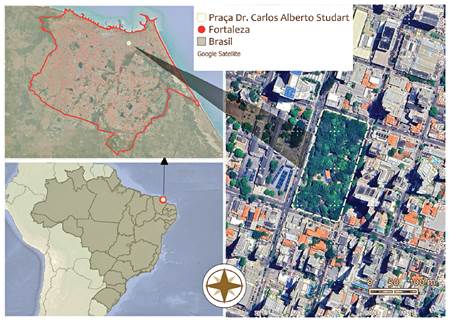
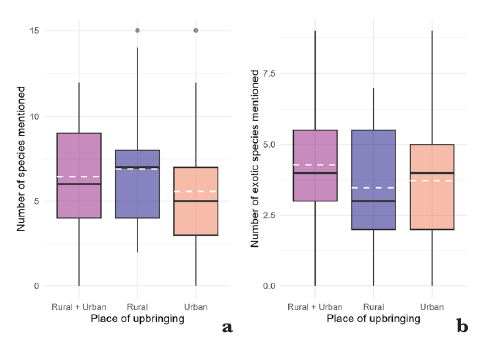
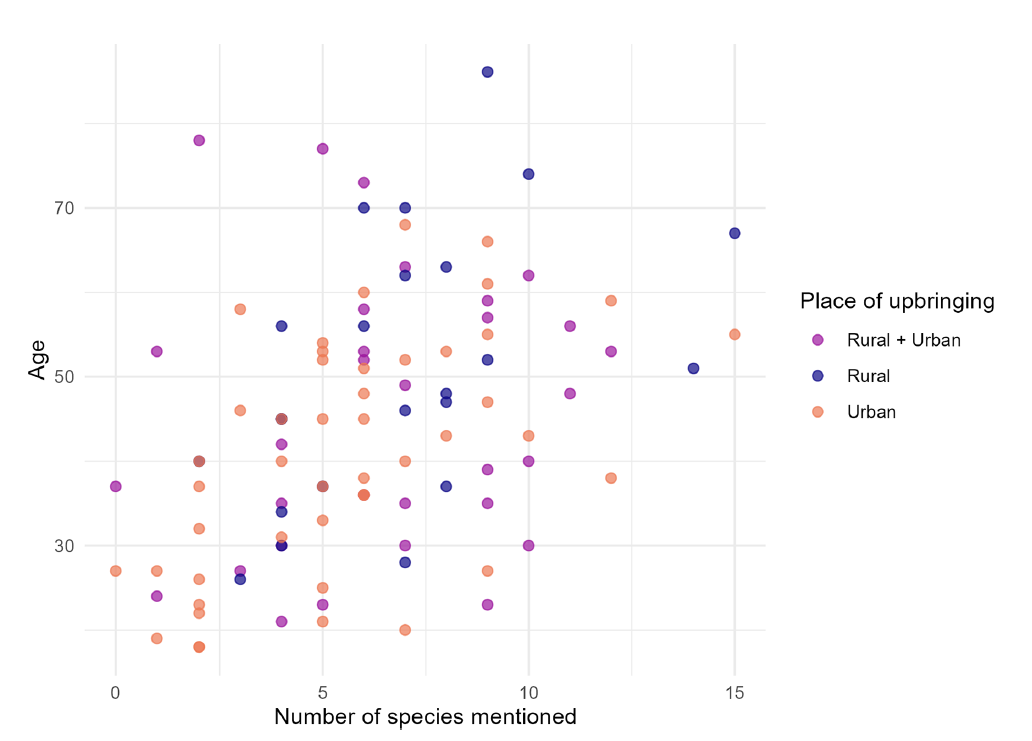
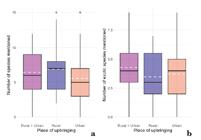
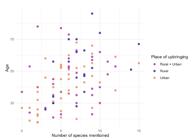
We examined the knowledge held by urban residents regarding tree species as well as their preferences and perceptions of green areas within their city. Pedestrians in Fortaleza, Ceará state, Brazil, were interviewed regarding the tree species they know and value, and the tree species present in the square where the interviews were recorded. We expected higher mentions of exotic species and a preference for them over native species, reflecting global urbanization trends and the fact that most trees in the city studied are exotic. We also hypothesized that urban green areas would be positively evaluated by citizens, linked to perceptions of green spaces as beneficial to human well-being and health. The interviewees cited 100 ethnospecies, representing 97 biological species. Participants showed greater familiarity with, and preference for, exotic species. These results aligned with our expectations, as exotic trees are much more common in Fortaleza than native species. The number of species cited was influenced by the interviewee’s age and origin (urban vs. rural). Despite recognizing the importance of urban trees, many interviewees associated them with drawbacks like leaf clutter and infrastructure damage. Our findings suggest that promoting planting native fruit trees and implementing proper management could foster the appreciation of native species in urban settings and help preserve local knowledge and ecosystem services. This underscores the potential for integrating native species into urban green spaces to enhance biodiversity and ecosystem health and to counteract the impacts of urbanization and the loss of traditional ecological knowledge.
Key words:
ethnobotany; local knowledge loss; urban forestry; urban green areas; urban trees
 Thumbnail
 Thumbnail
 Thumbnail