 Short-stabilized poultry compost replaces mineral fertilizer without yield loss in maize: a four-year field trial
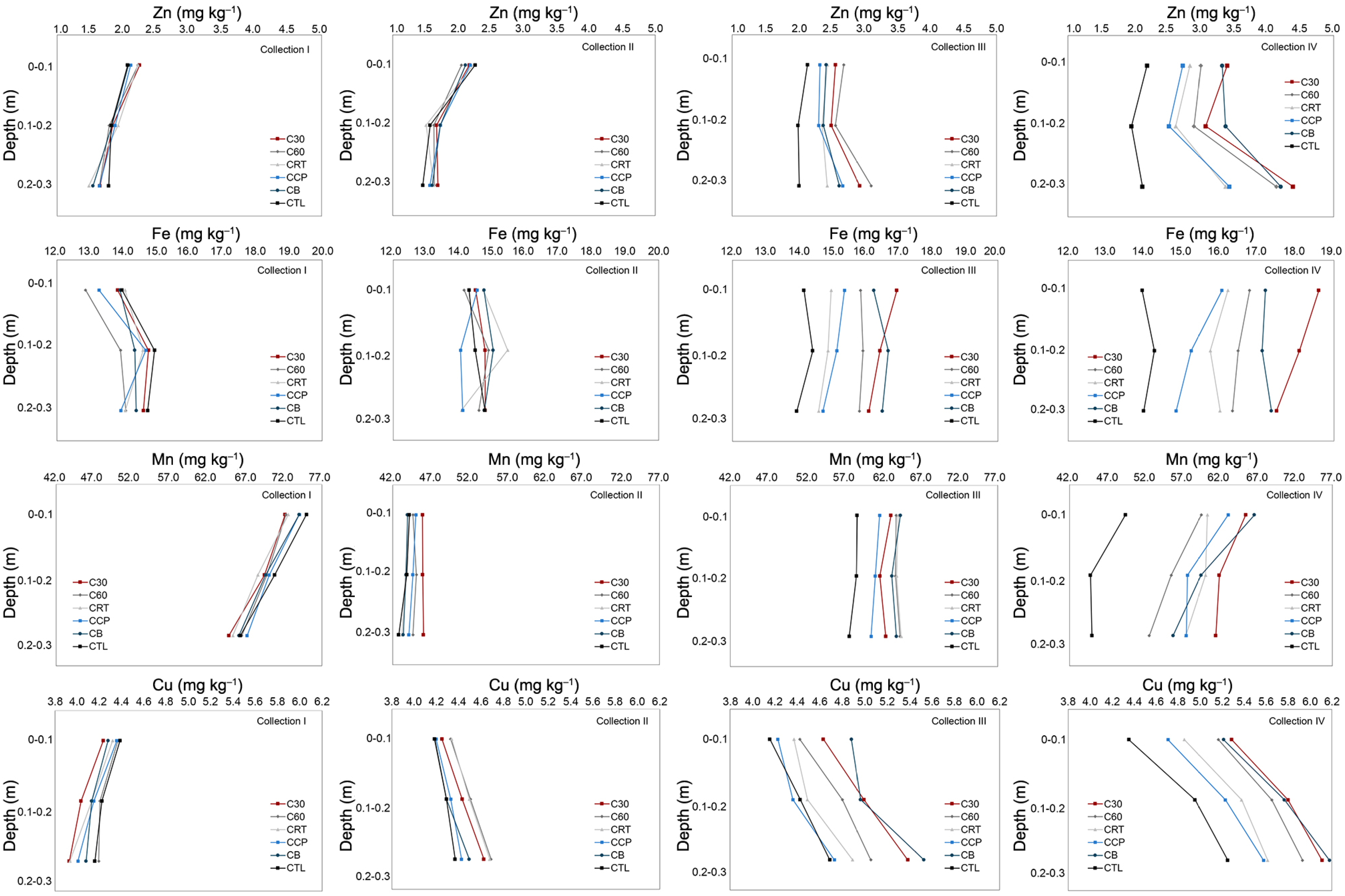
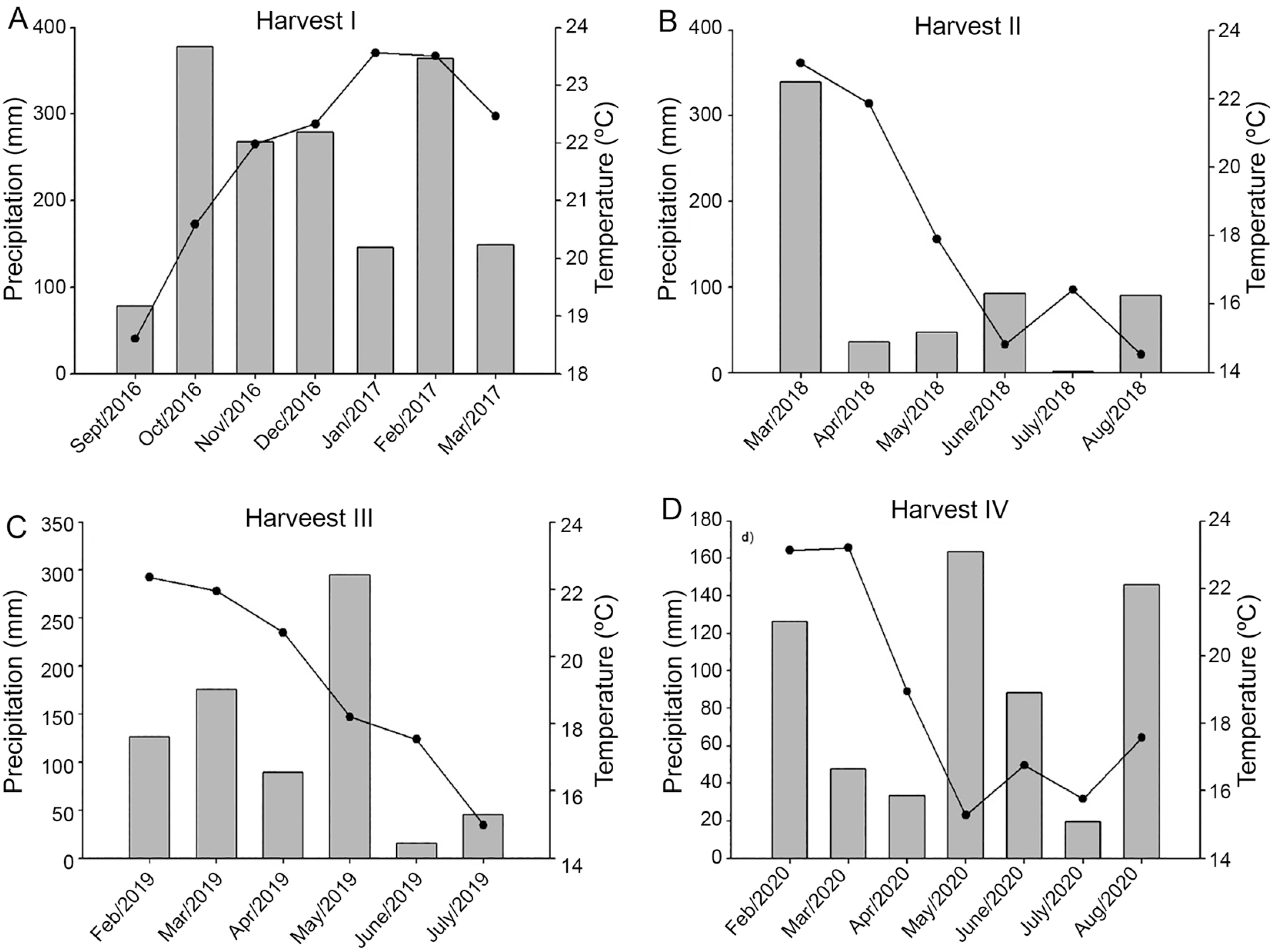
A four-year field trial (2016-2020) on a Rhodic Hapludox in Cascavel, in the state of Paraná, Brazil compared five broiler-chain organic fertilizers differing in stabilization time: compost stabilized for 30 days (C30), compost stabilized for 60 days (C60), compost stabilized until composting process reaches room temperature (CRT), approximately 100 days, commercial organic compost produced in a local composting plant (CCP) for approximately 120 days, and chicken bedding without controlled stabilization (CB), with a mineral-only control (CTL). Treatments were laid out in a randomized block design (6 × 3). Compost doses were front-loaded at 8 Mg ha−1 and tapered to 6, 5 and 4 Mg ha−1 in years 2-4, while mineral NPK (10-15-15) was simultaneously reduced by 30, 40, 50 and 60 % (231 → 100 kg ha−1 yr−1); CTL received 330 kg ha−1 every season. Relative to CTL, the organic treatments increased surface-soil pH by up to +1.2 units, Mehlich-1 P by 66 % (14.4 → 23.9 mg kg−1), and exchangeable K by 19 % after the first application. The concentrations of diethylene triamine pentaacetic acid-extractable zinc (DTPA-Zn) and copper (DTPA-Cu) rose 34 % and 28 %, respectively, after the second year. Grain yield was maintained (79.6 ± 2.9 vs 78.4 ± 2.5 Mg ha−1 in CTL), confirming that partial mineral fertiliser replacement did not compromise productivity. The strategy allowed ≈ 35 kg ha−1 P2O5 and 20 kg ha−1 K2O to be withheld each season, saving ≈ US$ 28 ha−1 and diverting poultry waste from landfills. Broiler composts stabilised for ≤ 60 days (C30, C60) delivered the most significant improvements. We conclude that short-stabilisation broiler compost can replace up to 60 % of mineral NPK in maize, enhance soil fertility, and foster regional circular-economy loops without yield loss.
Keywords:
organic compost; waste from the broiler production chain; chicken bedding material; stabilization
 Thumbnail
 Thumbnail