 Biochemical changes and antioxidant enzyme activity in alstroemeria flowers postharvest
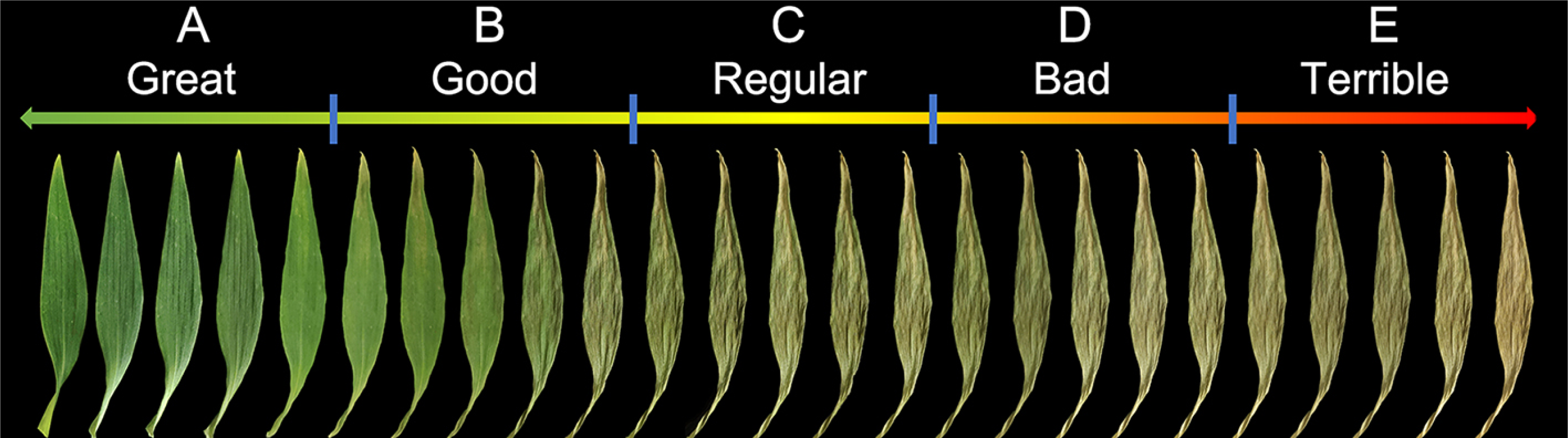
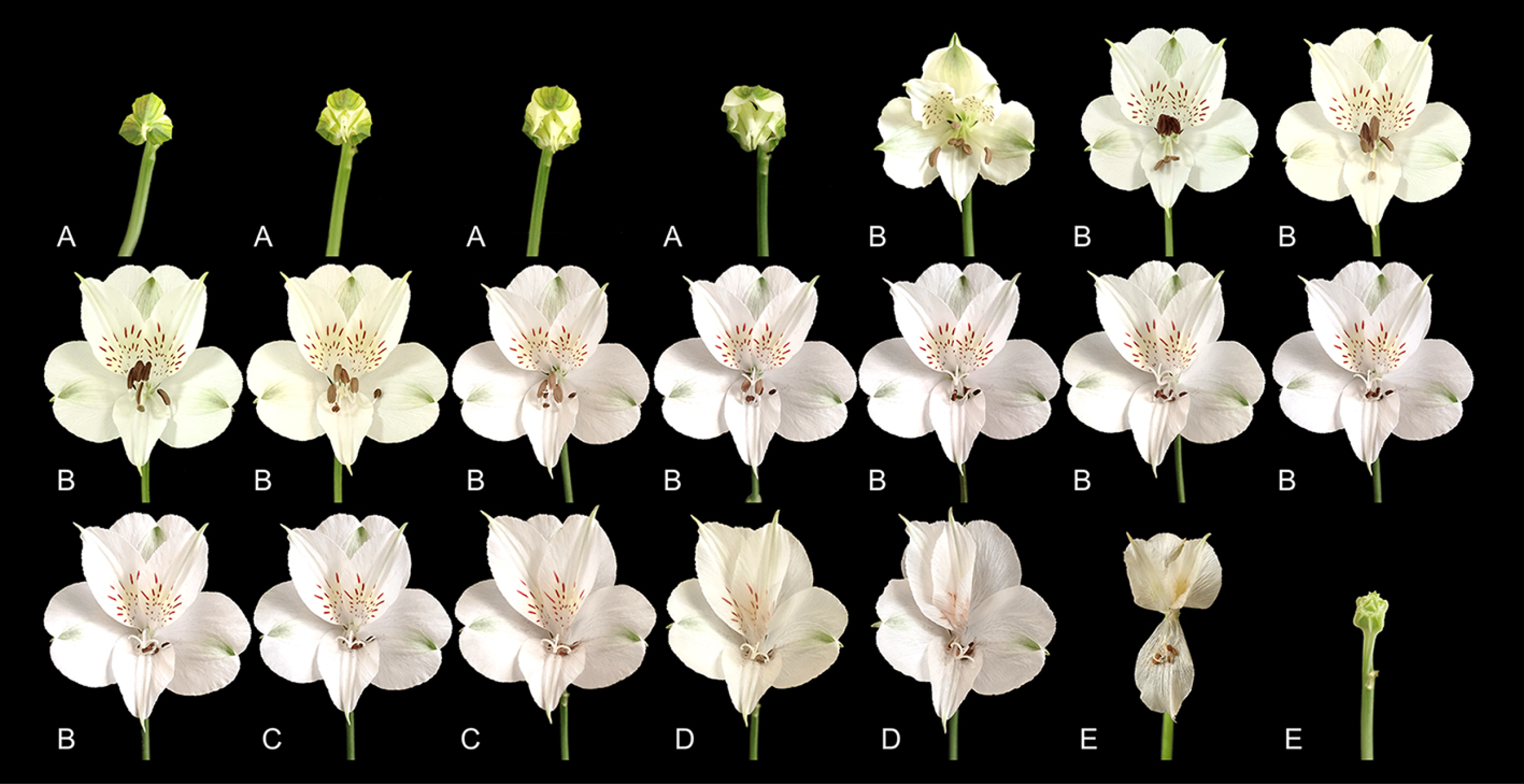
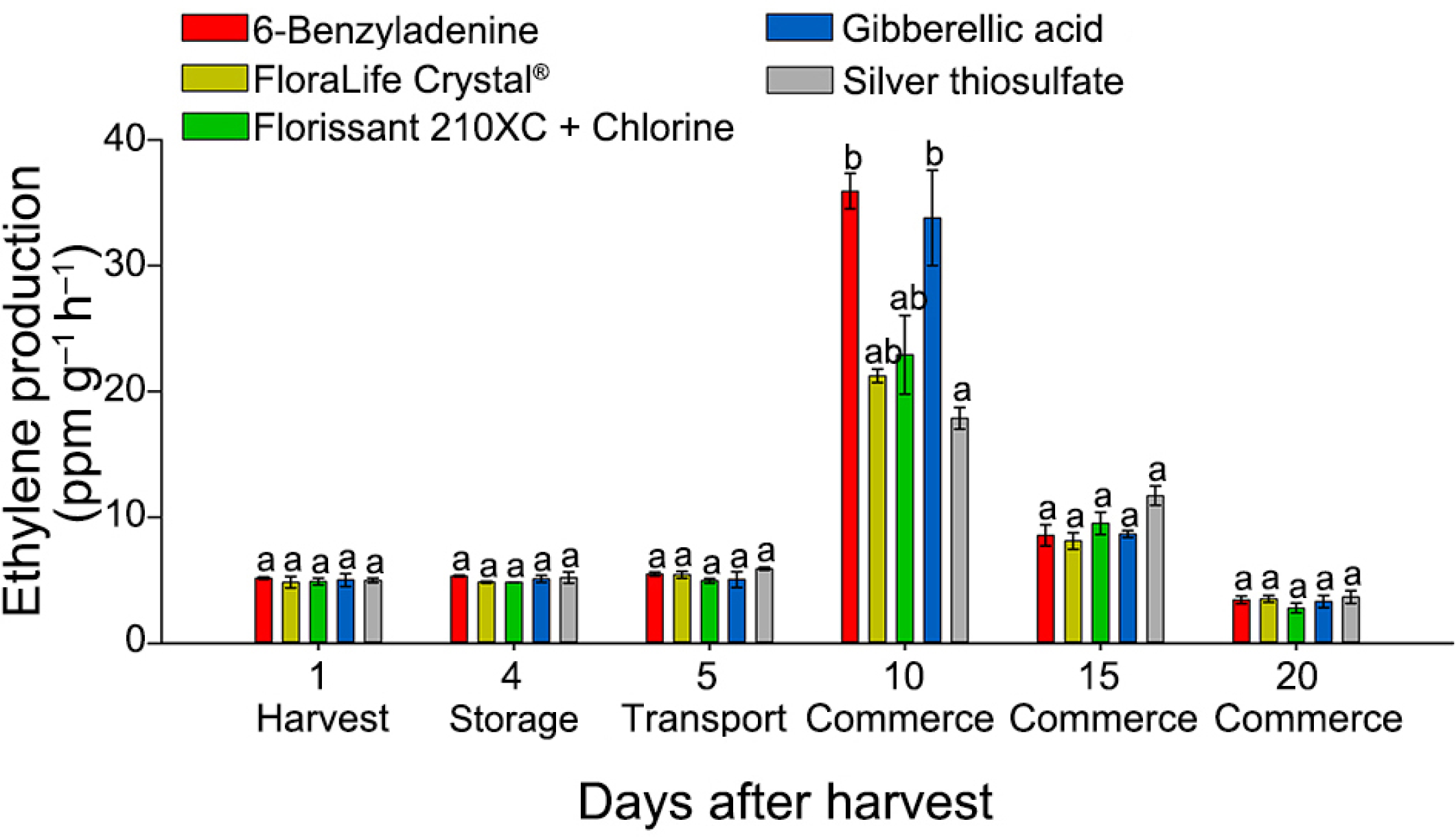
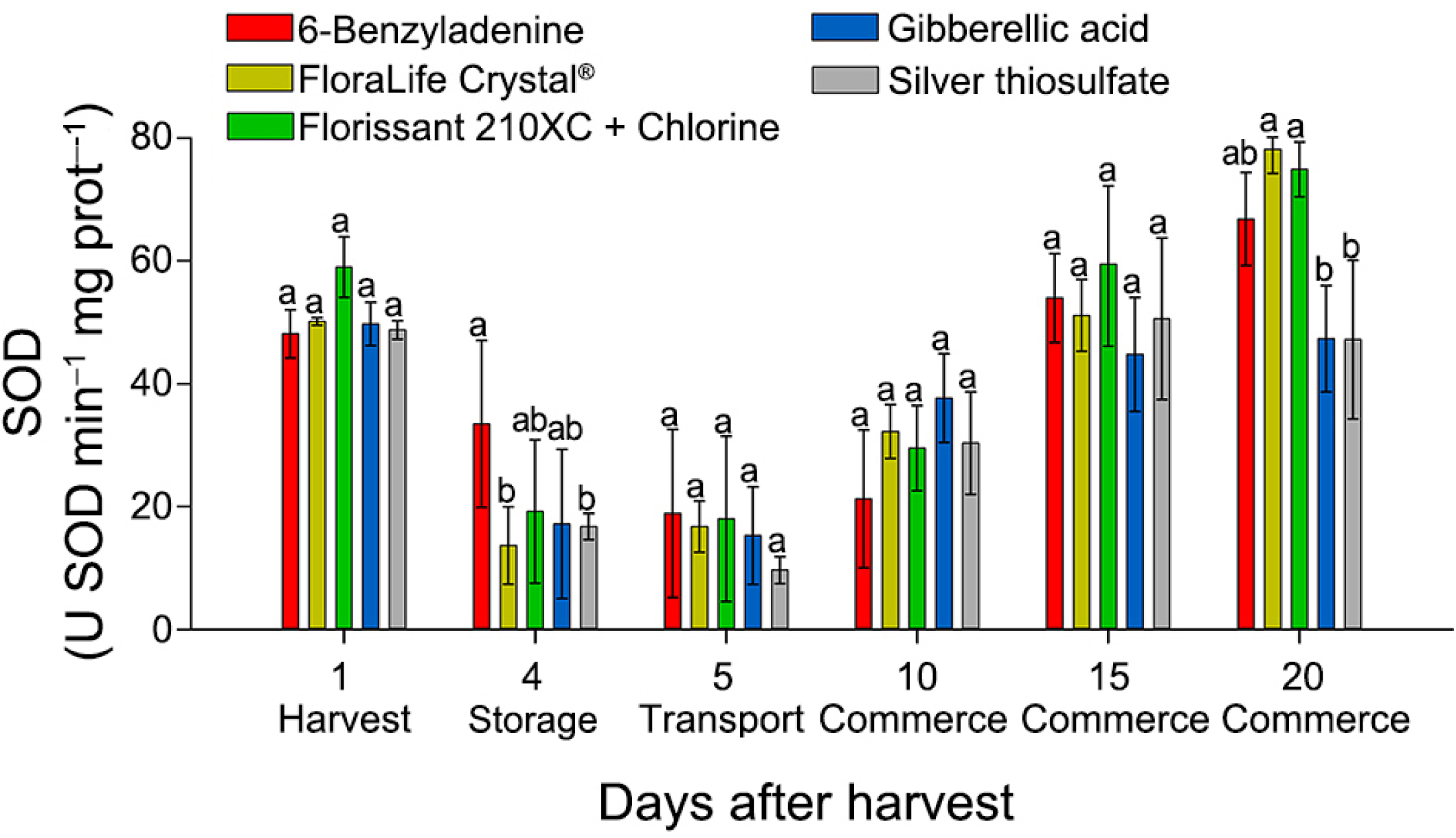
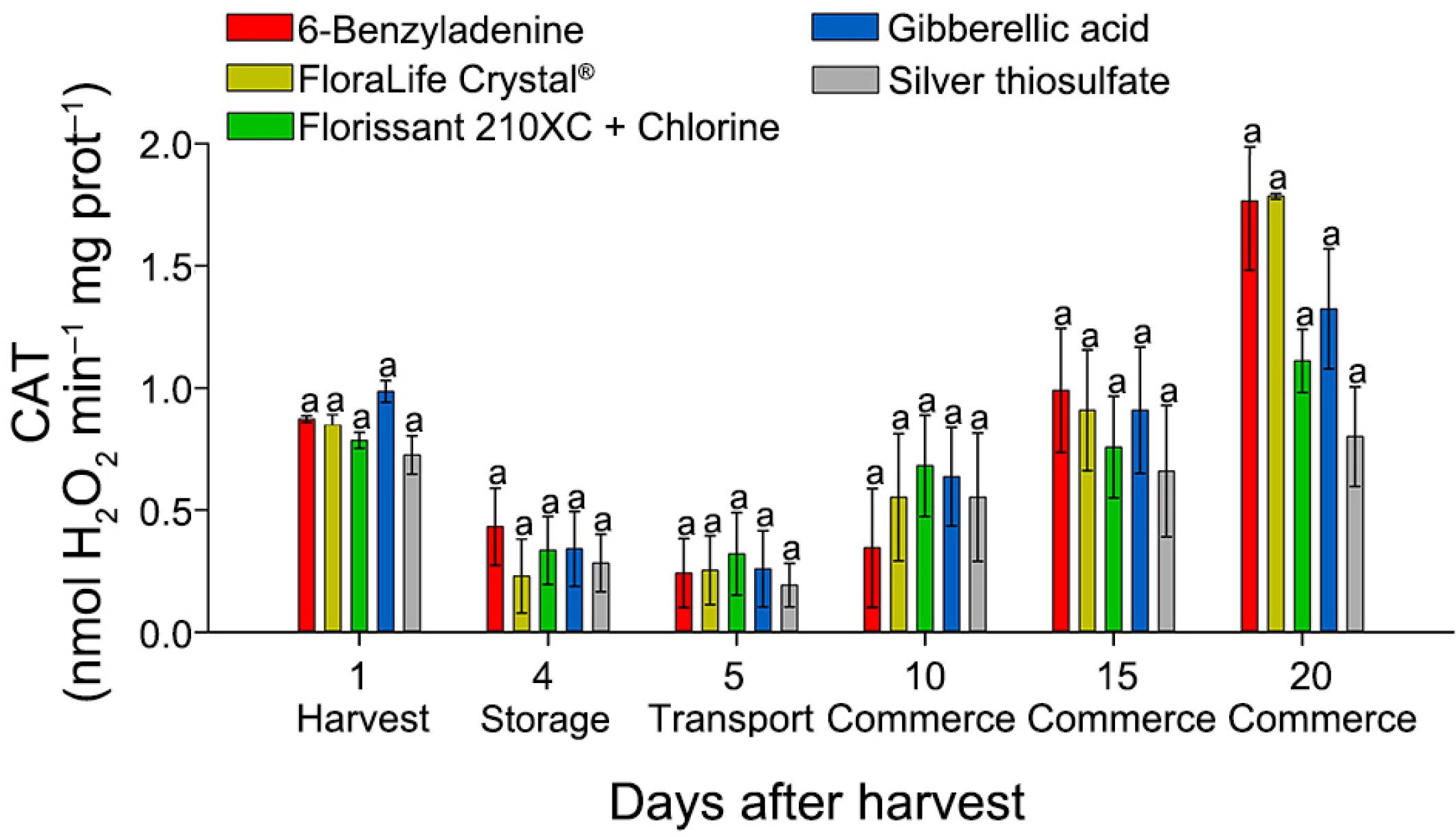
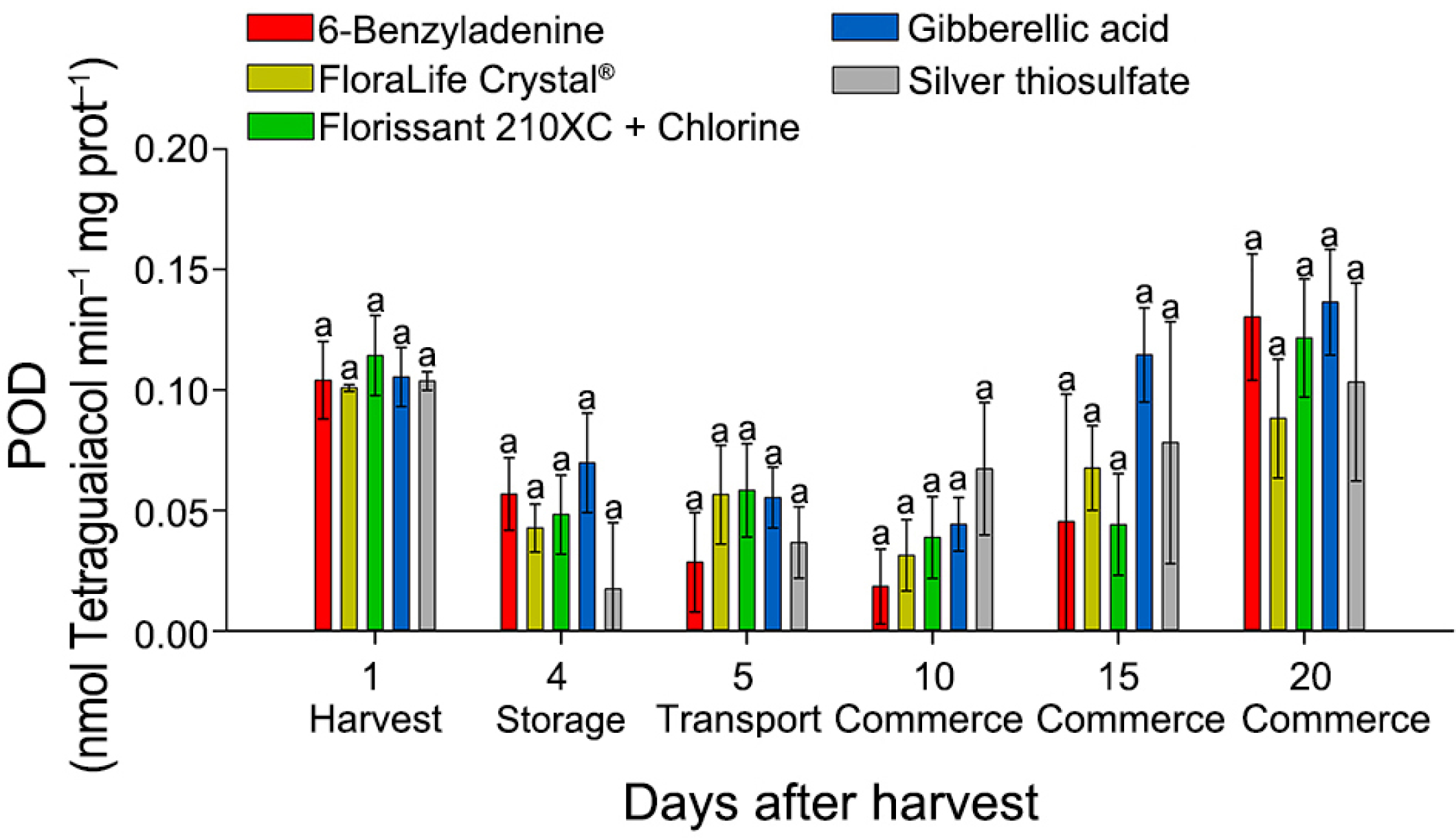
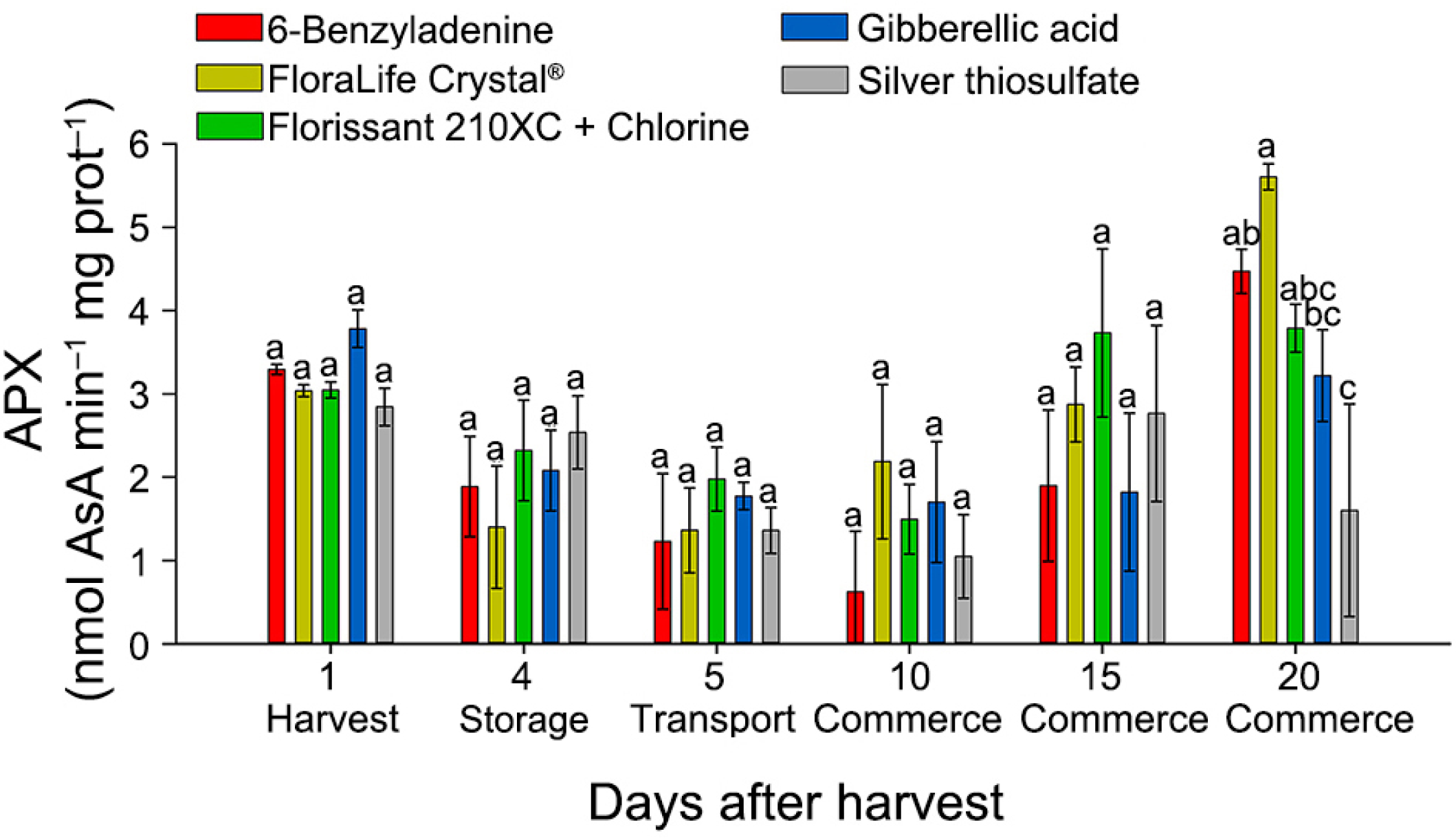
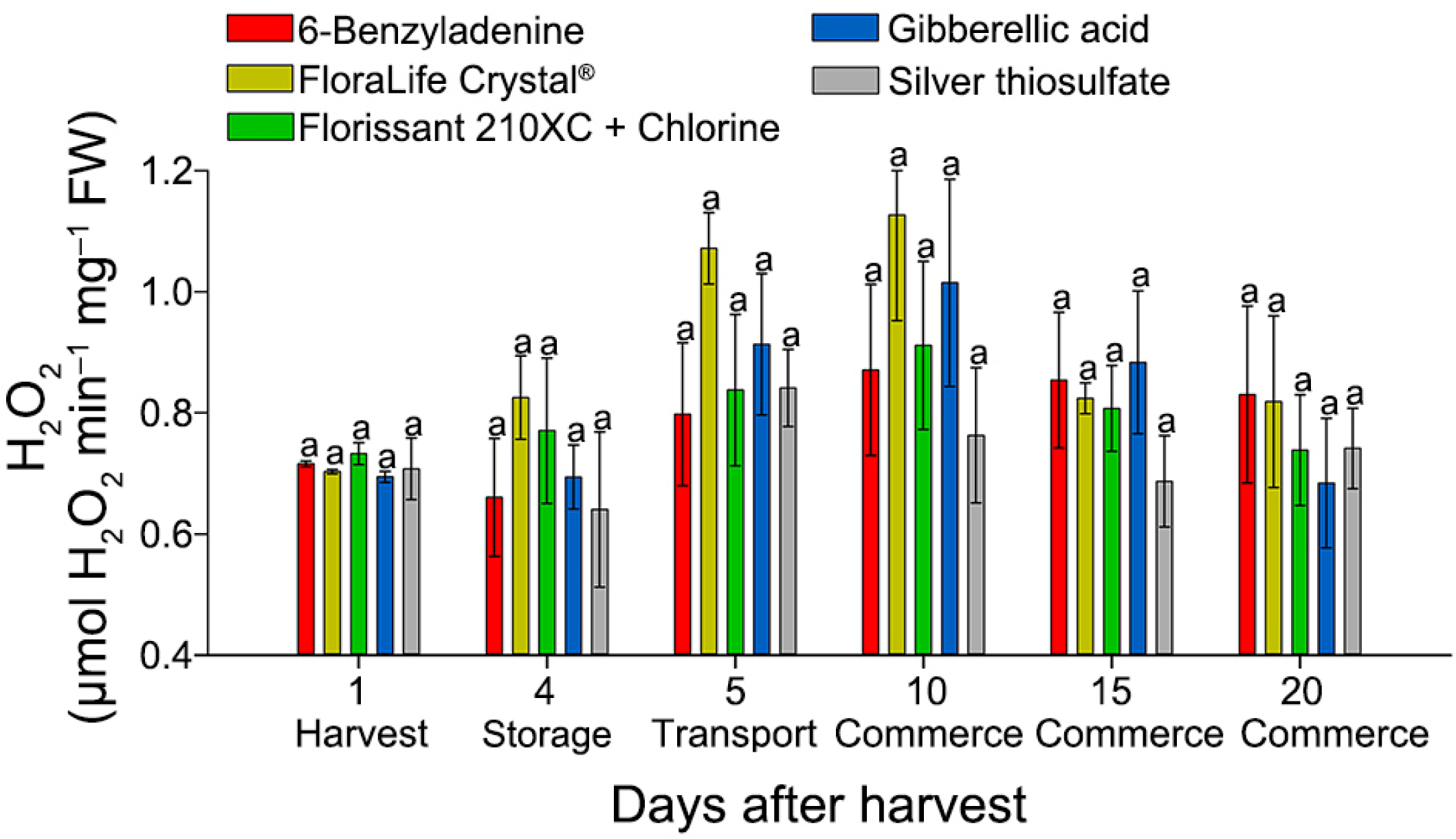
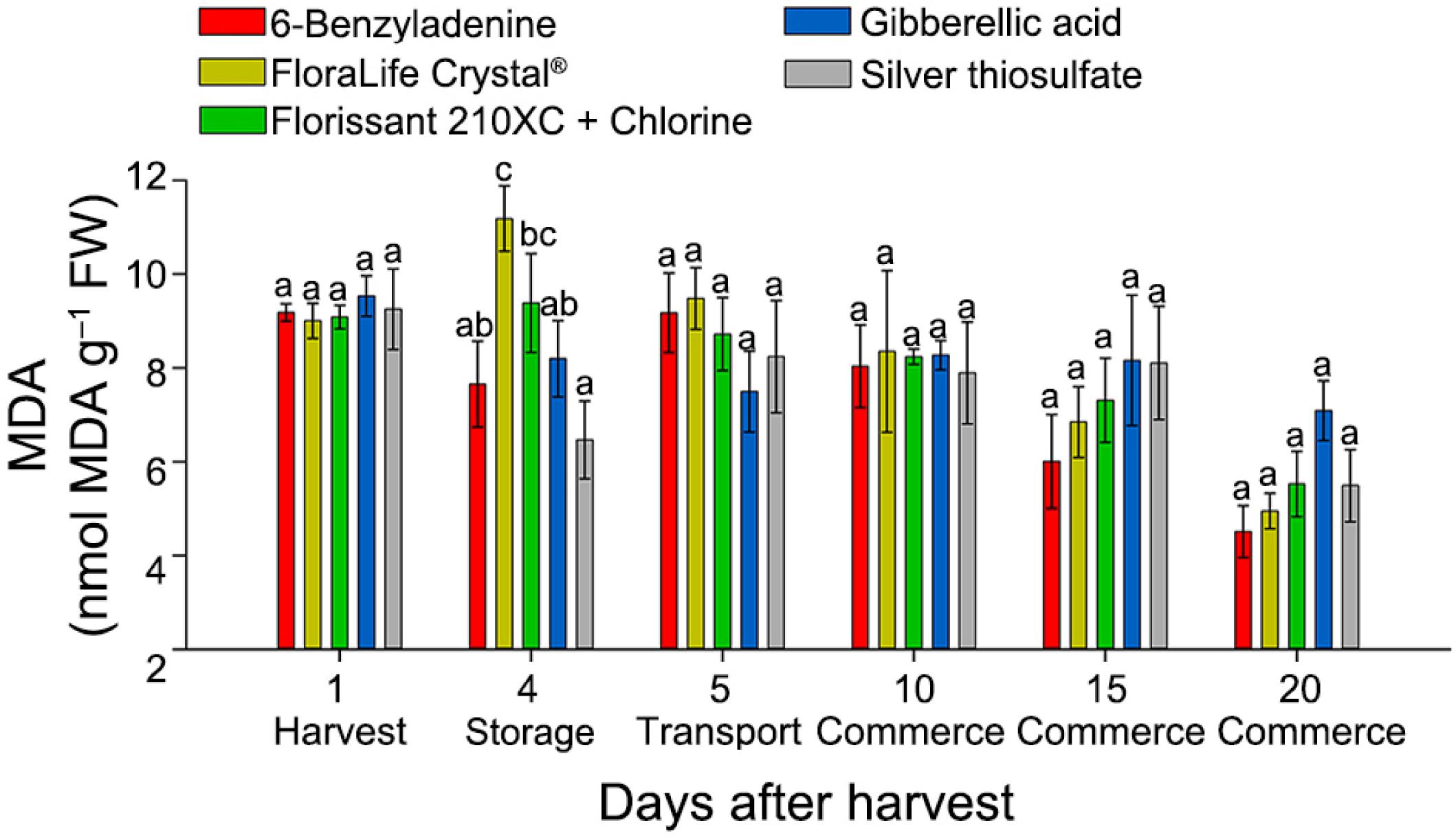
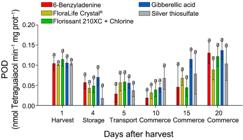
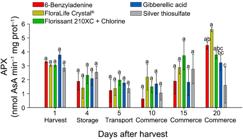
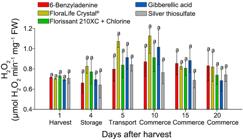
Premature leaf yellowing, which is correlated to a decline in flower quality, represents a major challenge to the postharvest handling and commercialization of alstroemeria (Alstroemeria hybrida). Preservative solutions have been used as a strategy to address this problem. However, the results reported so far remain inconclusive. While these preservative solutions may delay senescence, their relationship with biochemical processes, particularly with ethylene and antioxidant enzymes, remains unclear. Therefore, the objective was to evaluate the effectiveness of different preservative solutions in maintaining postharvest quality and assessing the biochemical responses of Alstroemeria hybrida ‘Akemi’ floral stems. Alstroemeria flowers were harvested, sanitized, standardized, and subsequently placed in preservative solutions. The treatments consisted of different solutions prepared with 200 mg L−1 6-benzyladenine (BA), 10 g L−1 FloraLife Crystal Clear® (CRY), 0.05 mL L−1 Florissant 210XC + Chlorine (FLO + Cl) combined with 0.03 g L−1 Cl, 0.1 mM gibberellic acid (GA3), and 2 mM silver thiosulfate (STS) (applied as a pulsing treatment). Out of all the treatments, GA3 and FLO + Cl with chlorine provided the longest postharvest durability of floral stems. Preservative solutions prepared with GA3 or FLO + Cl with chlorine were effective in delaying leaf yellowing in alstroemeria. The use of STS in a pulsing solution was efficient in preventing perianth abscission. The antioxidant enzymes catalase (CAT), peroxidase (POD), superoxide dismutase (SOD), and ascorbate peroxidase (APX) contributed to reducing hydrogen peroxide (H2O2) accumulation in the flowers and showed higher activity during the harvest and commercialization phases.
Keywords:
biochemical; durability; leaves; leaf yellowing; quality
 Thumbnail
 Thumbnail
 Thumbnail
 Thumbnail
 Thumbnail
 Thumbnail
 Thumbnail
 Thumbnail
 Thumbnail
 Thumbnail