 Predicting carbon stocks in deeper soil layers using topsoil data
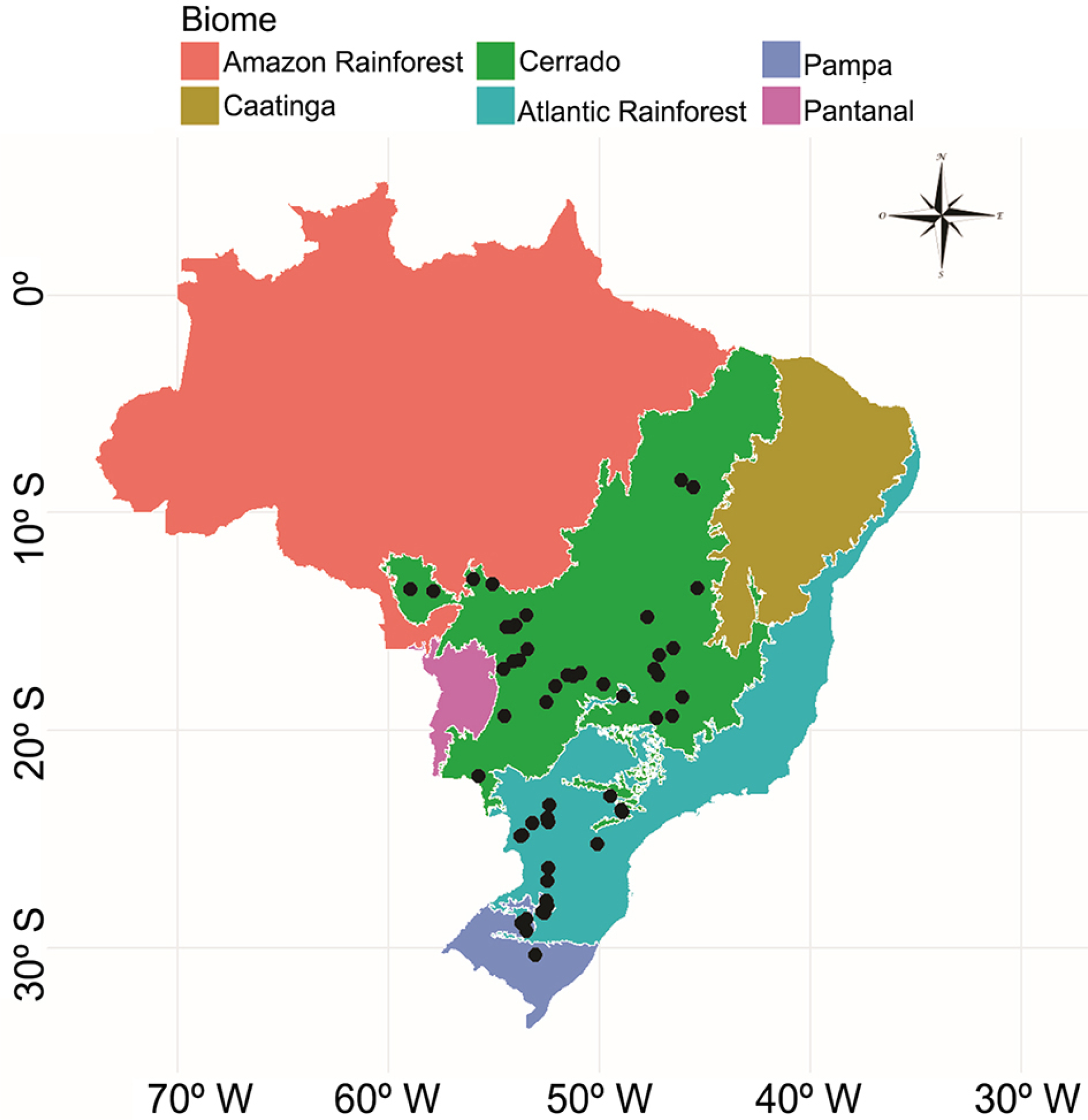
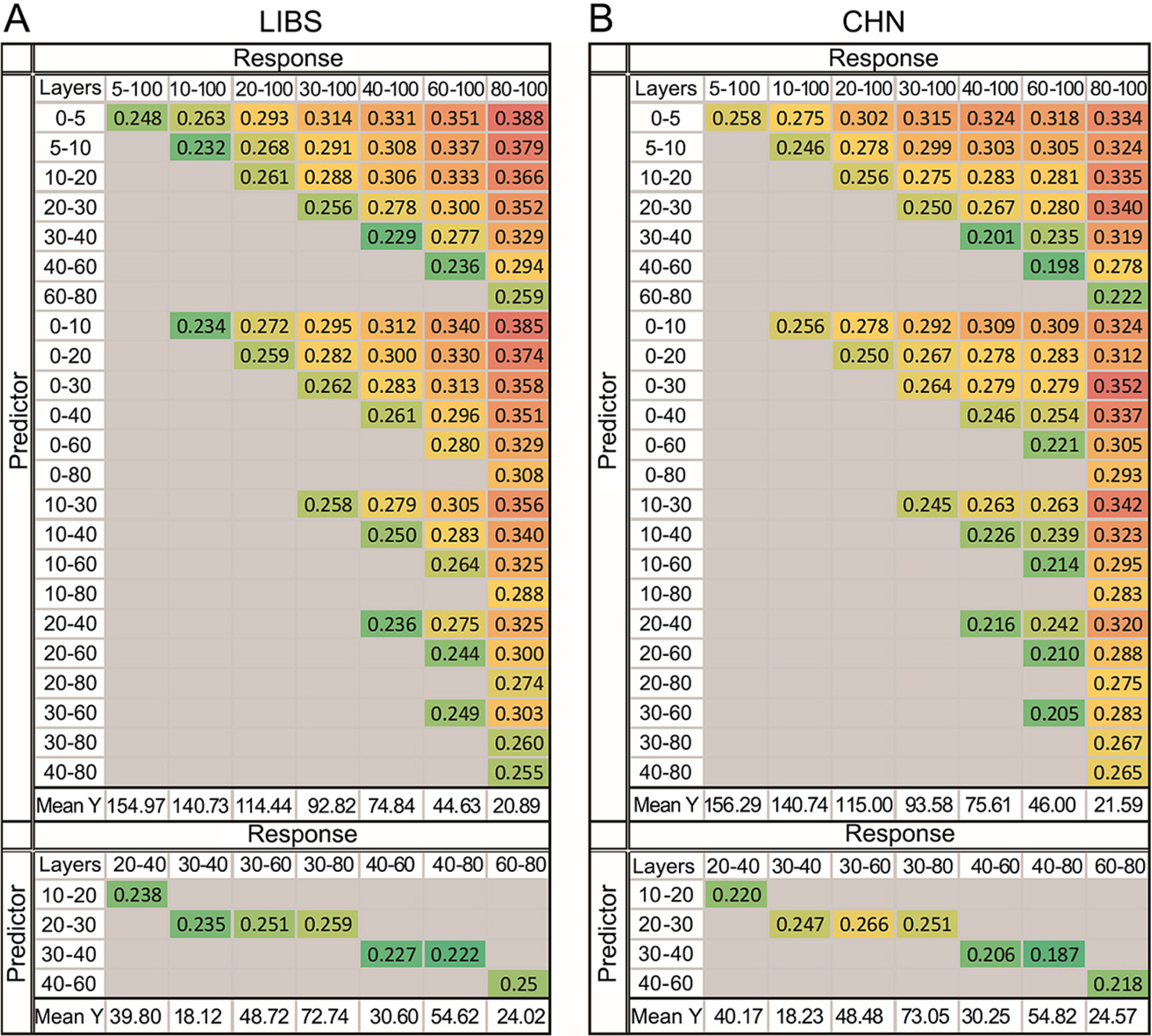
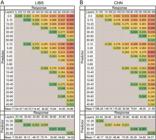
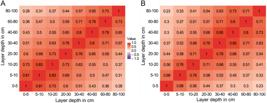
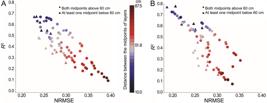
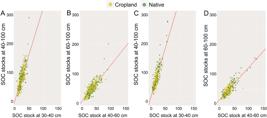
Agricultural soils have a significant potential for carbon sequestration, thus playing a vital role in addressing climate change. Deeper soil layers, often overlooked in inventories, contain considerable amounts of soil organic carbon (SOC), particularly in tropical regions. Hence, it is crucial to include variations in those stocks in carbon accounting. However, the higher costs of measuring deep carbon stocks often deter such measurements. Therefore, developing cost-effective methods to predict SOC stocks in deeper soil layers is essential. This study aimed to assess the relationship between topsoil data and predictions of carbon stocks across various soil depths in tropical native vegetation and croplands on 53 farms in Brazil. We examined multiple combinations of soil layers above a target depth (e.g., 40 cm) to assess the viability of using topsoil data to predict deeper SOC stocks. Our results indicate that SOC stocks at depths of 30-40 cm and 40-60 cm can reliably predict SOC stocks at 40-100 cm and 60-100 cm, respectively. The models developed in this study provide a cost-effective approach for estimating SOC stocks in deeper soil layers, potentially enhancing the economic efficiency of quantifying the contributions of the agricultural sector and carbon farming initiatives in Brazil.
Keywords:
MRV; agriculture; land use; soil organic carbon; tropics
 Thumbnail
 Thumbnail
 Thumbnail
 Thumbnail
 Thumbnail
 Thumbnail