
 Exploring the Usability of Urban Open Spaces, the Nexus between Tourism and Well-being Upticks in a Mixed-use Settlement
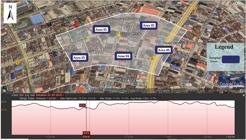
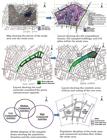
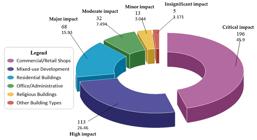
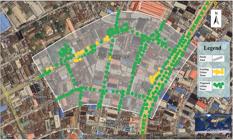
Extremely urbanized areas have withstood numerous urban disputes, disturbances, and catastrophes related to urbanization, affecting tourism. This study adopted the European Environment Agency's (EEA) urban greening framework. It aims to create an urban open space conducive to city dwellers and tourists. One of the key features is creating a healthy ecosystem and ensuring that the needs of the park users are considered. A quantitative research methodological approach was used, and five hundred (500) copies of the questionnaire were sent out to respondents, who included park users, tourists/visitors, homeowners, and traders. A total of 422 correctly completed copies of the questionnaire were retrieved and used for analysis. Thus, an 84,4% questionnaire administration and retrieval success rate was achieved. The data collected were analyzed using simple percentages and frequency counts for demographic, building type, income, employment, and risk impact information about the respondents and the proposed urban intervention. On-site assessment of the urban area was captured using Google Maps to acquire updated land use data and aerial imagery of the study area. The study identifies five open spaces within the settlement, and the challenges and tourism possibilities, such as maintaining its historic urban character and reviving the streets and neighborhood parks, were uncovered. The study concluded that policies for landscape and urban design that incorporate green infrastructure into the open spaces for sustainable urban revitalization and tourism development. It recommended innovative and adaptive urban design strategies to boost tourism through effective streetscaping using nature-based greenery and beautification.
Keywords:
Open Spaces; Streetscapes; Tourism; Urbanization; Urban Design
 Thumbnail
 Thumbnail
 Thumbnail
 Thumbnail
 Thumbnail
 Thumbnail
 Thumbnail
 Thumbnail
 Thumbnail
 Thumbnail
 Thumbnail
 Thumbnail
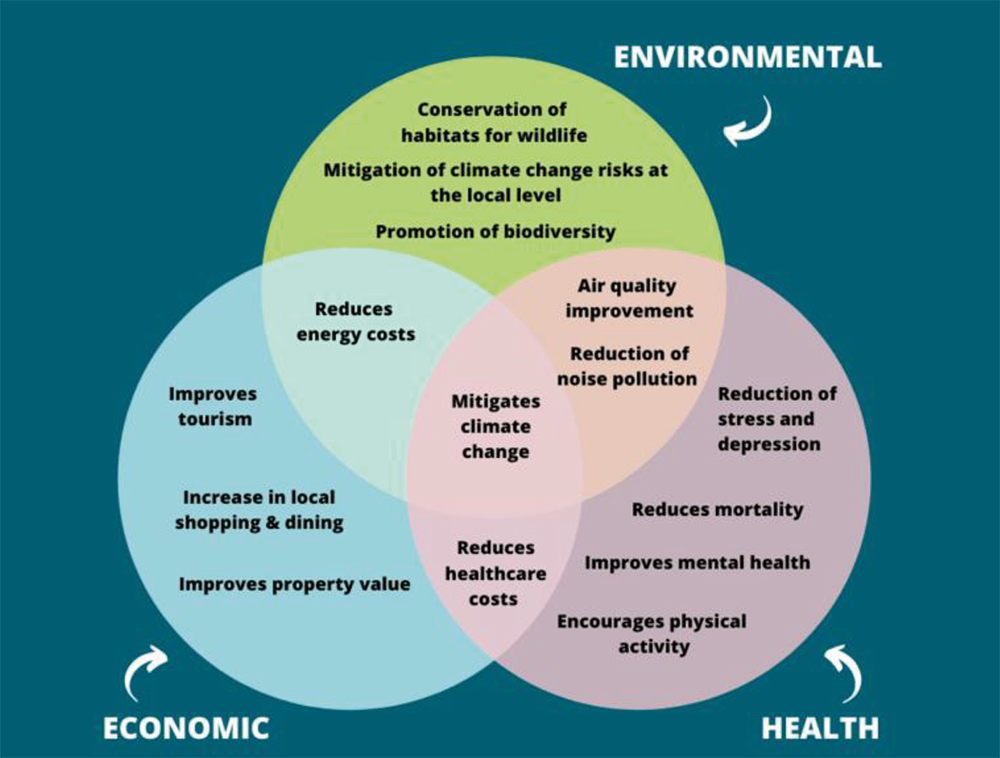 Source:
 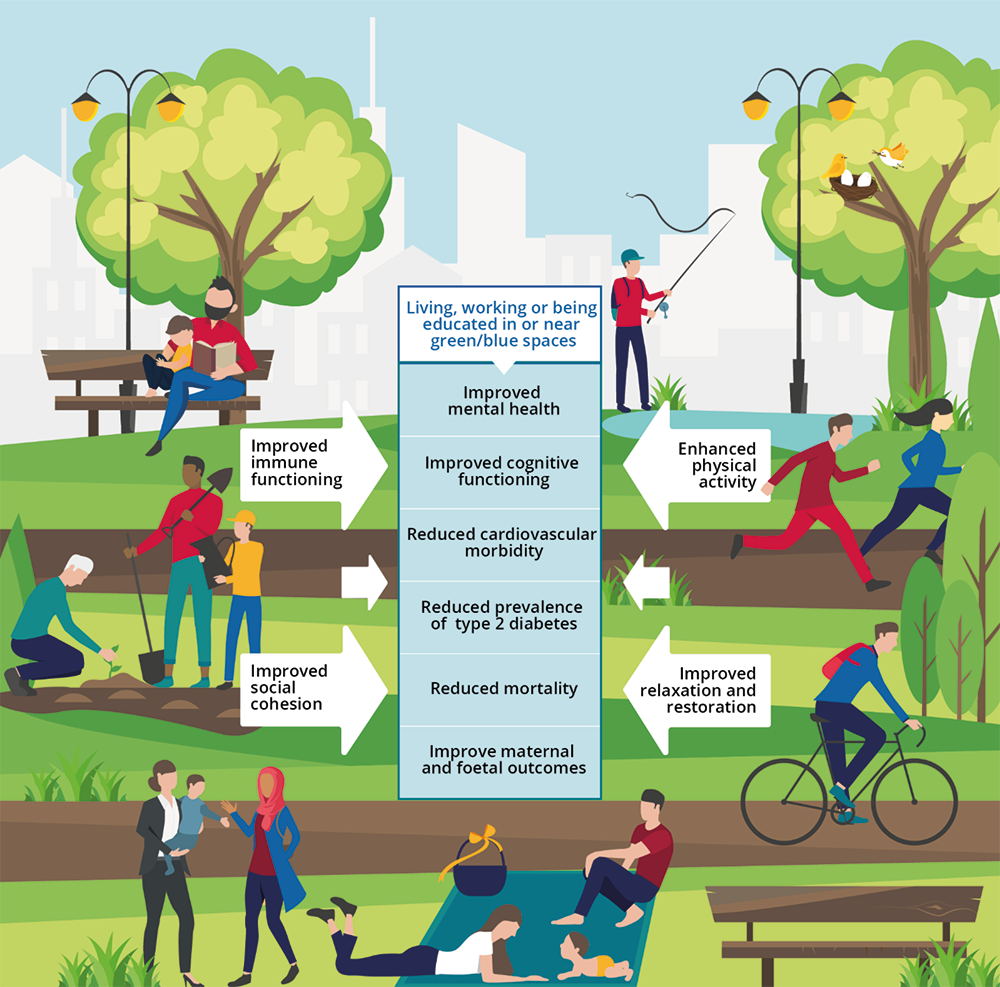 Source:
  Source: The authors (2024) adapted from
 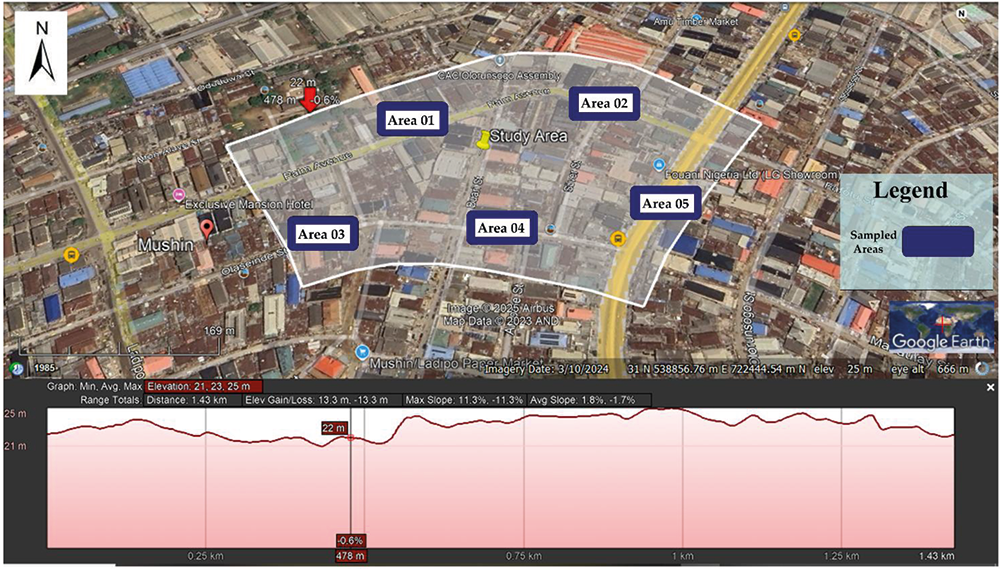 Source: The authors (2024) adapted from
  Source: The authors (2024) adapted from
 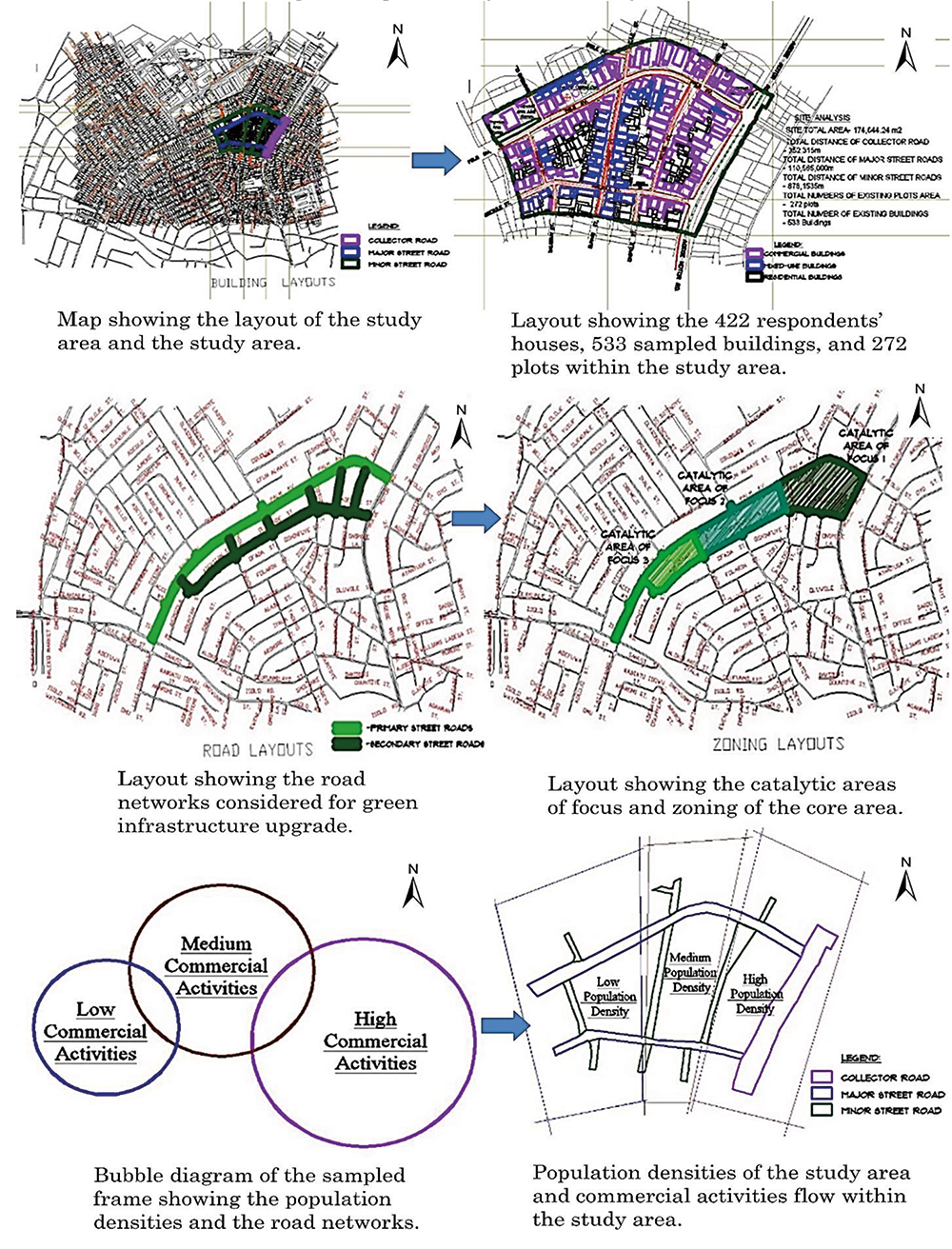 Source: The authors (2024).
 Source: The authors (2024).
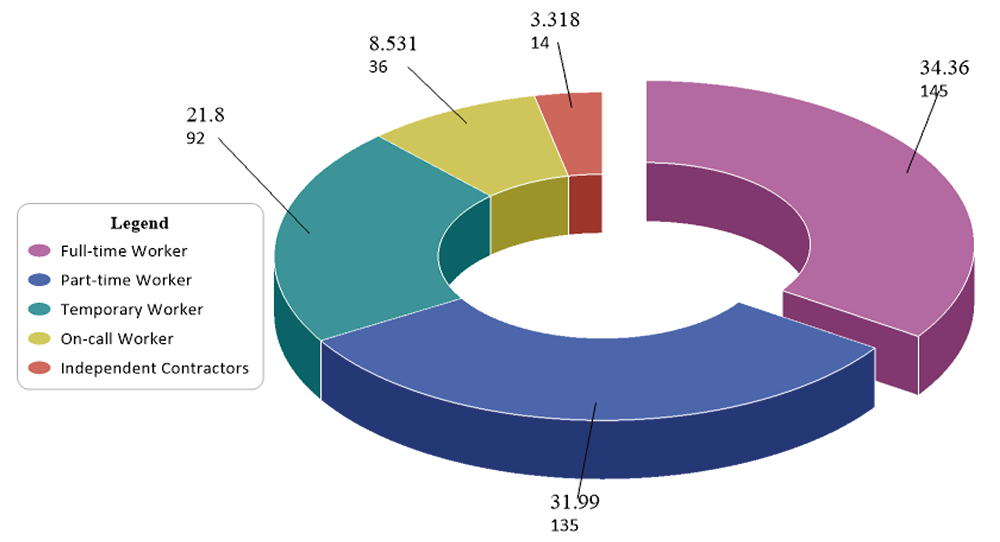 Source: The authors (2024).
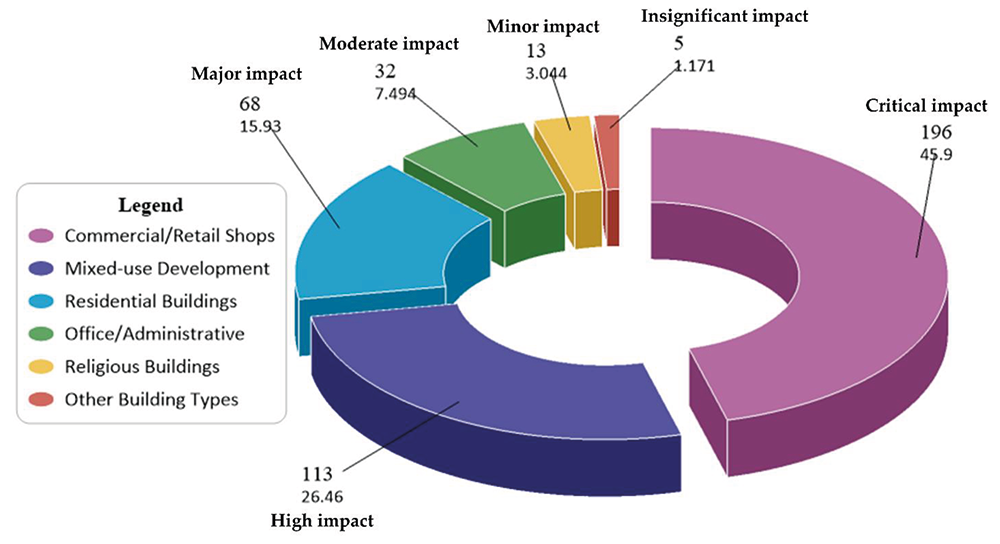 Source: The authors (2024).
 Source: The authors (2024). Edited from
  Source: The authors (2024).
 Source: The authors (2024).